One species · 1 form
Staurogyne repens
Also known as S. repens, Staurogyne sp. 'Brazil'
FreshwaterCarpetingSide shootsCuttings
Care at a glance
- Light
- Medium light
- CO2
- CO₂ beneficial
- Temperature
- 68–82°F
- 20–28°C
- Max height
- 3.9 in
- 10 cm
- Growth rate
- Medium
- Placement
- Foreground
- Type
- Carpeting
- pH
- 6.0–7.5
- Hardness
- 0–12 dGH
- Spread
- 3.9 in (10 cm)
- Nutrient uptake
- Root + water column
- Growth region
- Submersed or emersed
- Difficulty
- Easy
- Family
- Acanthaceae
- Origin
- Brazil (Rio Cristalino, Mato Grosso)
Pick a form
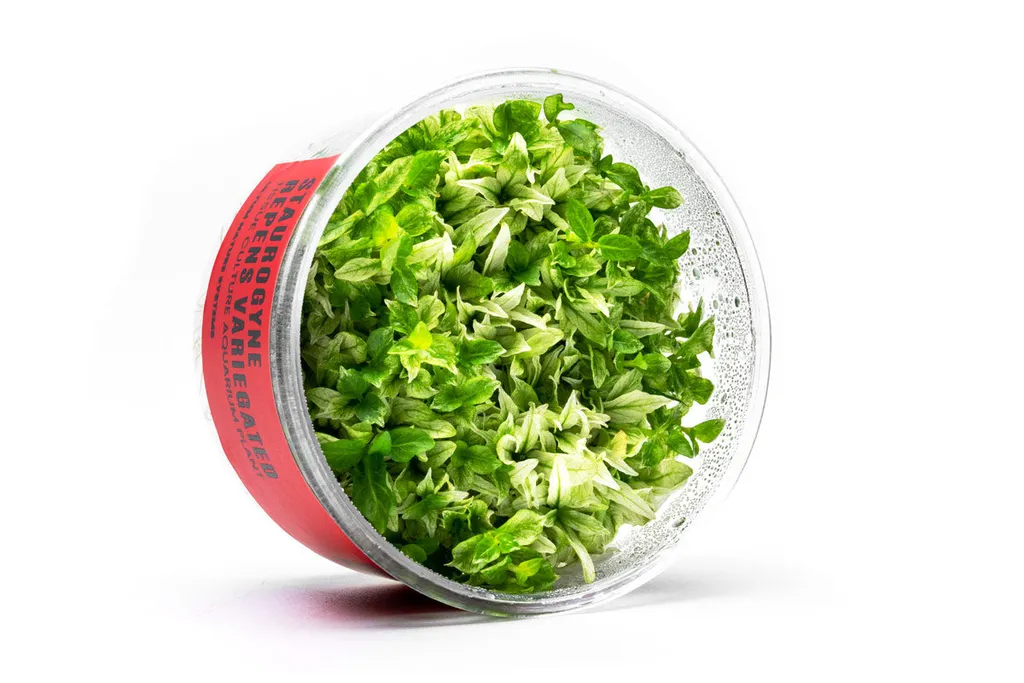
Variegated S. repens takes the green plant's care but fills in more slowly.
Overview
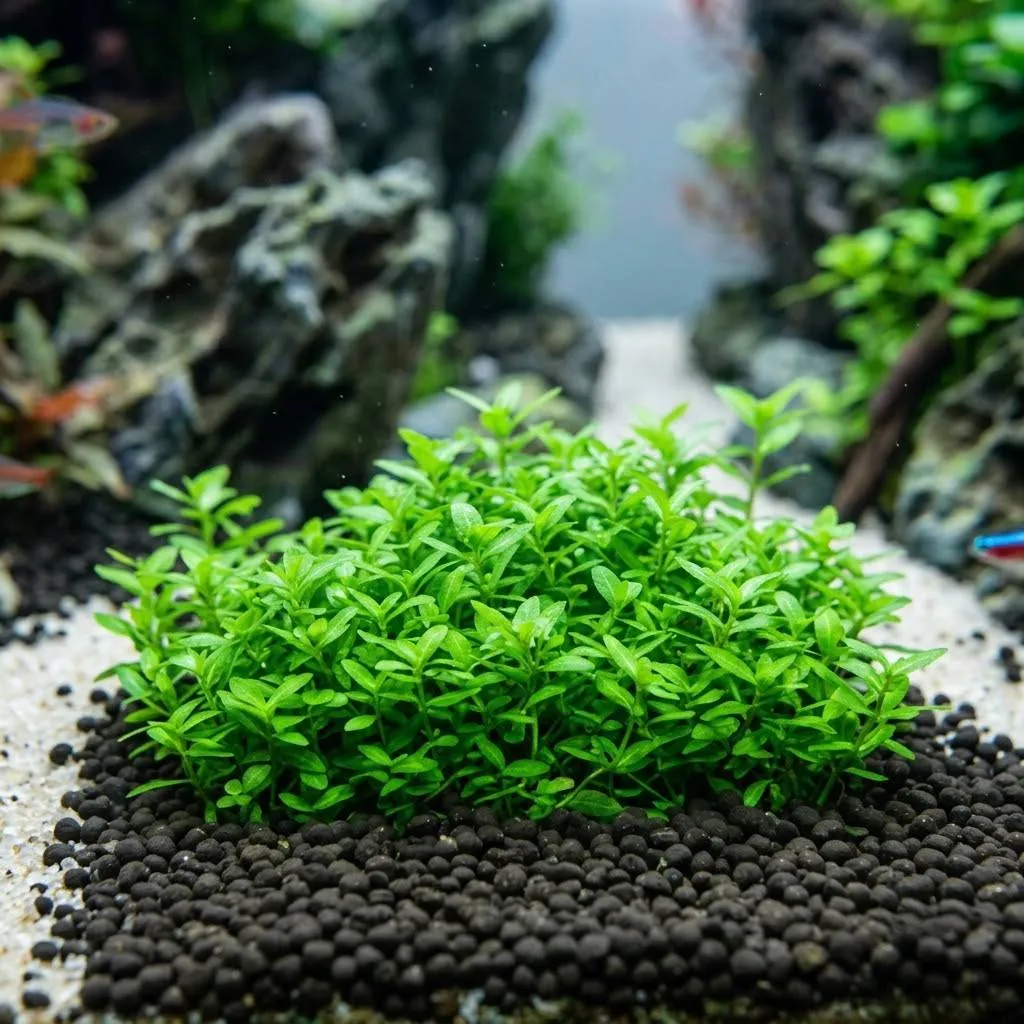
Staurogyne repens is a compact, bushy carpeting plant for the foreground or low midground. It is an easy plant.
Did you know
Staurogyne repens carpets like a foreground plant, but botanically it is a low, creeping stem plant with opposite leaves. It is not a true rosette or a runner-spreading species.
Caring for Staurogyne repens
Split the in-vitro clump of Staurogyne repens into small portions and plant each one a few centimeters apart. The portions fill in toward each other as they grow.
It grows without CO2, but injection with medium to strong light keeps it lower, greener and denser. A nutrient-rich substrate helps, since it feeds through both roots and leaves, and a liquid fertilizer covers the rest. It handles 68 to 82°F (20 to 28°C) and a pH of 6 to 7.5.
Staurogyne repens grows at a moderate pace and is slow to take off compared to hairgrass, so be patient through the first weeks. Trim the tops regularly to force side shoots and a tighter mat. Push the trimmed tops back into gaps, where they root and grow, so a single pot can slowly seed a whole carpet.
Variegated S. repens keeps the small spade-shaped leaves and low habit of the green plant, streaked or marbled cream to pale yellow. The pale streaks hold little chlorophyll, so the green parts of each leaf do most of the feeding. Variegated rates medium difficulty, against an easy rating for green S. repens. UNS sells it in the US as tissue culture, and its origin is unpublished.
Yellowing leaves on variegated S. repens point to a nutrient gap, and thinning leaves point to low CO2. Start at medium light and add more if the stems stretch thin and upright. Plant it in the foreground or low midground, where taller plants will not shade it.
Good to know
Staurogyne repens is a member of the acanthus family, Acanthaceae, the same family as Hygrophila. Tropica collected it and brought it into the hobby around 2008. It was formally described as Staurogyne repens in 2010.
In the wild
Staurogyne repens is native to the Rio Cristalino in Mato Grosso, Brazil, where it grows along riverbanks that flood seasonally. It is amphibious, living emersed on damp ground in the dry season and fully submersed when the water rises. Its home water is soft and slightly acidic to neutral.
Common questions
Why is my variegated Staurogyne repens turning green?
The cream patches on variegated S. repens fade when light, CO2 or feeding swing, so keep all three steady. Variegated S. repens can also put up a solid green shoot. Pinch those shoots out, and replant the most streaked tops after each trim.
Does variegated Staurogyne repens stay as low as the green form?
Variegated S. repens grows low like the green form, to about 10 cm. Trim the tops to make it branch into a denser patch.
Does Staurogyne repens need to be planted in the substrate?
Yes. Split it into small clumps and push each one into the substrate with tweezers, leaving gaps for it to fill.
Does Staurogyne repens need CO2?
No, but it helps. Staurogyne repens can grow without injected CO2, and added CO2 makes it grow faster.
How much light does Staurogyne repens need?
Staurogyne repens wants medium light. A light sold for planted tanks covers it.
Does Staurogyne repens need root tabs?
They help. Staurogyne repens takes nutrients through both its roots and its leaves. Root tabs near its roots and a liquid fertilizer cover both.
How do you propagate Staurogyne repens?
Staurogyne repens propagates by side shoots and cuttings. Cut a side shoot off once it has a few leaves and plant it on its own. Cut off the top of a stem and replant it, and the stump left behind grows new shoots.
Related plants
- High lightForeground3.1 in (8 cm)
Staurogyne Porto Velho
Staurogyne sp. 'Porto Velho'
High light · Foreground
 Medium lightMidground5.9 in (15 cm)
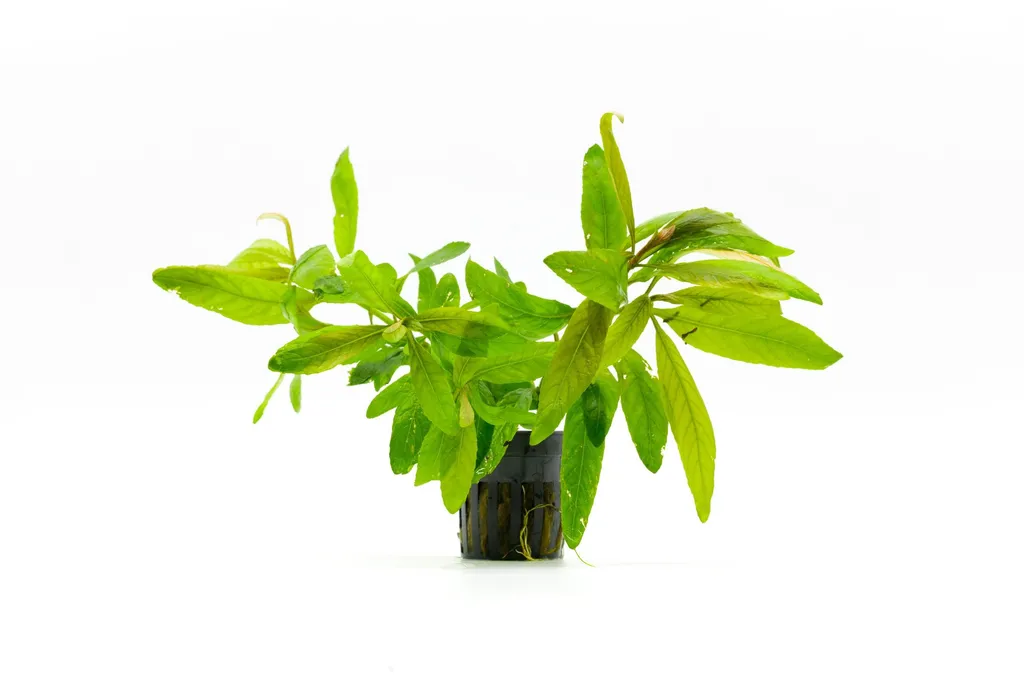
Staurogyne Bihar
Staurogyne sp. 'Bihar'
Medium light · Midground
 High lightForeground3.9 in (10 cm)
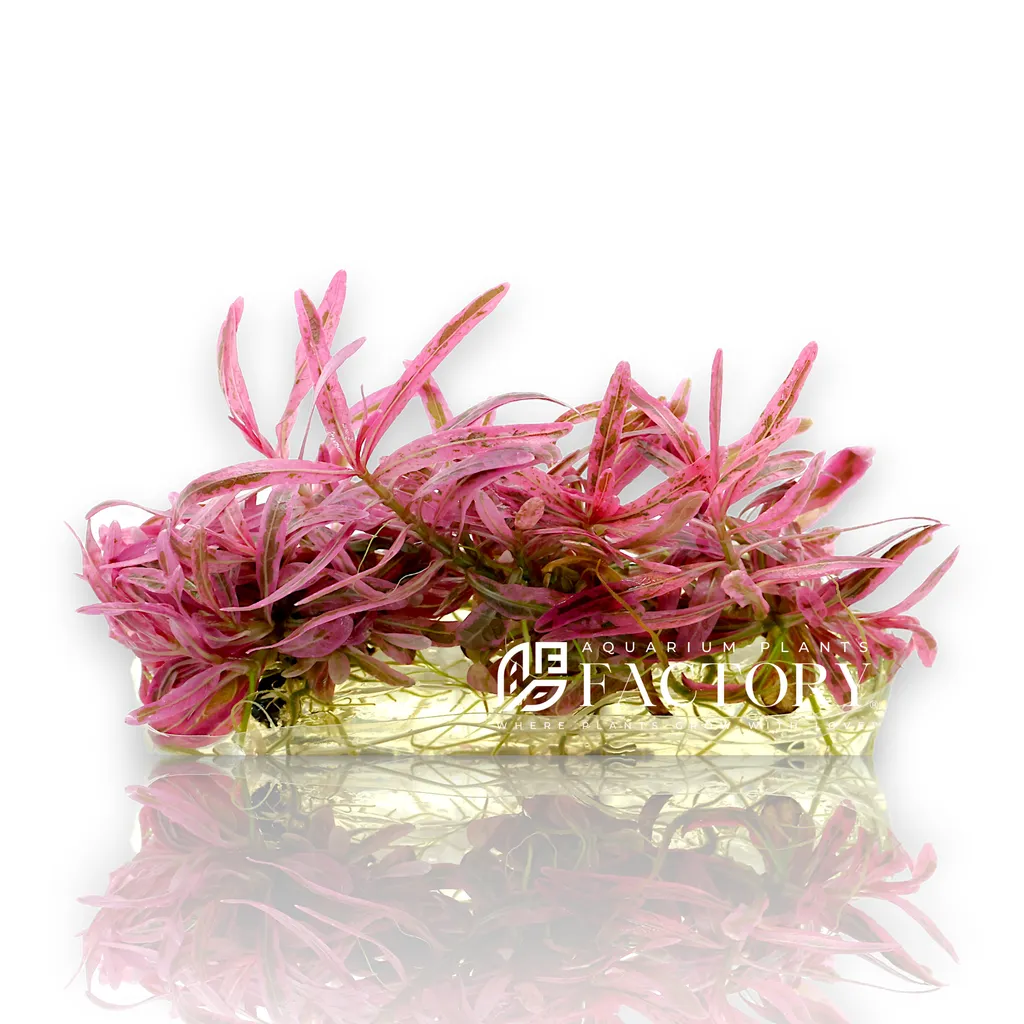
Hygrophila Chai
Hygrophila lancea 'Chai'
High light · Foreground
 Medium lightForeground5.9 in (15 cm)
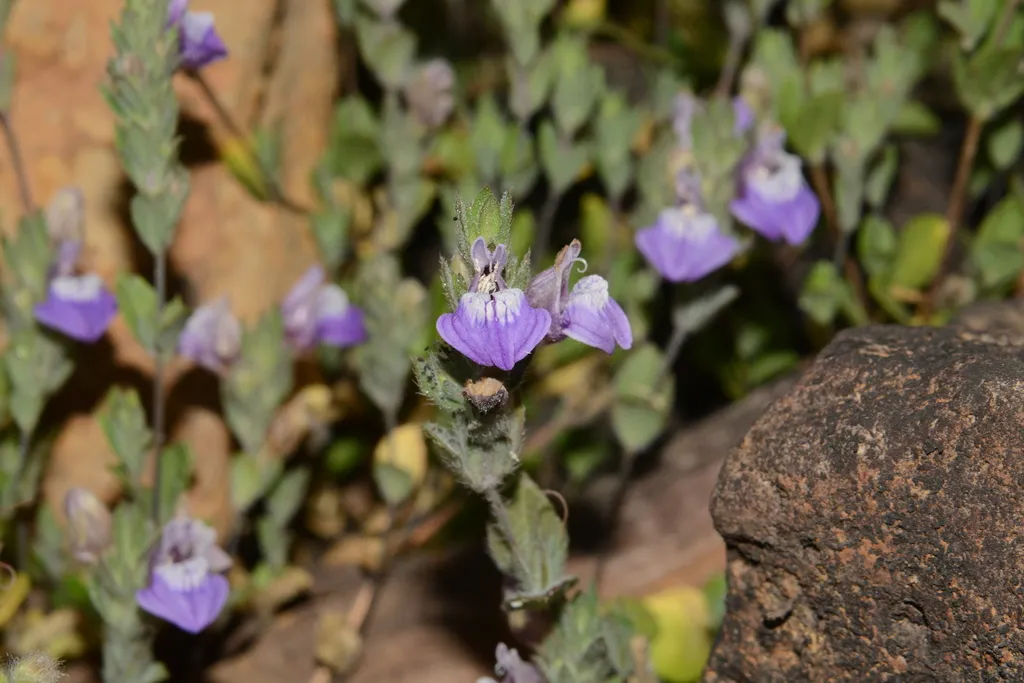
Hygrophila serpyllum
Medium light · Foreground
 High lightMidground7.9 in (20 cm)
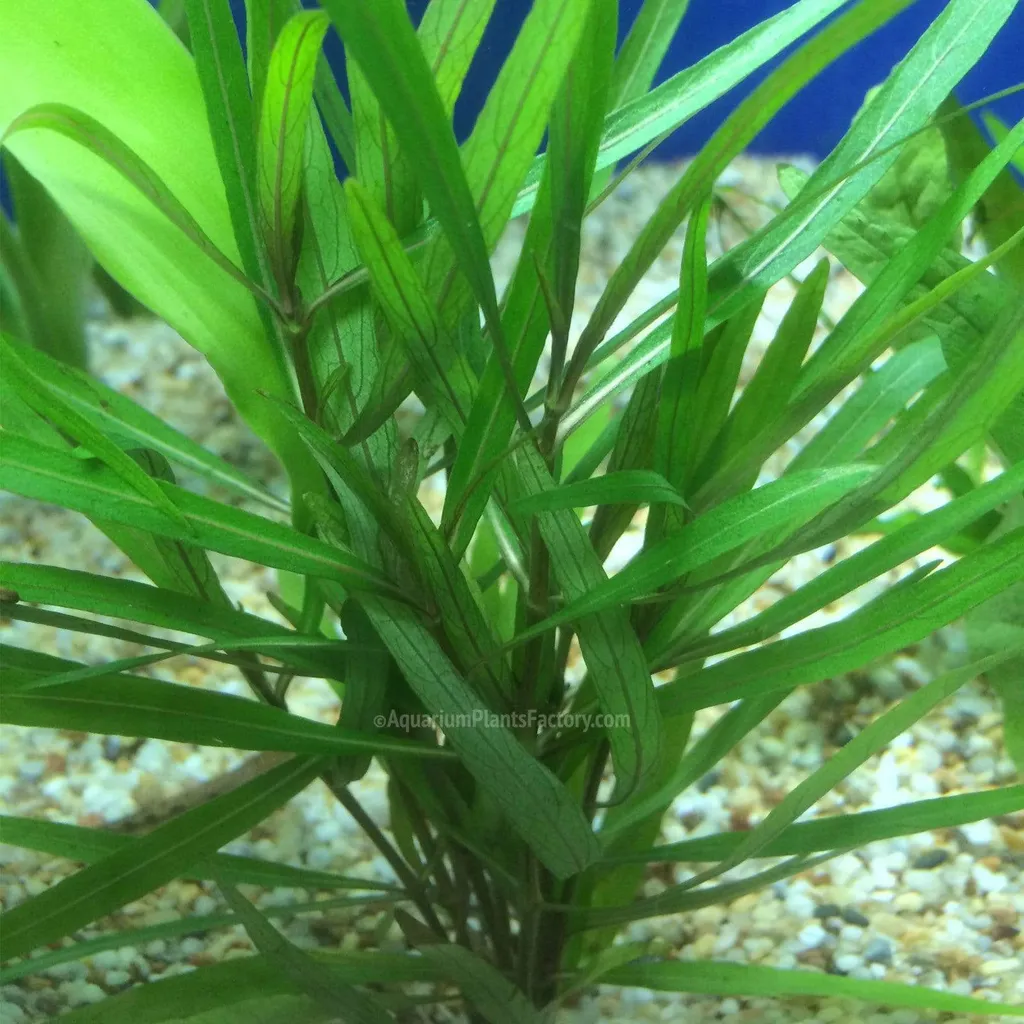
Hygrophila Araguaia
Hygrophila lancea 'Araguaia'
High light · Midground
 Low lightMidground7.9 in (20 cm)
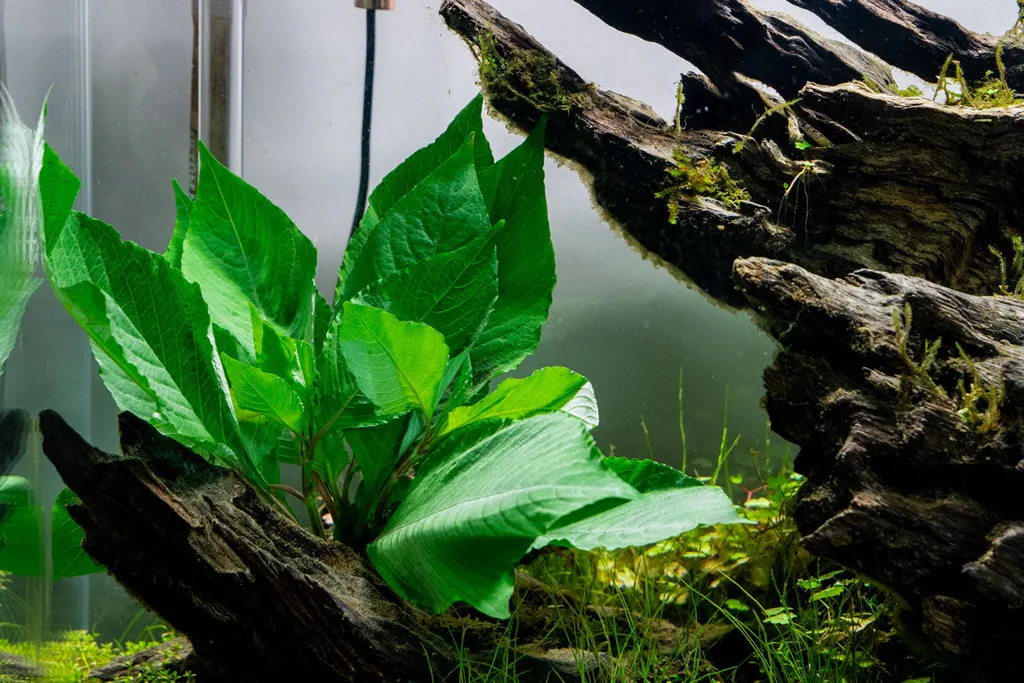
Hygrophila corymbosa Compacta
Hygrophila corymbosa 'Compacta'
Low light · Midground