Aquarium eels
The aquarium fish sold as eels fall into two groups: freshwater spiny eels like the fire eel, and the saltwater moray eels of a FOWLR tank. Both are secretive, mostly nocturnal and famous for escaping, so a tight lid and places to hide come first. Each profile lists adult size, tank size and diet.
At a glance
- Tank size
- 42–291 gal
- 42 gal (160 L) to 291 gal (1,100 L); half the list needs 79 gal (300 L) or more
- Temperature
- 73–82°F
- 23–28°C, most of the list
- pH
- 6.0–7.5
- Most of the list
- Difficulty
- 2 easy
- 24 medium · 8 difficult
- Temperament
- 1 peaceful
- 30 mostly peaceful · 3 aggressive
34 species
Spiny eels are not eels
Fire eels, peacock eels, tire tracks and zebra eels are spiny eels, a family of freshwater fish that only look the part. They breathe with ordinary gills, they have small fins, and they spend the day buried to the eyes in sand. The Macrognathus species stay manageable: the peacock and zebra spiny eels reach about 12 inches (30 cm), the half-banded 8 inches (20 cm). The big Mastacembelus are another matter. A fire eel reaches 39 inches (100 cm) and lists a 132 gallon (500 liter) tank, and a tire track eel 28 inches (70 cm) in 119 gallons (450 liters).
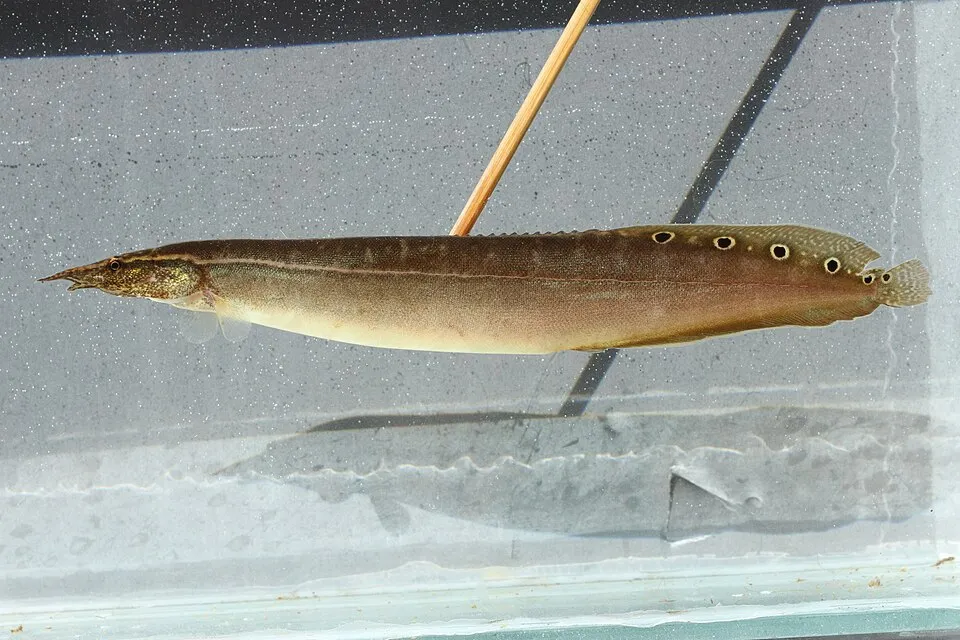
Peacock spiny eel
Macrognathus siamensis
Freshwater- Size
- 11.8 in (30 cm)
- Tank
- 70 gal (265 L)
- Water
- 75–82°F (24–28°C)
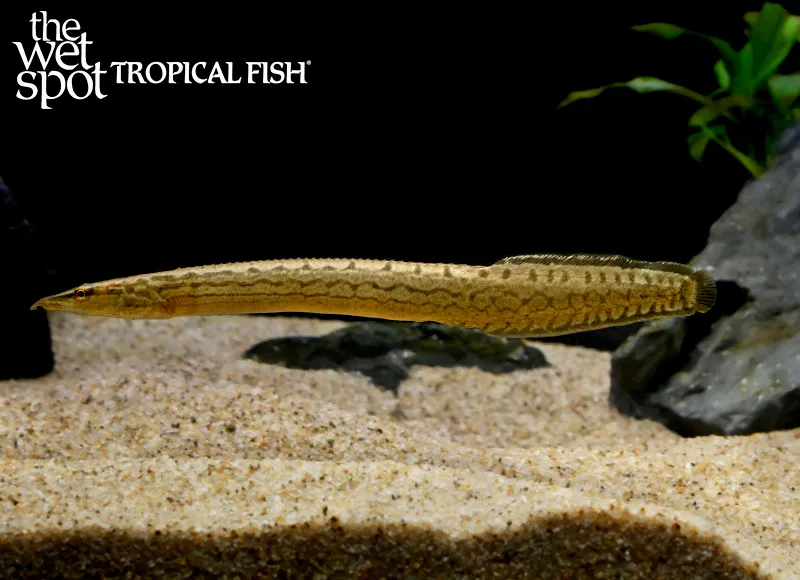
Half-banded spiny eel
Macrognathus circumcinctus
Freshwater- Size
- 7.9 in (20 cm)
- Tank
- 57 gal (215 L)
- Water
- 75–81°F (24–27°C)
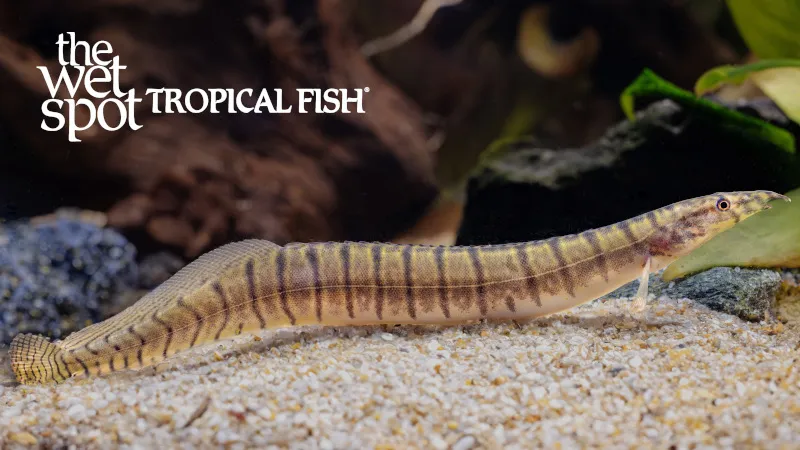
Zebra spiny eel
Macrognathus zebrinus
Freshwater- Size
- 11.8 in (30 cm)
- Tank
- 42 gal (160 L)
- Water
- 72–81°F (22–27°C)
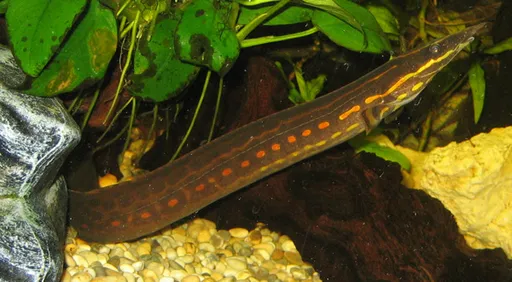
Fire eel
Mastacembelus erythrotaenia
Freshwater- Size
- 39.4 in (100 cm)
- Tank
- 132 gal (500 L)
- Water
- 75–82°F (24–28°C)
Sand, hiding places and a lid
Every spiny eel wants a soft sand bed deep enough to disappear into, a pipe or root to hide under, and a lid without gaps, because they will find the hole you did not know you had. They feed at night on worms and frozen food and rarely take flake, so plan on bloodworms, blackworms and chopped shrimp dropped near their hiding spot after the lights go off. Tank mates should be too big to swallow and calm enough not to steal every meal.
Moray eels for a saltwater tank
The morays are the marine side of the page. The snowflake eel is the usual first moray, rated easy, at 39 inches (100 cm) in a 50 gallon (189 liter) tank, and the zebra moray is the gentle giant, a pebble-toothed crab eater that reaches 59 inches (150 cm) and is the one row here marked peaceful. The golden dwarf moray stays at 12 inches (30 cm) and suits a smaller tank. The ribbon eel is the trap: beautiful, rated difficult, and famous for refusing food. The dragon and honeycomb morays are big, aggressive and for the dedicated predator tank.
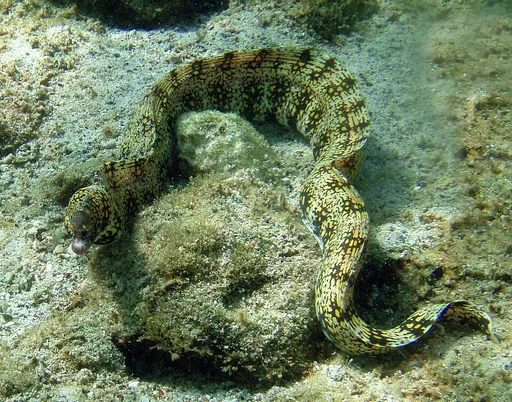
Snowflake eel
Echidna nebulosa
Saltwater39.4 in (100 cm) · 50 gal (189 L)72–79°F (22–26°C)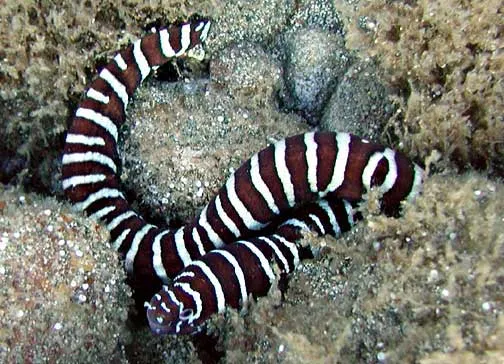
Zebra moray
Gymnomuraena zebra
Saltwater59.1 in (150 cm) · 180 gal (680 L)72–79°F (22–26°C)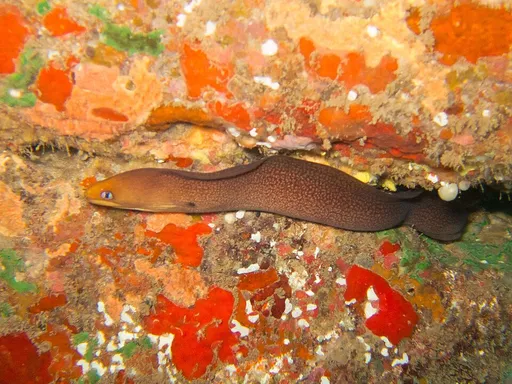
Golden dwarf moray
Gymnothorax melatremus
Saltwater11.8 in (30 cm) · 65 gal (246 L)72–79°F (22–26°C)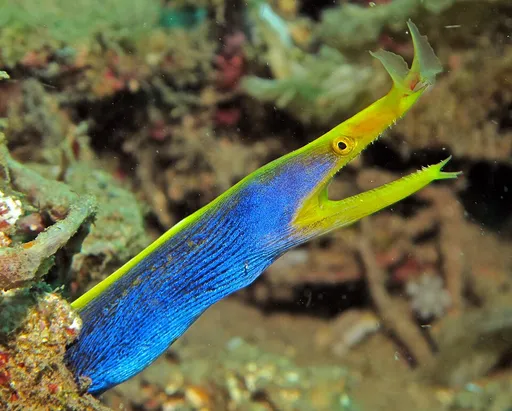
Ribbon eel
Rhinomuraena quaesita
Saltwater39.4 in (100 cm) · 66 gal (250 L)75–81°F (24–27°C)
By the numbers
Smallest
Largest
Easiest to keep
FAQ
Common questions
Are spiny eels true eels?
No. They are the family Mastacembelidae, freshwater fish with an eel shape. The morays on this page are true eels. Both groups burrow, hide and escape through gaps in the lid.
What do aquarium eels eat?
Spiny eels take worms, bloodworms and other frozen or live food at night and mostly ignore flake. Morays eat meaty food, chopped fish and shrimp, offered on a feeding stick. The ribbon eel often refuses everything, which is why it is rated difficult.
Do eels escape from aquariums?
Yes, and it is the usual way they die. Fit a tight lid, cover the gaps around pipes and cables, and keep the water an inch or two below the rim.
What size tank does a fire eel need?
The profile lists 132 gallons (500 liters) for an adult of 39 inches (100 cm). A juvenile in a 30 gallon tank is on borrowed time.
Are moray eels reef safe?
With caution. They leave corals alone but eat shrimp, crabs and any fish that fits in the mouth, and they knock rockwork over. The zebra moray is the gentlest of the group.
Can spiny eels live with other fish?
Most are marked mostly peaceful. Anything small enough to swallow is food, but with mid-sized community fish that stay off the bottom at night they do fine.
Index
Freshwater eels
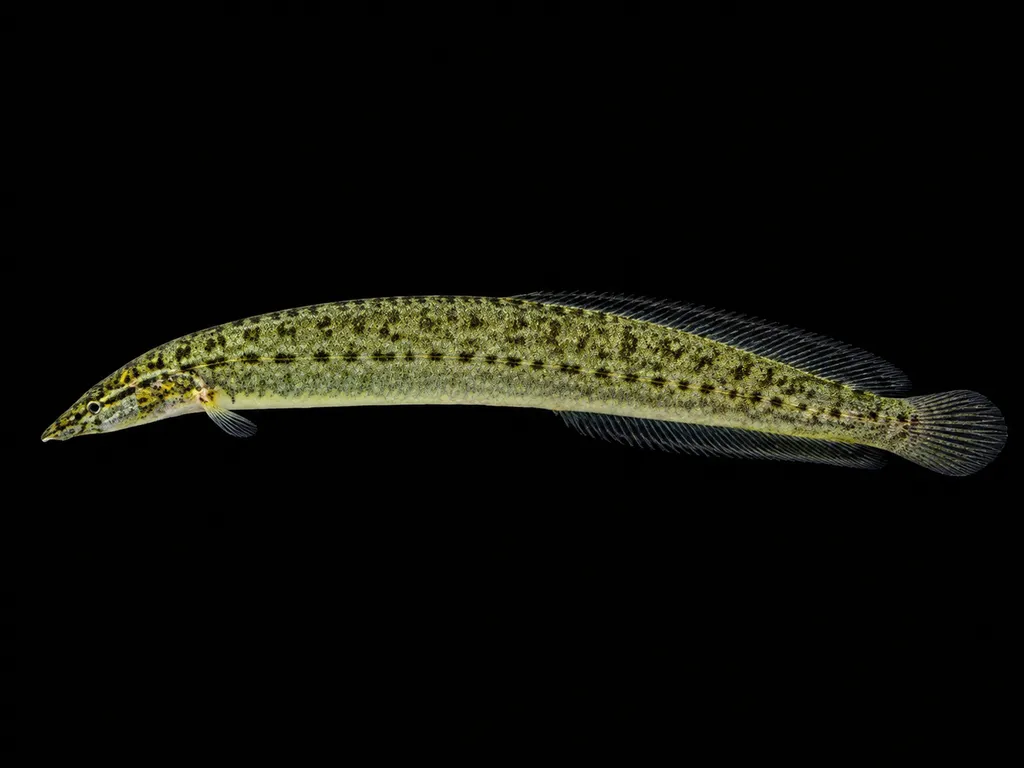
Barred spiny eel
Macrognathus pancalus
Freshwater7.5 in (19 cm) · 42 gal (160 L)73–82°F (23–28°C)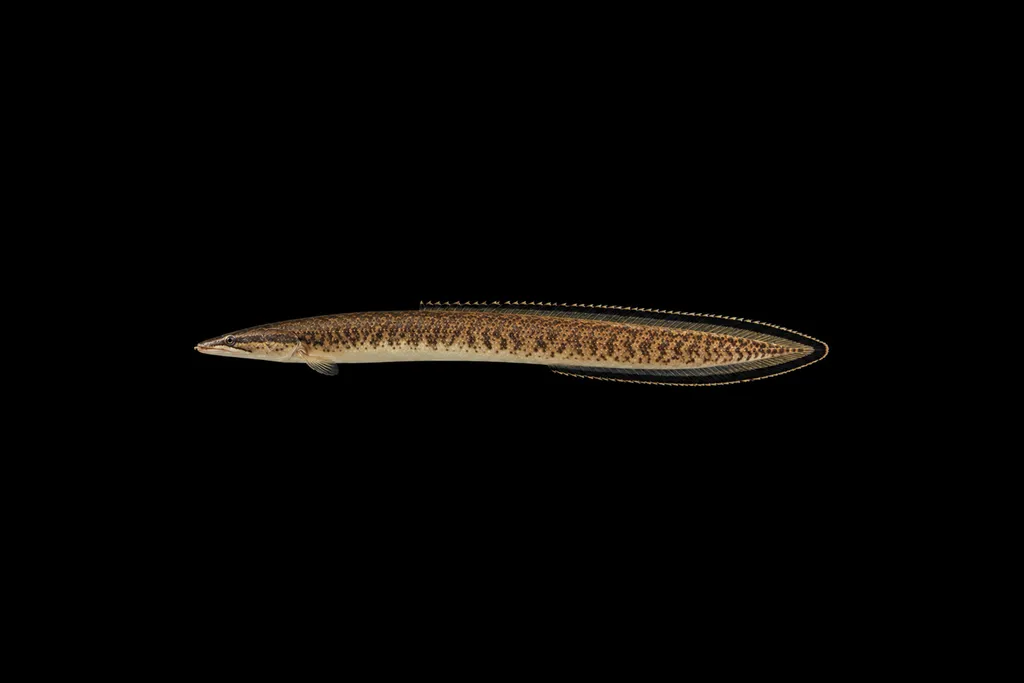
Blackedge spiny eel
Mastacembelus nigromarginatus
Freshwater19.7 in (50 cm) · 106 gal (400 L)73–82°F (23–28°C)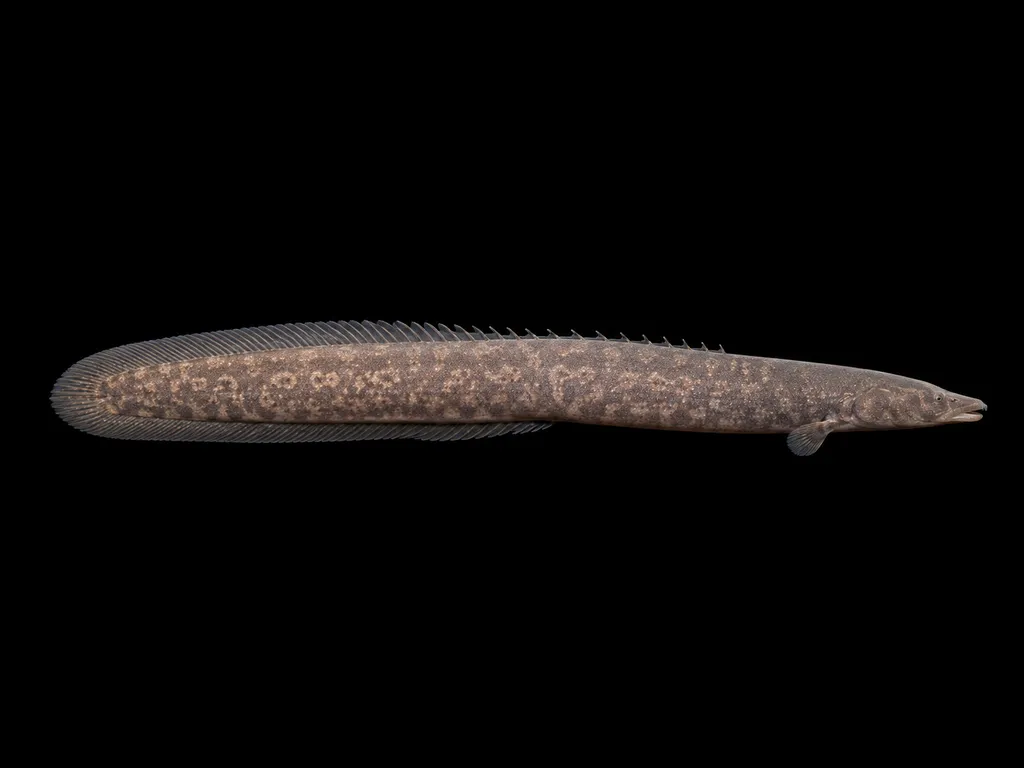
Brichard's spiny eel
Mastacembelus brichardi
Freshwater6.7 in (17 cm) · 53 gal (200 L)75–82°F (24–28°C)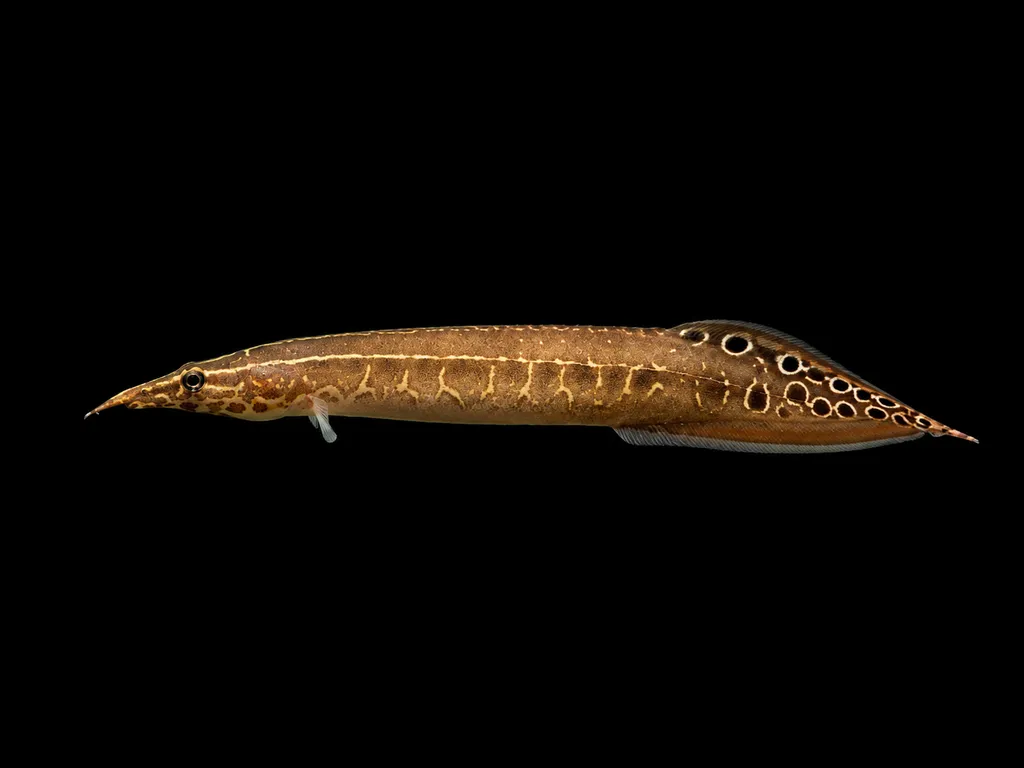
Burmese spiny eel
Macrognathus orthosemos
Freshwater8.7 in (22 cm) · 53 gal (200 L)73–82°F (23–28°C)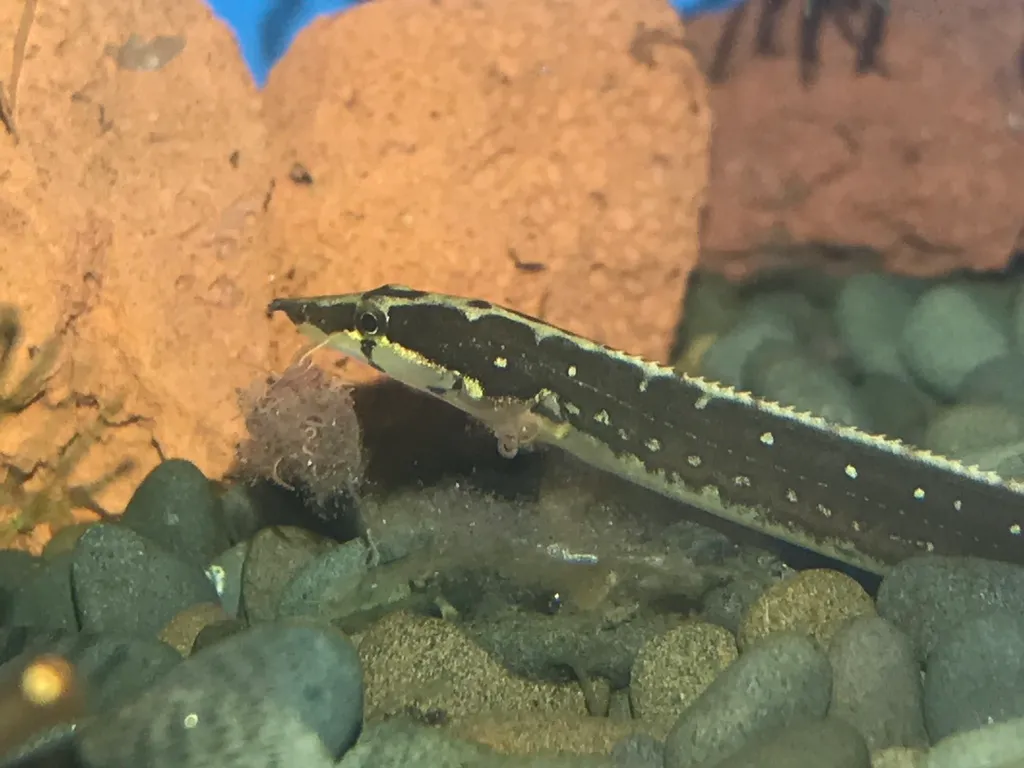
Eyespot spiny eel
Mastacembelus notophthalmus
Freshwater17.7 in (45 cm) · 106 gal (400 L)73–82°F (23–28°C)Fire eel
Mastacembelus erythrotaenia
Freshwater39.4 in (100 cm) · 132 gal (500 L)75–82°F (24–28°C)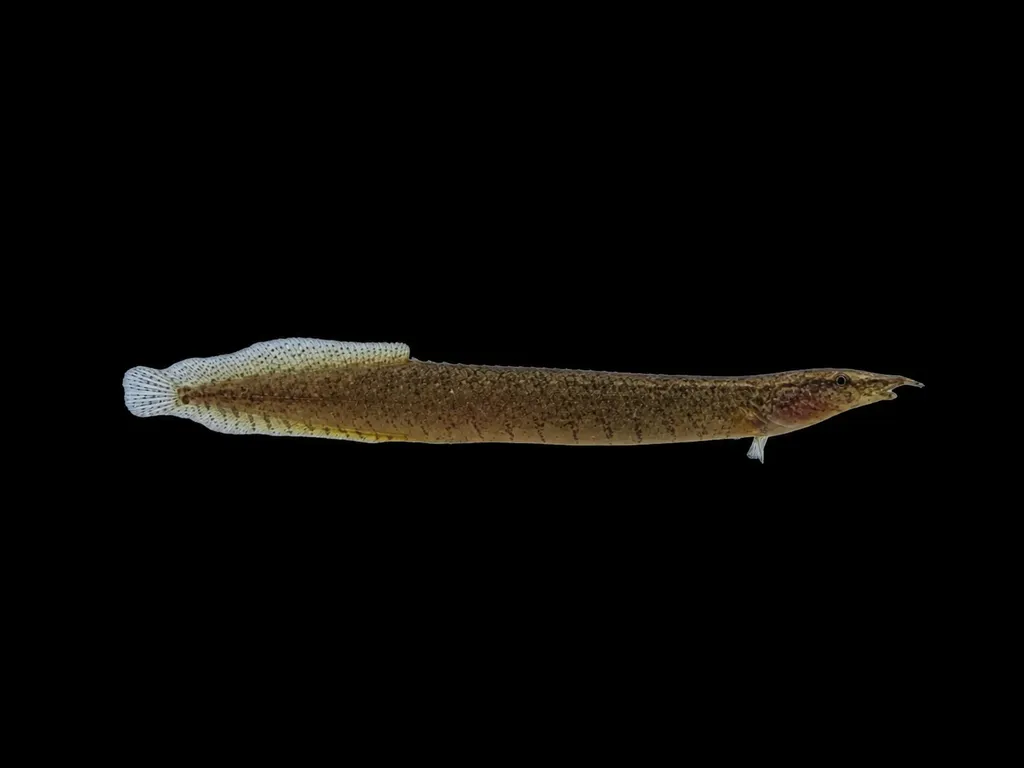
Frecklefin spiny eel
Macrognathus maculatus
Freshwater11 in (28 cm) · 66 gal (250 L)73–82°F (23–28°C)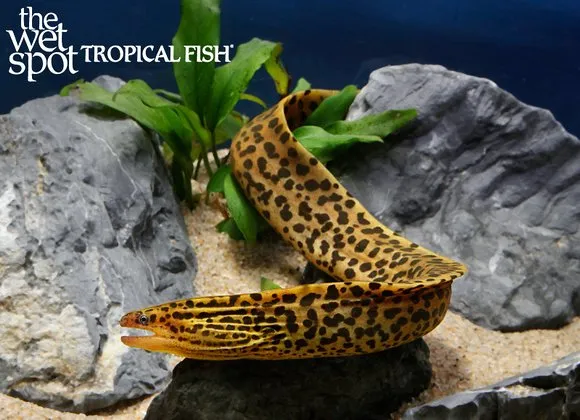
Freshwater moray eel
Gymnothorax polyuranodon
FreshwaterBrackish35.4 in (90 cm) · 159 gal (600 L)73–82°F (23–28°C)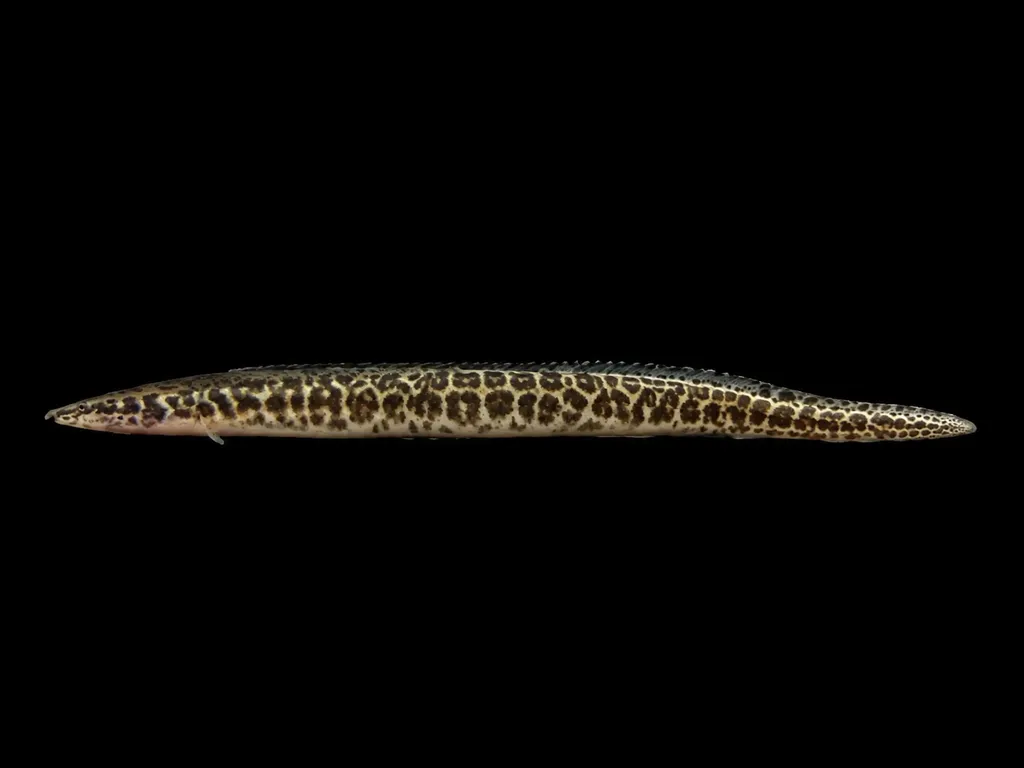
Greshoff's spiny eel
Mastacembelus greshoffi
Freshwater15 in (38 cm) · 79 gal (300 L)73–82°F (23–28°C)Half-banded spiny eel
Macrognathus circumcinctus
Freshwater7.9 in (20 cm) · 57 gal (215 L)75–81°F (24–27°C)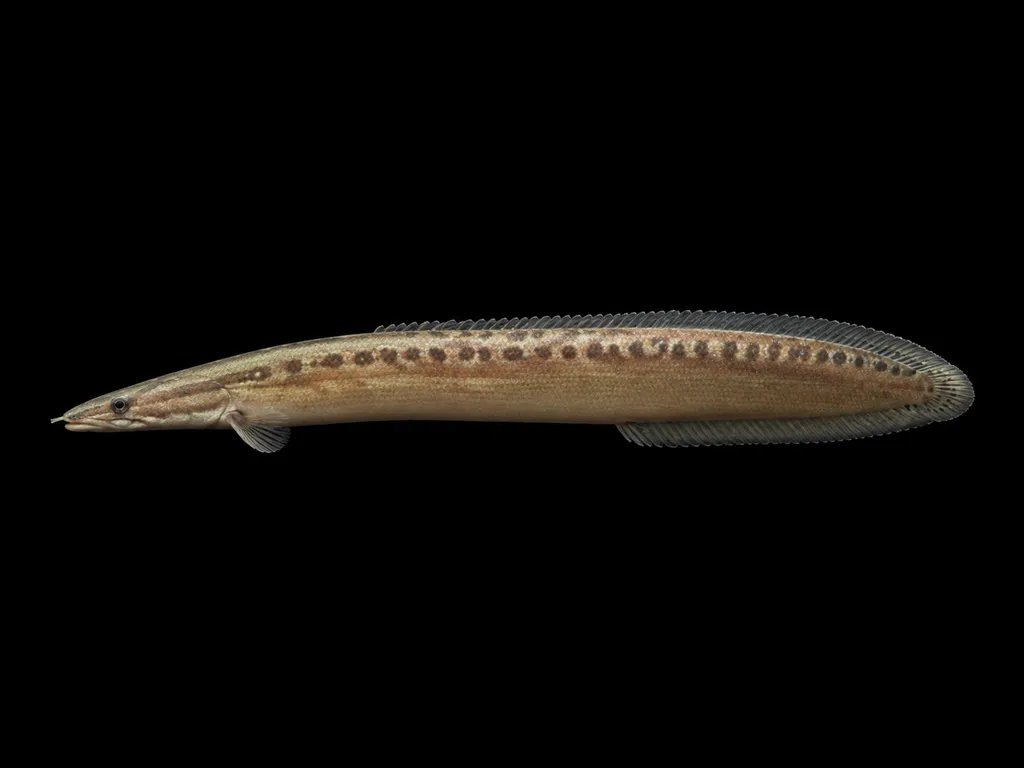
Half-ocellated spiny eel
Macrognathus semiocellatus
Freshwater9.1 in (23 cm) · 53 gal (200 L)73–82°F (23–28°C)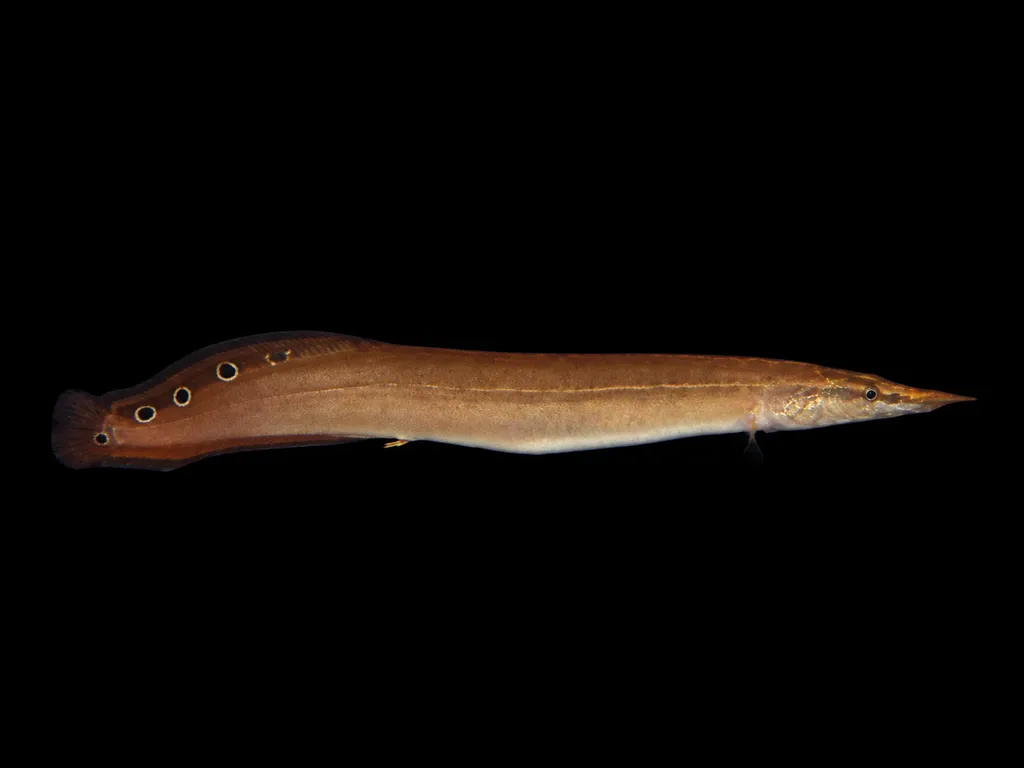
Lesser spiny eel
Macrognathus aculeatus
Freshwater15 in (38 cm) · 85 gal (320 L)73–82°F (23–28°C)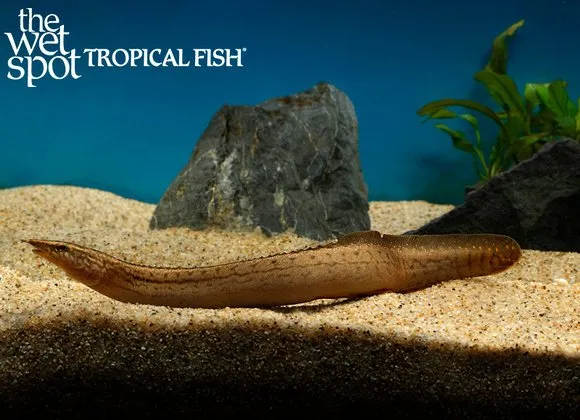
Liberian spiny eel
Mastacembelus liberiensis
Freshwater15 in (38 cm) · 79 gal (300 L)73–82°F (23–28°C)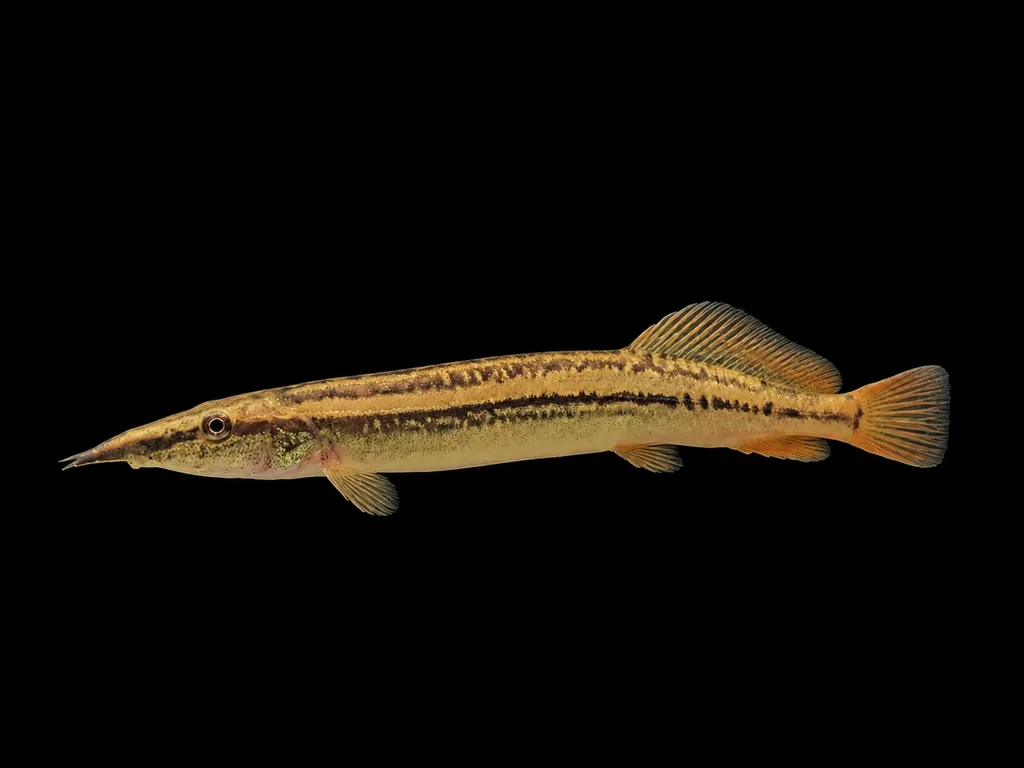
Line-spot spiny eel
Macrognathus lineatomaculatus
Freshwater8.7 in (22 cm) · 53 gal (200 L)73–82°F (23–28°C)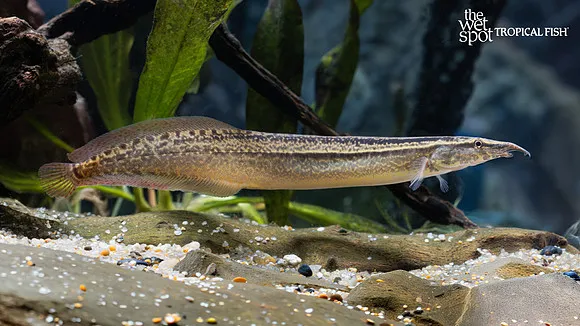
Mae Klong spiny eel
Macrognathus meklongensis
Freshwater9.8 in (25 cm) · 70 gal (265 L)73–82°F (23–28°C)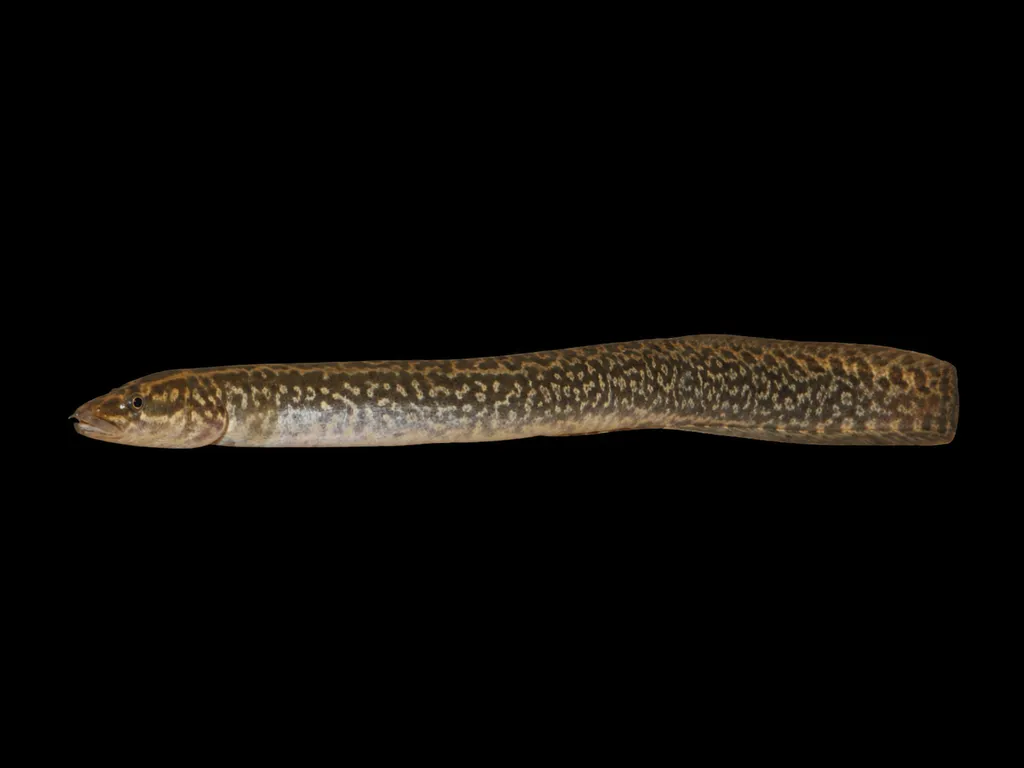
Malawi spiny eel
Mastacembelus shiranus
Freshwater10.2 in (26 cm) · 66 gal (250 L)75–81°F (24–27°C)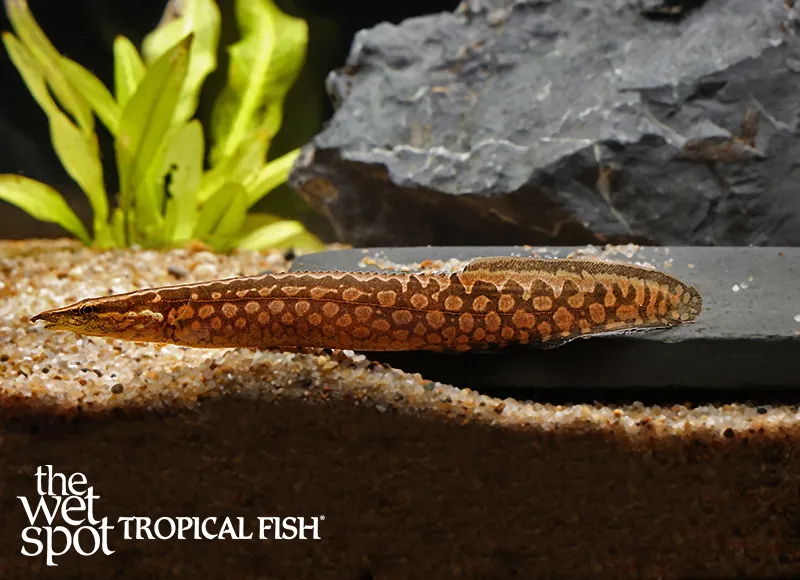
Marbled spiny eel
Mastacembelus favus
Freshwater19.7 in (50 cm) · 119 gal (450 L)75–82°F (24–28°C)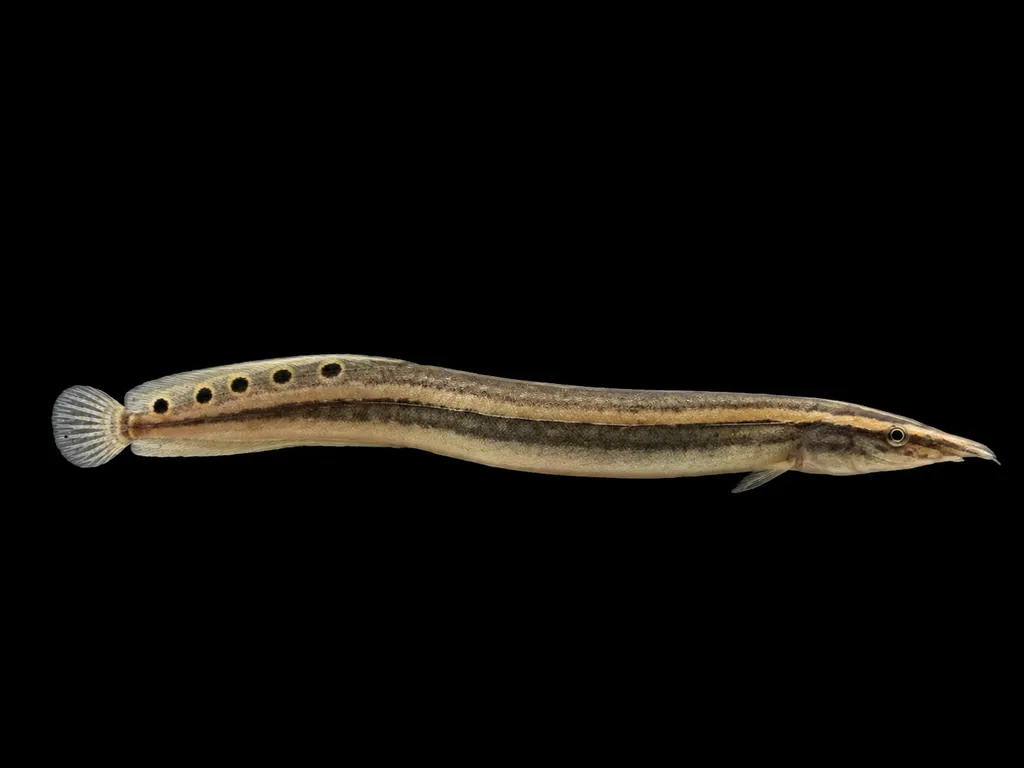
One-stripe spiny eel
Macrognathus aral
Freshwater23.6 in (60 cm) · 119 gal (450 L)73–82°F (23–28°C)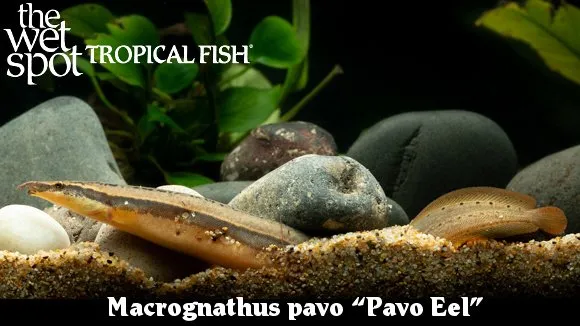
Pavo spiny eel
Macrognathus pavo
Freshwater7.5 in (19 cm) · 53 gal (200 L)73–82°F (23–28°C)Peacock spiny eel
Macrognathus siamensis
Freshwater11.8 in (30 cm) · 70 gal (265 L)75–82°F (24–28°C)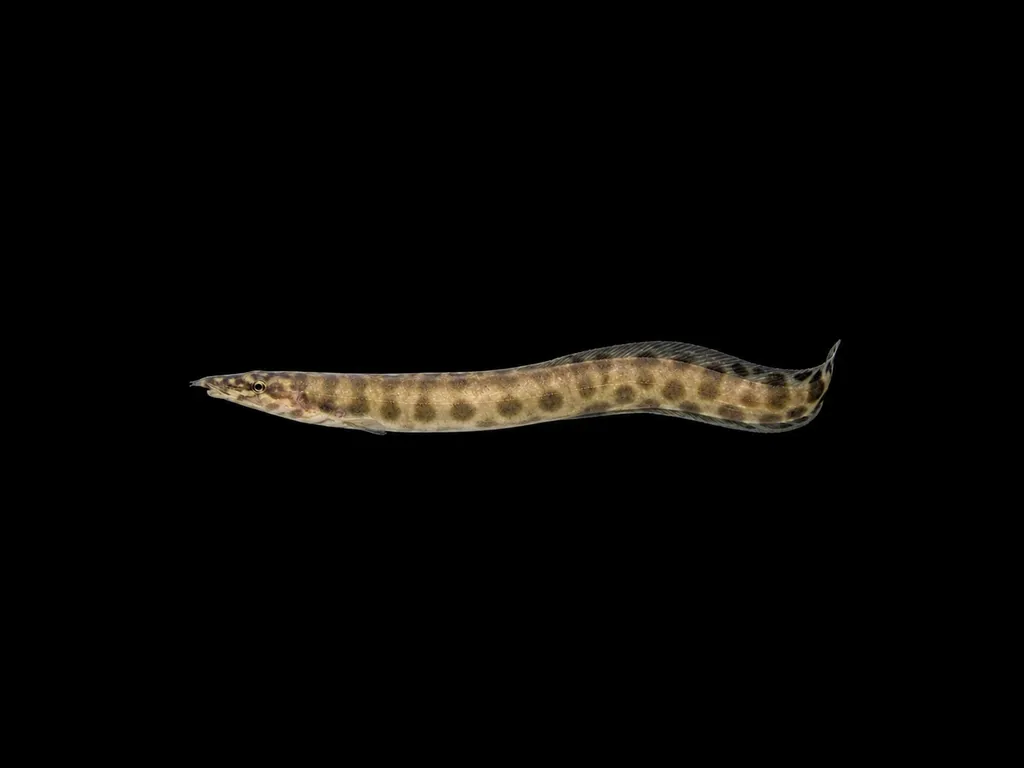
Tanganyika spotted spiny eel
Mastacembelus ellipsifer
Freshwater17.7 in (45 cm) · 79 gal (300 L)75–81°F (24–27°C)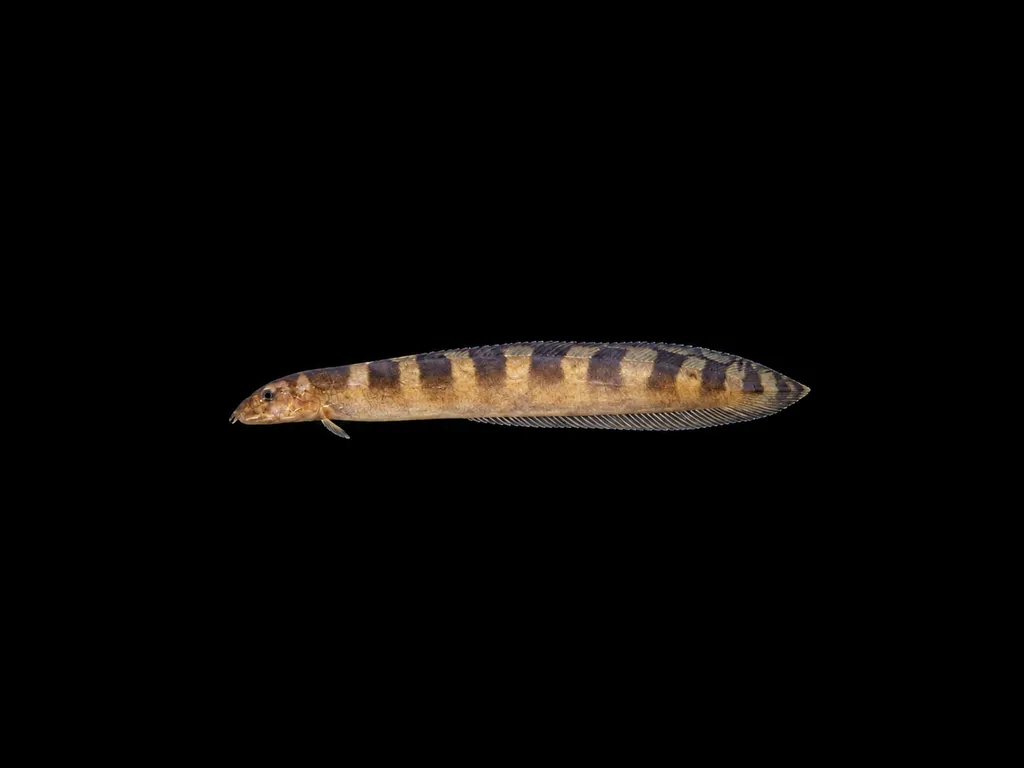
Tanganyika striped spiny eel
Mastacembelus plagiostomus
Freshwater13.8 in (35 cm) · 79 gal (300 L)75–81°F (24–27°C)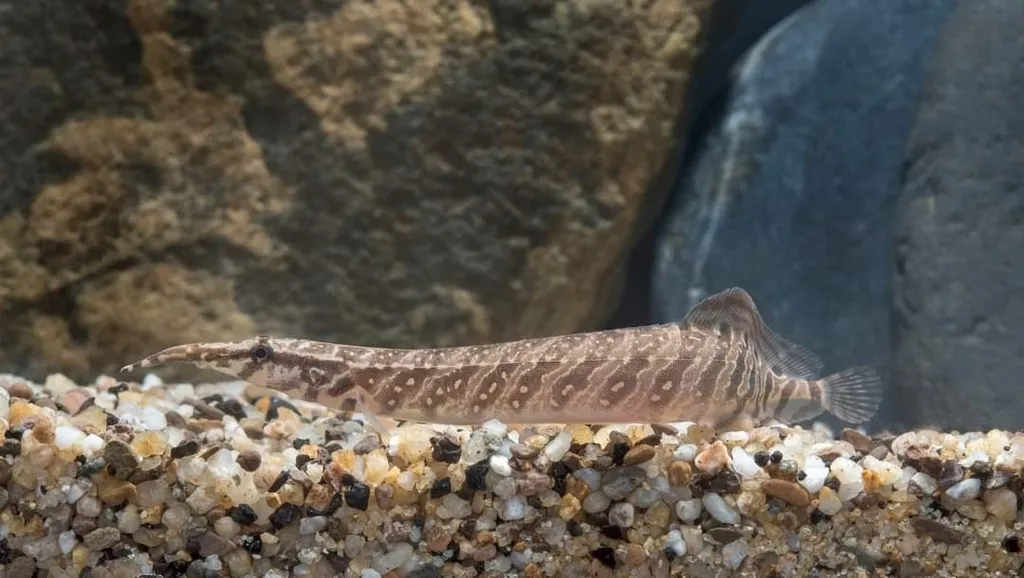
Tapir spiny eel
Macrognathus tapirus
Freshwater8.3 in (21 cm) · 53 gal (200 L)73–82°F (23–28°C)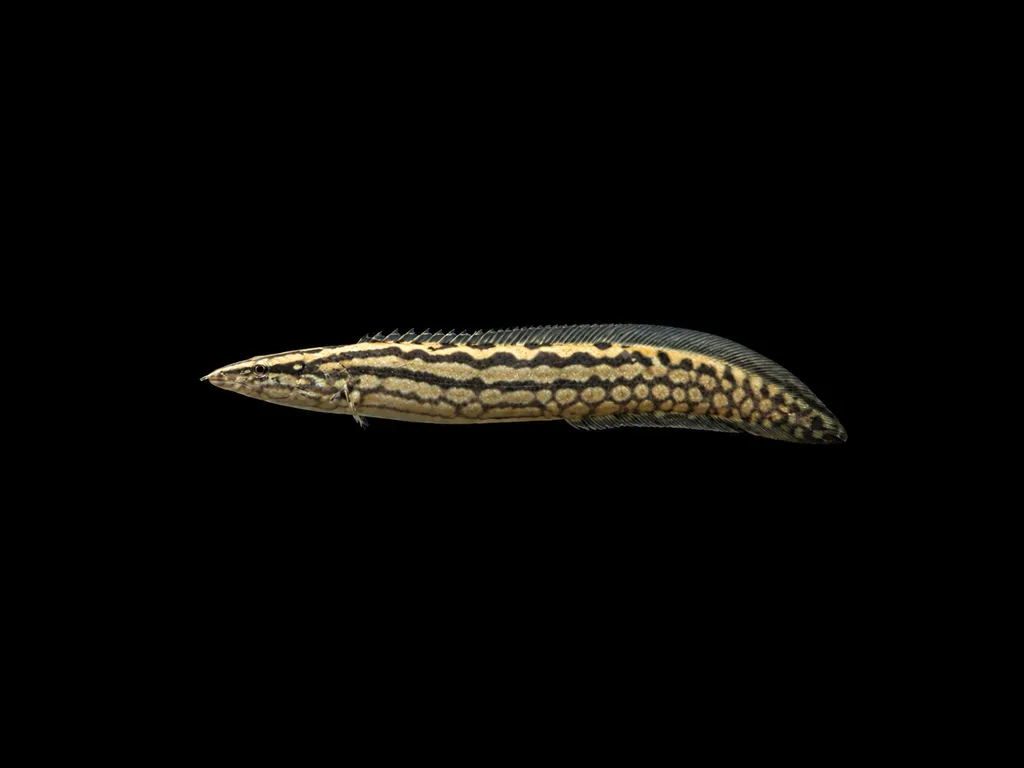
Tin Win's spiny eel
Mastacembelus tinwini
Freshwater17.7 in (45 cm) · 106 gal (400 L)73–82°F (23–28°C)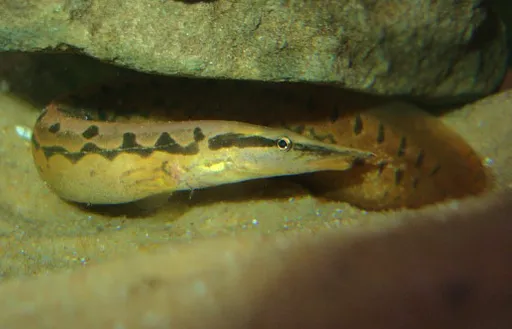
Tire-track eel
Mastacembelus armatus
Freshwater27.6 in (70 cm) · 119 gal (450 L)75–82°F (24–28°C)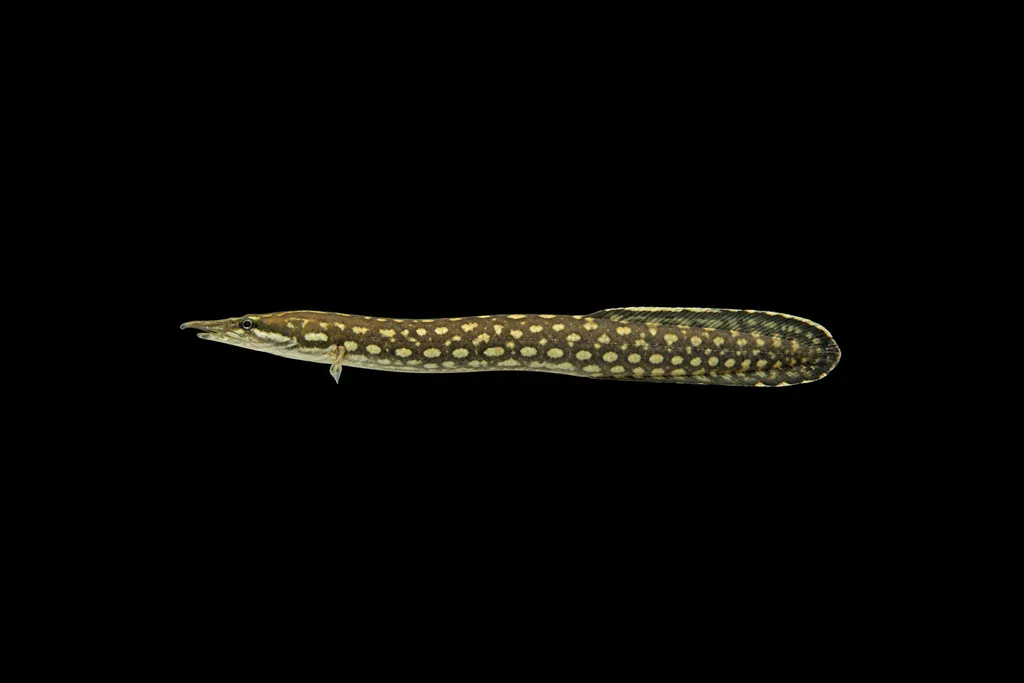
White spot eel
Mastacembelus unicolor
Freshwater21.7 in (55 cm) · 119 gal (450 L)73–82°F (23–28°C)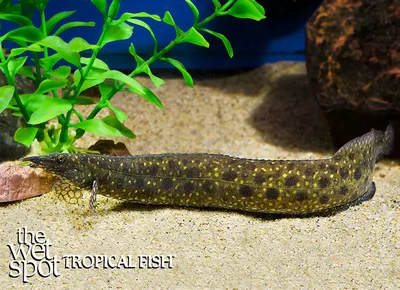
White-spotted spiny eel
Mastacembelus alboguttatus
Freshwater19.3 in (49 cm) · 106 gal (400 L)73–82°F (23–28°C)Zebra spiny eel
Macrognathus zebrinus
Freshwater11.8 in (30 cm) · 42 gal (160 L)72–81°F (22–27°C)
Saltwater eels
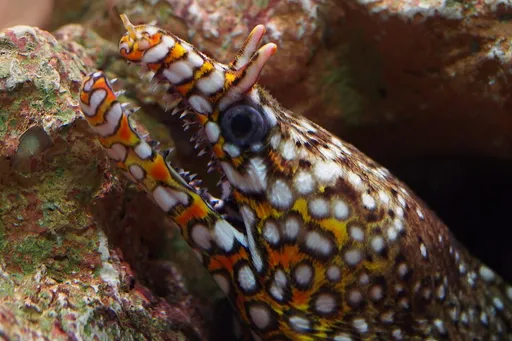
Dragon moray
Enchelycore pardalis
Saltwater35.4 in (90 cm) · 180 gal (680 L)72–79°F (22–26°C)Golden dwarf moray
Gymnothorax melatremus
Saltwater11.8 in (30 cm) · 65 gal (246 L)72–79°F (22–26°C)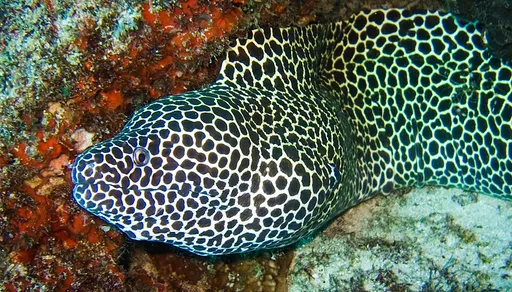
Honeycomb moray
Gymnothorax favagineus
Saltwater70.9 in (180 cm) · 291 gal (1,100 L)75–81°F (24–27°C)Ribbon eel
Rhinomuraena quaesita
Saltwater39.4 in (100 cm) · 66 gal (250 L)75–81°F (24–27°C)Snowflake eel
Echidna nebulosa
Saltwater39.4 in (100 cm) · 50 gal (189 L)72–79°F (22–26°C)Zebra moray
Gymnomuraena zebra
Saltwater59.1 in (150 cm) · 180 gal (680 L)72–79°F (22–26°C)
Planning a tank?
TankBud checks stocking and water fit as you build a tank, then tracks water tests, reminders and photos once it is running.
Track your tanksMaintain tanks for clients? See TankBud Pro