Advanced aquarium plants
These plants are rated difficult in our catalog: carpets that melt without CO2, red stems that fade under weak light, and delicate species like Madagascar lace. They suit a tank where light, CO2 and fertilizing are already dialed in. Profiles list what each one demands.
At a glance
- Height
- 1.2–31.5 in
- 1.2 in (3 cm) to 31.5 in (80 cm); half the list stays at 11.8 in (30 cm) or under
- Temperature
- 68–82°F
- 20–28°C, most of the list
- Light
- 4 low light
- 3 medium light · 51 high light
- CO₂
- 11 CO₂ beneficial
- 47 CO₂ required
- Growth
- 22 slow growing
- 22 medium growth · 14 fast growing
53 plants and 5 varieties
Start here
What difficult means for a plant
The dwarf baby tears is the carpet everyone wants and the one that melts without high light, injected CO2 and a pH from 5 to 7. The rotala macrandra is the red stem that needs the same, plus soft water, to hold its color at 19.7 inches (50 cm). The Madagascar lace wants the opposite of a tropical tank: 64–75°F (18–24°C), cool enough that most heated tanks kill it. The tonina fluviatilis needs soft water with a carbonate hardness of 4 or less, or its growing tips stall. The Eriocaulon cinereum is a 3.1 inch (8 cm) rosette that feeds through its roots and needs a deep nutrient substrate. The glosso is a classic carpet at 1.6 inches (4 cm) that grows upward instead of across the moment the light drops.
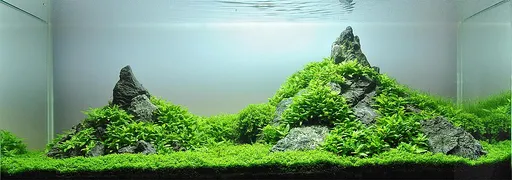
Dwarf baby tears
Hemianthus callitrichoides 'Cuba'
Freshwater- Light
- High light
- Placement
- Foreground
- Height
- 2 in (5 cm)
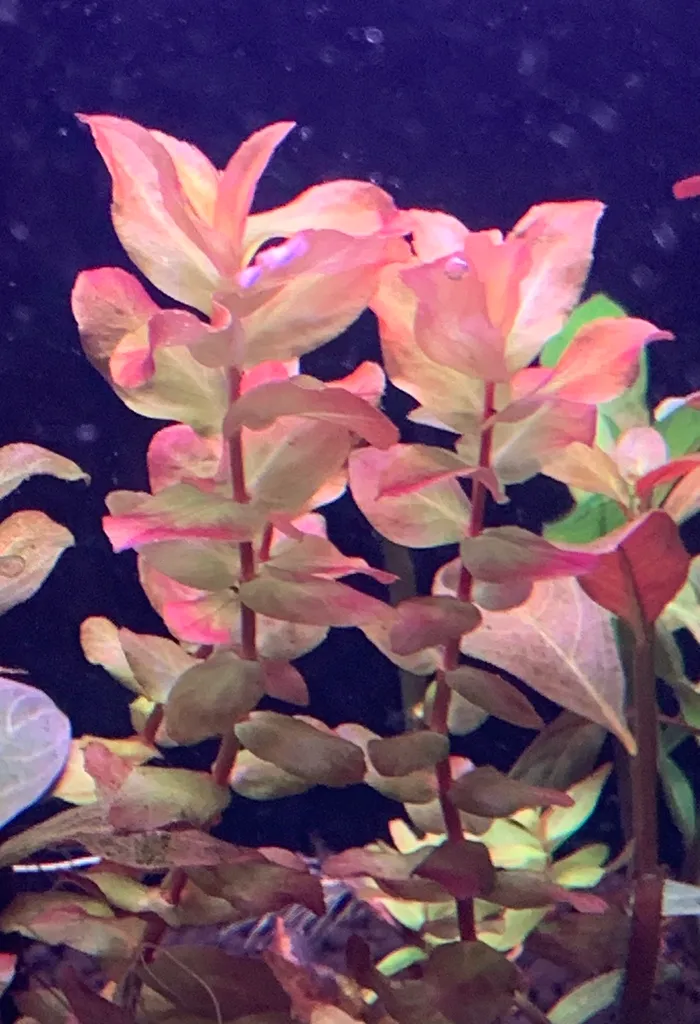
Rotala macrandra
Freshwater- Light
- High light
- Placement
- Background
- Height
- 19.7 in (50 cm)
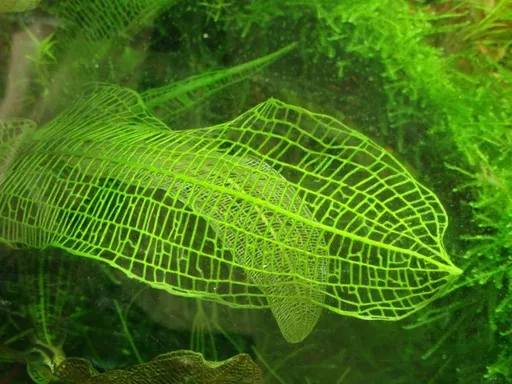
Madagascar lace
Aponogeton madagascariensis
Freshwater- Light
- Medium light
- Placement
- Background
- Height
- 23.6 in (60 cm)
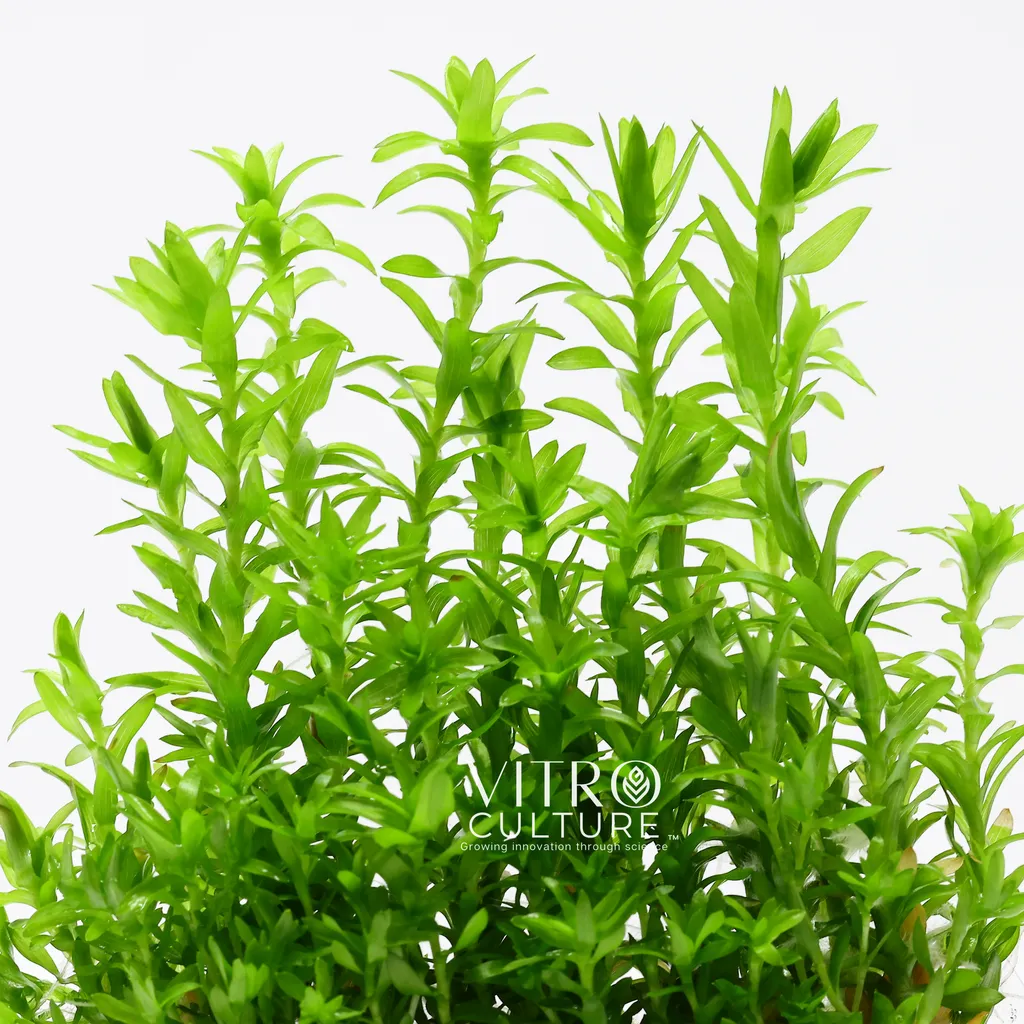
Tonina fluviatilis
Freshwater- Light
- High light
- Placement
- Background
- Height
- 13.8 in (35 cm)
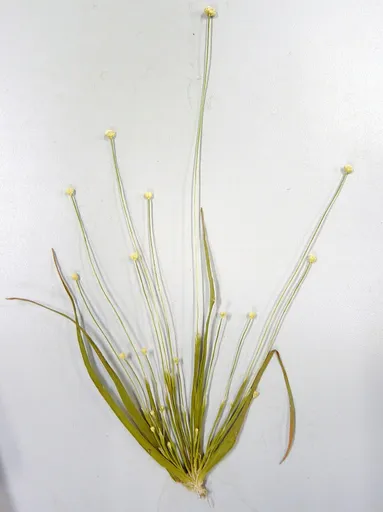
Eriocaulon cinereum
Freshwater- Light
- High light
- Placement
- Foreground
- Height
- 3.1 in (8 cm)
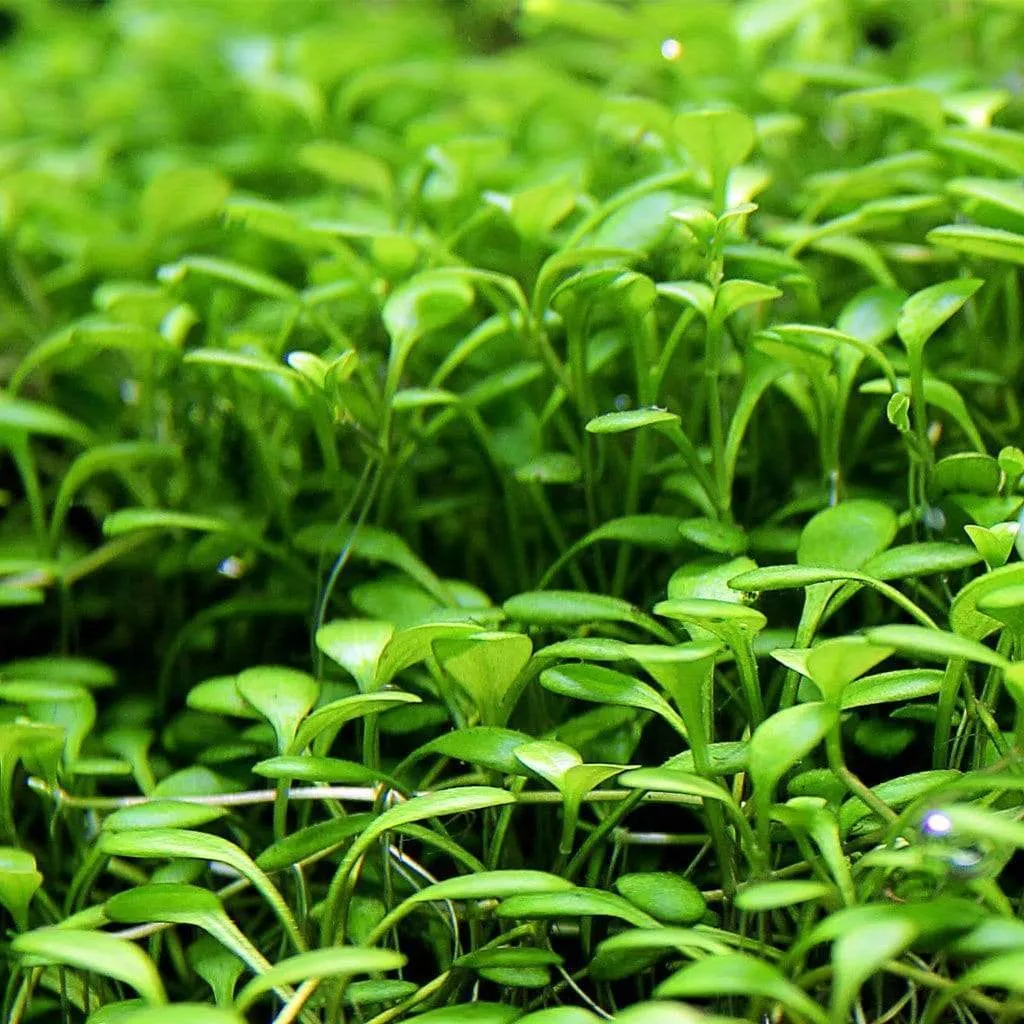
Glosso
Glossostigma elatinoides
Freshwater- Light
- High light
- Placement
- Foreground
- Height
- 1.6 in (4 cm)
The rule
What every plant on this page asks for
High light is on almost every profile here. Injected CO2, listed as required rather than beneficial, and held steady, because a plant that gets 30 milligrams per liter one day and 10 the next melts. Soft water: most of the stems and rosettes want a low carbonate hardness over an acidic nutrient substrate, which means reverse osmosis water for most keepers. And dosing that never skips a day, lean or rich depending on the plant, but consistent. The exceptions, the cool-water bulbs and the ferns, are hard for reasons of their own.
- 01
High light
Nearly every plant here lists it
- 02
CO2 required
Injected, and held steady every day
- 03
Soft water
Low carbonate hardness over an acidic substrate
- 04
Daily dosing
Lean or rich, but never skipped
Carpets
Carpets that need everything
The UG, Utricularia graminifolia, is a 1.6 inch (4 cm) carpet that wants high light, CO2 and soft water in a mature tank, and melts if planted in a new one. The waterwort is a 2 inch (5 cm) nano carpet that needs steady CO2 to keep going. The whorled pennywort grows fast out of water and slowly in it, 3.9 inches (10 cm) of round leaves that need bright light to stay compact. The Littorella uniflora is a slow, no-trim lawn at 2 inches (5 cm) for a clean, bright tank. The Eriocaulon buergerianum and the Eriocaulon Vietnam are foreground rosettes for soft, acidic water with a nutrient substrate.
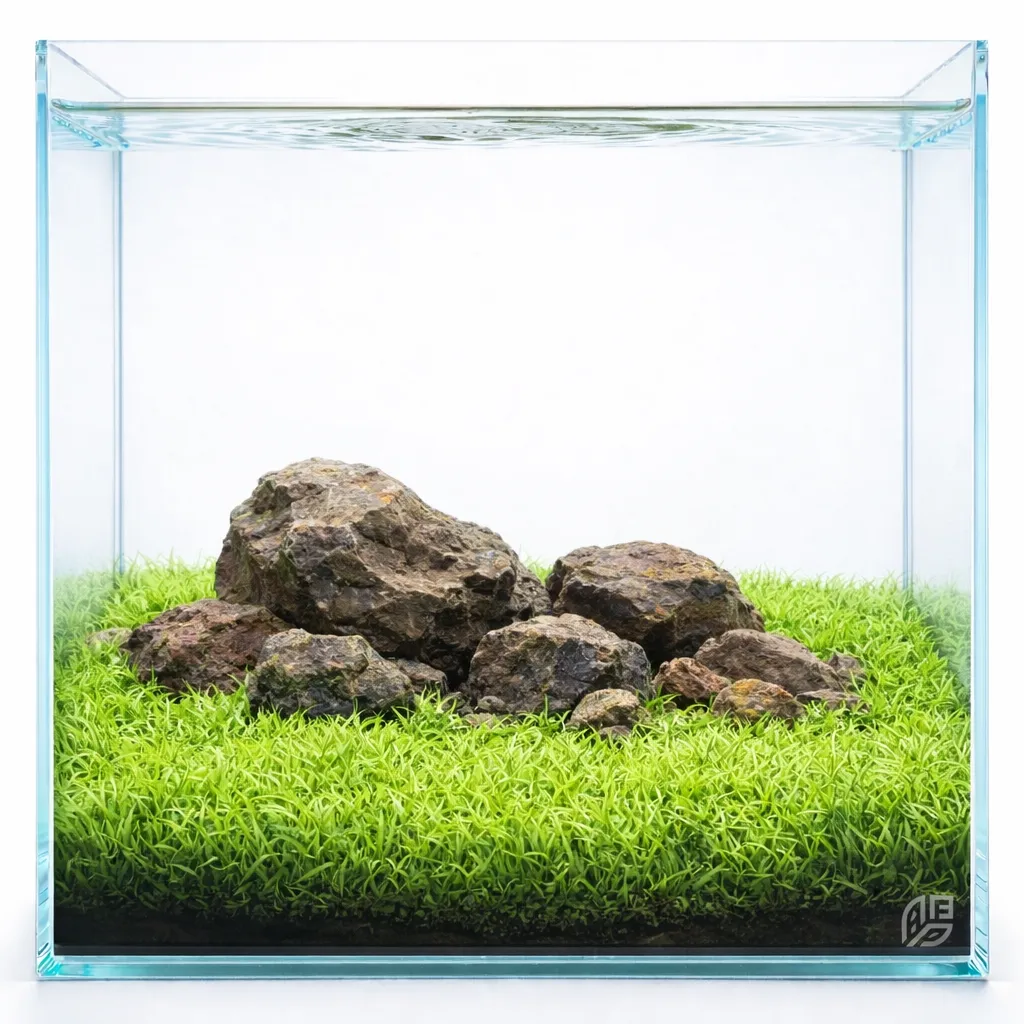
UG
Utricularia graminifolia
FreshwaterHigh light · Foreground1.6 in (4 cm)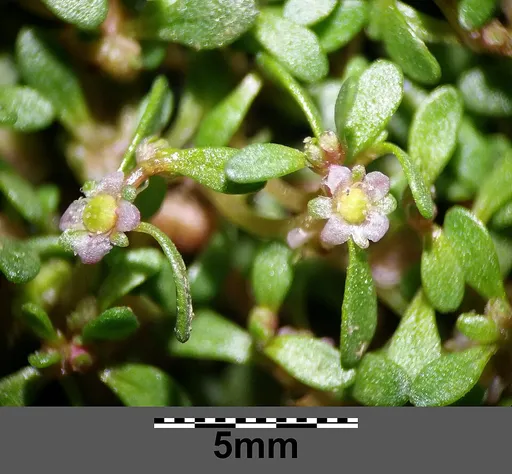
Waterwort
Elatine hydropiper
FreshwaterHigh light · Foreground2 in (5 cm)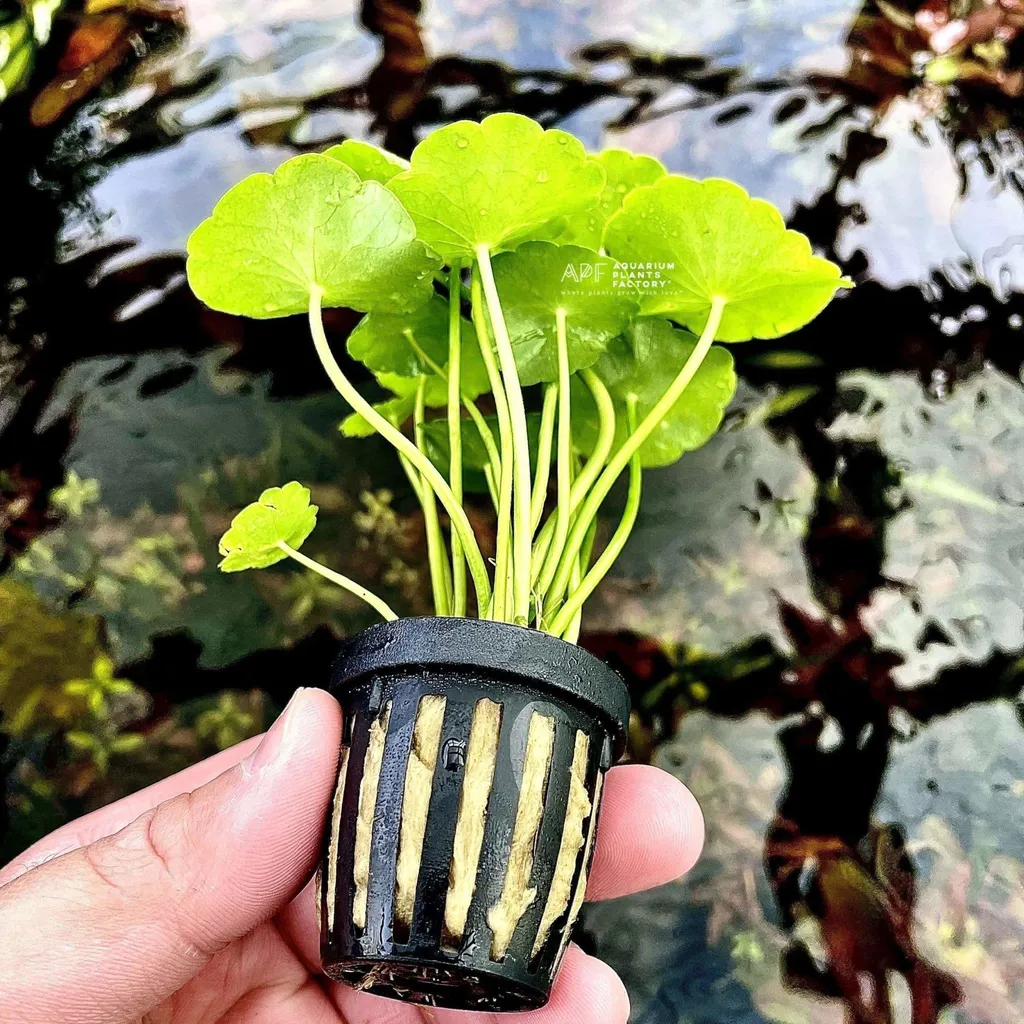
Whorled pennywort
Hydrocotyle verticillata
FreshwaterHigh light · Foreground3.9 in (10 cm)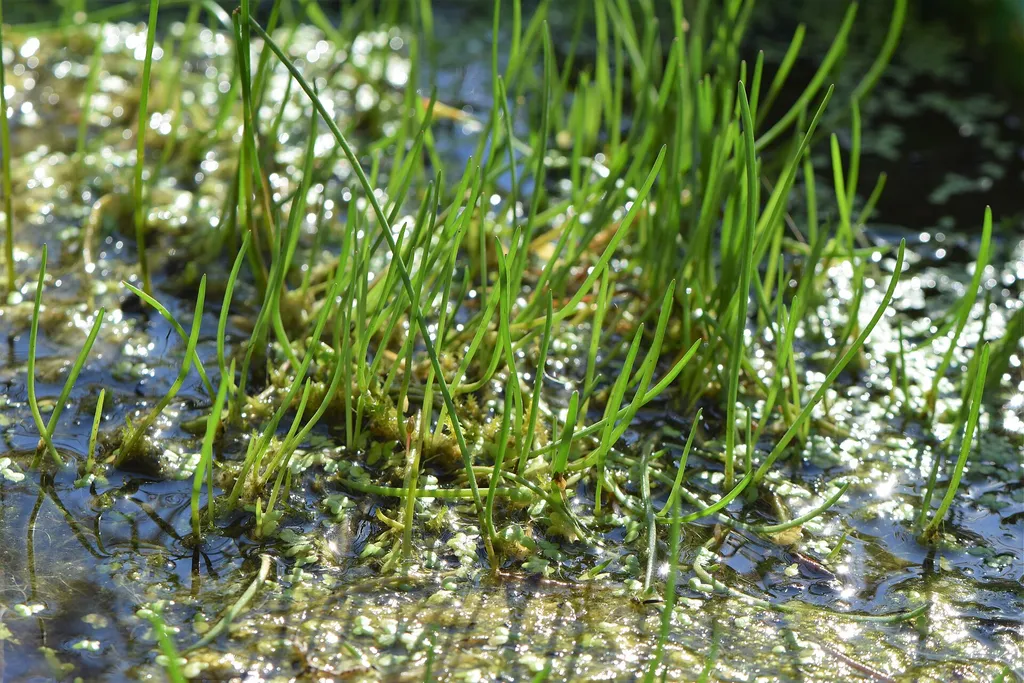
Littorella uniflora
FreshwaterHigh light · Foreground2 in (5 cm)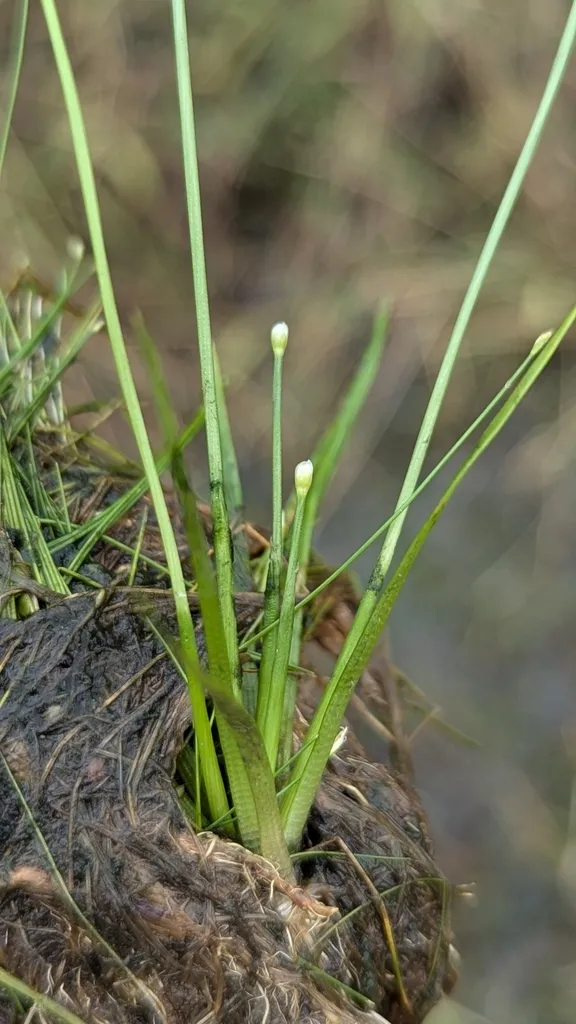
Eriocaulon buergerianum
FreshwaterHigh light · Foreground3.1 in (8 cm)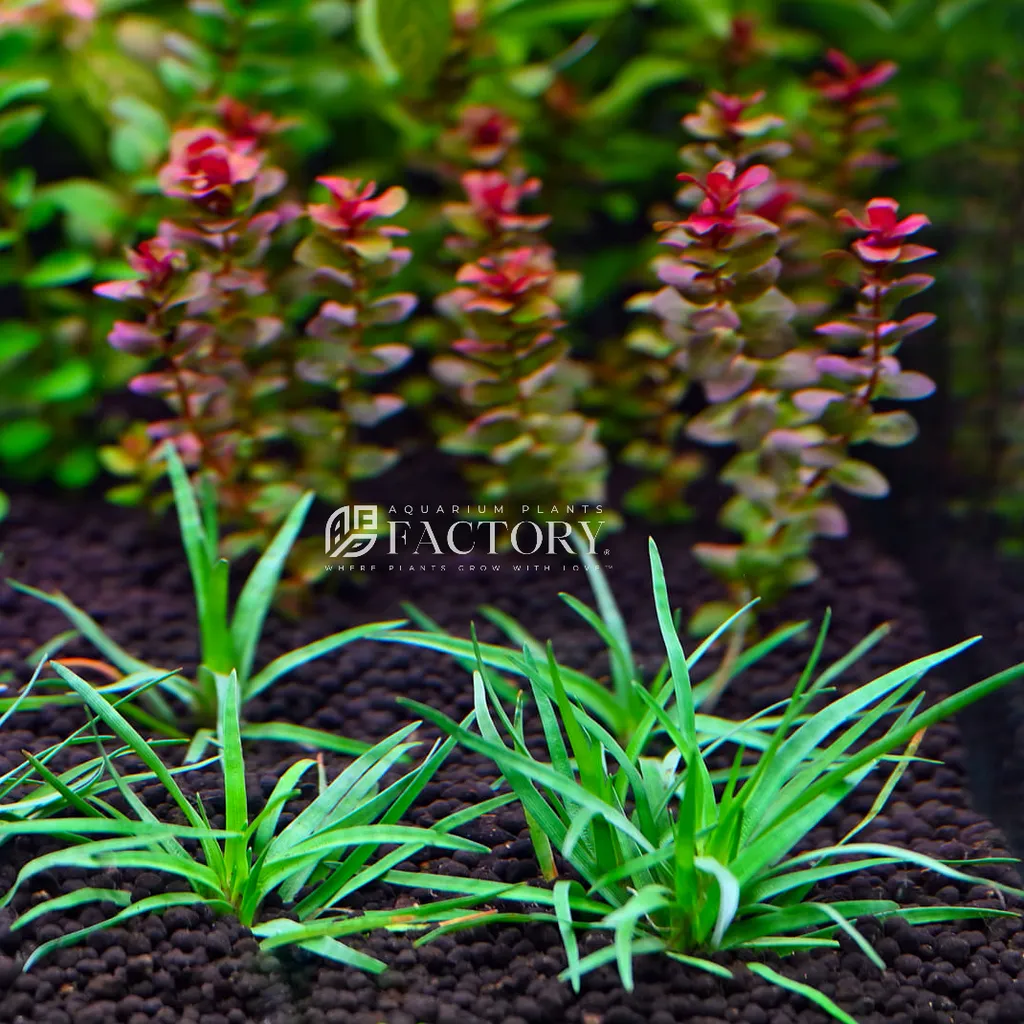
Eriocaulon Vietnam
Eriocaulon sp. 'Vietnam'
FreshwaterHigh light · Midground4.7 in (12 cm)
Red stems
The red stems that go green without light
The Ludwigia Pantanal is one of the most demanding stems in the hobby, 15.7 inches (40 cm) of red that needs high light, CO2 and water under 3 degrees of carbonate hardness. The rotala wallichii carries fine needle leaves at 11.8 inches (30 cm) and wants CO2 around 25 to 30 parts per million. The Ammannia senegalensis turns copper and red only under intense light, at 17.7 inches (45 cm). The red cabomba wants warm, soft, acidic water at 75–82°F (24–28°C). The Nesaea pedicellata Golden grows yellow-gold leaves on red stems under bright light. The Ludwigia glandulosa is the slow one, 15.7 inches (40 cm) of deep red that stalls the moment the CO2 does.
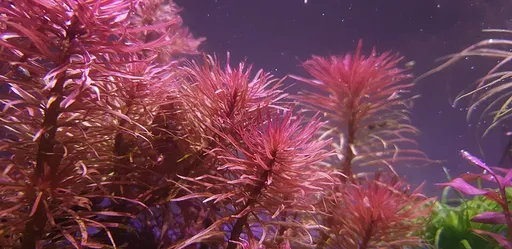
Ludwigia Pantanal
Ludwigia inclinata var. verticillata 'Pantanal'
FreshwaterHigh light · Background15.7 in (40 cm)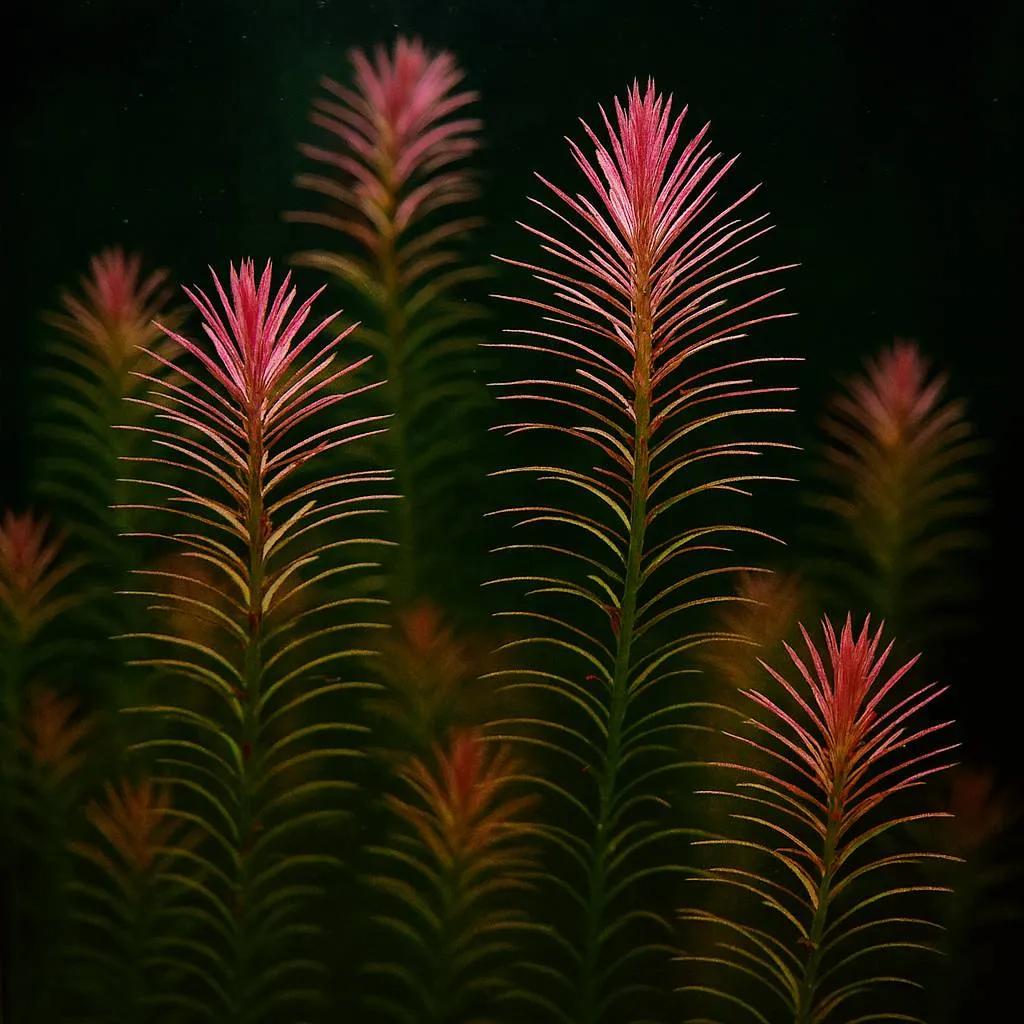
Rotala wallichii
FreshwaterHigh light · Background11.8 in (30 cm)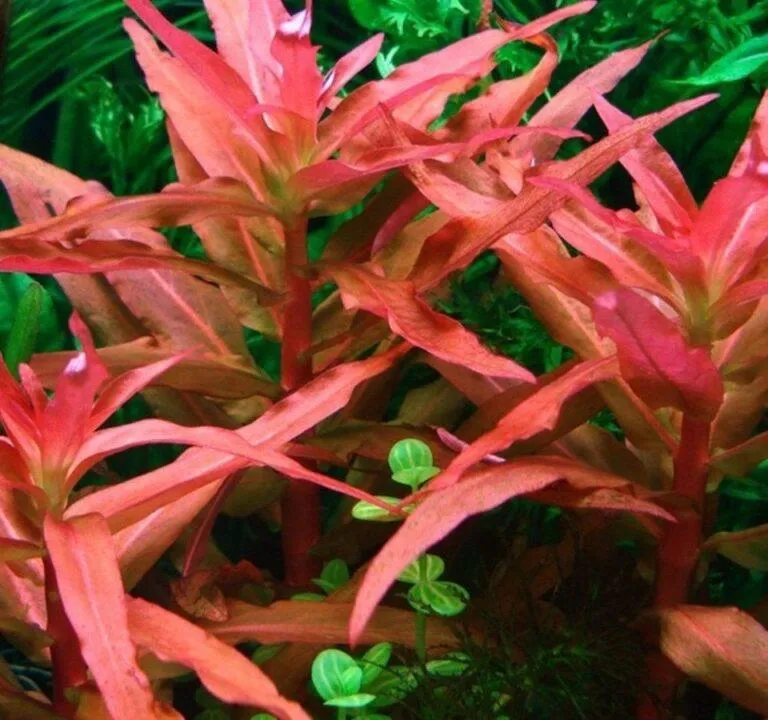
Ammannia senegalensis
FreshwaterHigh light · Midground17.7 in (45 cm)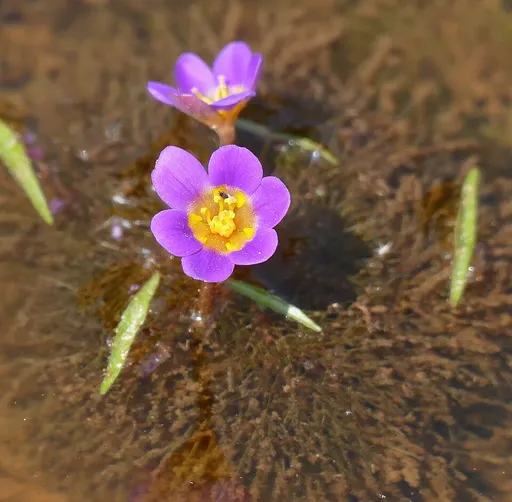
Red cabomba
Cabomba furcata
FreshwaterHigh light · Background19.7 in (50 cm)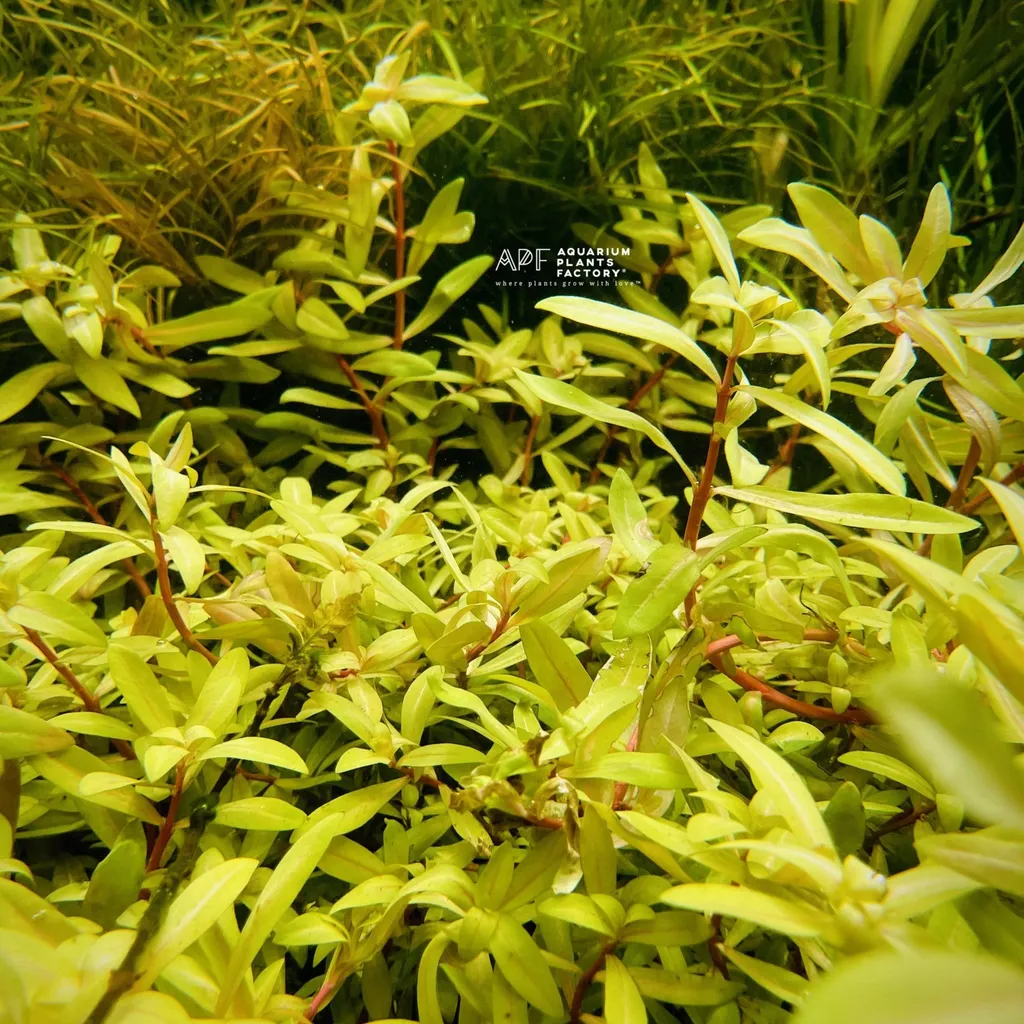
Nesaea pedicellata Golden
Ammannia pedicellata
FreshwaterHigh light · Background15.7 in (40 cm)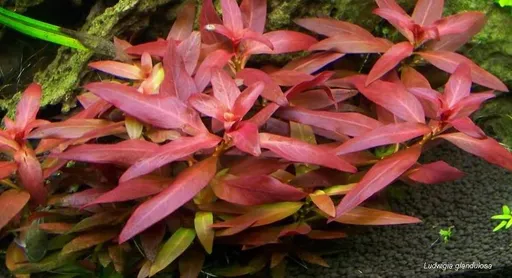
Ludwigia glandulosa
FreshwaterHigh light · Background15.7 in (40 cm)
Collectors
The softwater collectors
The Syngonanthus Belem is a 7.9 inch (20 cm) stem for water with a general and carbonate hardness under 5 over an acidic substrate. The Blyxa aubertii is a 15.7 inch (40 cm) rosette that wants bright light, CO2 and steady iron. The Pogostemon stellatus is a 23.6 inch (60 cm) background showpiece that needs nitrate, phosphate and iron dosed without a break. The Cuphea anagalloidea is a small red stem at 11.8 inches (30 cm) for a pH from 4.5 to 7. The Eriocaulon setaceum is a feathery stem for very soft, acidic water. The giant cabomba is the demanding cabomba at 31.5 inches (80 cm), and it wants the low carbonate hardness the common green one shrugs off.
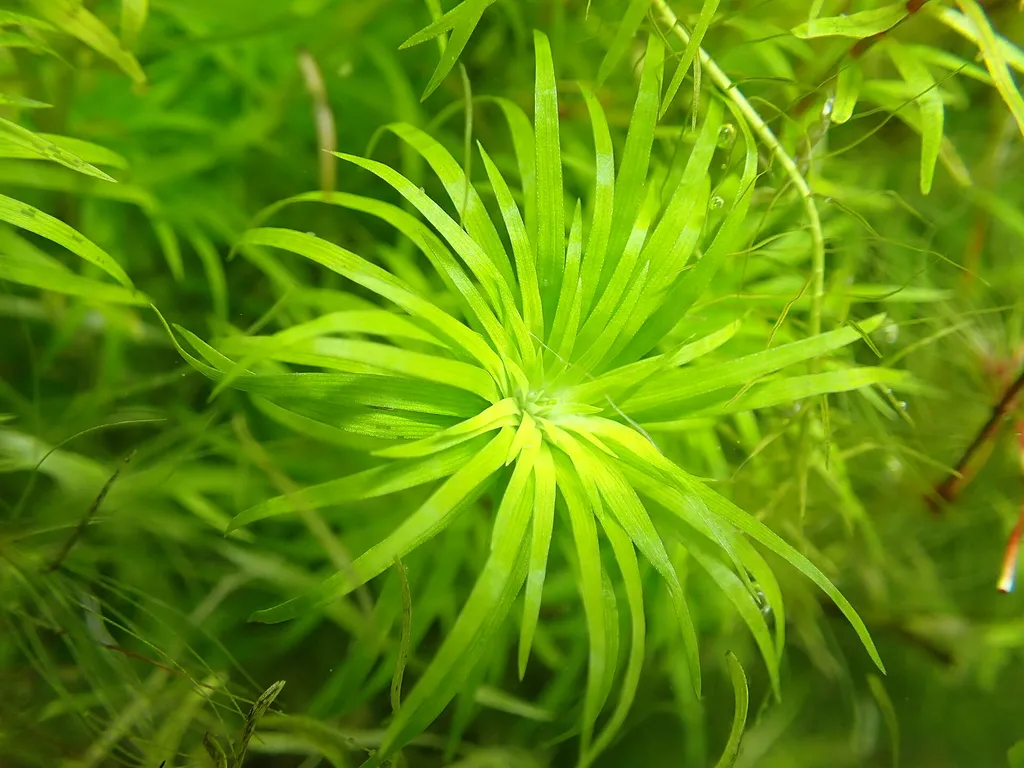
Syngonanthus Belem
Syngonanthus macrocaulon
FreshwaterHigh light · Midground7.9 in (20 cm)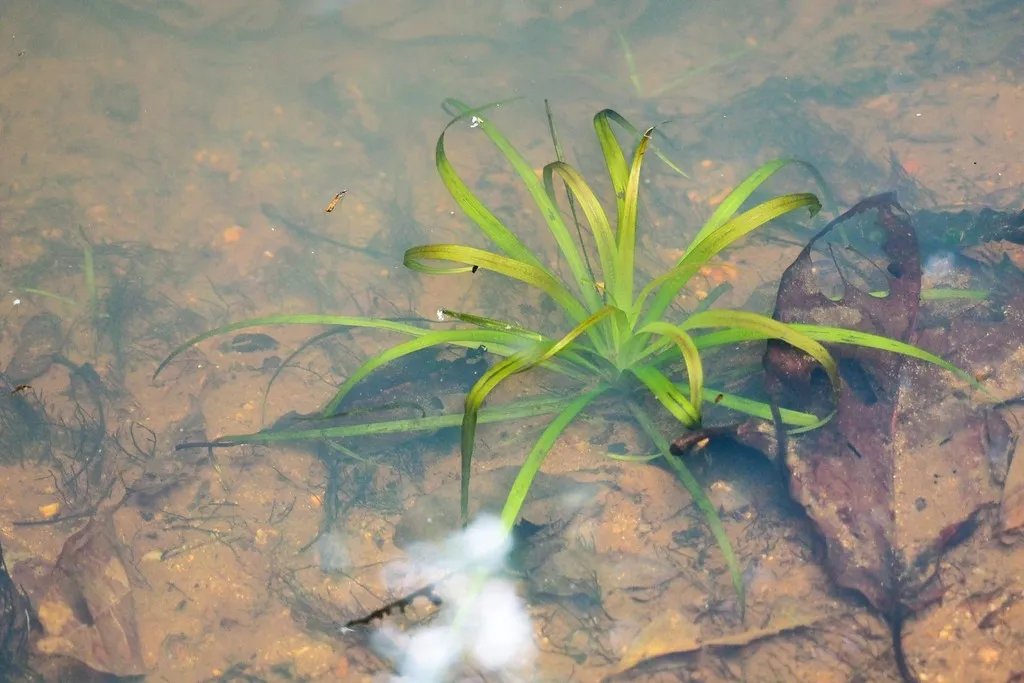
Blyxa aubertii
FreshwaterHigh light · Midground15.7 in (40 cm)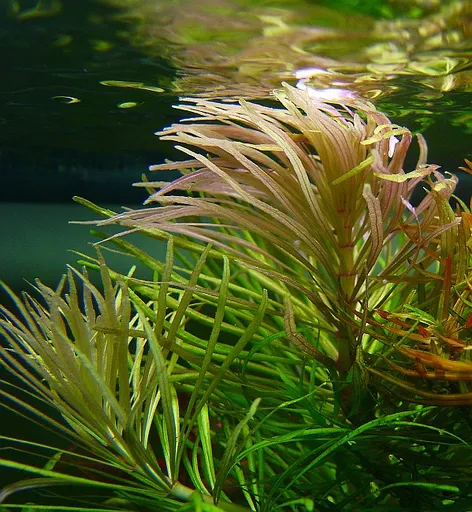
Pogostemon stellatus
FreshwaterHigh light · Background23.6 in (60 cm)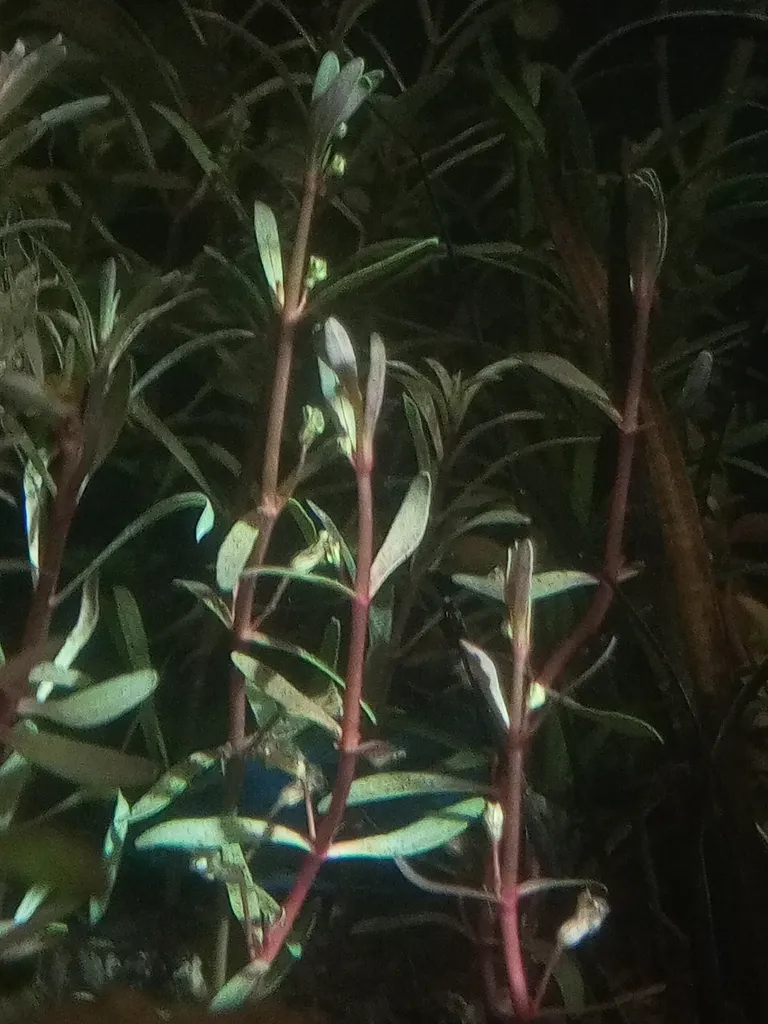
Cuphea anagalloidea
FreshwaterHigh light · Midground11.8 in (30 cm)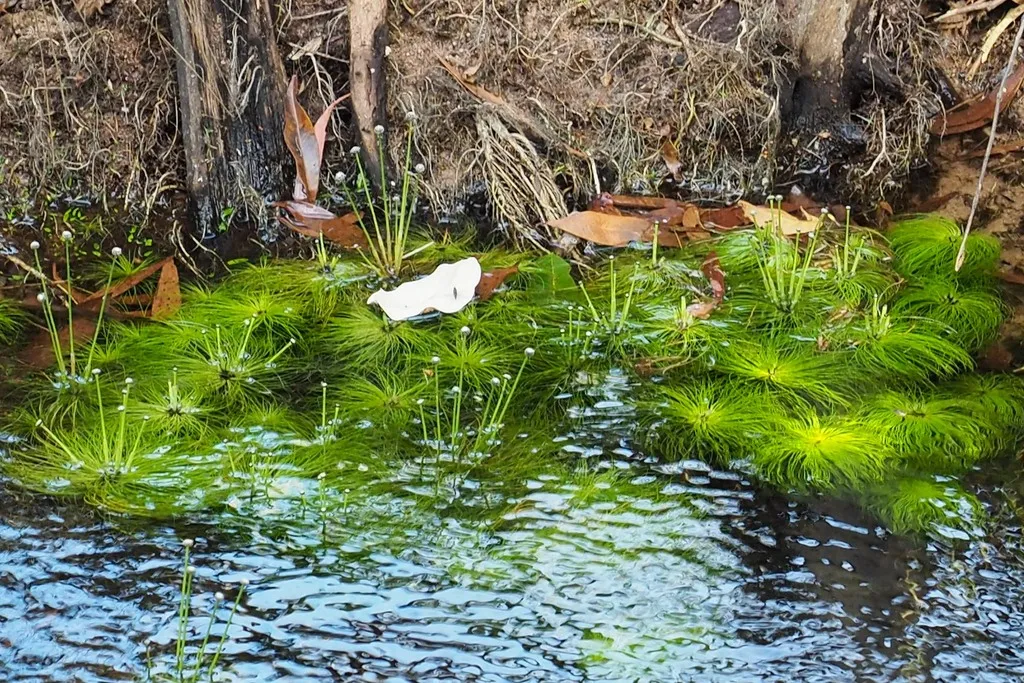
Eriocaulon setaceum
FreshwaterHigh light · Midground11.8 in (30 cm)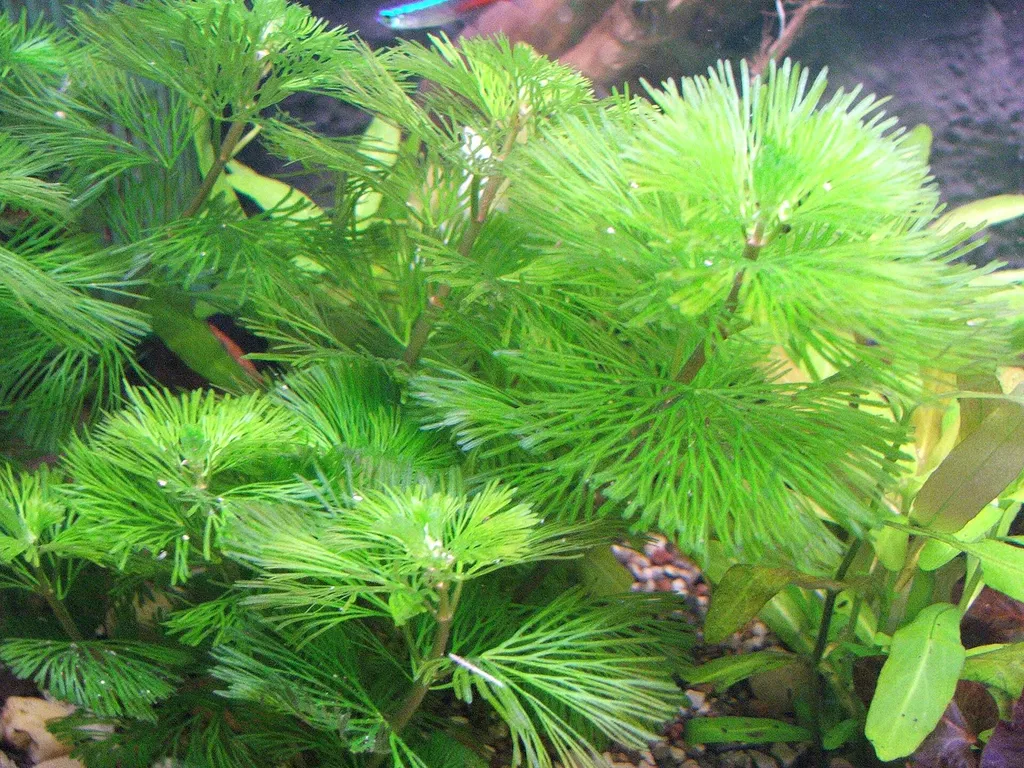
Giant cabomba
Cabomba aquatica
FreshwaterHigh light · Background31.5 in (80 cm)
Cool and odd
Cool water and the ones that hate being submerged
Henkel's lace plant is a bulb for 64–73°F (18–23°C), and anything warmer melts the leaves. The Horemanii sword is a collector's sword at 19.7 inches (50 cm) that wants cool, soft water and a mature tank. The brookweed grows slowly underwater at 5.9 inches (15 cm) and needs water below 79°F (26°C). The Bolbitis heteroclita is a fern that is mostly an emersed plant, happiest in a paludarium, and it sulks fully submerged in low light. The Fissidens nobilis is a moss marked difficult for its slowness and its dislike of dirt, tied in a thin layer to rock. The needle leaf bacopa is fine-leaved and light-hungry, for clean, soft, acidic water.
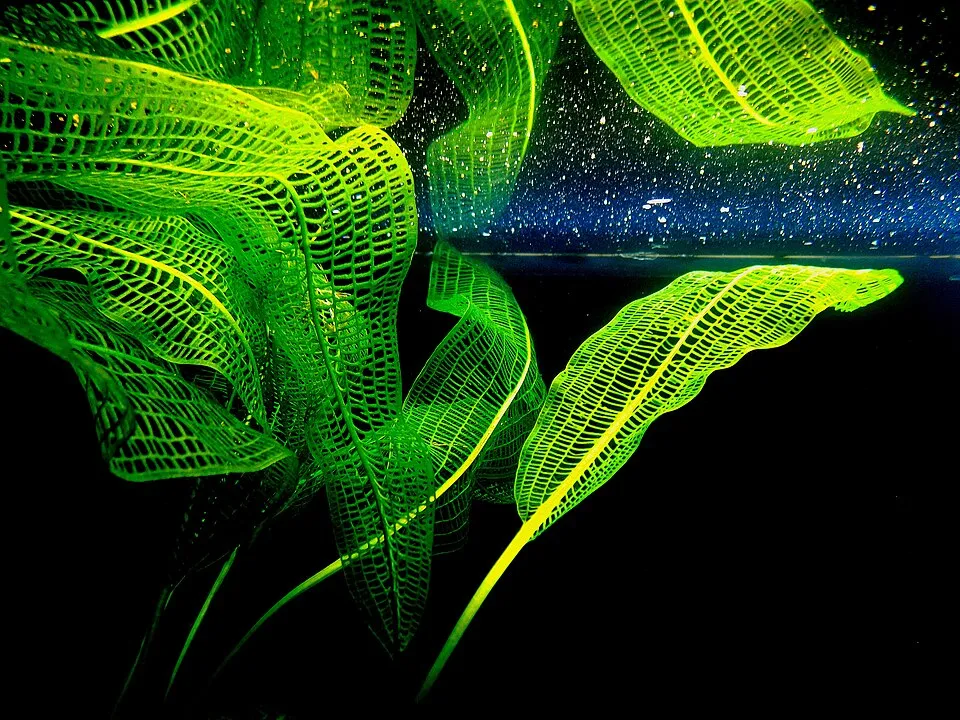
Henkel's lace plant
Aponogeton madagascariensis var. henkelianus
FreshwaterMedium light · Midground19.7 in (50 cm)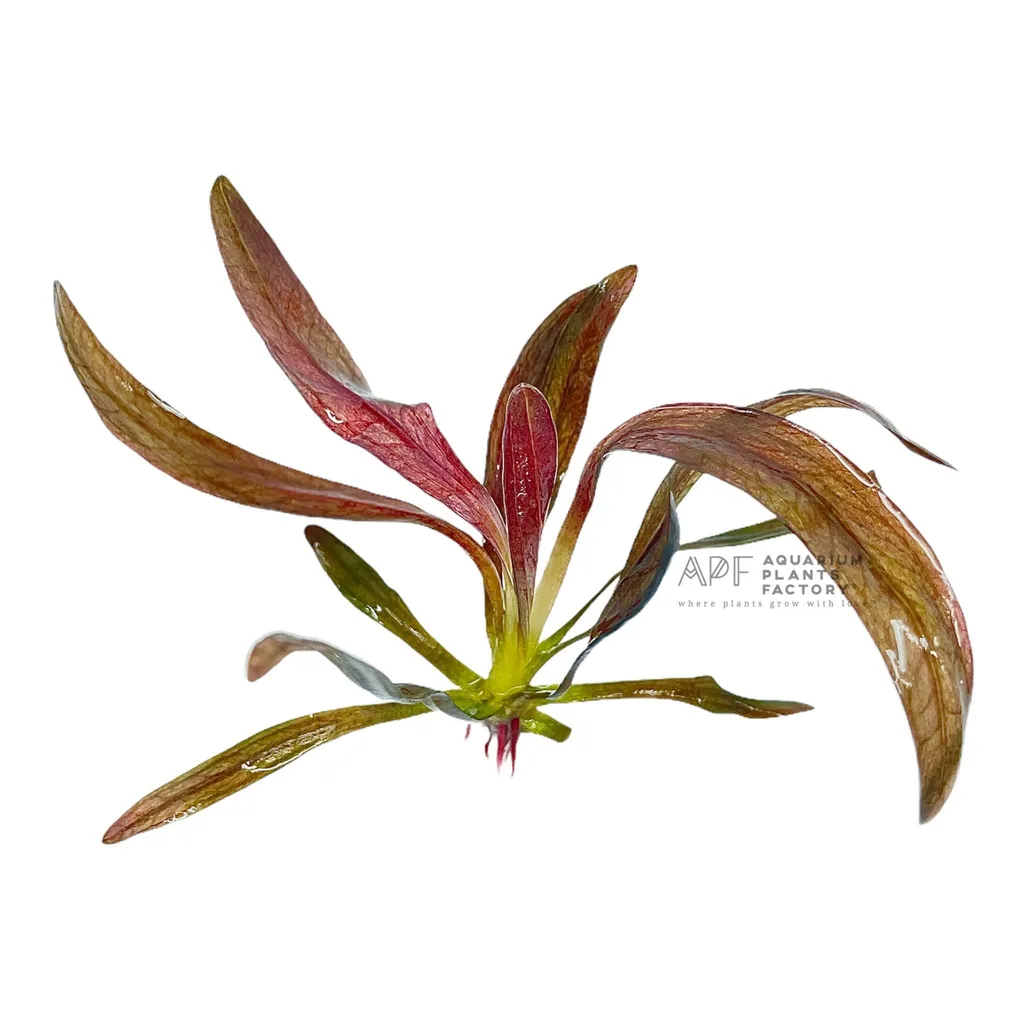
Horemanii sword
Echinodorus horemanii
FreshwaterHigh light · Background19.7 in (50 cm)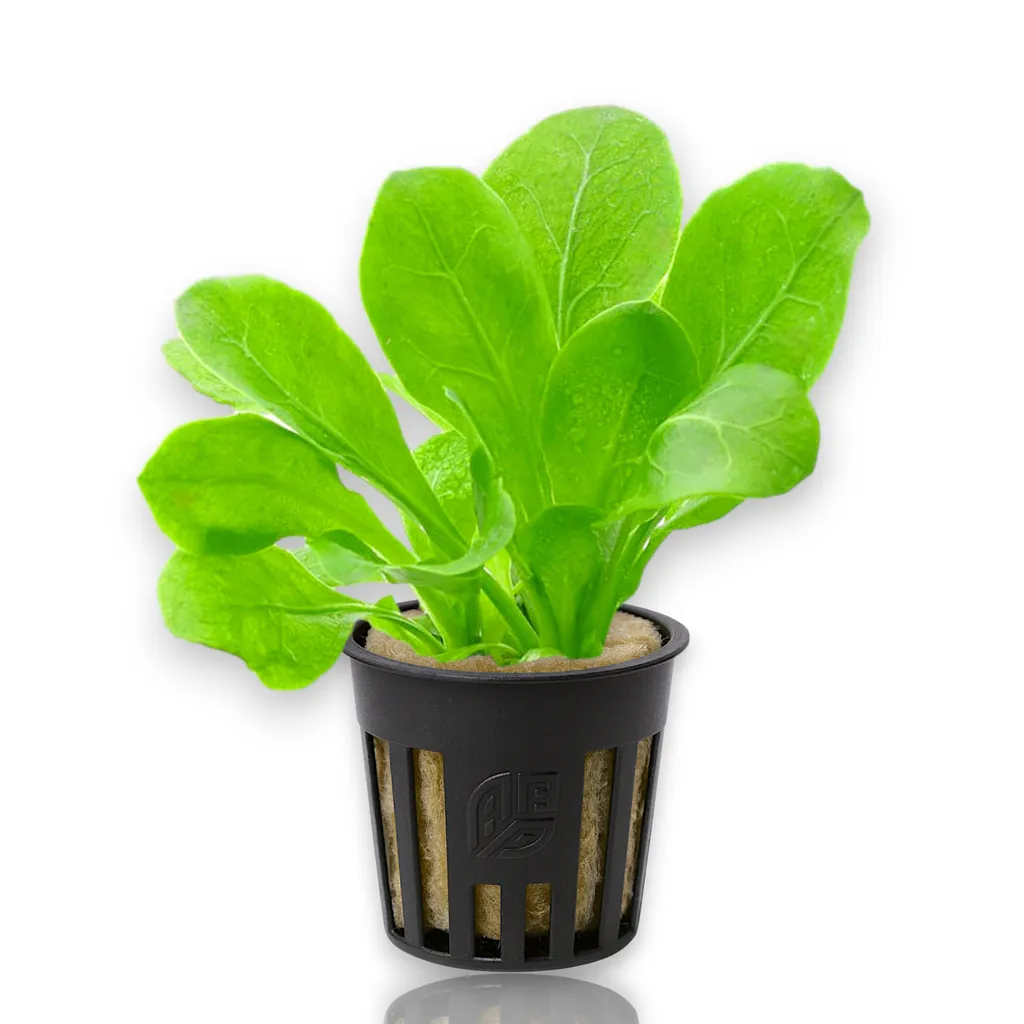
Brookweed
Samolus valerandi
FreshwaterBrackishHigh light · Foreground5.9 in (15 cm)
Bolbitis heteroclita
FreshwaterLow light · Epiphyte9.8 in (25 cm)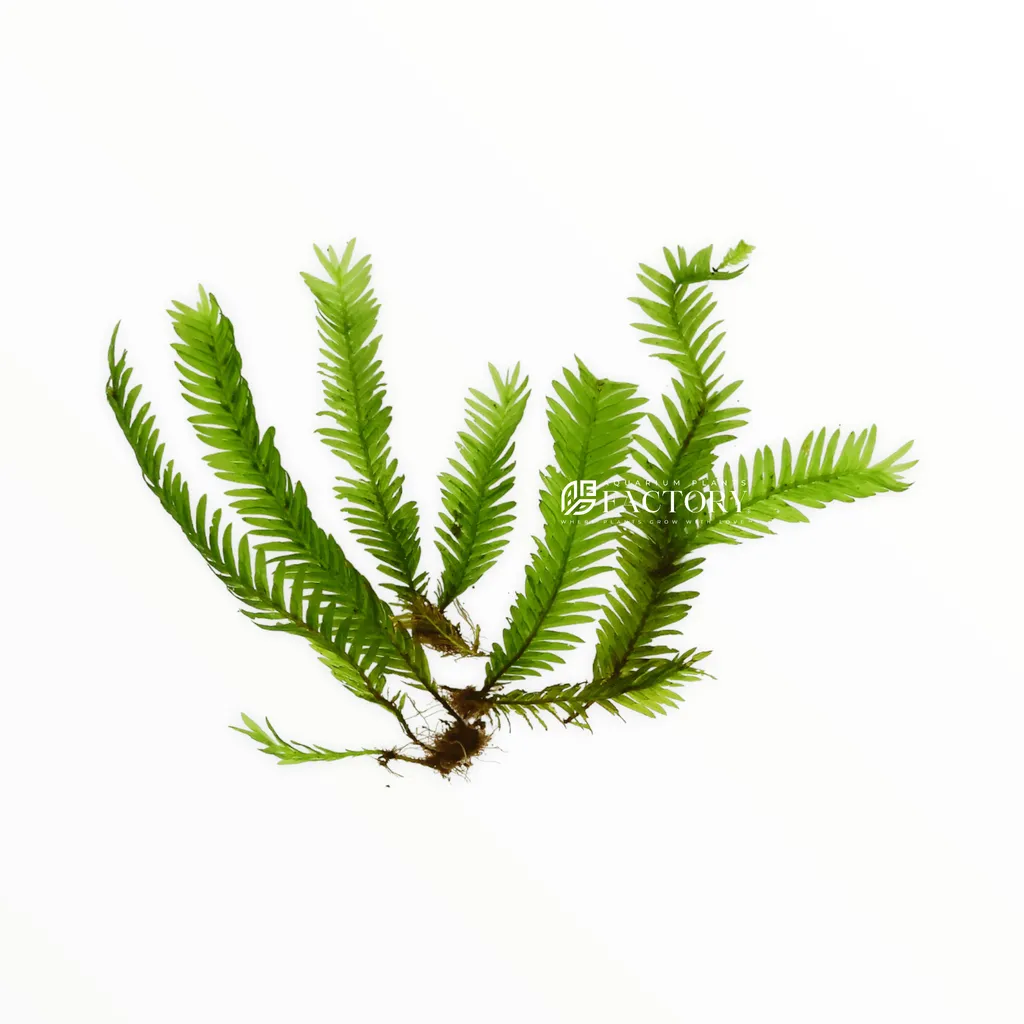
Fissidens nobilis
FreshwaterLow light · Epiphyte1.6 in (4 cm)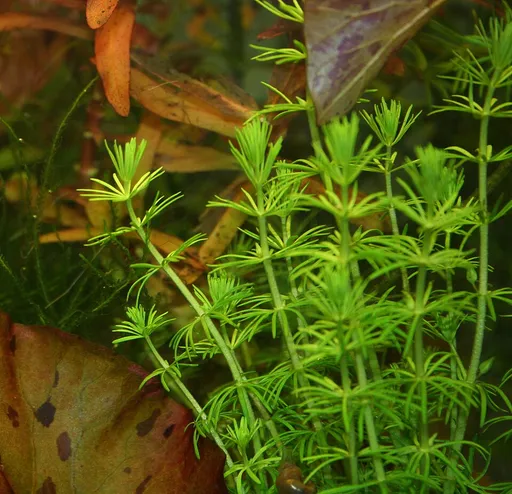
Needle leaf bacopa
Bacopa myriophylloides
FreshwaterHigh light · Midground11.8 in (30 cm)
By the numbers
Smallest
Tallest
Low light
FAQ
Common questions
What makes an aquarium plant difficult?
Light, CO2 and water. Nearly every plant here lists high light and CO2 as required, most want soft water, and a few want cool water or a paludarium. The profile says which.
Can I grow dwarf baby tears without CO2?
Not as a carpet. The profile lists CO2 as required and high light with it. Without both it grows upward, uproots and melts.
Why do my red plants turn green?
The light is too low or the CO2 is unstable. Red pigment needs intense light to form, and many of these stems color best when nitrate runs lean and iron does not.
What is soft water for plants?
Low general and carbonate hardness, usually under 4 degrees, over an acidic nutrient substrate. Most keepers make it from reverse osmosis water. The tonina, syngonanthus and eriocaulon species need it.
Why did my Madagascar lace melt?
The tank is too warm. It lists 64–75°F (18–24°C), and the profile says to plant the bulb at an angle with only the lower half in the substrate so the crown does not rot.
Which difficult plants do not need high light?
The Bolbitis heteroclita, the Fissidens nobilis and a few collector crypts list low light. They are hard for their water, their slowness or their preference for growing out of it.
Index
All advanced plants
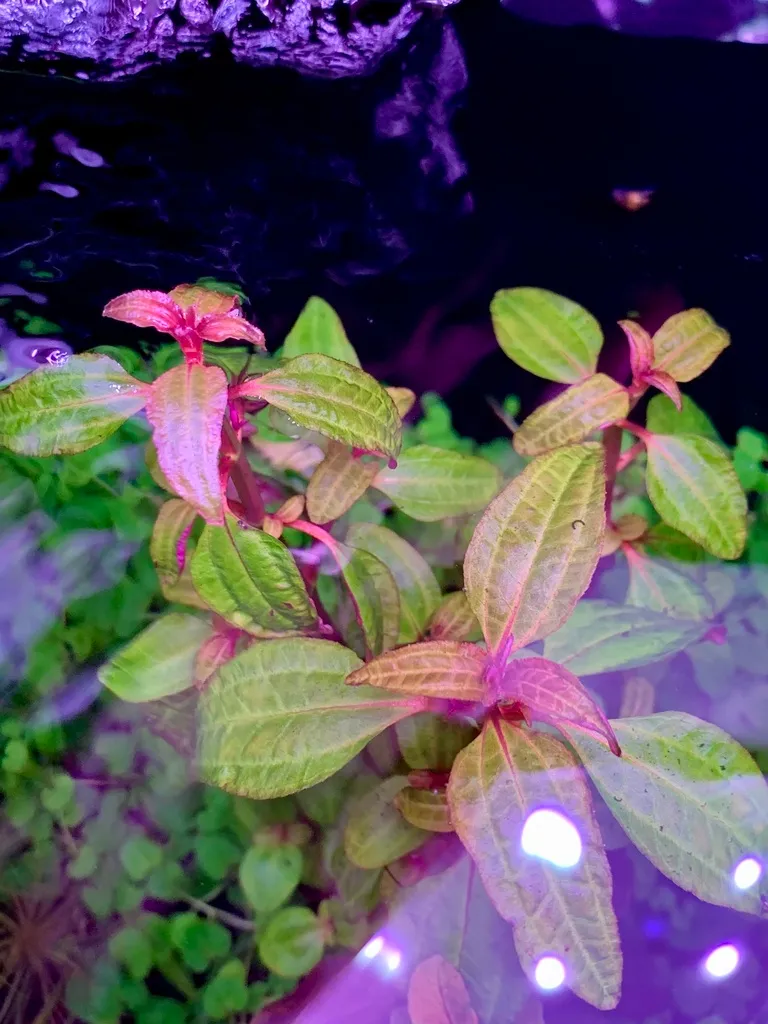
Aciotis acuminifolia
FreshwaterHigh light · Midground15.7 in (40 cm)Ammannia senegalensis
FreshwaterHigh light · Midground17.7 in (45 cm)Blyxa aubertii
FreshwaterHigh light · Midground15.7 in (40 cm)Bolbitis heteroclita
FreshwaterLow light · Epiphyte9.8 in (25 cm)Brookweed
Samolus valerandi
FreshwaterBrackishHigh light · Foreground5.9 in (15 cm)Centrolepis Blood Vomit
Centrolepis drummondiana 'Blood Vomit'
FreshwaterHigh light · Foreground1.6 in (4 cm)Cryptocoryne schulzei
FreshwaterLow light · Midground7.9 in (20 cm)Cryptocoryne striolata
FreshwaterMedium light · Midground7.9 in (20 cm)Cryptocoryne thwaitesii
FreshwaterLow light · Midground5.9 in (15 cm)Cuphea anagalloidea
FreshwaterHigh light · Midground11.8 in (30 cm)Dwarf baby tears
Hemianthus callitrichoides 'Cuba'
FreshwaterHigh light · Foreground2 in (5 cm)Eriocaulon buergerianum
FreshwaterHigh light · Foreground3.1 in (8 cm)Eriocaulon cinereum
FreshwaterHigh light · Foreground3.1 in (8 cm)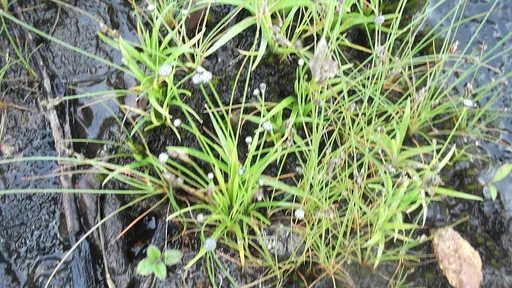
Eriocaulon quinquangulare
FreshwaterHigh light · Midground3.1 in (8 cm)Eriocaulon setaceum
FreshwaterHigh light · Midground11.8 in (30 cm)Eriocaulon Sulawesi
Eriocaulon sp. 'Sulawesi'
FreshwaterHigh light · Foreground1.2 in (3 cm)Eriocaulon Vietnam
Eriocaulon sp. 'Vietnam'
FreshwaterHigh light · Midground4.7 in (12 cm)Fissidens nobilis
FreshwaterLow light · Epiphyte1.6 in (4 cm)Giant cabomba
Cabomba aquatica
FreshwaterHigh light · Background31.5 in (80 cm)Glosso
Glossostigma elatinoides
FreshwaterHigh light · Foreground1.6 in (4 cm)Henkel's lace plant
Aponogeton madagascariensis var. henkelianus
FreshwaterMedium light · Midground19.7 in (50 cm)Horemanii sword
Echinodorus horemanii
FreshwaterHigh light · Background19.7 in (50 cm)Hygrophila Chai
Hygrophila lancea 'Chai'
FreshwaterHigh light · Foreground3.9 in (10 cm)Littorella uniflora
FreshwaterHigh light · Foreground2 in (5 cm)Ludwigia Cuba
Ludwigia inclinata var. verticillata 'Cuba'
FreshwaterHigh light · Background15.7 in (40 cm)Ludwigia glandulosa
FreshwaterHigh light · Background15.7 in (40 cm)Ludwigia Meta
Ludwigia inclinata var. verticillata 'Meta'
FreshwaterHigh light · Background15.7 in (40 cm)Ludwigia Pantanal
Ludwigia inclinata var. verticillata 'Pantanal'
FreshwaterHigh light · Background15.7 in (40 cm)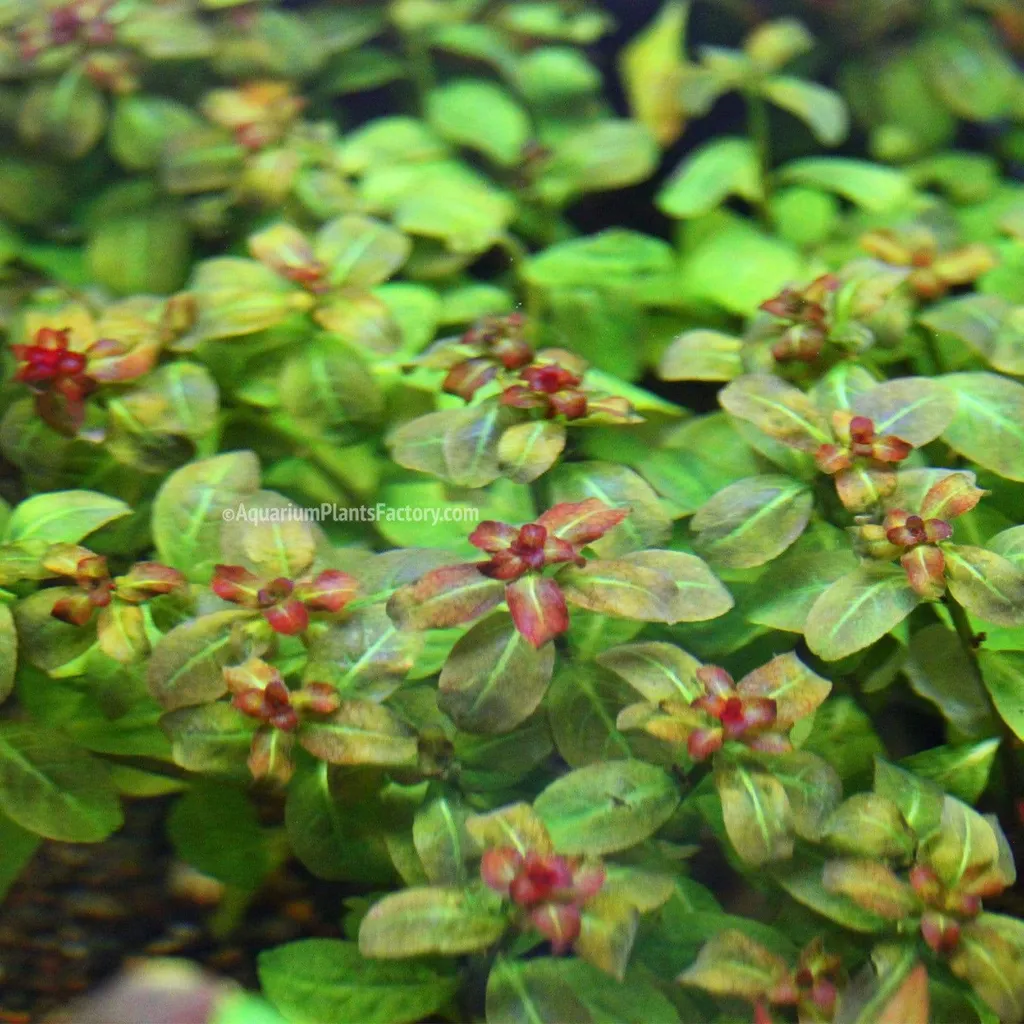
Ludwigia senegalensis
FreshwaterHigh light · Midground11.8 in (30 cm)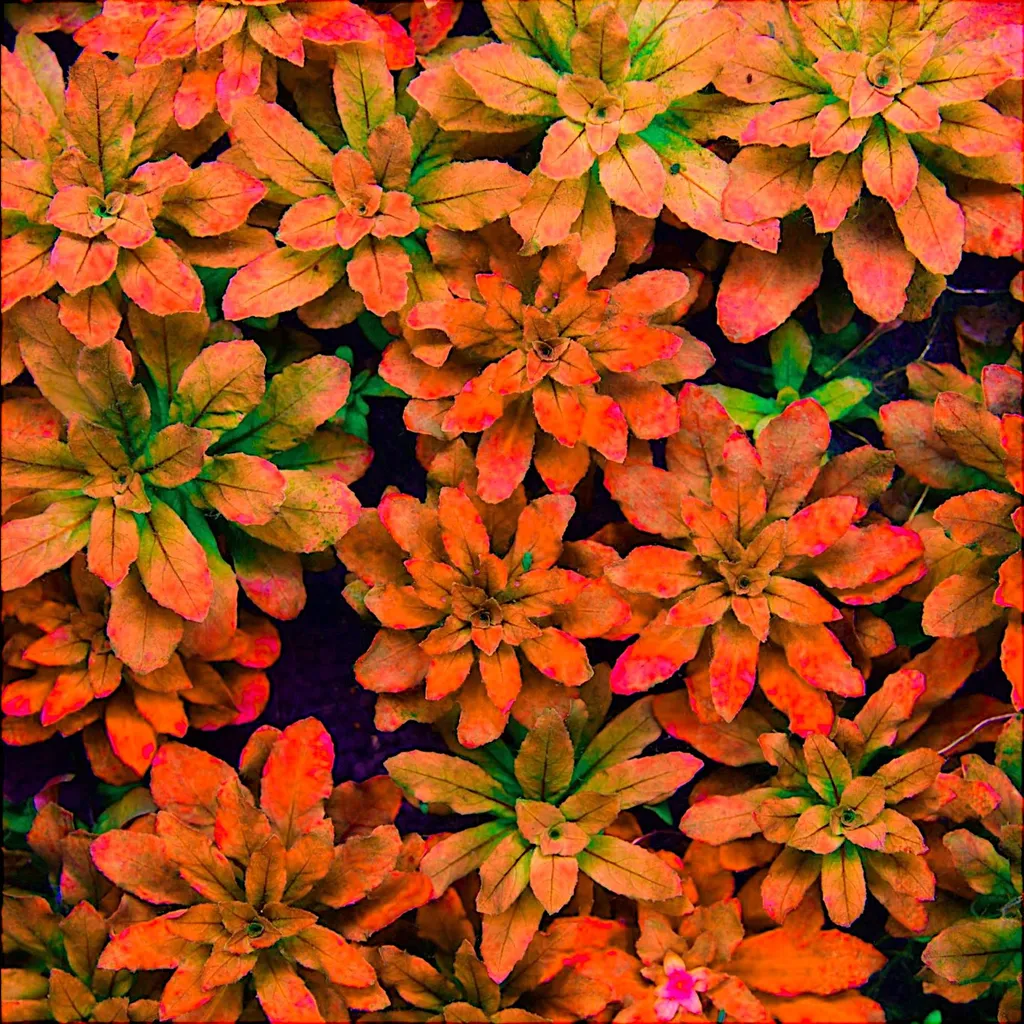
Ludwigia sphaerocarpa
FreshwaterHigh light · Midground11.8 in (30 cm)Madagascar lace
Aponogeton madagascariensis
FreshwaterMedium light · Background23.6 in (60 cm)Needle leaf bacopa
Bacopa myriophylloides
FreshwaterHigh light · Midground11.8 in (30 cm)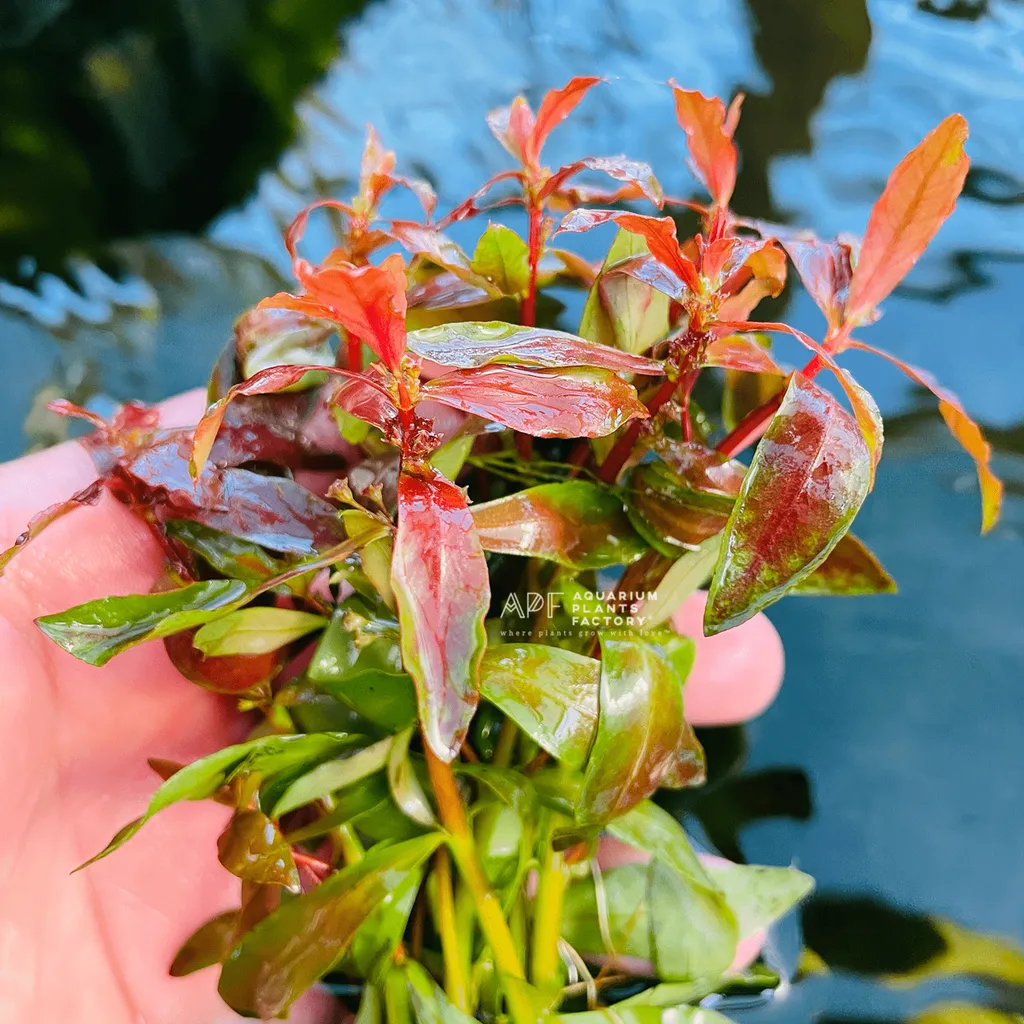
Nesaea crassicaulis
Ammannia crassicaulis
FreshwaterHigh light · Background19.7 in (50 cm)Nesaea pedicellata Golden
Ammannia pedicellata
FreshwaterHigh light · Background15.7 in (40 cm)Platinum glosso
Glossostigma elatinoides 'Platinum'
FreshwaterHigh light · Foreground1.6 in (4 cm)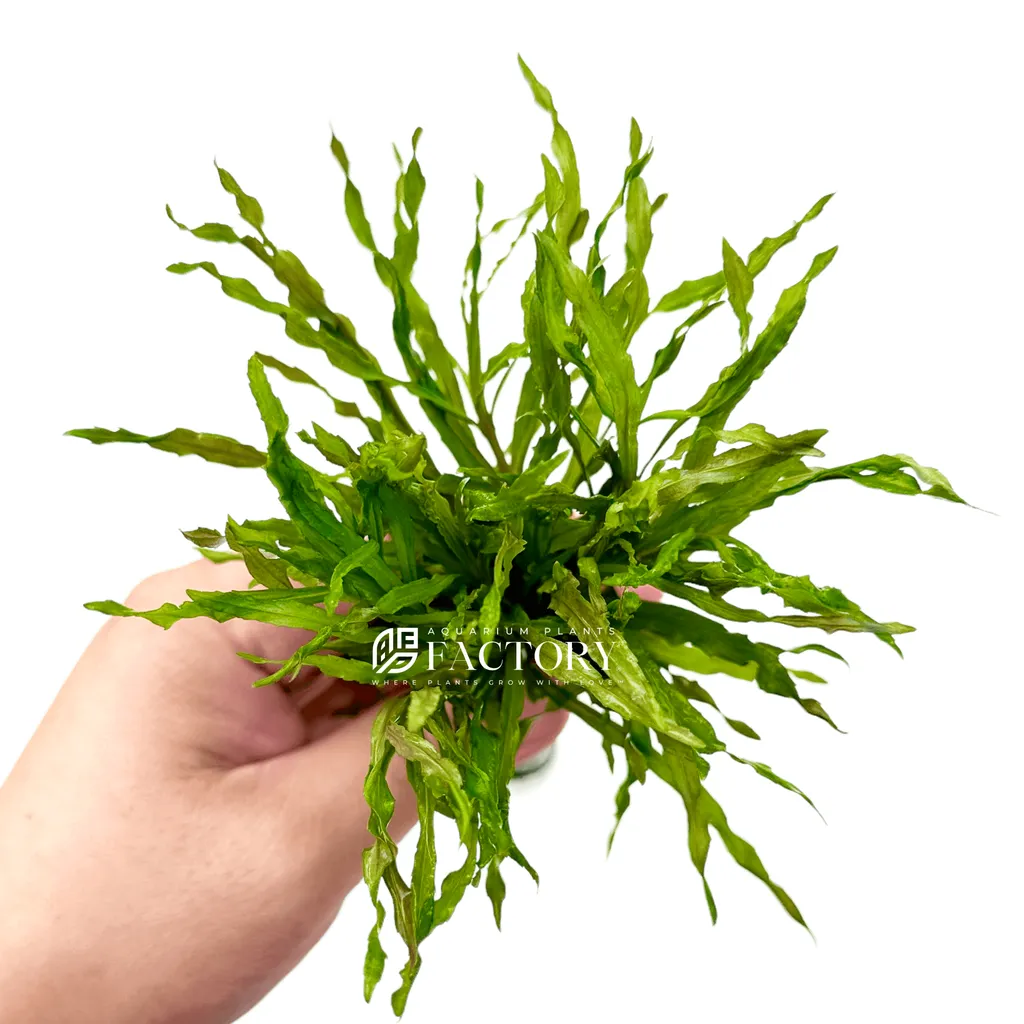
Pogostemon Dassen
Pogostemon stellatus 'Dassen'
FreshwaterHigh light · Background17.7 in (45 cm)Pogostemon stellatus
FreshwaterHigh light · Background23.6 in (60 cm)Pogostemon stellatus Broad Leaf
Pogostemon stellatus 'Broad Leaf'
FreshwaterHigh light · Background23.6 in (60 cm)Red cabomba
Cabomba furcata
FreshwaterHigh light · Background19.7 in (50 cm)Red myriophyllum
Myriophyllum tuberculatum
FreshwaterHigh light · Background11.8 in (30 cm)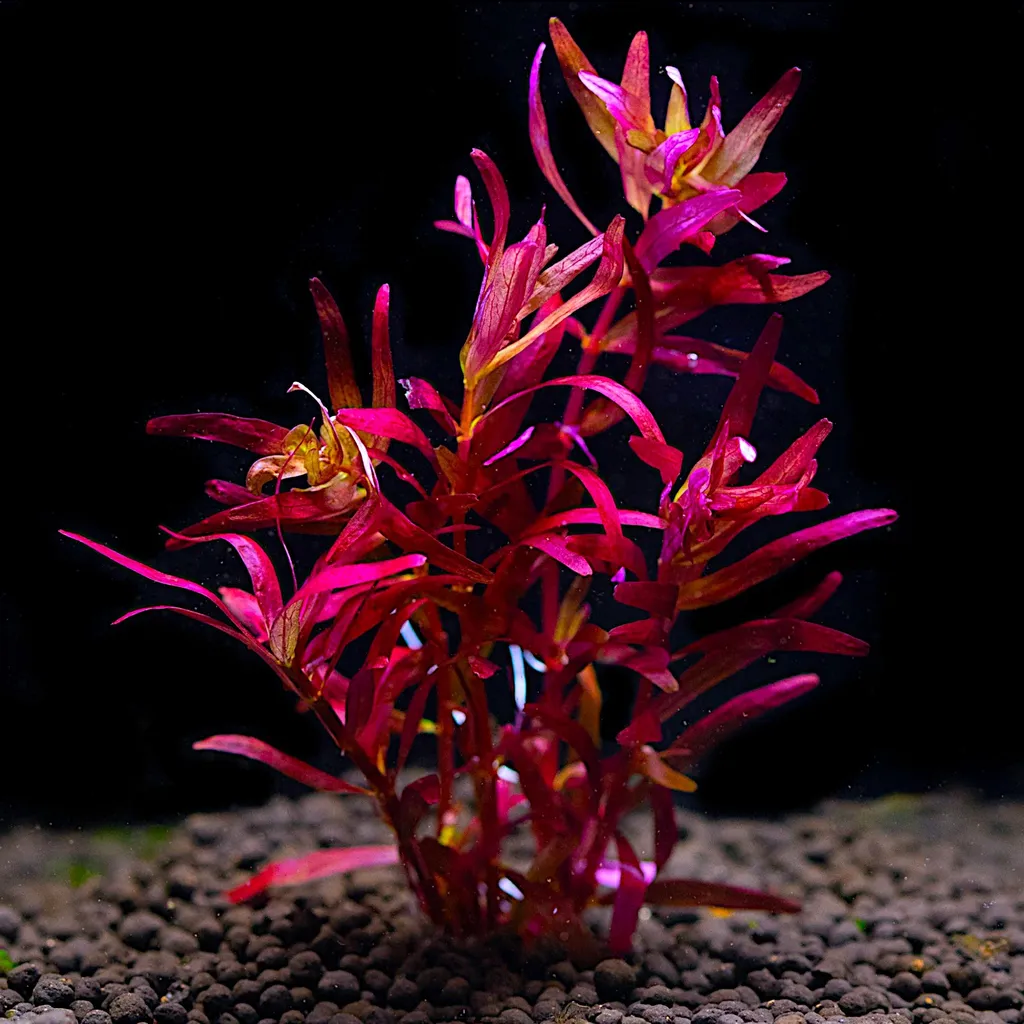
Rotala Blood Red
Rotala rotundifolia 'Blood Red'
FreshwaterHigh light · Background11.8 in (30 cm)Rotala macrandra
FreshwaterHigh light · Background19.7 in (50 cm)4 forms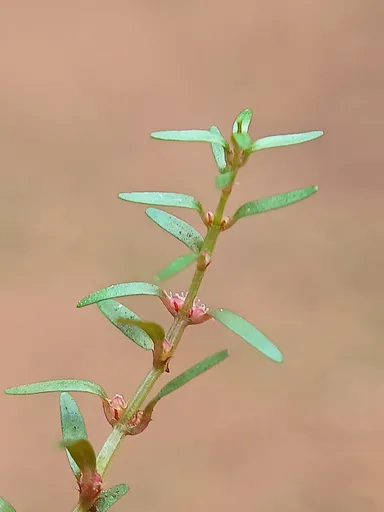
Rotala pusilla
Rotala mexicana
FreshwaterHigh light · Midground11.8 in (30 cm)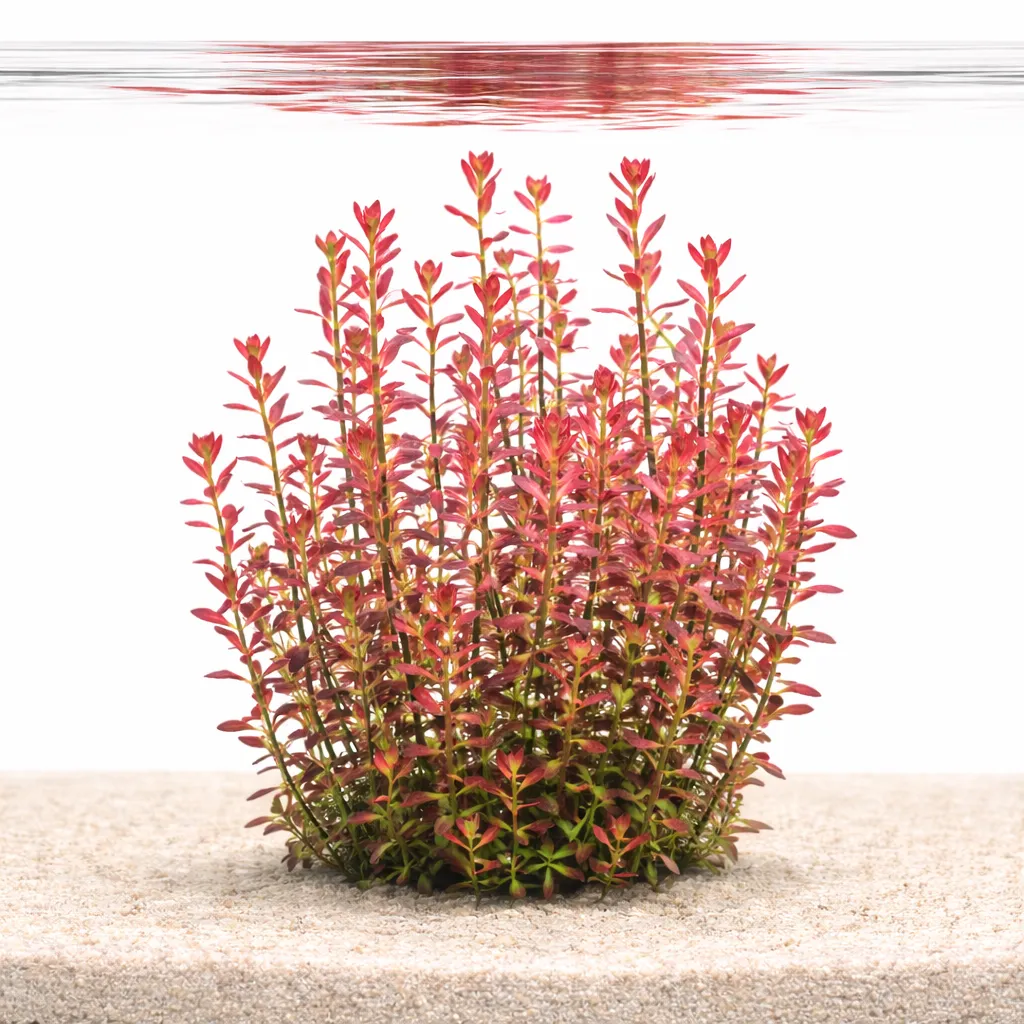
Rotala ramosior
FreshwaterHigh light · Background15.7 in (40 cm)Rotala Red Cross
Rotala 'Red Cross'
FreshwaterHigh light · Midground11.8 in (30 cm)Rotala Sunset
Rotala ramosior 'Sunset'
FreshwaterHigh light · Midground15.7 in (40 cm)Rotala wallichii
FreshwaterHigh light · Background11.8 in (30 cm)Syngonanthus Belem
Syngonanthus macrocaulon
FreshwaterHigh light · Midground7.9 in (20 cm)Syngonanthus Manaus
Syngonanthus sp. 'Manaus'
FreshwaterHigh light · Midground11.8 in (30 cm)Tonina fluviatilis
FreshwaterHigh light · Background13.8 in (35 cm)UG
Utricularia graminifolia
FreshwaterHigh light · Foreground1.6 in (4 cm)Water hedge
Didiplis diandra
FreshwaterHigh light · Midground11.8 in (30 cm)Waterwort
Elatine hydropiper
FreshwaterHigh light · Foreground2 in (5 cm)Whorled pennywort
Hydrocotyle verticillata
FreshwaterHigh light · Foreground3.9 in (10 cm)
Planning a tank?
TankBud checks stocking and water fit as you build a tank, then tracks water tests, reminders and photos once it is running.
Track your tanksMaintain tanks for clients? See TankBud Pro