Needle leaf bacopa
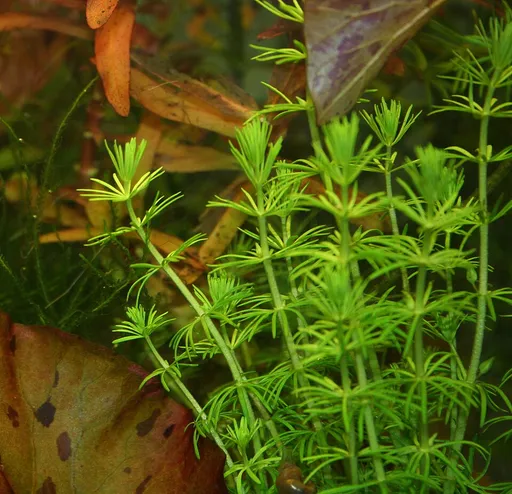
Bacopa myriophylloides
Also known as Brazilian bacopa, Needle-leaf bacopa, Milfoil bacopa
FreshwaterStemCuttingsSide shoots
Care at a glance
- Light
- High light
- CO2
- CO₂ required
- Temperature
- 70–82°F
- 21–28°C
- Max height
- 11.8 in
- 30 cm
- Growth rate
- Slow
- Placement
- Midground
- Type
- Stem
- pH
- 5.0–6.5
- Hardness
- 1–6 dGH
- Spread
- 2 in (5 cm)
- Nutrient uptake
- Root + water column
- Growth region
- Submersed or emersed
- Difficulty
- Difficult
- Family
- Plantaginaceae
- Origin
- Central Brazil (Pantanal)
Overview
This is a demanding, light-loving plant submersed, needing high light, CO2, and clean, soft, acidic water to hold its fine green foliage. It grows slowly underwater and resents unstable conditions, so keep it in an established, well-fertilized, algae-free tank. Emersed cultivation is much easier, and it is usually shipped in emersed form.
In the wild
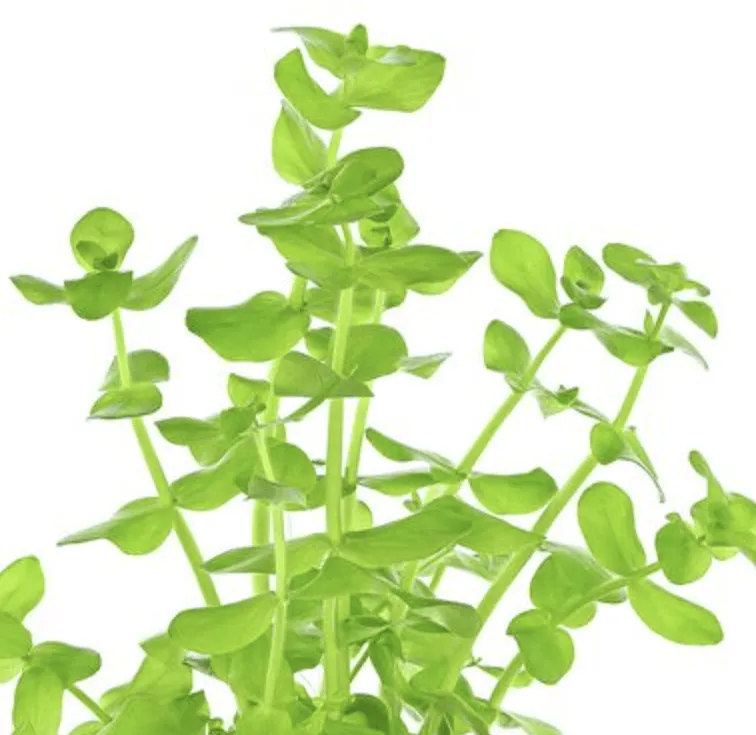
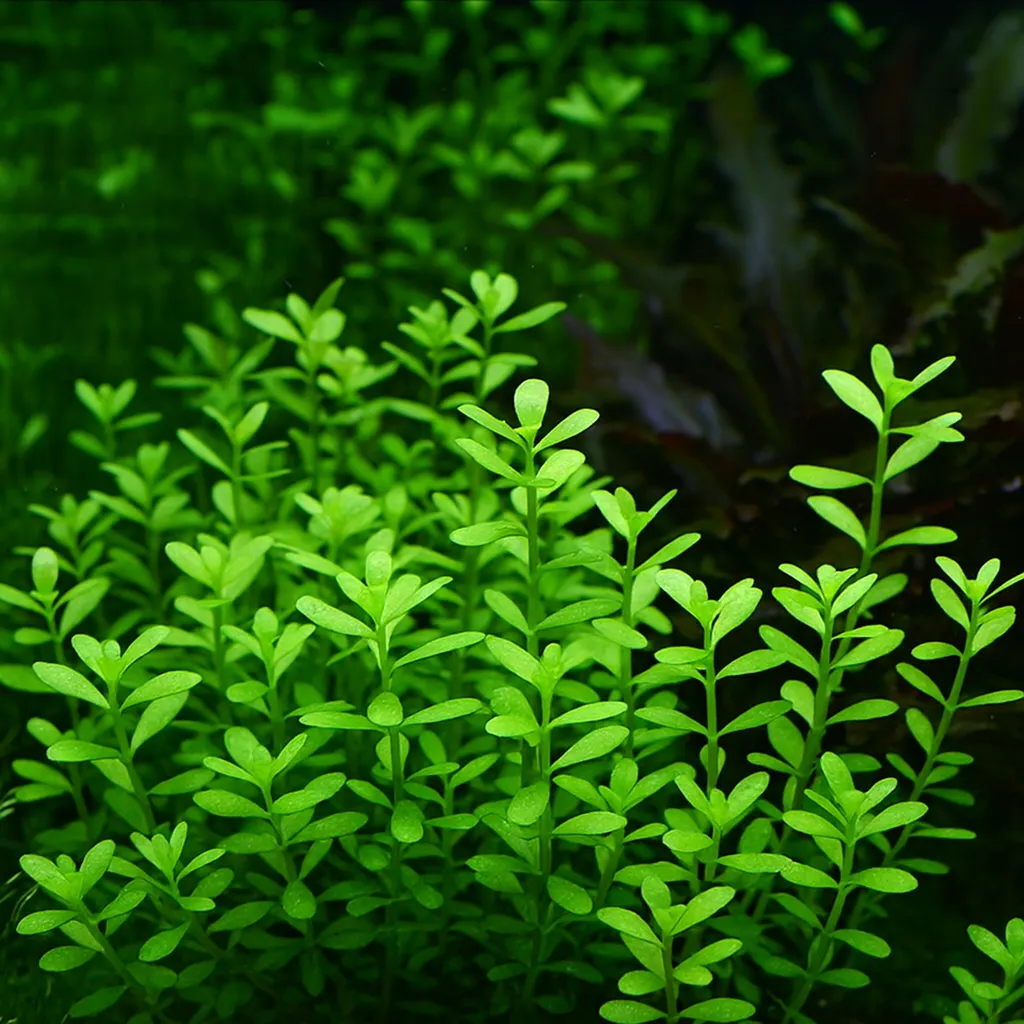
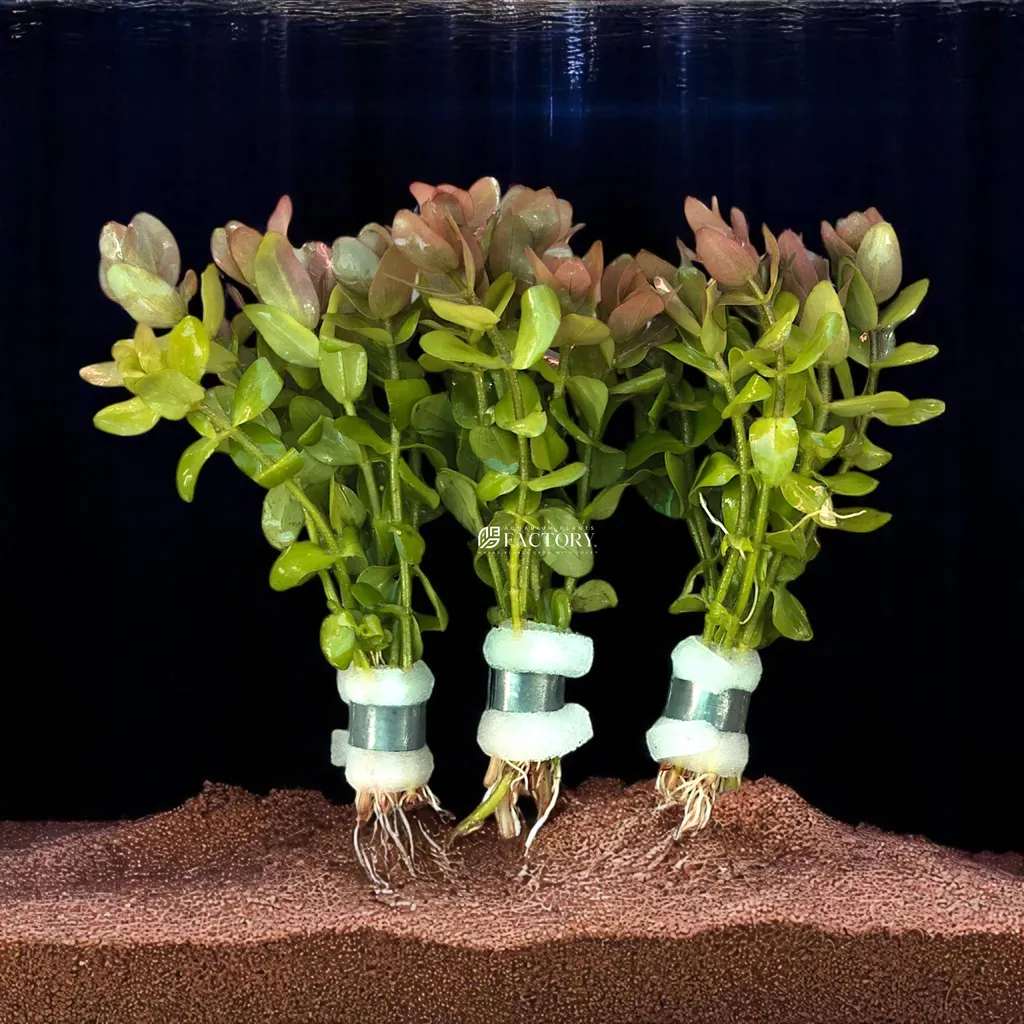
Native to the eastern and southern parts of central Brazil, including the Pantanal, where it lives in boggy areas of shallow, very soft water in full sun. It carries fine, awl-shaped leaves in whorls that make it look far more like a Myriophyllum milfoil than a typical Bacopa.
Good to know
It is a true member of the genus Bacopa in the family Plantaginaceae, despite its milfoil-like appearance, and was described by Bentham. The needle-like leaf shape is a convergent look-alike, not an actual relationship to the feather-leaf milfoils it resembles.
Did you know
Even though it looks exactly like a feathery milfoil, it is a real Bacopa, and it is far harder to grow underwater than the tough, beginner-grade Bacopa species most hobbyists know.
Related plants
 High lightMidground11.8 in (30 cm)
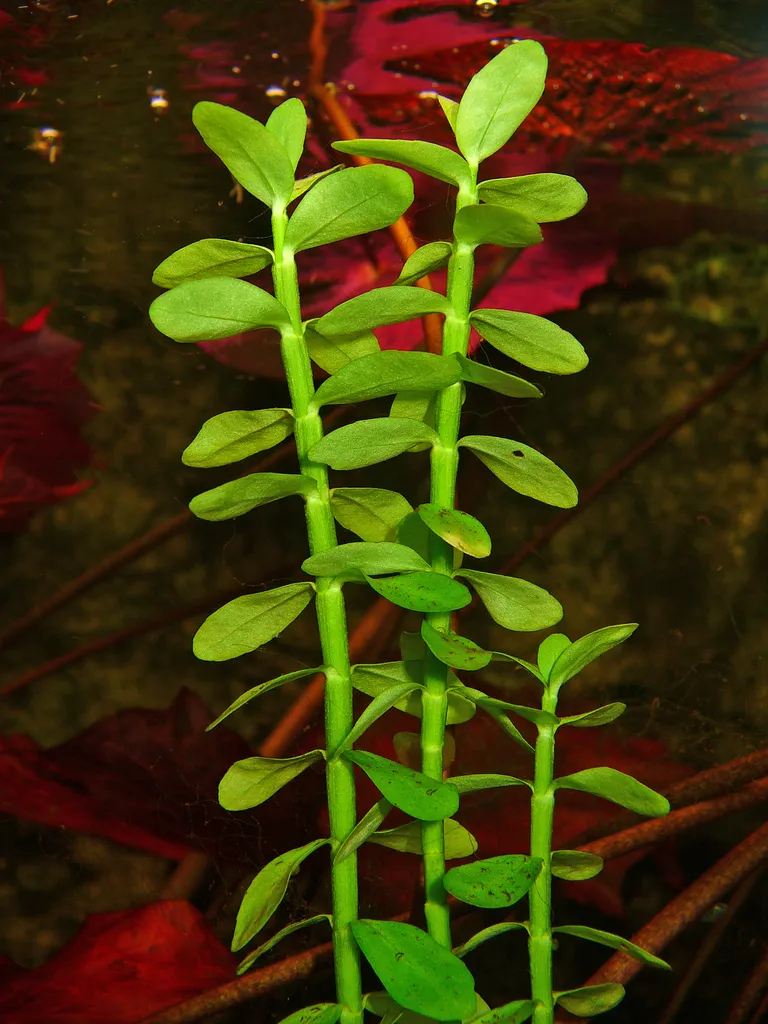
Bacopa madagascariensis
High light · Midground
 High lightMidground11.8 in (30 cm)
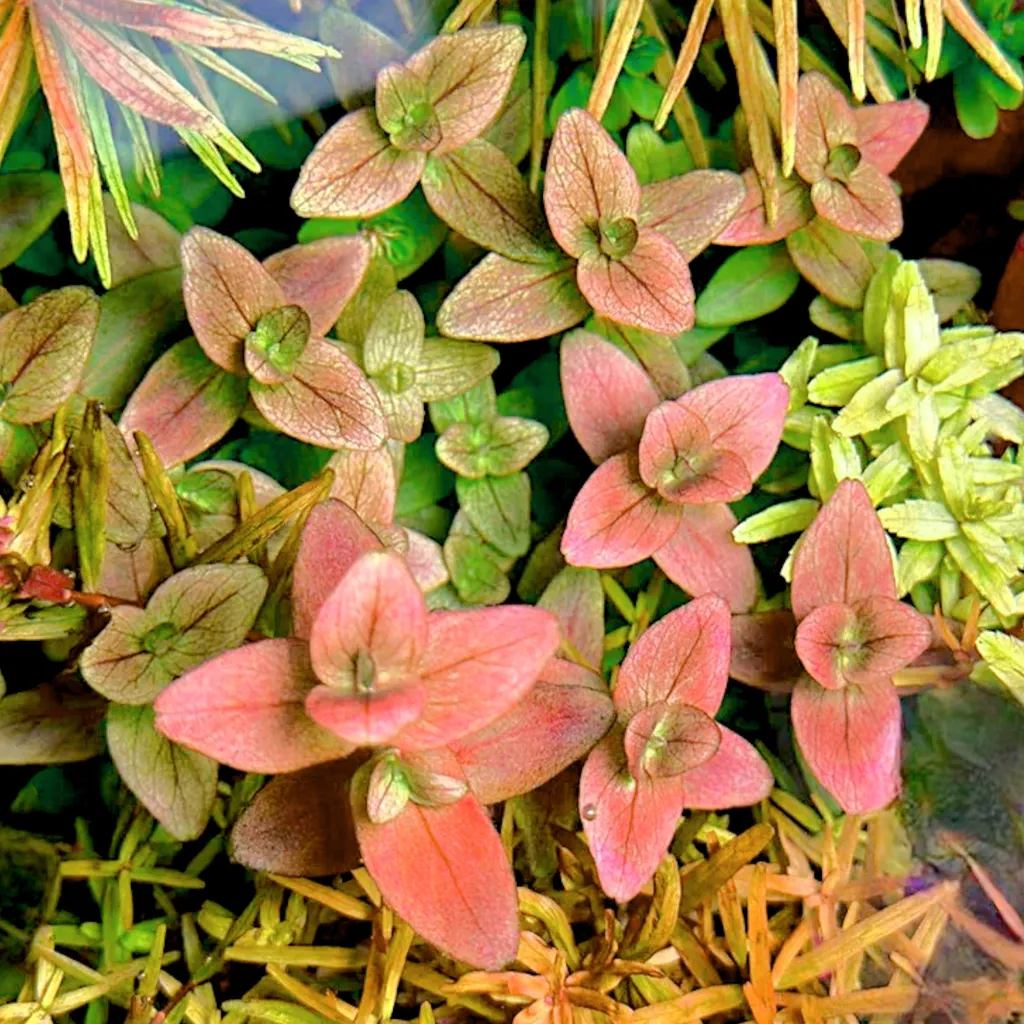
Purple bacopa
Bacopa salzmannii
High light · Midground
 Medium lightMidground7.9 in (20 cm)
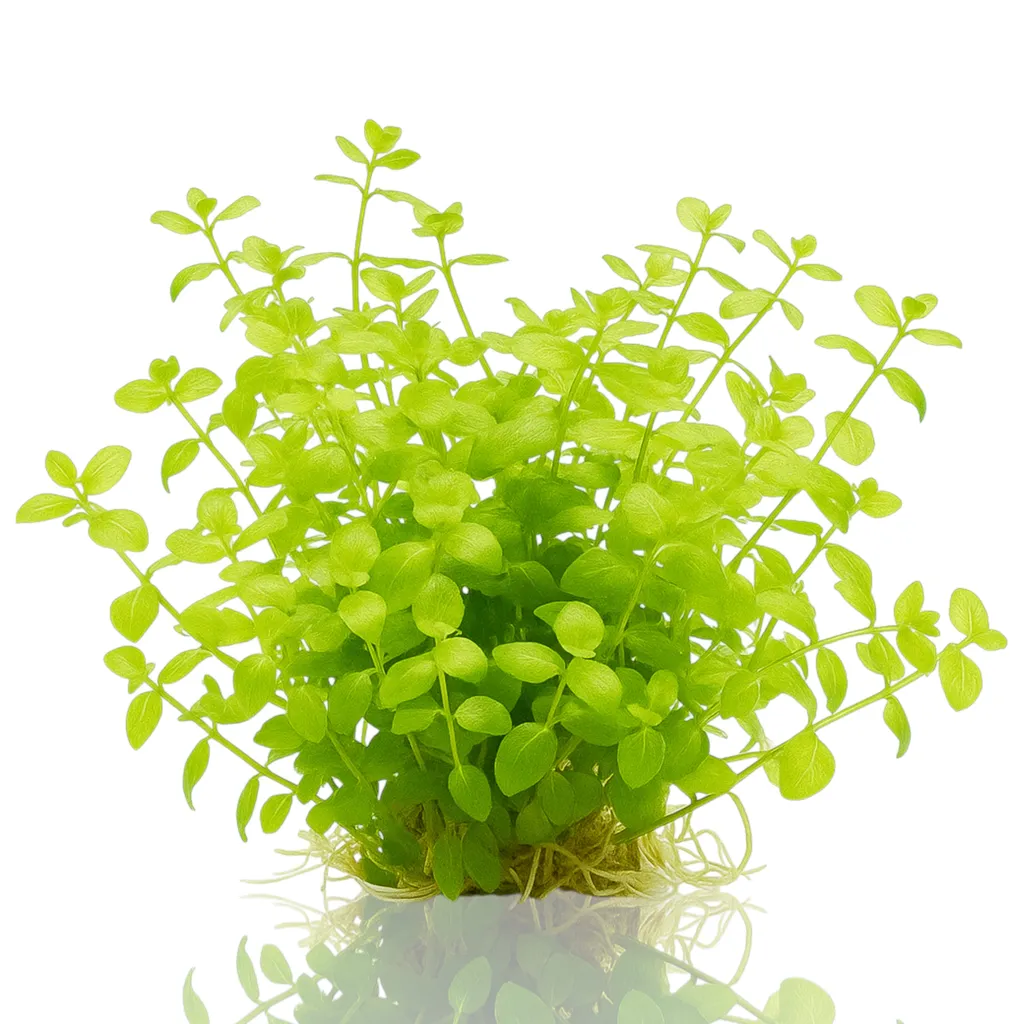
Creeping bacopa
Bacopa australis
Medium light · Midground
 High lightBackground11.8 in (30 cm)
Bacopa lanigera
High light · Background
 Medium lightBackground11.8 in (30 cm)
Moneywort
Bacopa monnieri
Medium light · Background
 Low lightBackground15.7 in (40 cm)
Giant bacopa
Bacopa caroliniana
Low light · Background