Bottom-dwelling aquarium fish
Bottom dwellers live at the substrate: corydoras, loaches, plecos and other fish that feed where the food settles. Sand or smooth gravel protects their barbels, and sinking food makes sure they actually eat. Profiles list tank size and care for each species.
At a glance
- Tank size
- 5–2,642 gal
- 5 gal (20 L) to 2,642 gal (10,000 L); half the list needs 40 gal (150 L) or more
- Temperature
- 73–81°F
- 23–27°C, most of the list
- pH
- 6.0–7.5
- Most of the list
- Difficulty
- 98 easy
- 792 medium · 211 difficult
- Temperament
- 421 peaceful
- 516 mostly peaceful · 164 aggressive
1101 species and 14 varieties
What fish are bottom dwellers?
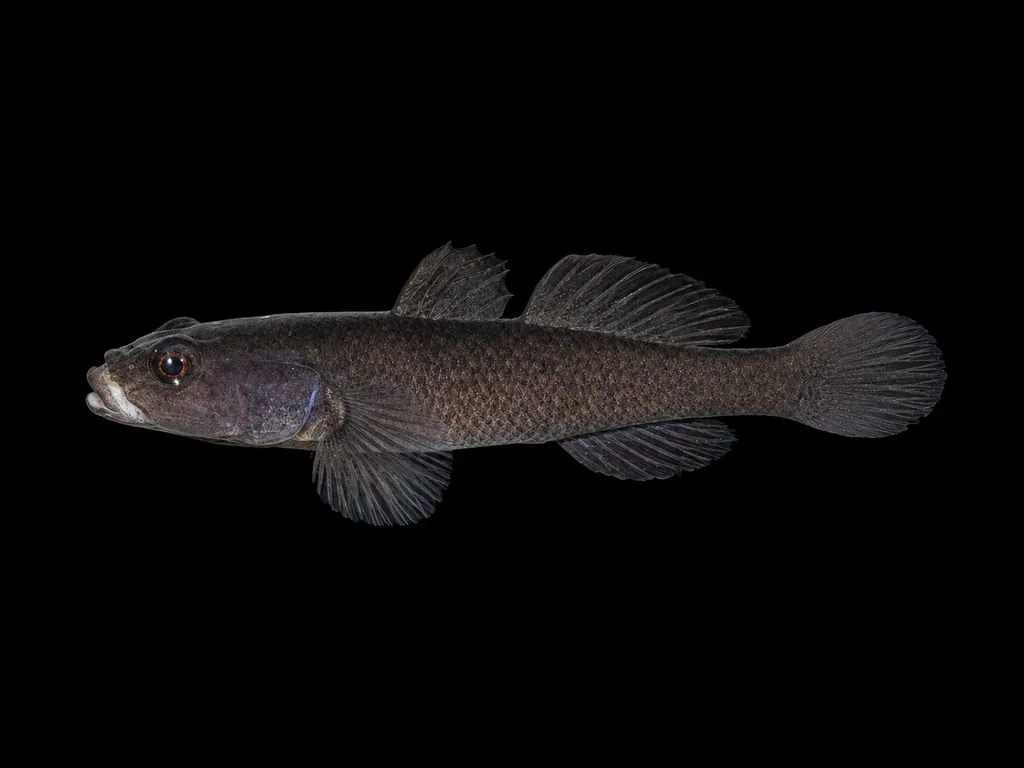
Bottom dwellers are the fish that live and feed at the substrate rather than in open water. In a freshwater tank that mostly means corydoras and the other armoured catfish, plecos and the rest of the suckermouth catfish, the loaches (kuhli, botiid and hillstream), the synodontis and talking catfish, and the gobies and eartheaters that sift sand for a living. What they share is a downturned mouth, barbels or a sucker built for feeding where food settles, and a preference for cover and dim light. What they do not share is size: this list runs from fish under 2 inches (5 cm) to catfish that outgrow any home aquarium, so treat "bottom dweller" as a place in the tank, not a promise about how big the fish stays.
Bottom dwellers for a community tank
For a peaceful community from 15 to 30 gallons (55 to 110 liters), the safe choices are a shoal of corydoras, a group of kuhli loaches and a single bristlenose pleco. The panda cory is 2 inches (5 cm) for 15 gallons (55 liters) and the bronze cory 3 inches (7.5 cm) for 20 gallons (75 liters), both marked easy. Sterba's cory is the cory for a warm tank at 75–82°F (24–28°C), and the peppered cory the one for a cool tank at 72–79°F (22–26°C), 2.8 inches (7 cm) for 21 gallons (80 liters). All of them want six or more of their own kind. Kuhli loaches hide by day and thread through the tank at night; keep at least five. A bristlenose pleco grazes algae, stays around 5 inches (12.5 cm) and needs a piece of driftwood to rasp. Otocinclus are the small algae eaters for a planted tank, but only once the tank is mature enough to grow the biofilm they live on.
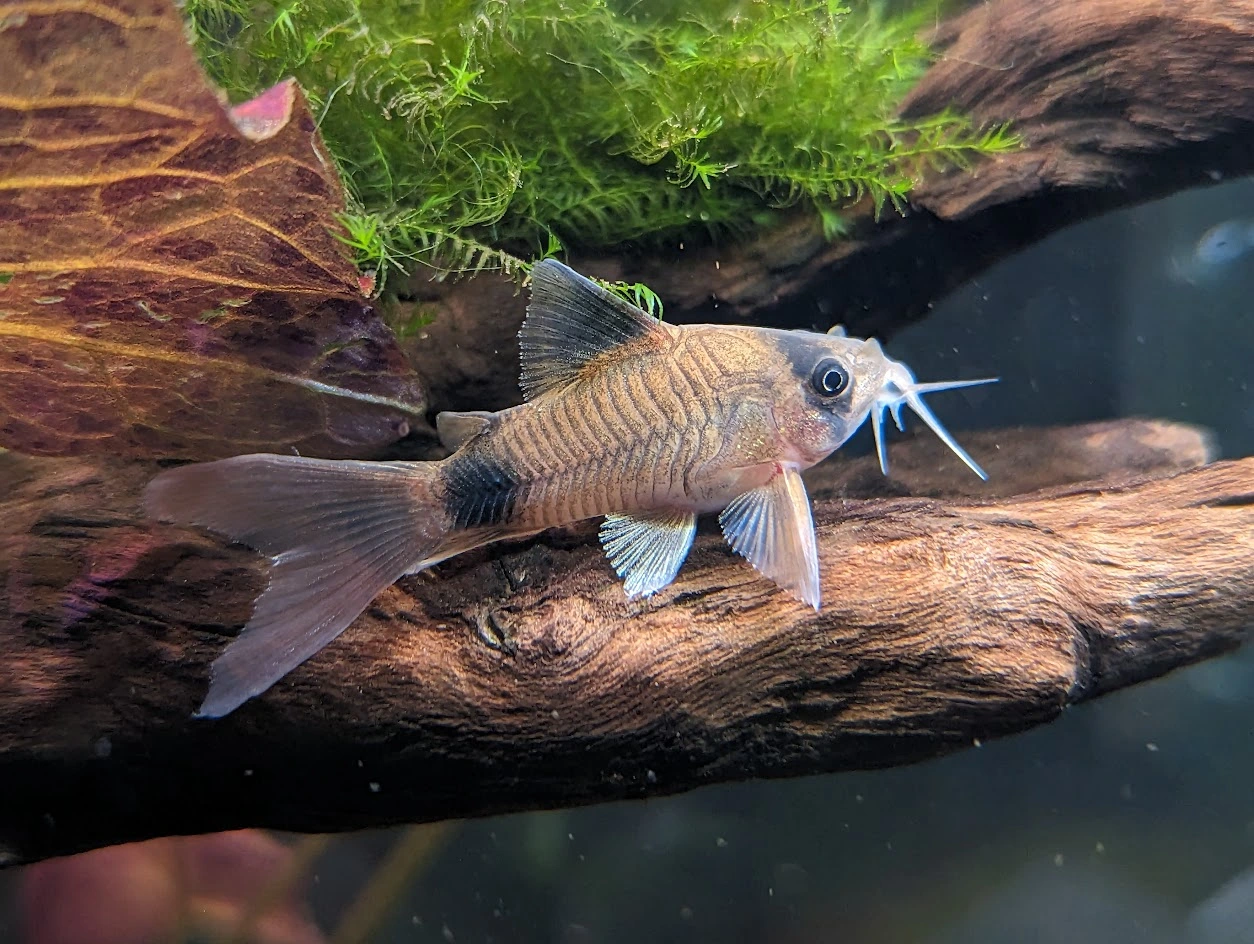
Panda cory
Hoplisoma panda
Freshwater- Size
- 2 in (5 cm)
- Tank
- 15 gal (55 L)
- Water
- 72–77°F (22–25°C)
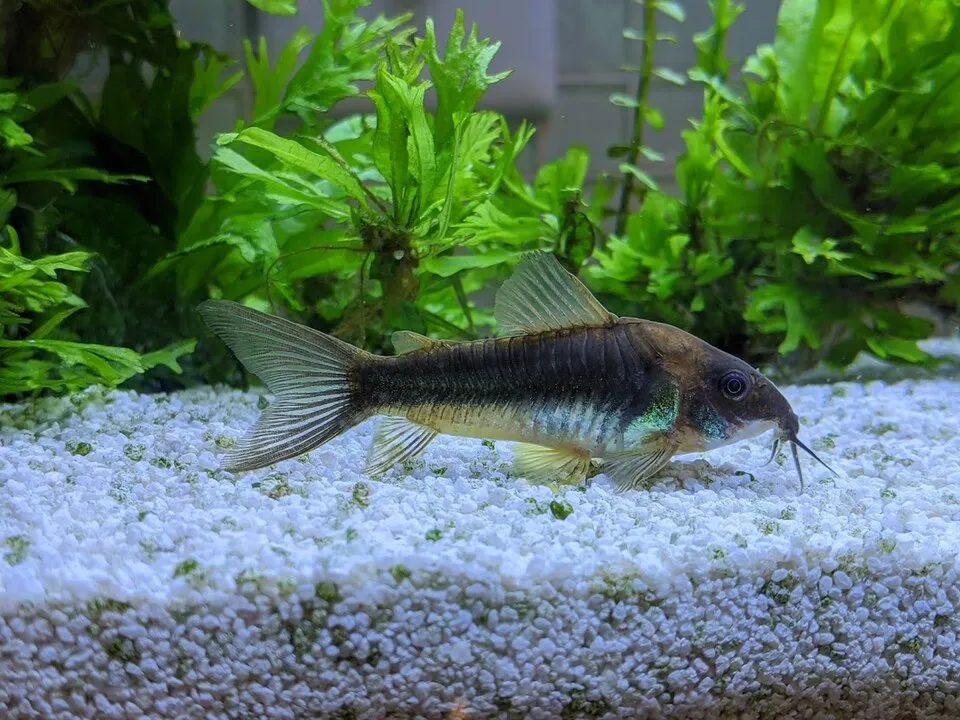
Bronze cory
Osteogaster aenea
Freshwater- Size
- 3 in (7.5 cm)
- Tank
- 20 gal (75 L)
- Water
- 70–81°F (21–27°C)
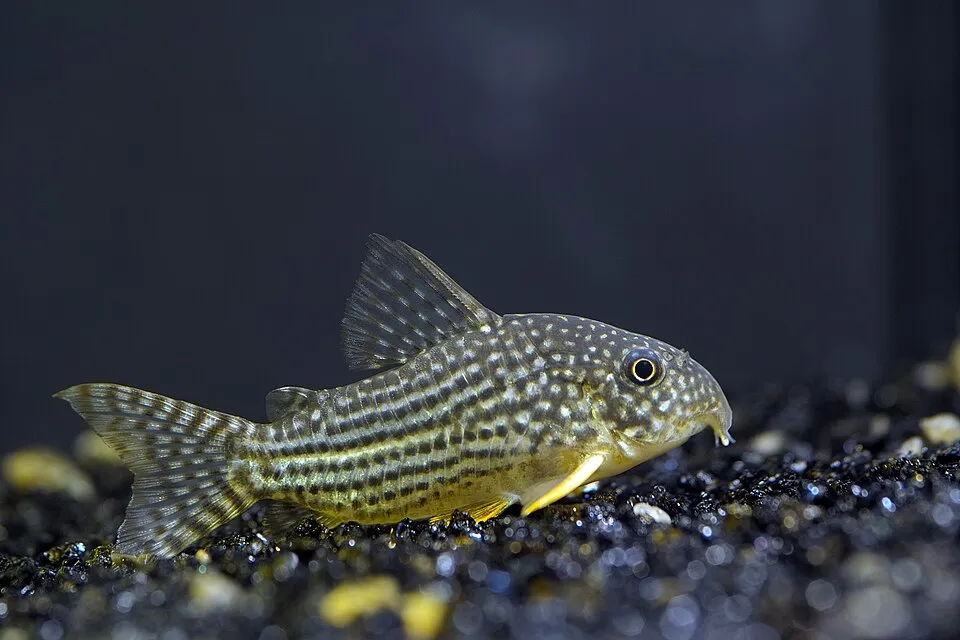
Sterba's cory
Hoplisoma sterbai
Freshwater- Size
- 2.6 in (6.5 cm)
- Tank
- 20 gal (75 L)
- Water
- 75–82°F (24–28°C)
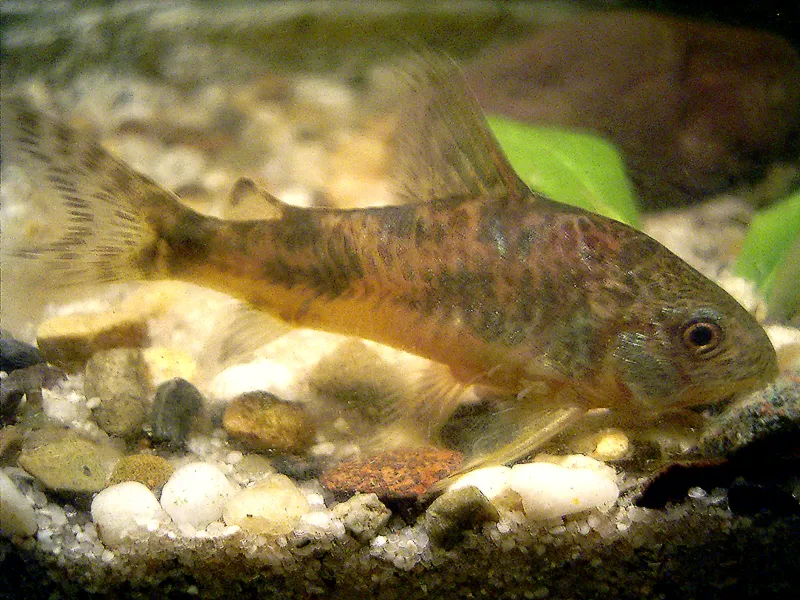
Peppered cory
Hoplisoma paleatum
Freshwater- Size
- 2.8 in (7 cm)
- Tank
- 21 gal (80 L)
- Water
- 72–79°F (22–26°C)
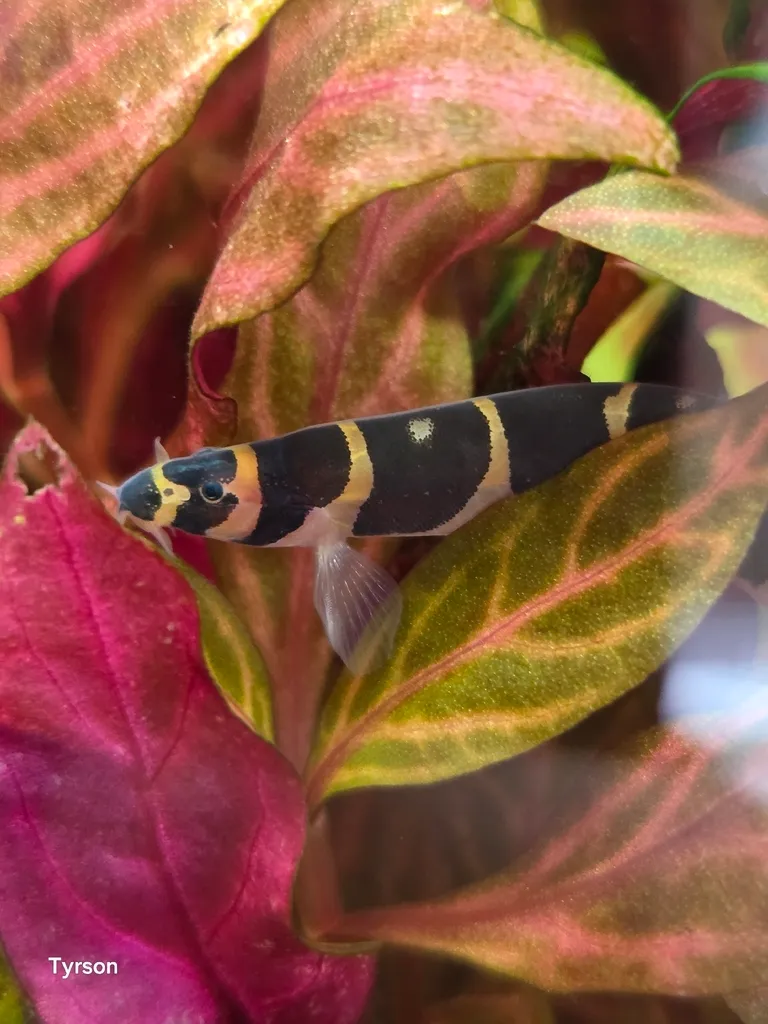
Kuhli loach
Pangio kuhlii
Freshwater- Size
- 3.9 in (10 cm)
- Tank
- 20 gal (75 L)
- Water
- 72–82°F (22–28°C)
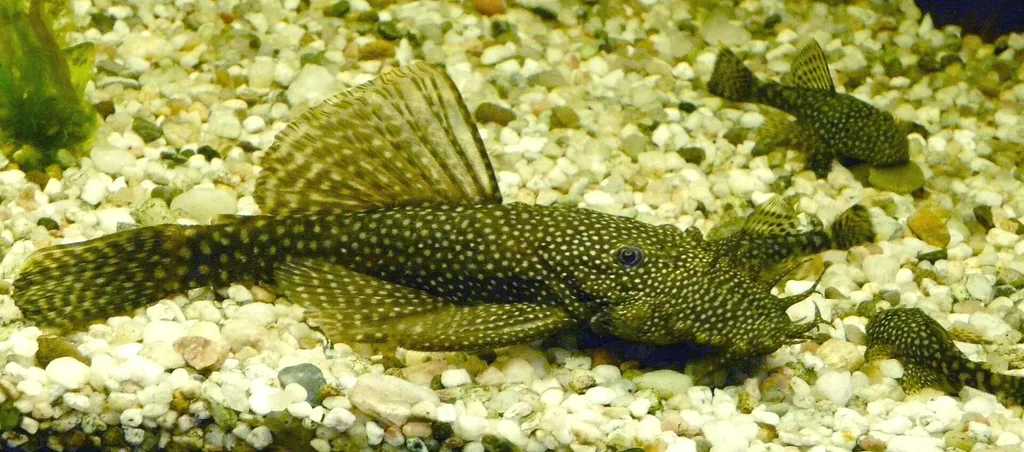
Bristlenose pleco
Ancistrus sp.
Freshwater- Size
- 4.9 in (12.5 cm)
- Tank
- 20 gal (75 L)
- Water
- 70–79°F (21–26°C)
They are not the cleanup crew
A bottom dweller eats what reaches the floor, but it makes as much waste as any other fish and it cannot live on leftovers. Feed sinking wafers or pellets and the occasional frozen food after the lights go down, when the mid-water fish are not competing. Plecos need vegetable matter and wood; otocinclus need algae and biofilm; corydoras need a protein-rich sinking food, not flake dust. If the substrate looks clean, that is the filter and your water changes at work, not the fish.
Sand or smooth gravel
Corydoras and many loaches feed by pushing their faces into the substrate. Sharp gravel and a dirty substrate wear down the barbels they rely on to find food and open the way to infection. Fine sand or rounded gravel keeps them intact and lets the sand-sifters do what they are built for. Give burrowers a few inches of depth and every bottom dweller somewhere to hide: caves, wood, pipes or dense plant cover.
Check the adult size before you buy
Some of the most common bottom dwellers are sold at a fraction of their adult size. A common pleco reaches 16 inches (40 cm) and needs 85 gallons (320 liters). A clown loach reaches 12 inches (30 cm), wants 75 gallons (285 liters) and a shoal, and lives for decades. A hoplo catfish reaches 8 inches (20 cm) and a weather loach 11 inches (28 cm), and the weather loach wants cool water most tropical tanks cannot give it. The adult size and the minimum tank size are on every profile.
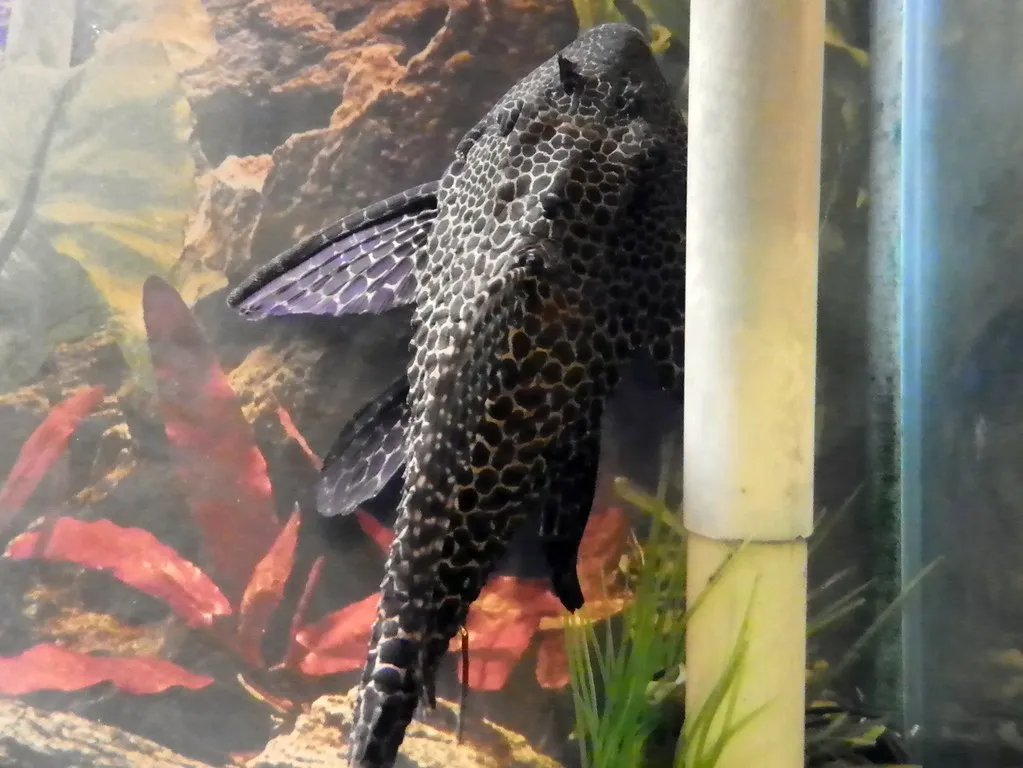
Common pleco
Hypostomus plecostomus
Freshwater15.7 in (40 cm) · 85 gal (320 L)72–86°F (22–30°C)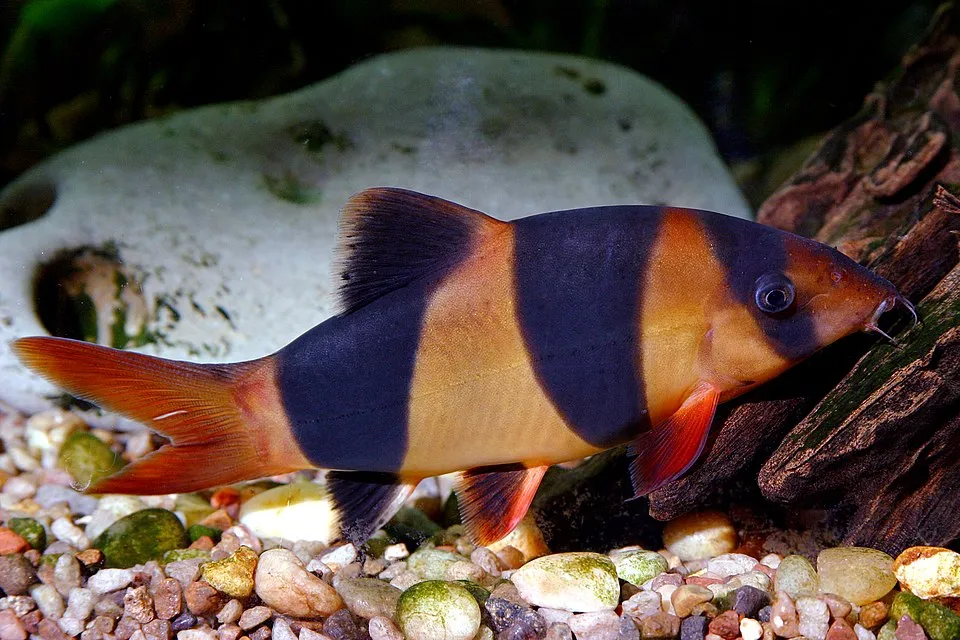
Clown loach
Chromobotia macracanthus
Freshwater11.8 in (30 cm) · 75 gal (285 L)75–86°F (24–30°C)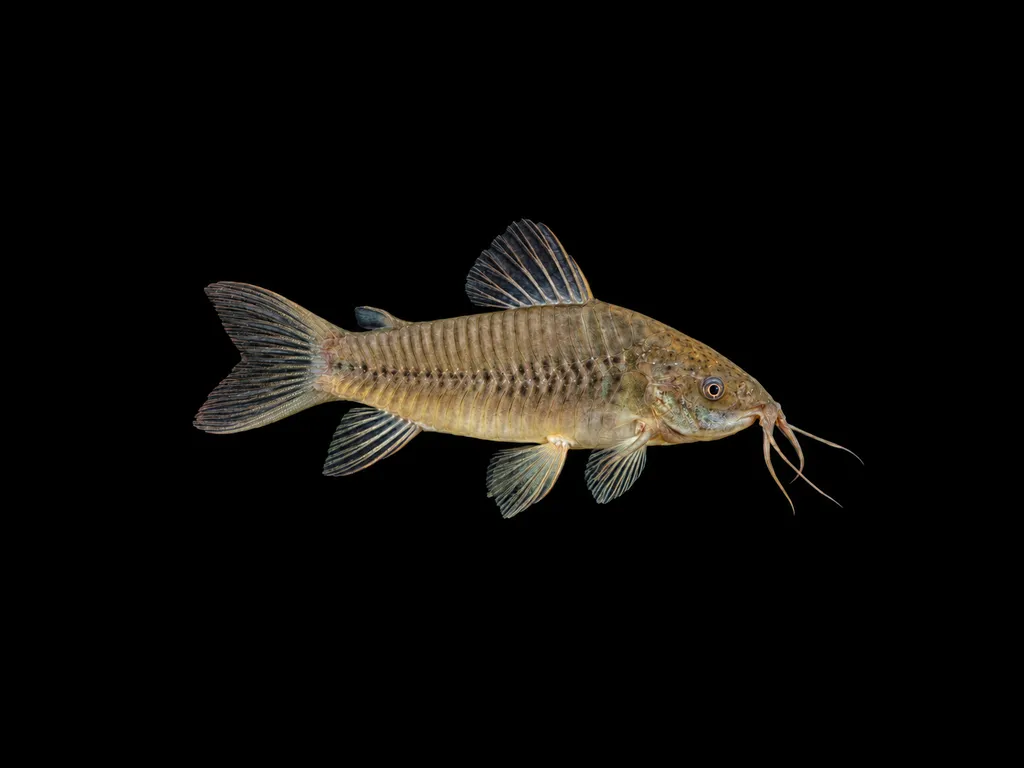
Hoplo catfish
Hoplosternum littorale
Freshwater7.9 in (20 cm) · 40 gal (150 L)72–81°F (22–27°C)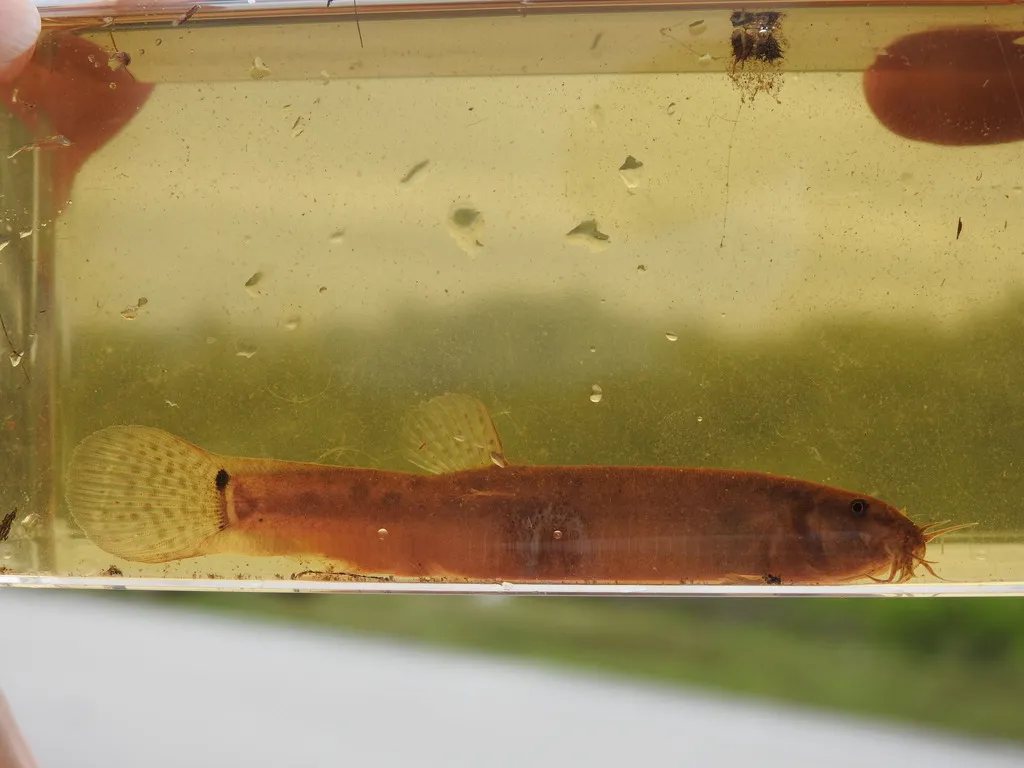
Weather loach
Misgurnus anguillicaudatus
Freshwater11 in (28 cm) · 55 gal (210 L)50–73°F (10–23°C)
By the numbers
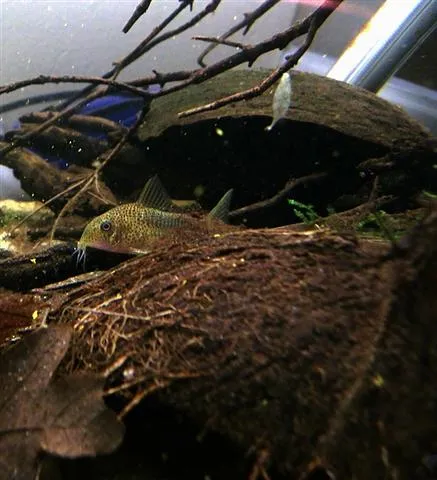
Smallest
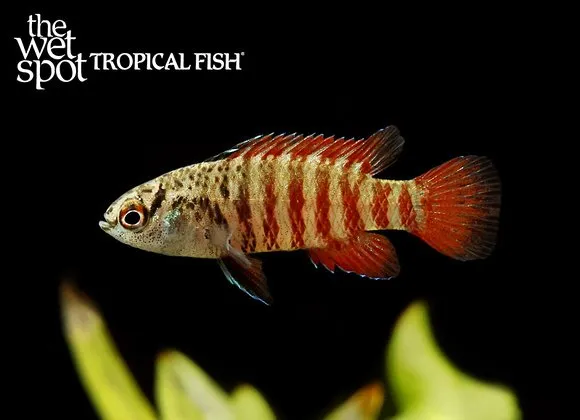
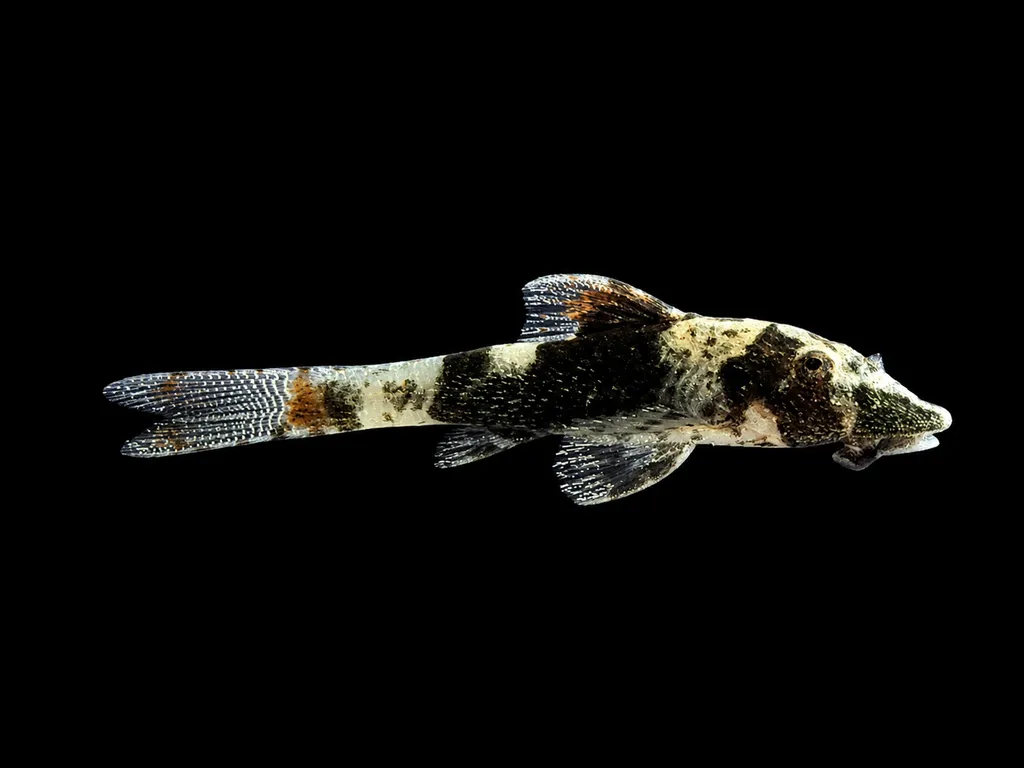
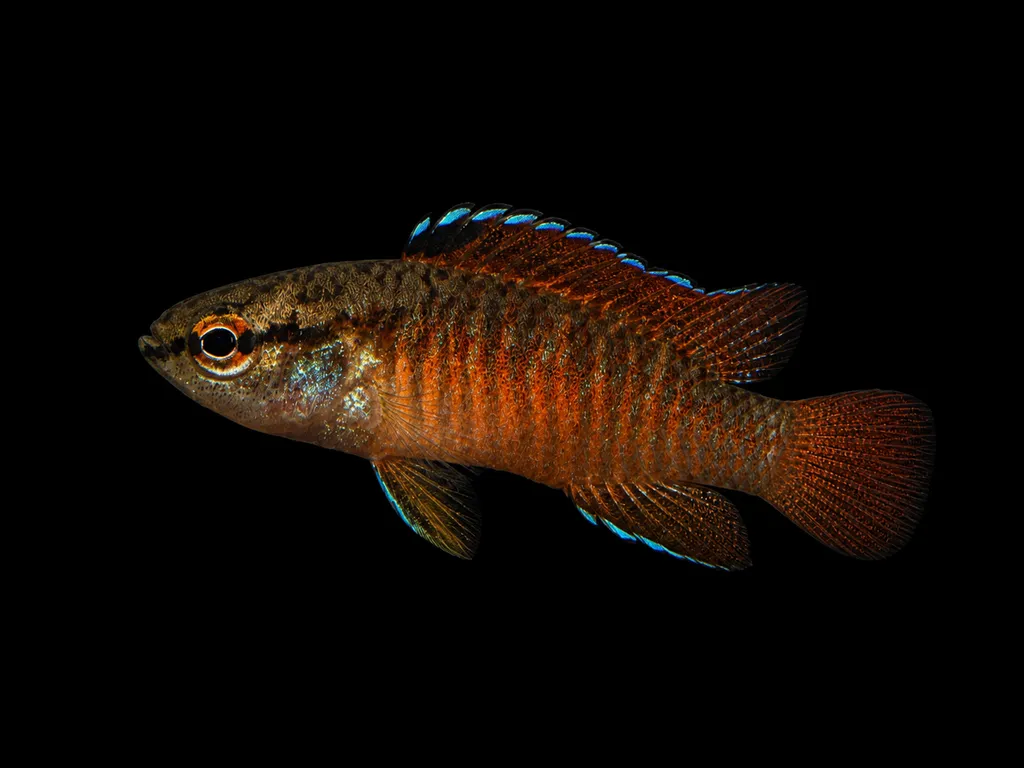
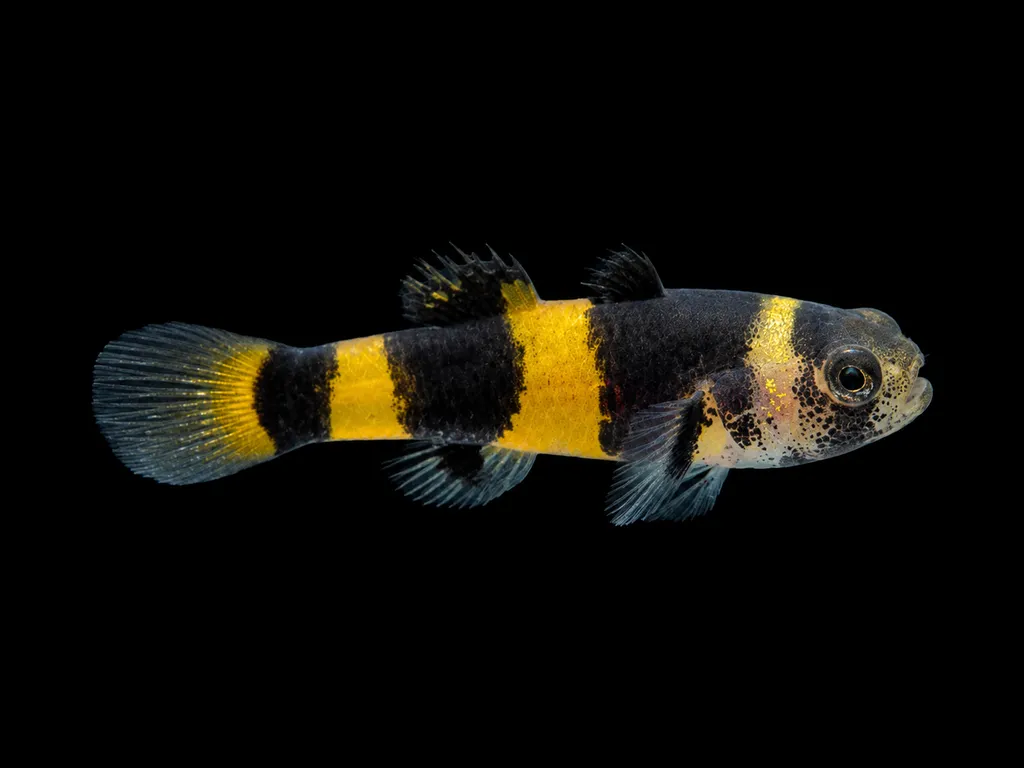
Largest
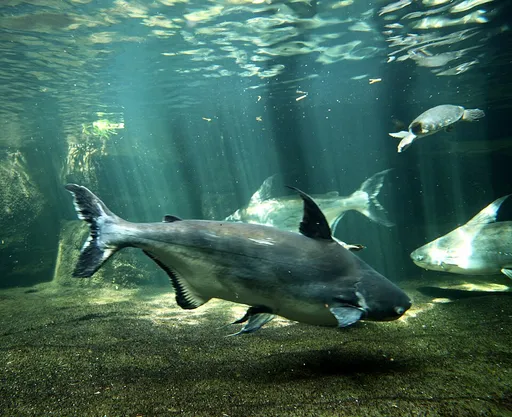
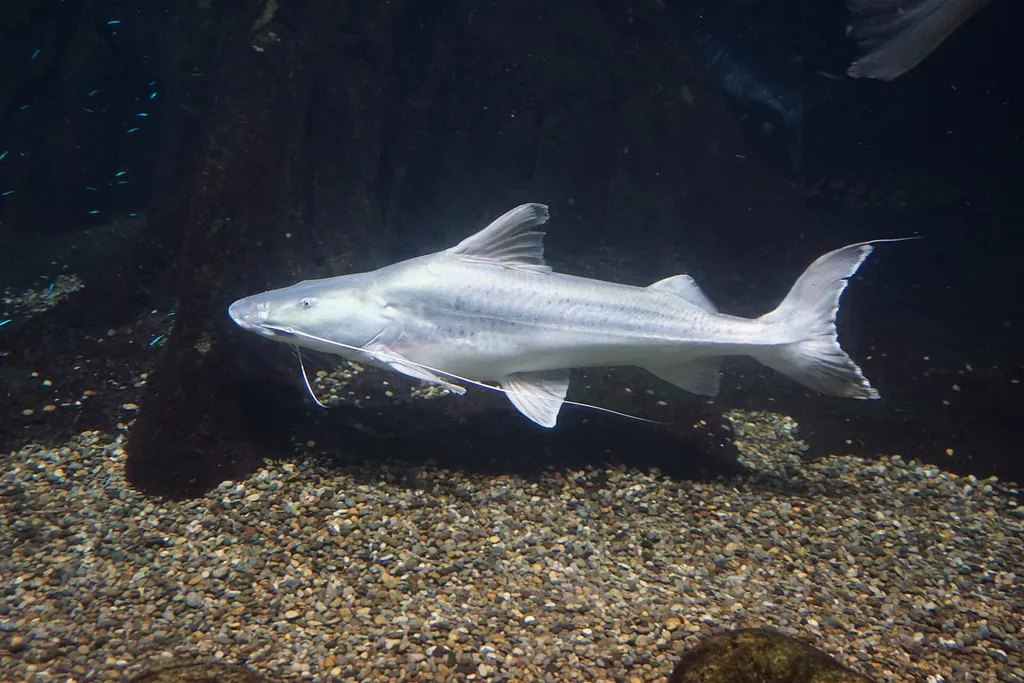
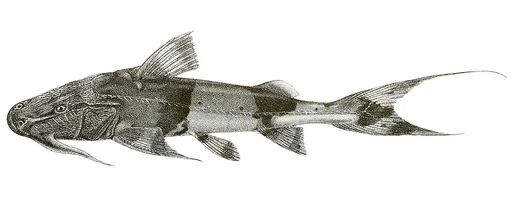
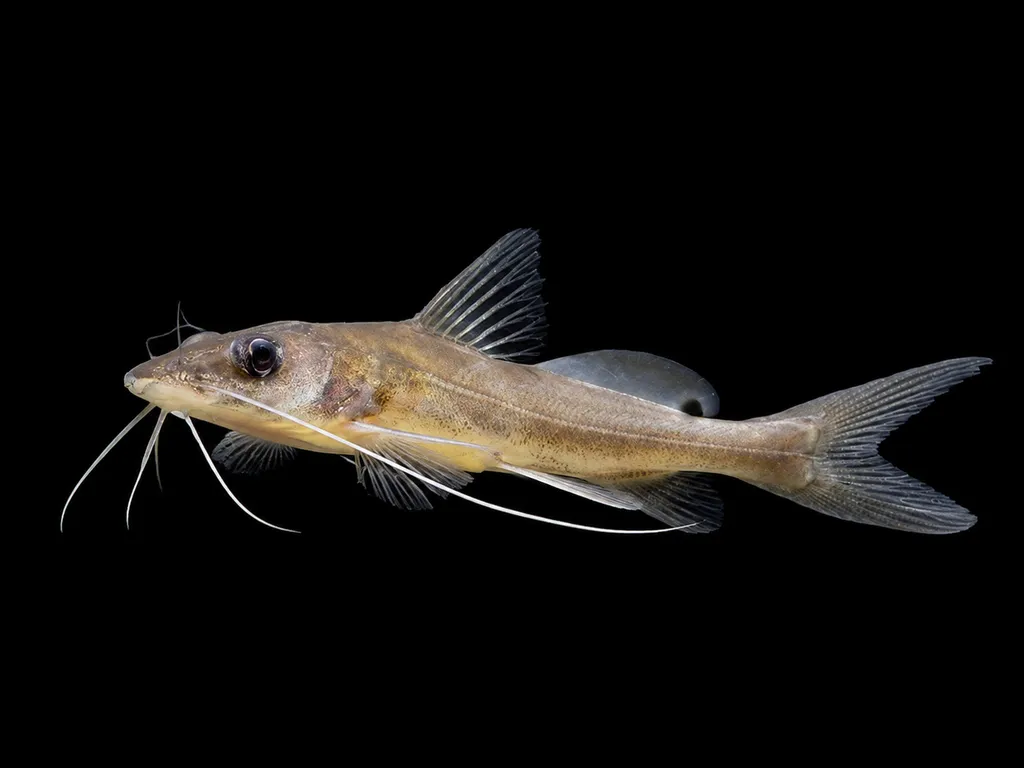
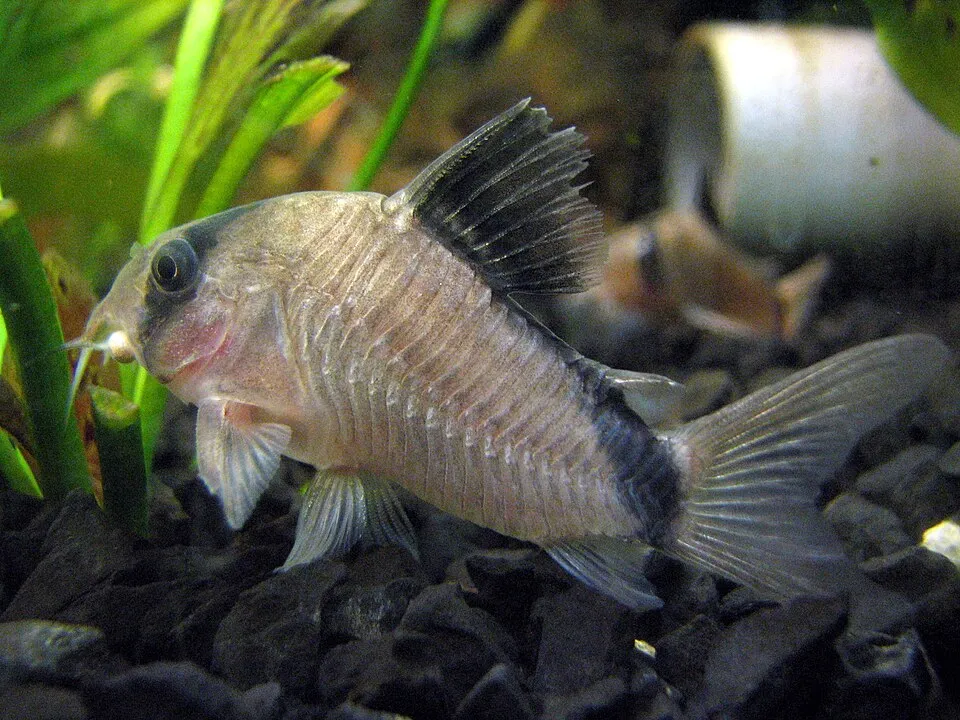
Easiest to keep
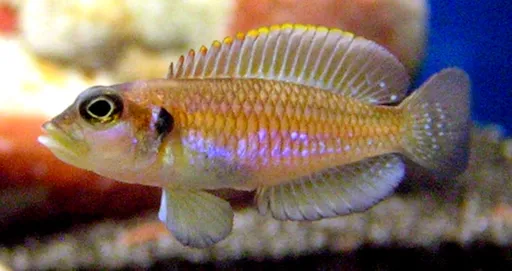
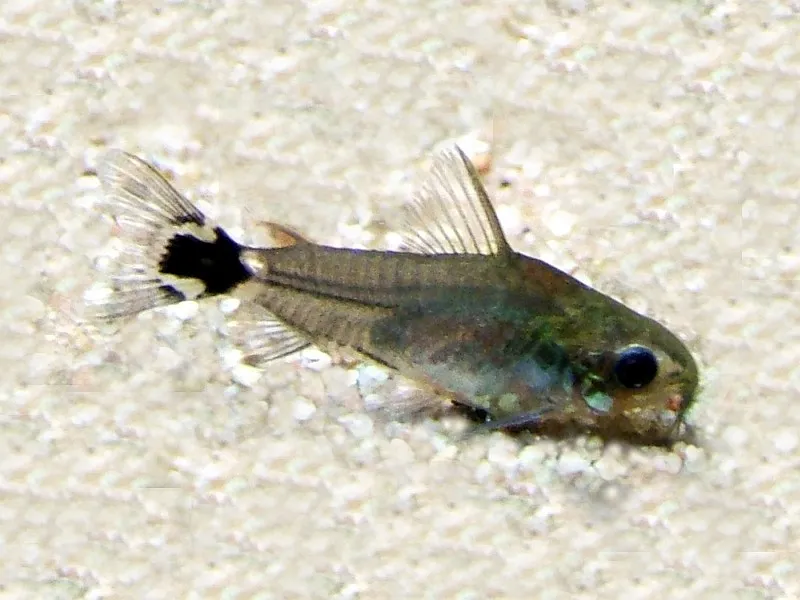
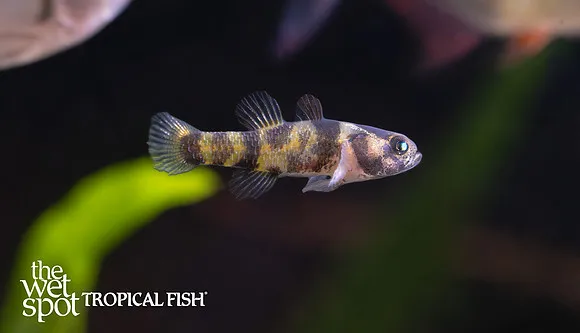
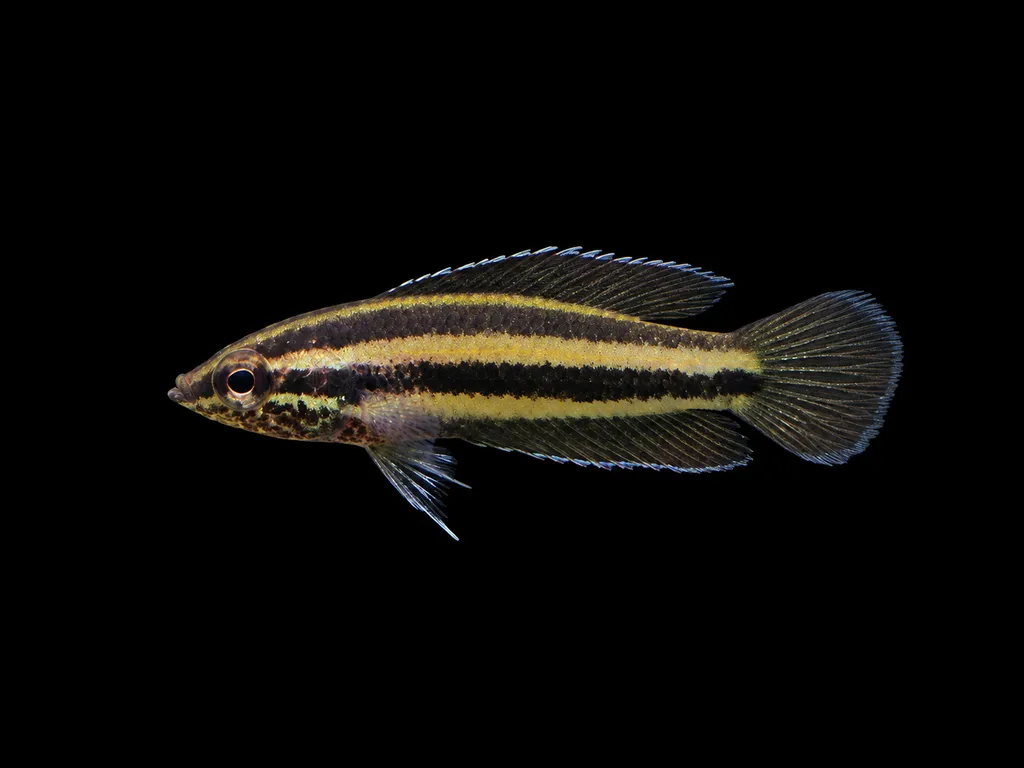
Most peaceful
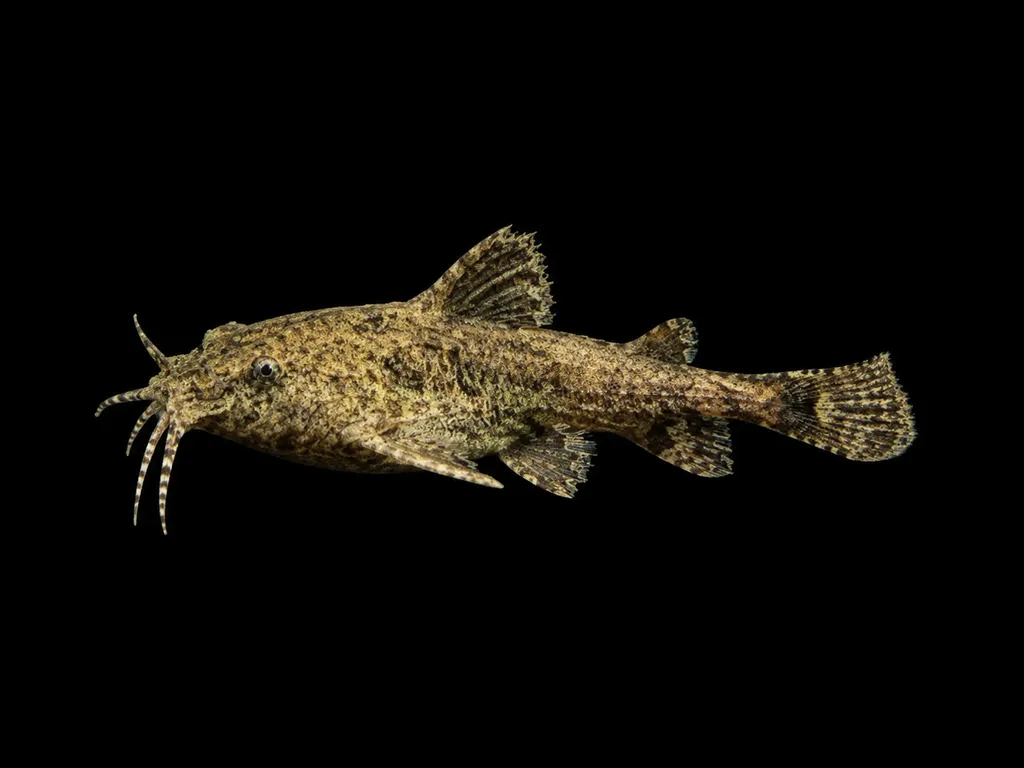
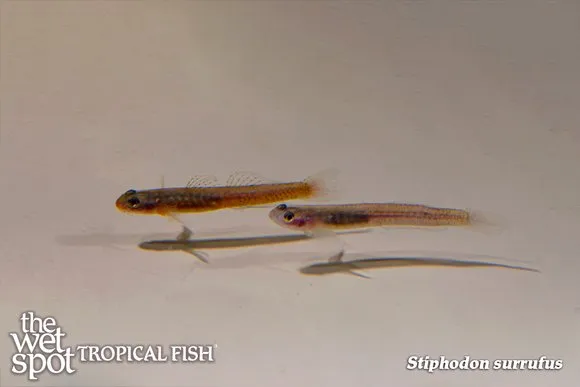
Fits a 20 gallon tank
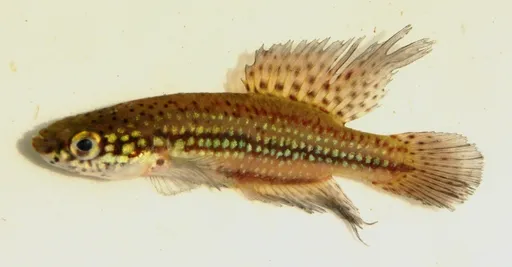
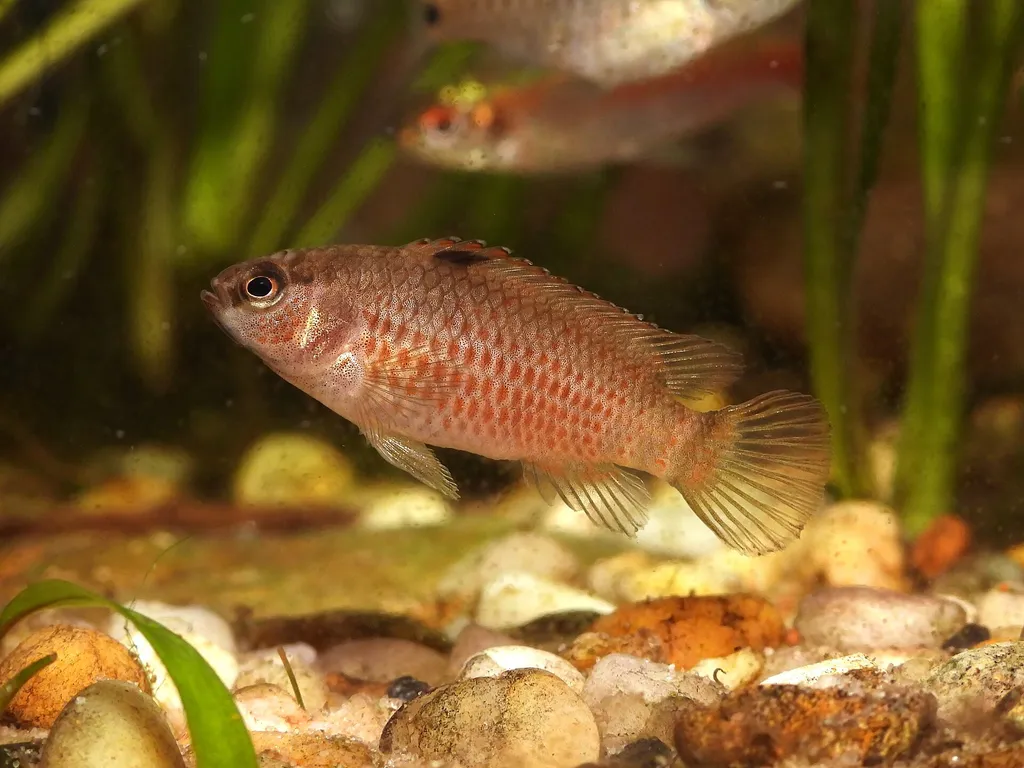
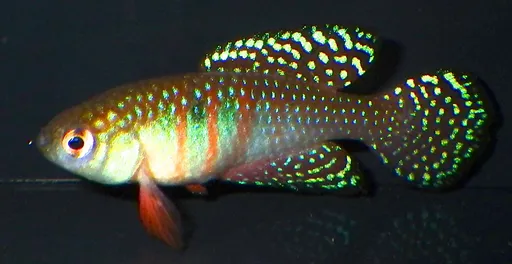
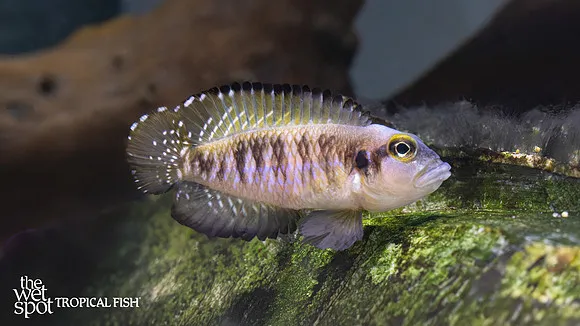
Fits a 30 gallon tank
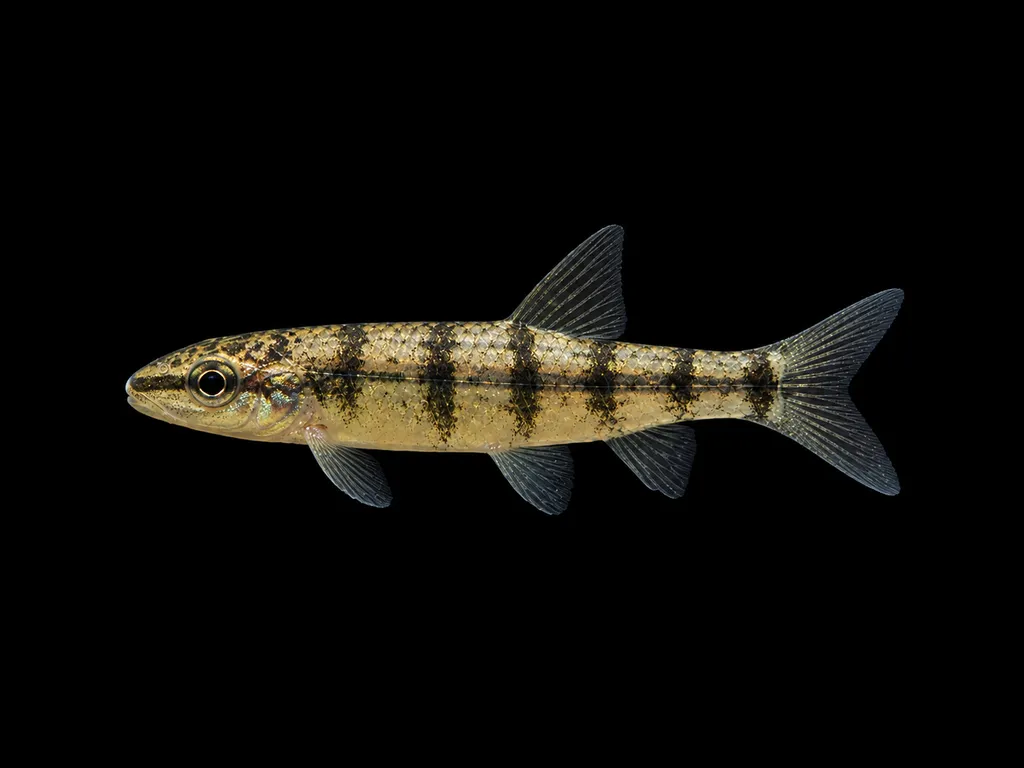
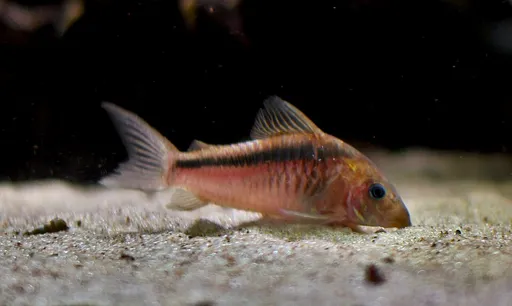
FAQ
Common questions
What fish are bottom dwellers?
Fish that live and feed at the substrate: corydoras and other armoured catfish, plecos and other suckermouth catfish, loaches, synodontis and talking catfish, and sand-sifting gobies and eartheaters. The list above is every freshwater fish in the catalog that keeps to the bottom.
Do bottom feeders clean the tank?
No. They eat food that reaches the floor and some graze algae, but they produce waste like any fish and need their own feeding. Clean substrate comes from filtration and water changes.
What do bottom dwellers eat?
Sinking wafers and pellets, frozen foods such as bloodworm and brine shrimp, and for plecos vegetables and wood. Feed after the lights go down so the food reaches them.
Do bottom dwellers need sand?
Corydoras, kuhli loaches and other fish that sift or burrow do best on fine sand or smooth rounded gravel. Sharp gravel and a dirty substrate damage barbels.
How many corydoras should be kept together?
Six or more of one species. They are shoaling fish and a lone cory stays hidden and stressed.
Which bottom dwellers stay small?
Pygmy corys stay around 1.3 inches (3.3 cm), panda corys and otocinclus around 2 inches (5 cm), and the kuhli loach is a slim 4 inches (10 cm). The "smallest" row above is computed from the catalog.
Index
All bottom dwellers
Planning a tank?
TankBud checks stocking and water fit as you build a tank, then tracks water tests, reminders and photos once it is running.
Track your tanksMaintain tanks for clients? See TankBud Pro