Bumblebee goby
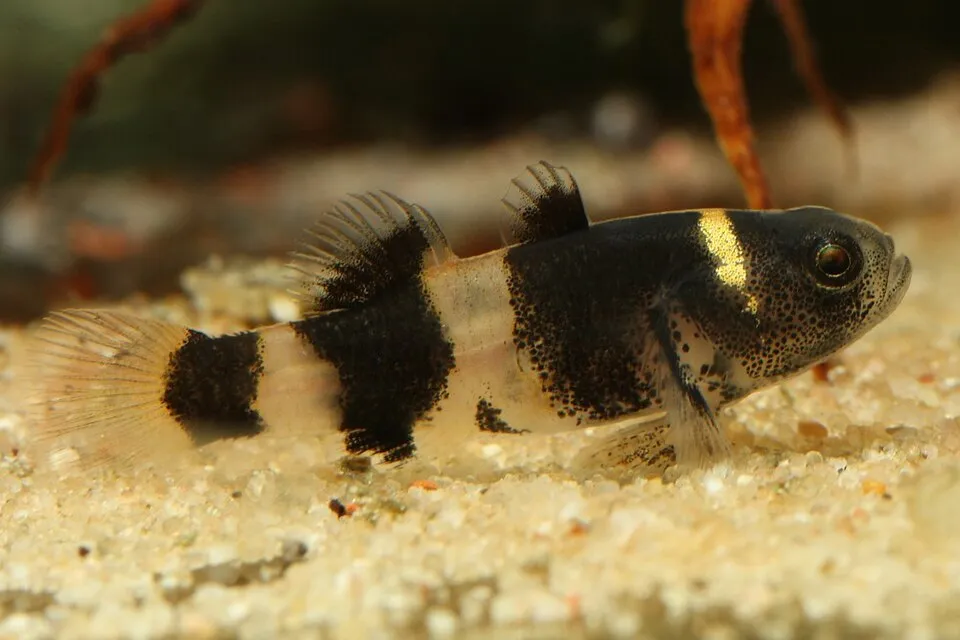
Brachygobius doriae
Also known as Bumble bee goby
FreshwaterBrackishFish
Care at a glance
- Temperature
- 72–82°F
- 22–28°C
- pH
- 6.5–7.5
- Adult size
- 1.6 in
- 4 cm
- Minimum tank
- 12 gal
- 45 L
- Temperament
- Mostly peaceful
- Social behavior
- Social
- Tankmates
- With caution
- Swim level
- Bottom
- Difficulty
- Difficult
- Breeding
- No record
- Rarity
- Rare
- Family
- Gobiidae
- Origin
- Borneo
Overview
A small group fits in a 45 liter tank, but expect them to set up little territories around rocks and roots and squabble at the borders. They are bottom dwellers that hunt small live and frozen foods like baby brine shrimp, daphnia, and bloodworms, and they usually refuse dry flakes, which makes feeding the main challenge. Keep them with calm tankmates or on their own. This is a fiddly fish despite its size.
In the wild
Bumblebee gobies come from coastal Borneo and nearby Southeast Asia, living in estuaries, mangroves, and river mouths where fresh and salt water mix. Many populations do best with a little salt in the water, so a low-end brackish setup often keeps them healthier long term. Use a sandy bottom with rocks and roots for hiding, shallow and well filtered, with temps in the low to high 20s C.
Good to know
This is a tiny goby in the family Gobiidae, topping out around 4 cm. They are cave spawners; the male guards the eggs until they hatch. Telling individual Brachygobius species apart is genuinely hard, and fish sold under this name are often a mix of close relatives.
Did you know
Getting them eating is the classic stumbling block: many bumblebee gobies will only take moving food, so new arrivals can slowly starve in a tank full of flake. Most keepers get them going on live or frozen foods first, and a touch of salt in the water seems to help them settle and feed.
Common questions
What size tank does a Bumblebee goby need?
A Bumblebee goby needs at least 12 gal (45 L). It spends most of its time in the bottom.
What temperature and pH does a Bumblebee goby need?
A Bumblebee goby is comfortable at 72–82°F (22–28°C) with a pH of 6.5–7.5.
How big does a Bumblebee goby get?
An adult Bumblebee goby reaches about 1.6 in (4 cm).
Related species
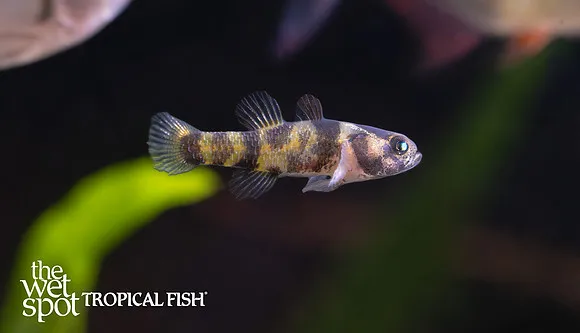 1 in (2.5 cm)5 gal (20 L)73–82°F (23–28°C)
Micro bumblebee goby
Brachygobius nunus
1 in (2.5 cm) · 5 gal (20 L)
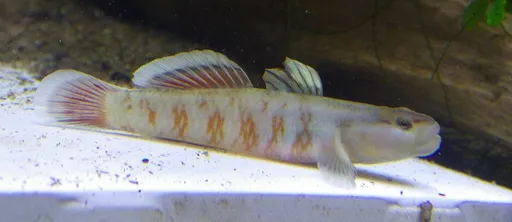 1.6 in (4 cm)12 gal (45 L)61–75°F (16–24°C)
Scarlet goby
Rhinogobius zhoui
1.6 in (4 cm) · 12 gal (45 L)
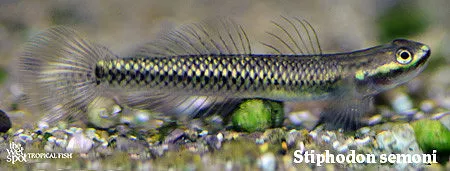 1.8 in (4.5 cm)13 gal (50 L)68–79°F (20–26°C)
Cobalt blue goby
Stiphodon semoni
1.8 in (4.5 cm) · 13 gal (50 L)
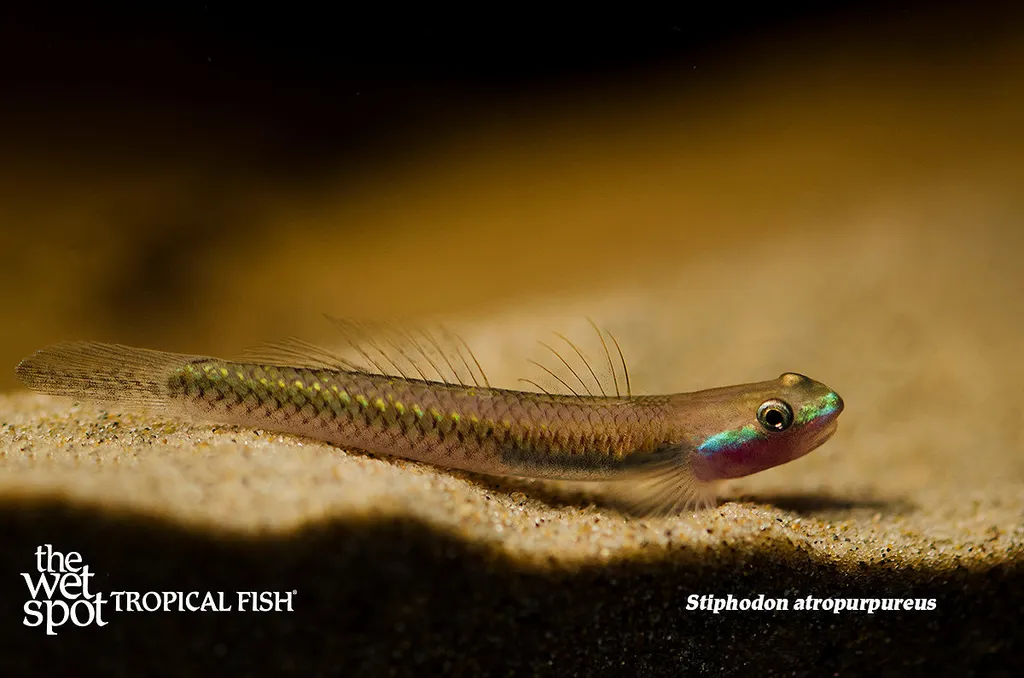 2 in (5 cm)20 gal (75 L)72–81°F (22–27°C)
Blue neon dwarf goby
Stiphodon atropurpureus
2 in (5 cm) · 20 gal (75 L)
 2 in (5 cm)16 gal (60 L)61–75°F (16–24°C)
White-cheek goby
Rhinogobius duospilus
2 in (5 cm) · 16 gal (60 L)
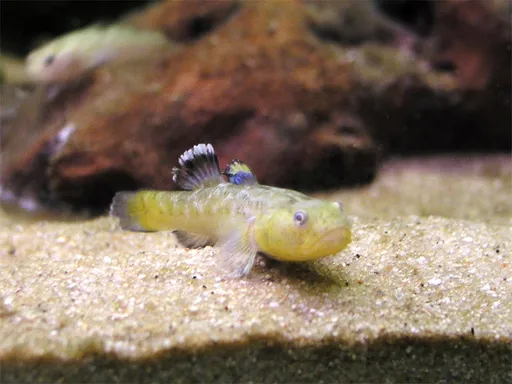 2.4 in (6 cm)16 gal (60 L)64–82°F (18–28°C)
Desert goby
Chlamydogobius eremius
2.4 in (6 cm) · 16 gal (60 L)