Micro bumblebee goby
Brachygobius nunus
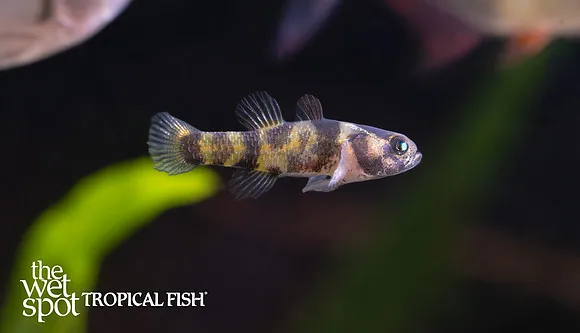
Also known as Brachygobius nanus, Golden banded goby, Micro bumble bee goby
FreshwaterBrackishFish
Care at a glance
- Temperature
- 73–82°F
- 23–28°C
- pH
- 7.0–8.2
- Adult size
- 1 in
- 2.5 cm
- Minimum tank
- 5 gal
- 20 L
- Temperament
- Peaceful
- Social behavior
- Social
- Swim level
- Bottom
- Diet
- Carnivore
- Difficulty
- Medium
- Breeding
- Cave spawner · Hard
- Rarity
- Rare
- Family
- Gobiidae
- Origin
- Lowland and estuary fringes from India to Indochina
Overview
The micro bumblebee goby is a tiny, social goby that perches on the bottom of a nano tank. It is a step up from the easiest fish.
Did you know
The micro bumblebee goby's name is a running source of confusion in the trade, where it is often sold as Brachygobius nanus. Hamilton described it as nunus back in 1822, and two centuries later shop labels still tend to swap the vowel.
Caring for the micro bumblebee goby
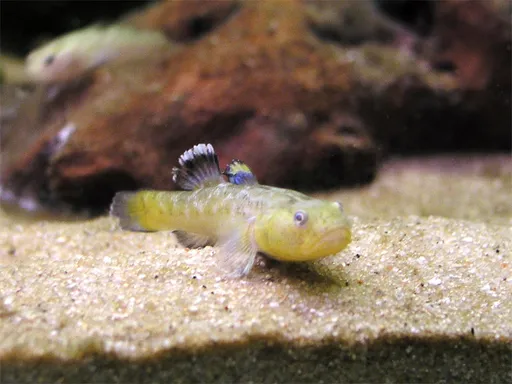
Keep micro bumblebee gobies in a small group of six or more, in a nano tank where you can watch them closely. A 5 gal (20 L) tank suits a group. They perch on the bottom among roots, stones and plants, each defending a small patch. Give them a mature tank with roots, rocks and caves over sand, with plenty of hiding spots and broken-up sightlines.
They do well in hard, alkaline fresh water or lightly brackish conditions, so a little marine salt is optional rather than required. Keep the water at 73 to 82°F (23 to 28°C), with a pH of 7.0 to 8.2.
Micro bumblebee gobies are peaceful but fussy eaters that hunt by movement. Feed small live and frozen foods such as baby brine shrimp, cyclops and bloodworm, rather than relying on flake. Keep them with small, calm, short-finned tank mates or on their own.
Breeding them is hard. A pair spawns in a cave, and the male guards the eggs. The newly hatched fry are so small they need infusoria and other tiny live foods before they can take brine shrimp.
Good to know
Brachygobius nunus is one of the smallest bumblebee gobies in the family Gobiidae, colored black and gold.
In the wild
The micro bumblebee goby lives in lowland streams and estuary fringes from India across to Indochina. There, fresh water meets a touch of the tide.
Weekly picks
Tank mates
The micro bumblebee goby is a peaceful, social species that keeps to the bottom. These picks share a community profile with it, are safe together in both directions, and overlap on water type, temperature and pH.
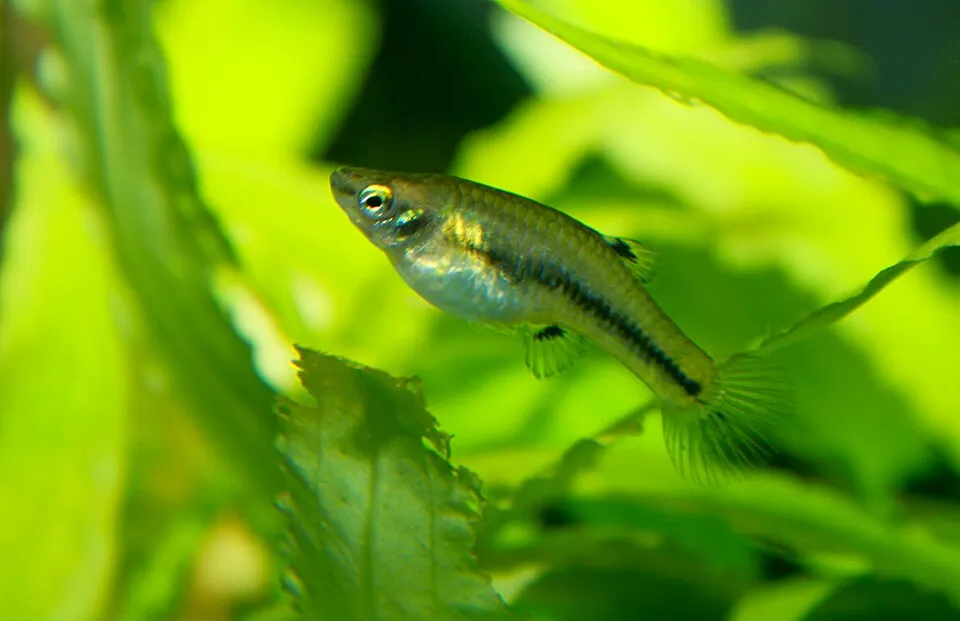
Least killifish
Heterandria formosa
FreshwaterBrackish1.4 in (3.5 cm) · 5 gal (20 L)68–79°F (20–26°C)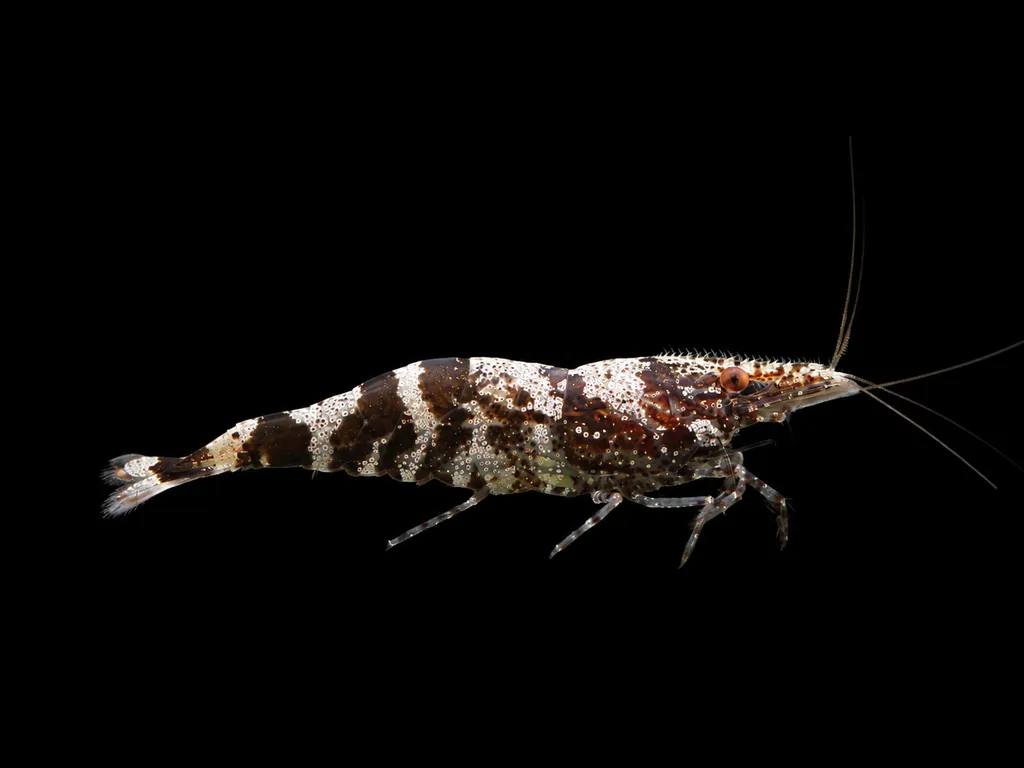
Ninja shrimp
Caridina serratirostris
Freshwater1.2 in (3 cm) · 5 gal (20 L)73–82°F (23–28°C)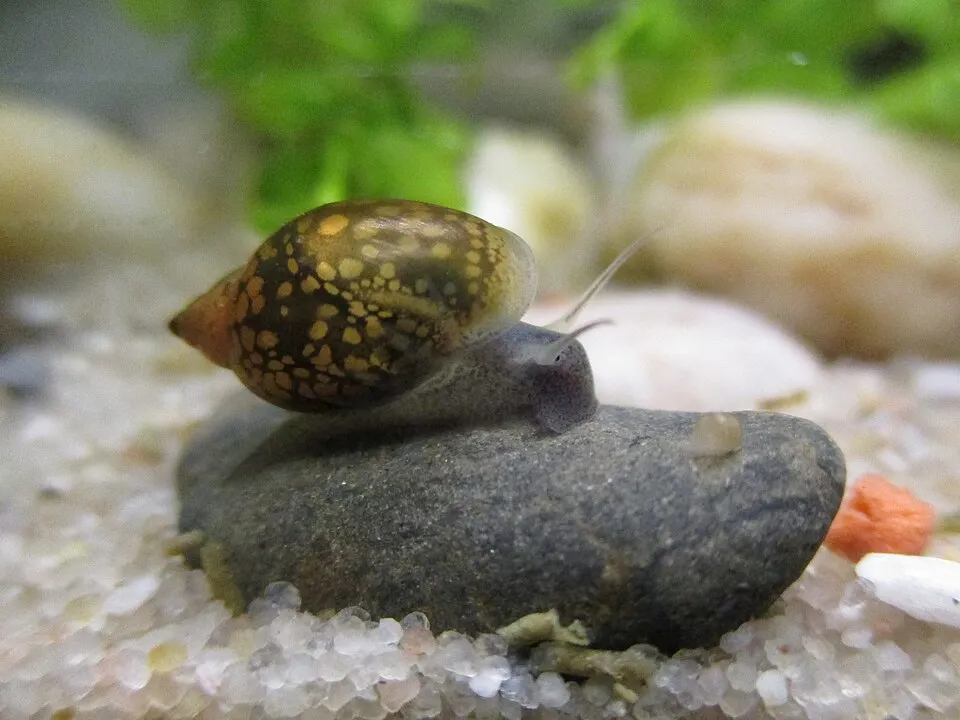
Bladder snail
Physella acuta
Freshwater0.6 in (1.5 cm) · 5 gal (20 L)57–86°F (14–30°C)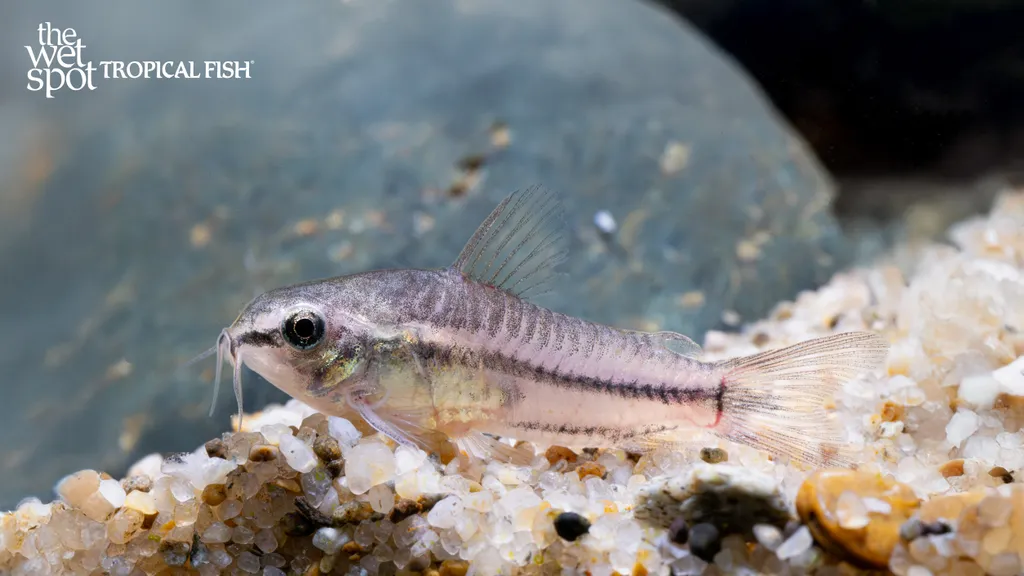
Pygmy cory
Gastrodermus pygmaeus
Freshwater1.3 in (3.3 cm) · 10 gal (38 L)72–79°F (22–26°C)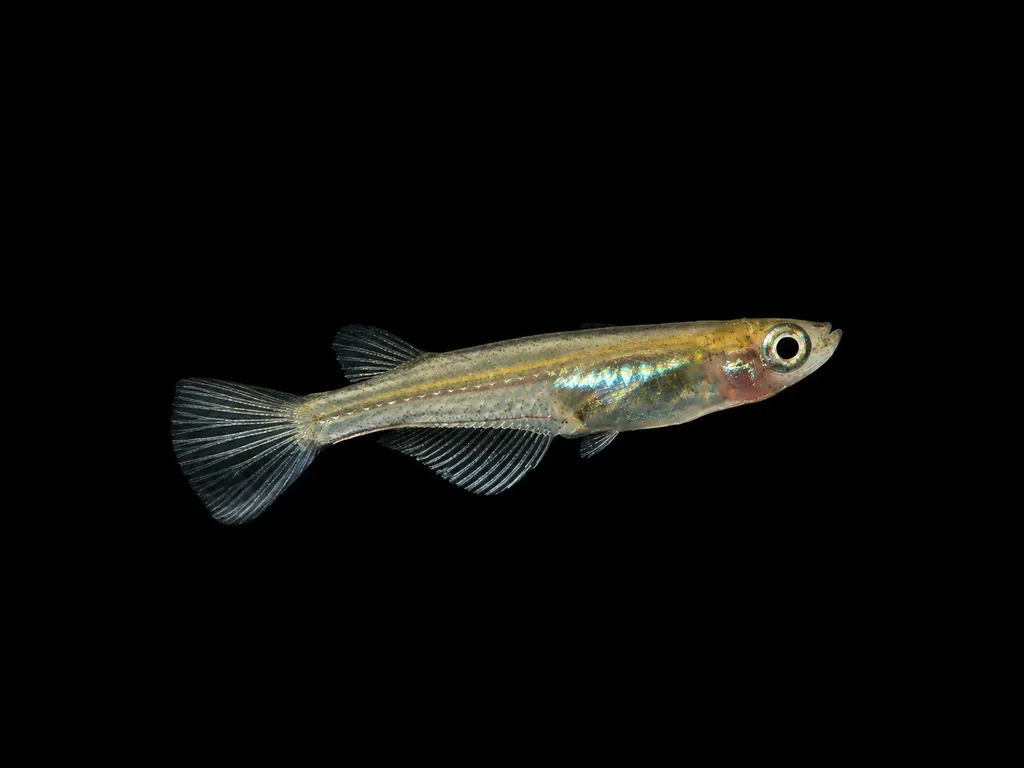
Dwarf medaka
Oryzias minutillus
Freshwater0.8 in (2 cm) · 5 gal (20 L)72–79°F (22–26°C)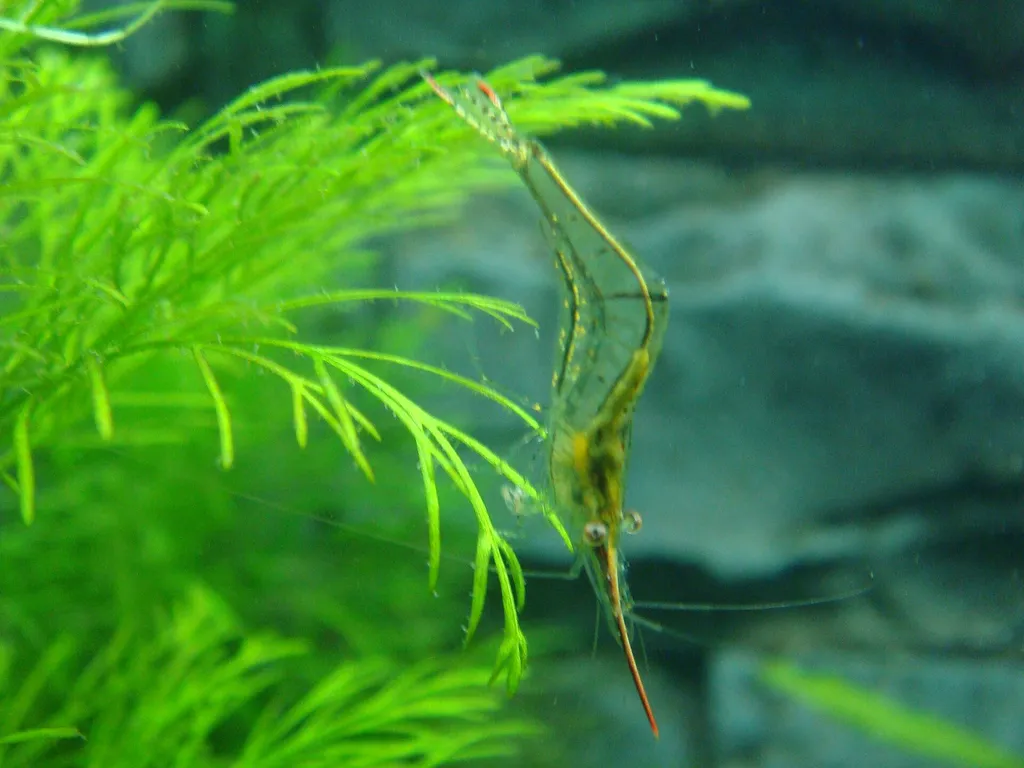
Red skunk shrimp
Caridina gracilirostris
FreshwaterBrackish1.6 in (4 cm) · 5 gal (20 L)73–82°F (23–28°C)
Common questions
What size tank does a micro bumblebee goby need?
A micro bumblebee goby needs at least 5 gal (20 L). It spends most of its time in the bottom.
What temperature and pH does a micro bumblebee goby need?
A micro bumblebee goby is comfortable at 73–82°F (23–28°C) with a pH of 7.0–8.2.
What does a micro bumblebee goby eat?
A micro bumblebee goby eats small live and frozen foods such as baby brine shrimp, cyclops and bloodworm. It hunts by movement, so do not rely on flake.
How big does a micro bumblebee goby get?
An adult micro bumblebee goby reaches about 1 in (2.5 cm).
How does a micro bumblebee goby breed?
Micro bumblebee gobies spawn in pairs in a cave, and the male guards the eggs. The fry are so small they need infusoria and other tiny live foods at first, so breeding them is hard.
Related species
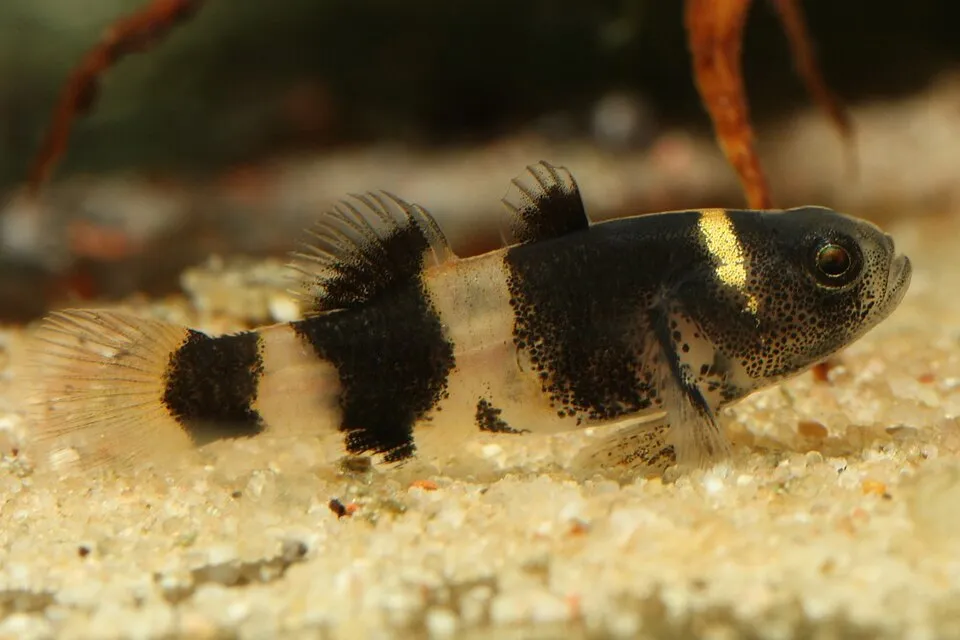 1.6 in (4 cm)12 gal (45 L)72–82°F (22–28°C)
Bumblebee goby
Brachygobius doriae
1.6 in (4 cm) · 12 gal (45 L)
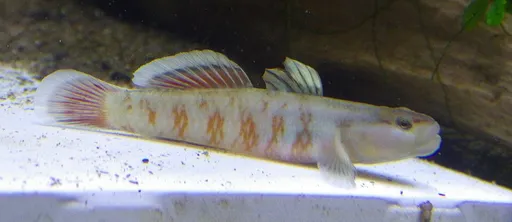 1.6 in (4 cm)12 gal (45 L)61–75°F (16–24°C)
Scarlet goby
Rhinogobius zhoui
1.6 in (4 cm) · 12 gal (45 L)
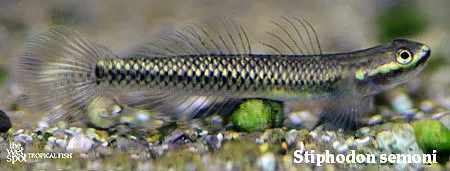 1.8 in (4.5 cm)13 gal (50 L)68–79°F (20–26°C)
Cobalt blue goby
Stiphodon semoni
1.8 in (4.5 cm) · 13 gal (50 L)
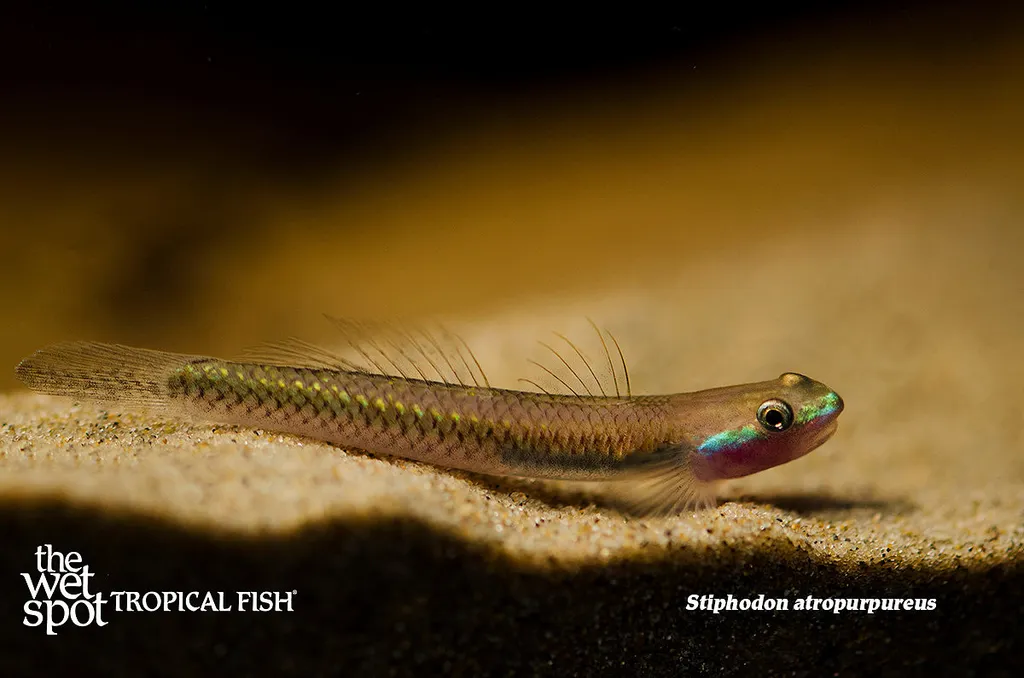 2 in (5 cm)20 gal (75 L)72–81°F (22–27°C)
Blue neon dwarf goby
Stiphodon atropurpureus
2 in (5 cm) · 20 gal (75 L)
 2 in (5 cm)16 gal (60 L)61–75°F (16–24°C)
White-cheek goby
Rhinogobius duospilus
2 in (5 cm) · 16 gal (60 L)
 2.4 in (6 cm)16 gal (60 L)64–82°F (18–28°C)
Desert goby
Chlamydogobius eremius
2.4 in (6 cm) · 16 gal (60 L)