Clown killifish
Epiplatys annulatus
Also known as Banded Panchax
FreshwaterFish
Care at a glance
- Temperature
- 68–79°F
- 20–26°C
- pH
- 6.5–7.5
- Adult size
- 1.4 in
- 3.5 cm
- Minimum tank
- 7 gal
- 27 L
- Temperament
- Peaceful
- Social behavior
- Social
- Swim level
- Top
- Difficulty
- Medium
- Breeding
- Egg depositor · Medium
- Rarity
- Common
- Family
- Nothobranchiidae
- Origin
- Guinea, Sierra Leone, Liberia
Overview
The clown killifish is a peaceful surface fish for a calm, planted tank. It takes a little more care than a beginner fish.
Did you know
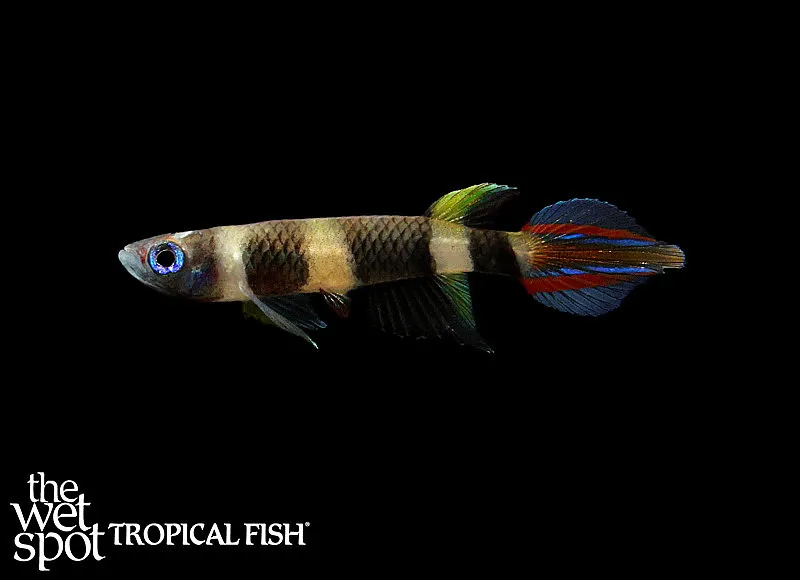
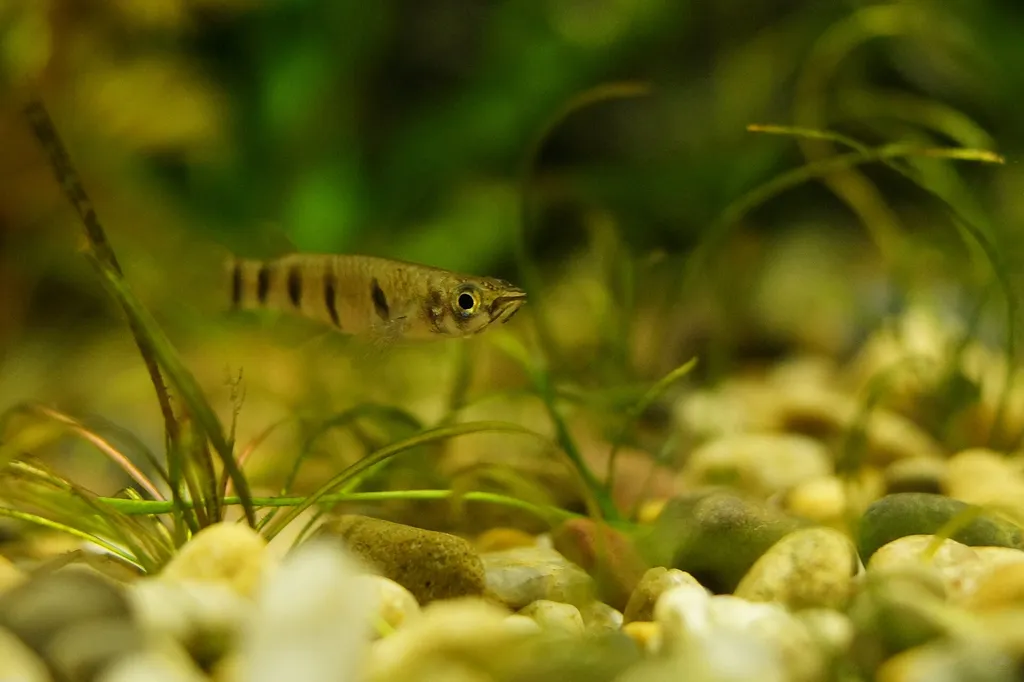
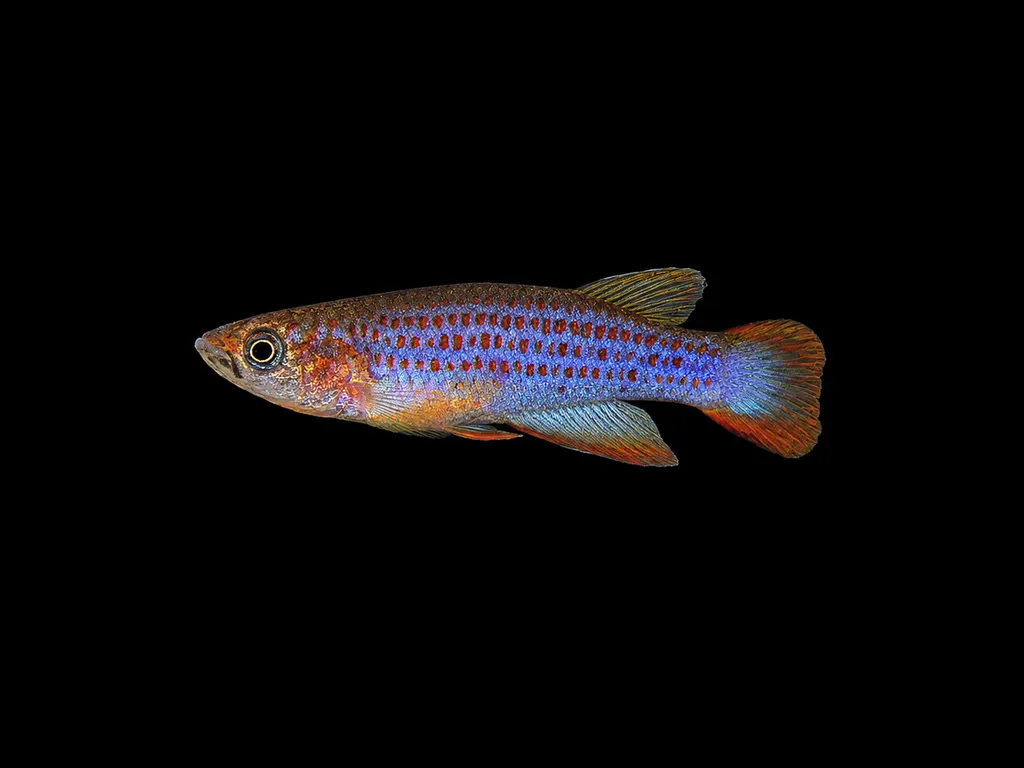
The clown killifish's tail carries a blue and red pattern that gives it the nickname rocket killifish. The name comes from the way the fins flare out.
Caring for the clown killifish
Clown killifish need a tank of at least 7 gal (27 L). Give them a gently filtered, heavily planted tank with plenty of floating plants up top. Keep a tight lid on, since they jump. A dark substrate and tannin-stained water show off the bright tail best.
They want calm water on the cool to moderate side, at 68 to 79°F (20 to 26°C), with a pH of 6.5 to 7.5. Their mouths are tiny, so feed small foods such as micro pellets, crushed flake, daphnia, baby brine shrimp and mosquito larvae.
Keep them in a small group, where they spend almost all their time near the surface. They are peaceful, so pair them only with other small, gentle fish, and a nano or species tank suits them best.
Clown killifish are egg layers that deposit their eggs among fine-leaved plants. The fry hatch after roughly ten to fourteen days, and breeding them suits a keeper with some experience.
Good to know
Epiplatys annulatus is in the family Nothobranchiidae and is one of the smallest killifish. Its striped body and tail markings make it easy to recognize.
In the wild
Clown killifish live in shallow, slow streams, swamps and forest pools in Guinea, Sierra Leone and Liberia. The water there is soft and slightly acidic, shaded by overhanging plants, with little flow.
Weekly picks
Tank mates
The clown killifish is a peaceful, social species that keeps to the top. These picks share a community profile with it, are safe together in both directions, and overlap on water type, temperature and pH.
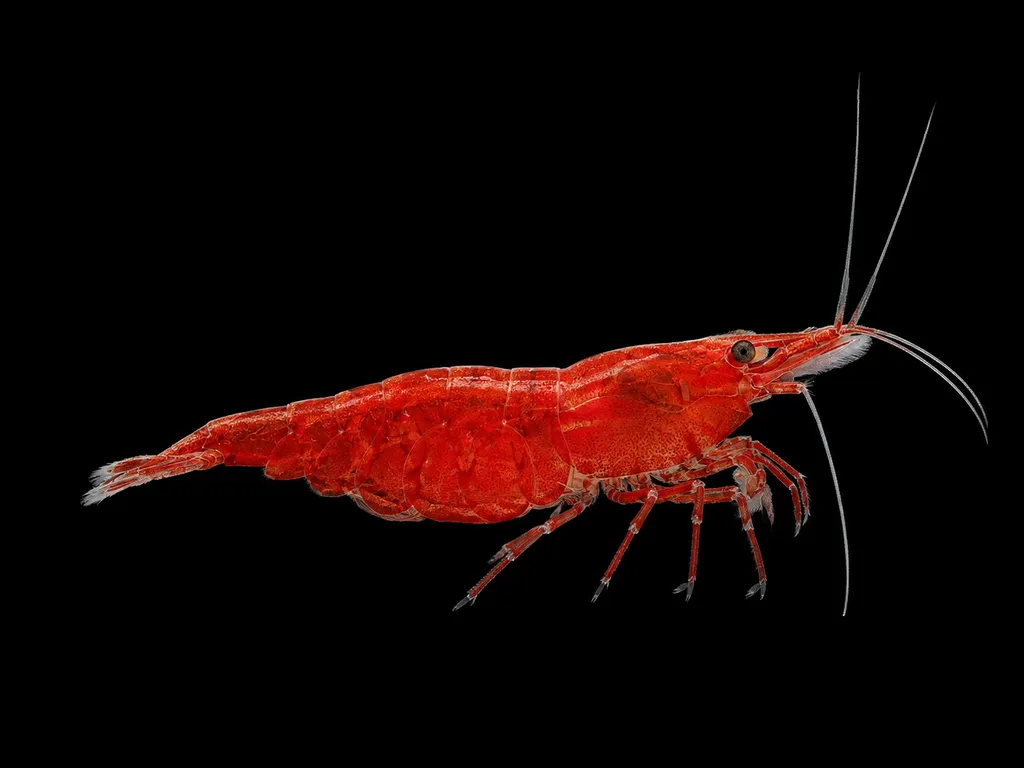
Neocaridina shrimp
Neocaridina davidi
Freshwater1.6 in (4 cm) · 5 gal (19 L)59–84°F (15–29°C)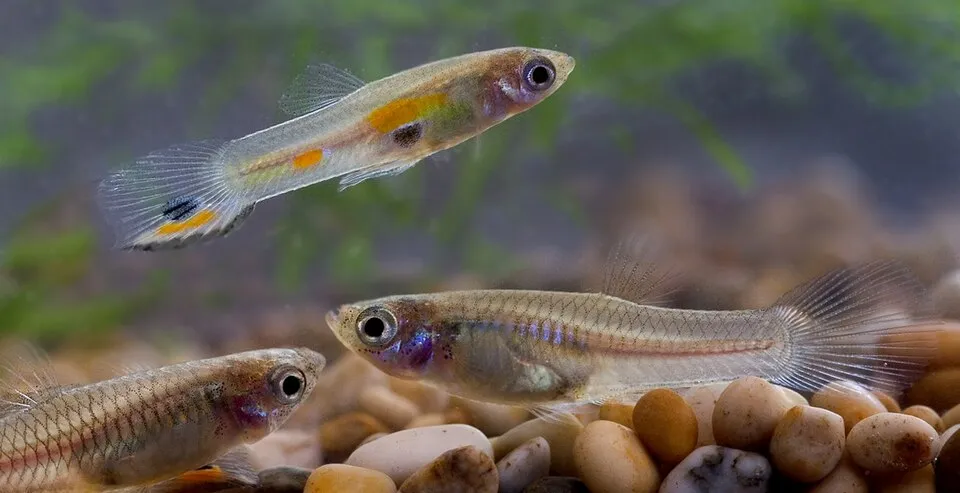
Guppy
Poecilia reticulata
FreshwaterBrackish2.4 in (6 cm) · 10 gal (38 L)64–82°F (18–28°C)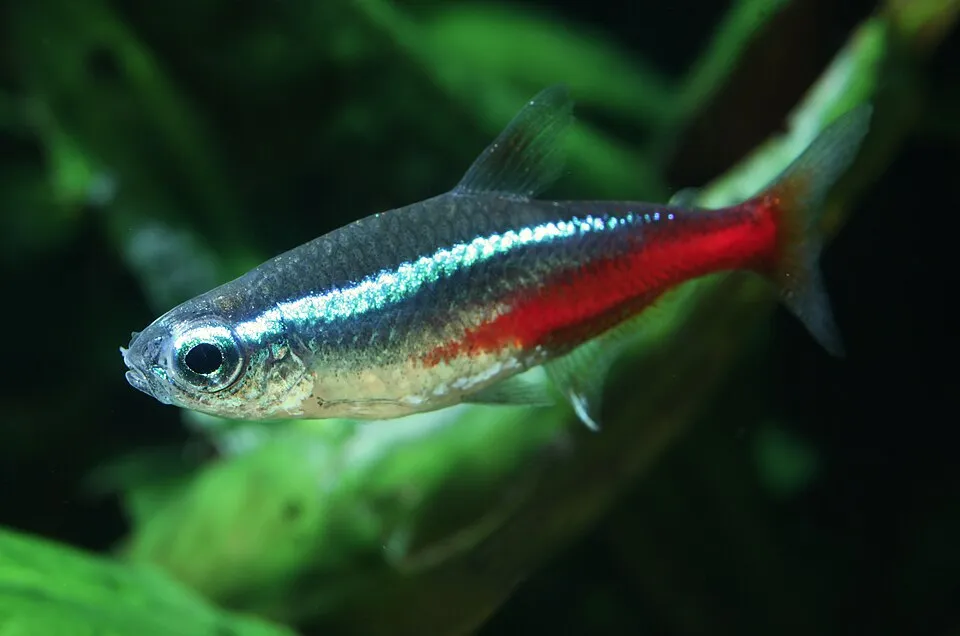
Neon tetra
Paracheirodon innesi
Freshwater1.5 in (3.8 cm) · 11 gal (40 L)70–77°F (21–25°C)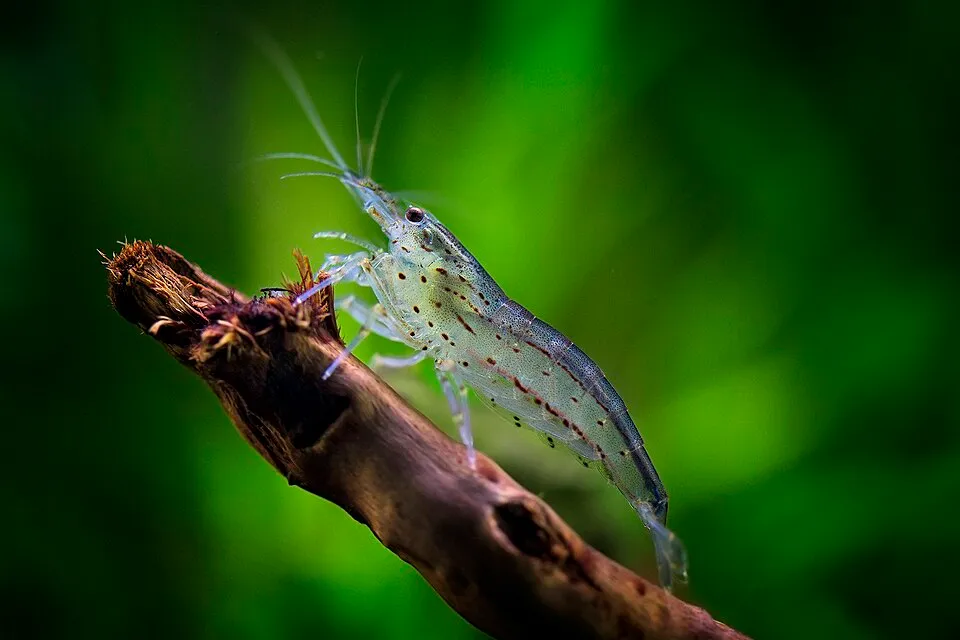
Amano shrimp
Caridina multidentata
FreshwaterBrackish2 in (5 cm) · 8 gal (30 L)59–81°F (15–27°C)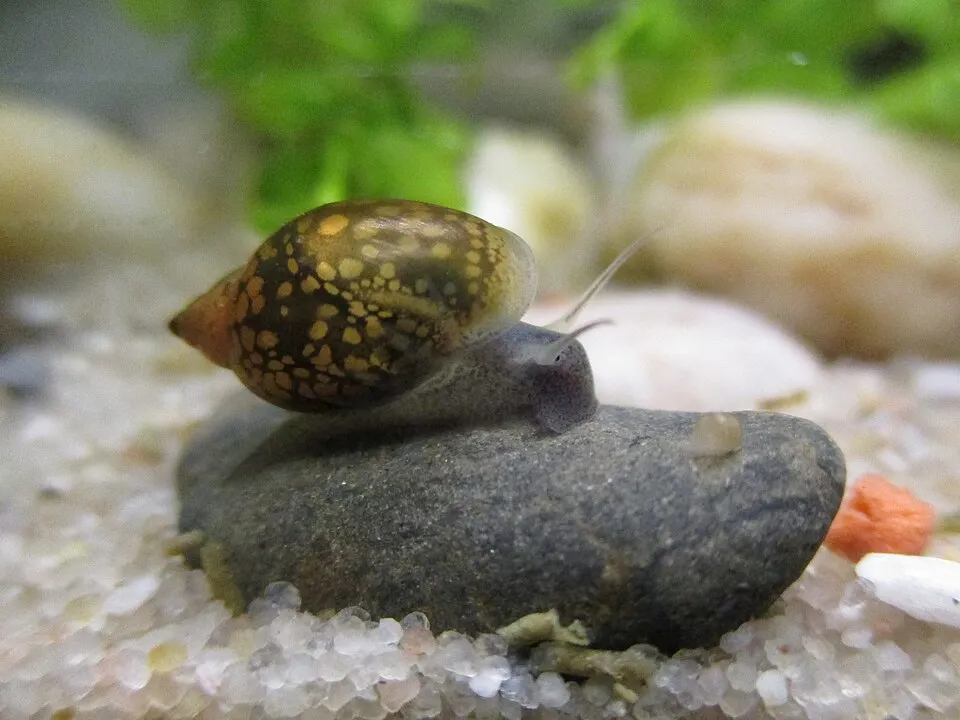
Bladder snail
Physella acuta
Freshwater0.6 in (1.5 cm) · 5 gal (20 L)57–86°F (14–30°C)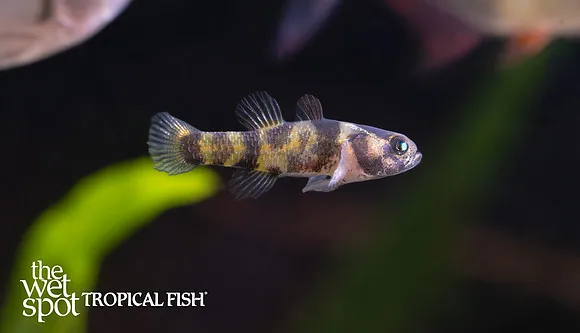
Micro bumblebee goby
Brachygobius nunus
FreshwaterBrackish1 in (2.5 cm) · 5 gal (20 L)73–82°F (23–28°C)
Common questions
What size tank does a clown killifish need?
A clown killifish needs at least 7 gal (27 L). It spends most of its time in the top.
What temperature and pH does a clown killifish need?
A clown killifish is comfortable at 68–79°F (20–26°C) with a pH of 6.5–7.5.
What does a clown killifish eat?
A clown killifish has a tiny mouth, so it eats small foods. Feed it micro pellets, crushed flake, daphnia, baby brine shrimp and mosquito larvae.
How big does a clown killifish get?
An adult clown killifish reaches about 1.4 in (3.5 cm).
How does a clown killifish breed?
Clown killifish deposit their eggs among fine-leaved plants. The fry hatch after roughly ten to fourteen days.
Related species
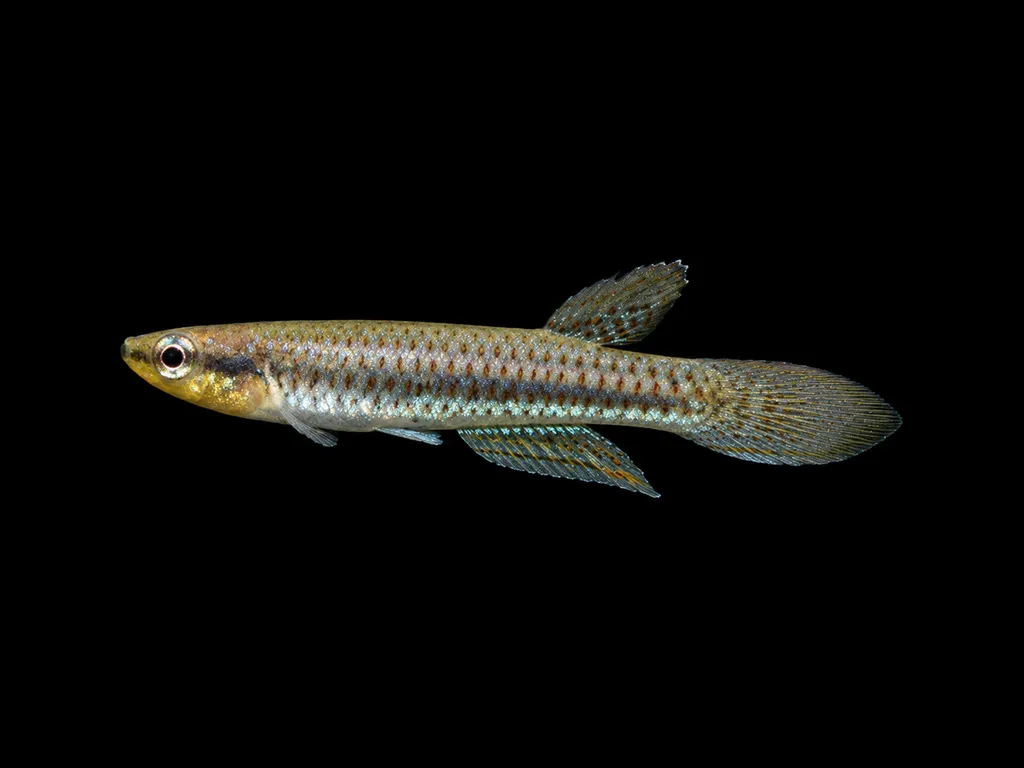 1.4 in (3.5 cm)11 gal (40 L)68–77°F (20–25°C)
Dubois' panchax
Epiplatys duboisi
1.4 in (3.5 cm) · 11 gal (40 L)
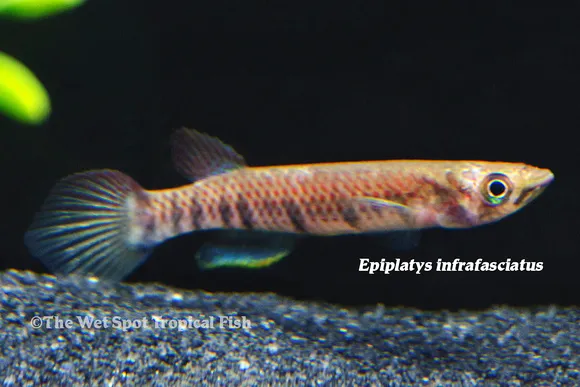
 1.8 in (4.5 cm)20 gal (75 L)70–75°F (21–24°C)
Red-chinned panchax
Epiplatys dageti
1.8 in (4.5 cm) · 20 gal (75 L)
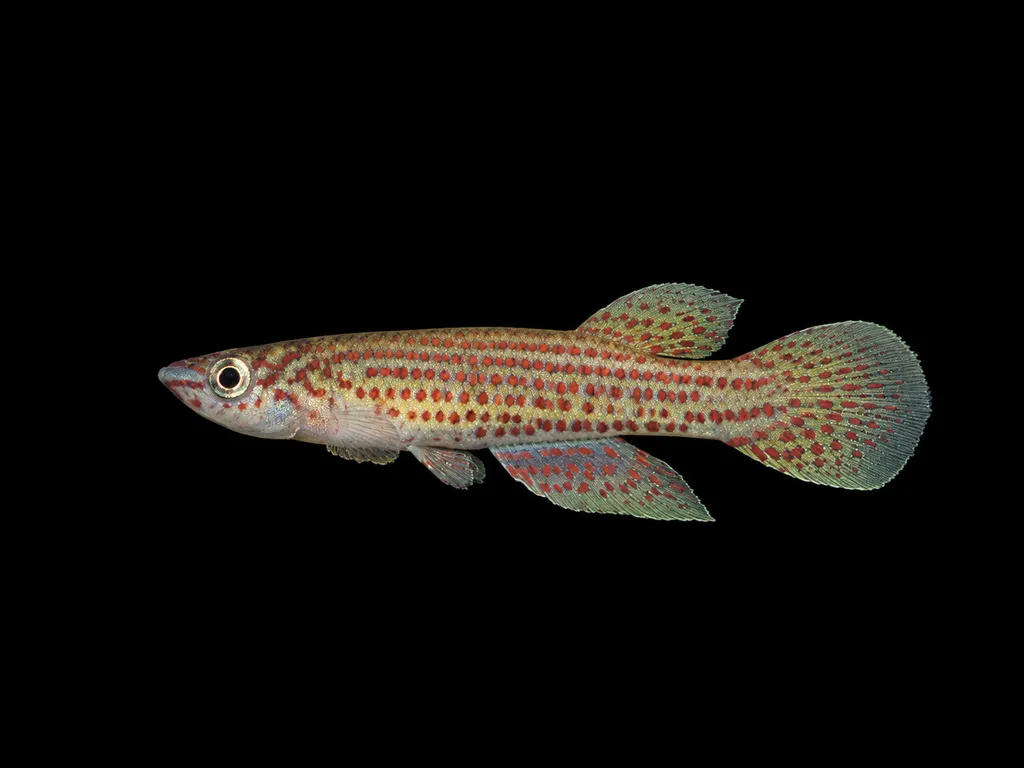
 2.4 in (6 cm)14 gal (54 L)68–77°F (20–25°C)
Infrafasciatus killifish
Epiplatys infrafasciatus
2.4 in (6 cm) · 14 gal (54 L)
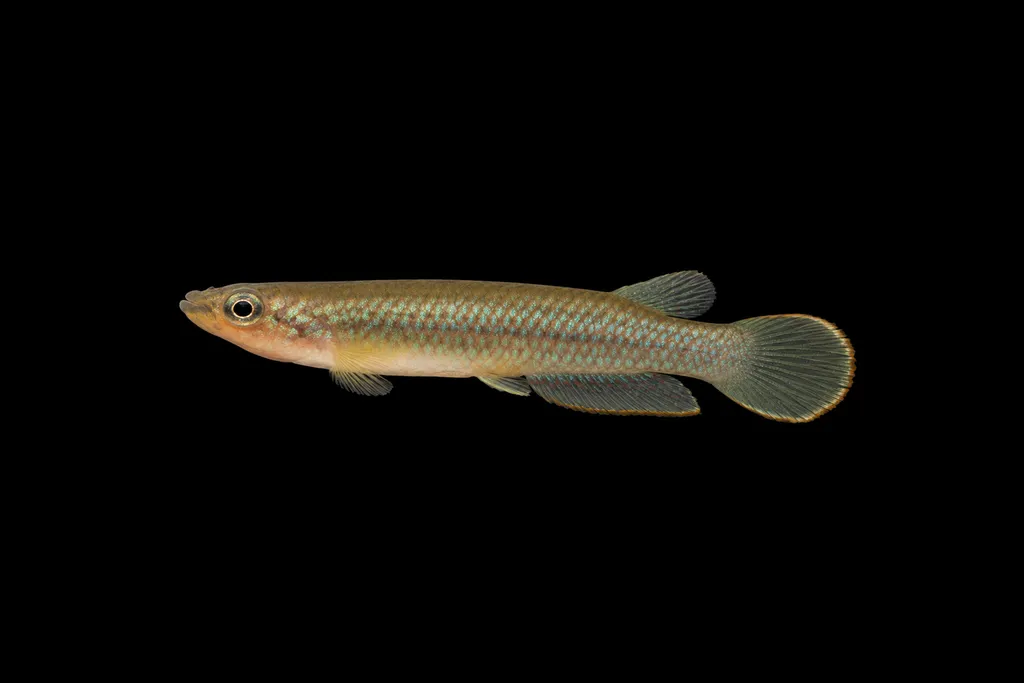
 2.4 in (6 cm)14 gal (54 L)68–77°F (20–25°C)
Singa panchax
Epiplatys singa
2.4 in (6 cm) · 14 gal (54 L)
 2.8 in (7 cm)14 gal (54 L)68–77°F (20–25°C)
Guinean panchax
Epiplatys guineensis
2.8 in (7 cm) · 14 gal (54 L)
 2.8 in (7 cm)14 gal (54 L)68–77°F (20–25°C)
Redspotted panchax
Epiplatys lamottei
2.8 in (7 cm) · 14 gal (54 L)