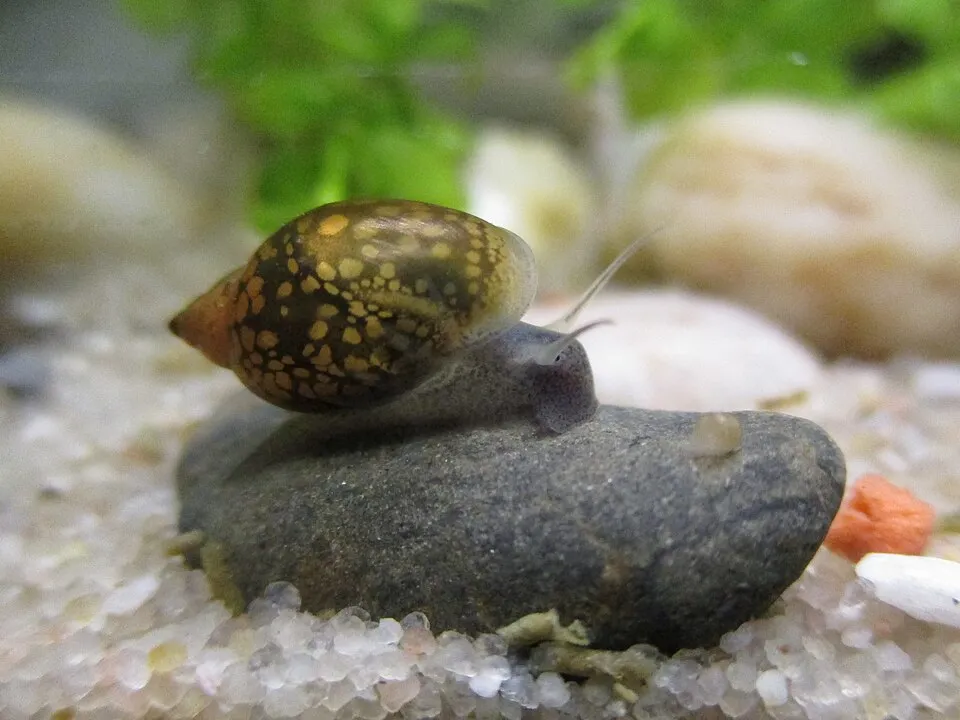
Bladder snail
Physella acuta
FreshwaterSnail
Care at a glance
- Temperature
- 57–86°F
- 14–30°C
- pH
- 6.5–8.0
- Adult size
- 0.6 in
- 1.5 cm
- Minimum tank
- 5 gal
- 20 L
- Temperament
- Peaceful
- Social behavior
- Solitary
- Swim level
- Bottom
- Difficulty
- Beginner
- Breeding
- Easy
- Rarity
- Very common
- Family
- Physidae
- Origin
- Europe
Overview
These are solitary grazers, though you rarely end up with just one. They work the bottom and the glass, mostly at night, eating algae, detritus, and dead plant matter rather than healthy plants. They tolerate a huge range, roughly 14 to 30 C and a pH from slightly acidic to fairly hard alkaline. No special feeding needed; tank leftovers and algae keep them going.
In the wild
Bladder snails turn up in just about every kind of still or slow freshwater, from ponds and ditches to lakes and stream edges, originally across Europe and now worldwide. They favor spots thick with plants and organic muck, which is both their food and their cover. In a tank they need nothing special and will live happily in almost any setup.
Good to know
This is a small air-breathing snail in the family Physidae, with a thin amber, left-coiling shell up to about 1.5 cm. Instead of gills it uses a simple lung, so it can cope with low-oxygen water. Each snail is a hermaphrodite carrying both sets of reproductive organs. The species is Least Concern but can become invasive outside its native range.
Did you know
Because each snail can fertilize itself, a single one hitchhiking in on a plant can found an entire population. That's why they seem to appear from nowhere and multiply fast when there's extra food around.
Weekly picks
Tank mates
Bladder snail is a peaceful, solitary species that keeps to the bottom. These picks share a community profile with it, are safe together in both directions, and overlap on water type, temperature and pH.
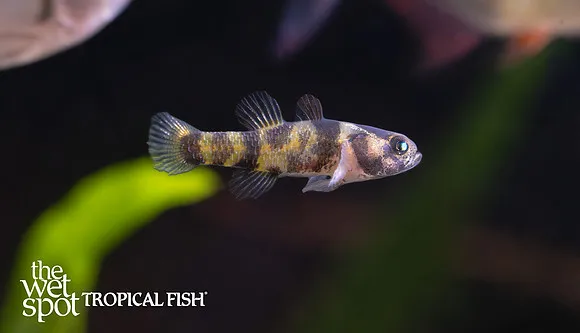
Micro bumblebee goby
Brachygobius nunus
FreshwaterBrackish1 in (2.5 cm) · 5 gal (20 L)73–82°F (23–28°C)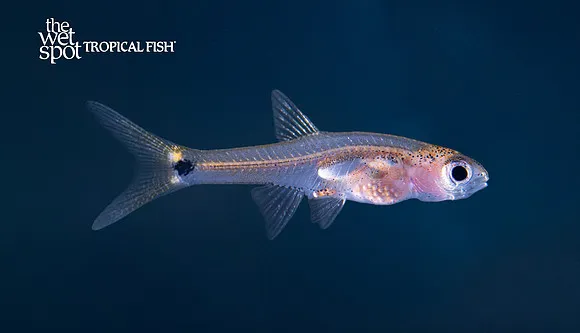
Dwarf amber barb
Barboides gracilis
Freshwater0.8 in (2 cm) · 5 gal (20 L)73–81°F (23–27°C)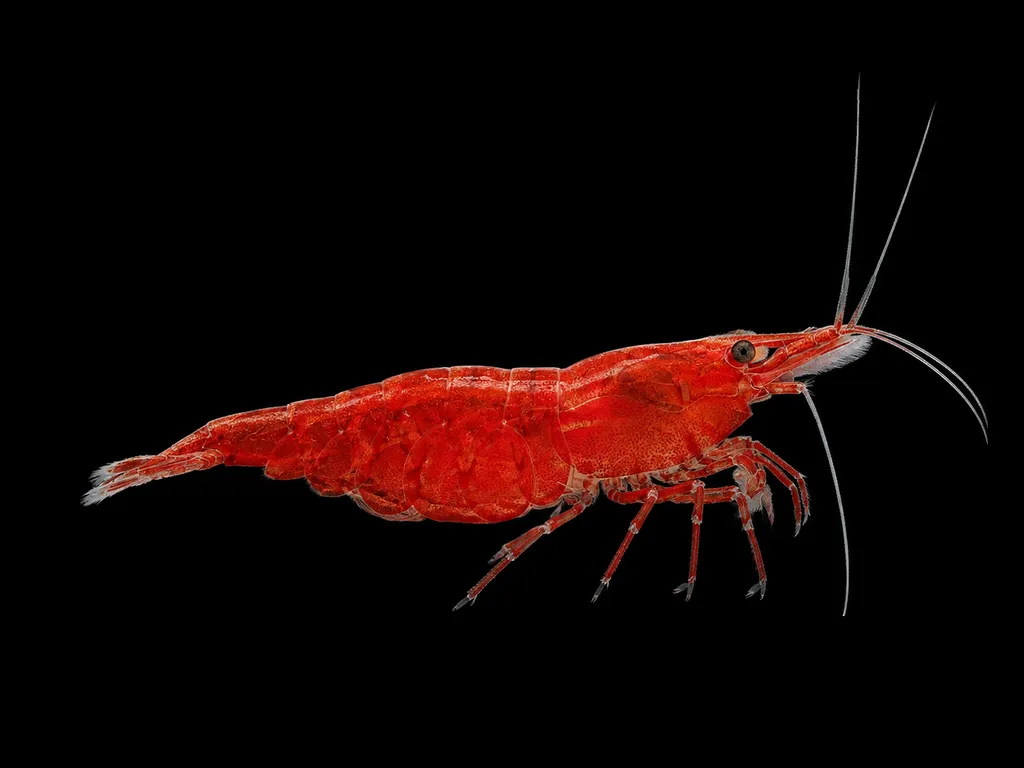
Neocaridina shrimp
Neocaridina davidi
Freshwater1.6 in (4 cm) · 5 gal (20 L)59–84°F (15–29°C)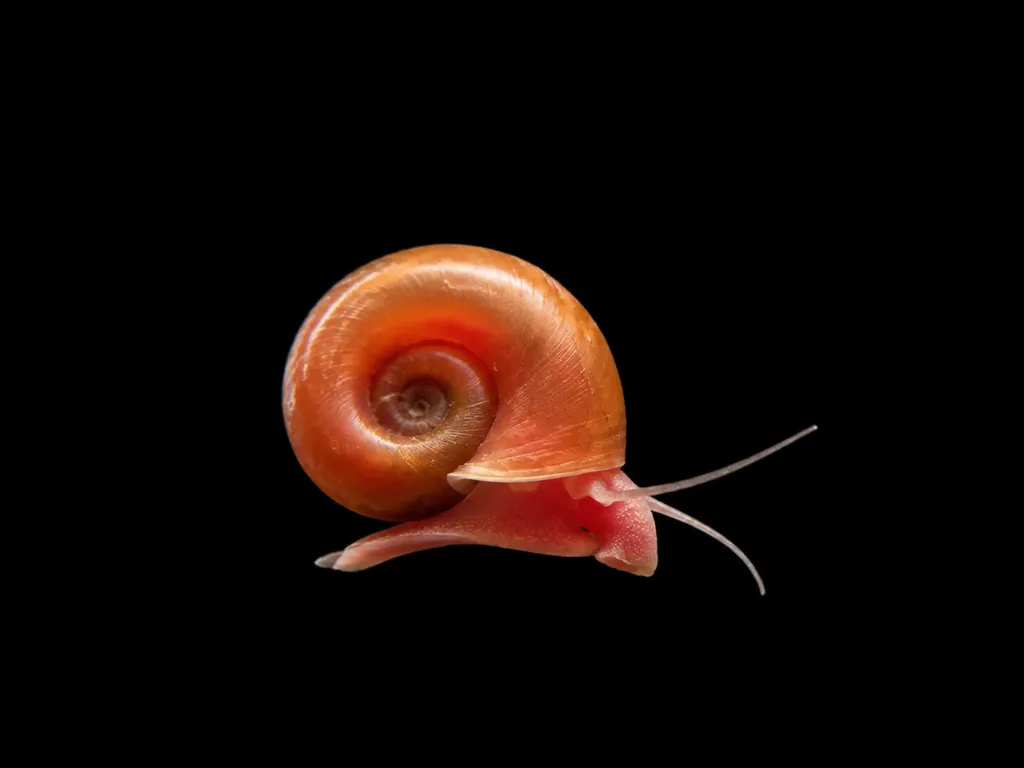
Red ramshorn snail
Indoplanorbis exustus
Freshwater0.8 in (2 cm) · 5 gal (20 L)68–86°F (20–30°C)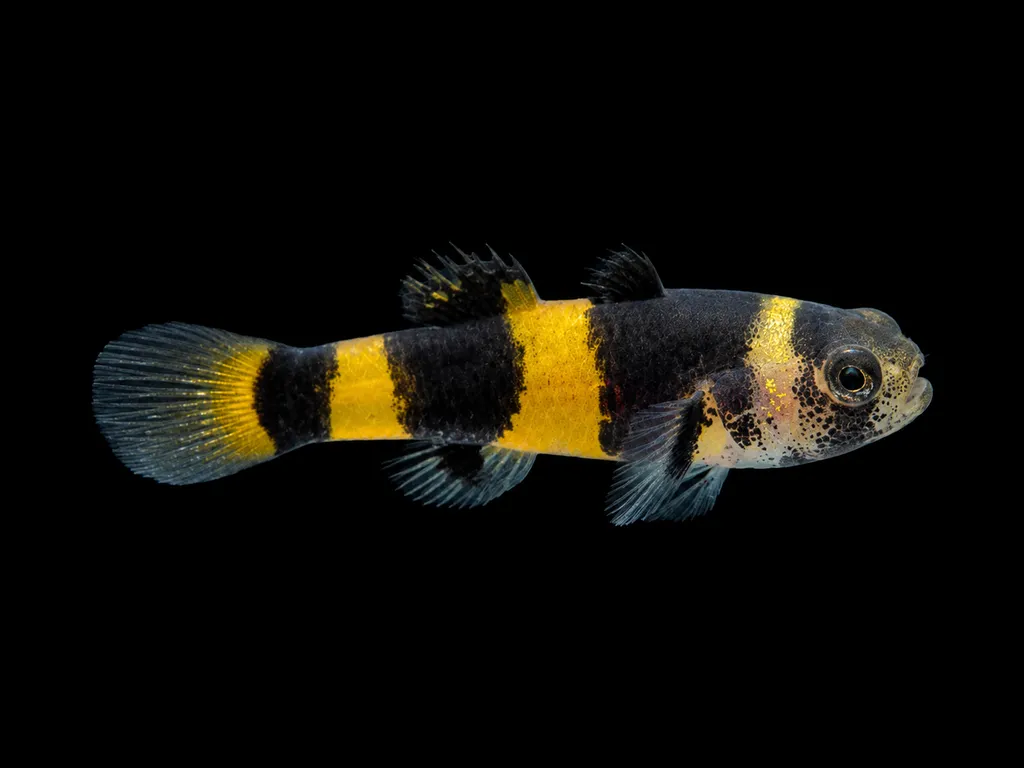
Mini bumblebee goby
Brachygobius xanthomelas
Freshwater0.8 in (2 cm) · 5 gal (20 L)75–82°F (24–28°C)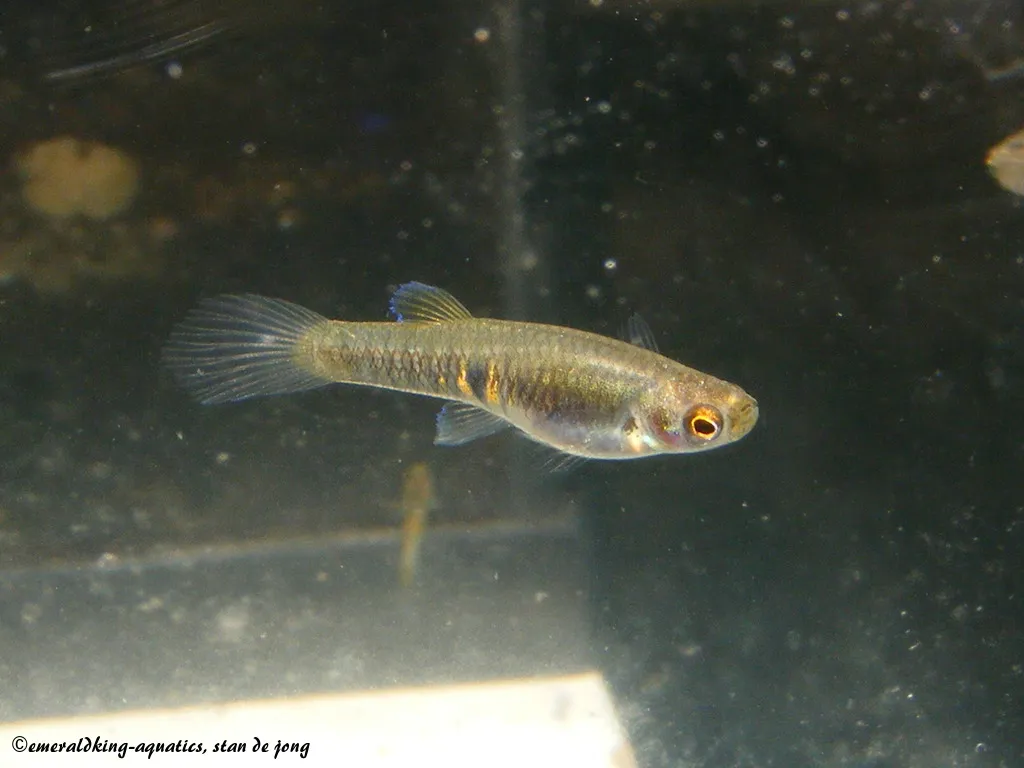
Dwarf livebearer
Neoheterandria elegans
Freshwater1 in (2.5 cm) · 5 gal (20 L)75–82°F (24–28°C)
Common questions
What size tank does a Bladder snail need?
A Bladder snail needs at least 5 gal (20 L). It spends most of its time in the bottom.
What temperature and pH does a Bladder snail need?
A Bladder snail is comfortable at 57–86°F (14–30°C) with a pH of 6.5–8.0.
How big does a Bladder snail get?
An adult Bladder snail reaches about 0.6 in (1.5 cm).
Related species
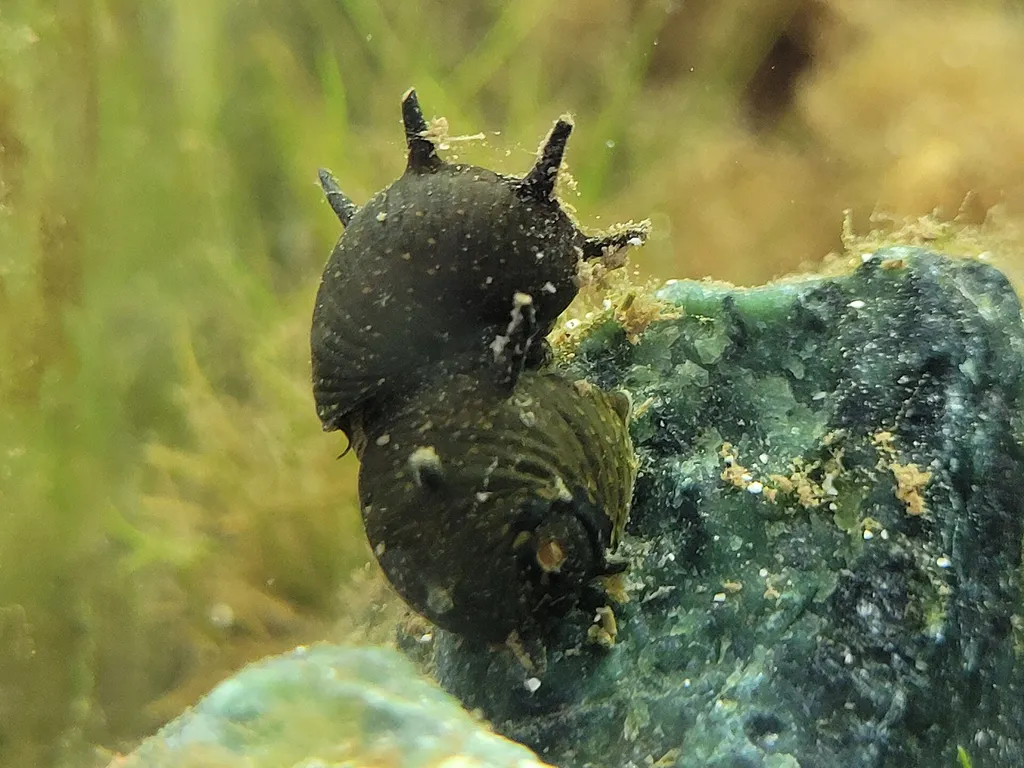 0.6 in (1.5 cm)5 gal (19 L)72–79°F (22–26°C)
Horned nerite
Clithon corona
0.6 in (1.5 cm) · 5 gal (19 L)
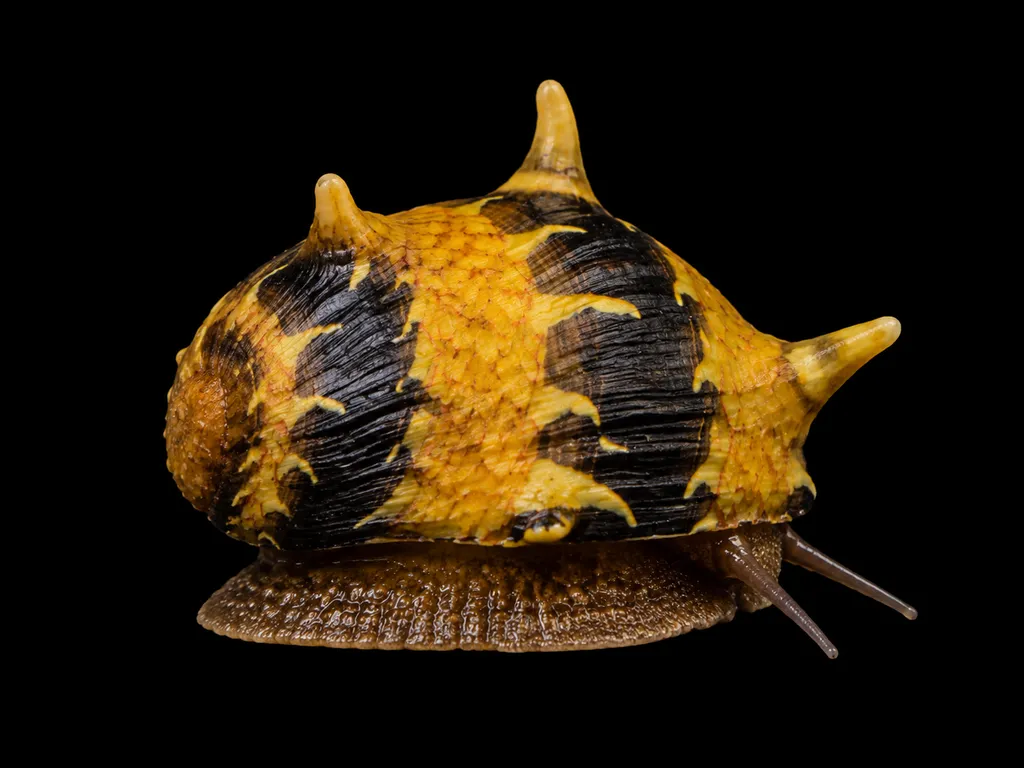 0.8 in (2 cm)5 gal (19 L)72–82°F (22–28°C)
Fancy antler snail
Clithon sowerianum
0.8 in (2 cm) · 5 gal (19 L)
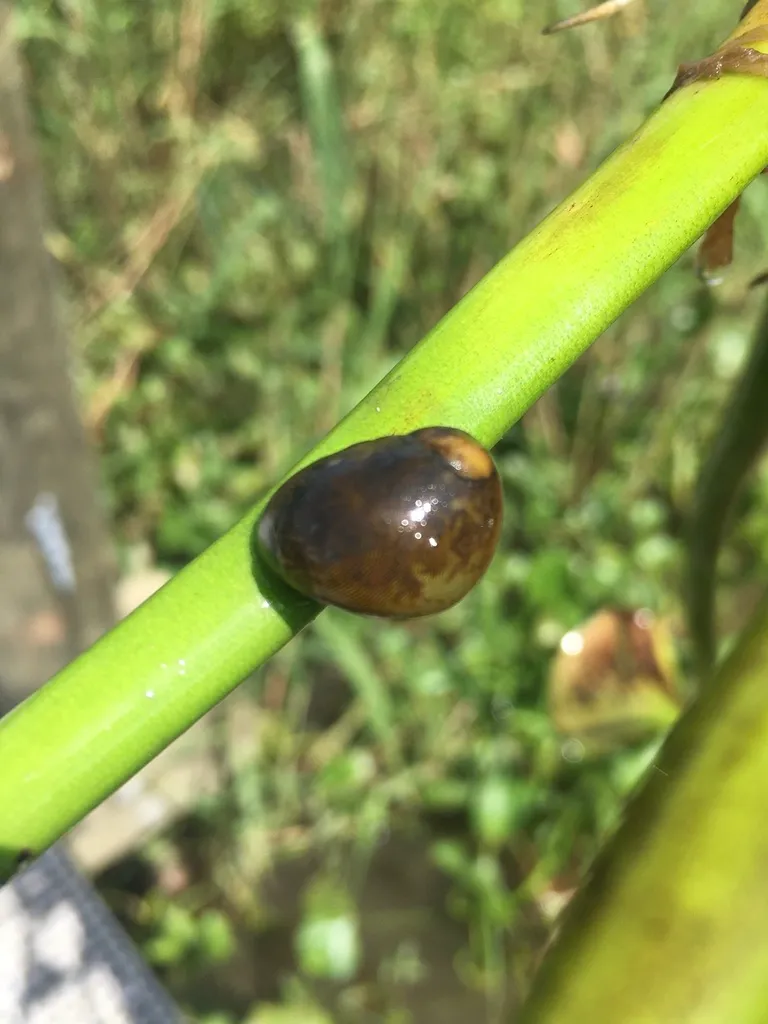 0.8 in (2 cm)5 gal (20 L)72–82°F (22–28°C)
Olive nerite
Vittina usnea
0.8 in (2 cm) · 5 gal (20 L)
- 0.8 in (2 cm)5 gal (20 L)68–86°F (20–30°C)
Red ramshorn snail
Indoplanorbis exustus
0.8 in (2 cm) · 5 gal (20 L)
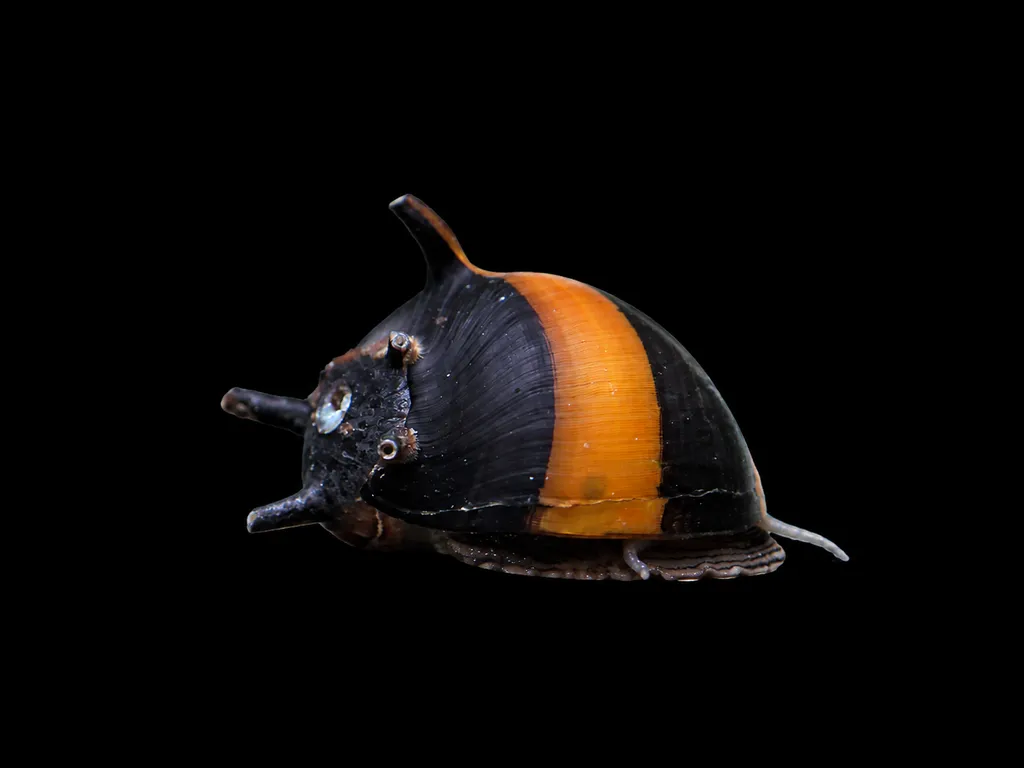 0.8 in (2 cm)5 gal (19 L)72–82°F (22–28°C)
Three-color thorn snail
Clithon sowerbyana
0.8 in (2 cm) · 5 gal (19 L)
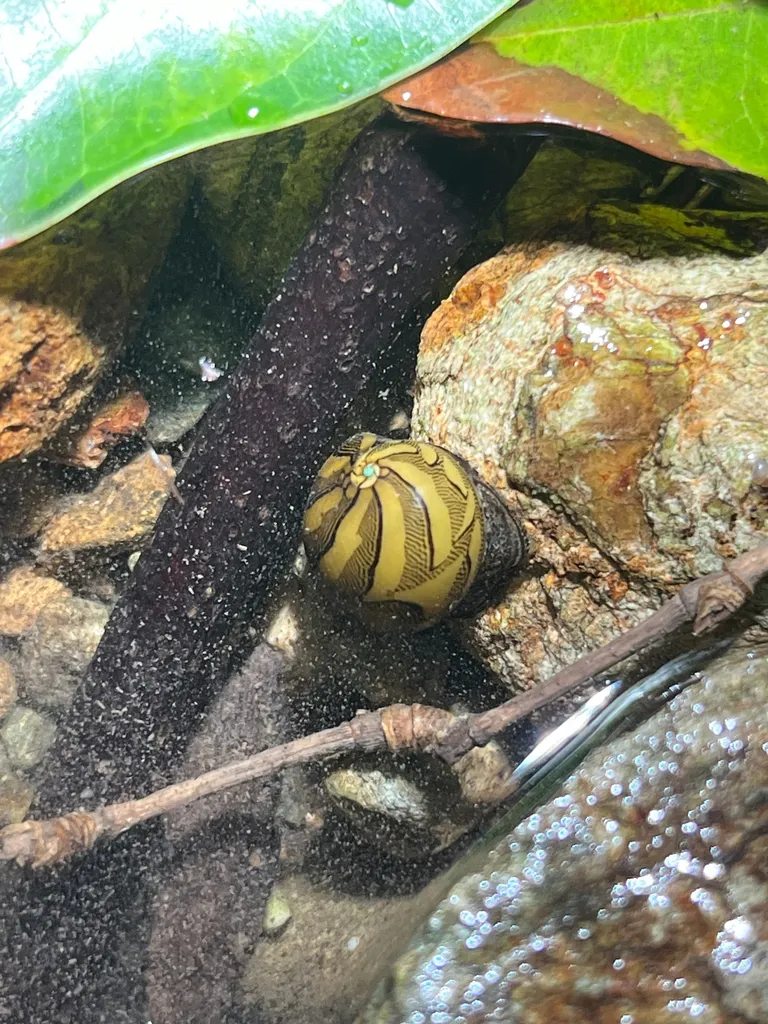 0.8 in (2 cm)5 gal (20 L)72–79°F (22–26°C)
Virgin nerite
Vitta virginea
0.8 in (2 cm) · 5 gal (20 L)