Okinawa cleaner shrimp
Neocaridina denticulata
Also known as Caridina denticulata, Okinawa algae shrimp
FreshwaterShrimp
Care at a glance
- Temperature
- 64–79°F
- 18–26°C
- pH
- 6.5–7.8
- Adult size
- 1.2 in
- 3 cm
- Minimum tank
- 5 gal
- 20 L
- Temperament
- Peaceful
- Social behavior
- Social
- Swim level
- Bottom
- Difficulty
- Easy
- Breeding
- Egg carrier · Easy
- Rarity
- Rare
- Family
- Atyidae
- Origin
- Streams of the Ryukyu Islands and southern Japan
Overview
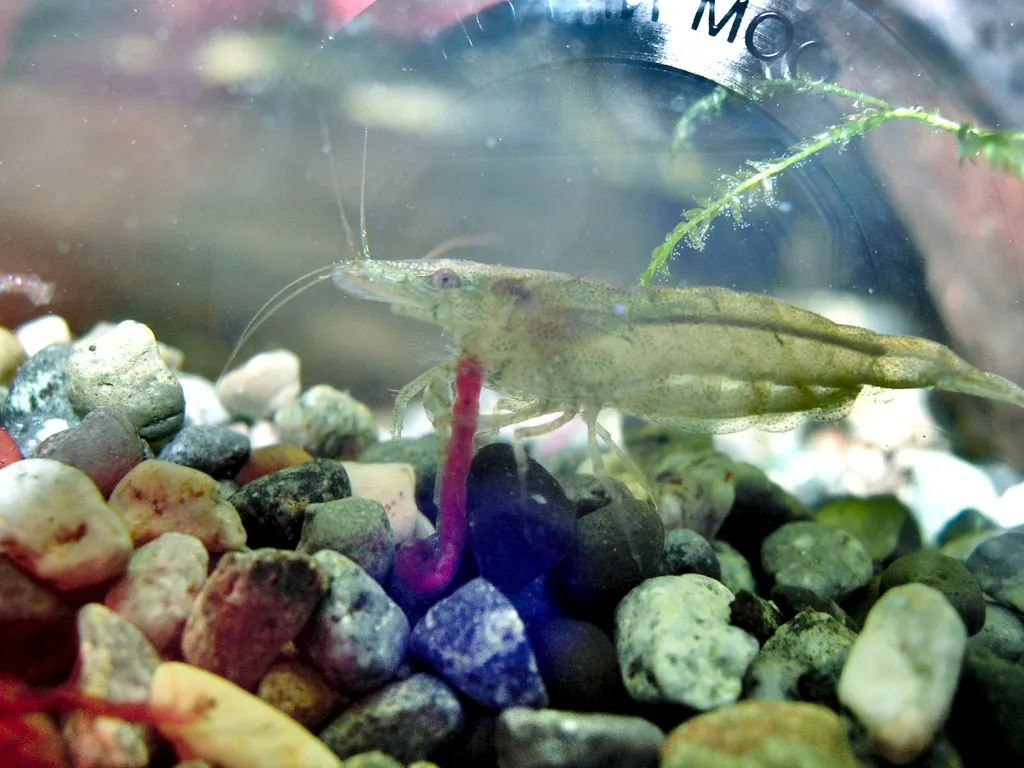
The Okinawa cleaner shrimp is a hardy, peaceful dwarf shrimp that works as a cleanup crew. It is a plain, translucent cousin of the red cherry shrimp, and it is easy to keep.
Did you know
For years, the shrimp sold as Neocaridina denticulata were actually cherry shrimp, a separate species. The true denticulata is this plain Japanese native. It mostly stayed home while its painted relative took over the hobby.
Caring for the Okinawa cleaner shrimp
Keep Okinawa cleaner shrimp in a group, in a nano or planted community tank of 5 gal (20 L) or larger. Build the scape from rock, wood and plants that grow a good film of algae. They graze algae and biofilm across all of it, all day.
They do not need heat, since 64 to 79°F (18 to 26°C) suits them and an unheated room often works. They tolerate cooler rooms better than most tropical shrimp. Keep the water clean and well oxygenated, close to neutral at a pH of 6.5 to 7.8.
In a mature tank, feed almost nothing at first. Then supplement with a quality shrimp food, blanched vegetables and a pinch of frozen food.
Pair them only with small, calm fish that will not eat shrimp. Females carry their eggs under the tail and release fully formed miniature shrimp that stay in fresh water. Okinawa cleaner shrimp are direct developers with no marine larval stage, so breeding is easy. With stable conditions and enough shrimp, a colony builds steadily on its own.
Good to know
The Okinawa cleaner shrimp is Neocaridina denticulata, a member of Atyidae, the dwarf shrimp family. It is also sold as Caridina denticulata or the Okinawa algae shrimp.
In the wild
The Okinawa cleaner shrimp comes from cool, clear streams in the Ryukyu Islands and southern Japan. There it grazes algae from stones in flowing subtropical water.
Weekly picks
Tank mates
The Okinawa cleaner shrimp is a peaceful, social species that keeps to the bottom. These picks share a community profile with it, are safe together in both directions, and overlap on water type, temperature and pH.
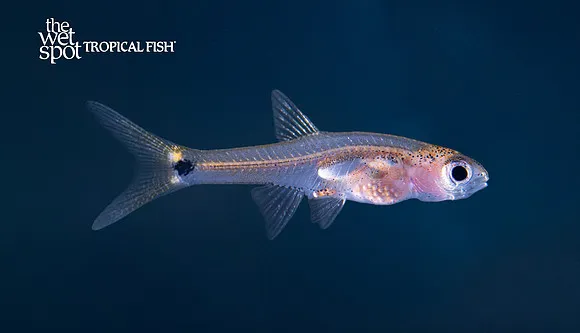
Dwarf amber barb
Barboides gracilis
Freshwater0.8 in (2 cm) · 5 gal (20 L)73–81°F (23–27°C)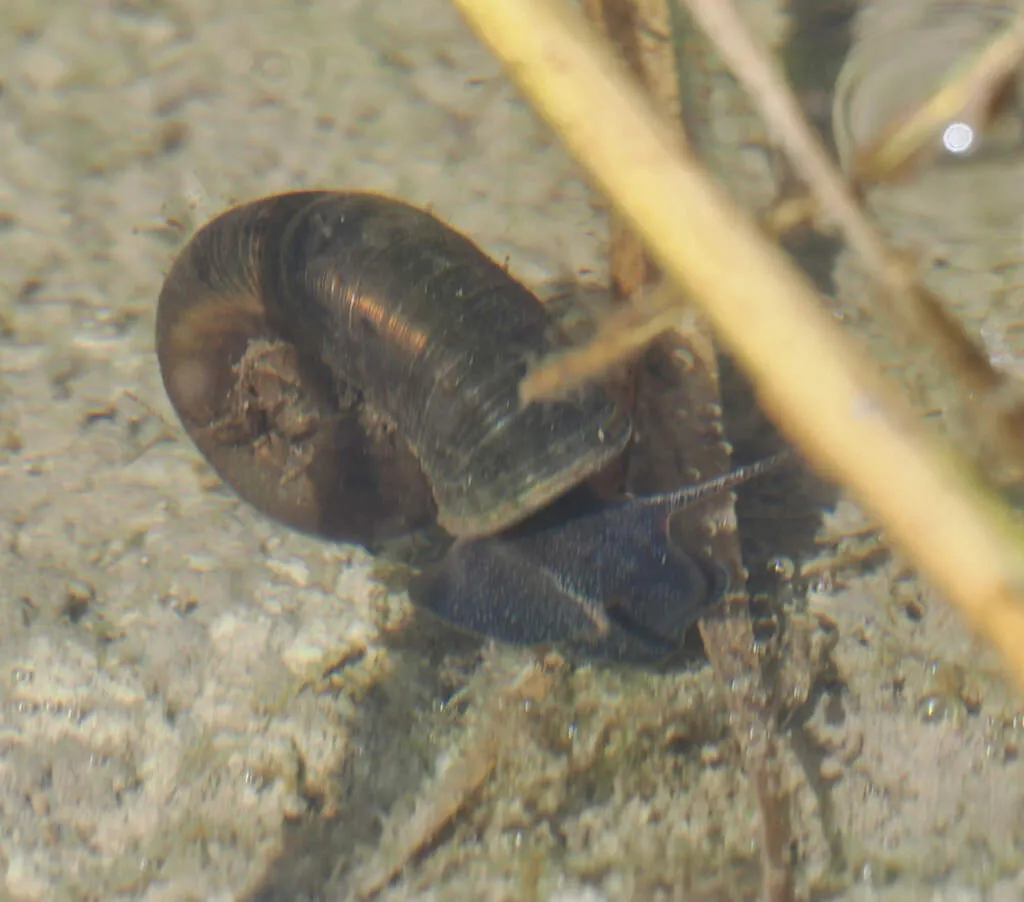
Great ramshorn
Planorbarius corneus
Freshwater1.6 in (4 cm) · 5 gal (20 L)64–77°F (18–25°C)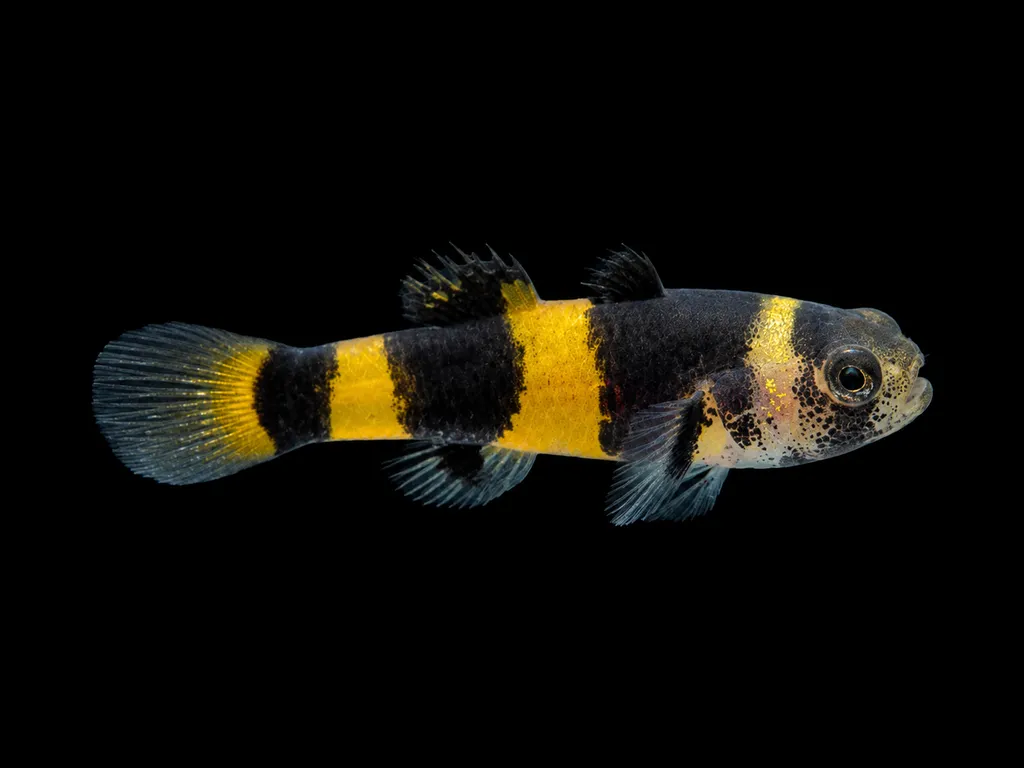
Mini bumblebee goby
Brachygobius xanthomelas
Freshwater0.8 in (2 cm) · 5 gal (20 L)75–82°F (24–28°C)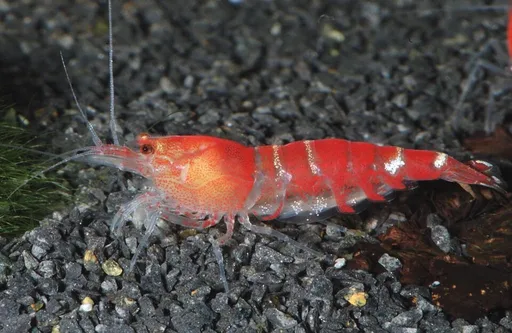
Bee shrimp
Caridina logemanni
Freshwater1.2 in (3 cm) · 5 gal (20 L)64–75°F (18–24°C)
Yellow phantom tetra
Hyphessobrycon roseus
Freshwater0.8 in (2 cm) · 7 gal (25 L)68–82°F (20–28°C)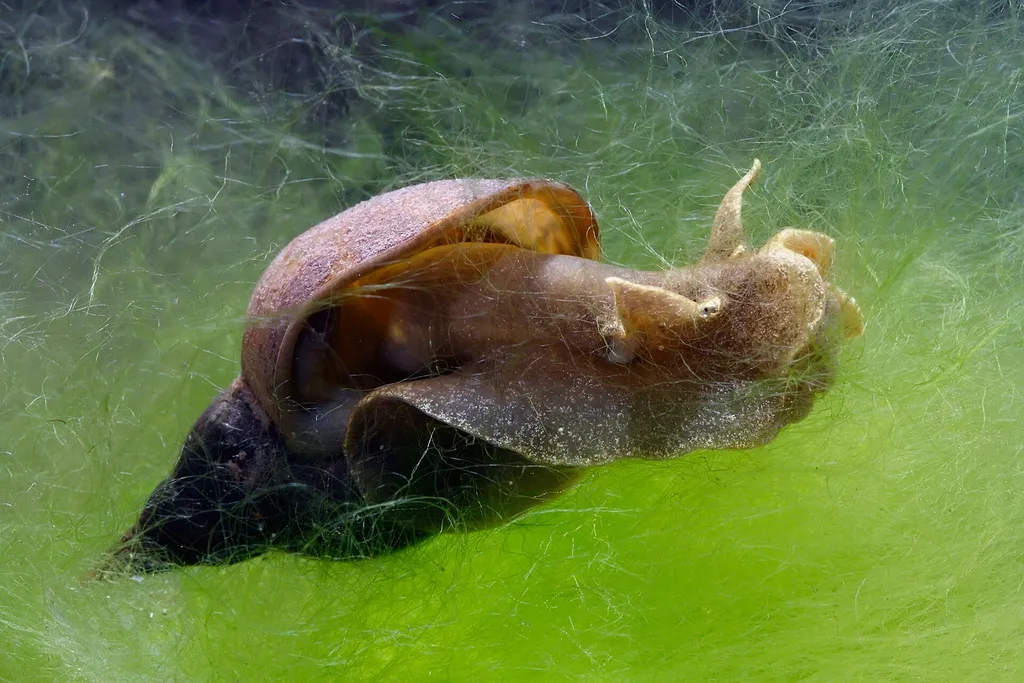
Great pond snail
Lymnaea stagnalis
Freshwater2.4 in (6 cm) · 5 gal (20 L)64–75°F (18–24°C)
Common questions
What size tank does an Okinawa cleaner shrimp need?
An Okinawa cleaner shrimp needs at least 5 gal (20 L). It spends most of its time in the bottom.
What temperature and pH does an Okinawa cleaner shrimp need?
An Okinawa cleaner shrimp is comfortable at 64–79°F (18–26°C) with a pH of 6.5–7.8.
What does an Okinawa cleaner shrimp eat?
An Okinawa cleaner shrimp grazes algae and biofilm across rock, plants and wood all day. In a mature tank it needs almost nothing at first, then a quality shrimp food, blanched vegetables and a pinch of frozen food.
How big does an Okinawa cleaner shrimp get?
An adult Okinawa cleaner shrimp reaches about 1.2 in (3 cm).
Related species
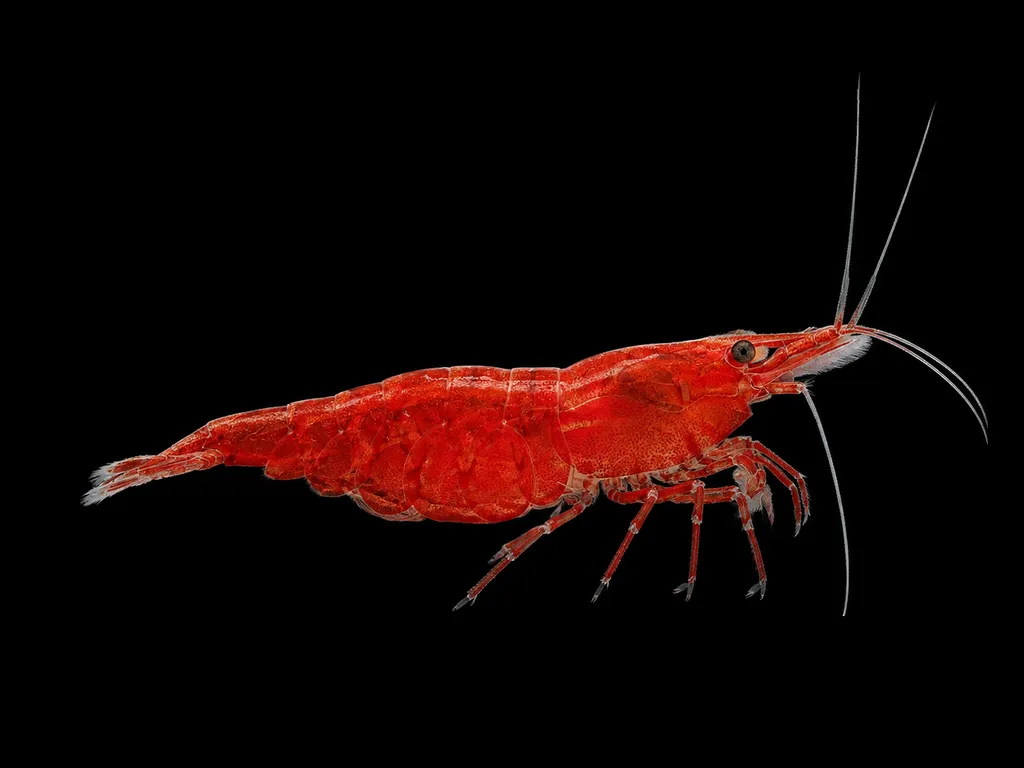 1.6 in (4 cm)5 gal (20 L)59–84°F (15–29°C)
Neocaridina shrimp
Neocaridina davidi
1.6 in (4 cm) · 5 gal (20 L)
- 1.2 in (3 cm)5 gal (20 L)64–75°F (18–24°C)
Bee shrimp
Caridina logemanni
1.2 in (3 cm) · 5 gal (20 L)
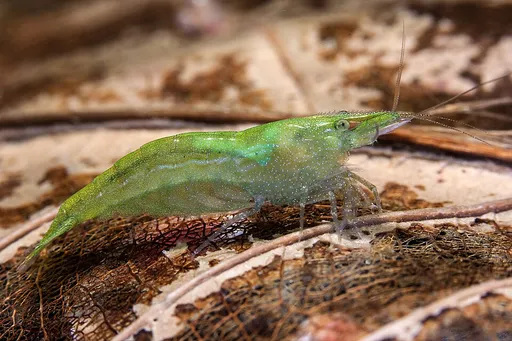 1.2 in (3 cm)10 gal (38 L)72–82°F (22–28°C)
Green babaulti shrimp
Caridina babaulti
1.2 in (3 cm) · 10 gal (38 L)
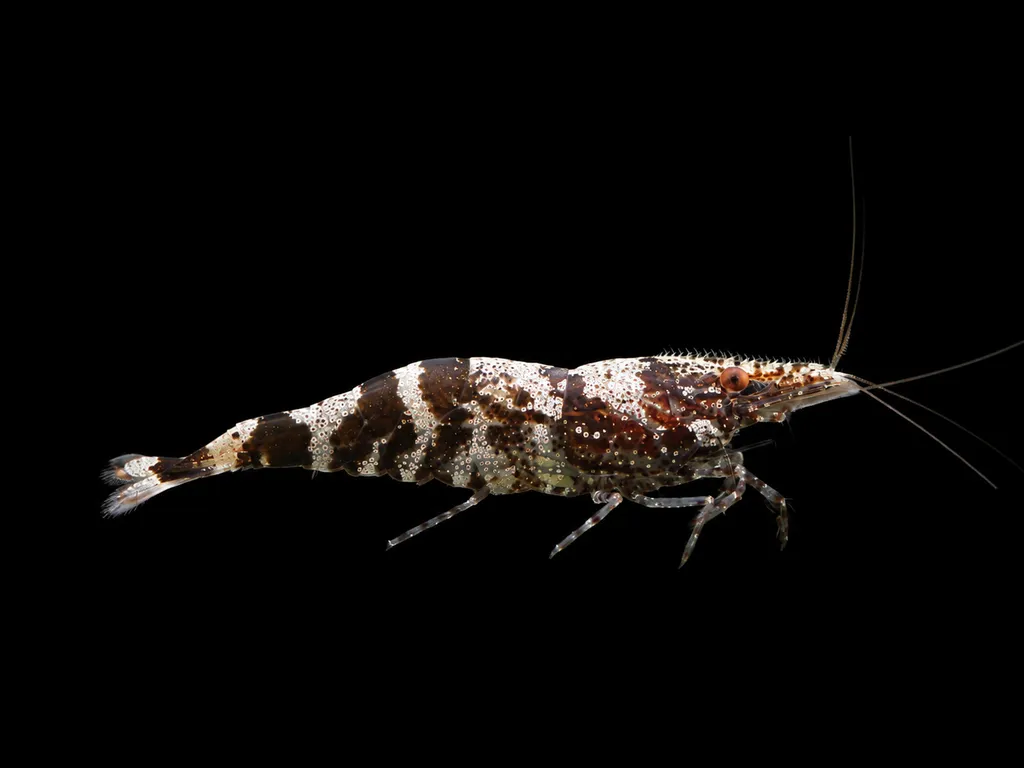 1.2 in (3 cm)5 gal (20 L)73–82°F (23–28°C)
Ninja shrimp
Caridina serratirostris
1.2 in (3 cm) · 5 gal (20 L)
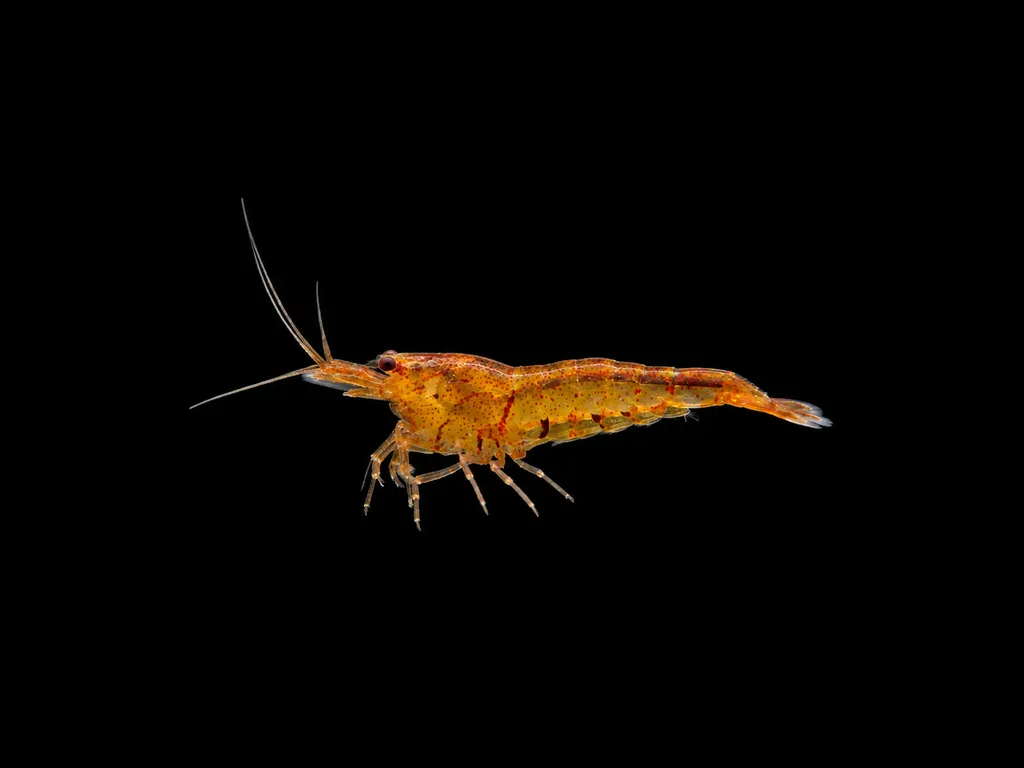 1.2 in (3 cm)5 gal (20 L)68–79°F (20–26°C)
Tangerine tiger shrimp
Caridina serrata
1.2 in (3 cm) · 5 gal (20 L)
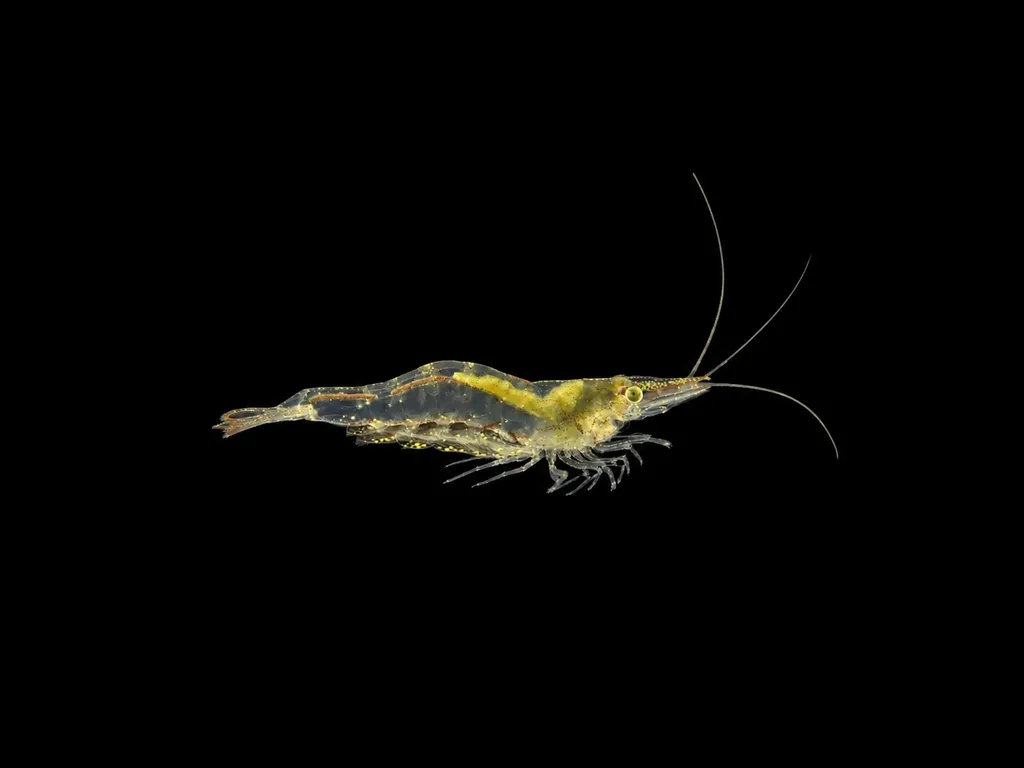 1.4 in (3.5 cm)5 gal (20 L)73–82°F (23–28°C)
Short-nose algae shrimp
Caridina longirostris
1.4 in (3.5 cm) · 5 gal (20 L)