One species · 5 varieties
Bee shrimp
Caridina logemanni
Also known as Black Galaxy Shrimp, Caridina cantonensis
FreshwaterShrimp
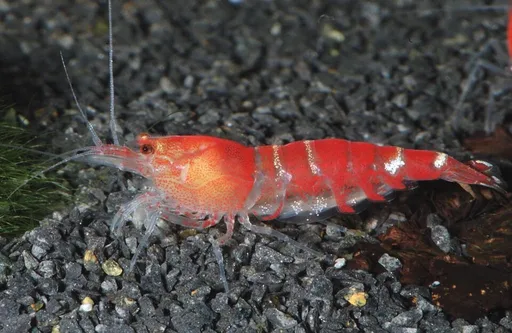
Care at a glance
- Temperature
- 64–75°F
- 18–24°C
- pH
- 5.8–6.8
- Adult size
- 1.2 in
- 3 cm
- Minimum tank
- 5 gal
- 20 L
- Temperament
- Peaceful
- Social behavior
- Social
- Swim level
- Bottom
- Difficulty
- Medium
- Breeding
- Medium
- Rarity
- Common
- Family
- Atyidae
- Origin
- Taiwan, Southern China
Pick a variety
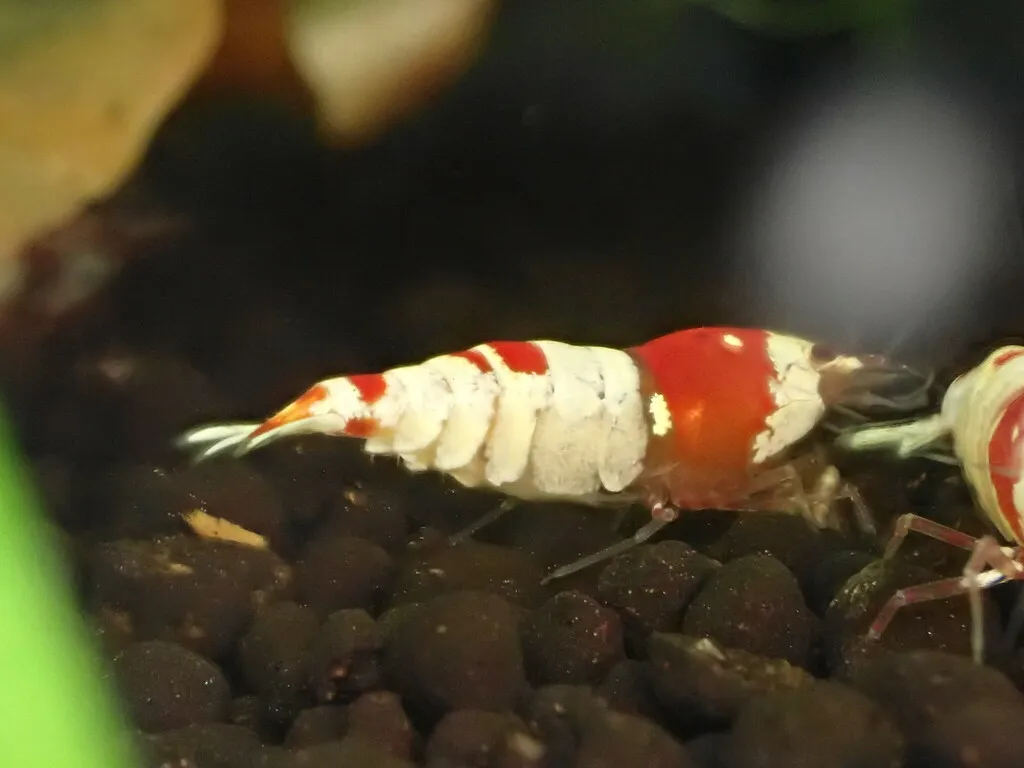
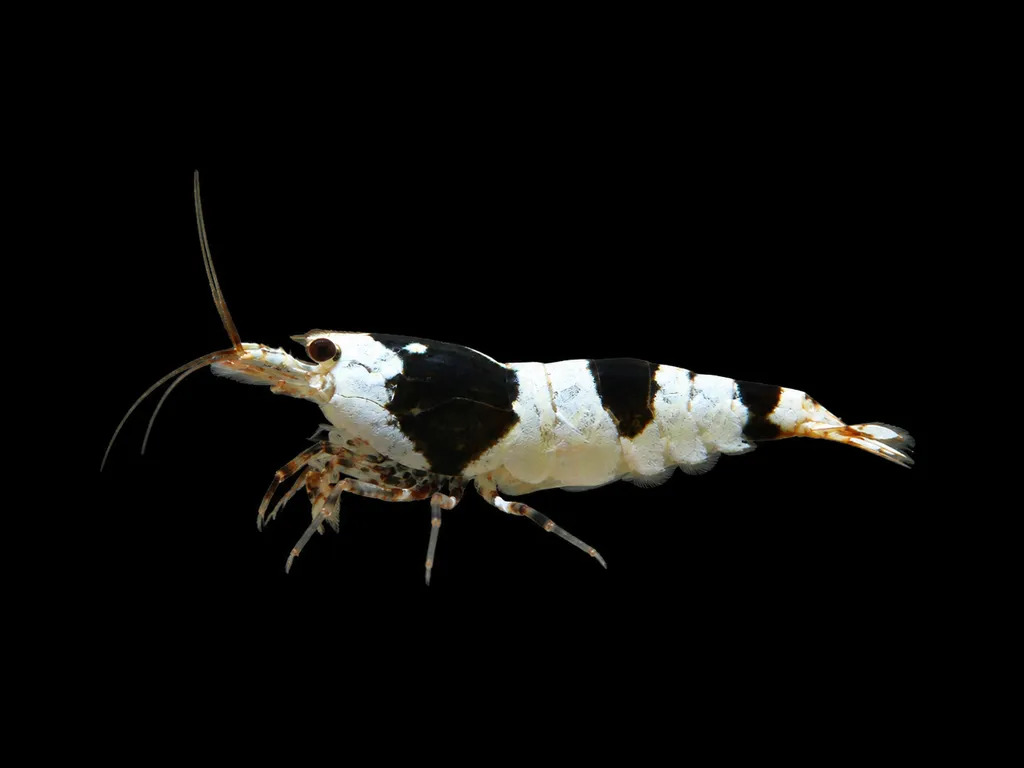
2 lines · care differsCrystal and bee · soft, acidic water
5 gal (20 L) minimum · grows to 1.2 in (3 cm) · 64–75°F (18–24°C) · pH 5.8–6.8
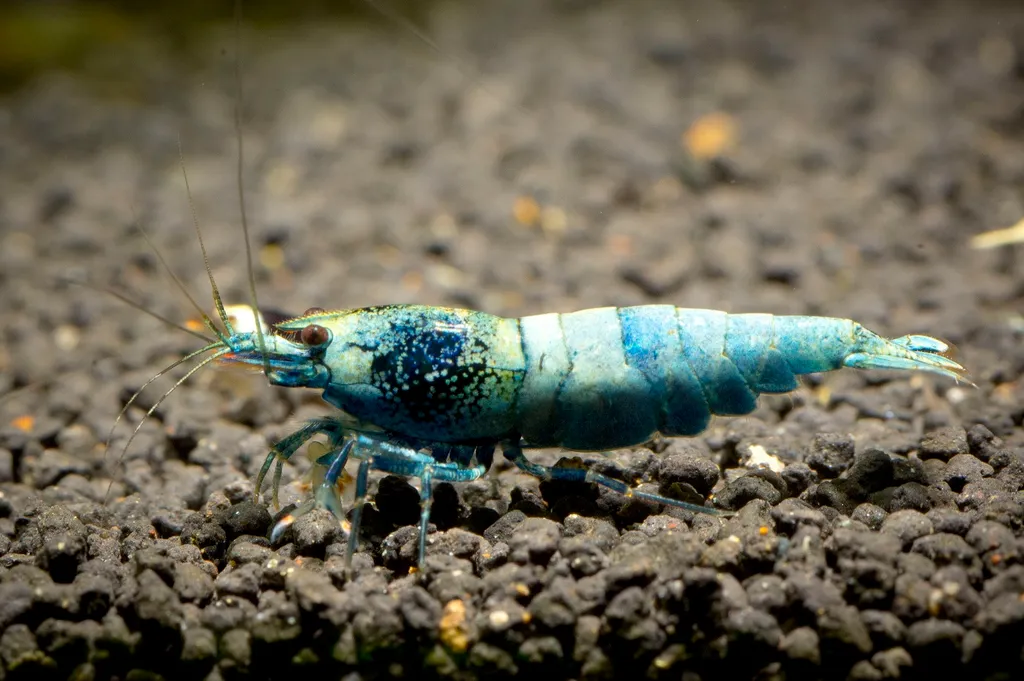
Taiwan bee · stricter, lower pH
5 gal (20 L) minimum · grows to 1.2 in (3 cm) · 64–75°F (18–24°C) · pH 5.2–6.2
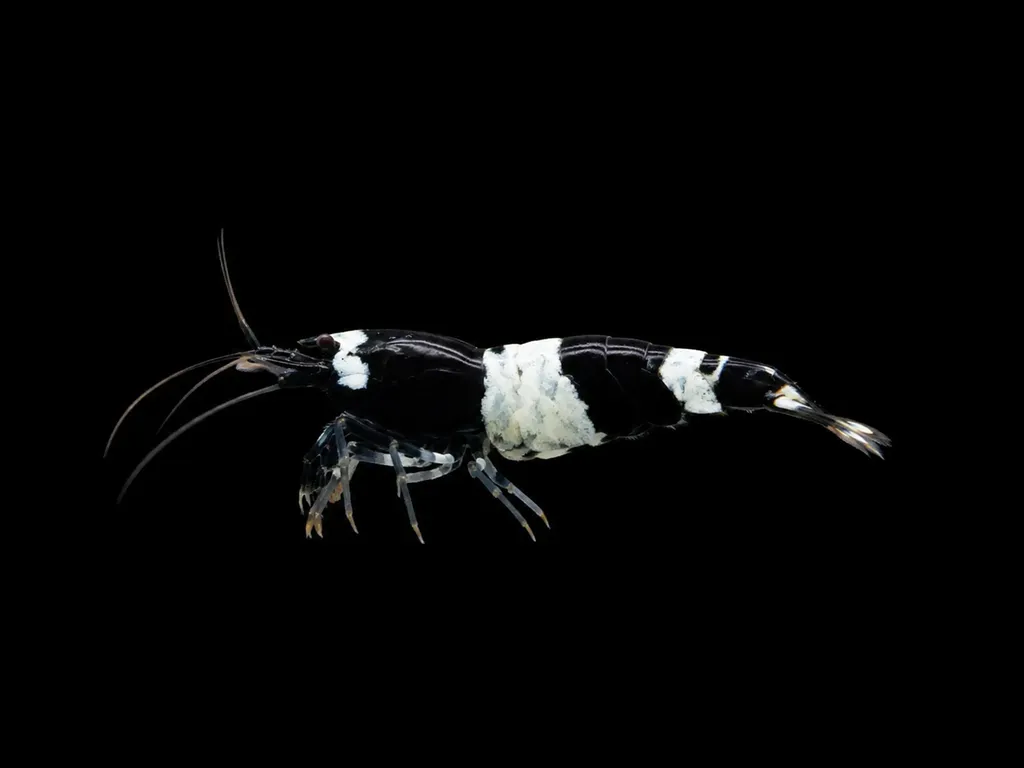
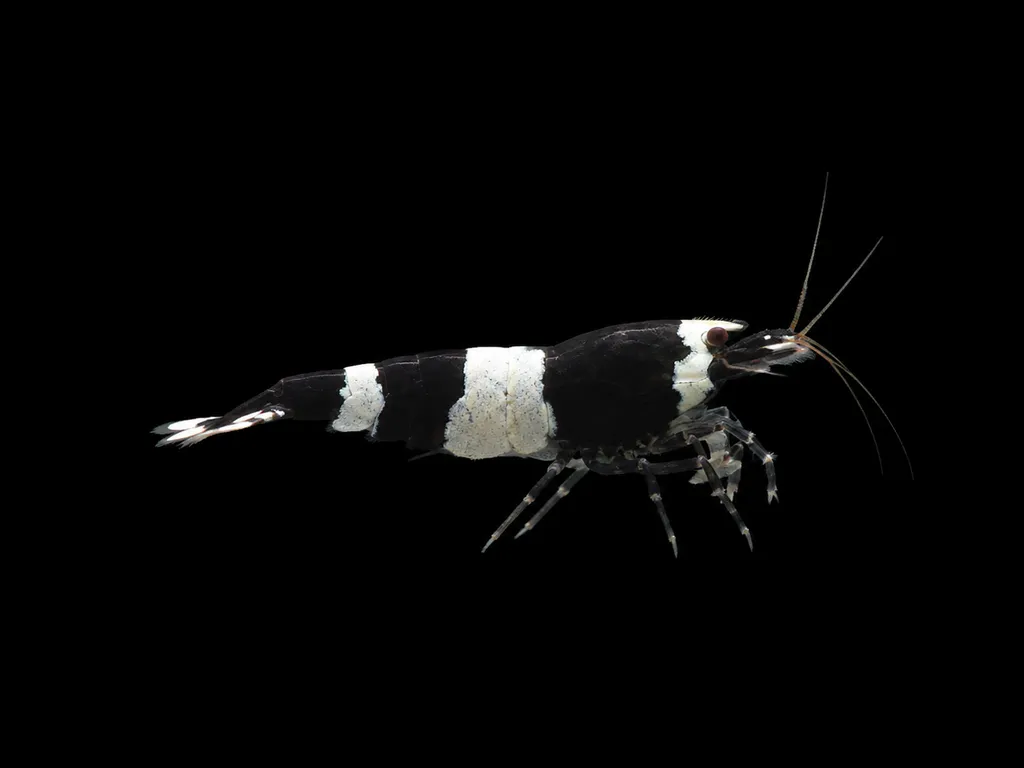
What differs between the lines
The same for every line: cool water, a mature planted tank, active substrate that buffers the pH low, and stable, low-mineral water (most keepers run remineralized RO). The Taiwan bees simply leave less room for error.
One species, several lines
The wild form is the bee shrimp, a small black and white banded shrimp from soft, acidic hill streams in southern China. Crystal red appeared as a red mutation of that stock and was line-bred in Japan in the 1990s; crystal black is the same banding kept in black. The Taiwan bee lines (blue bolt, king kong, panda) arose later from crystal stock in Taiwan. The species was described as Caridina logemanni in 2014, which is why older sources and shop lists still say Caridina cantonensis.
How grades work
Crystal red and crystal black are graded by the amount and cleanness of their white, from C at the bottom through A, S and SS to SSS. A higher grade is the same animal with more coverage, not a different shrimp, but high-grade stock tends to be more inbred, more expensive and a little less forgiving. Grades only apply to the crystal lines; Taiwan bees are sold by pattern name instead.
Keeping lines together
Every line on this page interbreeds. Crossing crystals with Taiwan bees gives mischlings, offspring that look like crystals but carry Taiwan bee genes, which is how breeders produce more Taiwan bees on purpose and how a display colony loses its look by accident. Keep one line per tank unless you are breeding toward something. None of them cross with Neocaridina, so a cherry shrimp colony elsewhere in the rack is safe.
Overview
Keep them in a group; they're social and graze constantly along the bottom and on plants. They are completely peaceful and best kept in a species tank or with very small, gentle tankmates. The hard part is water: they want 19 to 26 C, pH 5.5 to 7.5, soft water, and stable parameters, and they're sensitive to copper and to swings in conditions. Feed them biofilm plus small amounts of shrimp pellets, blanched vegetables, and the occasional protein food.
In the wild
Bee shrimp come from cool, soft, slightly acidic streams in Taiwan and southern China, with shaded water running over leaf litter and rock. That background explains their needs: they want clean, soft water and steady, cool temperatures, not a warm tropical tank. A mature, planted tank with moss and biofilm gives them grazing surfaces and hiding places.
Good to know
This is a dwarf freshwater shrimp in the family Atyidae, reaching about 3 cm. Females carry the eggs under the tail and fan them until they hatch as fully formed miniature shrimp, with no free-swimming larval stage. The well-known Crystal Red and Crystal Black bee shrimp are color forms selectively bred from this species.
Did you know
Bee shrimp are graded by pattern and how solid their white is, and top-grade lines like Crystal Red carry names such as Mosura and Crown for the exact markings. A single high-grade shrimp can sell for far more than the tank it lives in.
Weekly picks
Tank mates
Bee shrimp is a peaceful, social species that keeps to the bottom. These picks share a community profile with it, are safe together in both directions, and overlap on water type, temperature and pH.
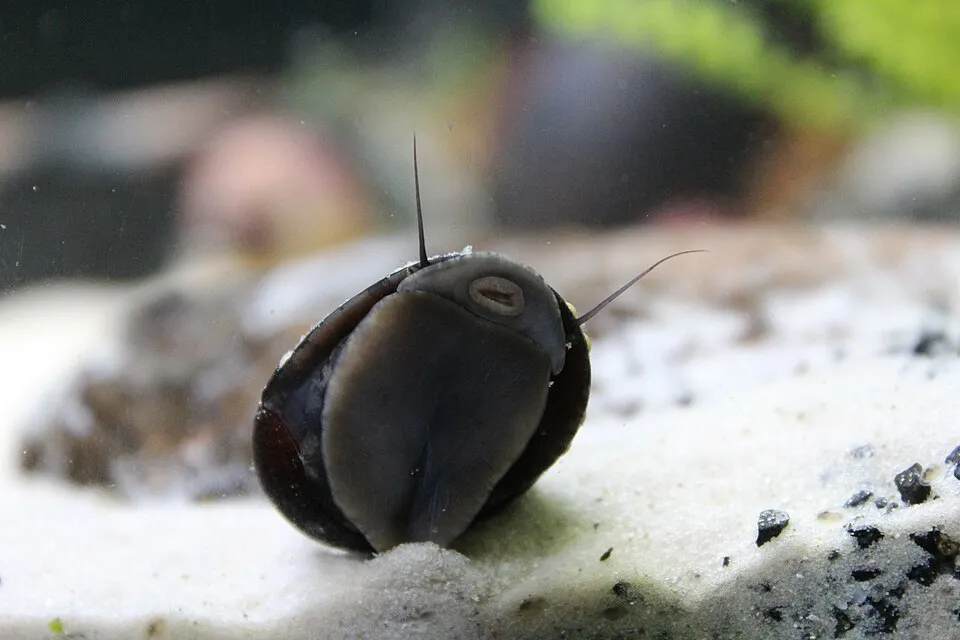
Dusky nerite snail
Neritina pulligera
FreshwaterBrackish1.6 in (4 cm) · 5 gal (20 L)72–82°F (22–28°C)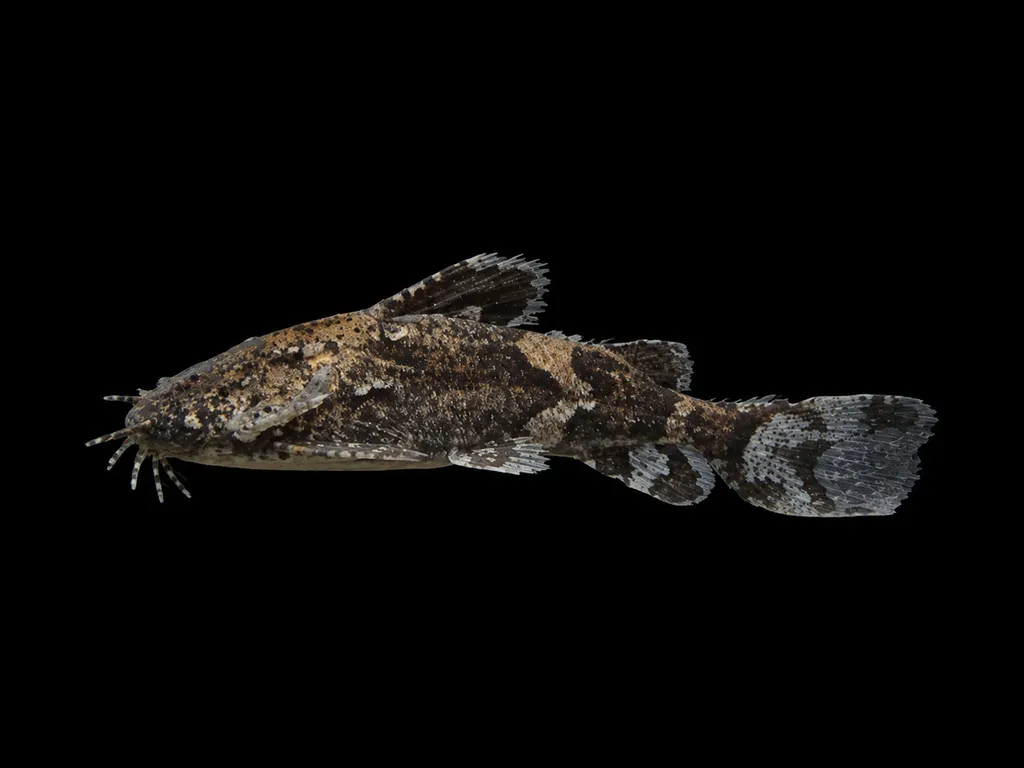
Burmese mini moth catfish
Hara minuscula
Freshwater1.2 in (3 cm) · 11 gal (40 L)68–79°F (20–26°C)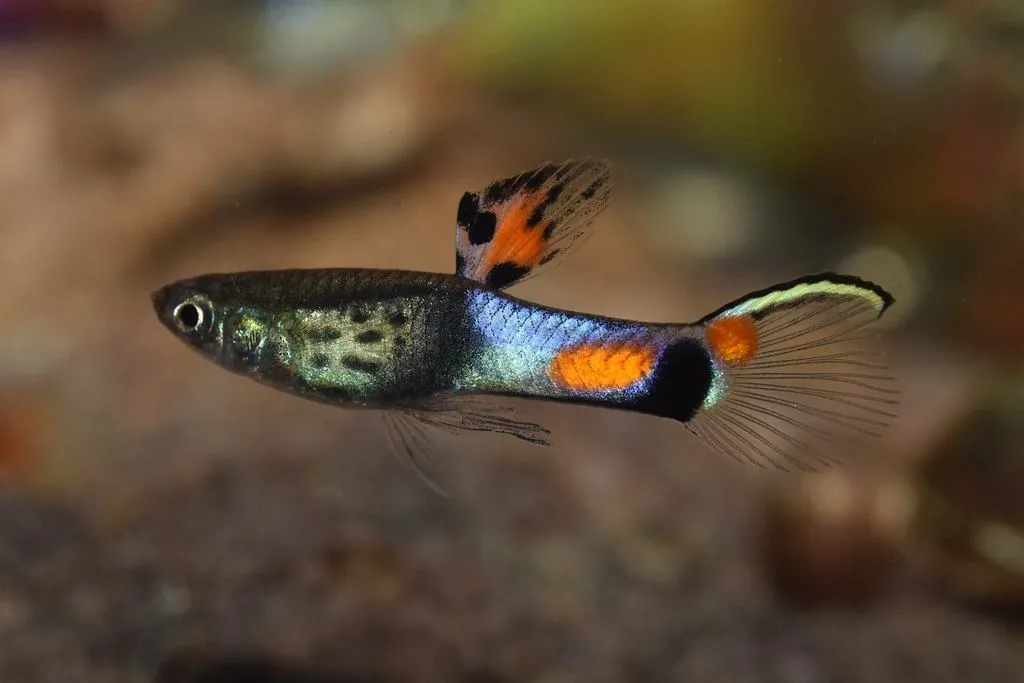
Endler's livebearer
Poecilia wingei
FreshwaterBrackish1.6 in (4 cm) · 5 gal (20 L)72–86°F (22–30°C)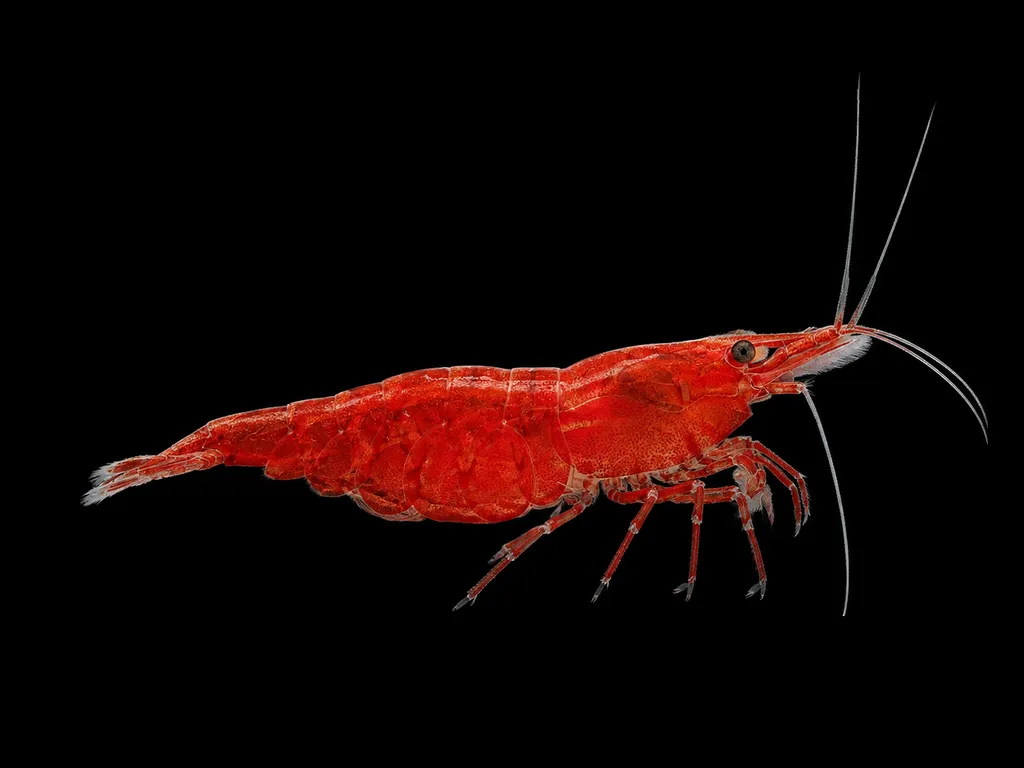
Neocaridina shrimp
Neocaridina davidi
Freshwater1.6 in (4 cm) · 5 gal (20 L)59–84°F (15–29°C)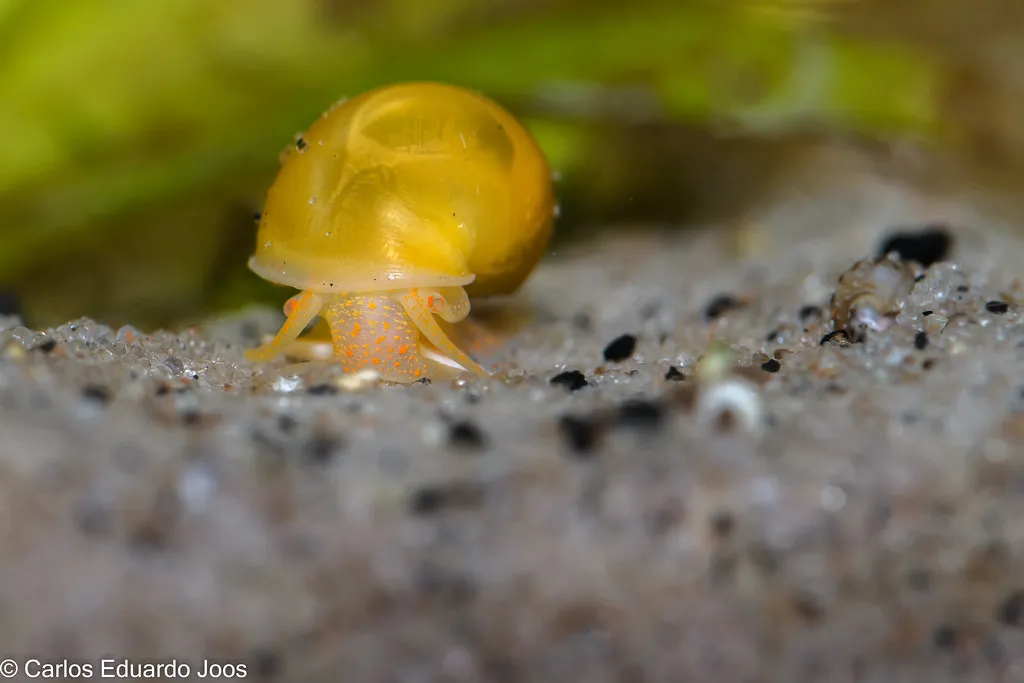
Mystery snail
Pomacea diffusa
Freshwater2 in (5 cm) · 5 gal (20 L)70–79°F (21–26°C)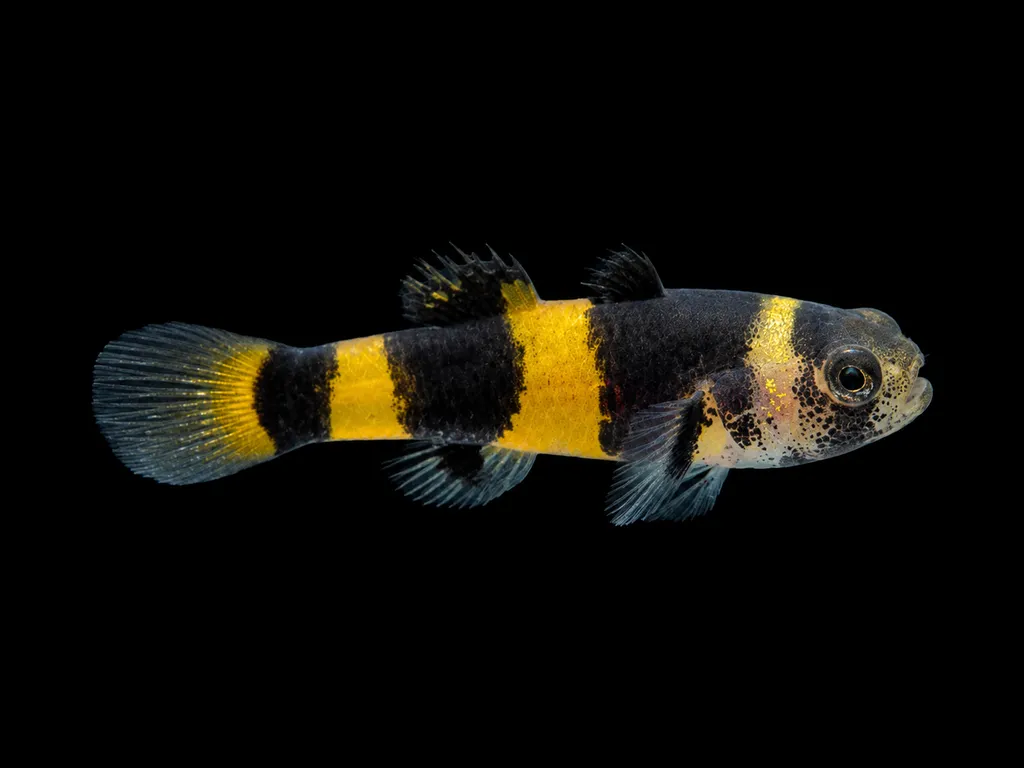
Mini bumblebee goby
Brachygobius xanthomelas
Freshwater0.8 in (2 cm) · 5 gal (20 L)75–82°F (24–28°C)
Common questions
Are Taiwan bees harder to keep?
Yes. They want the same cool, soft water as the crystals but at a lower pH of 5.2–6.2, held very stable, and they are less forgiving of swings. Most keepers start with crystal red or crystal black and move on once a colony is thriving.
Can crystal red and crystal black live together?
Yes, the water is identical. They interbreed freely though, and the offspring mix the two patterns, so keep them apart if you want clean lines.
Is this the same shrimp as Caridina cantonensis?
In the hobby, yes. Bee shrimp were sold as Caridina cantonensis for decades; a 2014 revision described the hobby stock as its own species, Caridina logemanni, and the old name is still common on shop lists.
What size tank does a Bee shrimp need?
A Bee shrimp needs at least 5 gal (20 L). It spends most of its time in the bottom.
What temperature and pH does a Bee shrimp need?
A Bee shrimp is comfortable at 64–75°F (18–24°C) with a pH of 5.8–6.8.
How big does a Bee shrimp get?
An adult Bee shrimp reaches about 1.2 in (3 cm).
Related species
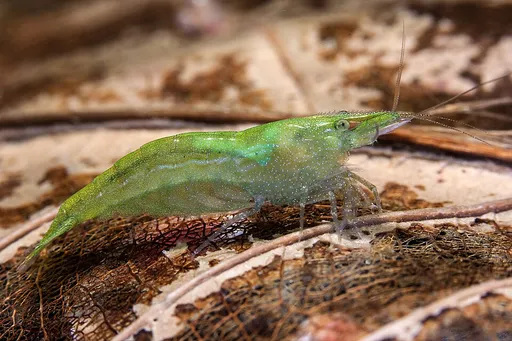 1.2 in (3 cm)10 gal (38 L)72–82°F (22–28°C)
Green babaulti shrimp
Caridina babaulti
1.2 in (3 cm) · 10 gal (38 L)
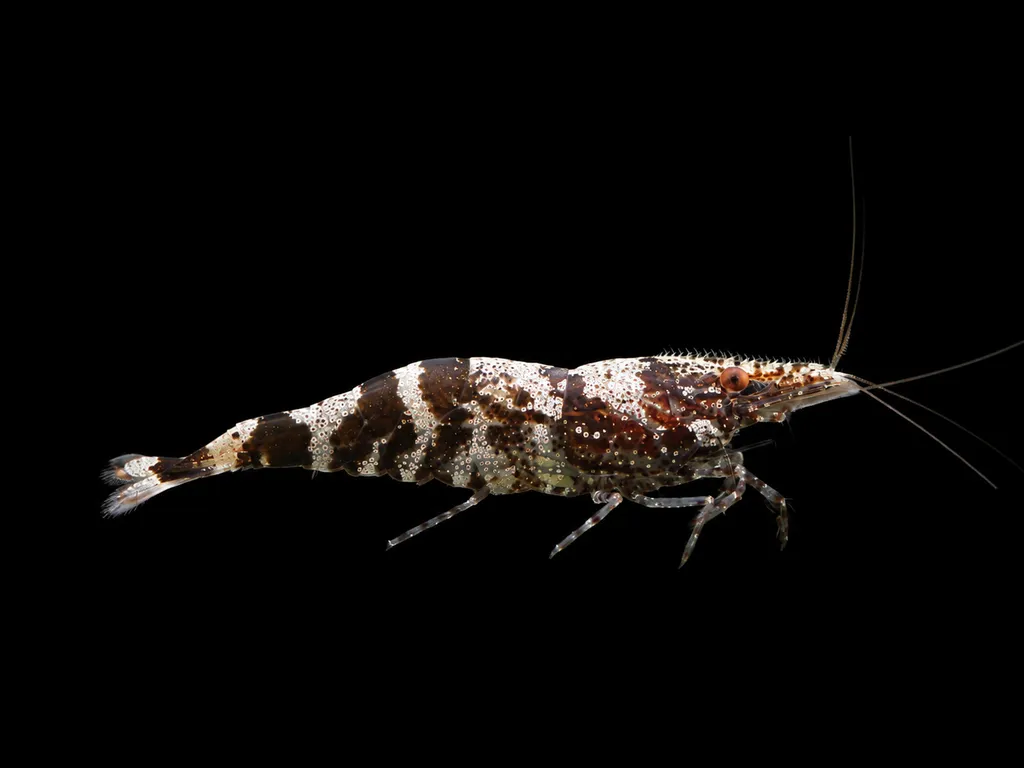 1.2 in (3 cm)5 gal (20 L)73–82°F (23–28°C)
Ninja shrimp
Caridina serratirostris
1.2 in (3 cm) · 5 gal (20 L)
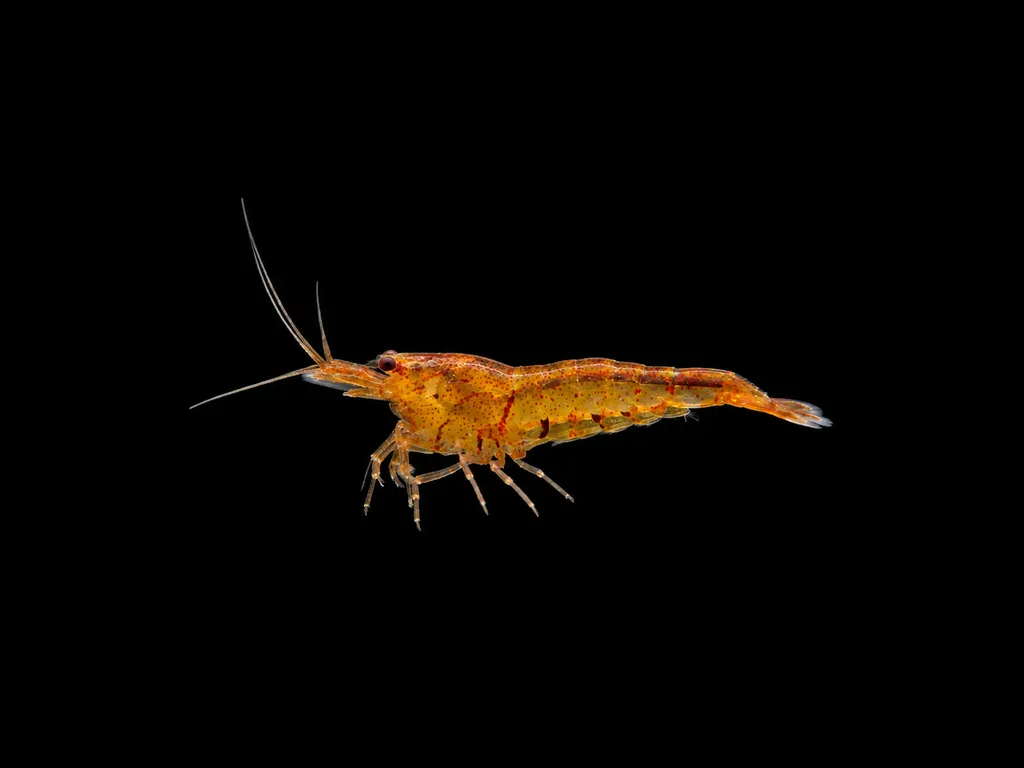 1.2 in (3 cm)5 gal (20 L)68–79°F (20–26°C)
Tangerine tiger shrimp
Caridina serrata
1.2 in (3 cm) · 5 gal (20 L)
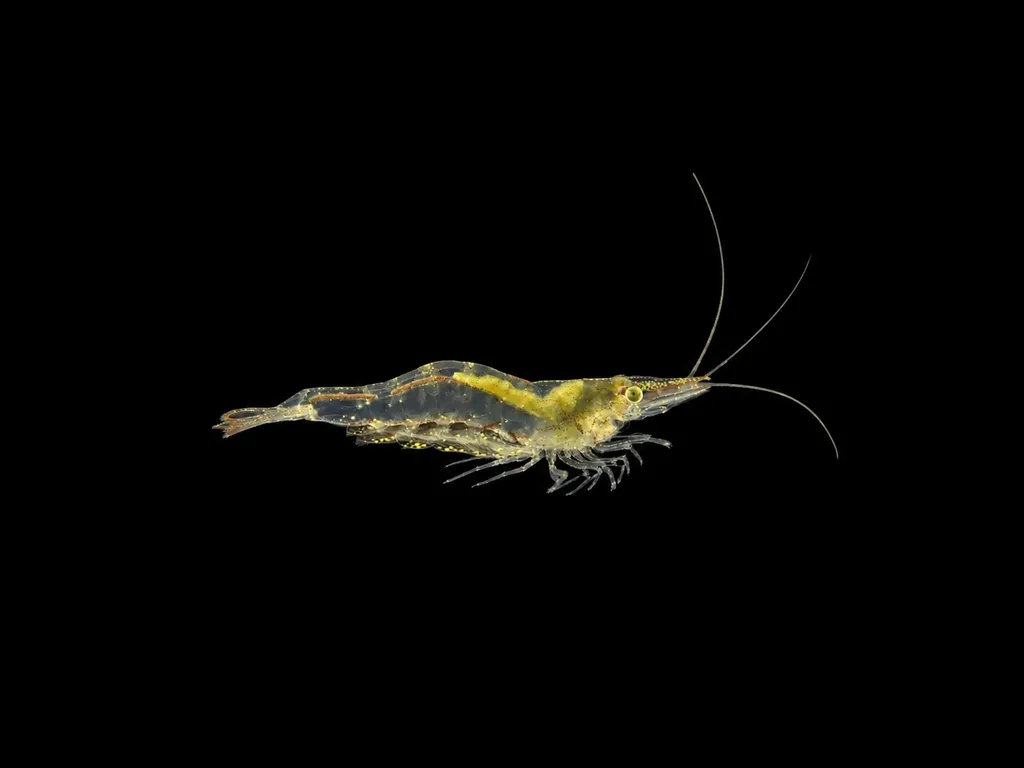 1.4 in (3.5 cm)5 gal (20 L)73–82°F (23–28°C)
Short-nose algae shrimp
Caridina longirostris
1.4 in (3.5 cm) · 5 gal (20 L)
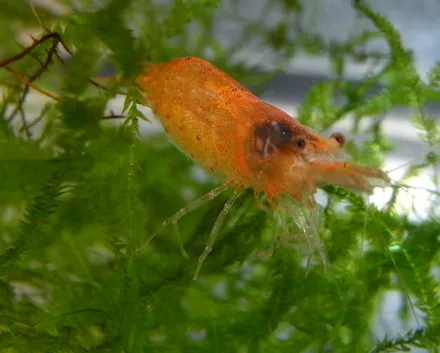 1.4 in (3.5 cm)5 gal (20 L)73–82°F (23–28°C)
Sunkist shrimp
Caridina thambipillai
1.4 in (3.5 cm) · 5 gal (20 L)
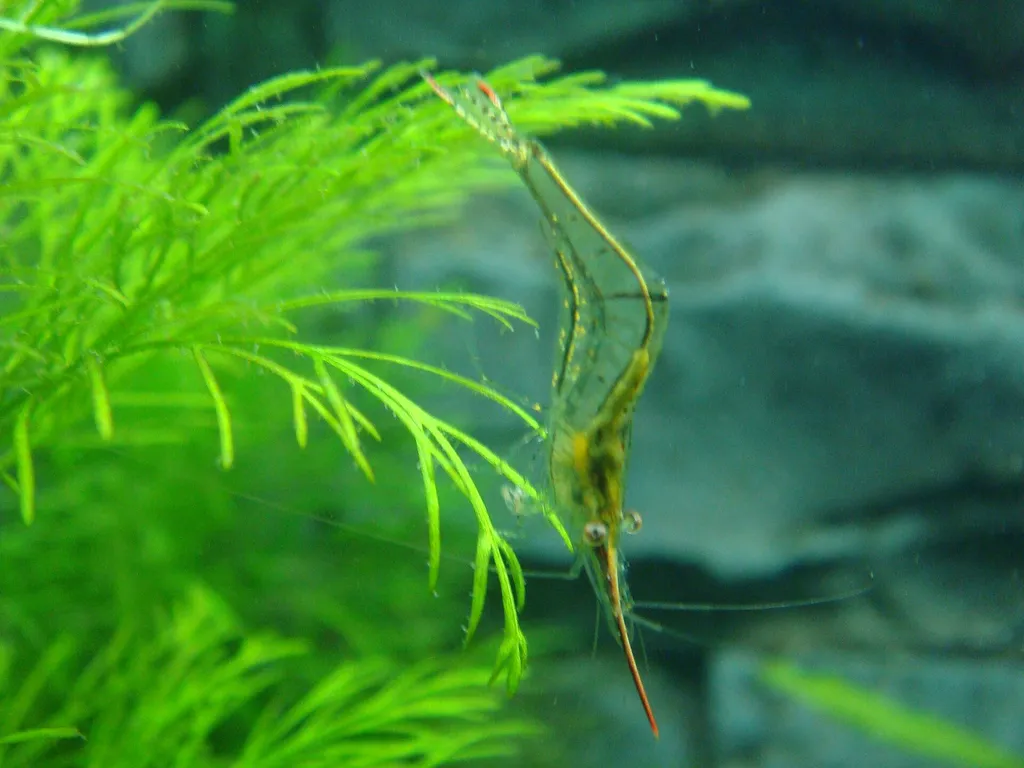 1.6 in (4 cm)5 gal (20 L)73–82°F (23–28°C)
Red skunk shrimp
Caridina gracilirostris
1.6 in (4 cm) · 5 gal (20 L)