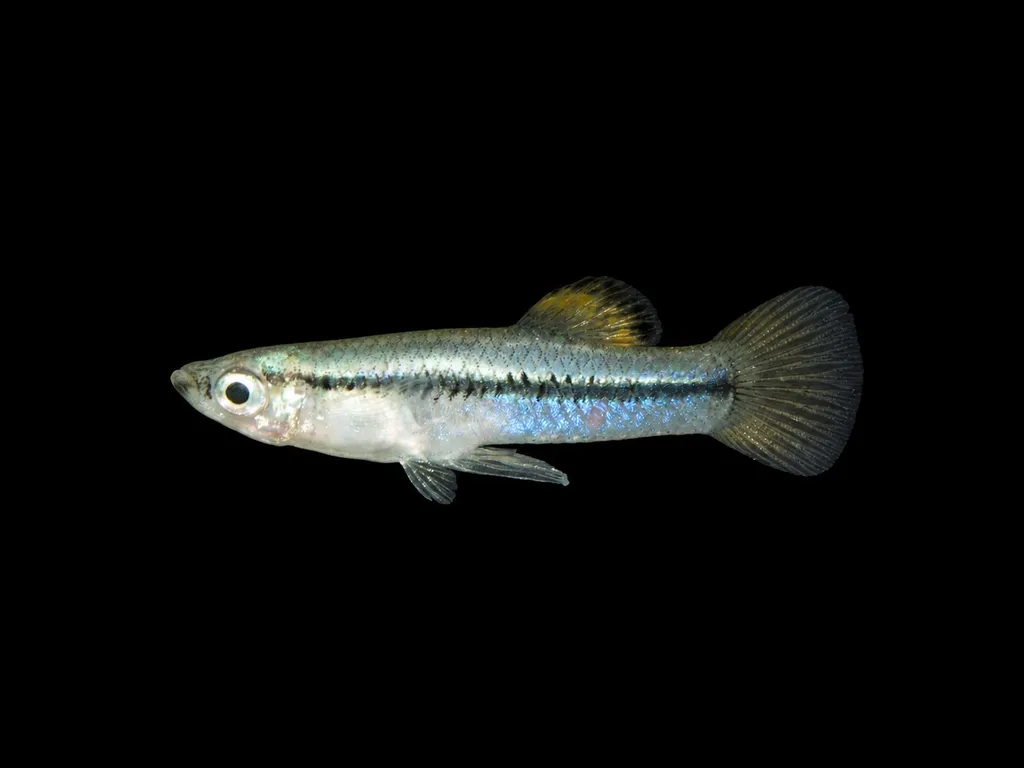
Least killifish
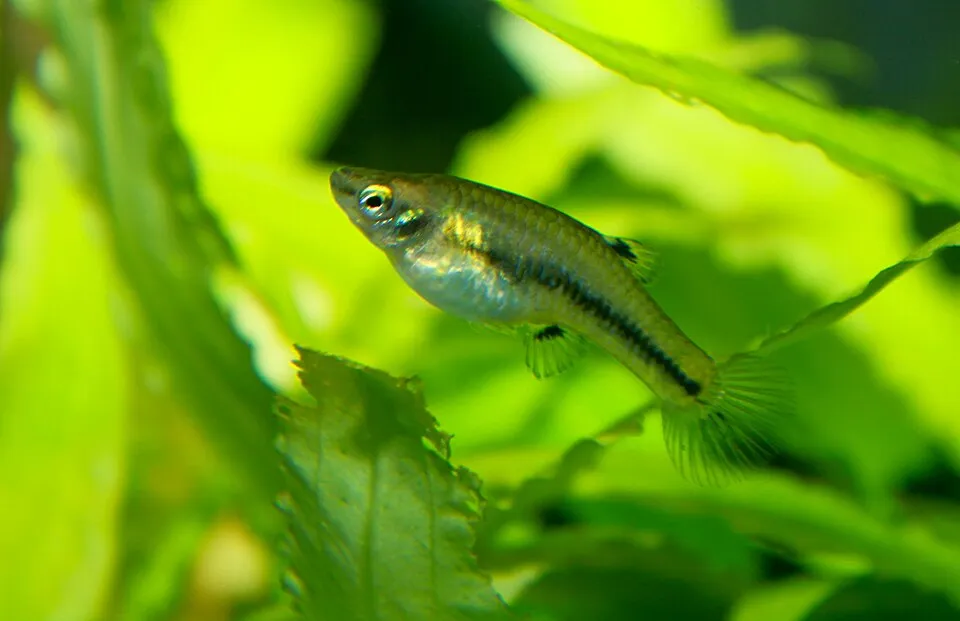
Heterandria formosa
FreshwaterBrackishFish
Care at a glance
- Temperature
- 68–79°F
- 20–26°C
- pH
- 6.5–7.5
- Adult size
- 1.4 in
- 3.5 cm
- Minimum tank
- 5 gal
- 20 L
- Temperament
- Peaceful
- Social behavior
- Social
- Swim level
- Middle
- Difficulty
- Easy
- Breeding
- Medium
- Rarity
- Rare
- Family
- Poeciliidae
- Origin
- United States
Overview
These are peaceful, easy little fish best kept in a small group among plants. They hang around the mid water near vegetation and pick at small foods all day. Feed crushed flake, micro-pellets, and small live or frozen foods like daphnia and baby brine shrimp. Keep them in temps from the low to mid 20s C with calm water and no large or boisterous tankmates that might eat them.
In the wild
Least killifish come from the southeastern United States, in Florida, Georgia, and the Carolinas. They live in warm, weedy, slow water such as swamps, ditches, ponds, and quiet streams with soft bottoms and lots of plants. A heavily planted tank with gentle flow copies that closely. They are tiny and tolerant, so even a 20 liter setup with dense planting suits a small group.
Good to know
Heterandria formosa is in the family Poeciliidae, the same family as guppies and mollies, so despite the name it is not a true killifish. It is one of the smallest fish in the world, with females around 3.5 cm and males near 2 cm. It is a livebearer, and females can store sperm and produce young for months from a single mating. The species is listed as Least Concern.
Did you know
Instead of dropping a whole brood at once like most livebearers, a female least killifish releases just one or a few fry every day or two over a stretch of time. This drawn-out delivery, called superfetation, means she carries young at different stages of development at the same time.
Weekly picks
Tank mates
Least killifish is a peaceful, social species that keeps to the middle. These picks share a community profile with it, are safe together in both directions, and overlap on water type, temperature and pH.
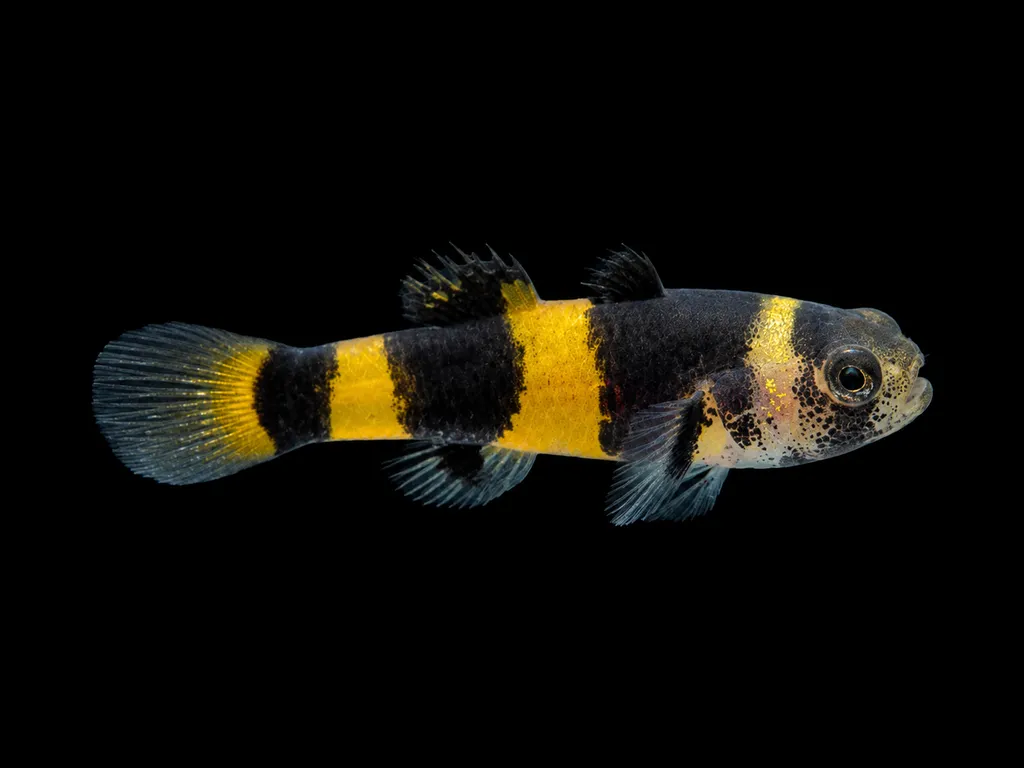
Mini bumblebee goby
Brachygobius xanthomelas
Freshwater0.8 in (2 cm) · 5 gal (20 L)75–82°F (24–28°C)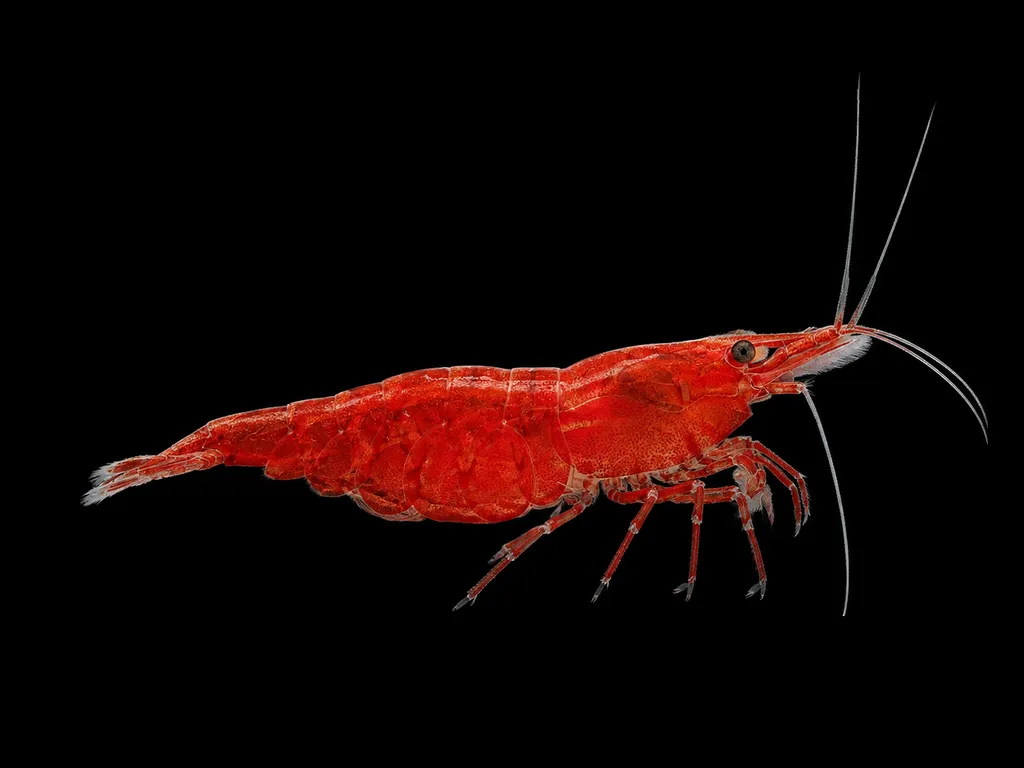
Neocaridina shrimp
Neocaridina davidi
Freshwater1.6 in (4 cm) · 5 gal (20 L)59–84°F (15–29°C)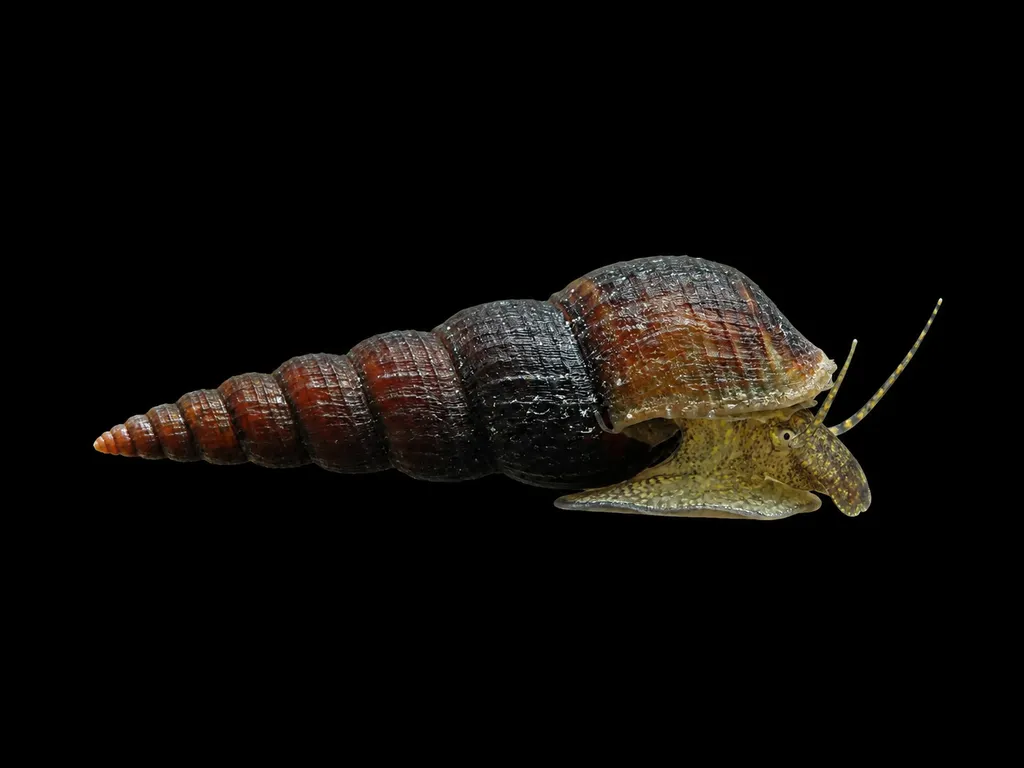
Mahogany trumpet snail
Melanoides maculata
Freshwater1.6 in (4 cm) · 5 gal (20 L)72–82°F (22–28°C)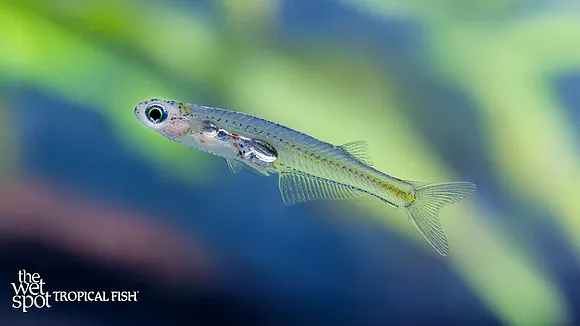
Bengal glass danio
Danionella priapus
Freshwater0.7 in (1.9 cm) · 5 gal (20 L)72–79°F (22–26°C)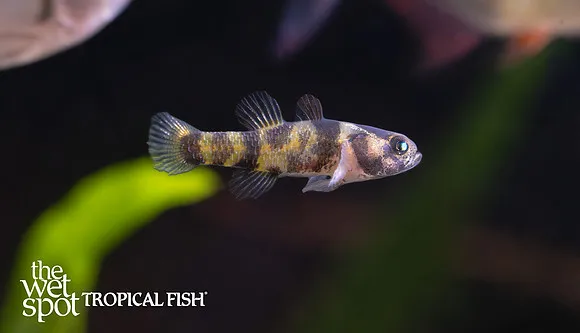
Micro bumblebee goby
Brachygobius nunus
FreshwaterBrackish1 in (2.5 cm) · 5 gal (20 L)73–82°F (23–28°C)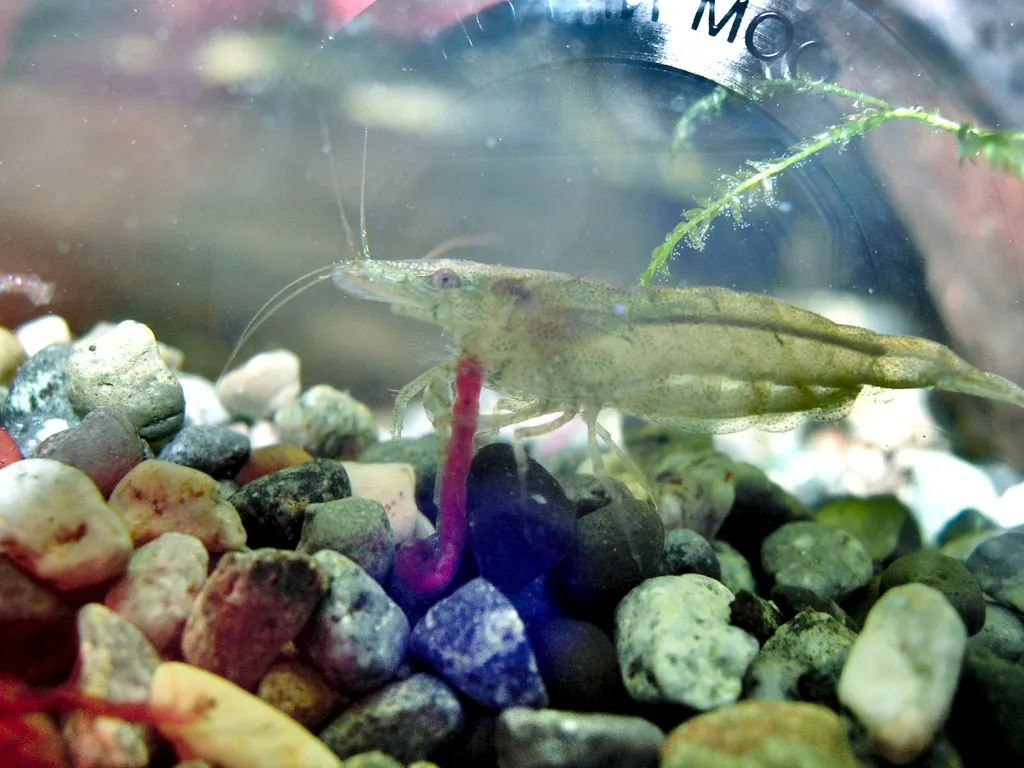
Okinawa cleaner shrimp
Neocaridina denticulata
Freshwater1.2 in (3 cm) · 5 gal (20 L)64–79°F (18–26°C)
Common questions
What size tank does a Least killifish need?
A Least killifish needs at least 5 gal (20 L). It spends most of its time in the middle.
What temperature and pH does a Least killifish need?
A Least killifish is comfortable at 68–79°F (20–26°C) with a pH of 6.5–7.5.
How big does a Least killifish get?
An adult Least killifish reaches about 1.4 in (3.5 cm).
Related species
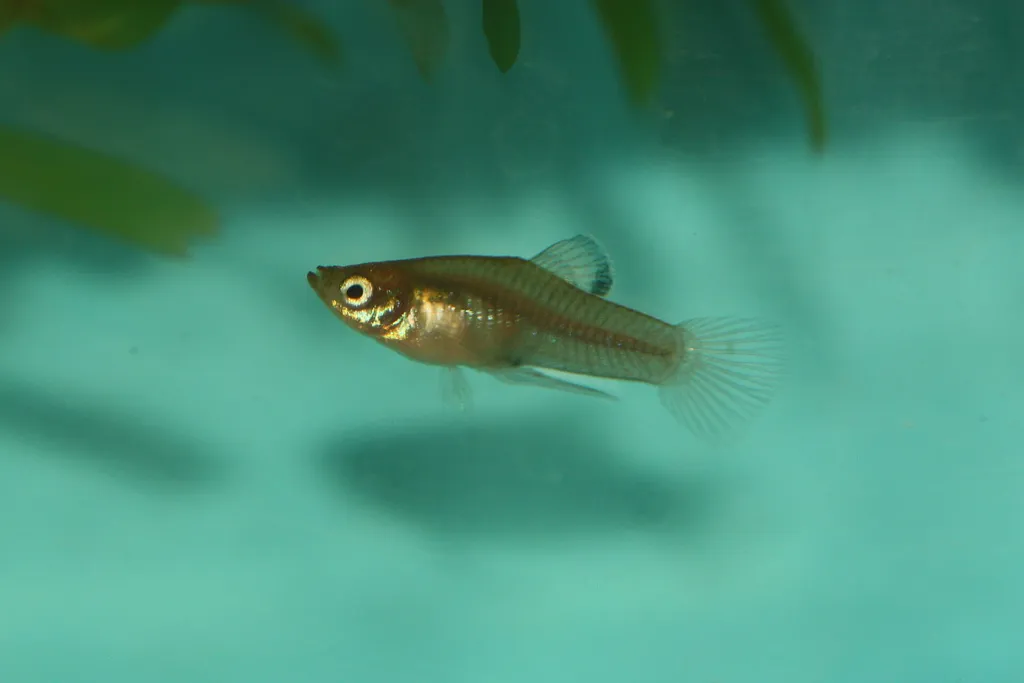 1.4 in (3.5 cm)11 gal (40 L)72–81°F (22–27°C)
Dwarf merry widow
Phallichthys tico
1.4 in (3.5 cm) · 11 gal (40 L)
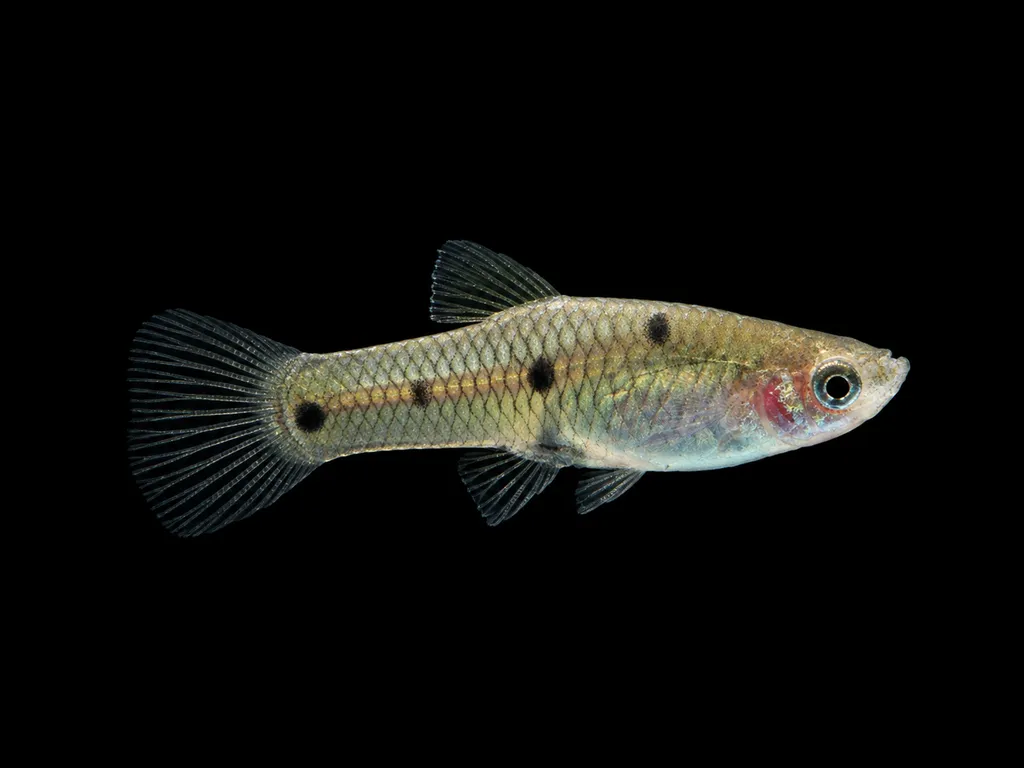 1.4 in (3.5 cm)11 gal (40 L)68–86°F (20–30°C)
Fourspotted toothcarp
Phallichthys quadripunctatus
1.4 in (3.5 cm) · 11 gal (40 L)
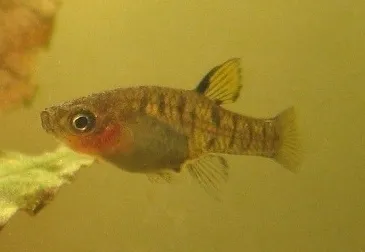 1.3 in (3.4 cm)11 gal (40 L)72–82°F (22–28°C)
Black-barred livebearer
Quintana atrizona
1.3 in (3.4 cm) · 11 gal (40 L)
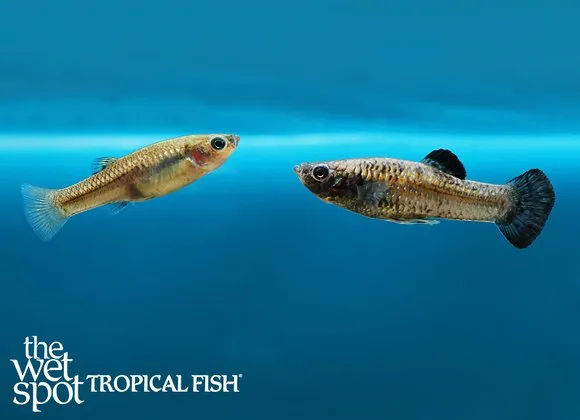 1.6 in (4 cm)11 gal (40 L)72–81°F (22–27°C)
Dwarf molly
Poecilia chica
1.6 in (4 cm) · 11 gal (40 L)
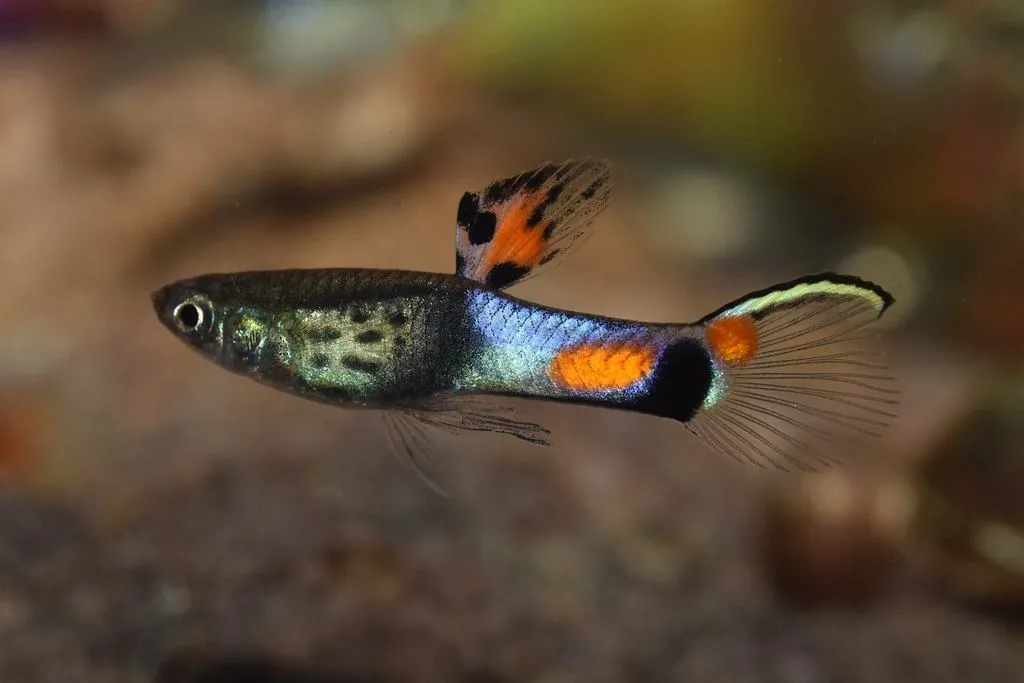 1.6 in (4 cm)5 gal (20 L)72–86°F (22–30°C)
Endler's livebearer
Poecilia wingei
1.6 in (4 cm) · 5 gal (20 L)
 1.8 in (4.5 cm)14 gal (54 L)72–81°F (22–27°C)
Blackline mosquitofish
Gambusia vittata
1.8 in (4.5 cm) · 14 gal (54 L)