One species · 4 varieties
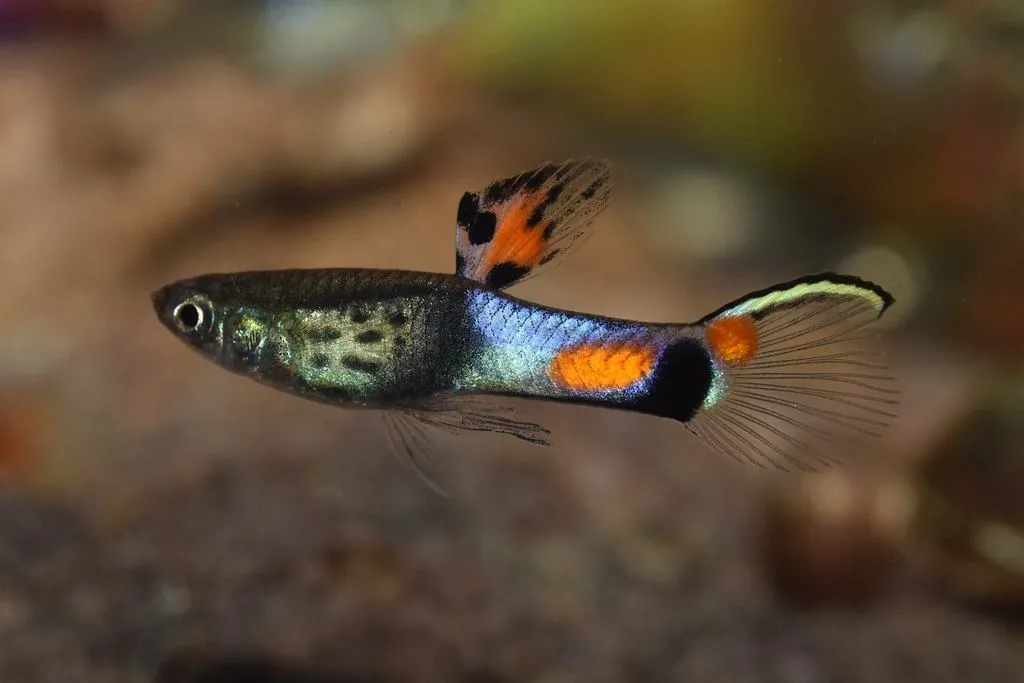
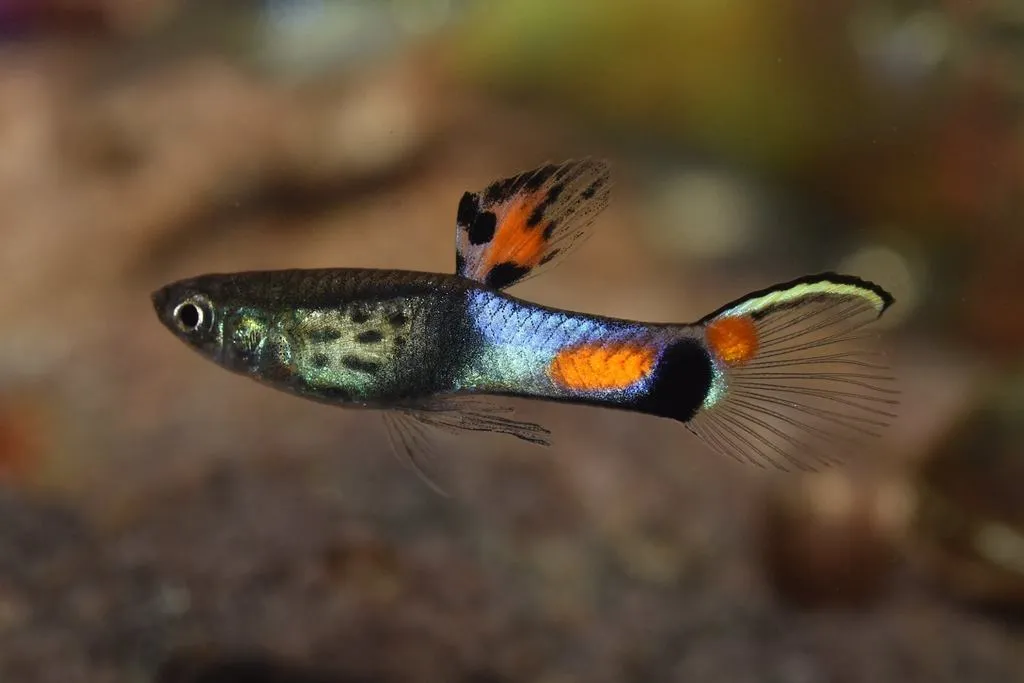
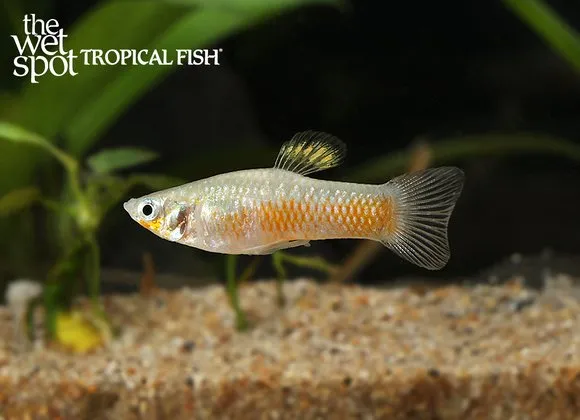
Endler's livebearer
Poecilia wingei
Also known as endler guppy
FreshwaterBrackishFish
Care at a glance
- Temperature
- 72–86°F
- 22–30°C
- pH
- 6.5–7.5
- Adult size
- 1.6 in
- 4 cm
- Minimum tank
- 5 gal
- 20 L
- Temperament
- Peaceful
- Social behavior
- Social
- Swim level
- Middle
- Difficulty
- Beginner
- Breeding
- Easy
- Rarity
- Very common
- Family
- Poeciliidae
- Origin
- Venezuela
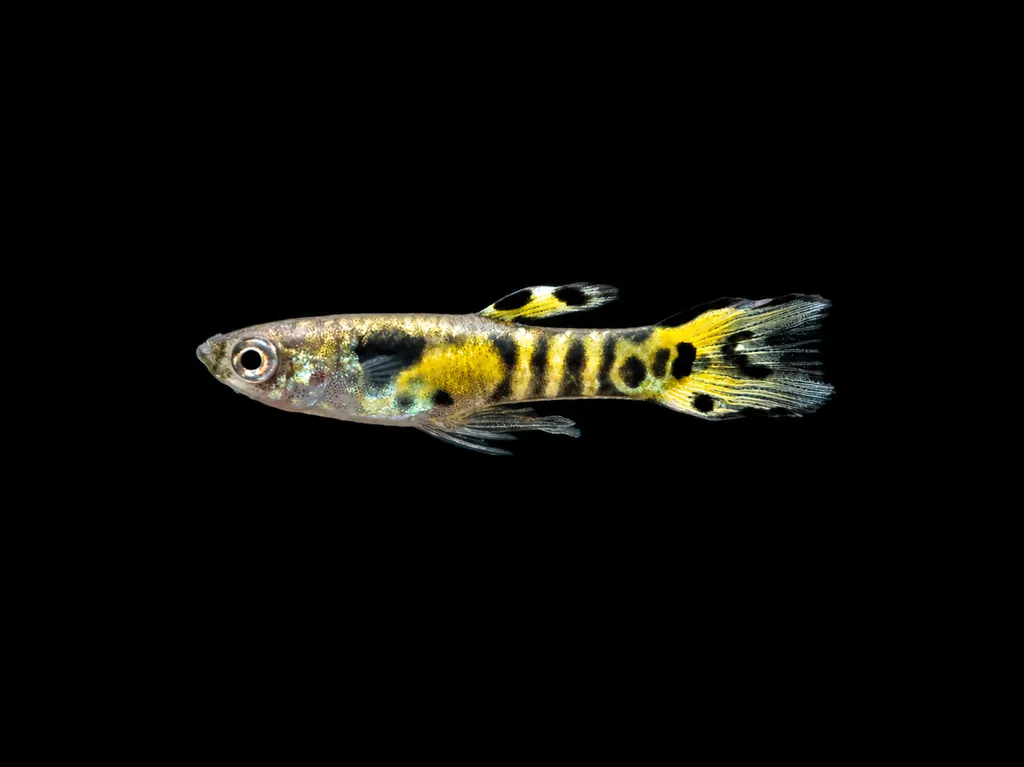
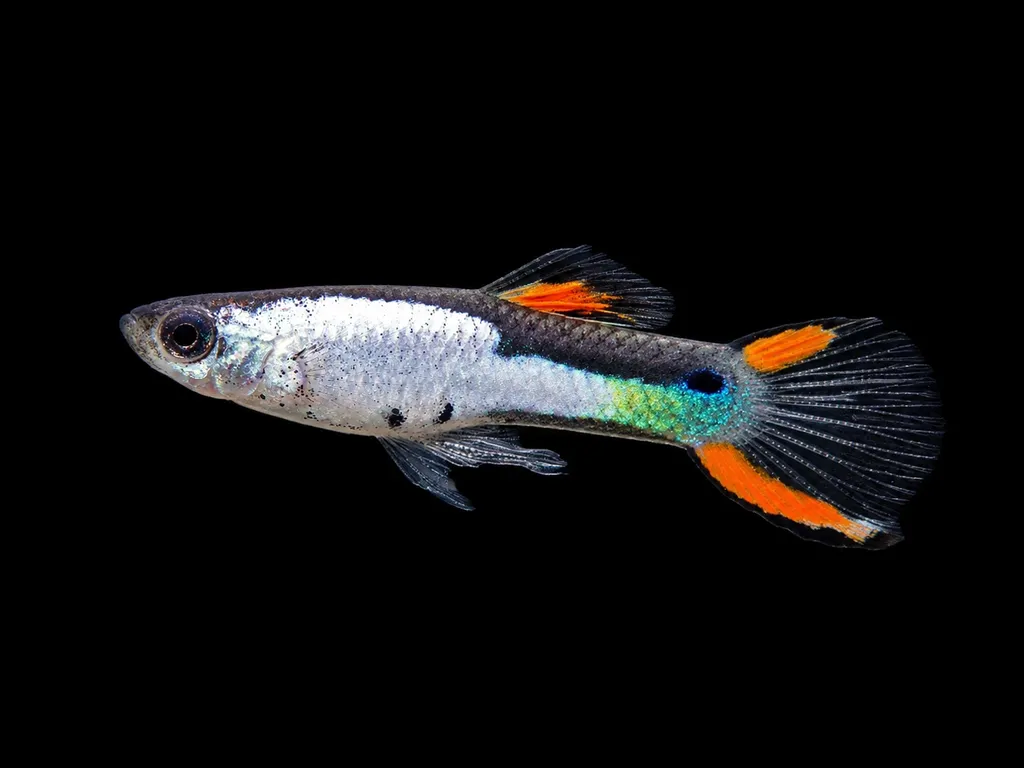
Pick a variety
One setup covers every line on this page: care is the species' care.
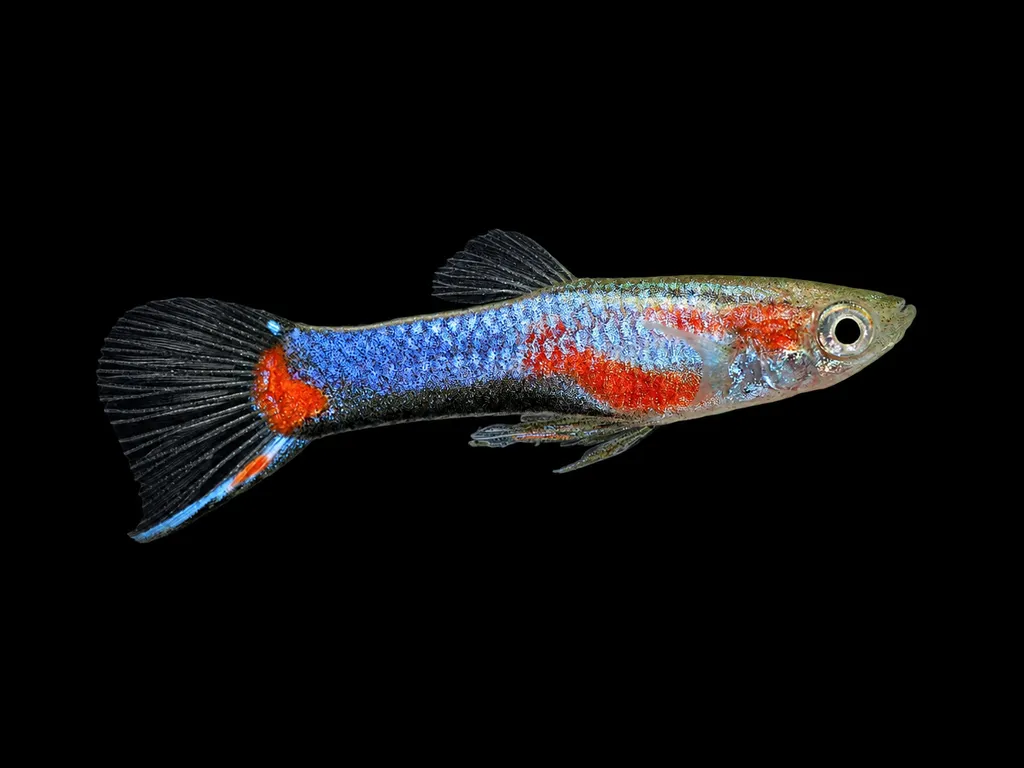
Overview
They are peaceful, active fish that do best in a group. Keep more females than males to spread out the males' constant courtship and reduce stress on any one female. They cruise the middle and upper water. Feed quality flake, micro pellets, and the occasional frozen brine shrimp or daphnia. A 20 liter tank can hold a small colony, but expect numbers to climb fast since they breed readily.
In the wild
Endler's livebearers come from warm lagoons and small streams in northeastern Venezuela, around the Paria Peninsula. The water is usually clear, warm, and slightly alkaline, with heavy plant growth that shelters them and the tiny invertebrates they eat. A planted tank with floating plants and a temperature anywhere from the low 20s to around 30 C suits them. They handle pH from 6.5 to 7.5 well.
Good to know
This is a poeciliid, closely related to the common guppy, and the two will interbreed. Males stay small at roughly 2.5 cm, while females grow to about 4 cm. They are livebearers, dropping batches of fully formed fry rather than laying eggs. Wild populations are limited in range and under pressure from habitat loss and pollution.
Did you know
Because they breed so easily and stay small, a single trio can fill a tank with fry in a few months with no effort on your part. Many keepers use them as a steady source of live food for larger fish, since the colony replaces itself faster than the predators can eat it.
Weekly picks
Tank mates
Every variety on this page wants the same water, so one set of picks fits them all. These picks match on water type, temperature, pH, size and temperament.
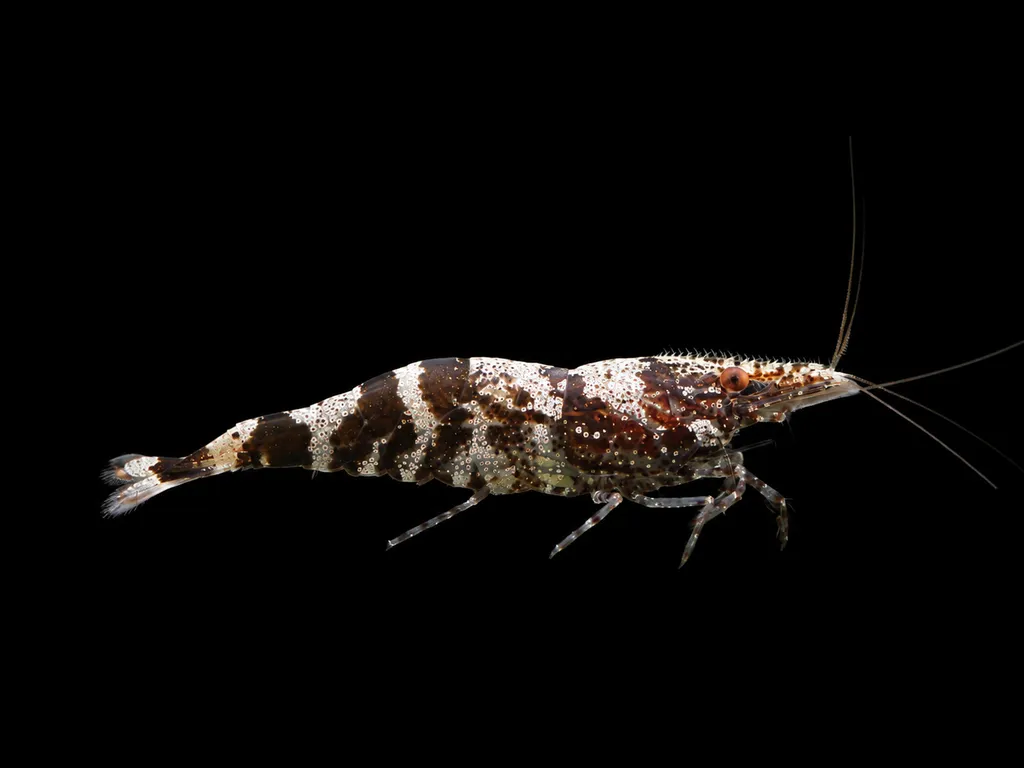
Ninja shrimp
Caridina serratirostris
Freshwater1.2 in (3 cm) · 5 gal (20 L)73–82°F (23–28°C)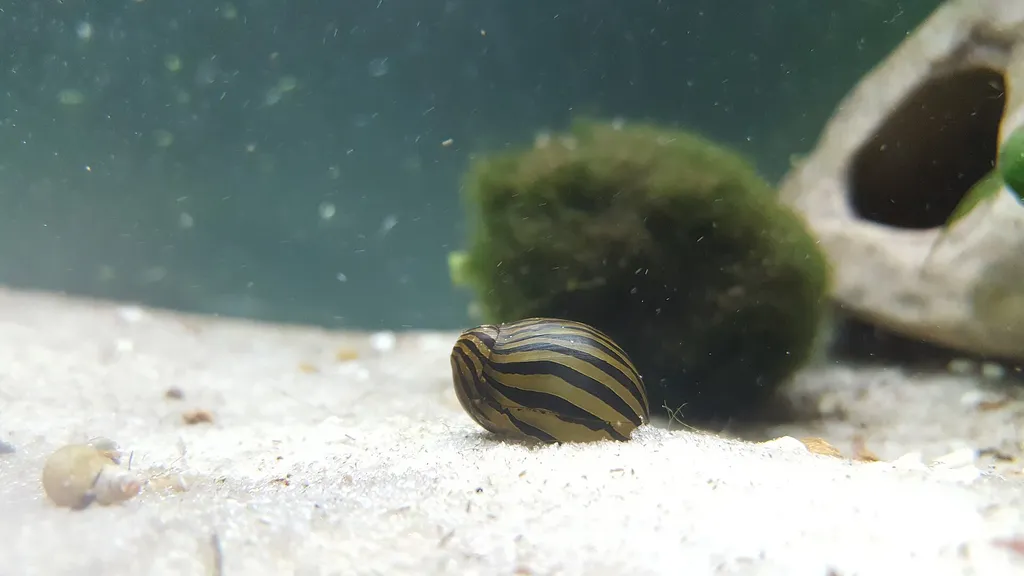
Zebra nerite
Vittina natalensis
FreshwaterBrackish1 in (2.5 cm) · 5 gal (20 L)66–84°F (19–29°C)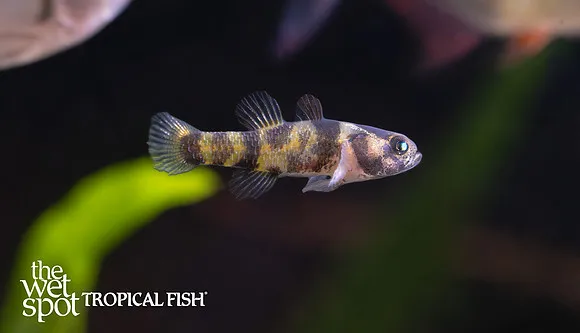
Micro bumblebee goby
Brachygobius nunus
FreshwaterBrackish1 in (2.5 cm) · 5 gal (20 L)73–82°F (23–28°C)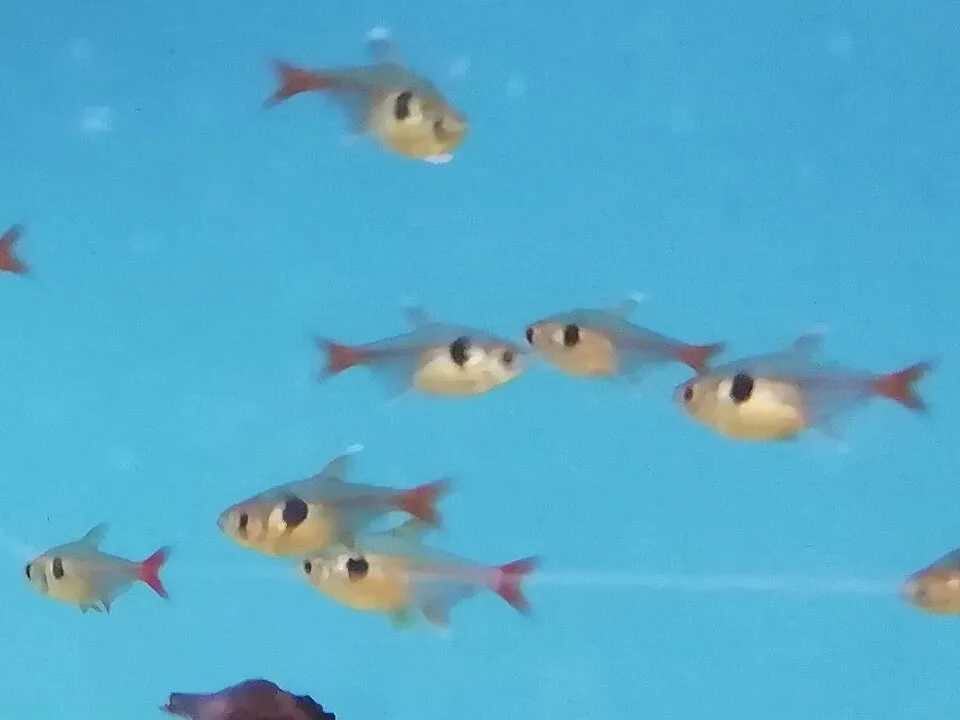
Yellow phantom tetra
Hyphessobrycon roseus
Freshwater0.8 in (2 cm) · 7 gal (25 L)68–82°F (20–28°C)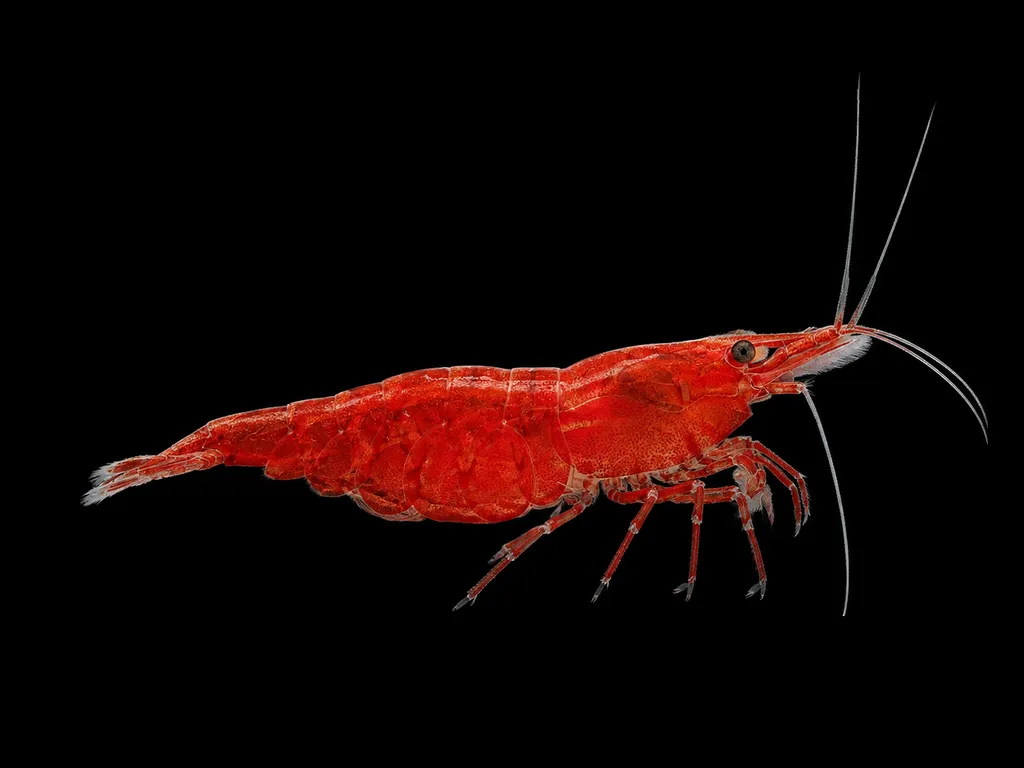
Neocaridina shrimp
Neocaridina davidi
Freshwater1.6 in (4 cm) · 5 gal (20 L)59–84°F (15–29°C)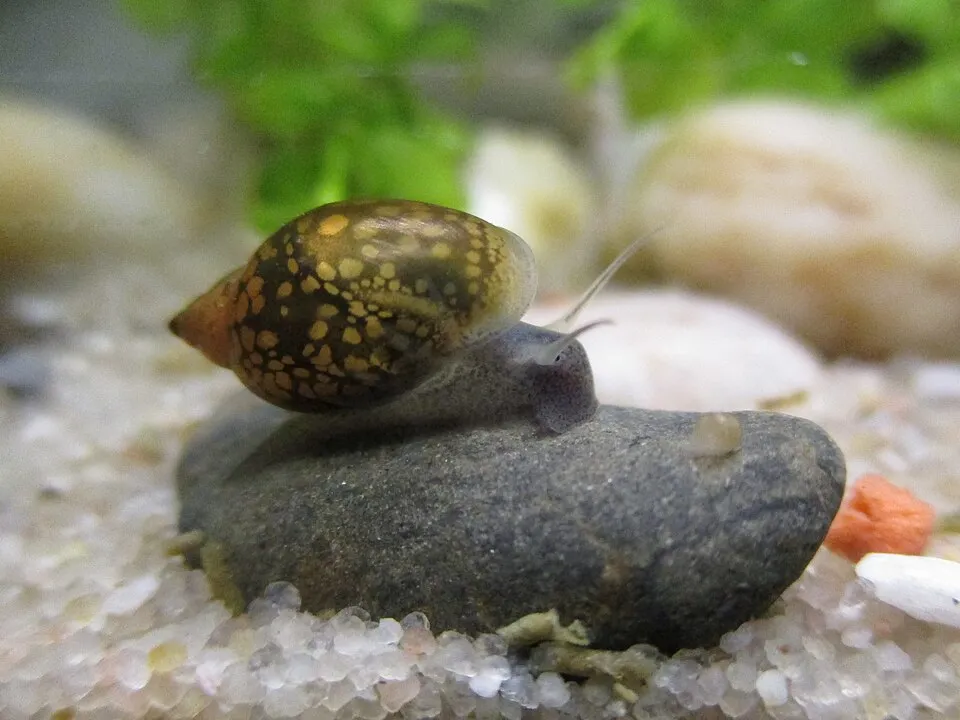
Bladder snail
Physella acuta
Freshwater0.6 in (1.5 cm) · 5 gal (20 L)57–86°F (14–30°C)
Common questions
What size tank does an Endler's livebearer need?
An Endler's livebearer needs at least 5 gal (20 L). It spends most of its time in the middle.
What temperature and pH does an Endler's livebearer need?
An Endler's livebearer is comfortable at 72–86°F (22–30°C) with a pH of 6.5–7.5.
How big does an Endler's livebearer get?
An adult Endler's livebearer reaches about 1.6 in (4 cm).
Related species
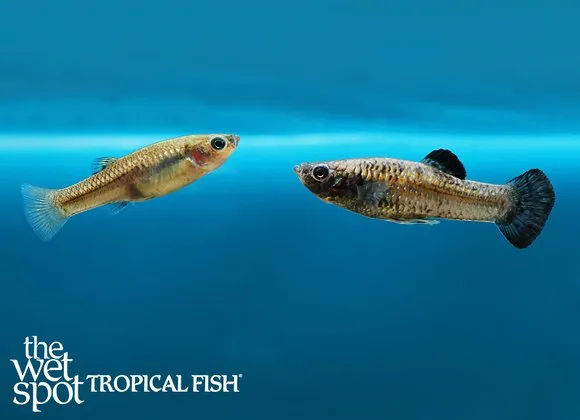 1.6 in (4 cm)11 gal (40 L)72–81°F (22–27°C)
Dwarf molly
Poecilia chica
1.6 in (4 cm) · 11 gal (40 L)
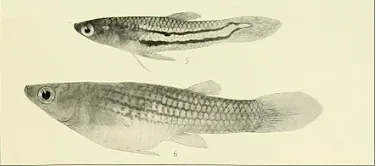 2 in (5 cm)15 gal (55 L)75–82°F (24–28°C)
Melanzona guppy
Poecilia parae
2 in (5 cm) · 15 gal (55 L)
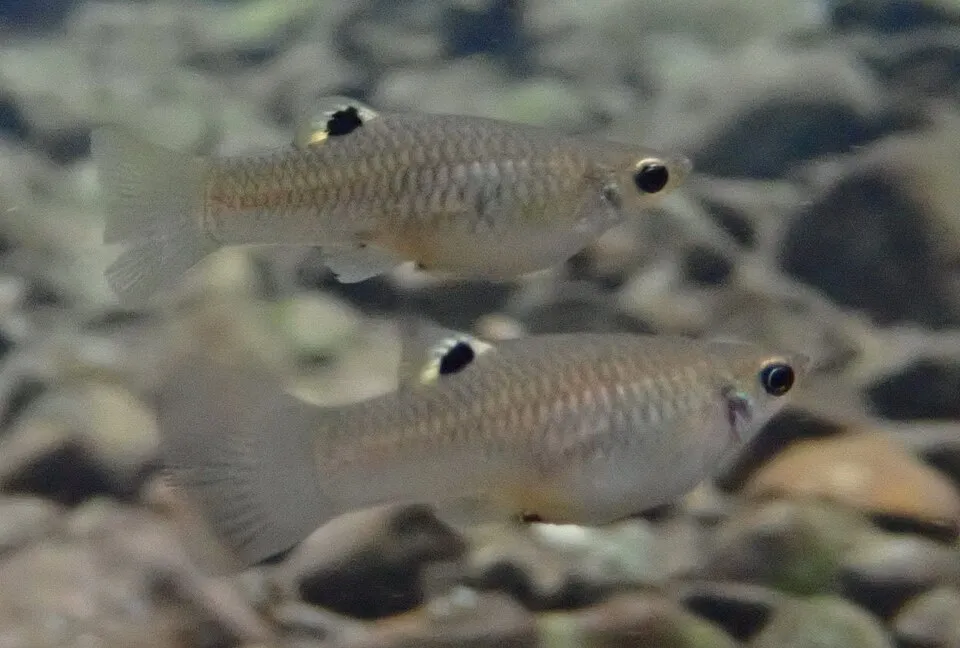 2.4 in (6 cm)16 gal (60 L)77–86°F (25–30°C)
Cauca molly
Poecilia caucana
2.4 in (6 cm) · 16 gal (60 L)
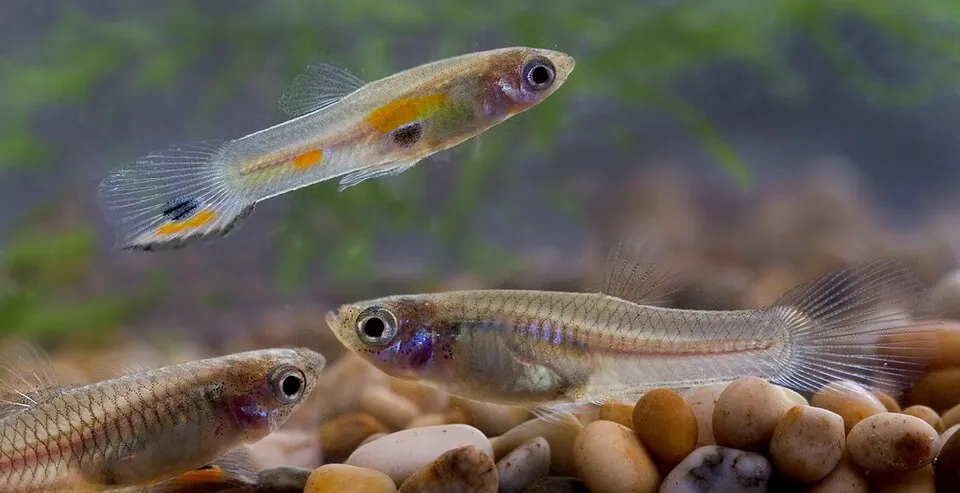 2.4 in (6 cm)13 gal (50 L)64–82°F (18–28°C)
Guppy
Poecilia reticulata
2.4 in (6 cm) · 13 gal (50 L)
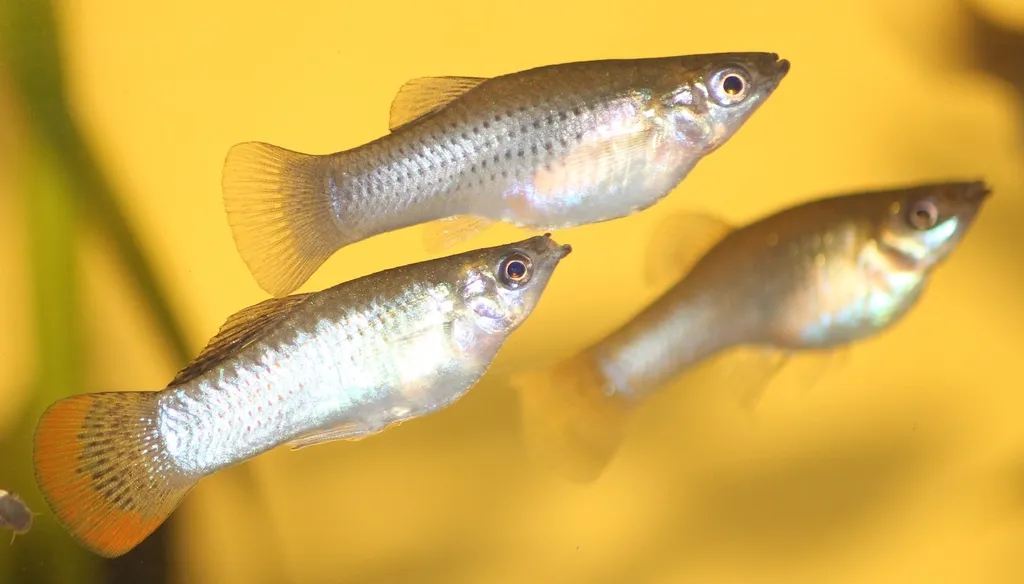 2.8 in (7 cm)29 gal (110 L)72–81°F (22–27°C)
Pacific molly
Poecilia butleri
2.8 in (7 cm) · 29 gal (110 L)
 3.1 in (8 cm)20 gal (75 L)72–81°F (22–27°C)
Southern molly
Poecilia vivipara
3.1 in (8 cm) · 20 gal (75 L)