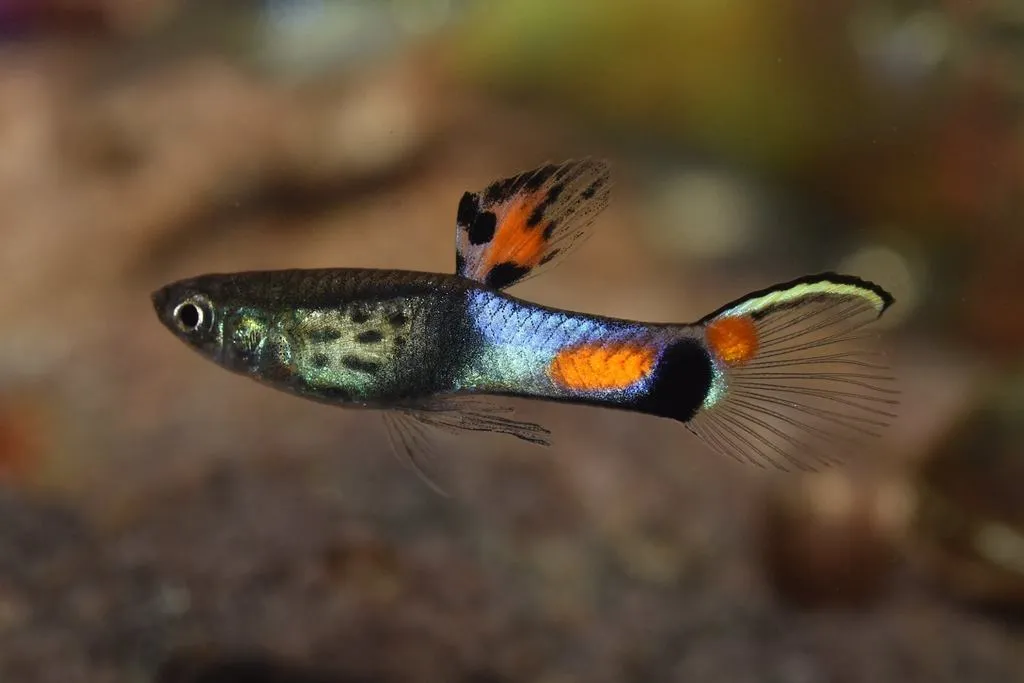
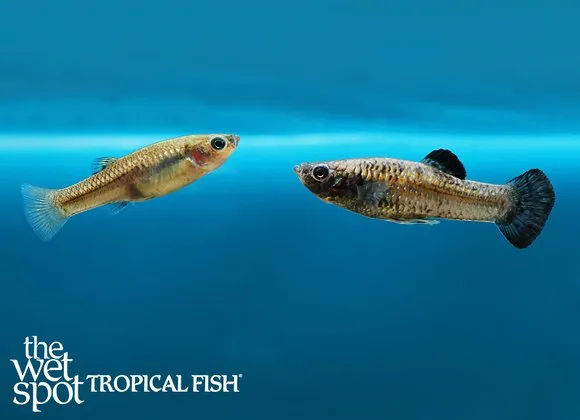
Black bar is the pattern most people picture when they hear endler, and only males carry it. A mixed pair looks like two different fish. Shops use the name loosely, and stock ranges from documented N class lines down to undocumented fish and guppy crosses. Keep the line away from guppies and other endler strains, since the two interbreed freely and the young are fertile.
In the wild
Unlike most named endler lines, black bar is the wild pattern rather than a bred one. It comes from the Laguna de los Patos lakes near Cumana in Venezuela. That is the water John Endler sampled in 1975, and Franklyn Bond before him in 1937. The N class lines carrying the name trace to collections made there by Armando Pou in 1997, 1998 and 2004.
Good to know
Male color in Poecilia wingei is carried largely on the Y chromosome, so a pattern passes father to son. A line can hold its look for generations. The double black bar is a melanophore pattern on the flank, overlaid by orange and metallic green. Females show none of it and can reach twice the size of the males.
Did you know
The fish had no scientific name until 2005, thirty years after Endler collected it. It honors Ojvind Winge, the Danish biologist whose work on Poecilia genetics established that much of male color is inherited down the male line. The Laguna de los Patos population is threatened by runoff from a municipal garbage dump and by introduced fish.
Weekly picks
Tank mates
Black bar endler is a peaceful, social species that keeps to the middle. These picks share a community profile with it, are safe together in both directions, and overlap on water type, temperature and pH.
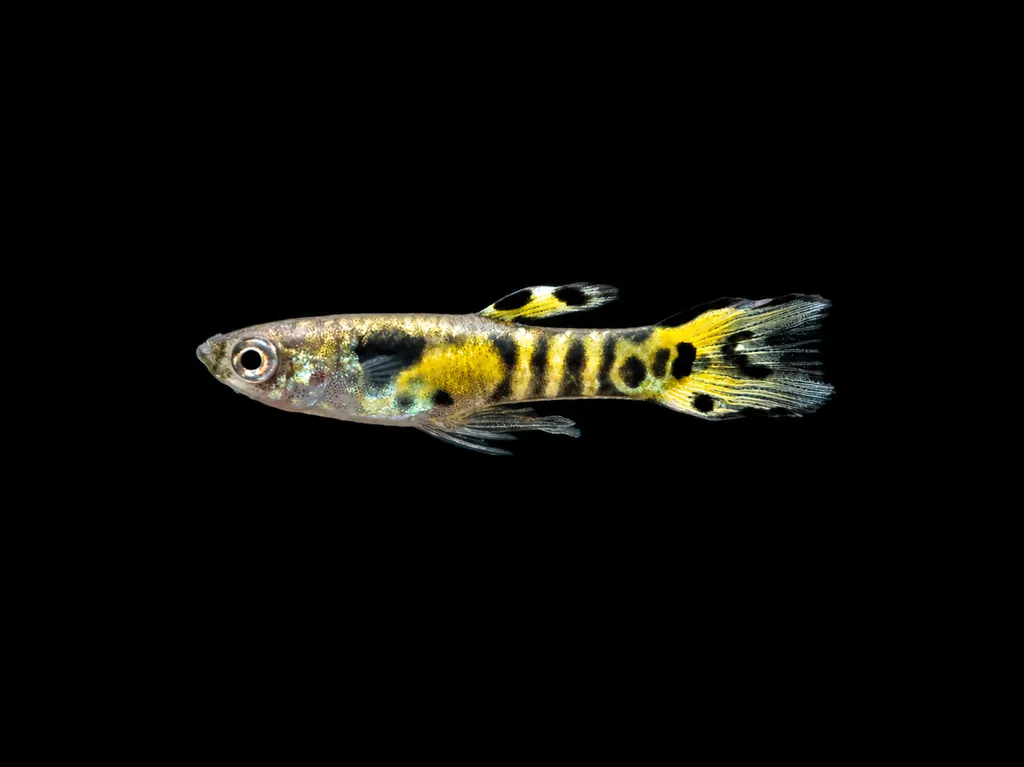
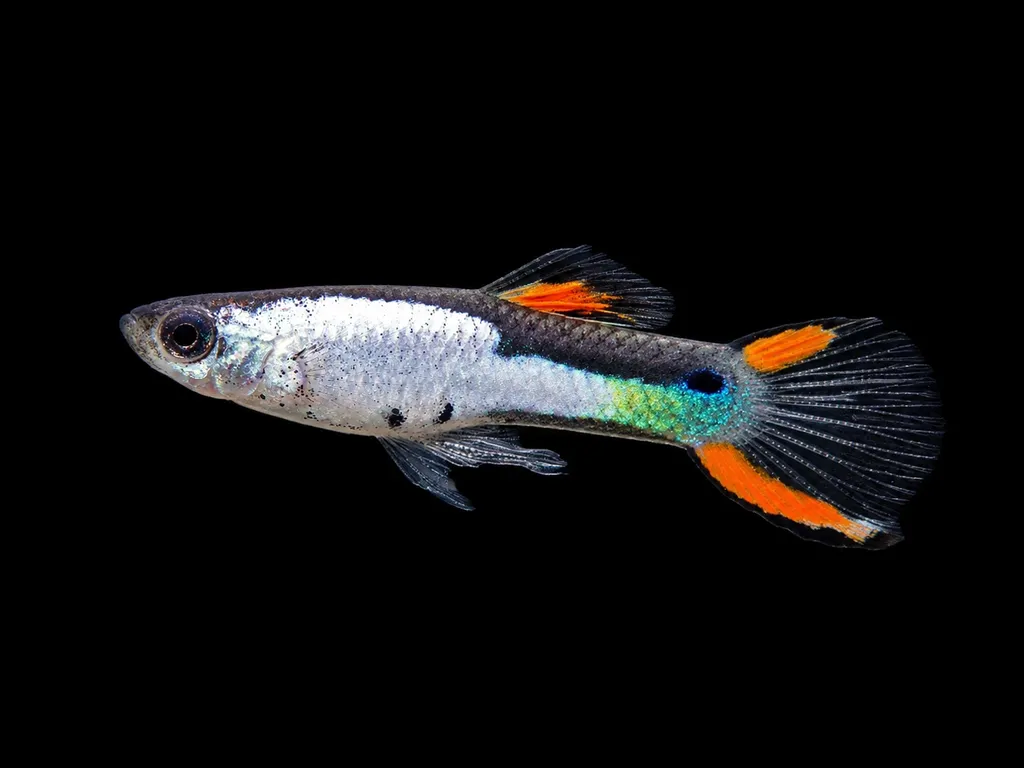
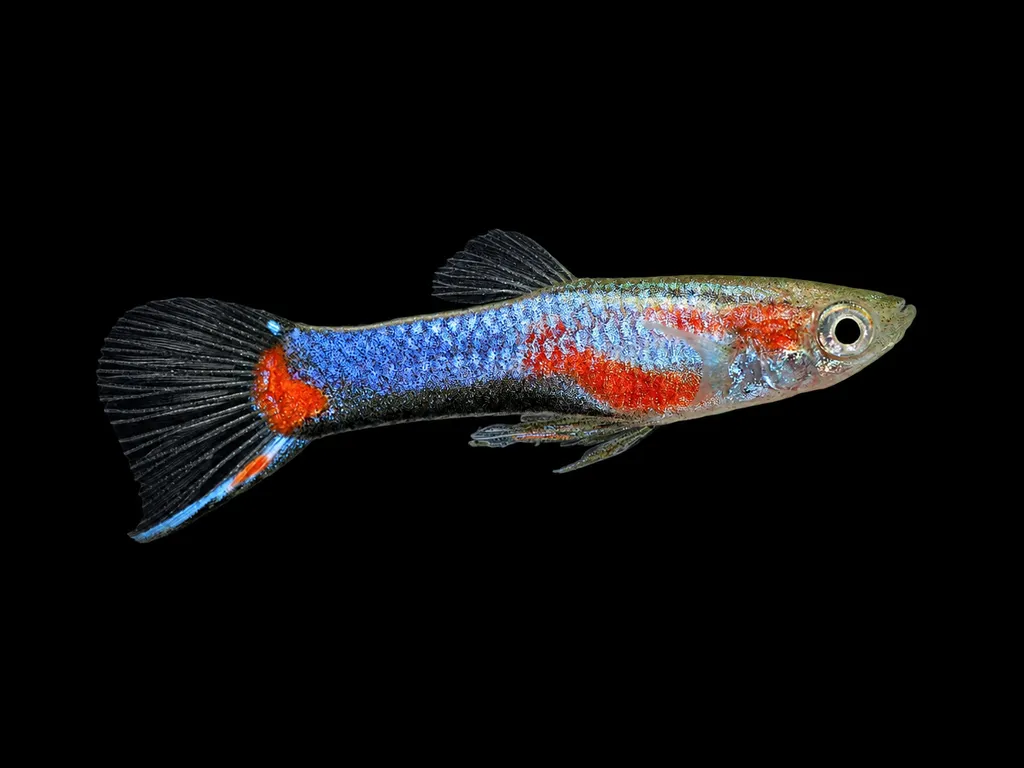
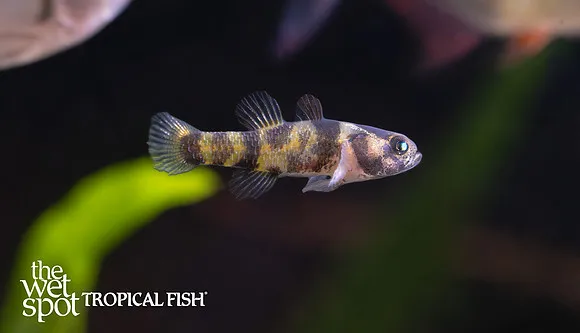
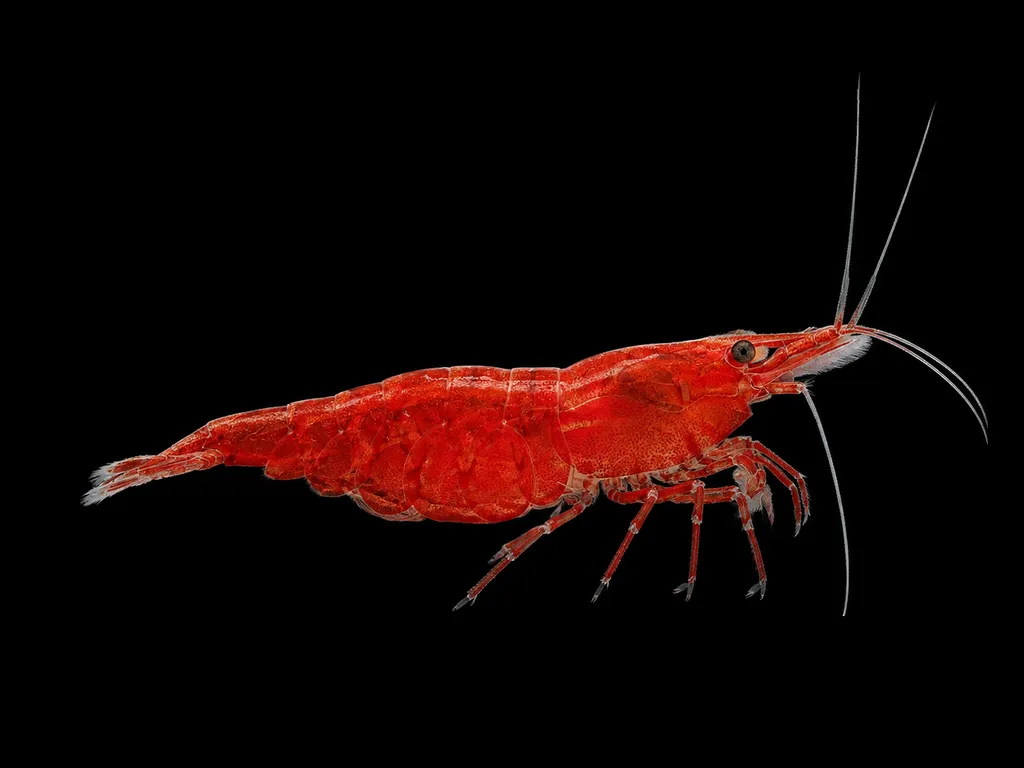
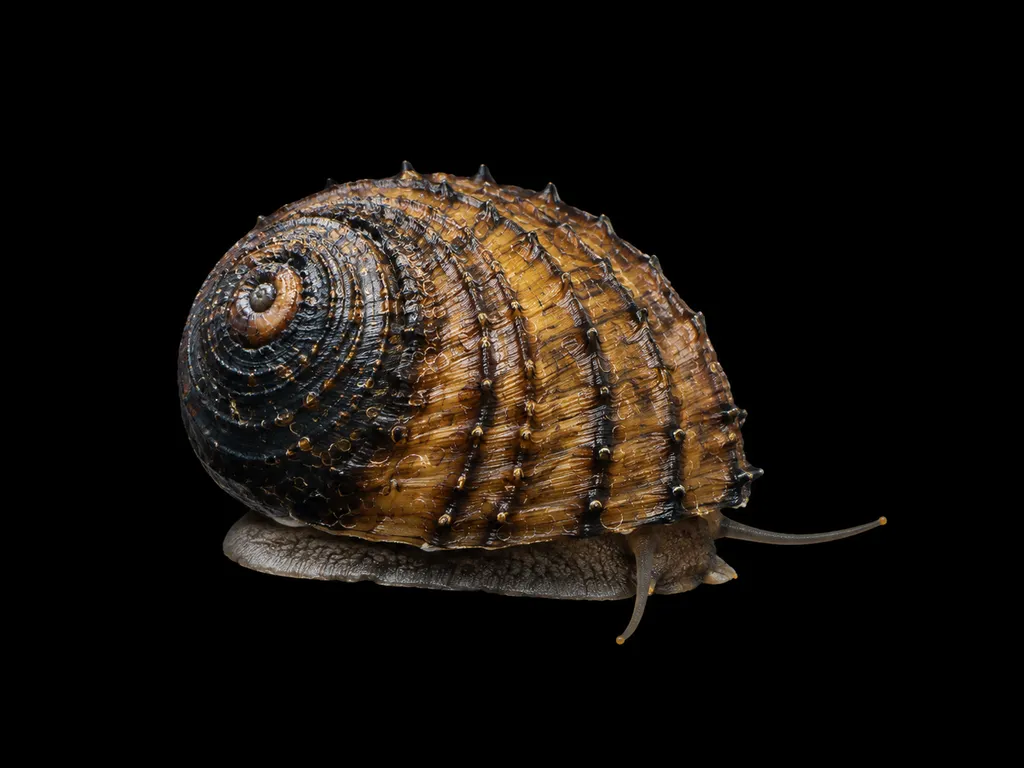
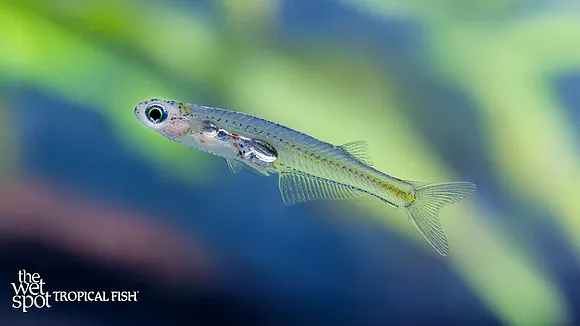
 1.6 in (4 cm)11 gal (40 L)72–81°F (22–27°C)
 2 in (5 cm)15 gal (55 L)75–82°F (24–28°C)
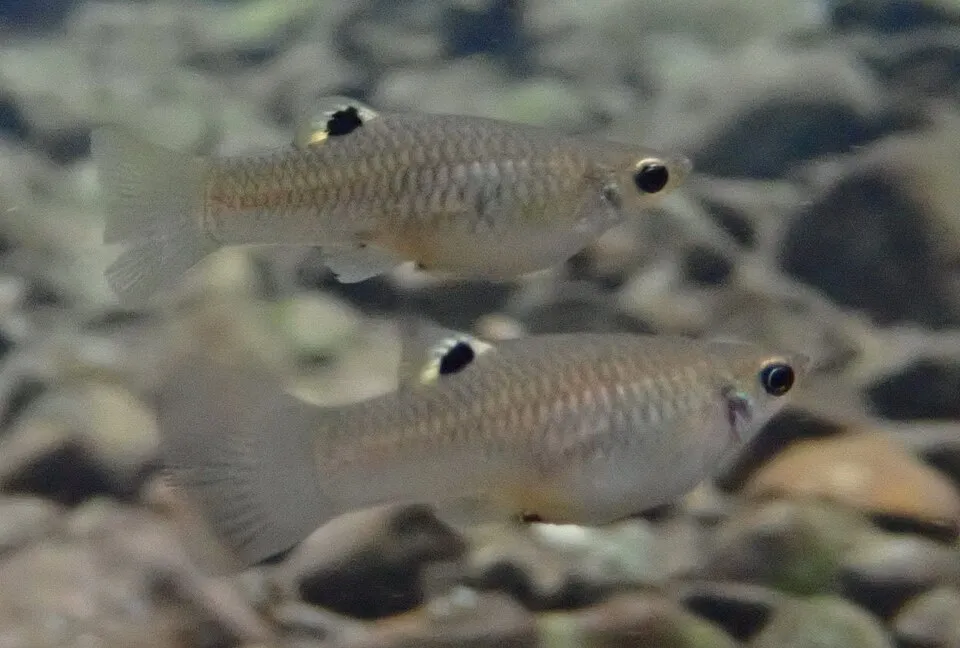 2.4 in (6 cm)16 gal (60 L)77–86°F (25–30°C)
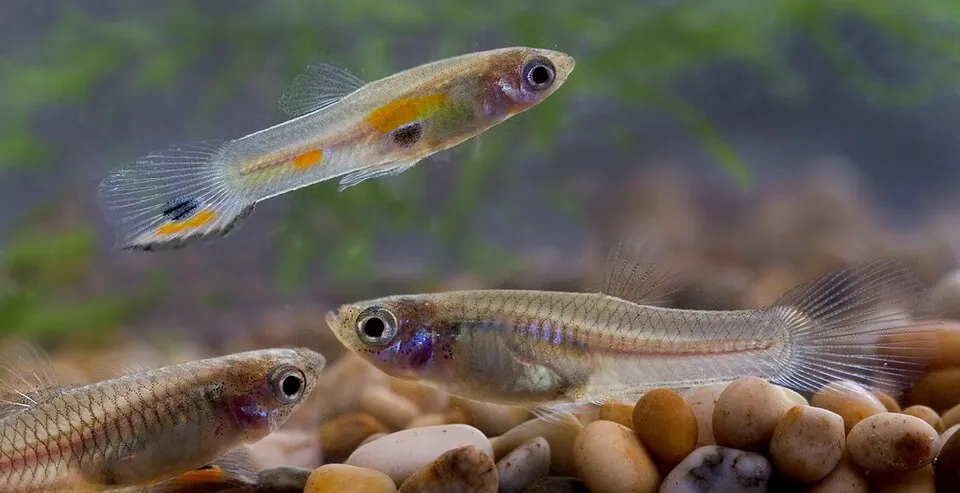 2.4 in (6 cm)13 gal (50 L)64–82°F (18–28°C)
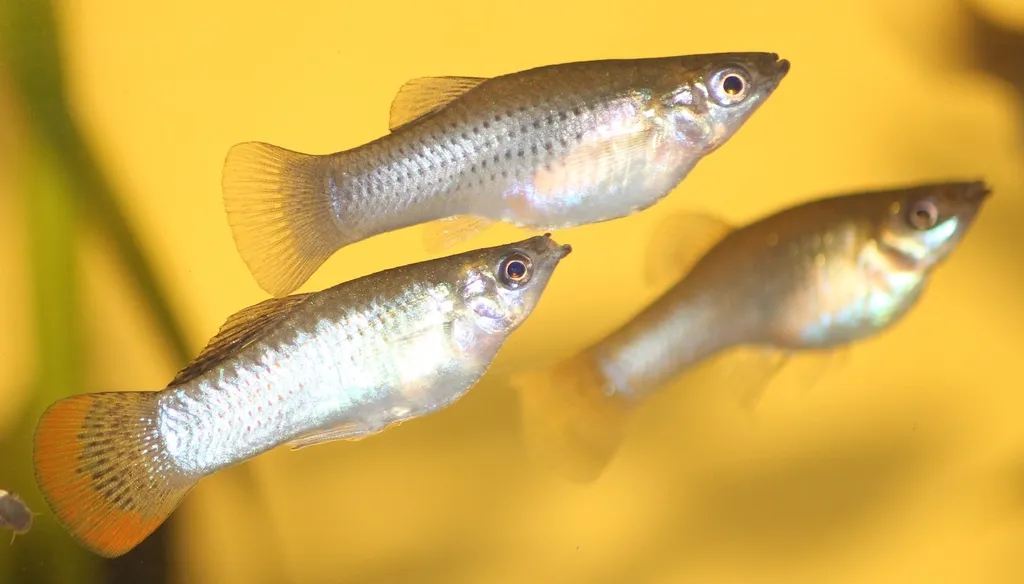 2.8 in (7 cm)29 gal (110 L)72–81°F (22–27°C)
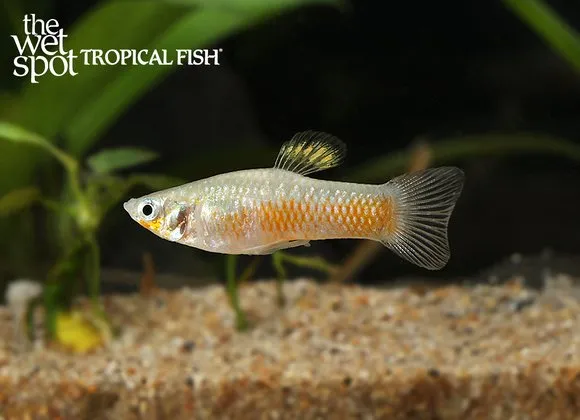 3.1 in (8 cm)20 gal (75 L)72–81°F (22–27°C)