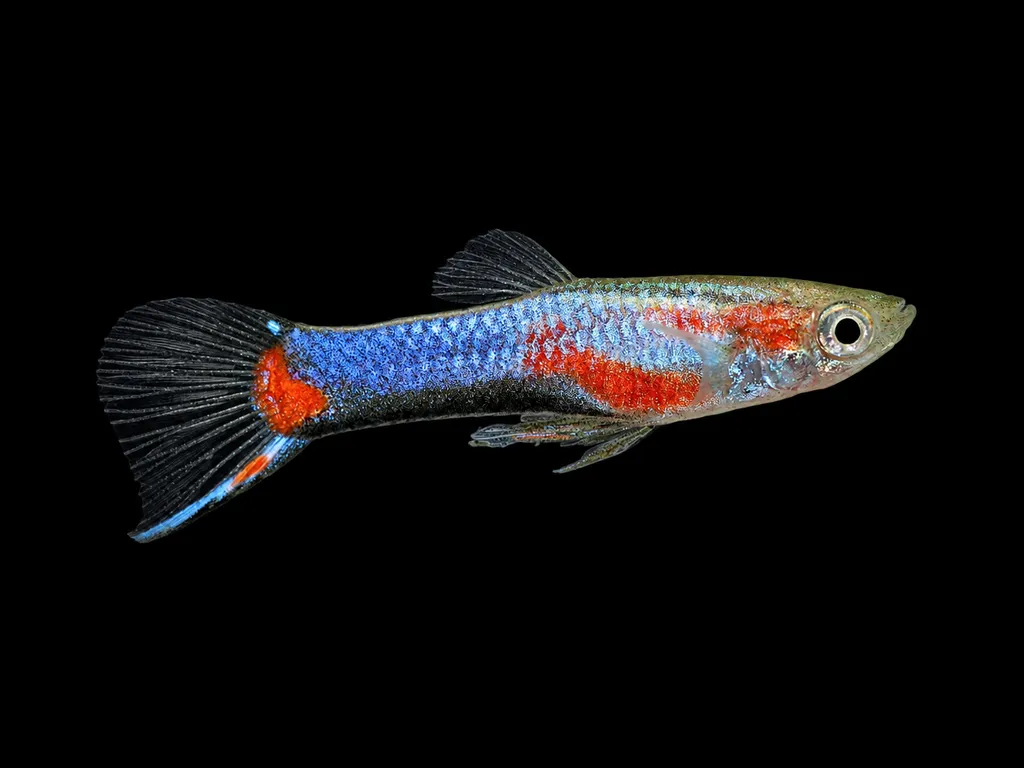
The blue star endler is a blue and orange endler line for a peaceful community tank. It is an active fish and easy for a beginner.
Did you know
Endlers are unusual among aquarium fish in having a breeder association that registers colonies by lineage. The Endler Breeder Association certifies breeders and their stock, and Blue Star is among its listed lines. The paperwork exists because endlers and guppies cross readily and the hybrids are fertile, so a strain can be lost in a couple of generations.
Caring for the blue star endler
Keep blue star endlers in a group in 10 gal (38 L) or more, which holds a small colony. Give them a planted tank with floating plants. Their blue can look flat under a warm lamp and switch on under a cooler one. They are active fish that cruise the middle and upper water.
Warm water of 72 to 86°F (22 to 30°C) and a pH of 6.5 to 7.5 suits them. They eat a quality flake and micro pellets, with the occasional frozen brine shrimp or daphnia as a treat.
Blue star endlers are peaceful and safe with other community fish. Keep more females than males to spread out the males' constant courtship, so no one female is stressed. Keep the line away from guppies, since the two interbreed.
Males carry the blue flank patches and the orange marks at the tail. Blue star endlers are livebearers and drop batches of fully formed fry rather than laying eggs. They breed readily, so expect numbers to climb fast.
Good to know
The blue star endler is sold as Blue Star or French Blue Star, and French Blue Endler is the same line. Blue in livebearers is structural rather than a pigment, made by stacked platelets in iridophore cells that reflect short wavelengths. The orange marks are pigment based, mixing carotenoids from food with red pteridines the fish builds itself. Male pattern rides largely on the Y chromosome, so the two traits travel together down the male line. Most shops offer males only, some list stock as EBA certified, and seller photos tend to catch the flattering angle.
In the wild
The founding blue star endlers were caught in the Campoma area of Venezuela by Philippe Voisin and companions. Sources give the year as 2010 or 2011. Campoma is a coastal lagoon system in northeastern Venezuela, one of the populations kept separate from the Laguna de los Patos fish.
Weekly picks
Tank mates
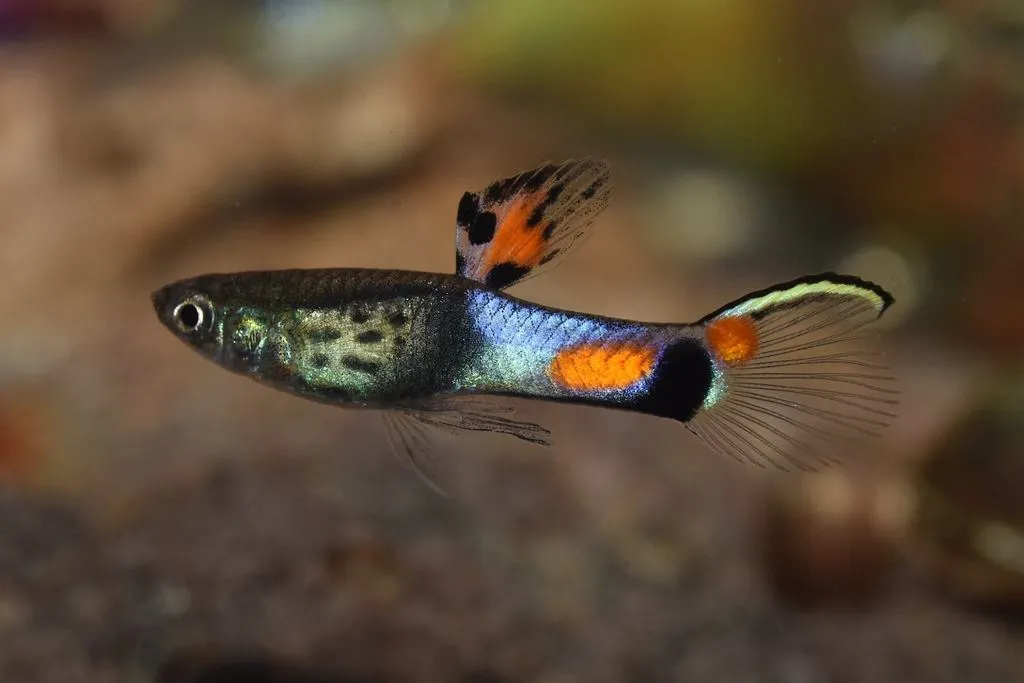
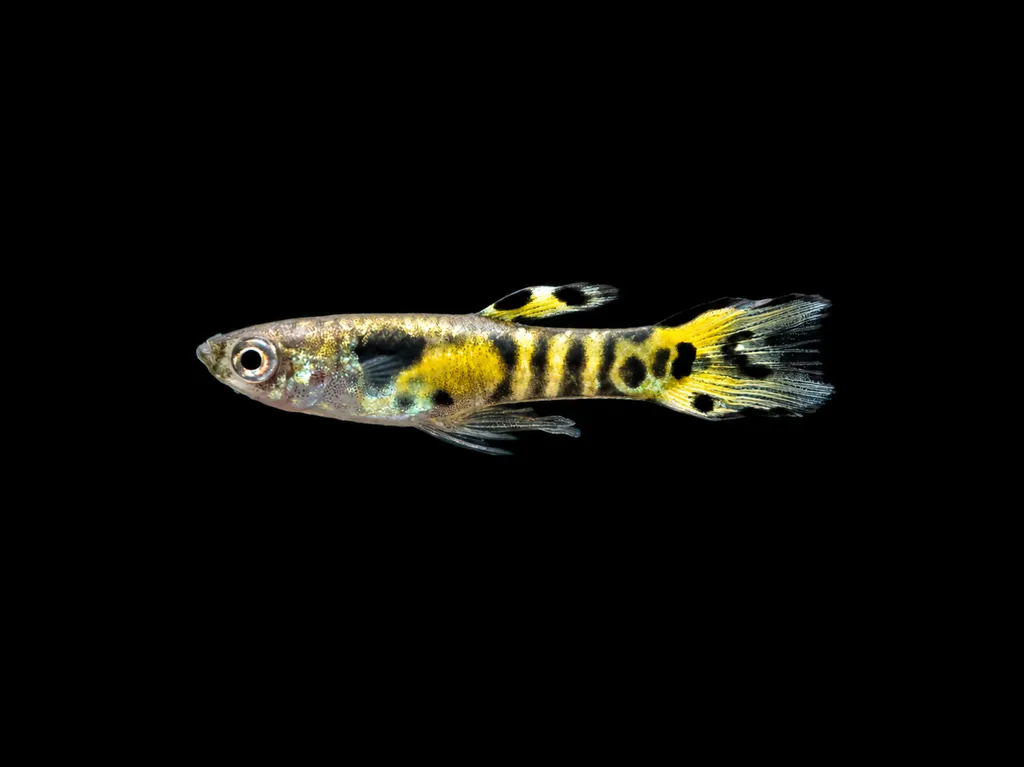
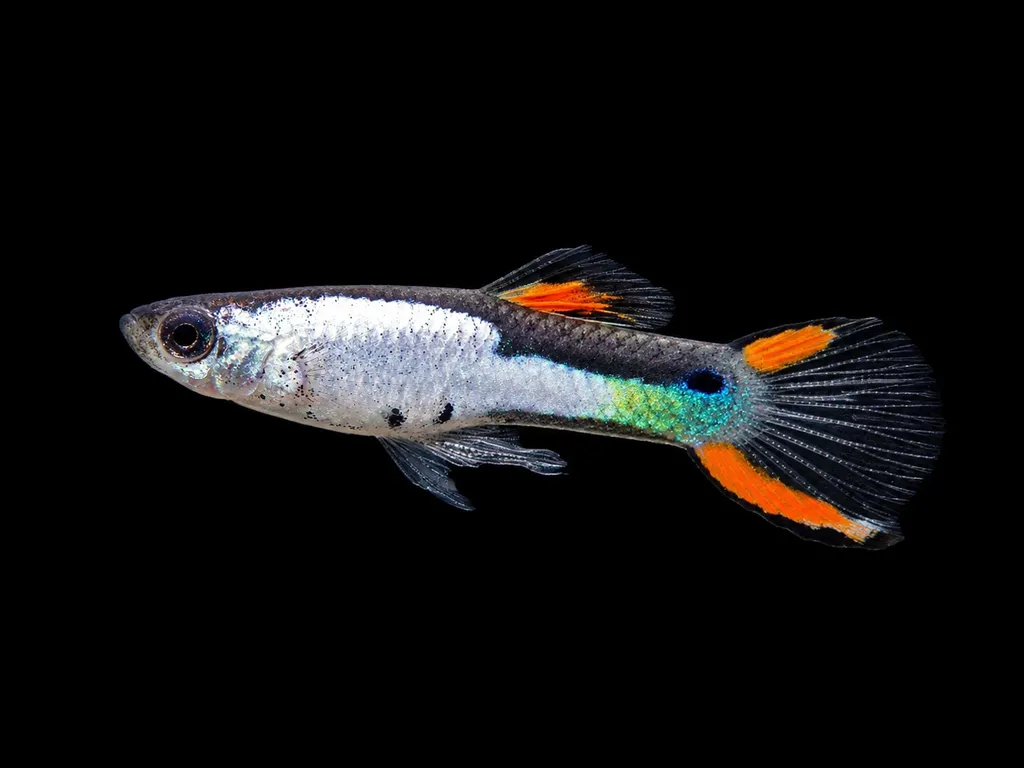
The blue star endler is a peaceful, social species that keeps to the middle. These picks share a community profile with it, are safe together in both directions, and overlap on water type, temperature and pH.
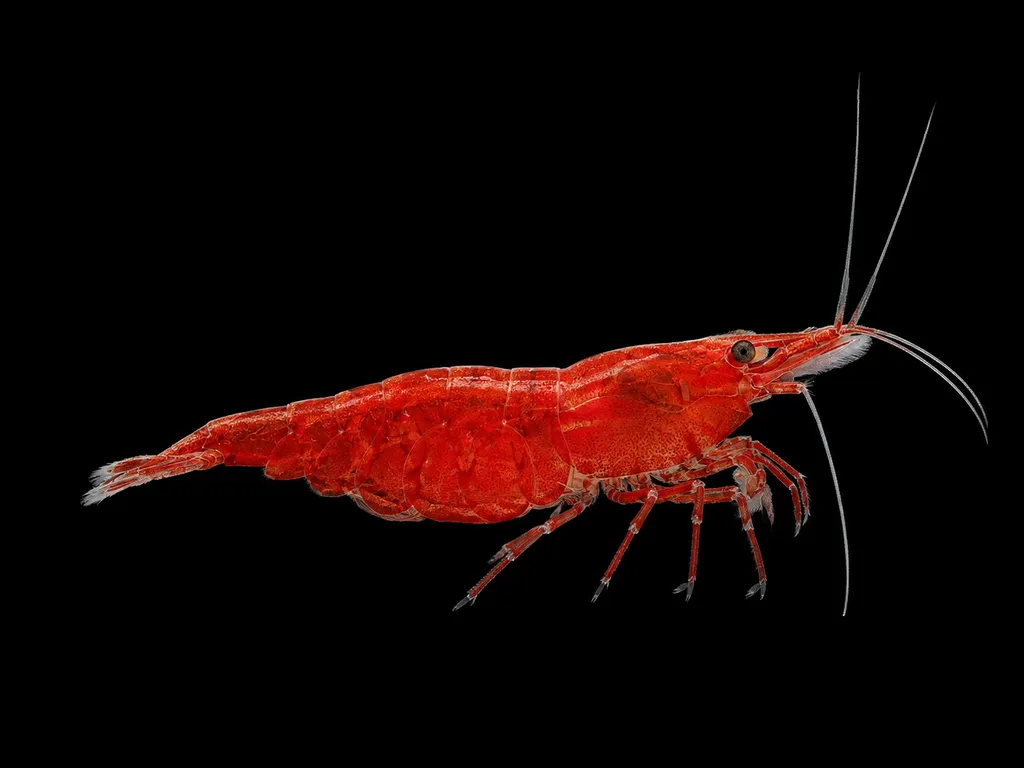

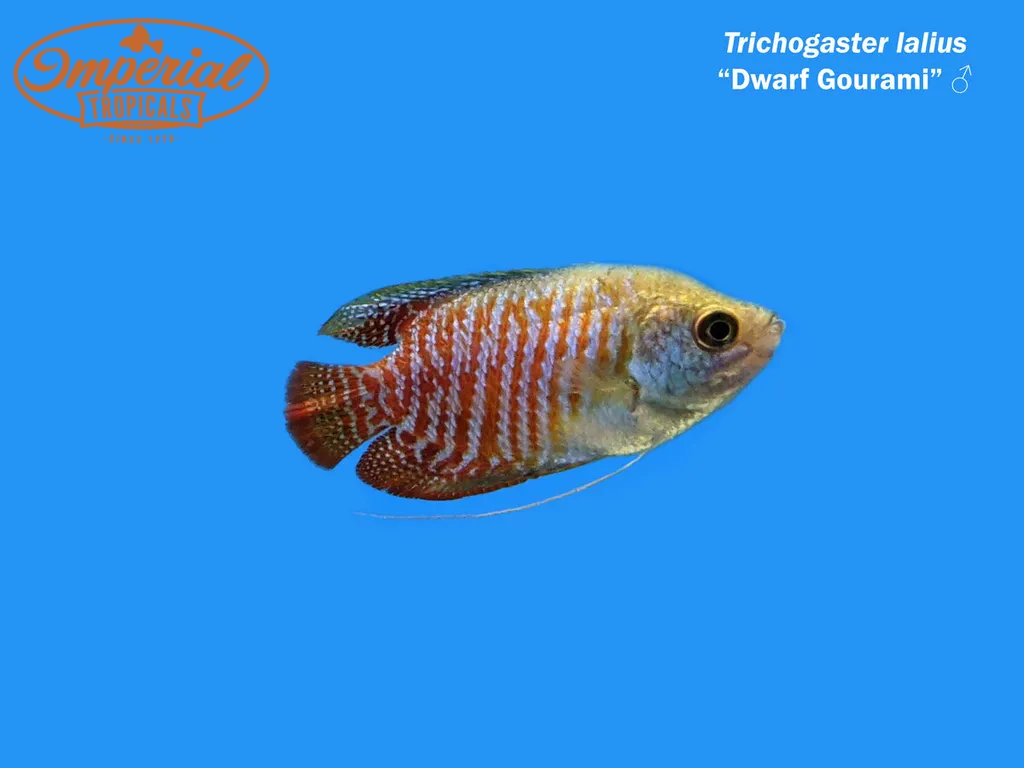
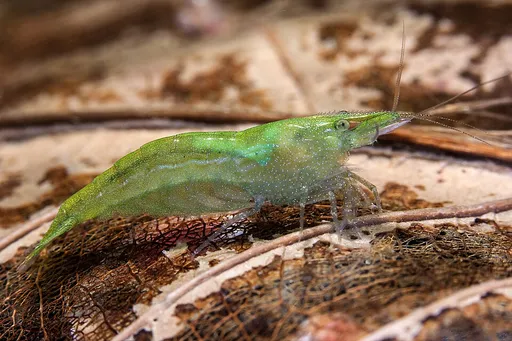
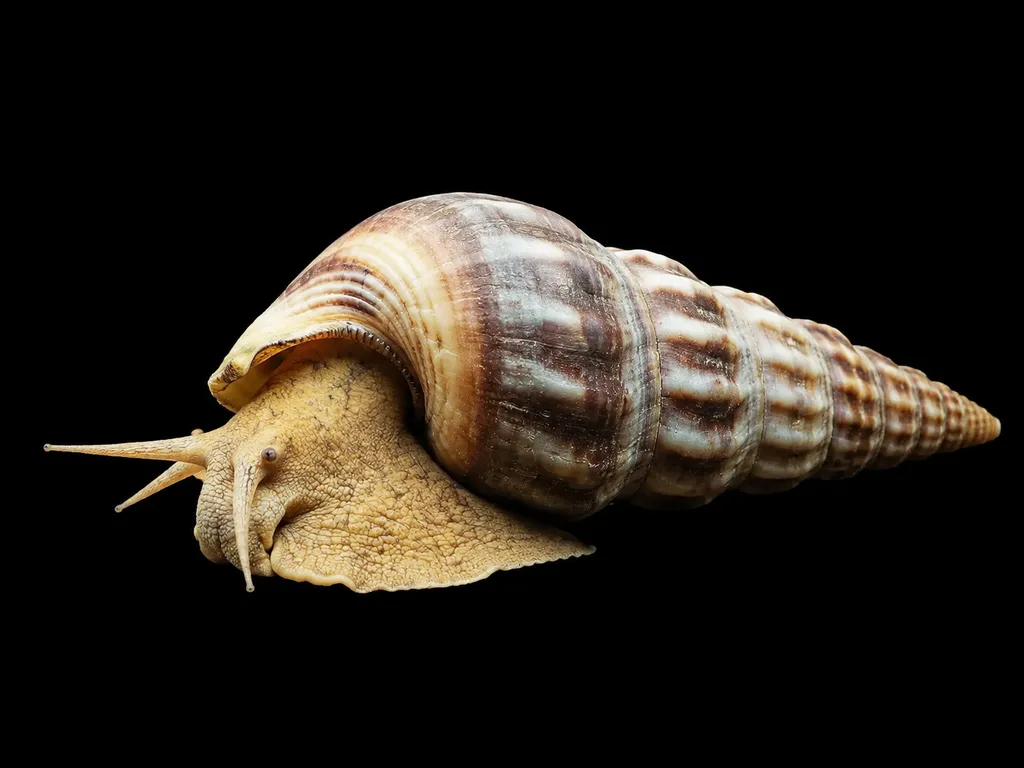
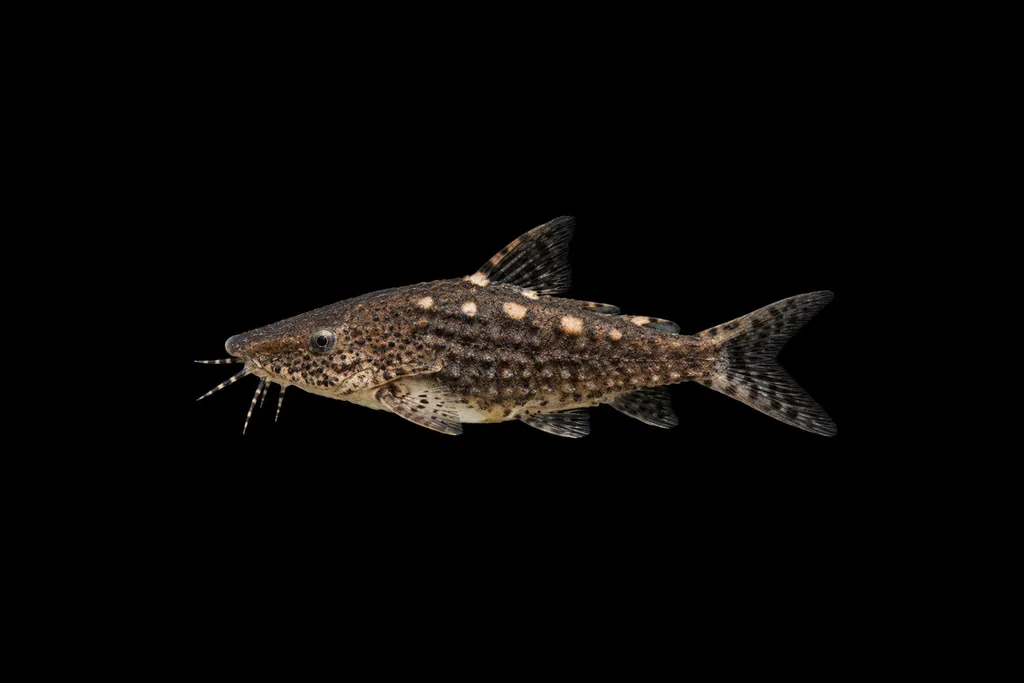
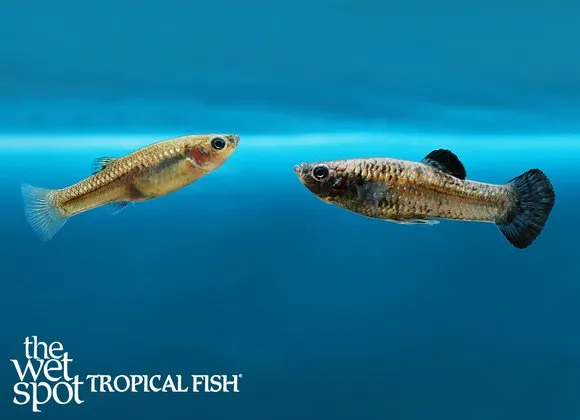 1.6 in (4 cm)11 gal (40 L)72–81°F (22–27°C)
 2 in (5 cm)15 gal (55 L)75–82°F (24–28°C)
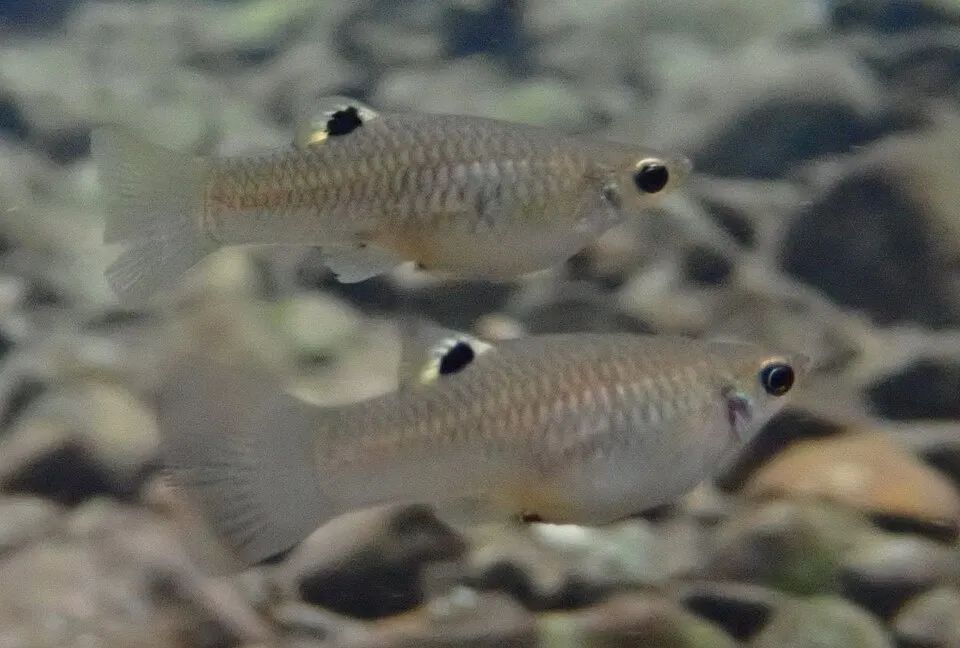 2.4 in (6 cm)16 gal (60 L)77–86°F (25–30°C)
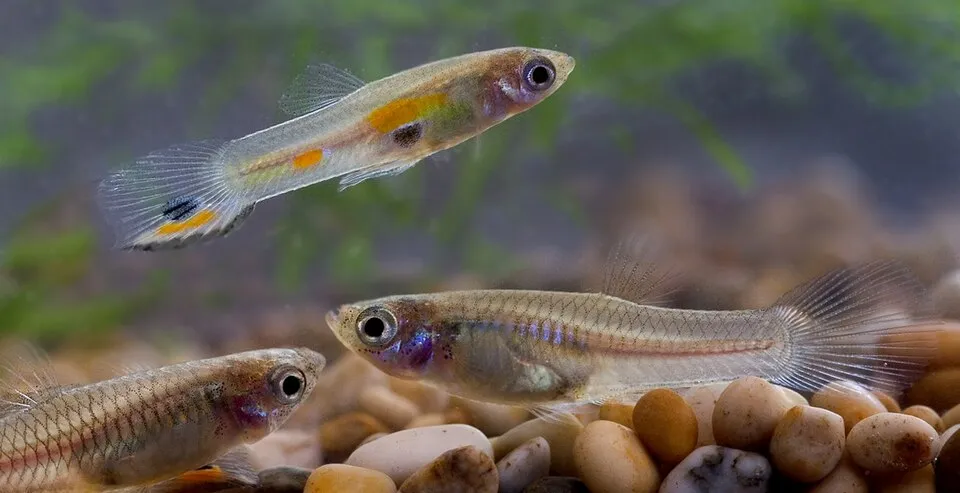 2.4 in (6 cm)10 gal (38 L)64–82°F (18–28°C)
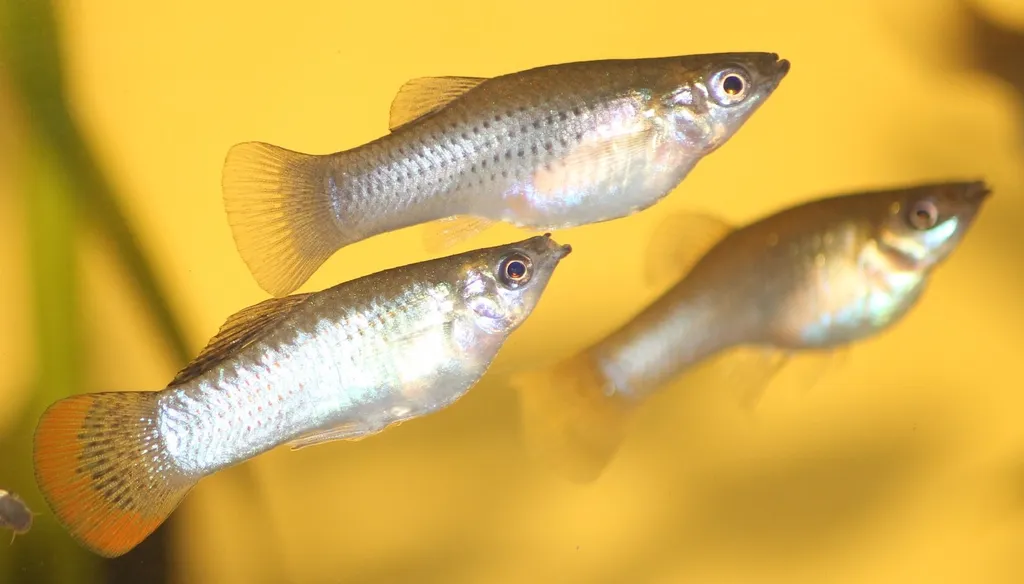 2.8 in (7 cm)29 gal (110 L)72–81°F (22–27°C)
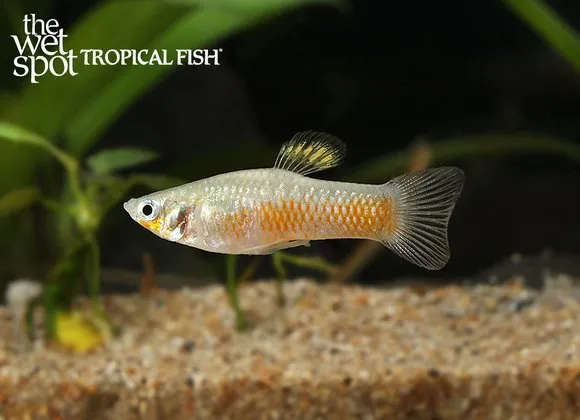 3.1 in (8 cm)20 gal (75 L)72–81°F (22–27°C)