One species · 3 varieties
Dwarf gourami
Trichogaster lalius
FreshwaterFish
Care at a glance
- Temperature
- 72–81°F
- 22–27°C
- pH
- 6.0–7.5
- Adult size
- 3 in
- 7.5 cm
- Minimum tank
- 10 gal
- 38 L
- Temperament
- Peaceful
- Social behavior
- Social
- Swim level
- Middle
- Difficulty
- Medium
- Breeding
- Bubble nester · Hard
- Rarity
- Common
- Family
- Osphronemidae
- Origin
- Pakistan, India, Bangladesh
Pick a variety
One setup covers every line on this page: care is the species' care.
Overview
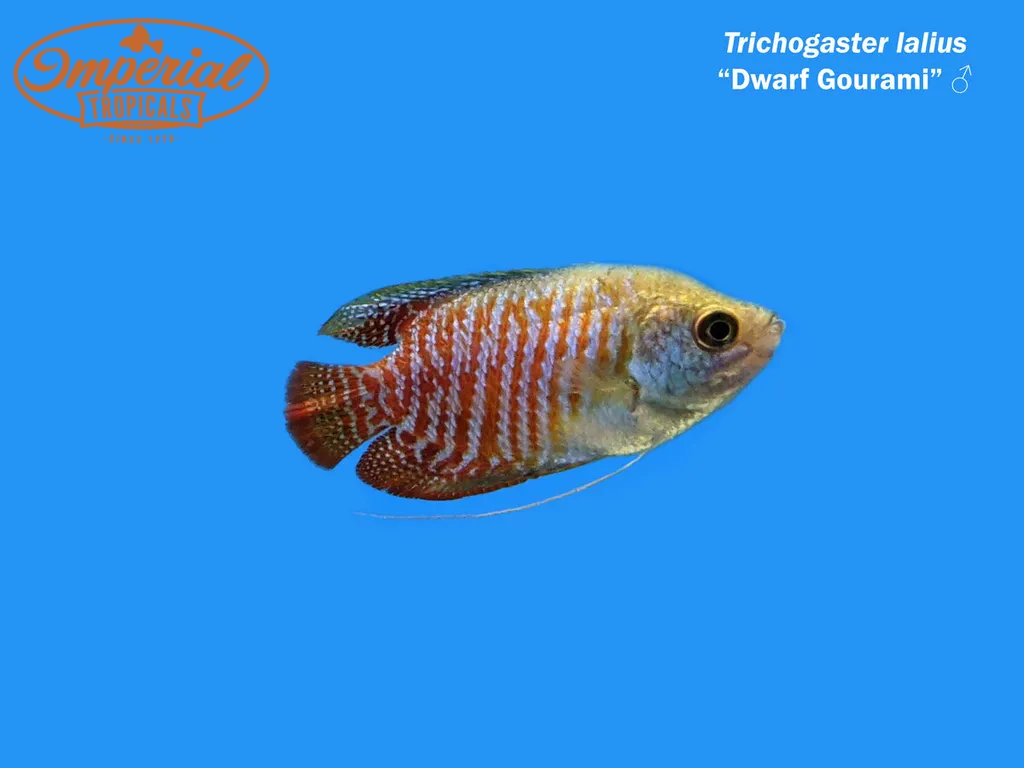
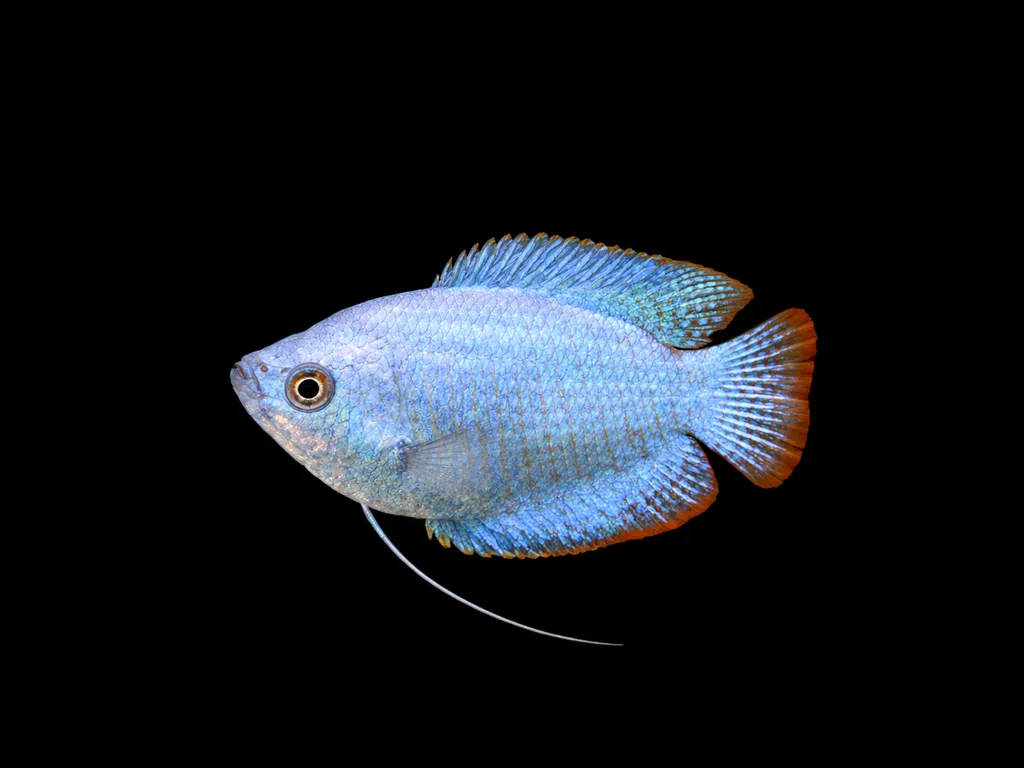
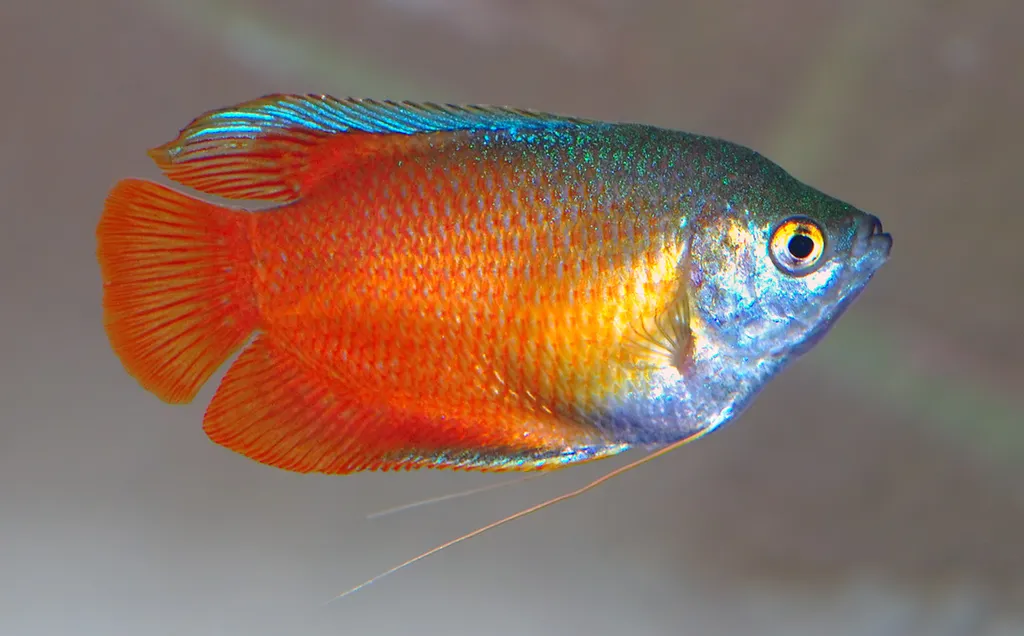
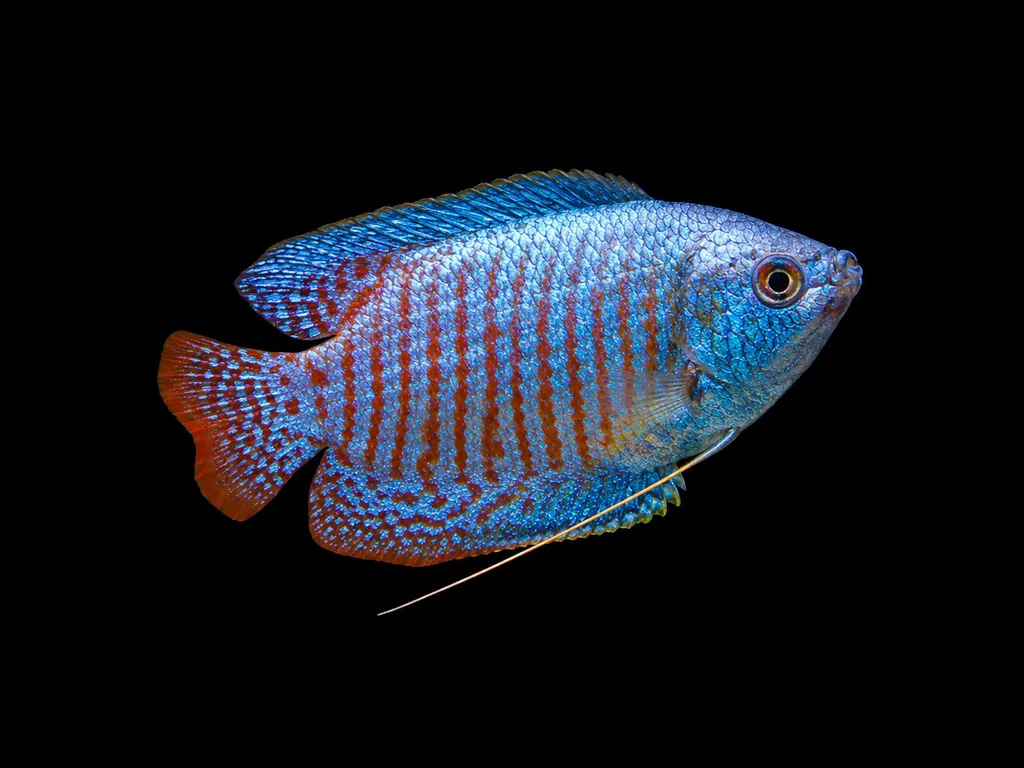
The dwarf gourami is a peaceful midwater fish that spends a lot of time near the top of a planted community tank. It is best kept by someone with a little experience.
Did you know
Dwarf gouramis use their long, thread-like pelvic fins as feelers, touching objects and even tank mates to explore their surroundings. The fins are sensitive to taste and touch, which helps them find food in murky water.
Caring for the dwarf gourami
Keep one male dwarf gourami, or a male with a couple of females, in at least 10 gal (38 L). Two males will fight. Plant the tank densely and add some floating plants, so they have plenty of cover and feel secure.
Keep the water warm and calm, with little surface current. Hold it at 72 to 81°F (22 to 27°C) and a pH of 6.0 to 7.5. They breathe air at the surface, so leave a gap under the lid and avoid strong filter flow. Feed a varied diet of flakes, micro pellets and frozen foods, and they will pick at small live foods too.
The dwarf gourami is peaceful and safe in a community tank. Males build a floating bubble nest and guard the eggs. Breeding them is hard.
Good to know
The dwarf gourami is a labyrinth fish in the family Osphronemidae. Its labyrinth organ lets it gulp air from the surface to supplement its gills. Farmed stock is known to carry a viral disease, often called dwarf gourami iridovirus.
In the wild
Dwarf gouramis come from slow, plant-choked waters across Pakistan, India and Bangladesh, including rice paddies, ditches and sluggish streams. These spots are warm, still and full of cover.
Weekly picks
Tank mates
Every variety on this page wants the same water, so one set of picks fits them all. These picks match on water type, temperature, pH, size and temperament.
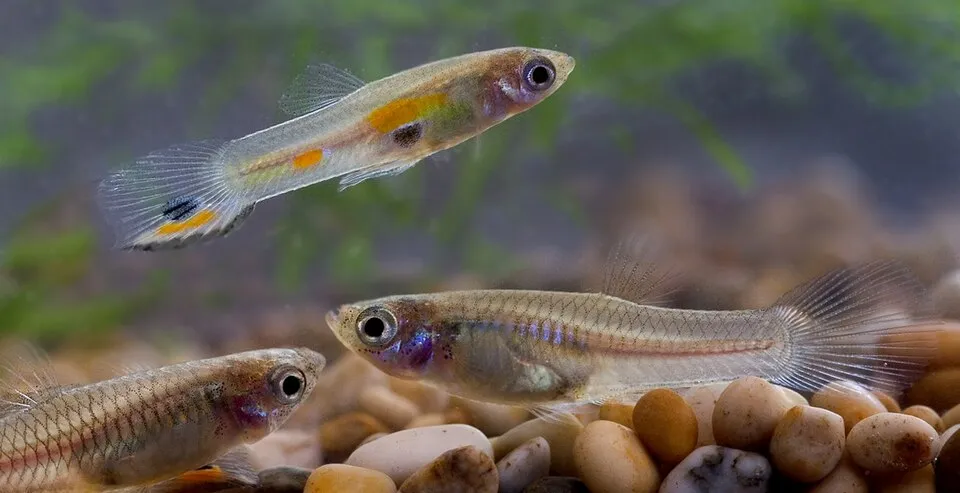
Guppy
Poecilia reticulata
FreshwaterBrackish2.4 in (6 cm) · 10 gal (38 L)64–82°F (18–28°C)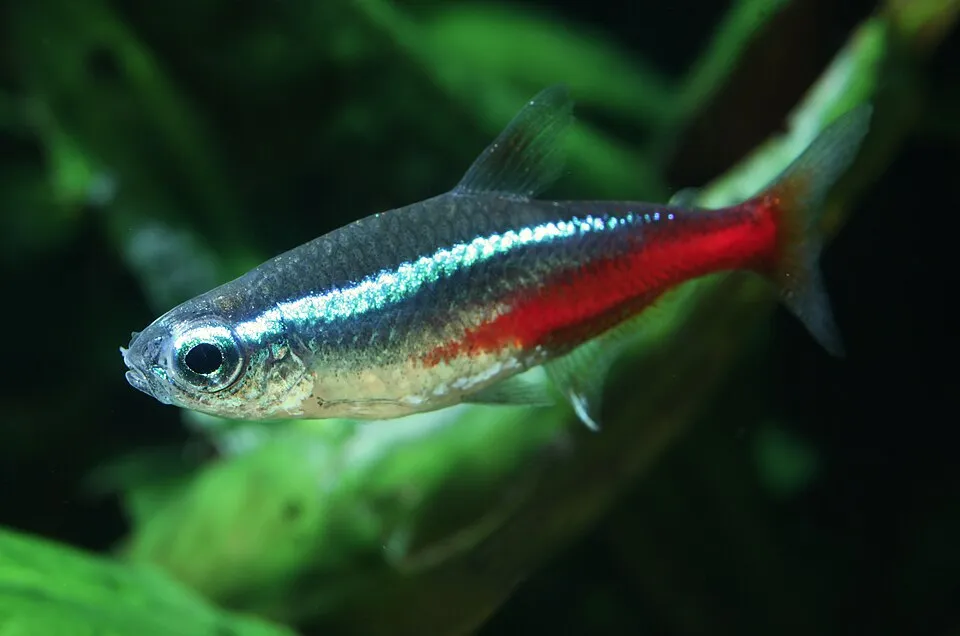
Neon tetra
Paracheirodon innesi
Freshwater1.5 in (3.8 cm) · 11 gal (40 L)70–77°F (21–25°C)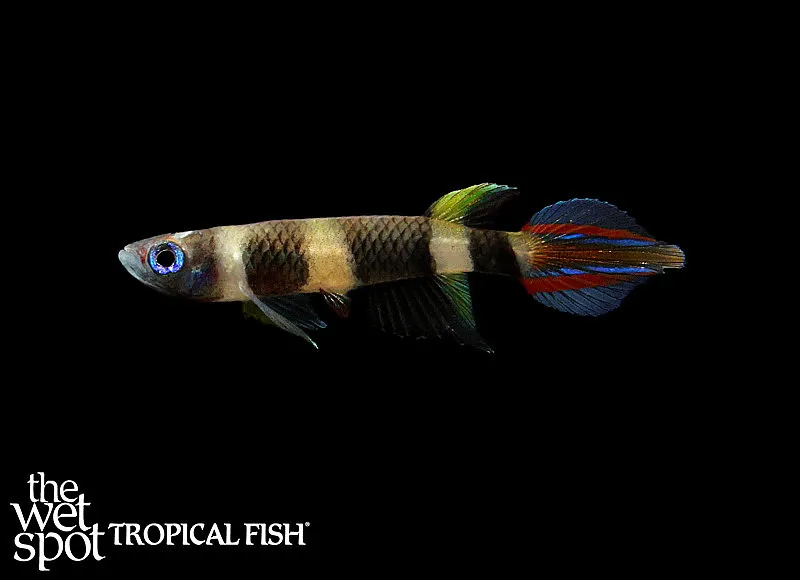
Clown killifish
Epiplatys annulatus
Freshwater1.4 in (3.5 cm) · 7 gal (27 L)68–79°F (20–26°C)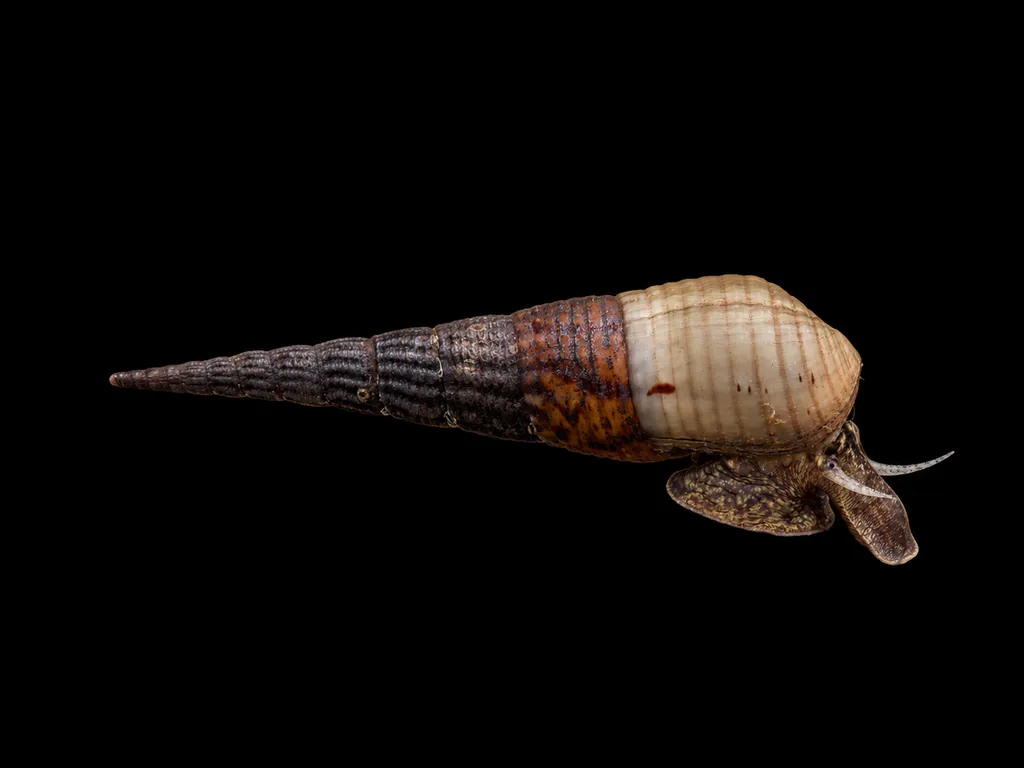
Chopstick snail
Stenomelania torulosa
Freshwater2 in (5 cm) · 11 gal (40 L)73–82°F (23–28°C)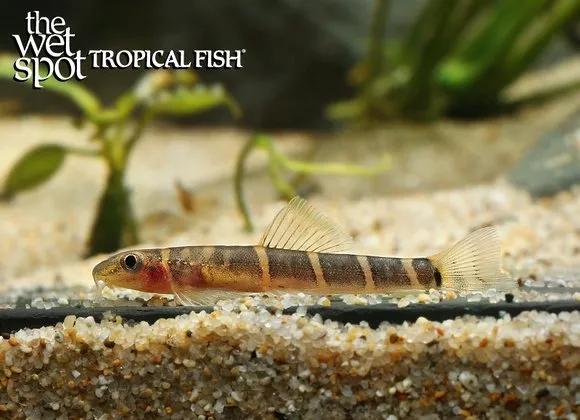
Fire-eyed loach
Barbucca diabolica
Freshwater1.2 in (3 cm) · 11 gal (40 L)72–79°F (22–26°C)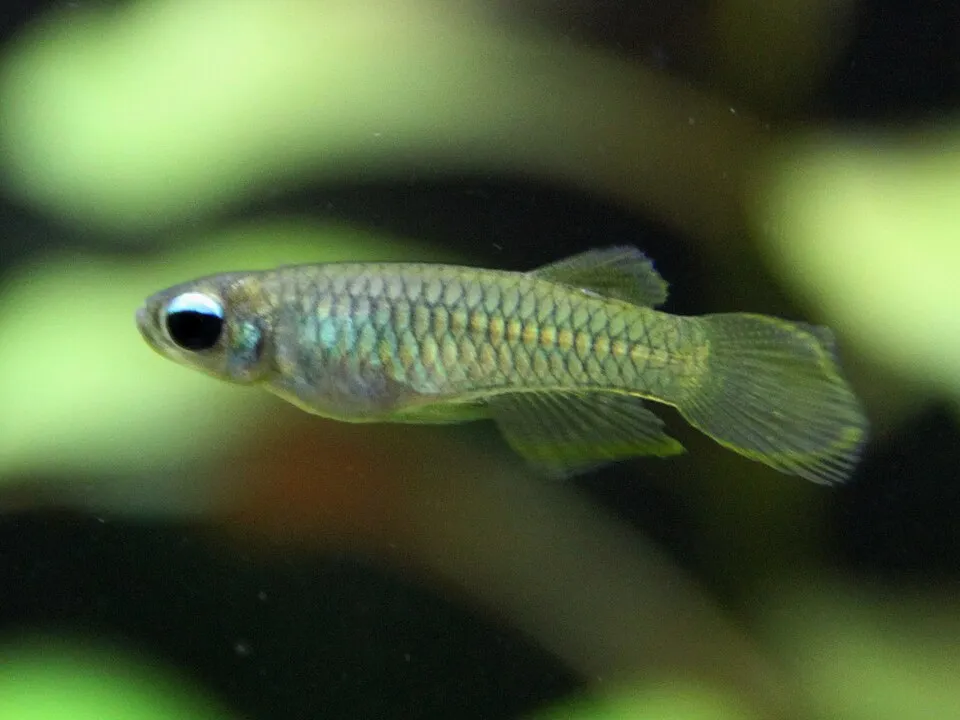
Norman's lampeye
Poropanchax normani
Freshwater1.6 in (4 cm) · 10 gal (38 L)72–79°F (22–26°C)
Common questions
What size tank does a dwarf gourami need?
A dwarf gourami needs at least 10 gal (38 L). It spends most of its time in the middle.
What temperature and pH does a dwarf gourami need?
A dwarf gourami is comfortable at 72–81°F (22–27°C) with a pH of 6.0–7.5.
What does a dwarf gourami eat?
A dwarf gourami eats a varied diet of flakes, micro pellets and frozen foods. It will pick at small live foods too.
How big does a dwarf gourami get?
An adult dwarf gourami reaches about 3 in (7.5 cm).
How does a dwarf gourami breed?
The dwarf gourami is a bubble nester. The male builds a floating nest and guards the eggs, and breeding is hard.
Related species
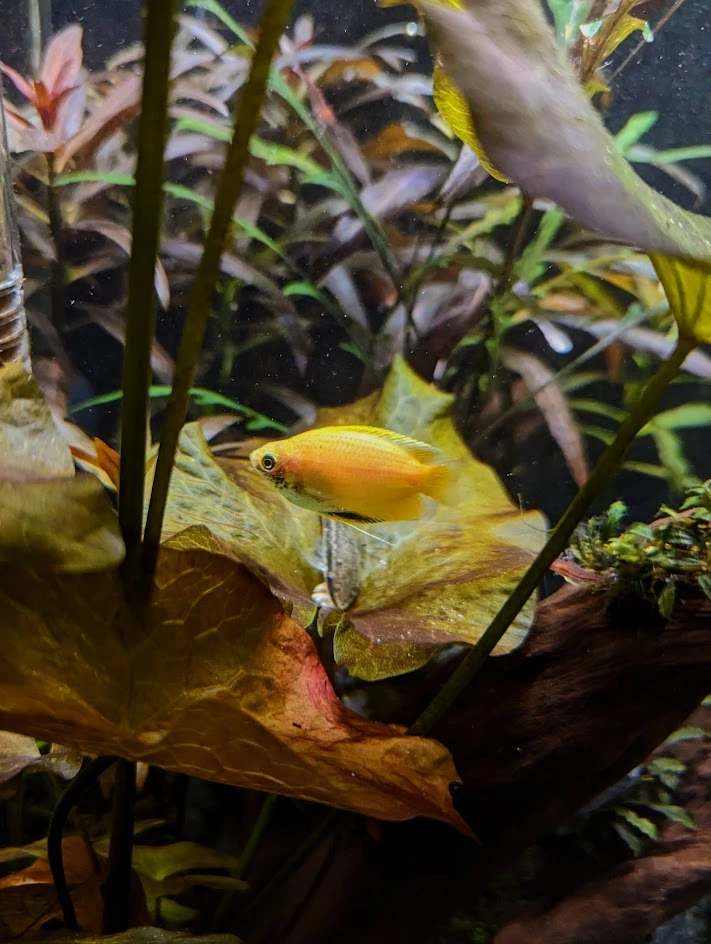 2 in (5 cm)14 gal (54 L)72–82°F (22–28°C)
Honey gourami
Trichogaster chuna
2 in (5 cm) · 14 gal (54 L)
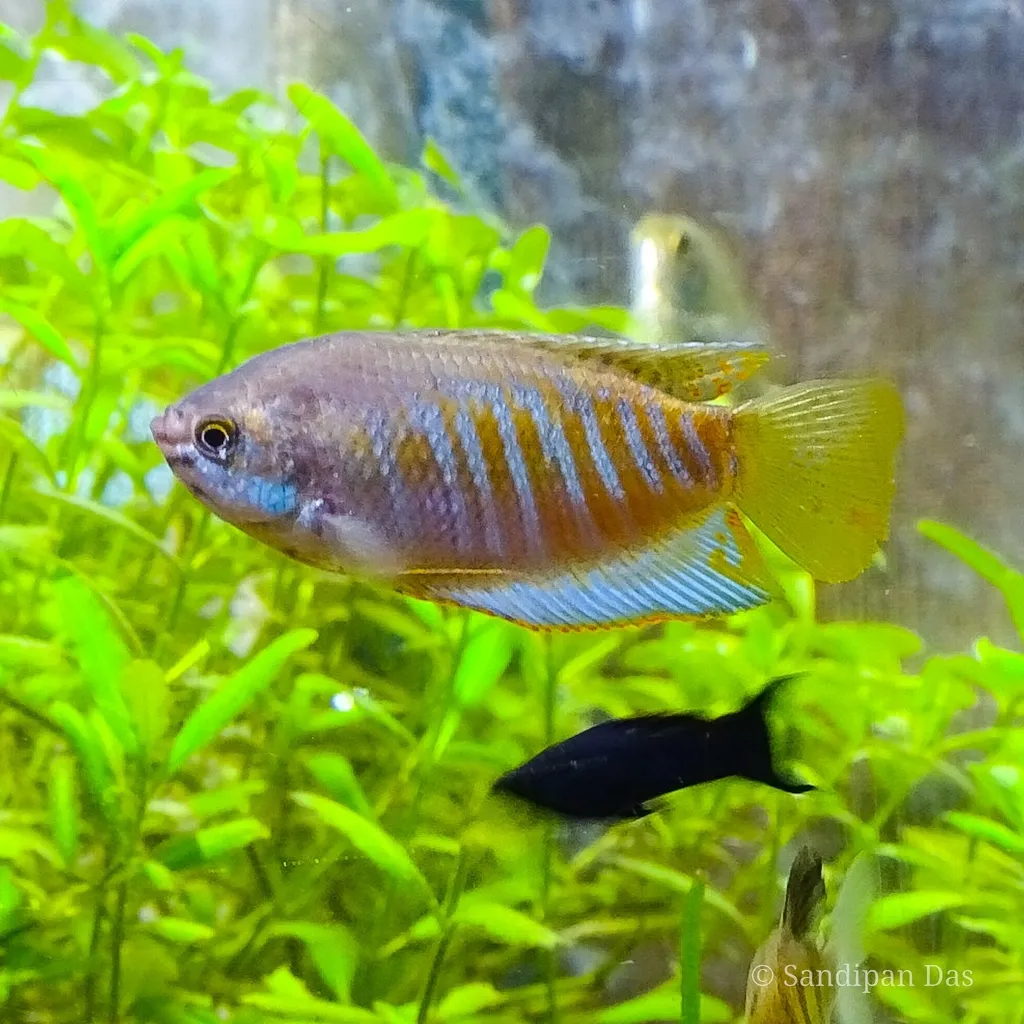 3.5 in (9 cm)26 gal (100 L)70–82°F (21–28°C)
Banded gourami
Trichogaster fasciata
3.5 in (9 cm) · 26 gal (100 L)
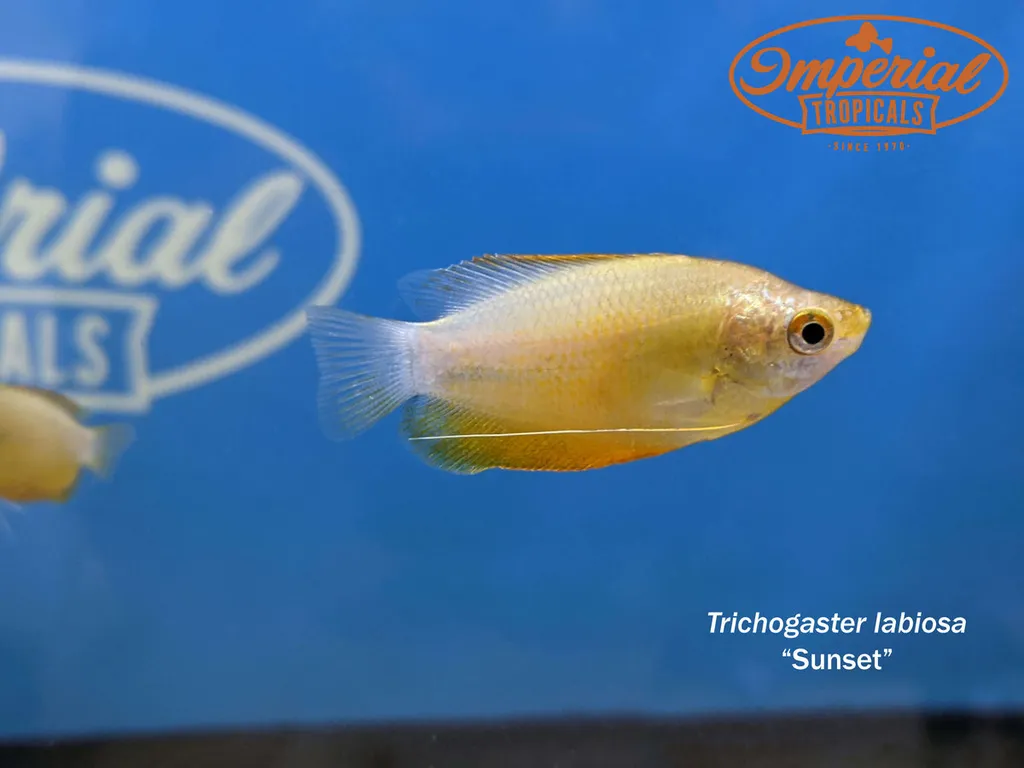 3.5 in (9 cm)20 gal (75 L)72–82°F (22–28°C)
Thick-lipped gourami
Trichogaster labiosa
3.5 in (9 cm) · 20 gal (75 L)
- 2.9 in (7.3 cm)16 gal (60 L)72–81°F (22–27°C)
Aurigans betta
Betta aurigans
2.9 in (7.3 cm) · 16 gal (60 L)
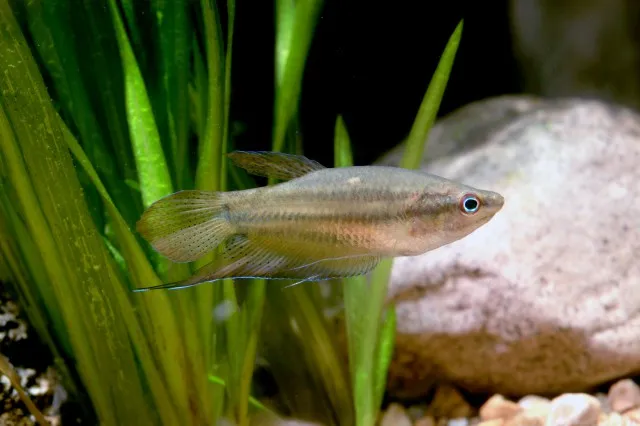 2.8 in (7 cm)18 gal (67 L)72–82°F (22–28°C)
Croaking gourami
Trichopsis vittata
2.8 in (7 cm) · 18 gal (67 L)
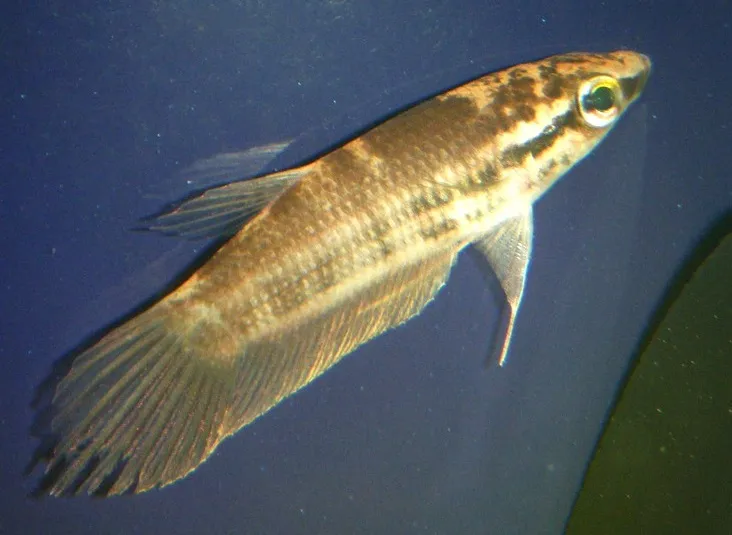 2.8 in (7 cm)16 gal (60 L)72–82°F (22–28°C)
Pugnax betta
Betta pugnax
2.8 in (7 cm) · 16 gal (60 L)