Thick-lipped gourami
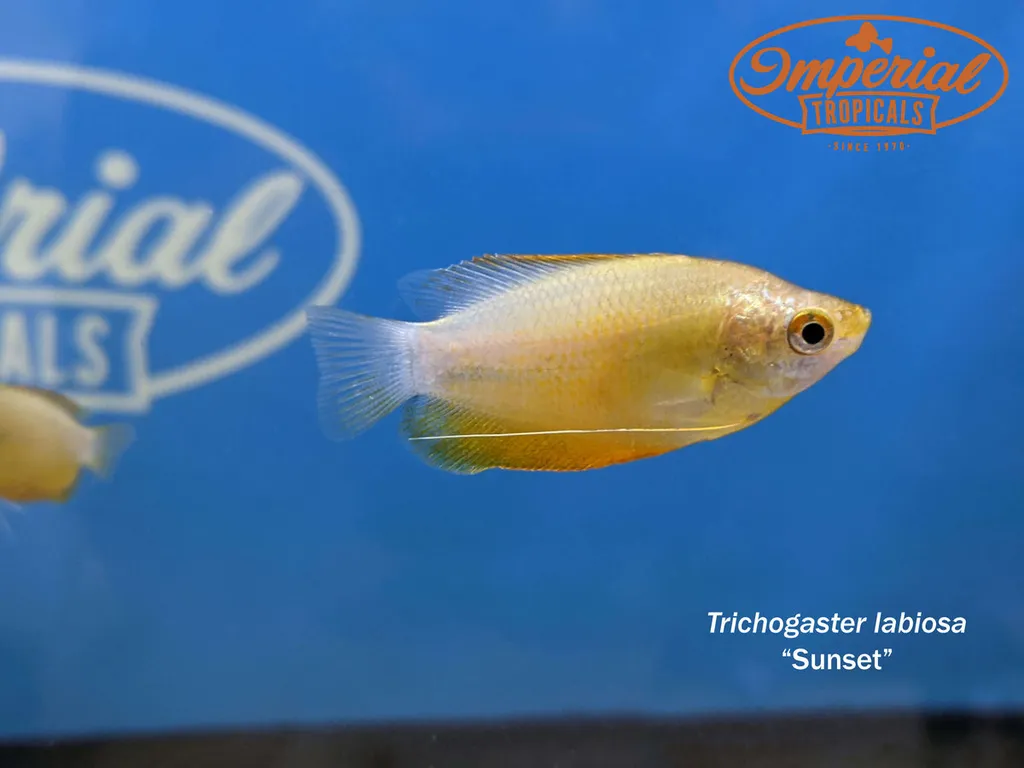
Trichogaster labiosa
Also known as Sunset thicklip gourami, Colisa labiosa
FreshwaterFish
Care at a glance
- Temperature
- 72–82°F
- 22–28°C
- pH
- 6.0–7.5
- Adult size
- 3.5 in
- 9 cm
- Minimum tank
- 20 gal
- 75 L
- Temperament
- Mostly peaceful
- Social behavior
- Social
- Swim level
- Middle
- Difficulty
- Easy
- Breeding
- Bubble nester · Medium
- Rarity
- Common
- Family
- Osphronemidae
- Origin
- Southern Myanmar
Overview
The thick-lipped gourami is one of the better community gouramis, calmer than the dwarf gourami. It is an easy fish for the middle of a planted tank.
Did you know
Like other labyrinth fish, the thick-lipped gourami breathes air from the surface with a lung-like organ. That is how it gets by in the still, low-oxygen pools it comes from. A blast of cold room air at the surface can chill the organ and make the fish sick.
Caring for the thick-lipped gourami
Keep thick-lipped gouramis in a heavily planted tank of at least 20 gal (75 L), with floating plants on top. A dark substrate and gentle flow suit them. Fit a tight lid that traps a warm, humid layer of air above the water, so they never gulp cold, dry air.
Keep the water at 72 to 82°F (22 to 28°C) with a pH of 6.0 to 7.5. Feed a varied diet of small pellets, flakes and frozen foods such as daphnia or brine shrimp.
Keep a small group weighted toward females, because males get a little territorial with each other. Thick-lipped gouramis are mostly peaceful and social. Pick calm tank mates that will not nip them or outcompete them at feeding time. Never house them with banded or dwarf gouramis, since the three hybridize freely.
Thick-lipped gouramis are bubble nesters. The male builds a foam nest at the surface and guards the eggs. Spawning them takes a bit of setup, and breeding is of medium difficulty.
Good to know
The thick-lipped gourami, Trichogaster labiosa, is a labyrinth fish in the family Osphronemidae. Most fish in the trade are tank-bred, and the sunset and gold color forms are common. A healthy adult lives several years.
In the wild
Thick-lipped gouramis come from slow, warm waters in southern Myanmar. They live in shallow, plant-choked pools and ditches with soft light and little current.
Weekly picks
Tank mates
The thick-lipped gourami is a mostly peaceful, social species that keeps to the middle. These picks share a community profile with it, are safe together in both directions, and overlap on water type, temperature and pH.
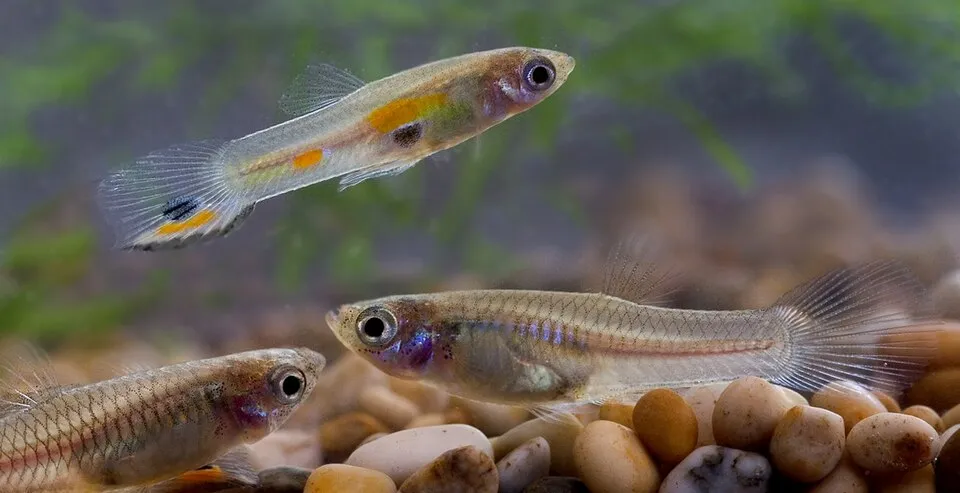
Guppy
Poecilia reticulata
FreshwaterBrackish2.4 in (6 cm) · 10 gal (38 L)64–82°F (18–28°C)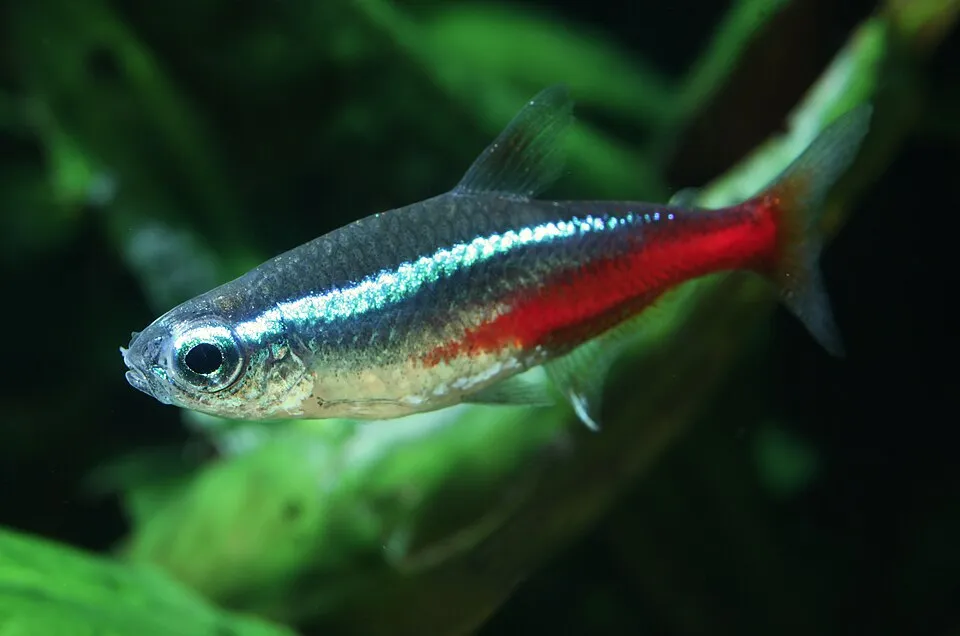
Neon tetra
Paracheirodon innesi
Freshwater1.5 in (3.8 cm) · 11 gal (40 L)70–77°F (21–25°C)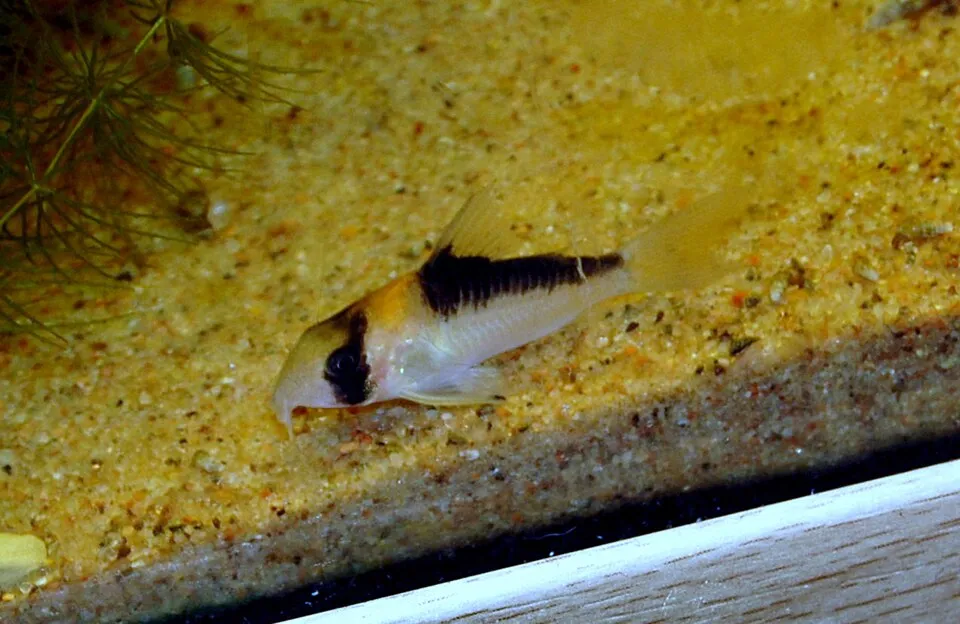
Adolfo's cory
Hoplisoma adolfoi
Freshwater2.4 in (6 cm) · 20 gal (75 L)70–79°F (21–26°C)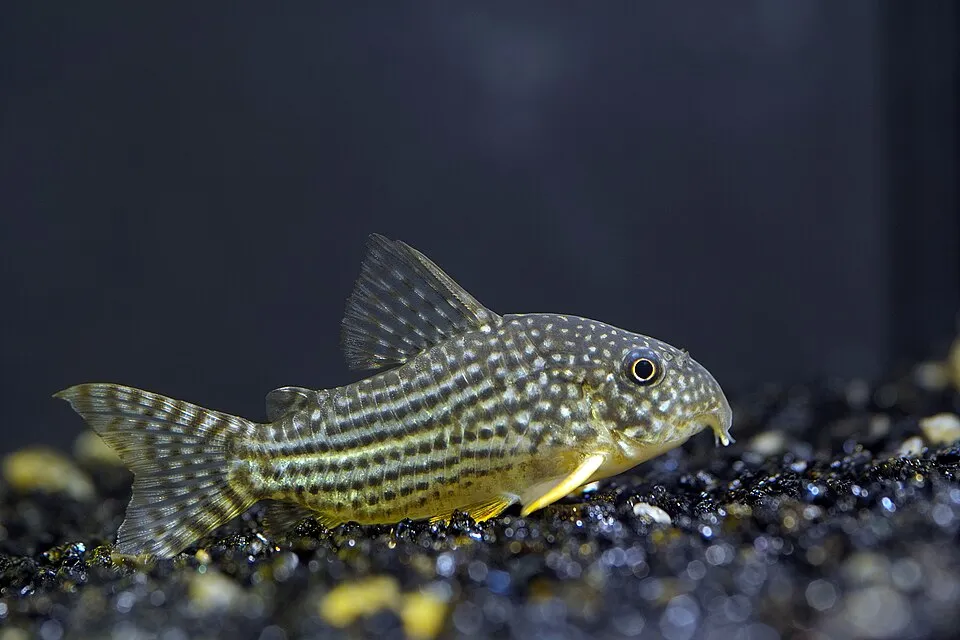
Sterba's cory
Hoplisoma sterbai
Freshwater2.6 in (6.5 cm) · 20 gal (75 L)75–82°F (24–28°C)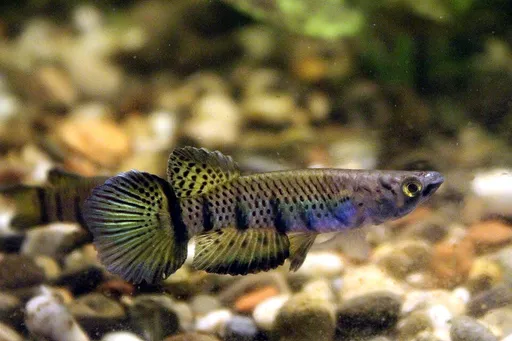
Six-barred panchax
Epiplatys sexfasciatus
Freshwater3.9 in (10 cm) · 20 gal (75 L)72–81°F (22–27°C)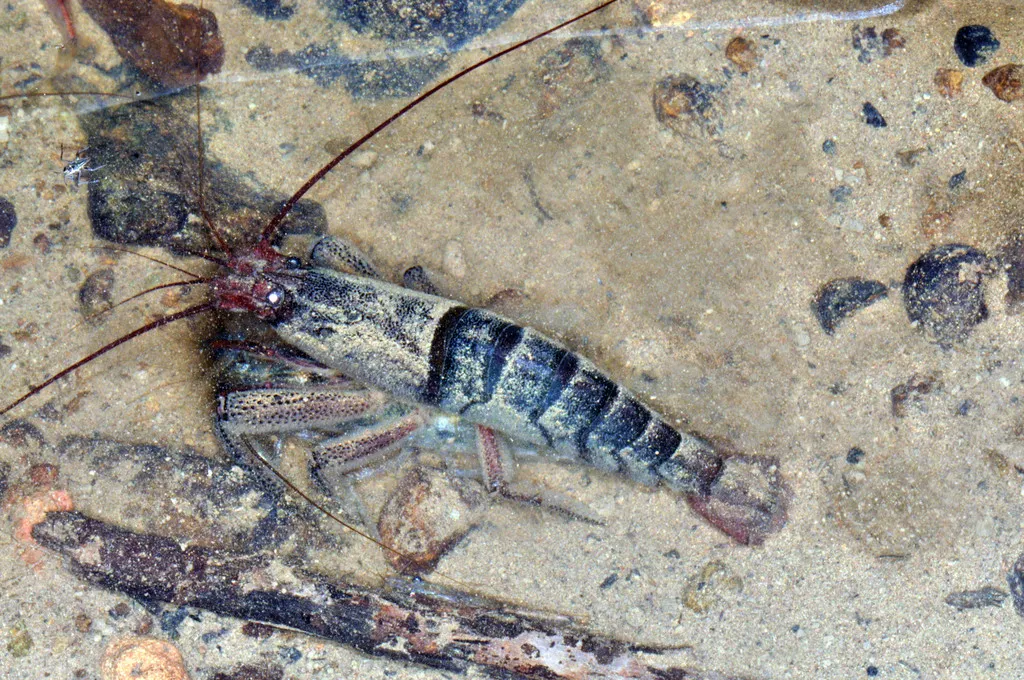
Marble wood shrimp
Atya scabra
Freshwater3.9 in (10 cm) · 20 gal (75 L)73–82°F (23–28°C)
Common questions
What size tank does a thick-lipped gourami need?
A thick-lipped gourami needs at least 20 gal (75 L). It spends most of its time in the middle.
What temperature and pH does a thick-lipped gourami need?
A thick-lipped gourami is comfortable at 72–82°F (22–28°C) with a pH of 6.0–7.5.
What does a thick-lipped gourami eat?
A thick-lipped gourami eats a varied diet of small pellets, flakes and frozen foods such as daphnia or brine shrimp.
How big does a thick-lipped gourami get?
An adult thick-lipped gourami reaches about 3.5 in (9 cm).
How does a thick-lipped gourami breed?
Thick-lipped gouramis are bubble nesters, with the male building a foam nest at the surface and guarding the eggs. Spawning them takes a bit of setup, and breeding is of medium difficulty.
Related species
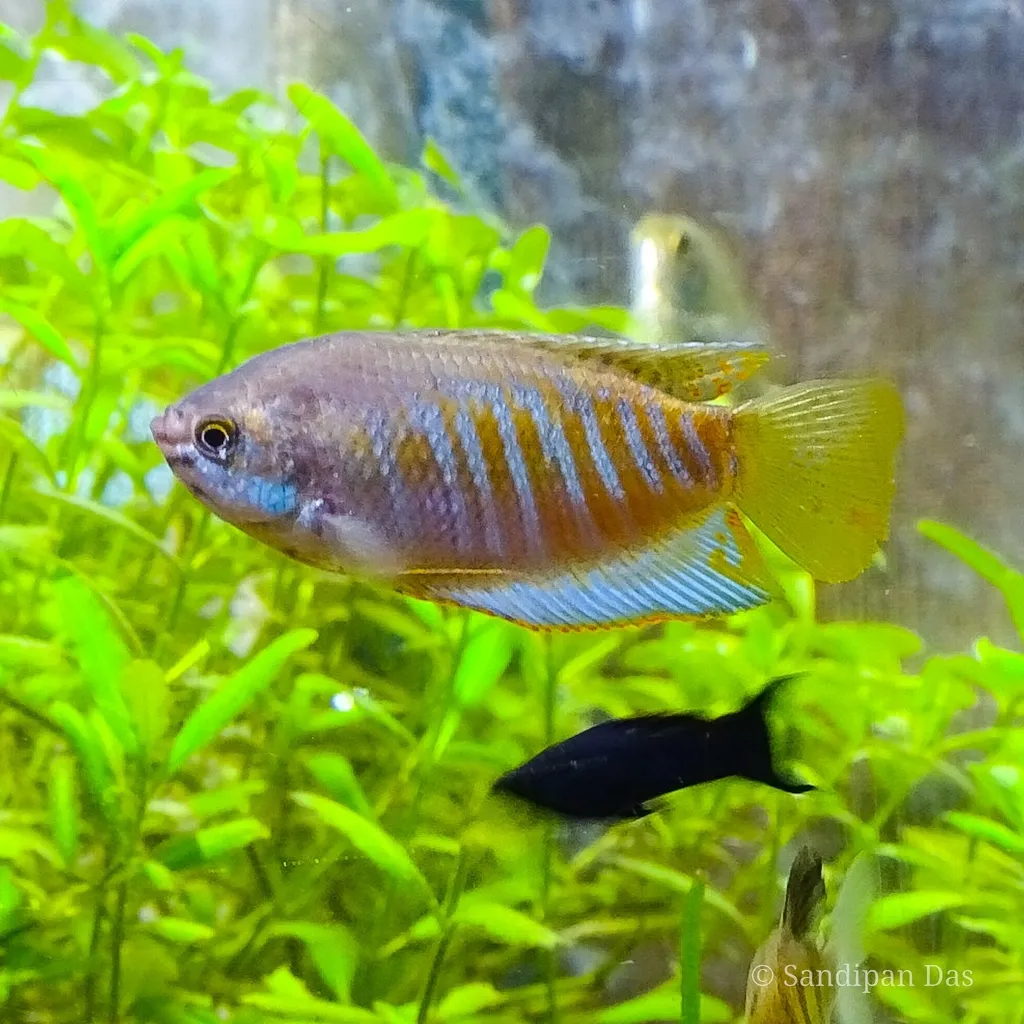 3.5 in (9 cm)26 gal (100 L)70–82°F (21–28°C)
Banded gourami
Trichogaster fasciata
3.5 in (9 cm) · 26 gal (100 L)
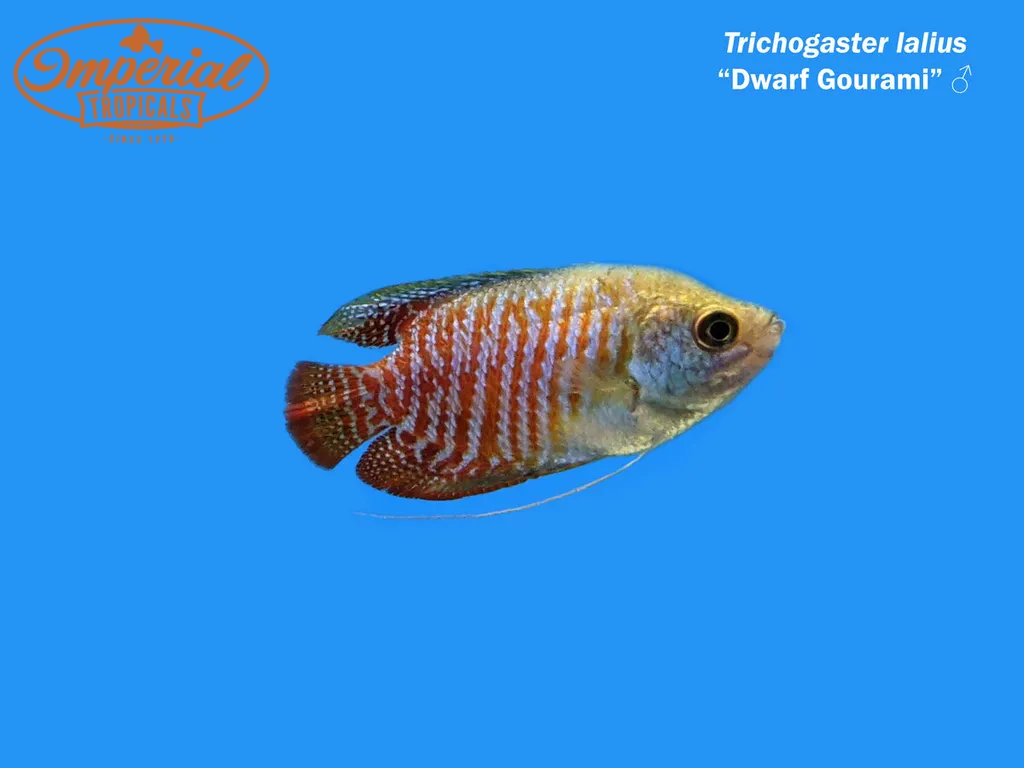 3 in (7.5 cm)10 gal (38 L)72–81°F (22–27°C)
Dwarf gourami
Trichogaster lalius
3 in (7.5 cm) · 10 gal (38 L)
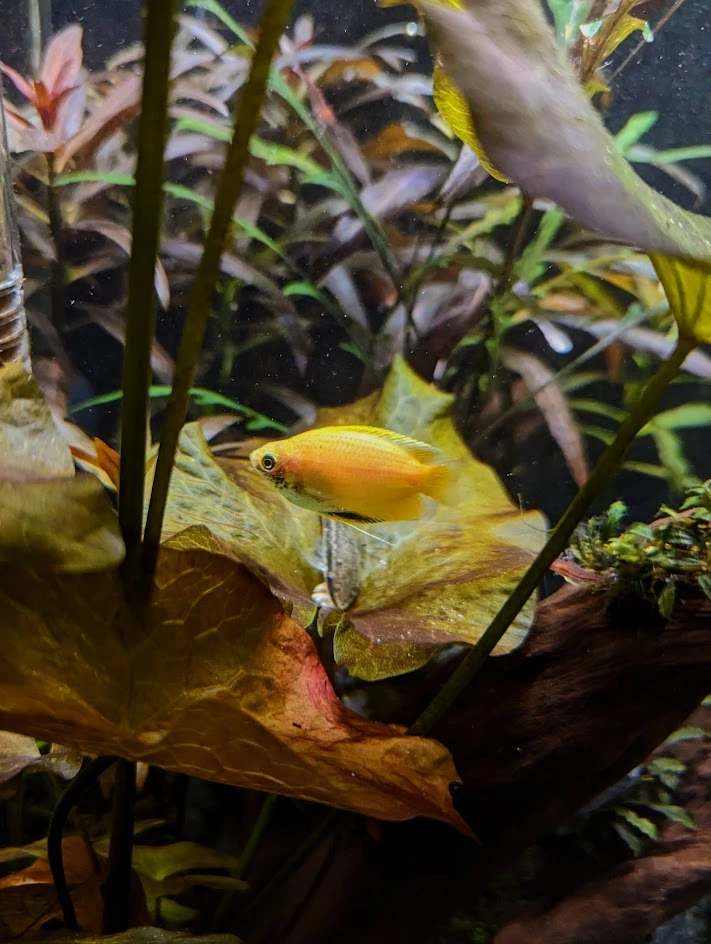 2 in (5 cm)14 gal (54 L)72–82°F (22–28°C)
Honey gourami
Trichogaster chuna
2 in (5 cm) · 14 gal (54 L)
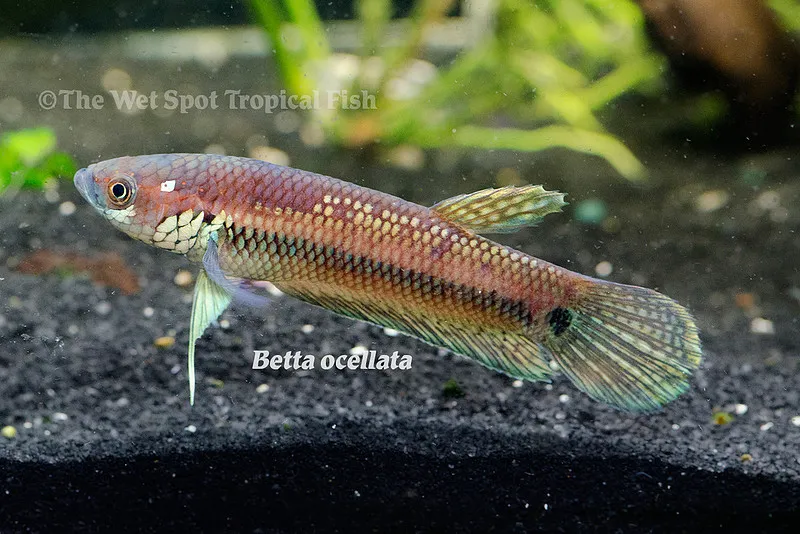 3.5 in (9 cm)24 gal (90 L)70–77°F (21–25°C)
Eyespot betta
Betta ocellata
3.5 in (9 cm) · 24 gal (90 L)
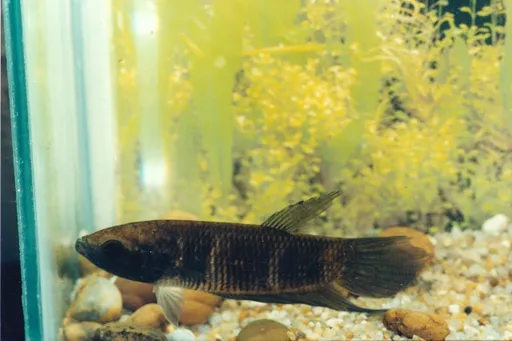 3.5 in (9 cm)26 gal (100 L)73–81°F (23–27°C)
Pi betta
Betta pi
3.5 in (9 cm) · 26 gal (100 L)
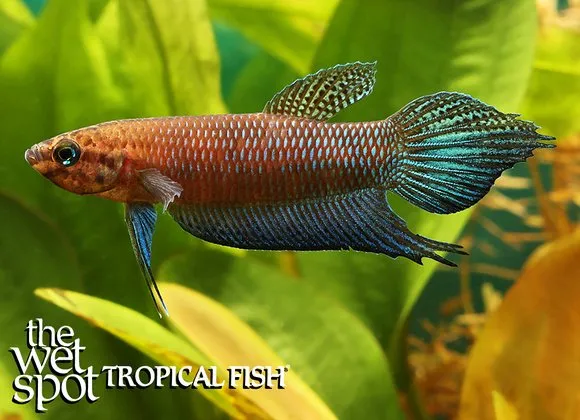 3.5 in (9 cm)20 gal (75 L)73–81°F (23–27°C)
Sims' betta
Betta simorum
3.5 in (9 cm) · 20 gal (75 L)