Banded gourami
Trichogaster fasciata
FreshwaterFish
Care at a glance
- Temperature
- 70–82°F
- 21–28°C
- pH
- 6.0–7.5
- Adult size
- 3.5 in
- 9 cm
- Minimum tank
- 26 gal
- 100 L
- Temperament
- Mostly peaceful
- Social behavior
- Social
- Swim level
- Middle
- Difficulty
- Medium
- Breeding
- Hard
- Rarity
- Rare
- Family
- Osphronemidae
- Origin
- Pakistan, India, Nepal
Overview
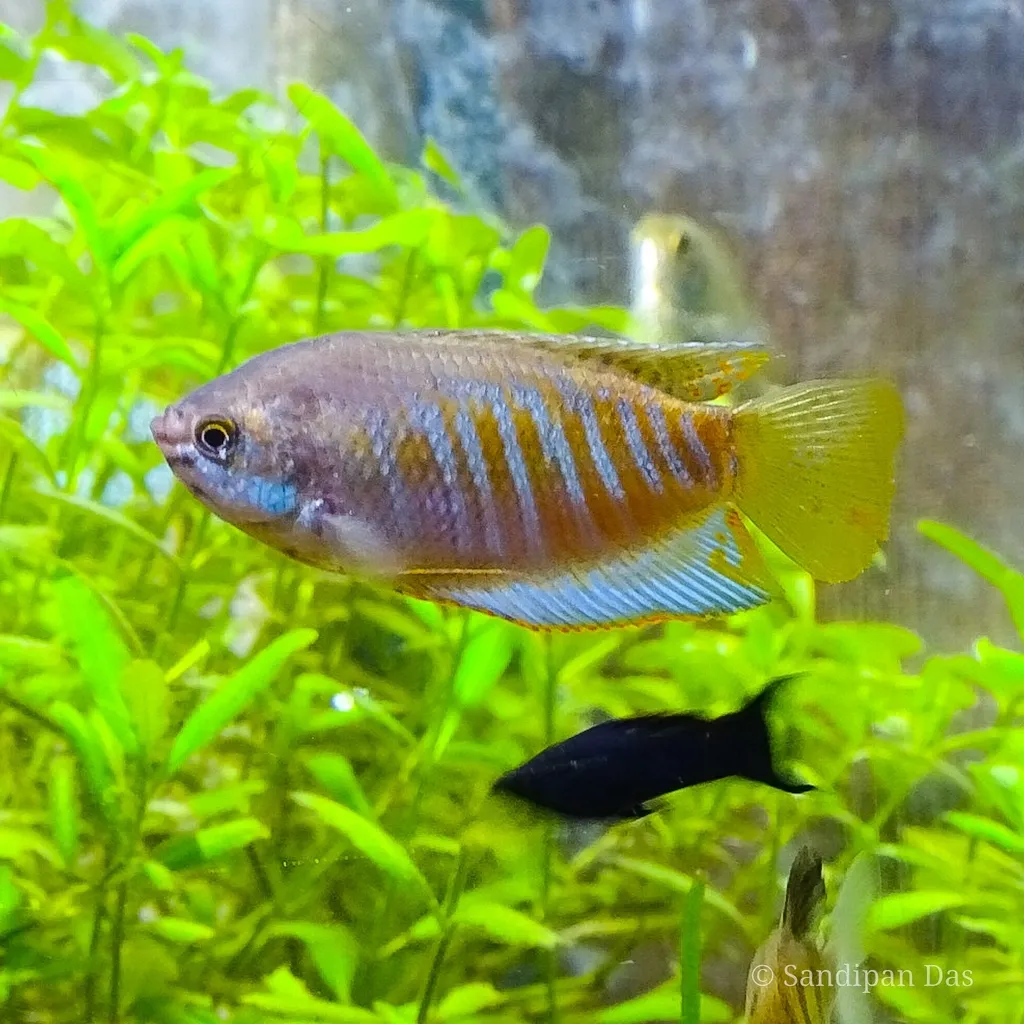
The banded gourami is a hardy, mostly peaceful gourami that can be kept singly, as a pair or in a small group with room to spread out. It favours the middle and upper water and will use its long, thread-like pelvic fins to feel around plants and decor. Males can turn territorial as they come into breeding condition, so give plenty of planting to break up sight lines. It mixes well with other calm, similar-sized community fish. Feed a mix of quality flake or pellet, frozen bloodworm and brine shrimp, along with some vegetable matter. Aim for a tank of at least 100 liters so a group has space.
In the wild
It ranges across Pakistan, northern India and Nepal, living in slow rivers, ponds, ditches and flooded fields, often among dense marginal plants. These waters are warm for much of the year but can cool in winter. A planted tank with plenty of surface cover, some floating plants and a soft substrate suits it. Keep the temperature between 21 and 28 degrees Celsius and the pH from 6.0 to 7.5. As a labyrinth fish it gulps air from the surface, so leave a warm, humid gap under the lid and avoid strong currents.
Good to know
Now placed in the genus Trichogaster within the gourami family Osphronemidae, this species was long known as Colisa fasciata. It grows to around 9 centimeters. Males build a floating bubble nest, often woven together with bits of plant, and guard the eggs and fry. Breeding is rated hard in the sense that conditioning a pair and rearing the tiny fry takes care and a steady supply of small live foods, though a settled pair will spawn readily under the right conditions.
Did you know
The banded gourami was once grouped with the dwarf gouramis in the genus Colisa. Like other labyrinth fish it can breathe air, and its slender pelvic fins act as feelers, tipped with taste and touch sensors that help it explore its surroundings.
Weekly picks
Tank mates
Banded gourami is a mostly peaceful, social species that keeps to the middle. These picks share a community profile with it, are safe together in both directions, and overlap on water type, temperature and pH.
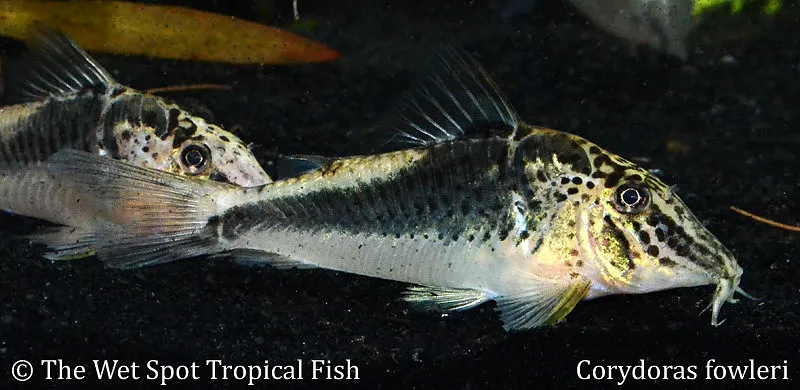
Fowler's cory
Corydoras fowleri
Freshwater2.8 in (7 cm) · 26 gal (100 L)72–79°F (22–26°C)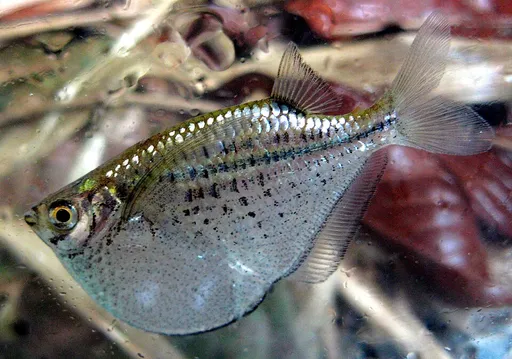
Spotted hatchetfish
Gasteropelecus maculatus
Freshwater3.5 in (9 cm) · 26 gal (100 L)73–82°F (23–28°C)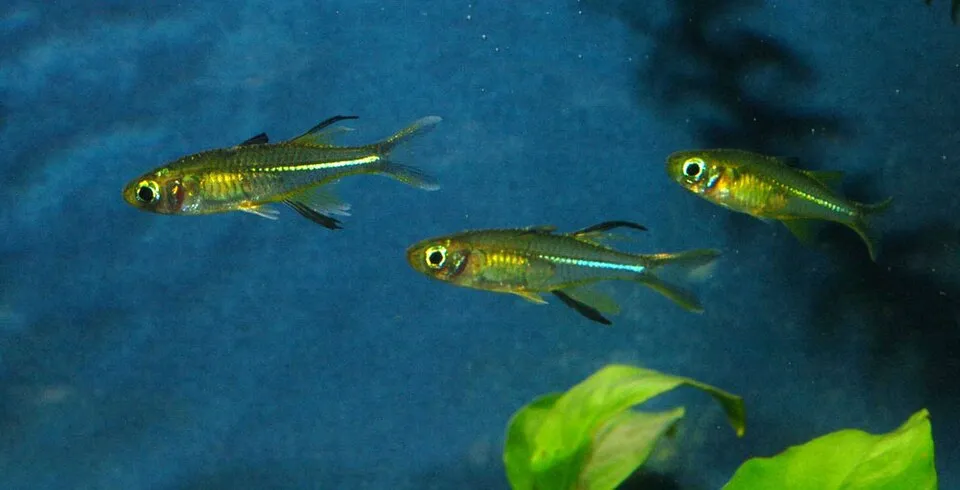
Celebes rainbow
Marosatherina ladigesi
FreshwaterBrackish3.1 in (8 cm) · 25 gal (95 L)72–82°F (22–28°C)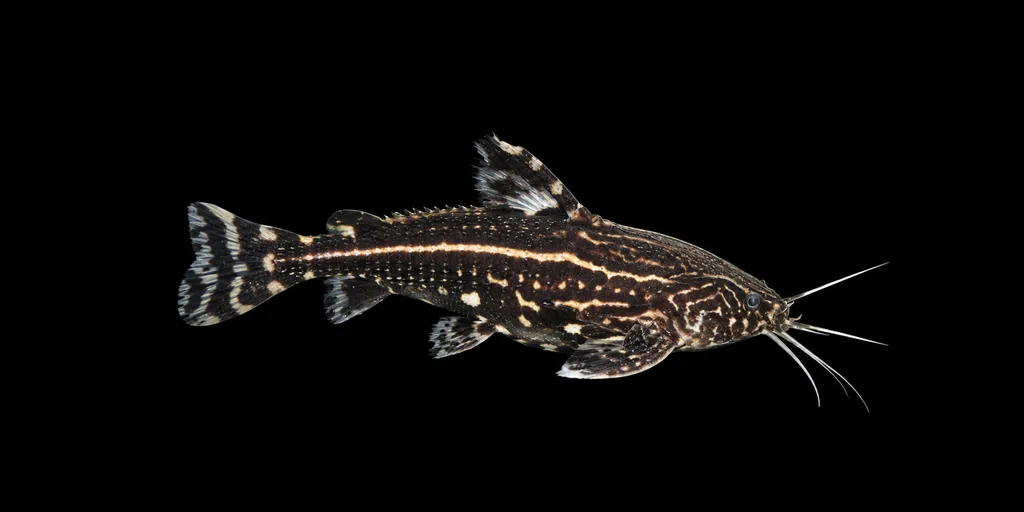
Talking catfish
Acanthodoras spinosissimus
Freshwater5.9 in (15 cm) · 26 gal (100 L)72–82°F (22–28°C)
Spotfin hatchetfish
Thoracocharax stellatus
Freshwater3.5 in (9 cm) · 26 gal (100 L)73–82°F (23–28°C)
Red eye tetra
Moenkhausia sanctaefilomenae
Freshwater2.8 in (7 cm) · 28 gal (105 L)72–79°F (22–26°C)
Common questions
What size tank does a Banded gourami need?
A Banded gourami needs at least 26 gal (100 L). It spends most of its time in the middle.
What temperature and pH does a Banded gourami need?
A Banded gourami is comfortable at 70–82°F (21–28°C) with a pH of 6.0–7.5.
How big does a Banded gourami get?
An adult Banded gourami reaches about 3.5 in (9 cm).
Related species
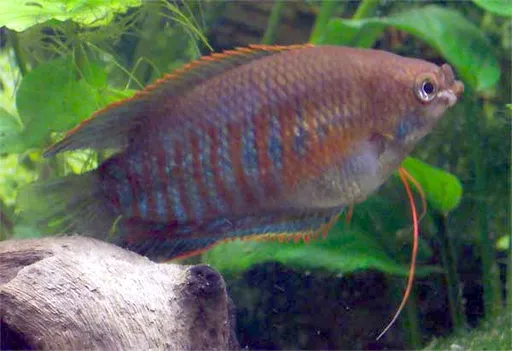 3.5 in (9 cm)20 gal (75 L)72–82°F (22–28°C)
Thick-lipped gourami
Trichogaster labiosa
3.5 in (9 cm) · 20 gal (75 L)
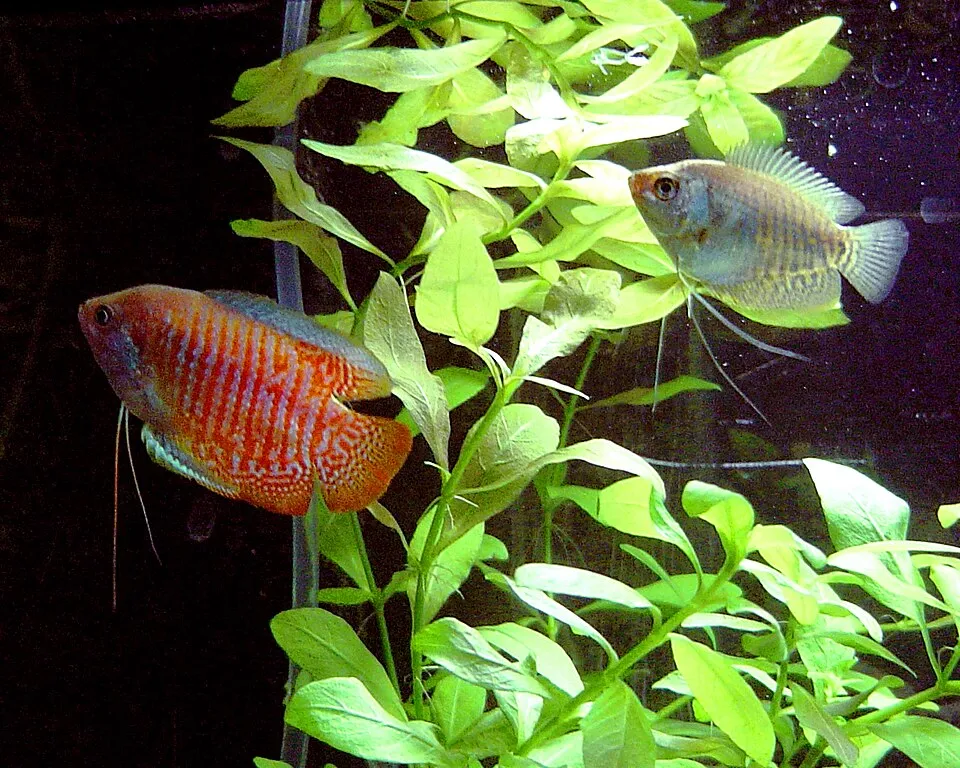 3 in (7.5 cm)16 gal (60 L)72–81°F (22–27°C)
Dwarf gourami
Trichogaster lalius
3 in (7.5 cm) · 16 gal (60 L)
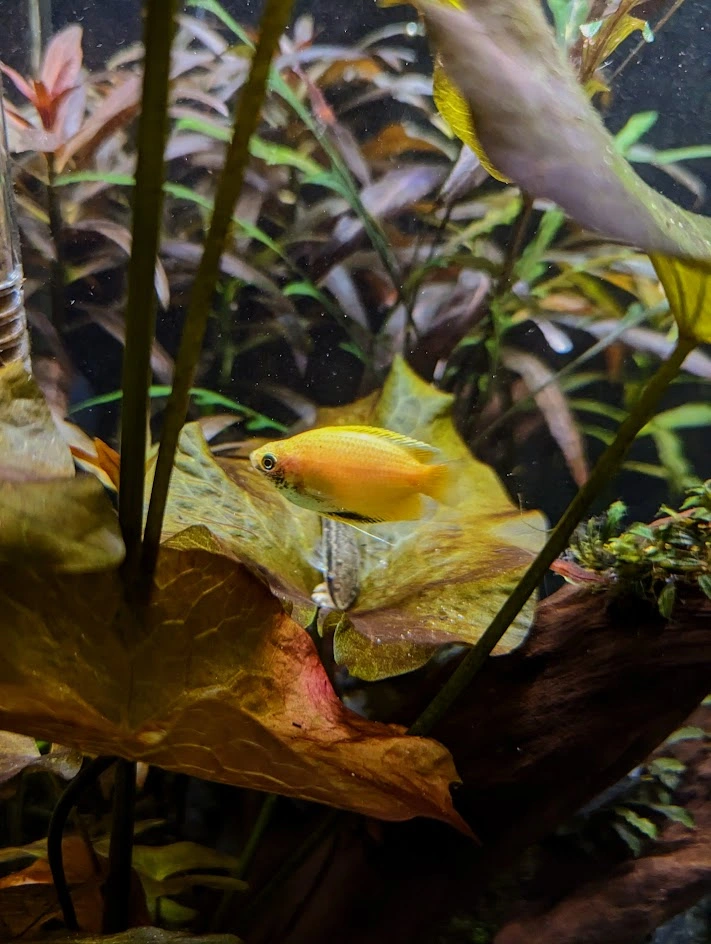 2 in (5 cm)20 gal (75 L)72–82°F (22–28°C)
Honey gourami
Trichogaster chuna
2 in (5 cm) · 20 gal (75 L)
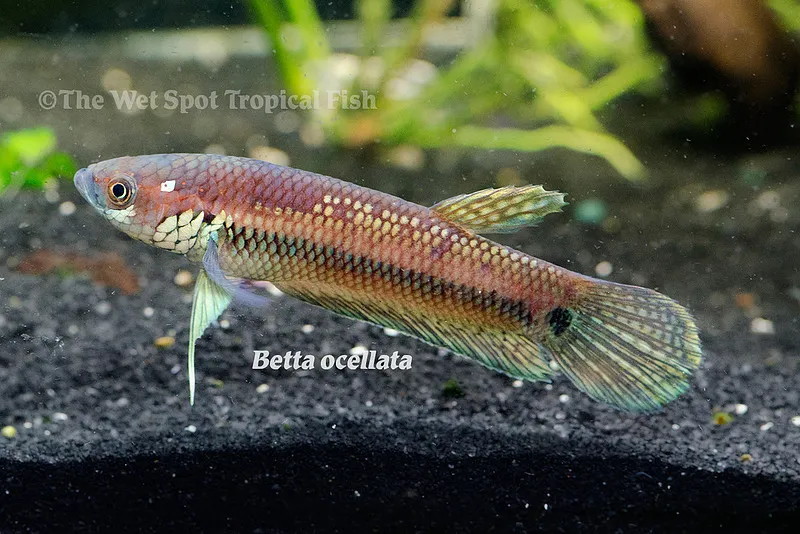 3.5 in (9 cm)24 gal (90 L)70–77°F (21–25°C)
Eyespot betta
Betta ocellata
3.5 in (9 cm) · 24 gal (90 L)
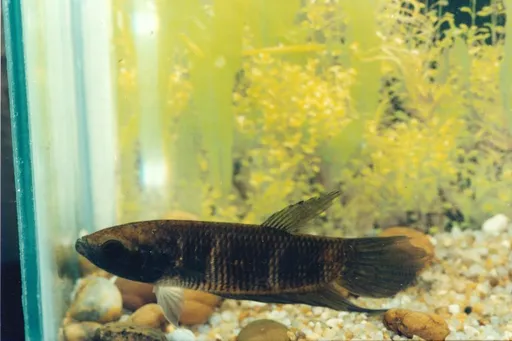 3.5 in (9 cm)26 gal (100 L)73–81°F (23–27°C)
Pi betta
Betta pi
3.5 in (9 cm) · 26 gal (100 L)
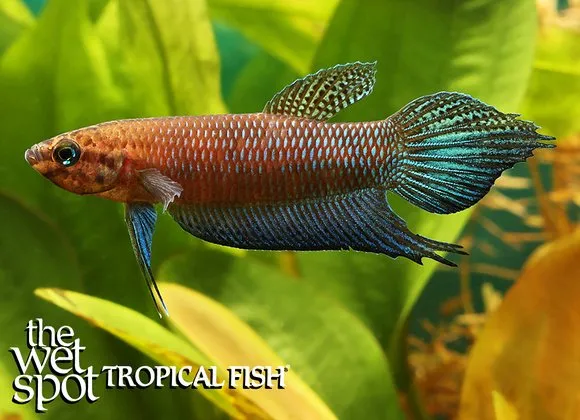 3.5 in (9 cm)20 gal (75 L)73–81°F (23–27°C)
Sims' betta
Betta simorum
3.5 in (9 cm) · 20 gal (75 L)