One species · 2 varieties
Honey gourami
Trichogaster chuna
Also known as Honey Dwarf Gourami
FreshwaterFish
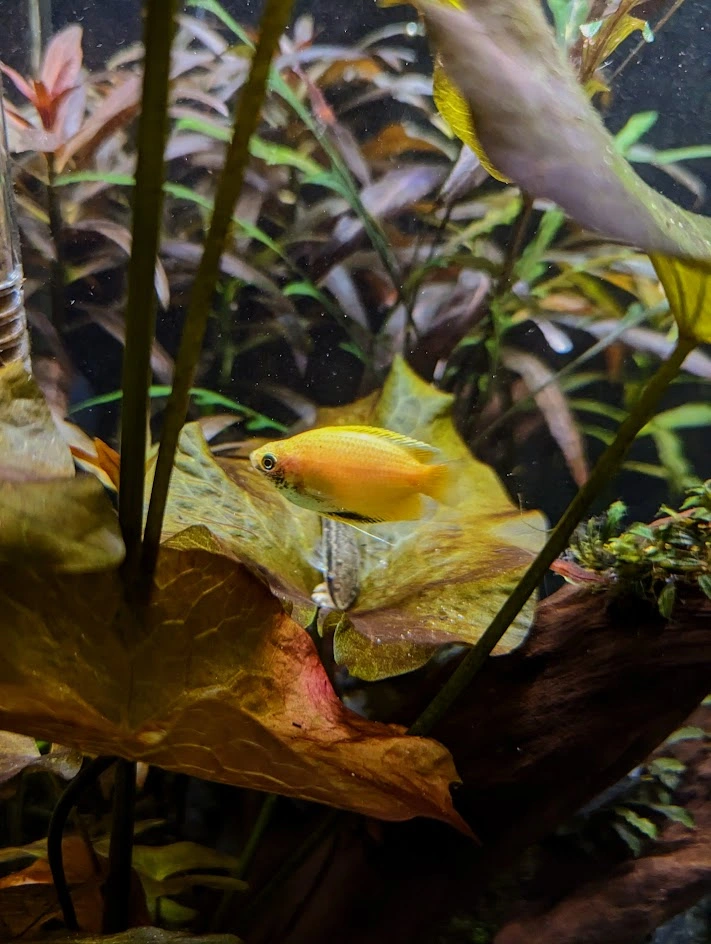
Care at a glance
- Temperature
- 72–82°F
- 22–28°C
- pH
- 6.0–7.5
- Adult size
- 2 in
- 5 cm
- Minimum tank
- 20 gal
- 75 L
- Temperament
- Peaceful
- Social behavior
- Social
- Swim level
- Middle
- Difficulty
- Easy
- Breeding
- Medium
- Rarity
- Very common
- Family
- Osphronemidae
- Origin
- Ganges and Brahmaputra drainages of northeast India, Bangladesh, and Nepal
Pick a variety
One setup covers every line on this page: care is the species' care.
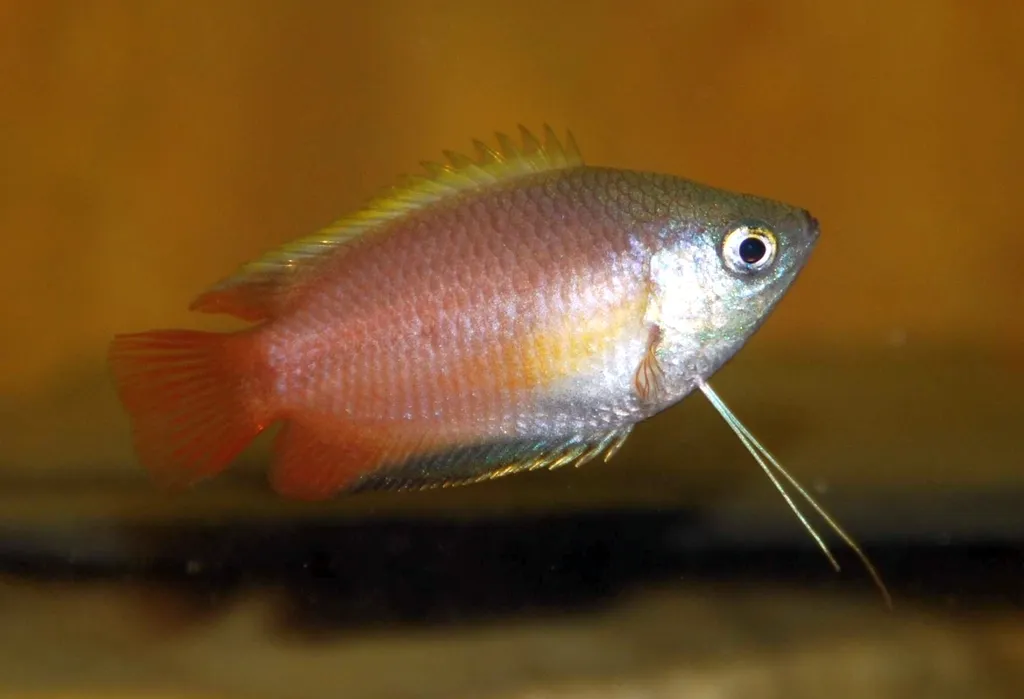
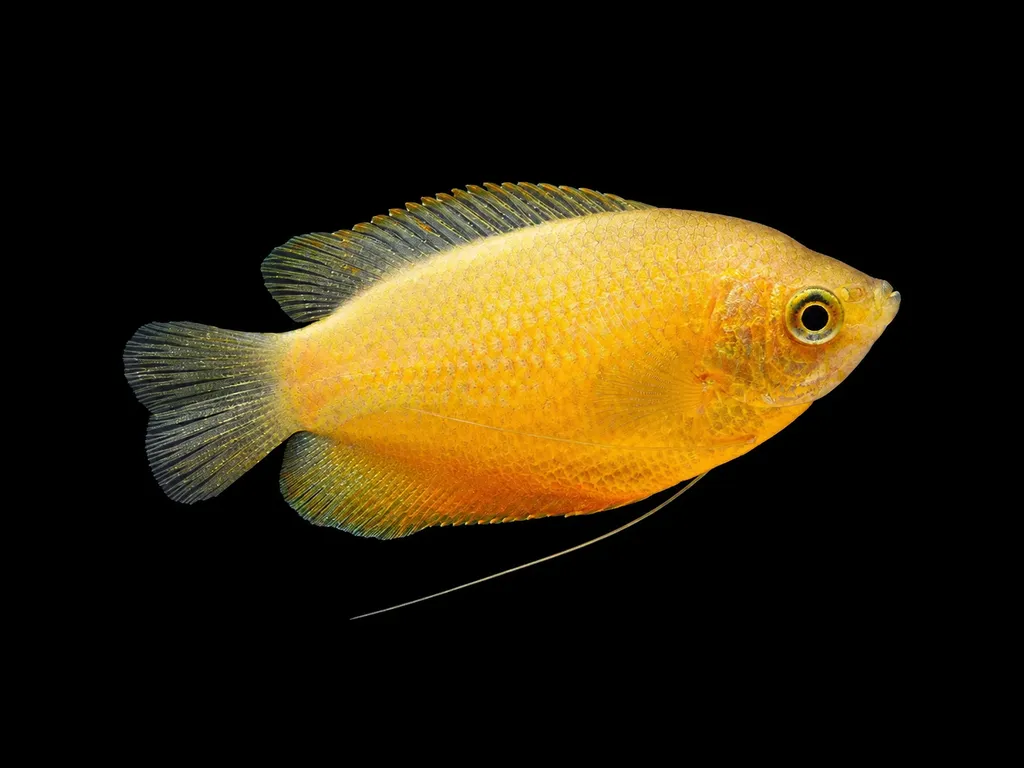
Overview
Keep them in a group of four to six in a tank of 75 liters or larger, with more females than males to spread out any chasing. They are peaceful and a bit shy, sitting in the middle of the water column and using floating plants and tall stems for cover. Hold the temperature between 22 and 28 C and the pH from 6 to 7.5, with gentle flow so the surface stays calm for breathing and nest building. Feed small flakes, micro pellets, and frozen foods like daphnia or brine shrimp. Pair them with other calm, small fish and skip anything fast, nippy, or large enough to bully them out of the open.
In the wild
Honey gouramis come from slow, weedy waters in the Ganges and Brahmaputra drainages of northeast India, Bangladesh, and Nepal, where they live among thick marginal plants and still backwaters. To match that, give them a heavily planted tank of at least 75 liters with floating plants up top, some open swimming room in the middle, and gentle flow. They are labyrinth fish that breathe air at the surface, so keep the tank well covered with a warm, humid layer of air under the lid. Run the water from 22 to 28 C with a pH of 6 to 7.5.
Good to know
This is a labyrinth fish in the family Osphronemidae, formerly known as Colisa chuna, with adults staying around 5 cm. It is a bubble-nest builder, with the male building and guarding the nest, and breeding it is moderately tricky. A healthy fish lives several years. Many sold today are tank-bred sunset or red color forms rather than the wild type.
Did you know
The labyrinth organ behind the gills lets them gulp air at the surface and pull oxygen from it, which is how they survive in the warm, low-oxygen backwaters they come from. It also means they need real access to the surface, so a tight lid that traps a warm, humid pocket of air keeps that organ from being shocked by cold room air.
Weekly picks
Tank mates
Every variety on this page wants the same water, so one set of picks fits them all. These picks match on water type, temperature, pH, size and temperament.
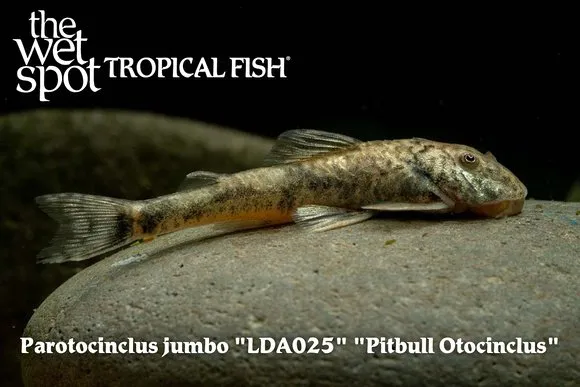
Pit bull otocinclus
Parotocinclus jumbo
Freshwater2.4 in (6 cm) · 20 gal (75 L)72–81°F (22–27°C)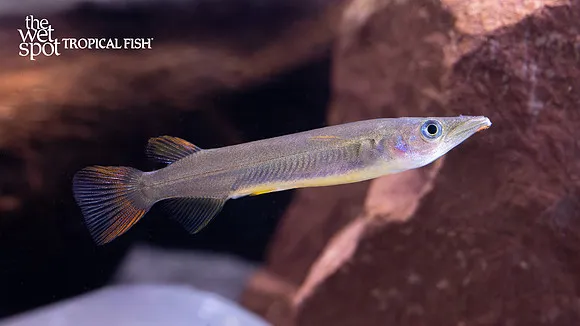
Rex halfbeak
Nomorhamphus rex
Freshwater2.2 in (5.5 cm) · 20 gal (75 L)72–79°F (22–26°C)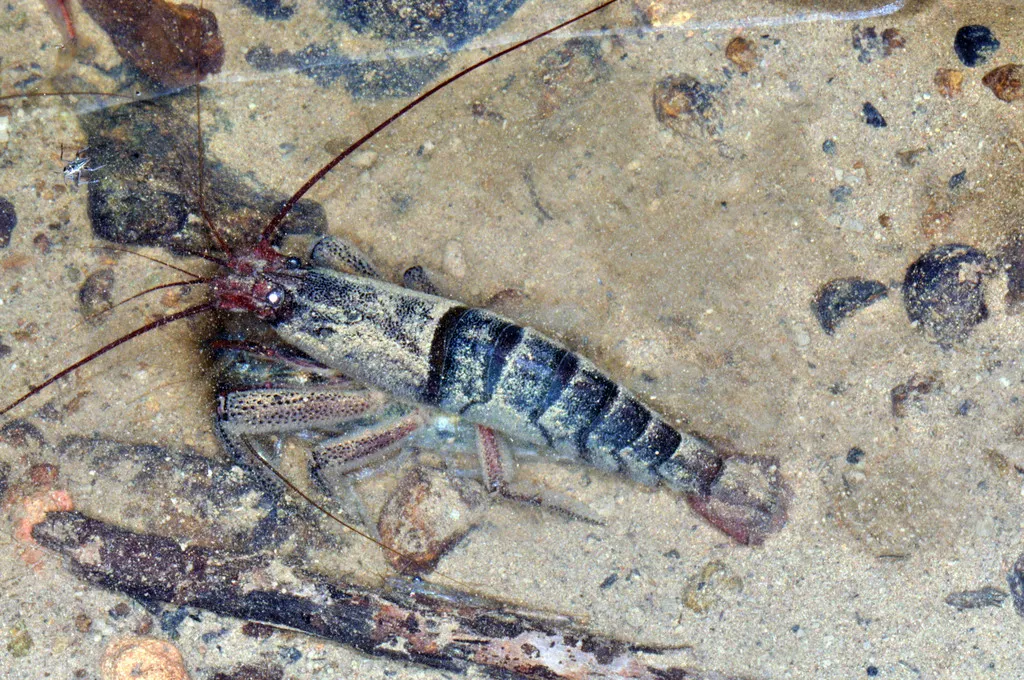
Marble wood shrimp
Atya scabra
Freshwater3.9 in (10 cm) · 20 gal (75 L)73–82°F (23–28°C)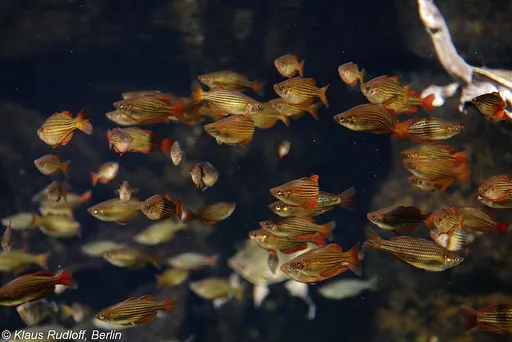
Dwarf rainbowfish
Melanotaenia maccullochi
Freshwater2.8 in (7 cm) · 20 gal (75 L)72–82°F (22–28°C)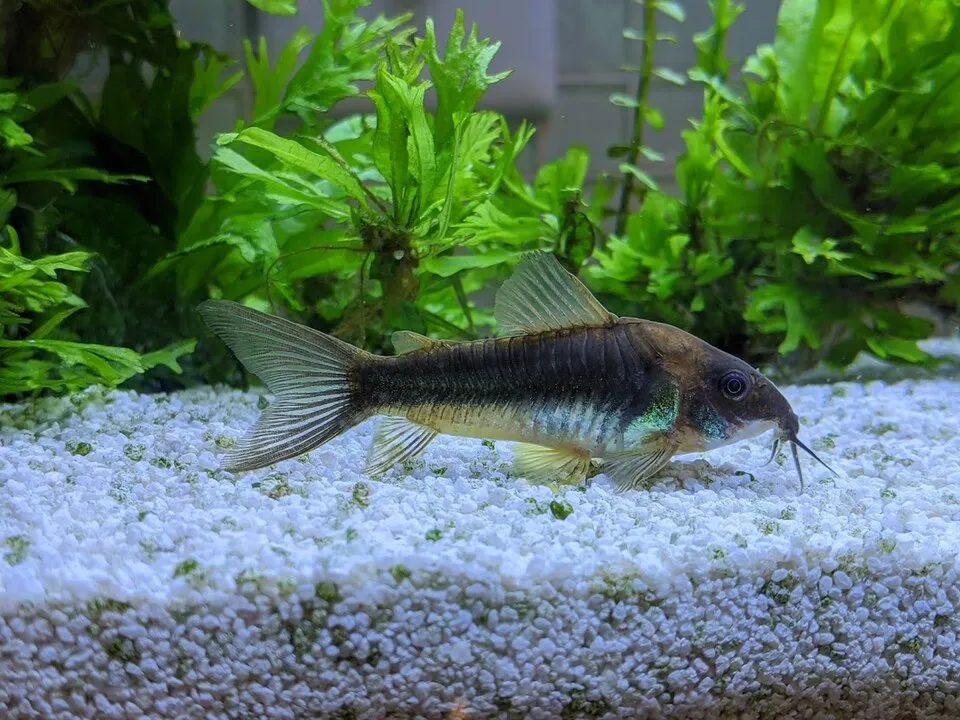
Bronze cory
Osteogaster aenea
Freshwater3 in (7.5 cm) · 20 gal (75 L)70–81°F (21–27°C)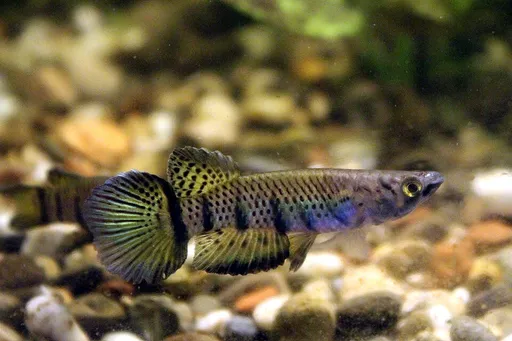
Six-barred panchax
Epiplatys sexfasciatus
Freshwater3.9 in (10 cm) · 20 gal (75 L)72–81°F (22–27°C)
Common questions
What size tank does a Honey gourami need?
A Honey gourami needs at least 20 gal (75 L). It spends most of its time in the middle.
What temperature and pH does a Honey gourami need?
A Honey gourami is comfortable at 72–82°F (22–28°C) with a pH of 6.0–7.5.
How big does a Honey gourami get?
An adult Honey gourami reaches about 2 in (5 cm).
Related species
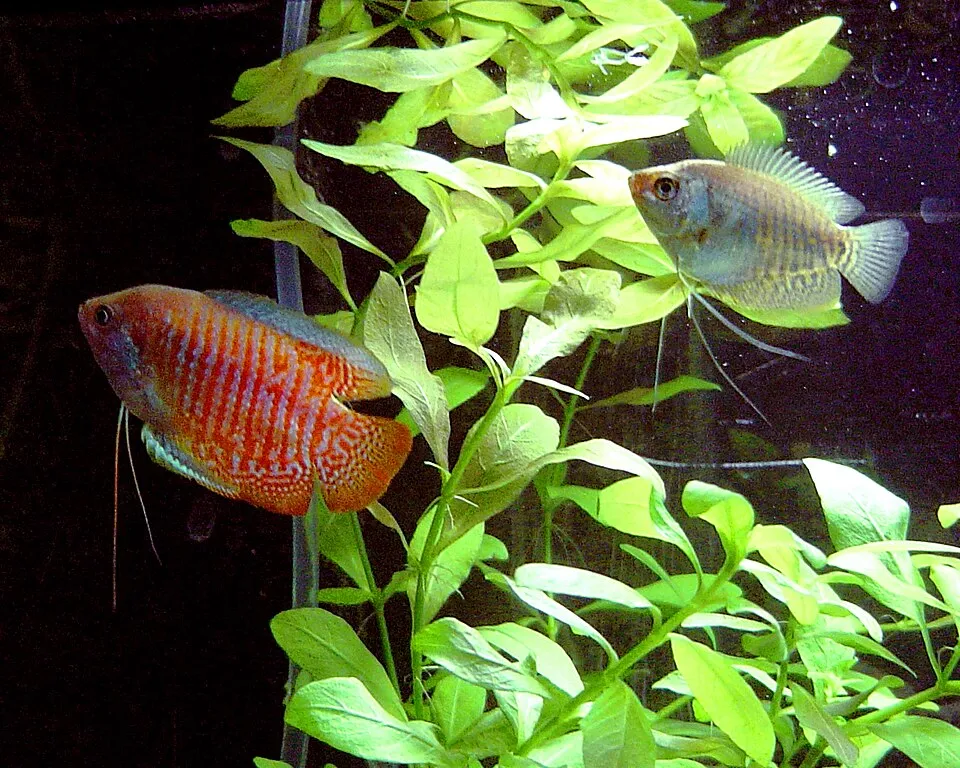 3 in (7.5 cm)16 gal (60 L)72–81°F (22–27°C)
Dwarf gourami
Trichogaster lalius
3 in (7.5 cm) · 16 gal (60 L)
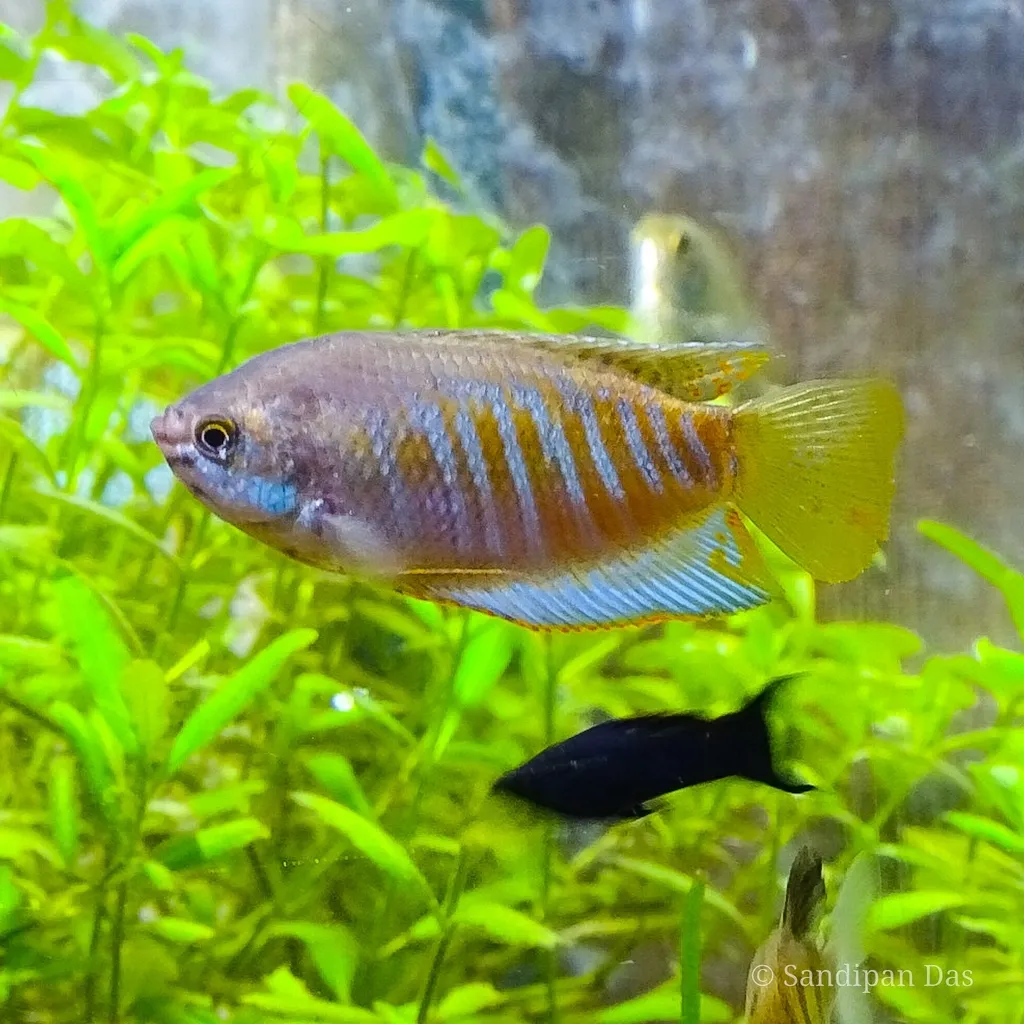 3.5 in (9 cm)26 gal (100 L)70–82°F (21–28°C)
Banded gourami
Trichogaster fasciata
3.5 in (9 cm) · 26 gal (100 L)
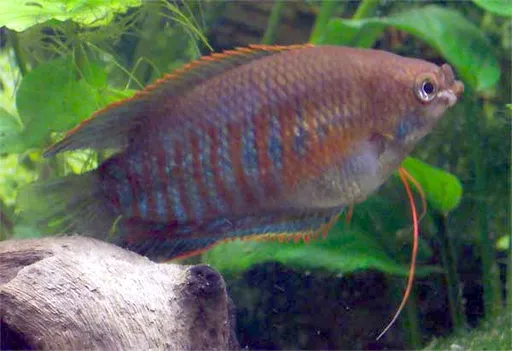 3.5 in (9 cm)20 gal (75 L)72–82°F (22–28°C)
Thick-lipped gourami
Trichogaster labiosa
3.5 in (9 cm) · 20 gal (75 L)
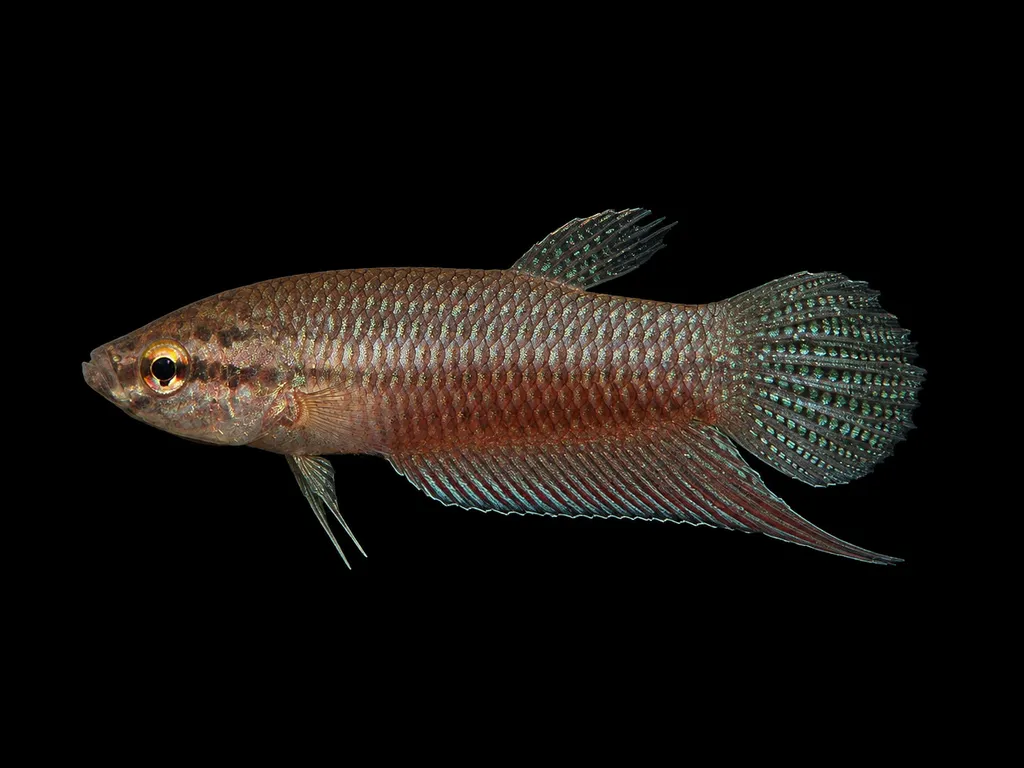 2 in (5 cm)16 gal (60 L)72–81°F (22–27°C)
Balunga betta
Betta balunga
2 in (5 cm) · 16 gal (60 L)
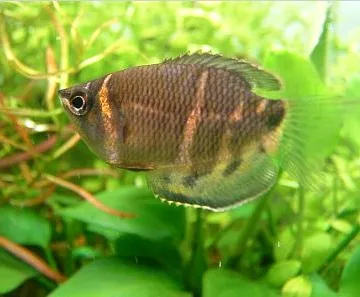 2 in (5 cm)17 gal (65 L)79–88°F (26–31°C)
Chocolate gourami
Sphaerichthys osphromenoides
2 in (5 cm) · 17 gal (65 L)
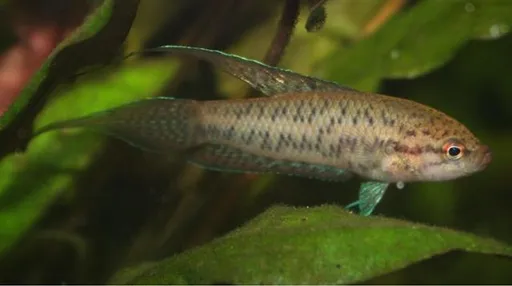 2 in (5 cm)12 gal (45 L)72–82°F (22–28°C)
Ornate paradisefish
Malpulutta kretseri
2 in (5 cm) · 12 gal (45 L)