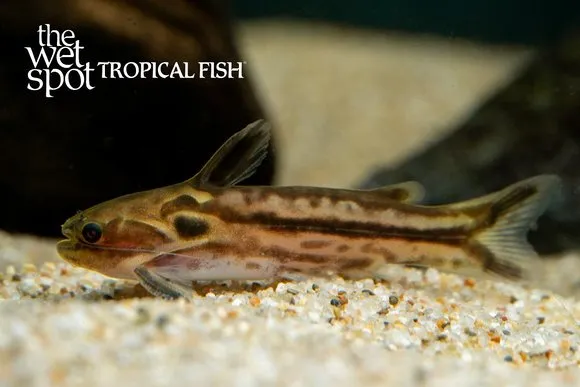
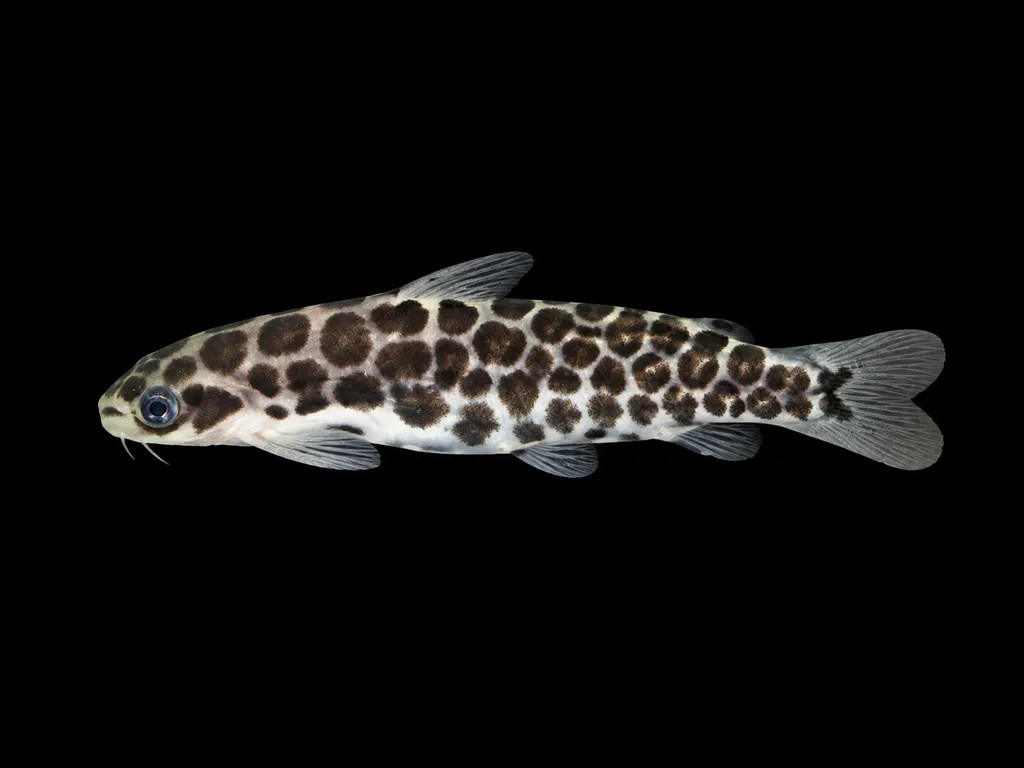
Dwarf driftwood catfish
Tatia gyrina
Also known as Tadpole tatia
FreshwaterFish
Care at a glance
- Temperature
- 73–82°F
- 23–28°C
- pH
- 6.0–7.5
- Adult size
- 1.8 in
- 4.5 cm
- Minimum tank
- 14 gal
- 54 L
- Temperament
- Peaceful
- Social behavior
- Social
- Swim level
- Bottom
- Difficulty
- Medium
- Breeding
- Egg layer
- Rarity
- Rare
- Family
- Auchenipteridae
- Origin
- Upper Amazon, Peru and Ecuador
Overview
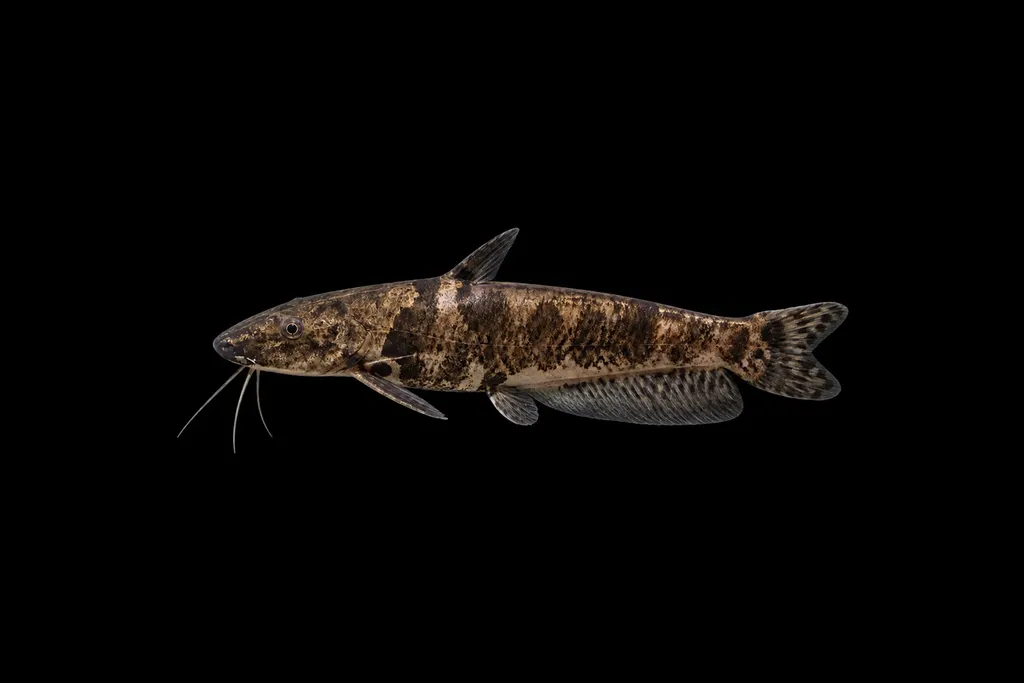
The dwarf driftwood catfish is a tiny, peaceful nocturnal woodcat for a calm community tank. By day you may not see it at all, but it appears at feeding time. It suits a keeper with a little experience.
Did you know
A female dwarf driftwood catfish can store a male's sperm. Moved into a new tank on her own, she can sometimes lay fertile eggs weeks later, with no male anywhere in sight.
Caring for the dwarf driftwood catfish
Keep dwarf driftwood catfish in a small group in a quiet tank of at least 14 gal (54 L). Fill it with driftwood, branches and shaded hiding spots, with tight crevices the group can pack into while the lights are on. Dim or well-shaded lighting and gentle flow suit them.
Give them soft, warm, slightly acidic water at 73 to 82°F (23 to 28°C) and a pH of 6.0 to 7.5. They hide all day and come out after dark to forage, so feed in the evening. Offer sinking foods, such as small frozen bloodworm along with sinking pellets.
The dwarf driftwood catfish is peaceful but shy and easily outcompeted, so keep it only with small, calm tank mates. The male fertilizes the female internally through a modified anal fin. She holds his sperm and lays the eggs some time afterward. Home breeding is essentially unrecorded.
Good to know
The dwarf driftwood catfish belongs to Auchenipteridae, the driftwood catfishes, and is also sold as the tadpole tatia. Its species name, gyrina, points to its rounded, tadpole-like shape.
In the wild
The dwarf driftwood catfish lives among submerged wood and root tangles in quiet creeks of the upper Amazon, in Peru and Ecuador. It shelters in cracks there by day.
Weekly picks
Tank mates
The dwarf driftwood catfish is a peaceful, social species that keeps to the bottom. These picks share a community profile with it, are safe together in both directions, and overlap on water type, temperature and pH.
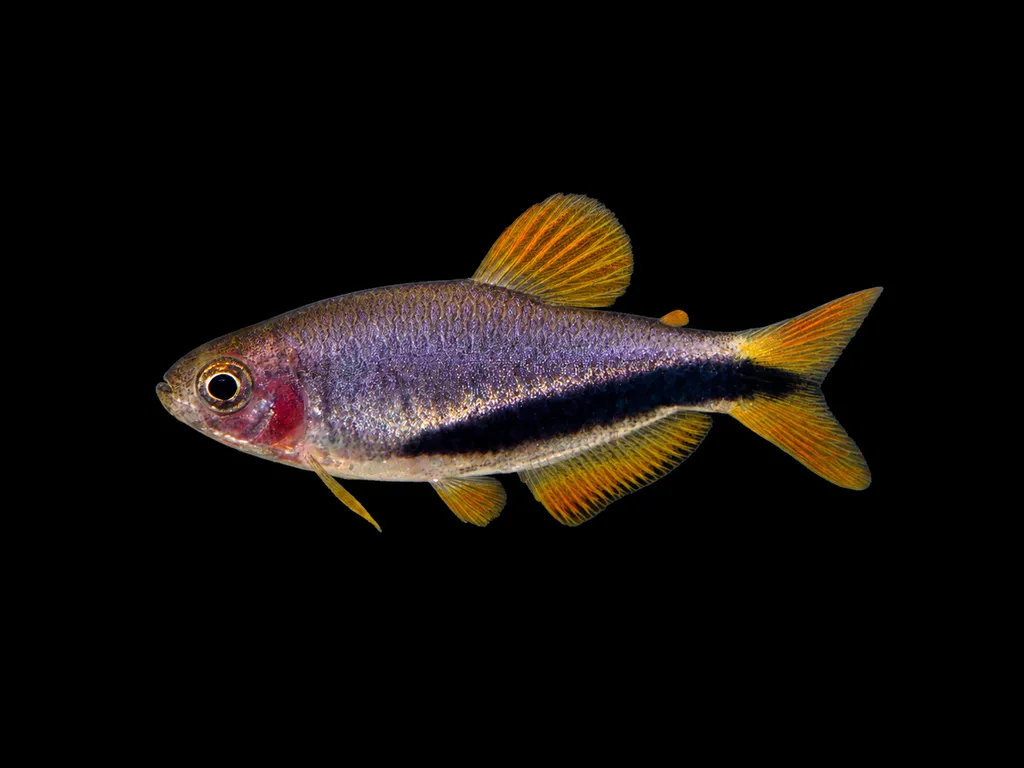
Black arrow tetra
Inpaichthys luizae
Freshwater1.4 in (3.5 cm) · 14 gal (54 L)72–81°F (22–27°C)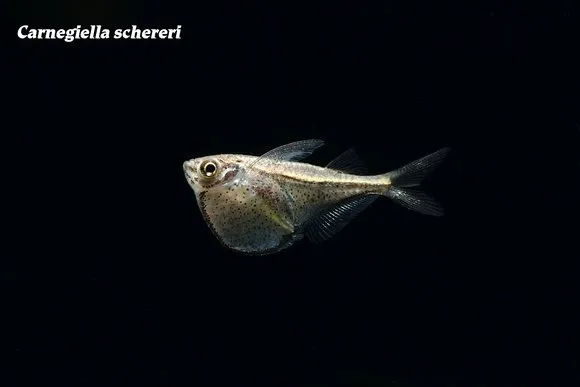
Scherer's hatchetfish
Carnegiella schereri
Freshwater1 in (2.6 cm) · 14 gal (54 L)73–82°F (23–28°C)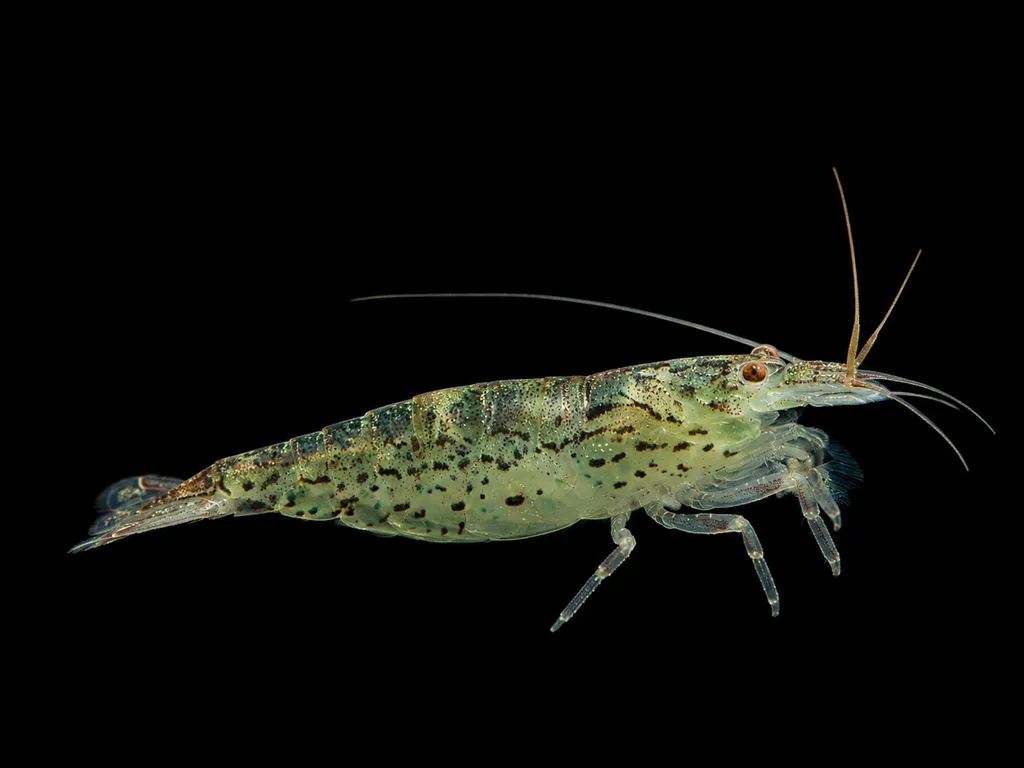
Green lace shrimp
Atyoida pilipes
Freshwater2.8 in (7 cm) · 14 gal (54 L)73–82°F (23–28°C)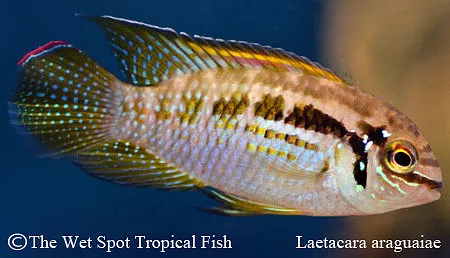
Araguaia dwarf acara
Laetacara araguaiae
Freshwater1.8 in (4.5 cm) · 14 gal (54 L)75–82°F (24–28°C)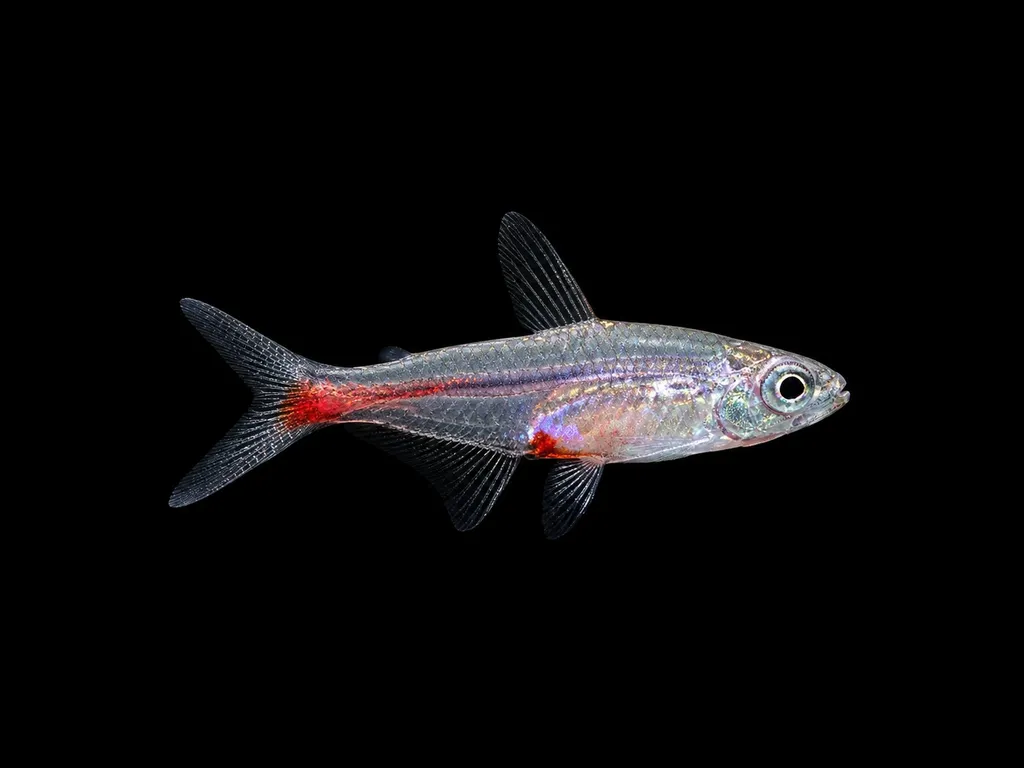
Axelrod's glass tetra
Brittanichthys axelrodi
Freshwater1.3 in (3.3 cm) · 14 gal (54 L)75–82°F (24–28°C)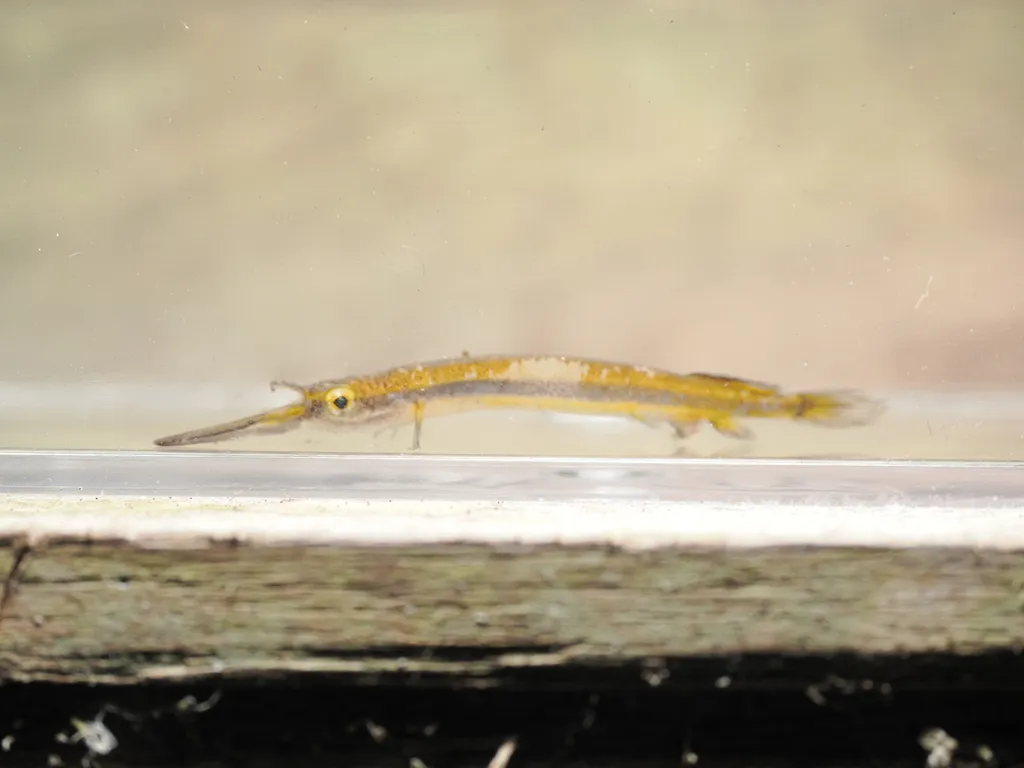
Gold-spotted halfbeak
Hemirhamphodon chrysopunctatus
Freshwater2.6 in (6.5 cm) · 14 gal (54 L)73–81°F (23–27°C)
Common questions
What size tank does a dwarf driftwood catfish need?
A dwarf driftwood catfish needs at least 14 gal (54 L). It spends most of its time in the bottom.
What temperature and pH does a dwarf driftwood catfish need?
A dwarf driftwood catfish is comfortable at 73–82°F (23–28°C) with a pH of 6.0–7.5.
What does a dwarf driftwood catfish eat?
A dwarf driftwood catfish eats sinking foods, such as small frozen bloodworm and sinking pellets. Feed it in the evening, when it comes out to forage.
How big does a dwarf driftwood catfish get?
An adult dwarf driftwood catfish reaches about 1.8 in (4.5 cm).
How does a dwarf driftwood catfish breed?
A dwarf driftwood catfish breeds by internal fertilization, the male passing sperm through a modified anal fin. The female lays the eggs some time later, but home breeding is essentially unrecorded.
Related species
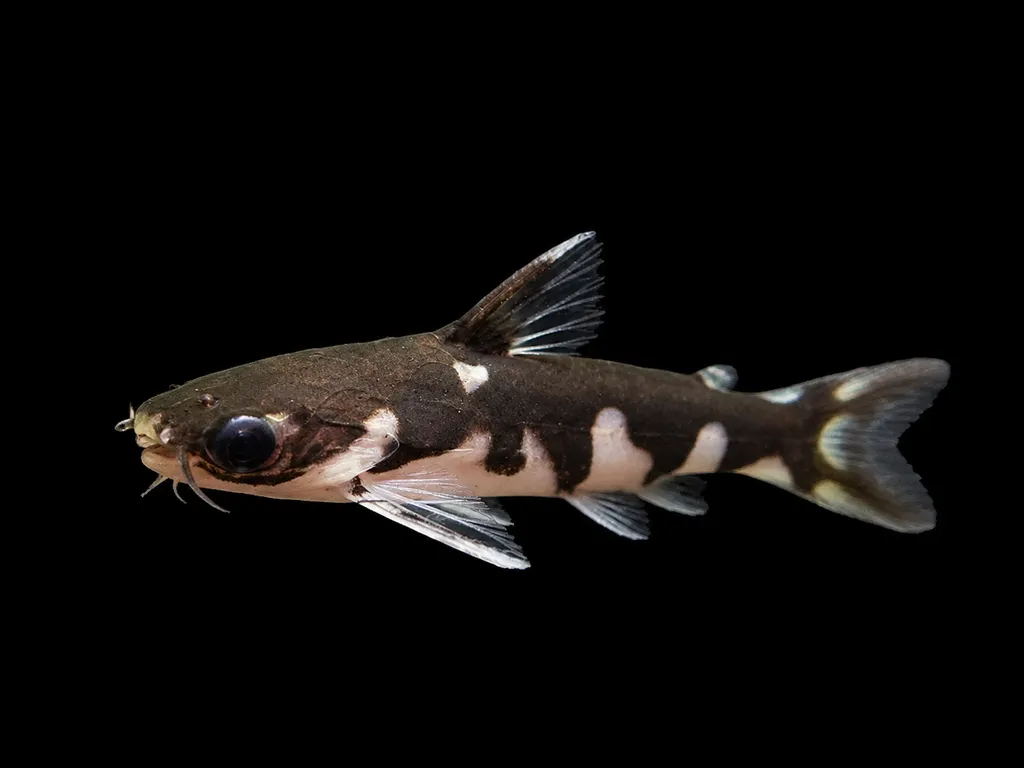
 1.6 in (4 cm)14 gal (54 L)73–82°F (23–28°C)
Honeycomb tatia
Duringlanis altae
1.6 in (4 cm) · 14 gal (54 L)
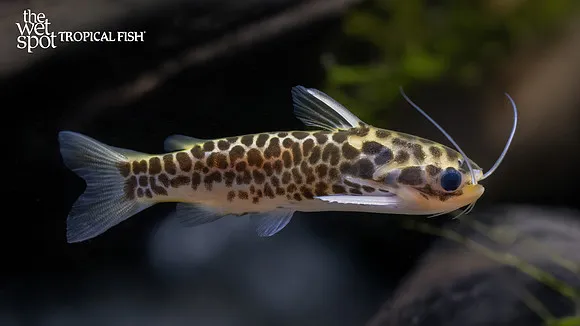
 2.4 in (6 cm)21 gal (80 L)73–82°F (23–28°C)
Ninja tatia
Centromochlus musaicus
2.4 in (6 cm) · 21 gal (80 L)
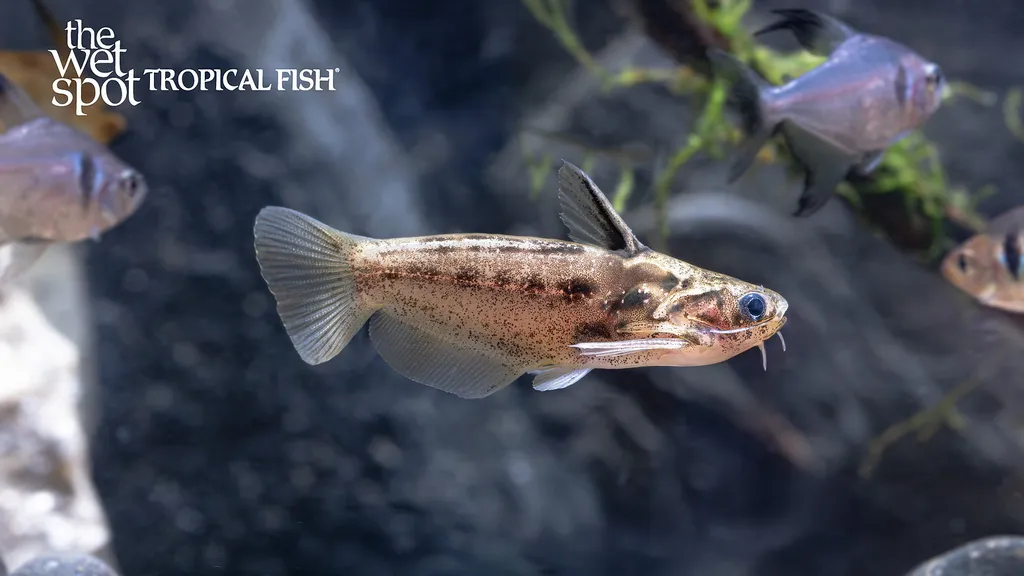
 2.4 in (6 cm)15 gal (55 L)75–82°F (24–28°C)
Oil catfish
Duringlanis perugiae
2.4 in (6 cm) · 15 gal (55 L)
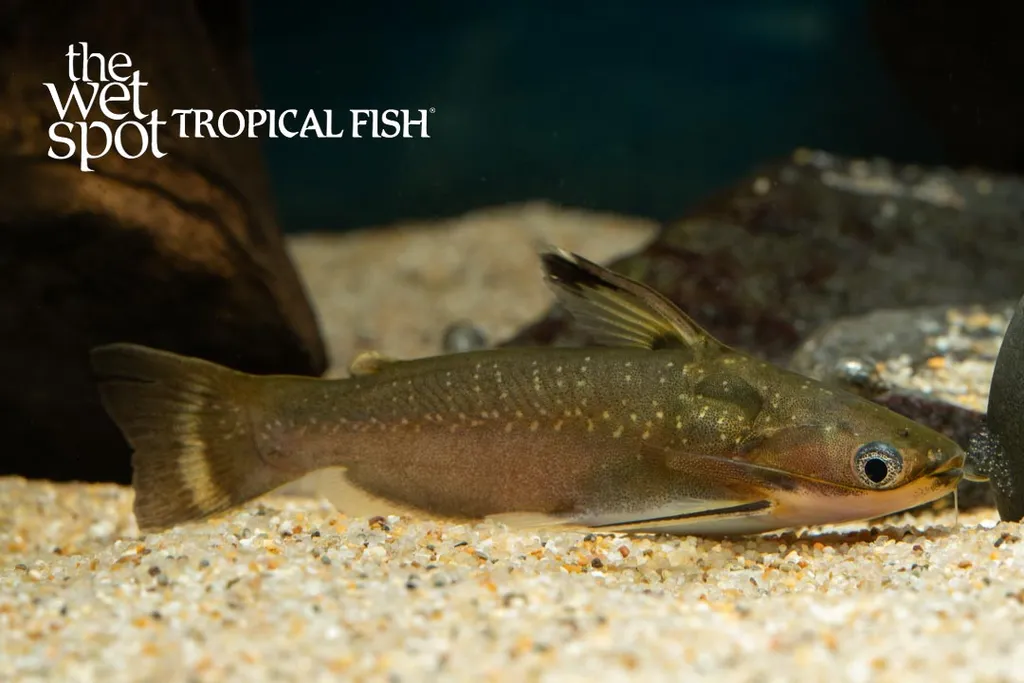
 3.1 in (8 cm)21 gal (80 L)72–77°F (22–25°C)
Pygmy driftwood catfish
Trachelyichthys exilis
3.1 in (8 cm) · 21 gal (80 L)
 4.3 in (11 cm)20 gal (75 L)72–77°F (22–25°C)
Midnight catfish
Auchenipterichthys coracoideus
4.3 in (11 cm) · 20 gal (75 L)
 5.5 in (14 cm)53 gal (200 L)73–82°F (23–28°C)
Zamora catfish
Auchenipterichthys thoracatus
5.5 in (14 cm) · 53 gal (200 L)