Zamora catfish
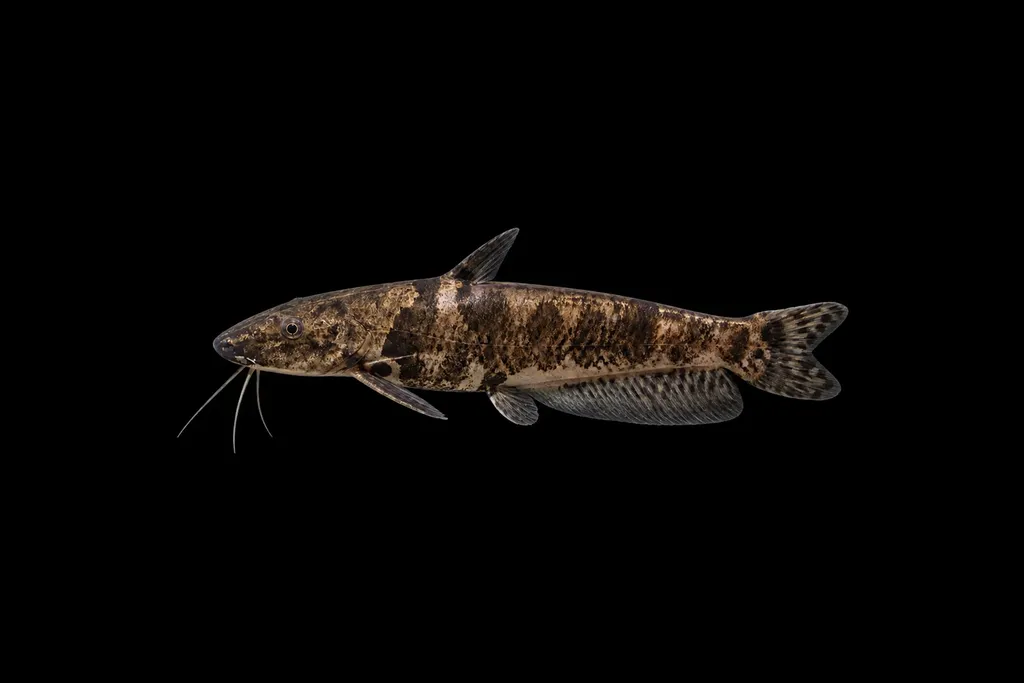
Auchenipterichthys thoracatus
Also known as Thoracatus woodcat
FreshwaterFish
Care at a glance
- Temperature
- 73–82°F
- 23–28°C
- pH
- 6.0–7.5
- Adult size
- 5.5 in
- 14 cm
- Minimum tank
- 53 gal
- 200 L
- Temperament
- Peaceful
- Social behavior
- Social
- Swim level
- Bottom
- Difficulty
- Medium
- Breeding
- Egg layer
- Rarity
- Rare
- Family
- Auchenipteridae
- Origin
- Upper Madeira basin, Bolivia and Brazil
Overview
The Zamora catfish is a sociable nocturnal woodcat for a peaceful community. It suits a keeper with some experience and a good-sized tank.
Did you know
Because the Zamora catfish breeds by internal fertilization, a female can leave the spawning log already carrying viable eggs. She lays them days later, closer to a livebearer's timing than to most egg-scattering catfish.
Caring for the Zamora catfish
Keep Zamora catfish in a small group in a tank of at least 53 gal (200 L). Give them a mature, dimly lit tank with soft sand and layered driftwood full of shady hollows. Bamboo tubes or rocky caves add more shelter, and several fish often share one hollow.
Keep the water soft and warm, at 73 to 82°F (23 to 28°C) and a pH of 6.0 to 7.5, with gentle flow. Botanicals can tint it if you like. They pack into wood by day and fan out to feed after dark. Feed in the evening with sinking pellets, frozen foods and the occasional worm, since the Zamora catfish is not a fussy eater.
The Zamora catfish is peaceful but will eat very small fish and shrimp. Keep its tank mates modest in size but not tiny. It fertilizes internally during a brief spawning embrace, with the male using a modified anal fin. The female can store sperm and lay her eggs afterward, but aquarium breeding is rarely reported.
Good to know
The Zamora catfish is a driftwood catfish in the family Auchenipteridae, dark gray-blue with a scatter of pale spots. The trade name Zamora is used loosely across its genus, and it is also sold as the thoracatus woodcat.
In the wild
The Zamora catfish comes from the upper Madeira basin in Bolivia and Brazil. It spends the day crammed into wood cavities and the night foraging in open water.
Weekly picks
Tank mates
The Zamora catfish is a peaceful, social species that keeps to the bottom. These picks share a community profile with it, are safe together in both directions, and overlap on water type, temperature and pH.
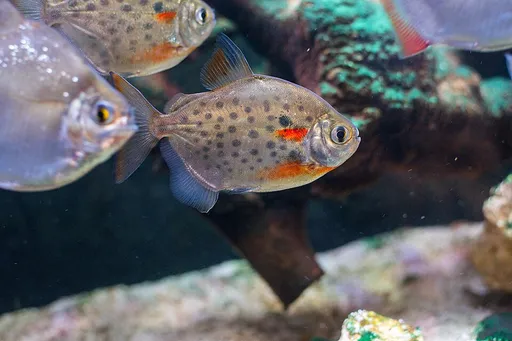
Spotted silver dollar
Metynnis lippincottianus
Freshwater5.5 in (14 cm) · 53 gal (200 L)73–81°F (23–27°C)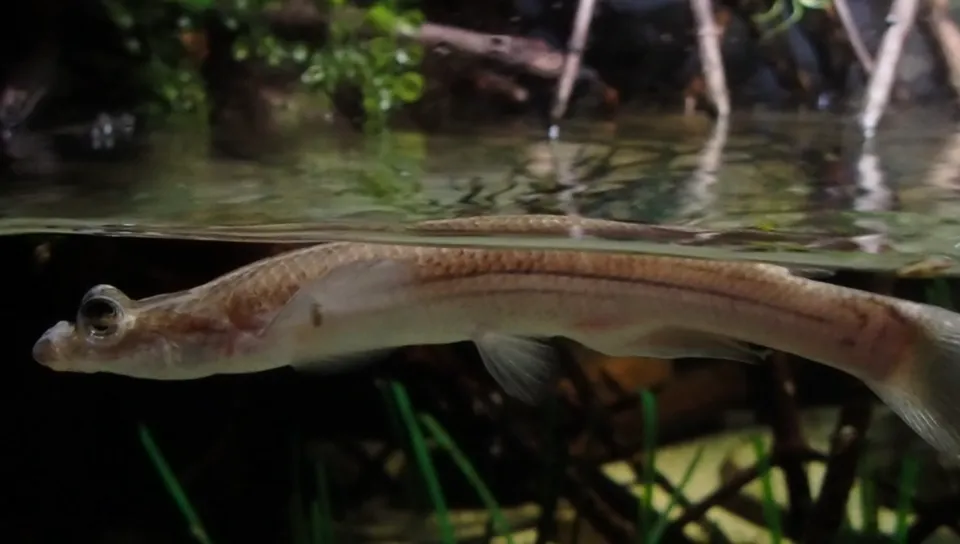
Largescale four-eyed fish
Anableps anableps
FreshwaterBrackish11.8 in (30 cm) · 70 gal (265 L)77–88°F (25–31°C)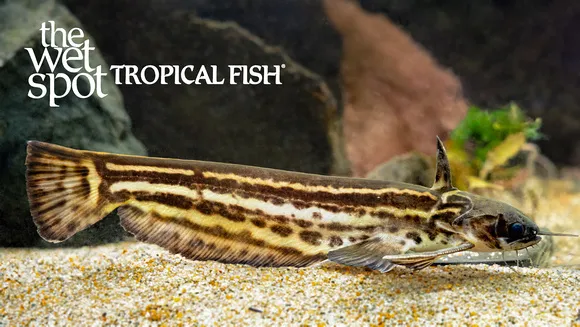
Striped woodcat
Trachelyopterichthys taeniatus
Freshwater5.9 in (15 cm) · 53 gal (200 L)73–82°F (23–28°C)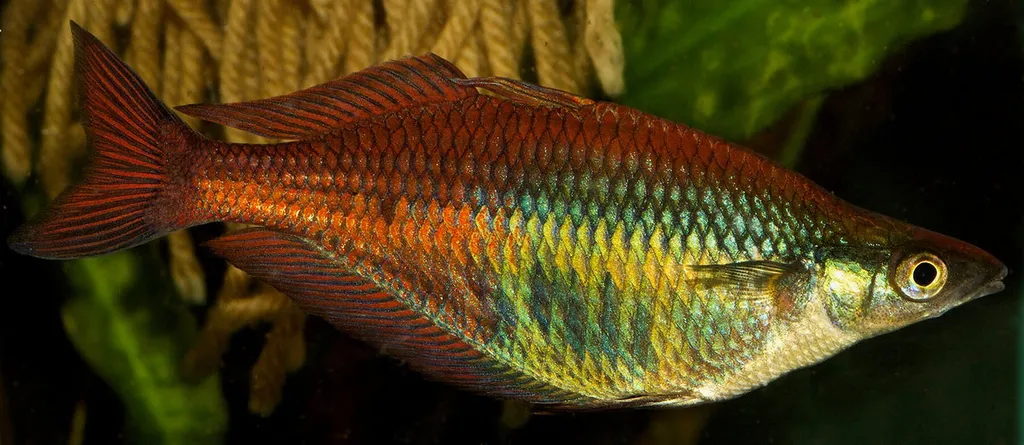
Barred rainbowfish
Chilatherina fasciata
Freshwater4.7 in (12 cm) · 53 gal (200 L)75–86°F (24–30°C)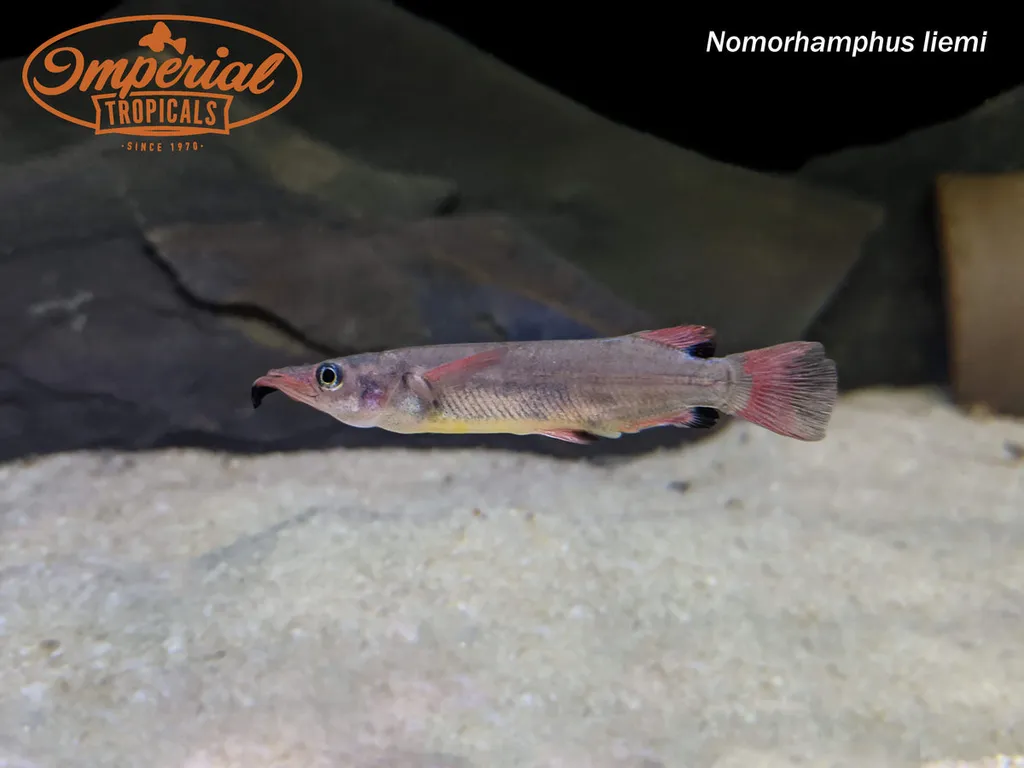
Celebes halfbeak
Nomorhamphus liemi
Freshwater3.5 in (9 cm) · 40 gal (150 L)68–77°F (20–25°C)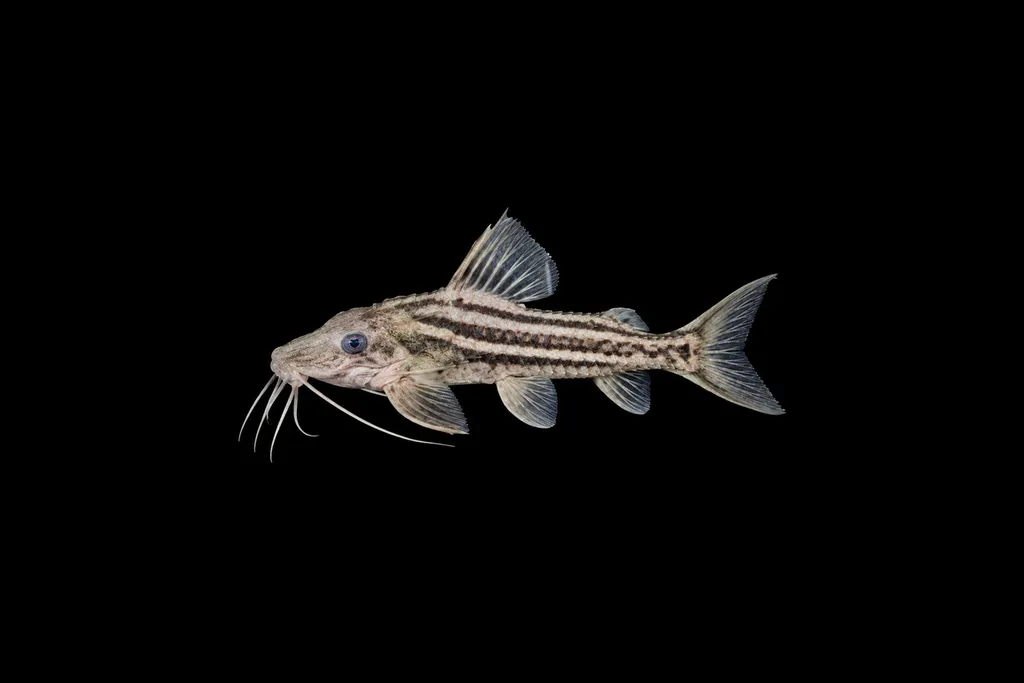
Hancock's talking catfish
Platydoras hancockii
Freshwater5.9 in (15 cm) · 53 gal (200 L)73–82°F (23–28°C)
Common questions
What size tank does a Zamora catfish need?
A Zamora catfish needs at least 53 gal (200 L). It spends most of its time in the bottom.
What temperature and pH does a Zamora catfish need?
A Zamora catfish is comfortable at 73–82°F (23–28°C) with a pH of 6.0–7.5.
What does a Zamora catfish eat?
A Zamora catfish eats sinking pellets, frozen foods and the occasional worm. It is not a fussy eater, and it feeds best in the evening.
How big does a Zamora catfish get?
An adult Zamora catfish reaches about 5.5 in (14 cm).
How does a Zamora catfish breed?
A Zamora catfish fertilizes internally during a brief spawning embrace. The female can store sperm and lay her eggs afterward, but aquarium breeding is rarely reported.
Related species
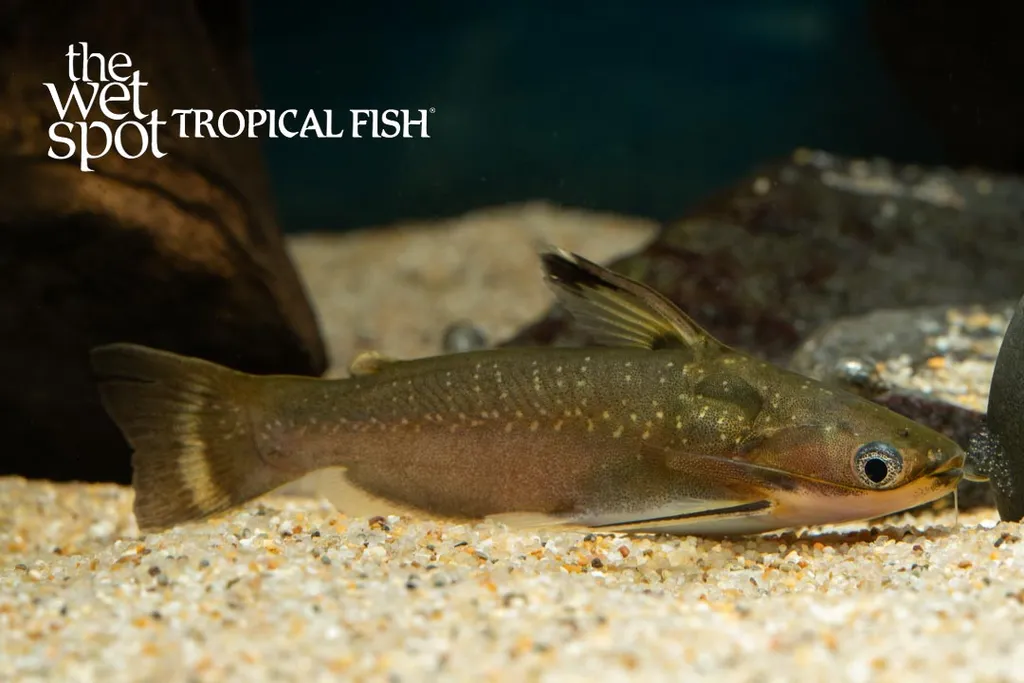 4.3 in (11 cm)20 gal (75 L)72–77°F (22–25°C)
Midnight catfish
Auchenipterichthys coracoideus
4.3 in (11 cm) · 20 gal (75 L)
- 5.9 in (15 cm)53 gal (200 L)73–82°F (23–28°C)
Striped woodcat
Trachelyopterichthys taeniatus
5.9 in (15 cm) · 53 gal (200 L)
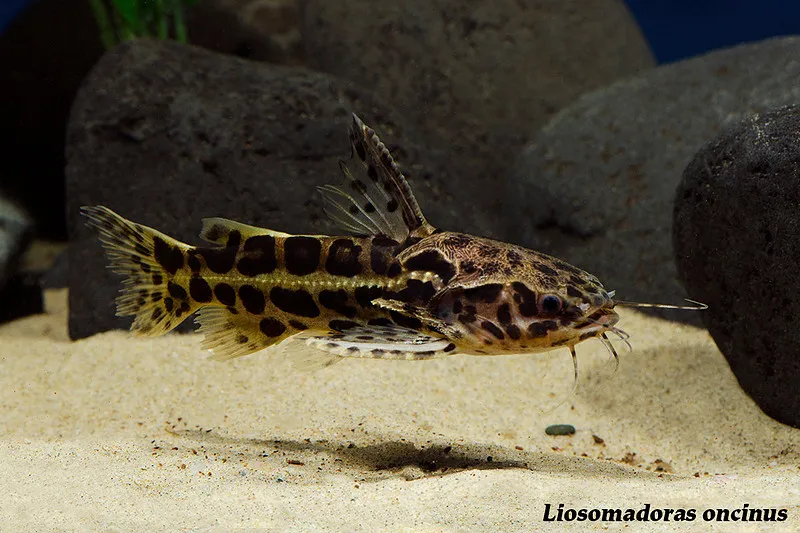 9.1 in (23 cm)65 gal (245 L)72–82°F (22–28°C)
Jaguar catfish
Liosomadoras oncinus
9.1 in (23 cm) · 65 gal (245 L)
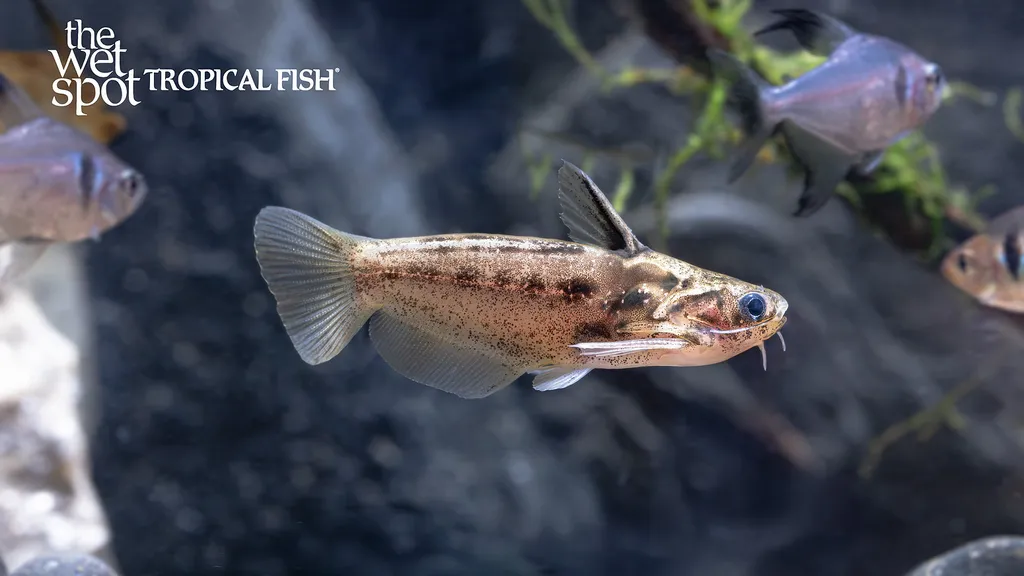 3.1 in (8 cm)21 gal (80 L)72–77°F (22–25°C)
Pygmy driftwood catfish
Trachelyichthys exilis
3.1 in (8 cm) · 21 gal (80 L)
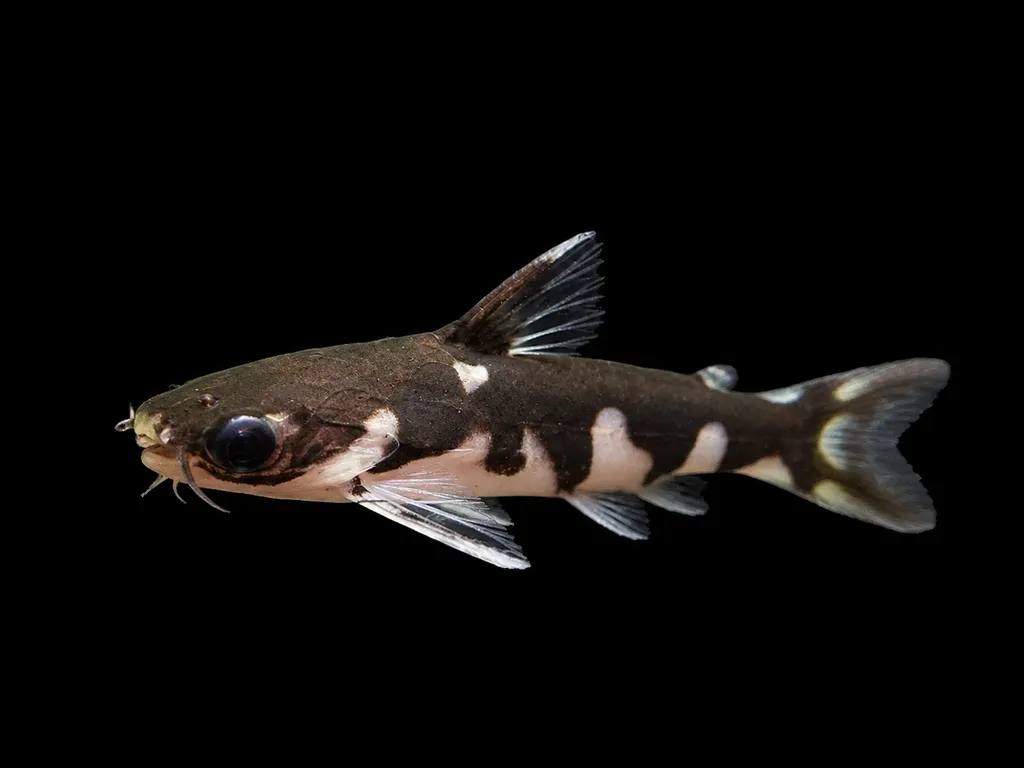 2.4 in (6 cm)21 gal (80 L)73–82°F (23–28°C)
Ninja tatia
Centromochlus musaicus
2.4 in (6 cm) · 21 gal (80 L)
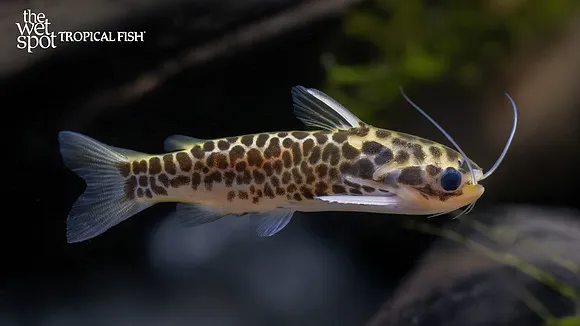 2.4 in (6 cm)15 gal (55 L)75–82°F (24–28°C)
Oil catfish
Duringlanis perugiae
2.4 in (6 cm) · 15 gal (55 L)