Midnight catfish
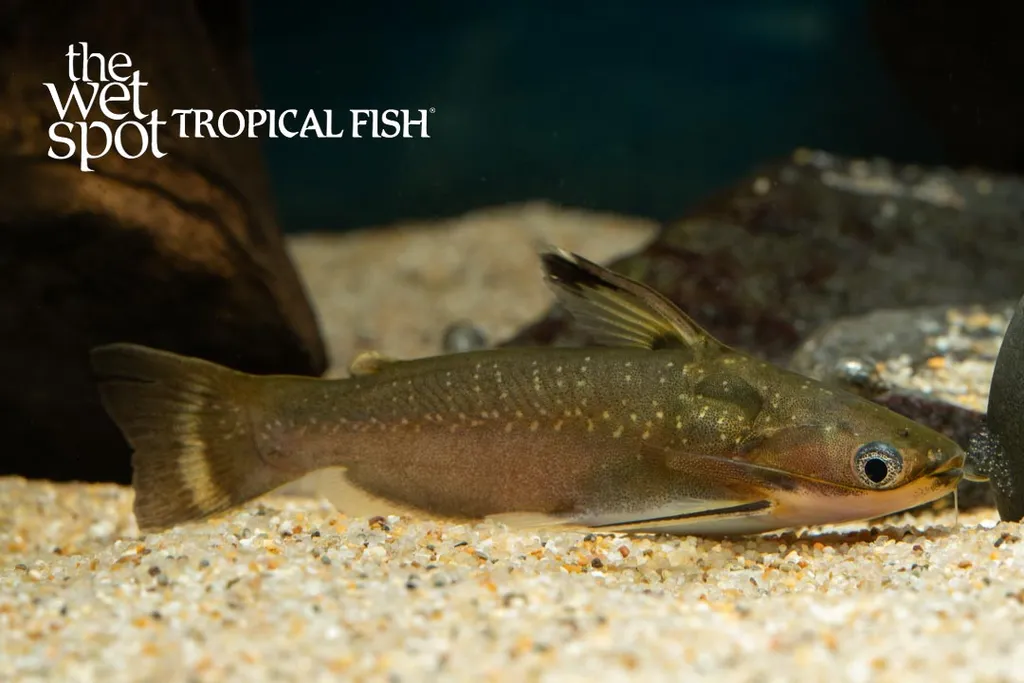
Auchenipterichthys coracoideus
Also known as Zamora Cunchi Cat
FreshwaterFish
Care at a glance
- Temperature
- 72–77°F
- 22–25°C
- pH
- 6.0–7.5
- Adult size
- 4.3 in
- 11 cm
- Minimum tank
- 20 gal
- 75 L
- Temperament
- Peaceful
- Social behavior
- Social
- Swim level
- Bottom
- Difficulty
- Medium
- Breeding
- Egg layer
- Rarity
- Rare
- Family
- Auchenipteridae
- Origin
- Peru, Brazil, Guyana
Overview
The midnight catfish is a peaceful, sociable driftwood catfish for a calm community tank. It is best with a little experience.
Did you know
A female midnight catfish can be carrying live, stored sperm when you buy her. She may lay fertile eggs in your tank weeks later with no male present.
Caring for the midnight catfish
Keep midnight catfish in a small group in a wood-filled tank of at least 20 gal (75 L). Give them plenty of driftwood, including hollow pieces or bamboo tubes they can wedge into, over a soft sand bed. Dim lighting and gentle flow suit them.
They like it cooler than many tropicals, at 72 to 77°F (22 to 25°C) and a pH of 6.0 to 7.5. A mature, stable tank with low waste levels keeps them healthy. Feed meaty foods such as bloodworms and small earthworms after lights out, plus sinking dried foods.
The midnight catfish is peaceful and sociable, and it appreciates the company of its own kind. It shelters in wood by day and forages along the bottom and midwater after dark. It may eat the very smallest tank mates at night, so pair it with fish above bite size.
Fertilization is internal, with the male inseminating the female through a modified anal fin. The female holds the sperm and lays her eggs some time after mating. Spawning in home aquariums is not documented.
Good to know
The midnight catfish is a small driftwood catfish in the family Auchenipteridae, also sold as the Zamora woodcat. It has large eyes for its nocturnal habits, a plated head and strong fin spines.
In the wild
The midnight catfish lives in the western Amazon across Peru, Brazil and Guyana. It shelters among submerged branches and root tangles in warm, soft, slightly acidic water.
Weekly picks
Tank mates
The midnight catfish is a peaceful, social species that keeps to the bottom. These picks share a community profile with it, are safe together in both directions, and overlap on water type, temperature and pH.
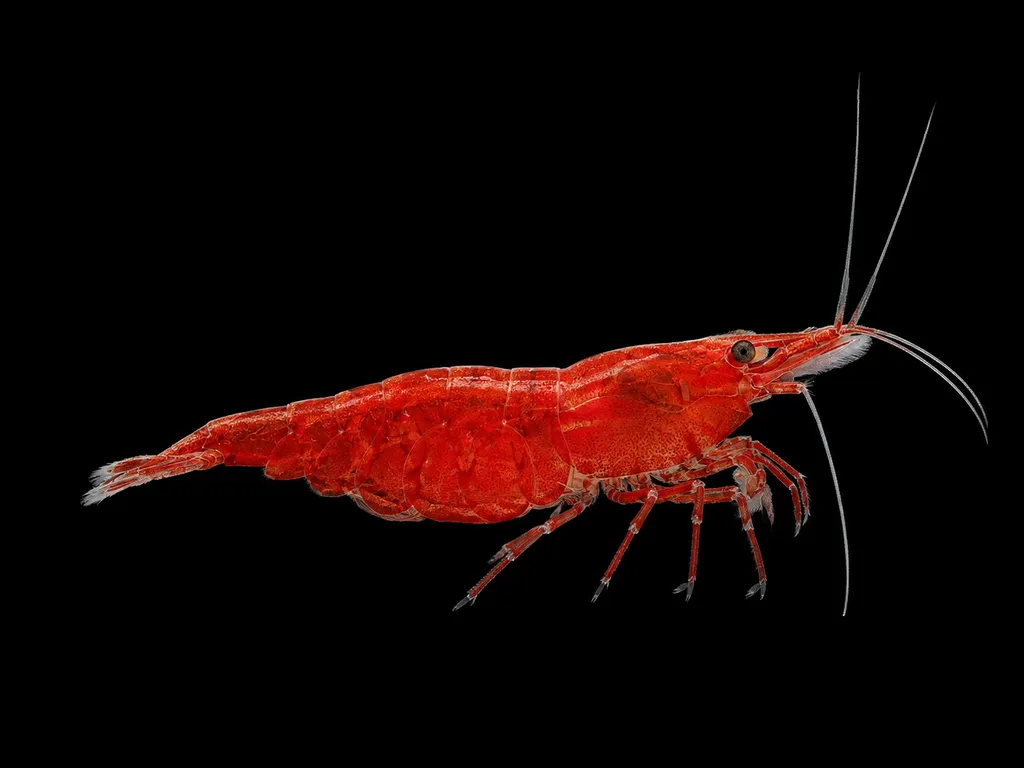
Neocaridina shrimp
Neocaridina davidi
Freshwater1.6 in (4 cm) · 5 gal (19 L)59–84°F (15–29°C)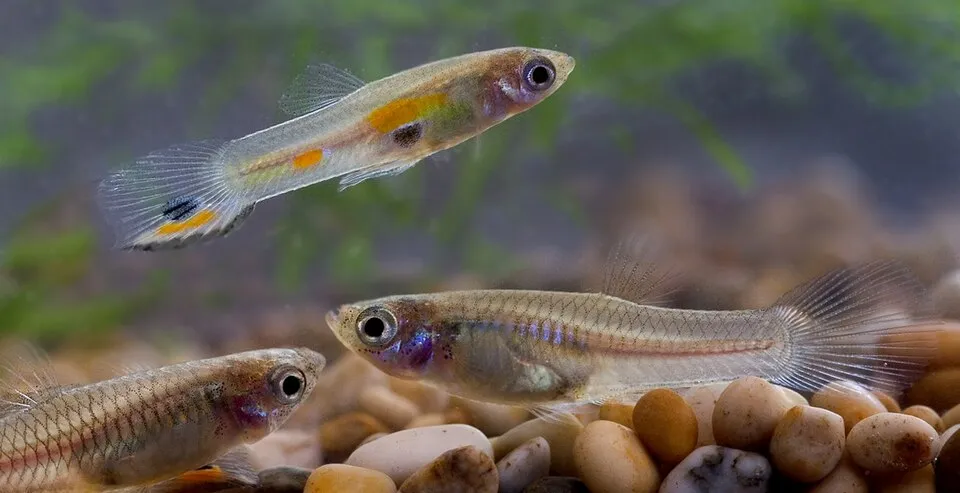
Guppy
Poecilia reticulata
FreshwaterBrackish2.4 in (6 cm) · 10 gal (38 L)64–82°F (18–28°C)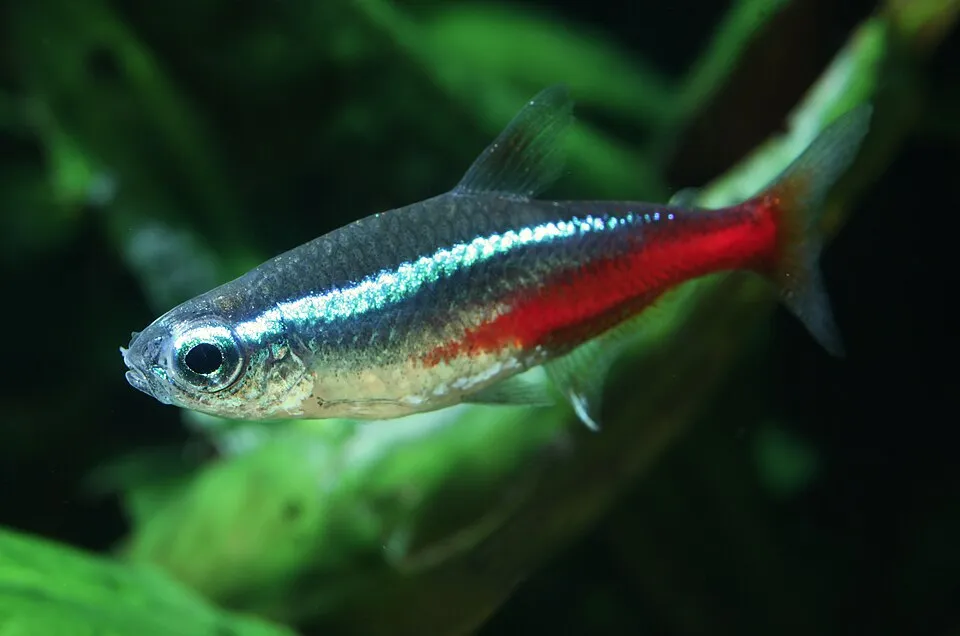
Neon tetra
Paracheirodon innesi
Freshwater1.5 in (3.8 cm) · 11 gal (40 L)70–77°F (21–25°C)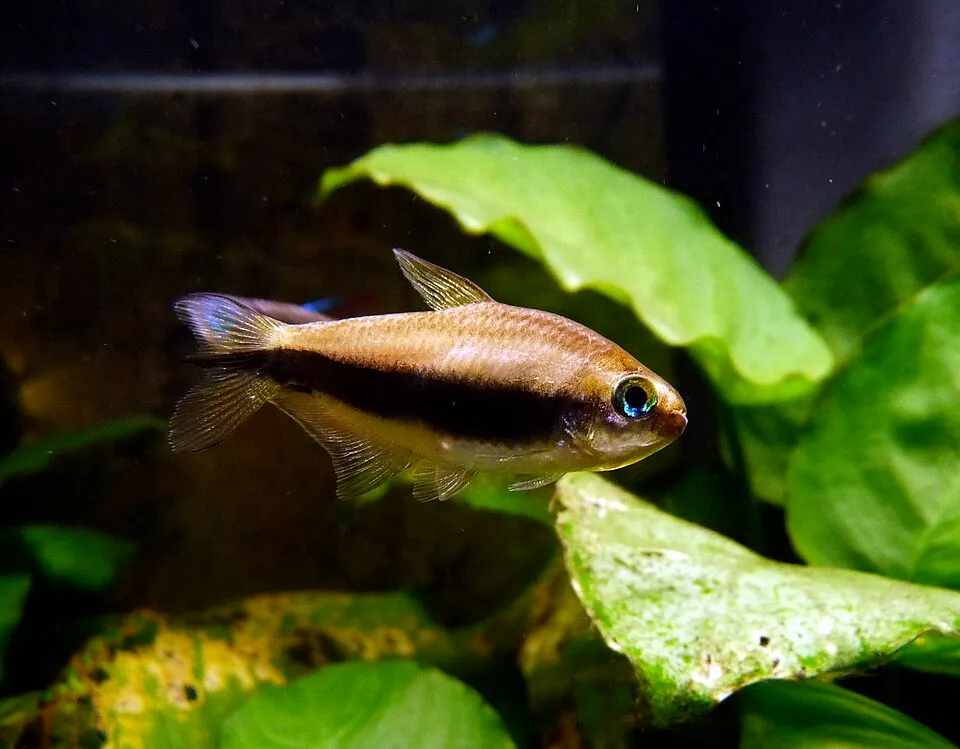
Emperor tetra
Nematobrycon palmeri
Freshwater2 in (5 cm) · 20 gal (75 L)73–81°F (23–27°C)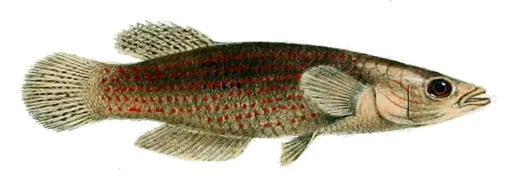
Playfair's panchax
Pachypanchax playfairii
Freshwater3.9 in (10 cm) · 20 gal (75 L)72–77°F (22–25°C)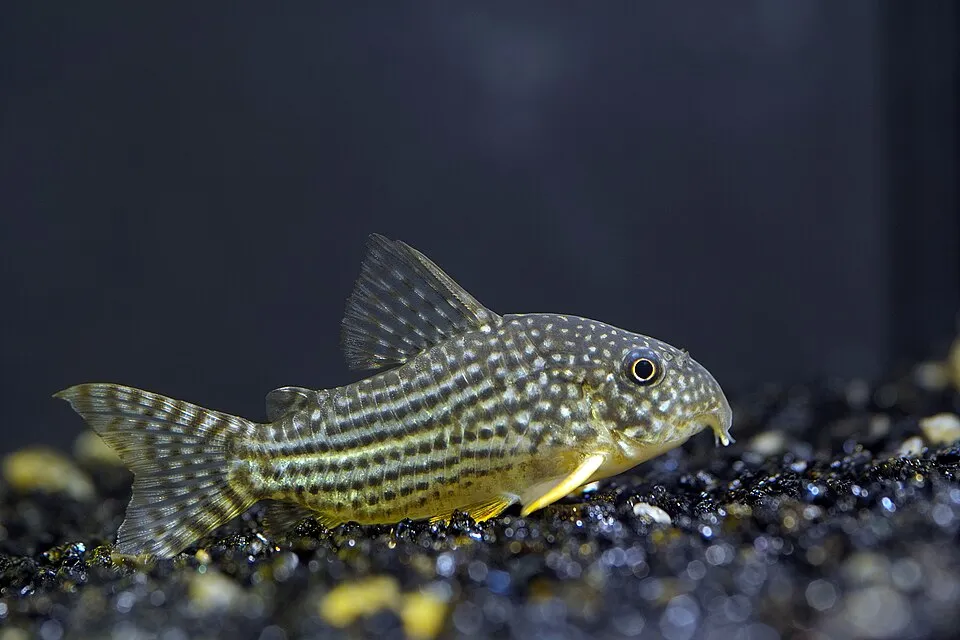
Sterba's cory
Hoplisoma sterbai
Freshwater2.6 in (6.5 cm) · 20 gal (75 L)75–82°F (24–28°C)
Common questions
What size tank does a midnight catfish need?
A midnight catfish needs at least 20 gal (75 L). It spends most of its time in the bottom.
What temperature and pH does a midnight catfish need?
A midnight catfish is comfortable at 72–77°F (22–25°C) with a pH of 6.0–7.5.
What does a midnight catfish eat?
A midnight catfish eats meaty foods such as bloodworms and small earthworms, plus sinking dried foods. Feed it after lights out.
How big does a midnight catfish get?
An adult midnight catfish reaches about 4.3 in (11 cm).
How does a midnight catfish breed?
A midnight catfish breeds by internal fertilization, and the female lays her eggs some time after mating. Spawning in home aquariums is not documented.
Related species
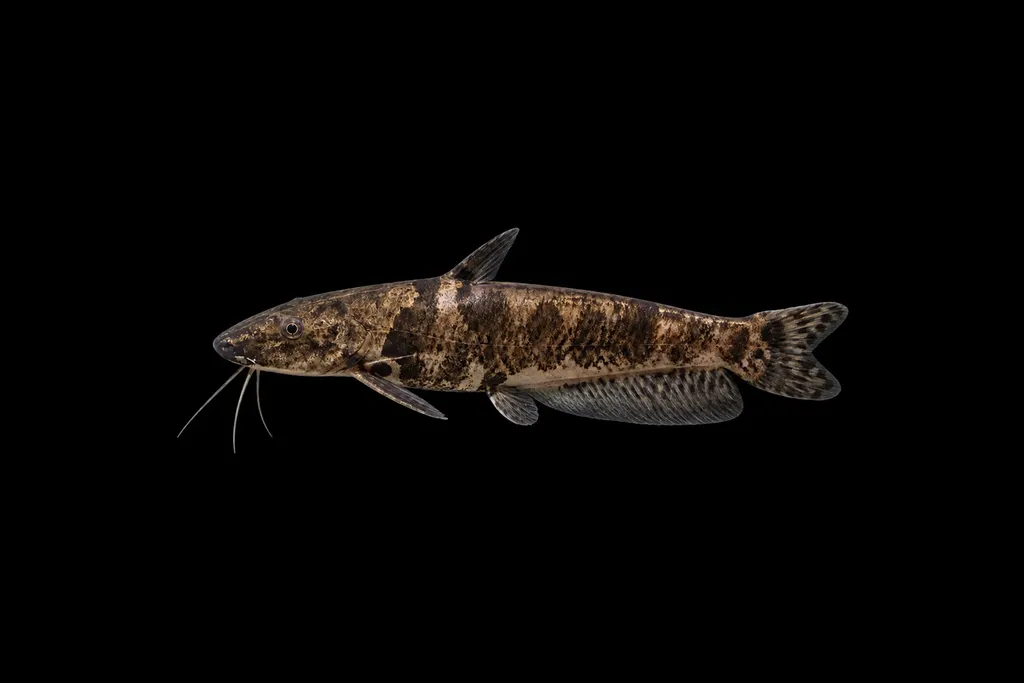 5.5 in (14 cm)53 gal (200 L)73–82°F (23–28°C)
Zamora catfish
Auchenipterichthys thoracatus
5.5 in (14 cm) · 53 gal (200 L)
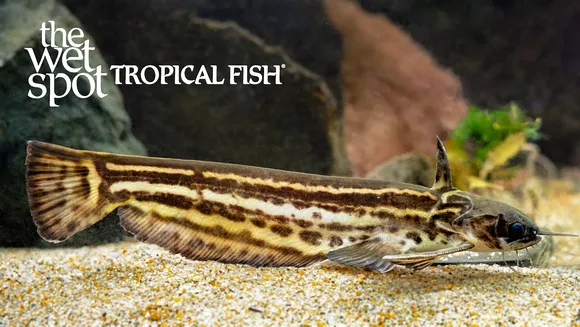 5.9 in (15 cm)53 gal (200 L)73–82°F (23–28°C)
Striped woodcat
Trachelyopterichthys taeniatus
5.9 in (15 cm) · 53 gal (200 L)
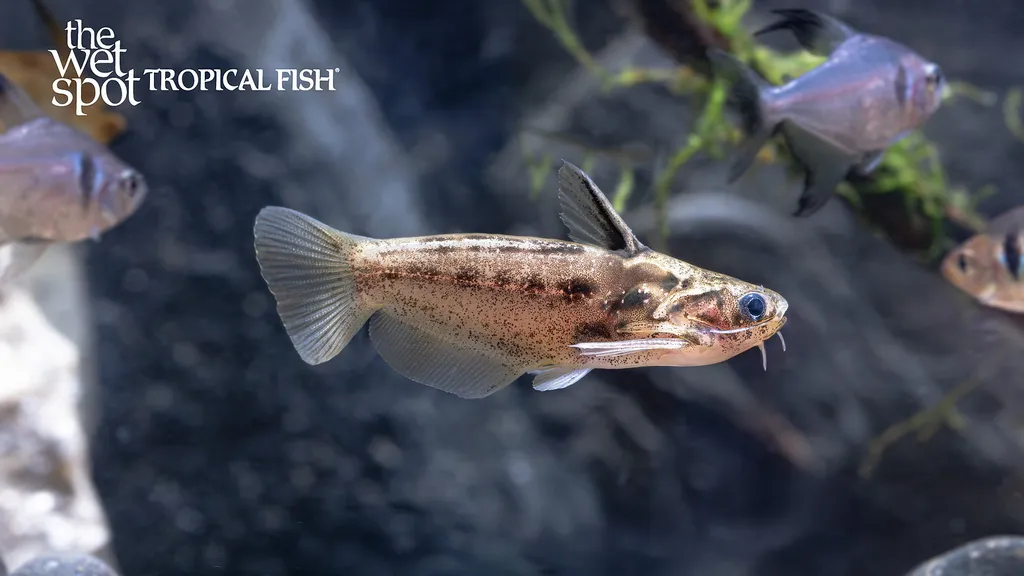 3.1 in (8 cm)21 gal (80 L)72–77°F (22–25°C)
Pygmy driftwood catfish
Trachelyichthys exilis
3.1 in (8 cm) · 21 gal (80 L)
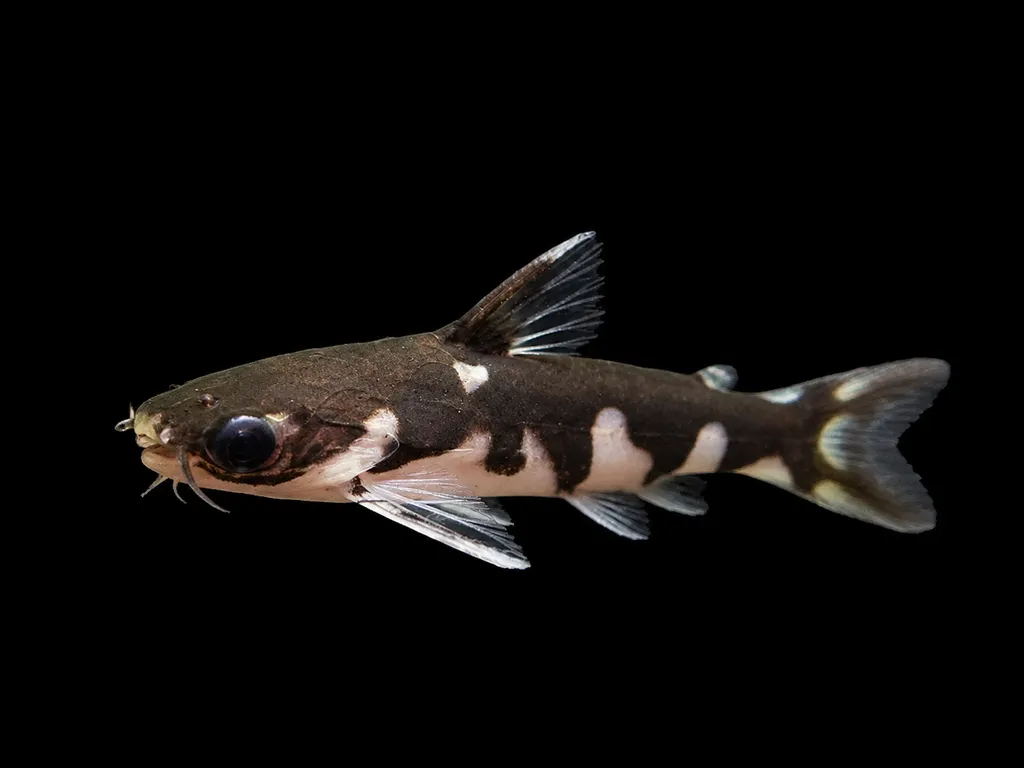 2.4 in (6 cm)21 gal (80 L)73–82°F (23–28°C)
Ninja tatia
Centromochlus musaicus
2.4 in (6 cm) · 21 gal (80 L)
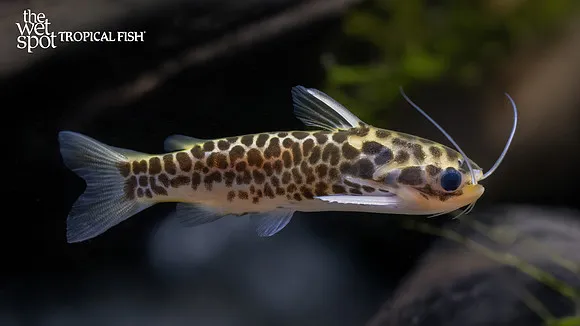 2.4 in (6 cm)15 gal (55 L)75–82°F (24–28°C)
Oil catfish
Duringlanis perugiae
2.4 in (6 cm) · 15 gal (55 L)
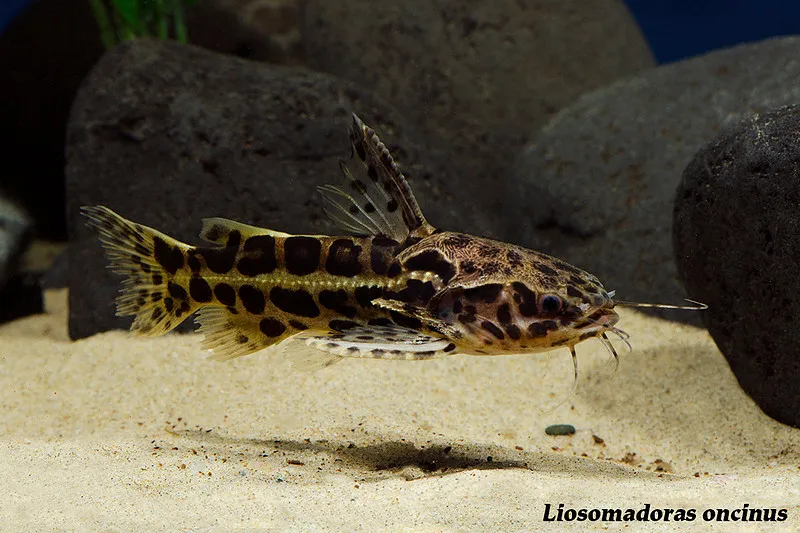 9.1 in (23 cm)65 gal (245 L)72–82°F (22–28°C)
Jaguar catfish
Liosomadoras oncinus
9.1 in (23 cm) · 65 gal (245 L)