Oil catfish
Duringlanis perugiae
Also known as Centromochlus perugiae, Honeycomb catfish
FreshwaterFish
Care at a glance
- Temperature
- 75–82°F
- 24–28°C
- pH
- 6.0–7.5
- Adult size
- 2.4 in
- 6 cm
- Minimum tank
- 15 gal
- 55 L
- Temperament
- Peaceful
- Social behavior
- Social
- Swim level
- Bottom
- Difficulty
- Medium
- Breeding
- Hard
- Rarity
- Rare
- Family
- Auchenipteridae
- Origin
- Peru, Ecuador
Overview
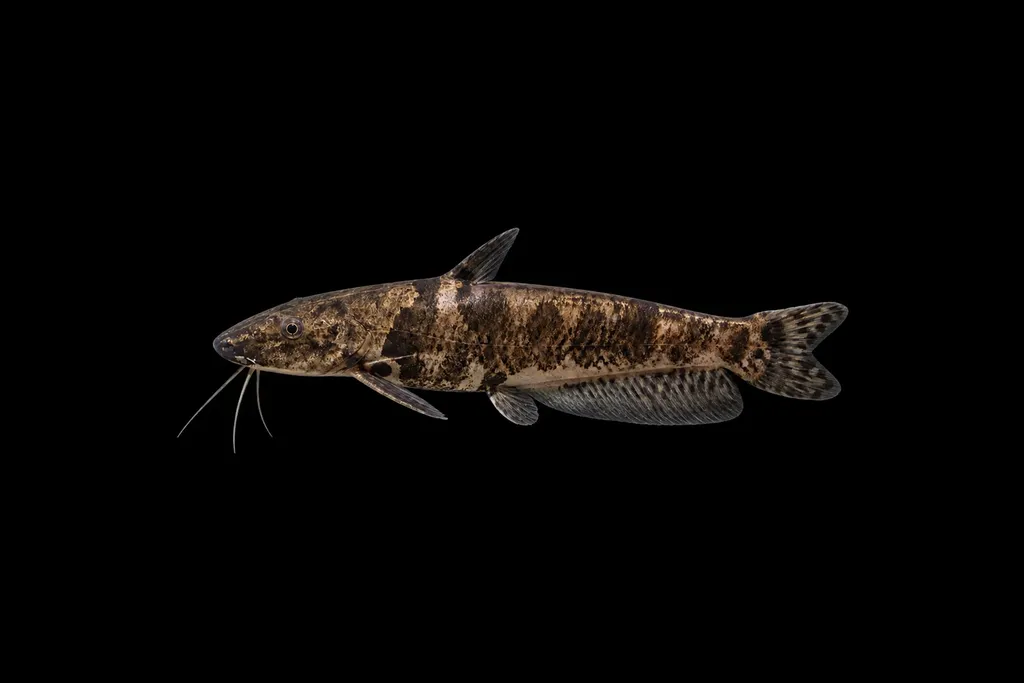
The oil catfish is a tiny, peaceful driftwood catfish, also called the honeycomb catfish, that suits a small group in a calm community. It is strongly nocturnal, spending the day tucked into wood or a narrow cave and darting out to feed in a lively rush once the lights go off. Feed small meaty foods such as bloodworms and finely chopped frozen items after dark, and add sinking pellets it can learn to take. It is safe with peaceful tankmates of similar or larger size. Give it driftwood, tubes, and shaded crevices, and a tank around 55 liters or larger.
In the wild
Centromochlus perugiae comes from the upper Amazon in Peru and Ecuador, living among sunken wood in warm, soft, slightly acidic streams. Keep it between 24 and 28 degrees C with a pH of 6.0 to 7.5. Like other river fish it dislikes a buildup of waste, so provide a mature tank with clean water, gentle flow, and regular partial changes. Furnish plenty of shady hiding places among driftwood, rock crevices, and bamboo or PVC tubes, and keep the lighting dim.
Good to know
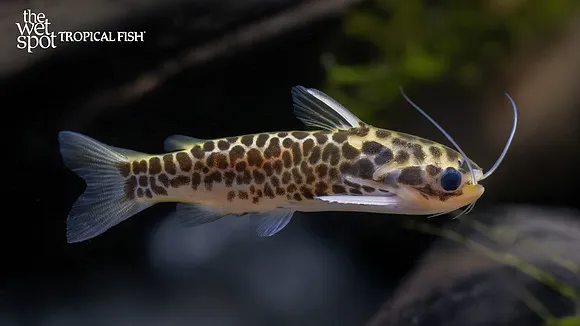
This dwarf driftwood catfish in the family Auchenipteridae grows to only about 6 centimeters and wears a honeycomb pattern of pale spots on dark skin. Fertilization is internal: the male inseminates the female with a modified anal fin, and she deposits the eggs in small caves a day or two later. Breeding has been achieved but is rated hard, needing pristine water and the right cave sites.
Did you know
The oil catfish crams itself into surprisingly tight spaces during the day, wedging into narrow tubes and cracks in driftwood barely wider than its body, then emerges at night to feed in a quick, energetic scramble.
Weekly picks
Tank mates
Oil catfish is a peaceful, social species that keeps to the bottom. These picks share a community profile with it, are safe together in both directions, and overlap on water type, temperature and pH.
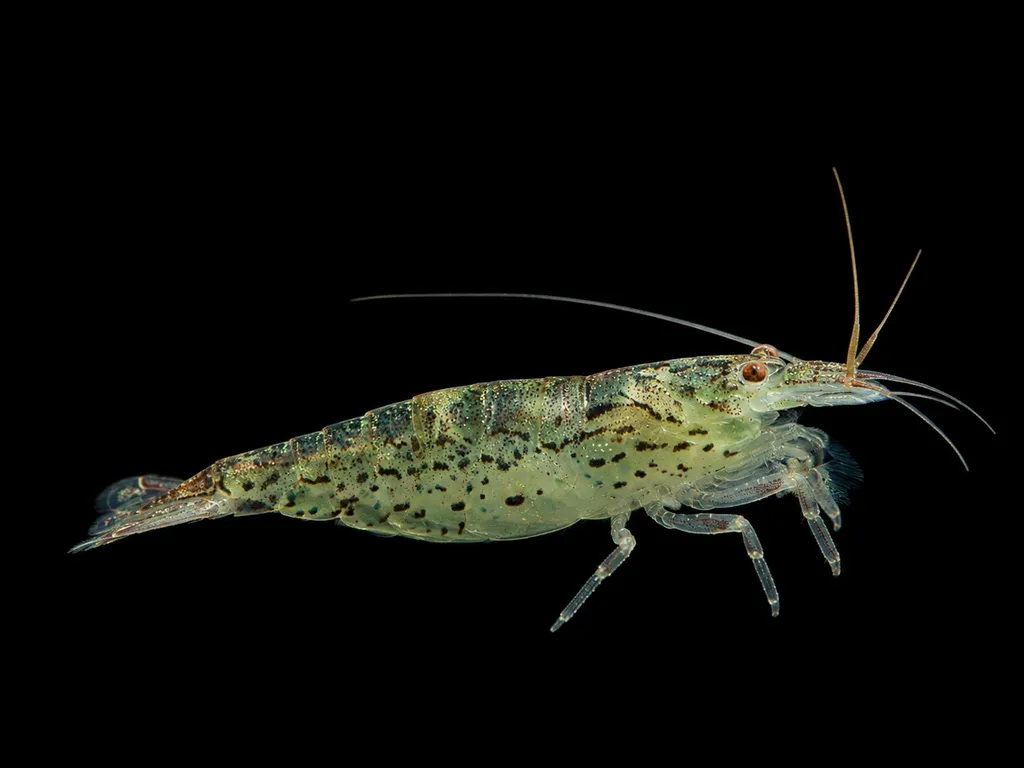
Green lace shrimp
Atyoida pilipes
Freshwater2.8 in (7 cm) · 14 gal (54 L)73–82°F (23–28°C)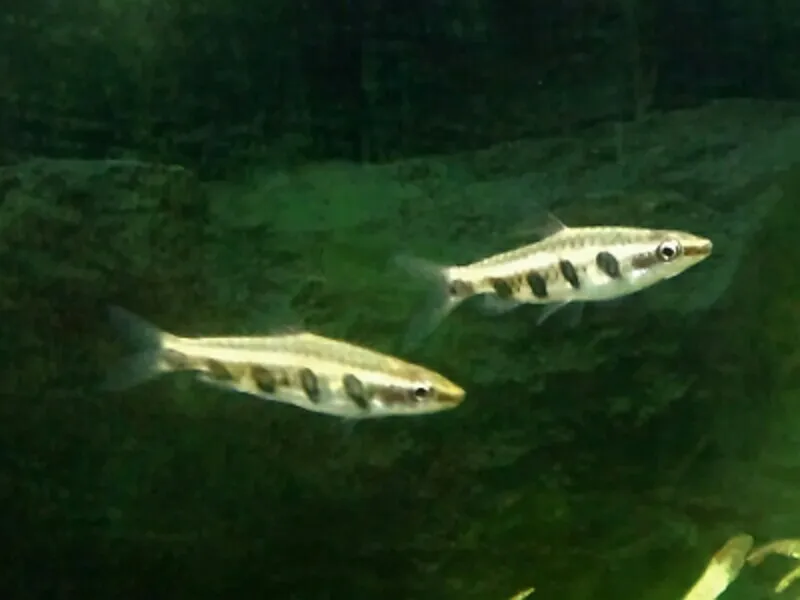
Barred pencilfish
Nannostomus espei
Freshwater1.2 in (3 cm) · 15 gal (55 L)72–82°F (22–28°C)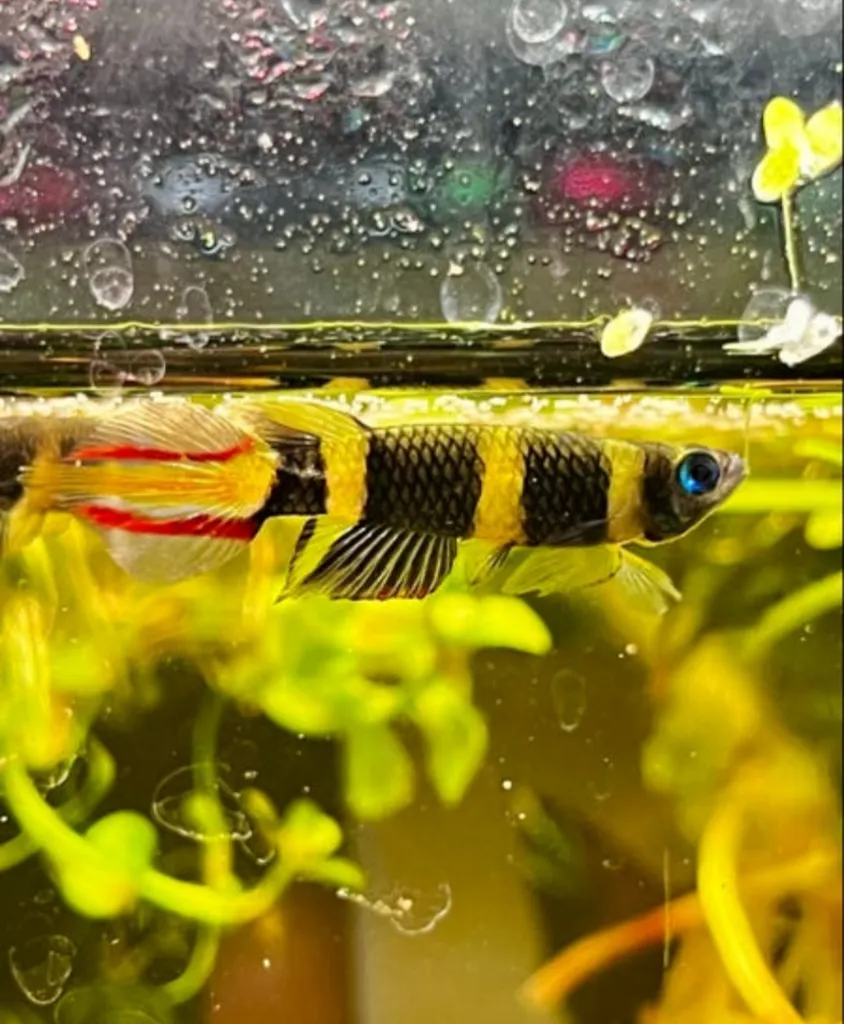
Clown killifish
Epiplatys annulatus
Freshwater1.4 in (3.5 cm) · 15 gal (55 L)68–79°F (20–26°C)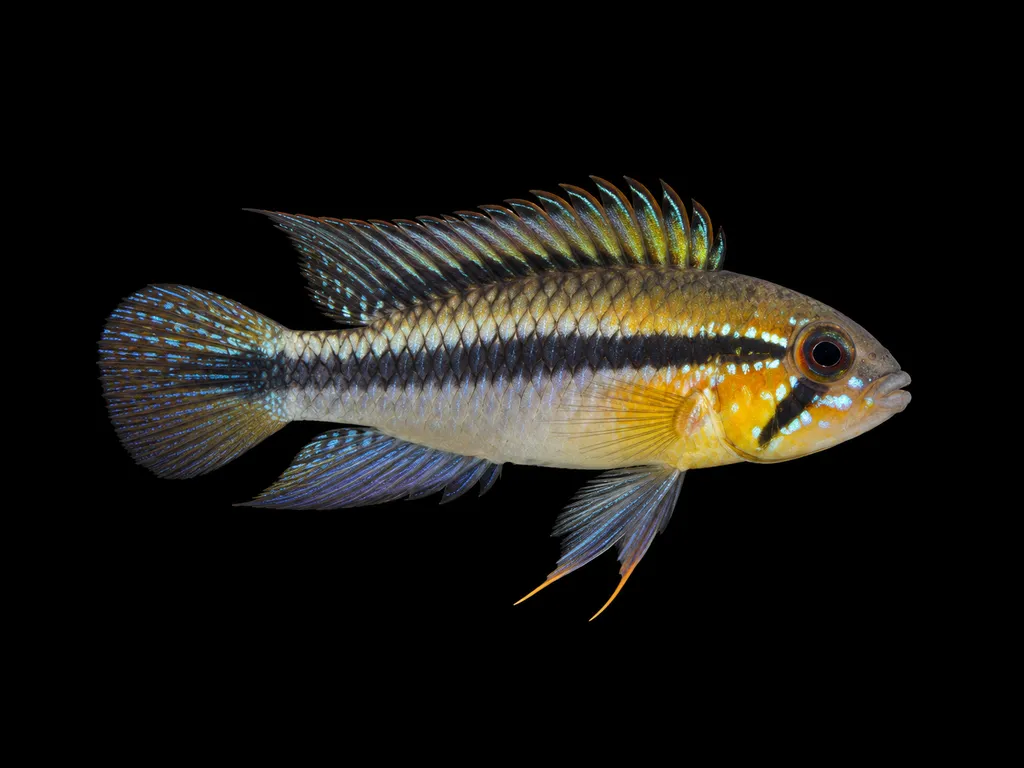
Bridge dwarf cichlid
Apistogramma gephyra
Freshwater1.8 in (4.5 cm) · 15 gal (55 L)77–84°F (25–29°C)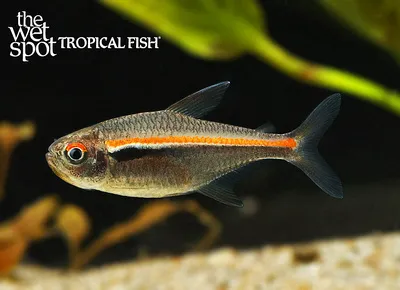
Amapa tetra
Hyphessobrycon amapaensis
Freshwater1.4 in (3.6 cm) · 15 gal (55 L)73–82°F (23–28°C)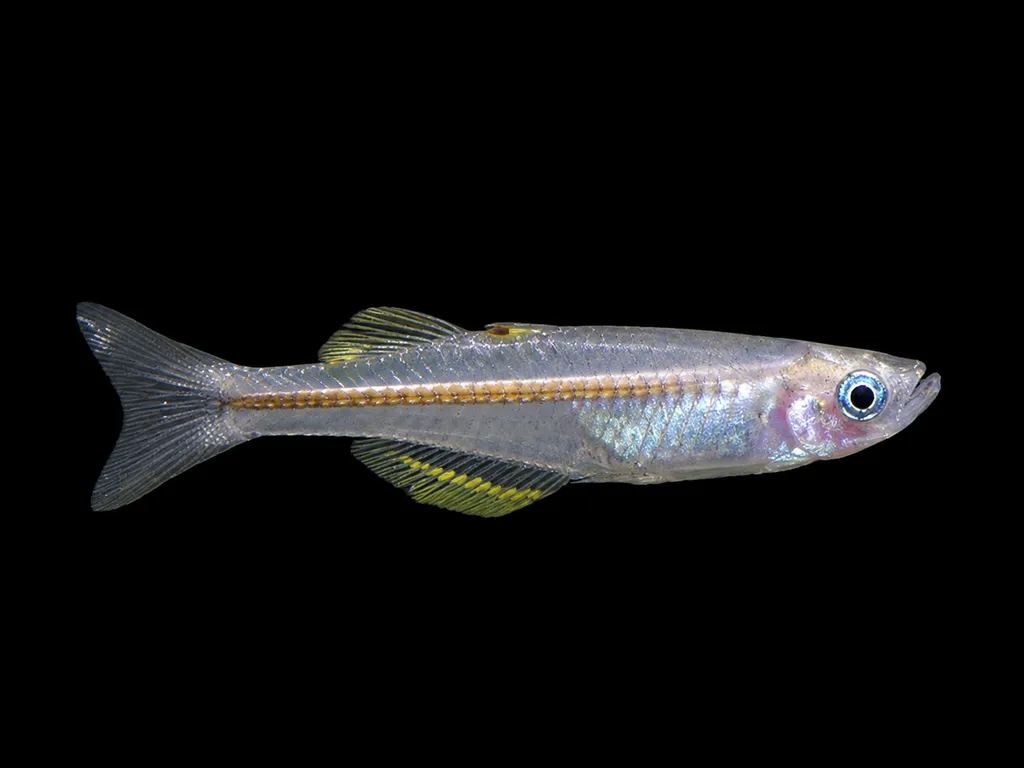
New Guinea blue-eye
Pseudomugil novaeguineae
Freshwater1.8 in (4.5 cm) · 15 gal (55 L)79–86°F (26–30°C)
Common questions
What size tank does an Oil catfish need?
An Oil catfish needs at least 15 gal (55 L). It spends most of its time in the bottom.
What temperature and pH does an Oil catfish need?
An Oil catfish is comfortable at 75–82°F (24–28°C) with a pH of 6.0–7.5.
How big does an Oil catfish get?
An adult Oil catfish reaches about 2.4 in (6 cm).
Related species
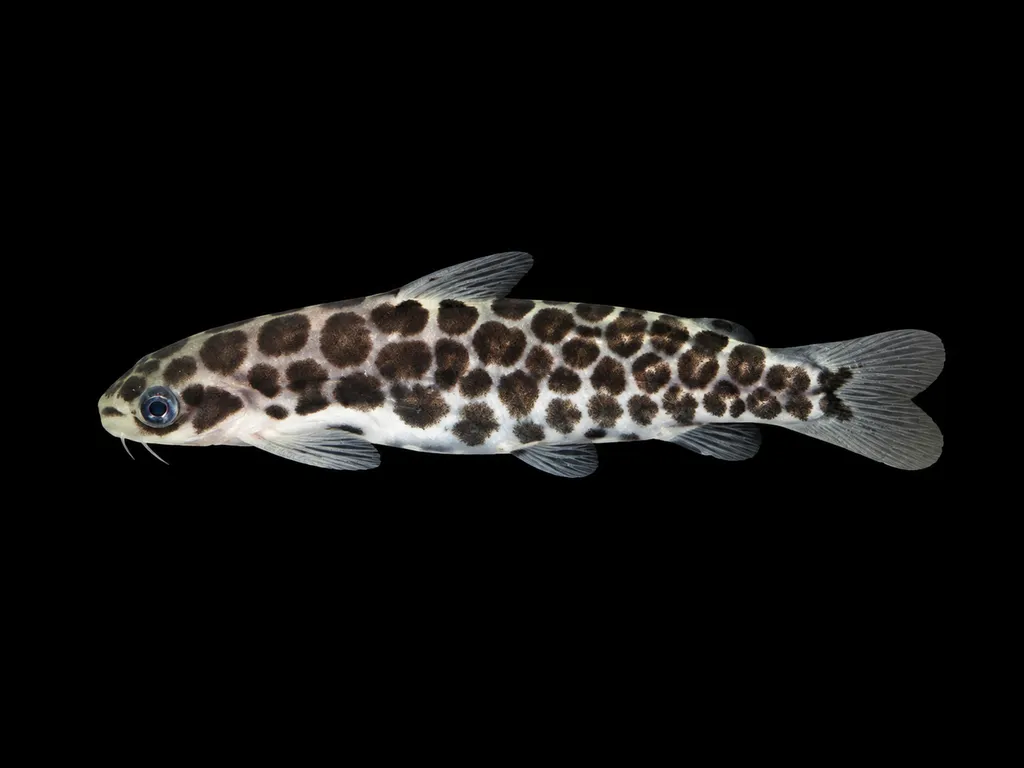 1.6 in (4 cm)14 gal (54 L)73–82°F (23–28°C)
Honeycomb tatia
Duringlanis altae
1.6 in (4 cm) · 14 gal (54 L)
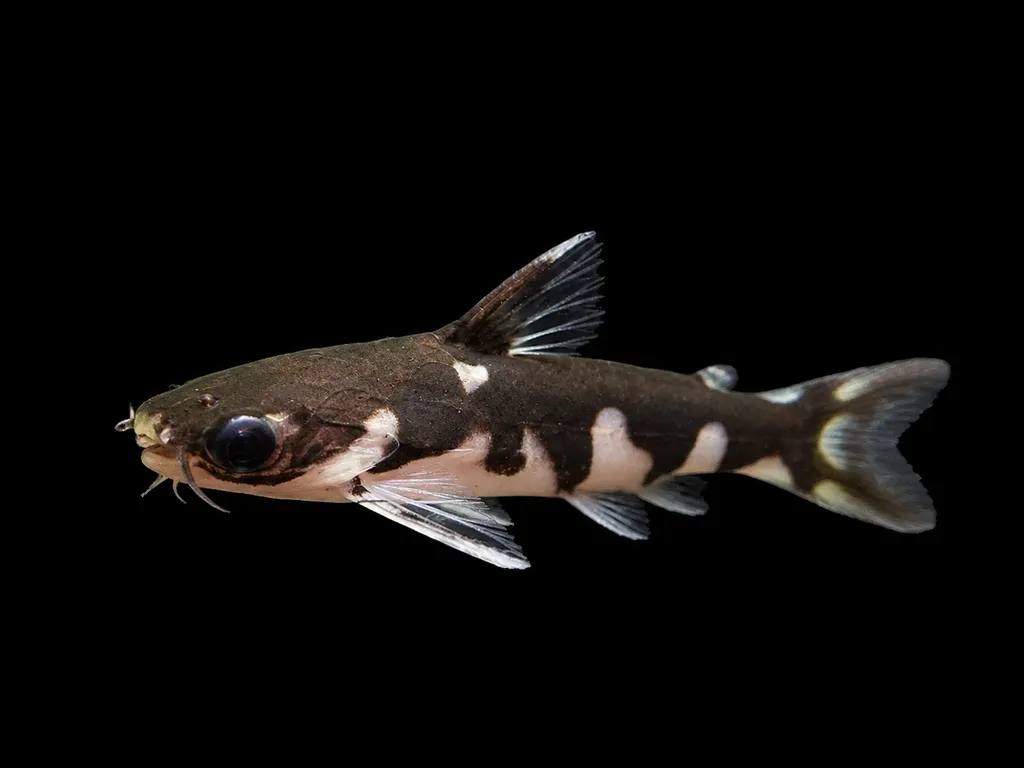 2.4 in (6 cm)21 gal (80 L)73–82°F (23–28°C)
Ninja tatia
Centromochlus musaicus
2.4 in (6 cm) · 21 gal (80 L)
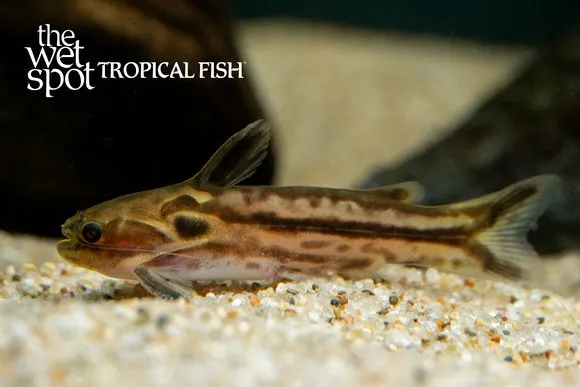 1.8 in (4.5 cm)14 gal (54 L)73–82°F (23–28°C)
Dwarf driftwood catfish
Tatia gyrina
1.8 in (4.5 cm) · 14 gal (54 L)
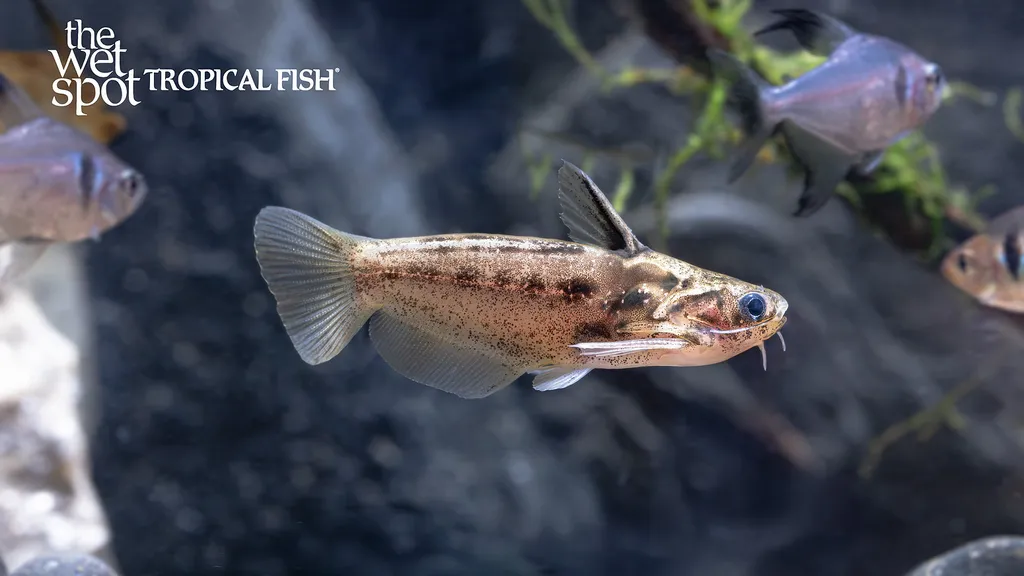 3.1 in (8 cm)21 gal (80 L)72–77°F (22–25°C)
Pygmy driftwood catfish
Trachelyichthys exilis
3.1 in (8 cm) · 21 gal (80 L)
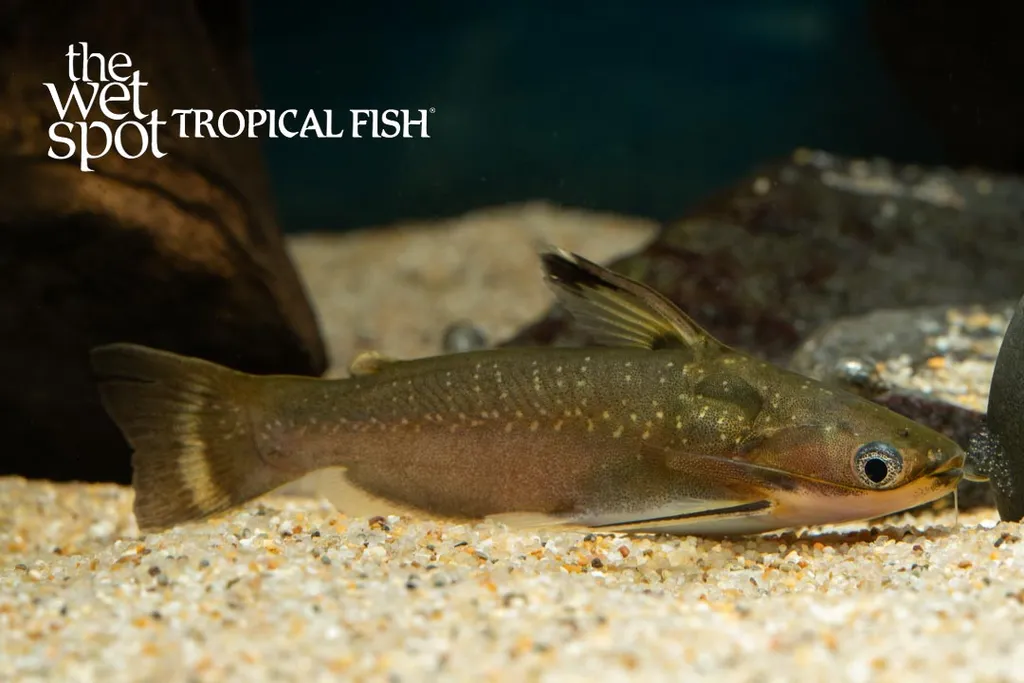 4.3 in (11 cm)20 gal (75 L)72–77°F (22–25°C)
Midnight catfish
Auchenipterichthys coracoideus
4.3 in (11 cm) · 20 gal (75 L)
 5.5 in (14 cm)53 gal (200 L)73–82°F (23–28°C)
Zamora catfish
Auchenipterichthys thoracatus
5.5 in (14 cm) · 53 gal (200 L)