Saltwater aquarium fish
Saltwater fish range from hardy damsels to centerpiece tangs and angelfish. Each profile covers tank size, temperament and, where it matters, whether the fish is safe to keep with corals.
At a glance
- Tank size
- 5–396 gal
- 5 gal (19 L) to 396 gal (1,500 L); half the list needs 54 gal (204 L) or more
- Temperature
- 73–81°F
- 23–27°C, most of the list
- pH
- 8.1–8.4
- Most of the list
- Difficulty
- 157 easy
- 126 medium · 81 difficult
- Temperament
- 143 peaceful
- 179 mostly peaceful · 42 aggressive
- Reef safety
- 192 reef safe
- 118 reef safe with caution · 51 not reef safe
364 species and 25 varieties
Starting with saltwater fish
Marine fish have a reputation for being fragile, but the hard part is the water, not the fish: salinity has to stay stable on top of temperature and the nitrogen cycle. Let a new tank mature, add fish slowly, and start with forgiving species.
Good first saltwater fish share a few traits: they take prepared food readily, they shrug off the small swings every new tank goes through, and they are happy in a 20 to 30 gallon (75 to 115 liter) tank. These six are the classic starting points.
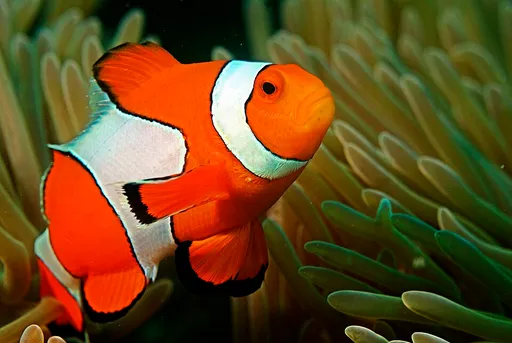
Ocellaris clownfish
Amphiprion ocellaris
Saltwater- Size
- 3.1 in (8 cm)
- Tank
- 20 gal (75 L)
- Water
- 75–82°F (24–28°C)
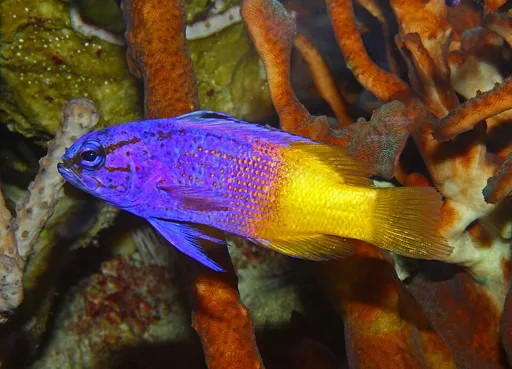
Royal gramma
Gramma loreto
Saltwater- Size
- 3.1 in (8 cm)
- Tank
- 29 gal (110 L)
- Water
- 72–81°F (22–27°C)
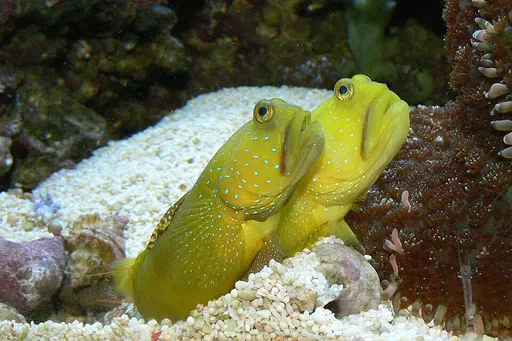
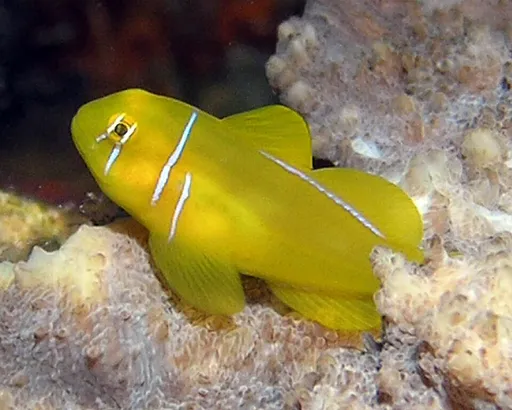
Yellow watchman goby
Cryptocentrus cinctus
Saltwater- Size
- 3.5 in (9 cm)
- Tank
- 20 gal (75 L)
- Water
- 72–81°F (22–27°C)
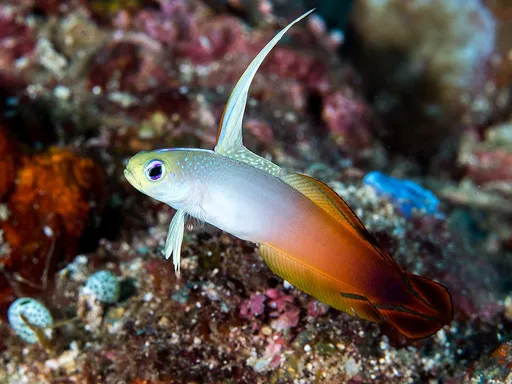
Firefish
Nemateleotris magnifica
Saltwater- Size
- 3.5 in (9 cm)
- Tank
- 20 gal (75 L)
- Water
- 72–81°F (22–27°C)
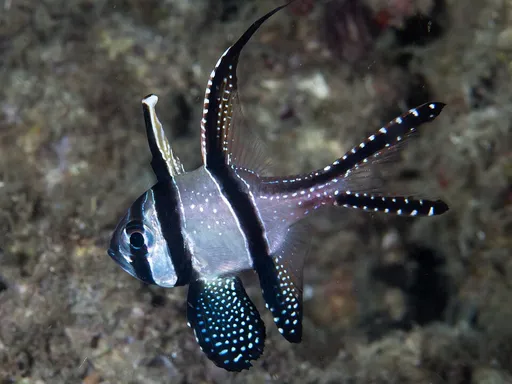
Banggai cardinalfish
Pterapogon kauderni
Saltwater- Size
- 3.1 in (8 cm)
- Tank
- 29 gal (110 L)
- Water
- 73–82°F (23–28°C)
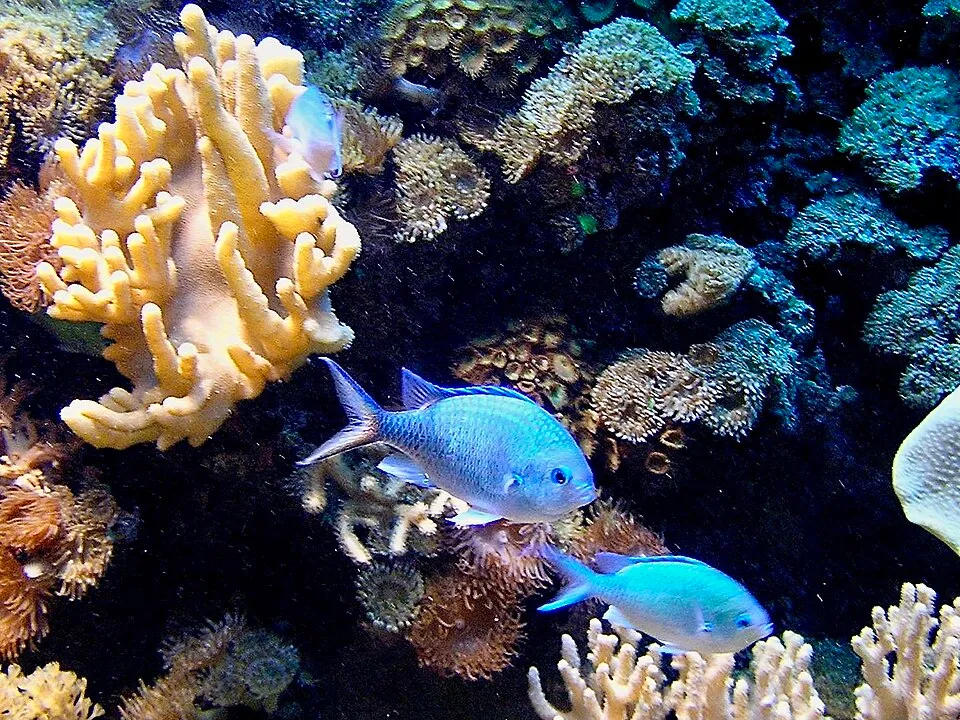
Blue-green chromis
Chromis atripectoralis
Saltwater- Size
- 4.7 in (12 cm)
- Tank
- 30 gal (115 L)
- Water
- 75–82°F (24–28°C)
Reef tank or fish only
Decide early whether corals are in your future, because it changes which fish you can keep. Species that nip coral polyps are fine in a fish-only tank and a problem in a reef, so every saltwater profile here carries a reef safe field you can check before you buy.
A fish-only tank with live rock (FOWLR) is the easiest way in: the rock carries the biological filtration and you skip coral lighting entirely. It is a legitimate way to run a marine tank, not a compromise.
Check the adult size before you buy
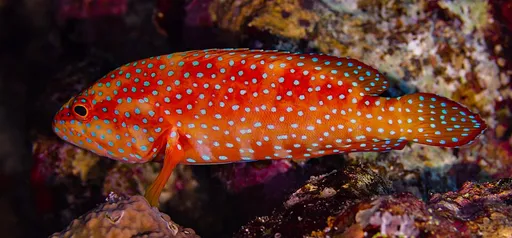
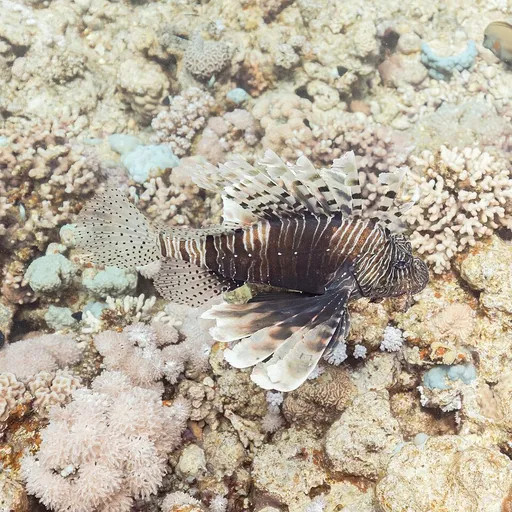
Plenty of saltwater fish are sold as juveniles at a fraction of adult size. A miniatus grouper is a 3 inch fish in the store and an 18 inch predator that needs 180 gallons (680 liters) a few years later; scats and lionfish grow the same way. Every profile lists adult size and minimum tank size, so check both against the tank you actually own.
What fits a 20 to 30 gallon reef
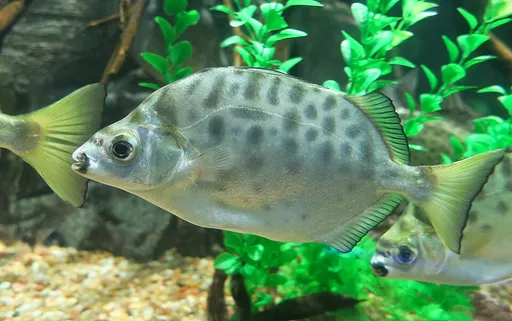
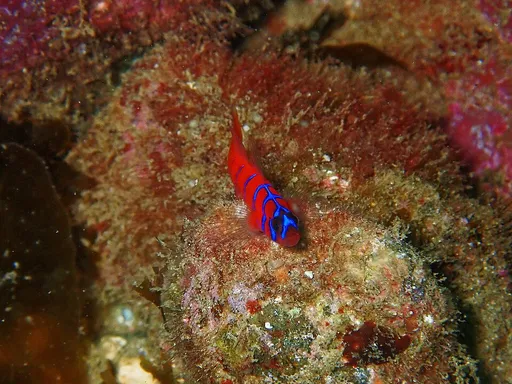
A 20 to 30 gallon (75 to 115 liter) marine tank holds fewer fish than the same tank of freshwater, because most reef fish hold territory and the water has less margin. In 30 gallons a full stocking looks like this: a pair of ocellaris or percula clownfish, one small basslet or dottyback (a royal gramma or an orchid dottyback, not both, since they fight over the same holes), one goby or blenny for the rock and sand, and a pair of cardinalfish. In 20 gallons, drop the cardinalfish. That is the tank. What does not fit: any tang, any of the larger angelfish, wrasses beyond the six-line and fourline, and anything that reaches 6 inches (15 cm). The "fits a 20 gallon" and "fits a 30 gallon" rows above are computed from the catalog and are the honest shortlist.
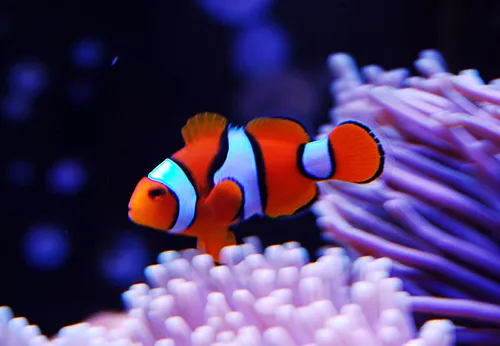
Percula clownfish
Amphiprion percula
Saltwater3.1 in (8 cm) · 20 gal (75 L)75–82°F (24–28°C)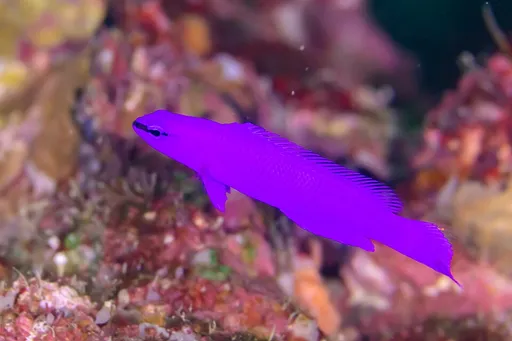
Orchid dottyback
Pseudochromis fridmani
Saltwater2.8 in (7 cm) · 29 gal (110 L)72–79°F (22–26°C)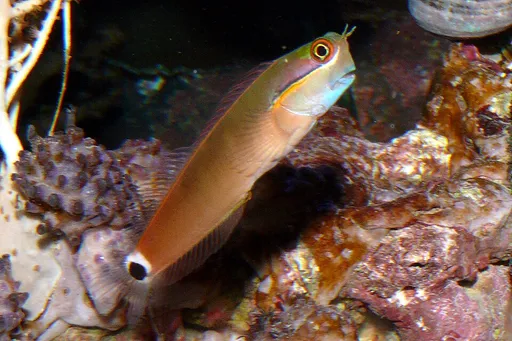
Tailspot blenny
Ecsenius stigmatura
Saltwater2.4 in (6 cm) · 20 gal (75 L)72–79°F (22–26°C)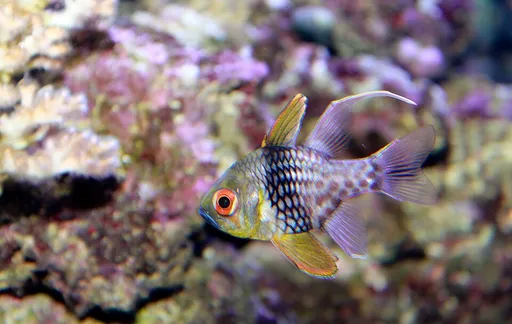
Pajama cardinalfish
Sphaeramia nematoptera
Saltwater3.1 in (8 cm) · 29 gal (110 L)72–81°F (22–27°C)
Marine fish that school
Most reef fish hold a patch of rock and want nothing to do with a crowd, so a real school is rarer in a marine tank than in a freshwater one. The exceptions are worth knowing. Blue-green and green chromis hang in a loose group in open water above the rock, the cardinalfish drift together over a coral head and come alive at dusk, and the pyramid butterflyfish and schooling bannerfish shoal the way they do on a reef wall once the tank is big enough. Keep chromis in a group of five or more, because a pair or a trio thins out as the strongest fish picks on the rest. Cardinalfish are calmer, and the catalog's smallest groups start around 30 gallons (115 liters).
Blue-green chromis
Chromis atripectoralis
Saltwater4.7 in (12 cm) · 30 gal (115 L)75–82°F (24–28°C)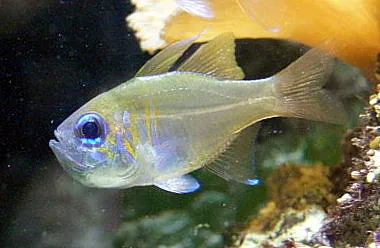
Threadfin cardinalfish
Zoramia leptacantha
Saltwater2.4 in (6 cm) · 30 gal (114 L)72–79°F (22–26°C)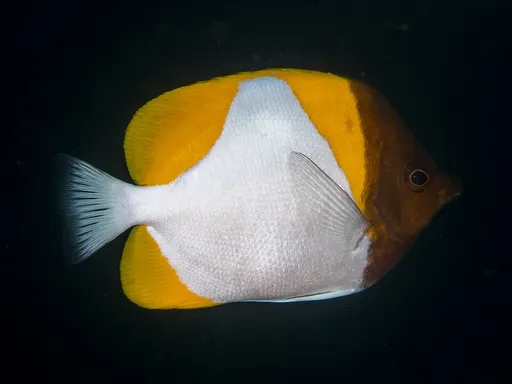
Pyramid butterflyfish
Hemitaurichthys polylepis
Saltwater7.1 in (18 cm) · 124 gal (470 L)75–81°F (24–27°C)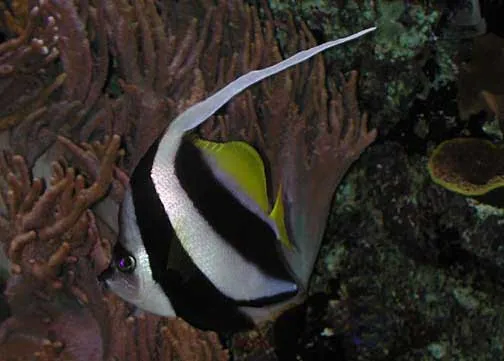
Schooling bannerfish
Heniochus diphreutes
Saltwater8.3 in (21 cm) · 124 gal (470 L)75–81°F (24–27°C)
The big fish
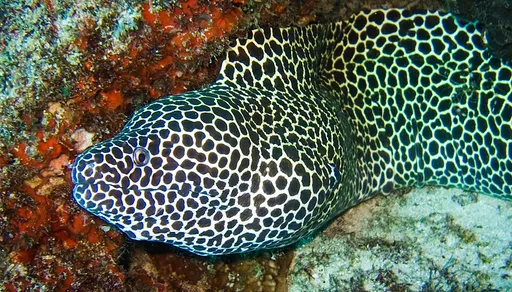
The marine giants are on this list too, and they are the ones a new reefer buys at 3 inches and regrets at 12. The large angelfish, the groupers, the morays and the unicornfish all pass 16 inches (40 cm), and the honeycomb moray runs close to 6 feet (180 cm). Many of them are not reef safe either, which is why they sit on the FOWLR list as well. Read the adult size and the tank size on the profile before you buy, and expect nearly all of them to want more than 100 gallons (380 liters).
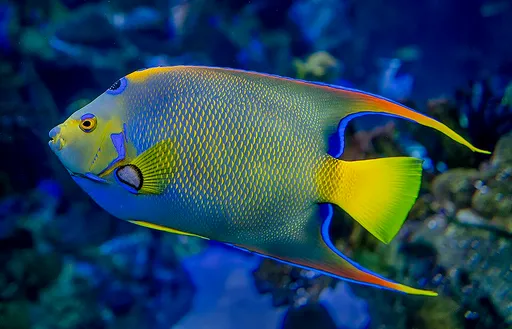
Queen angelfish
Holacanthus ciliaris
Saltwater17.7 in (45 cm) · 251 gal (950 L)75–81°F (24–27°C)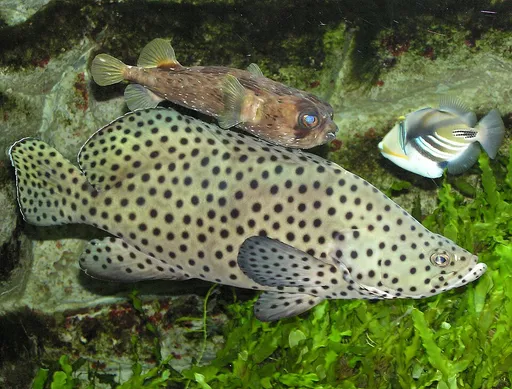
Panther grouper
Cromileptes altivelis
Saltwater27.6 in (70 cm) · 300 gal (1,135 L)72–79°F (22–26°C)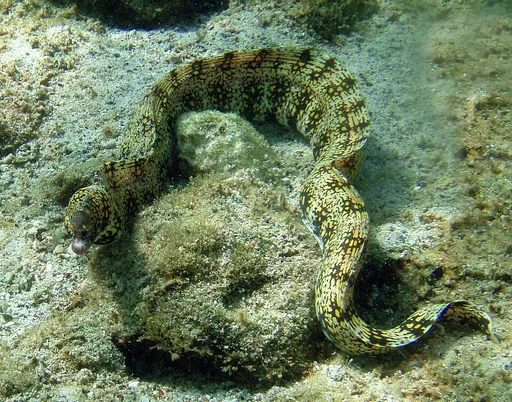
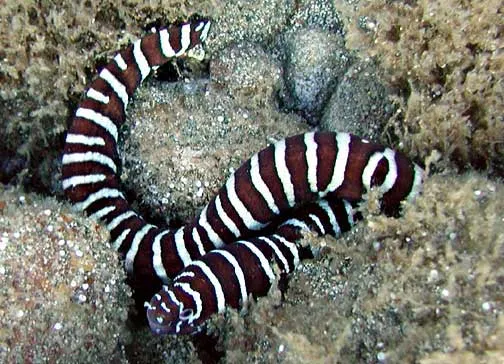
Snowflake eel
Echidna nebulosa
Saltwater39.4 in (100 cm) · 50 gal (189 L)72–79°F (22–26°C)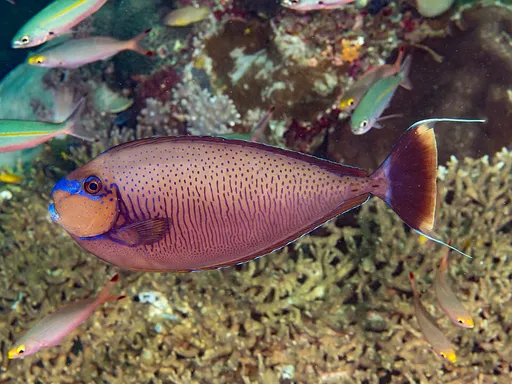
Vlamingi tang
Naso vlamingii
Saltwater23.6 in (60 cm) · 359 gal (1,360 L)75–81°F (24–27°C)
By the numbers
Smallest
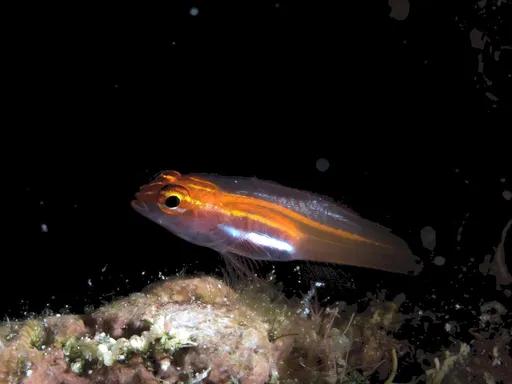
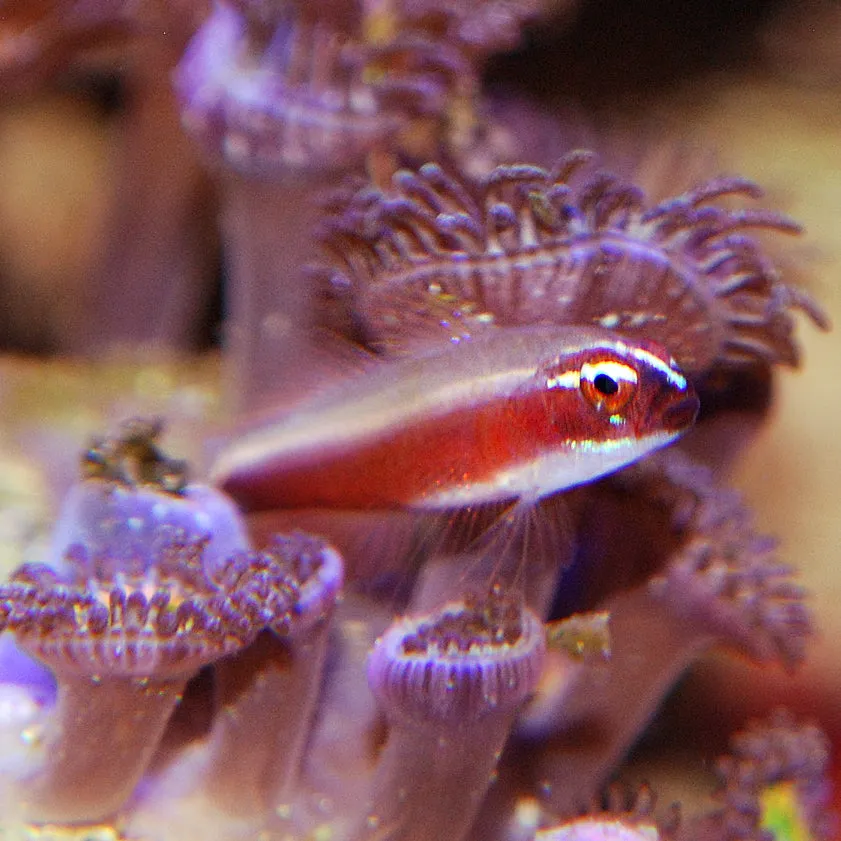
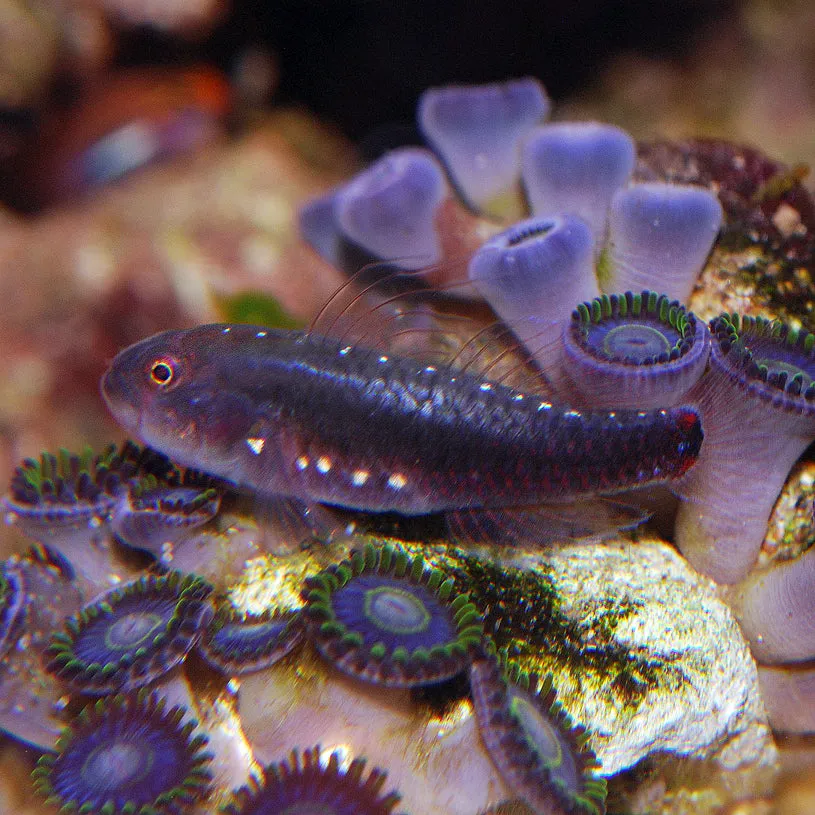
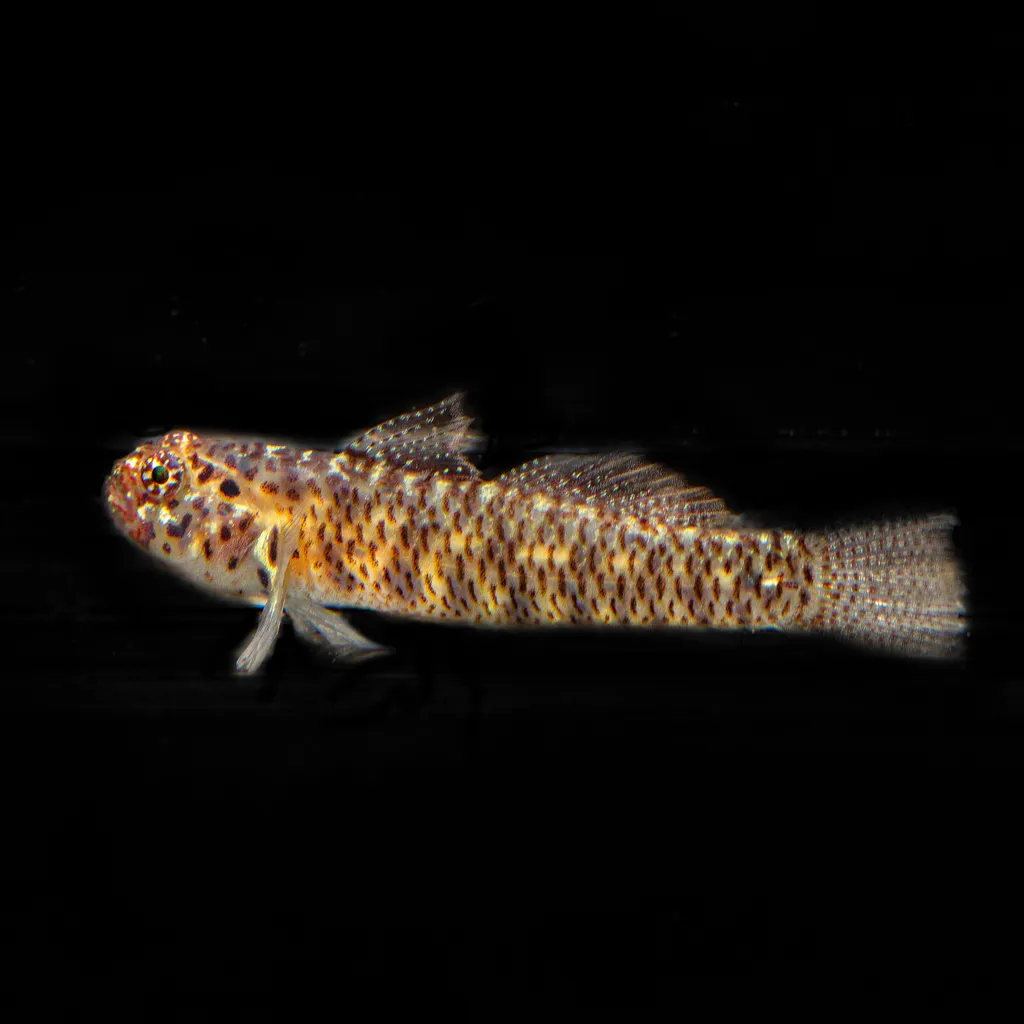
Largest
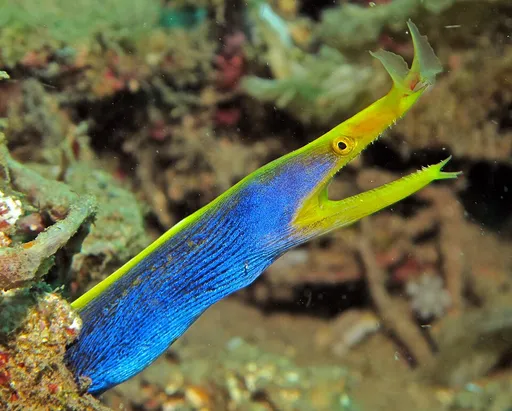
Easiest to keep
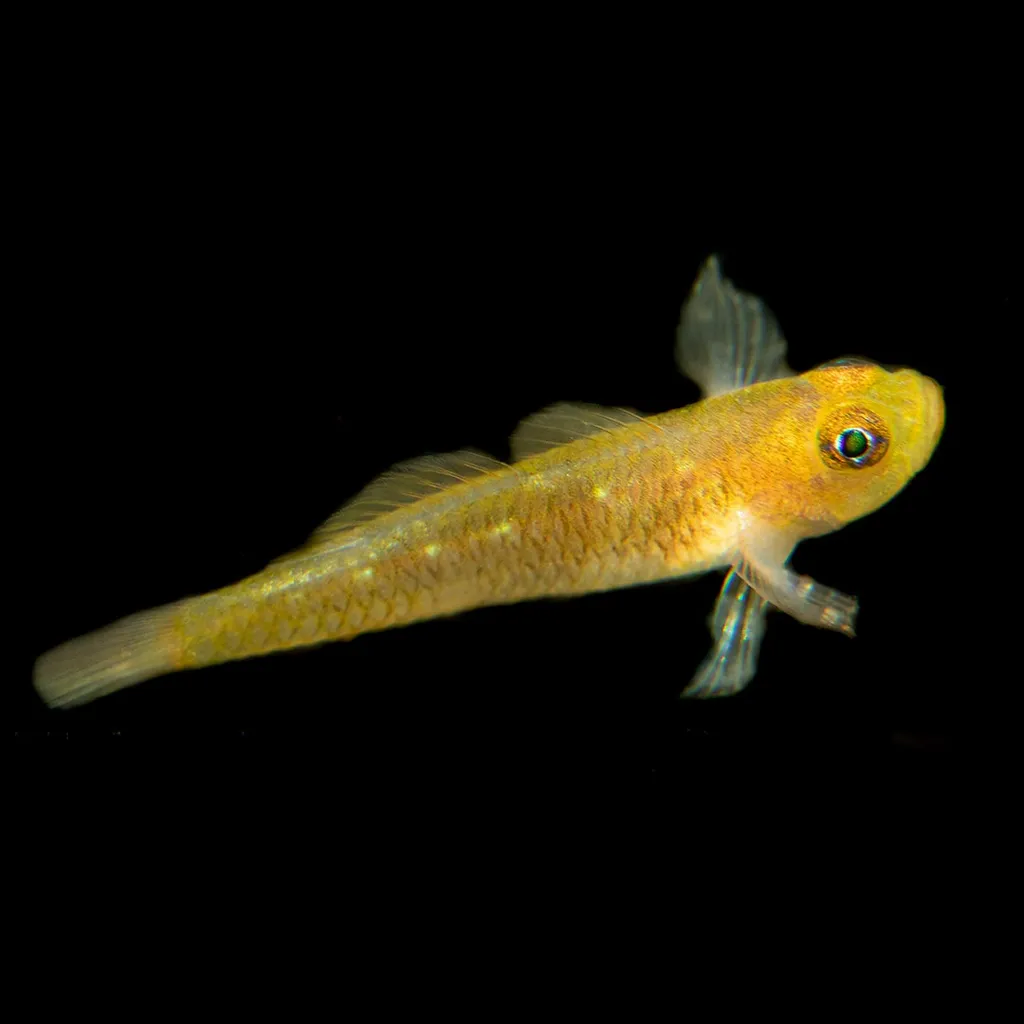
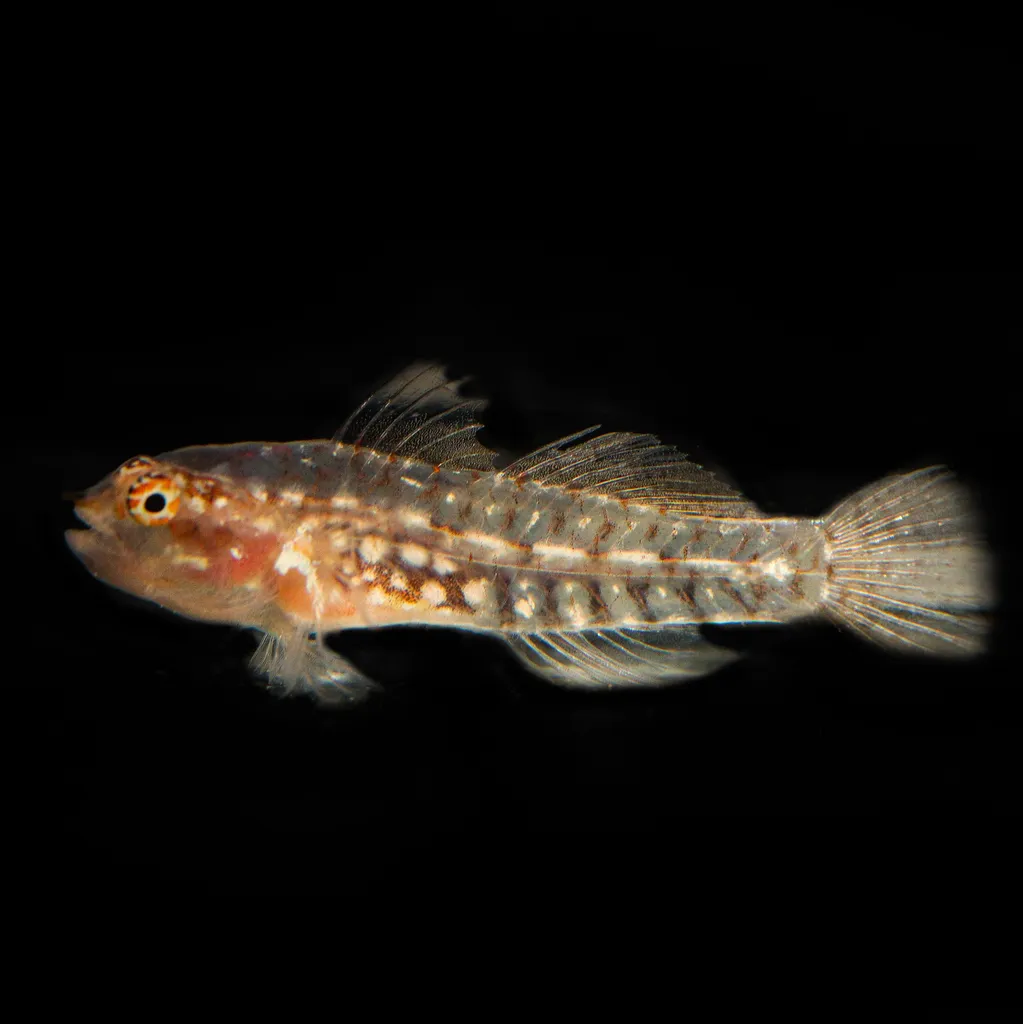
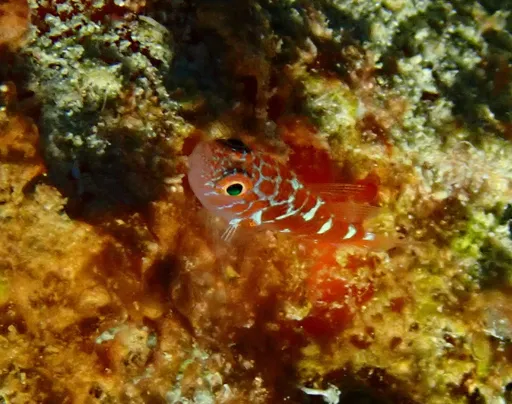
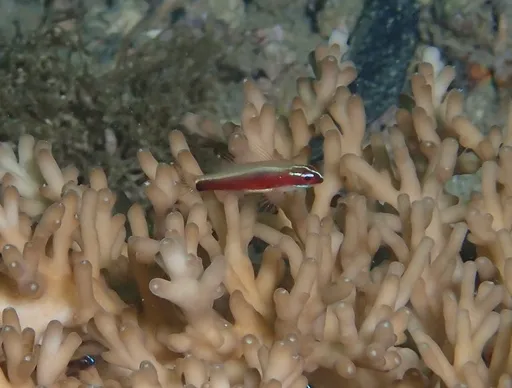
Most peaceful
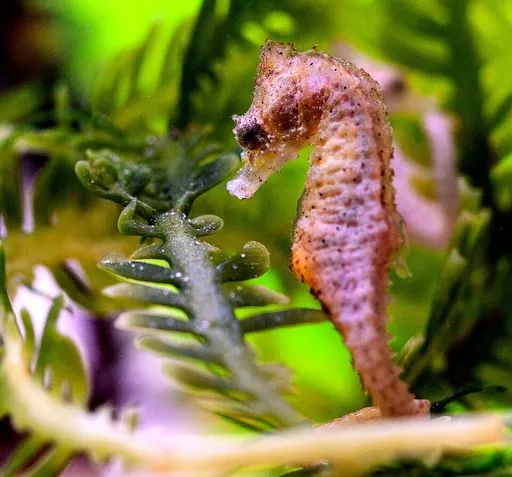
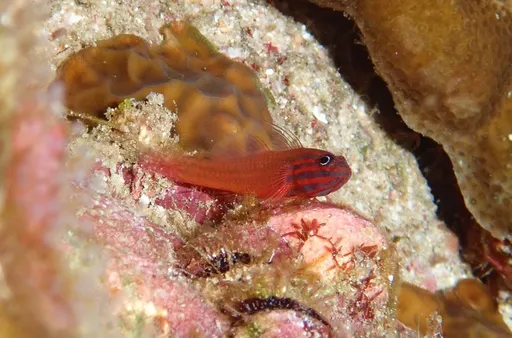
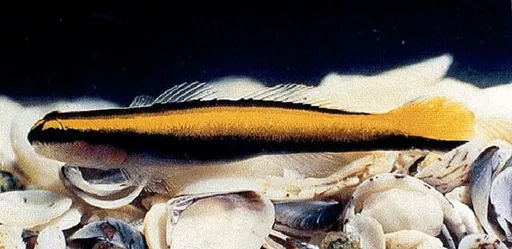
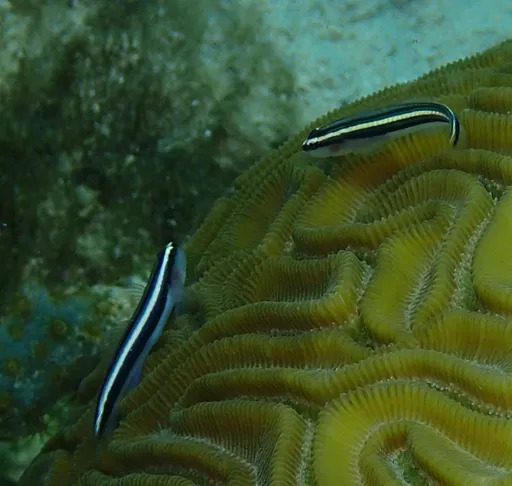
Fits a 20 gallon tank
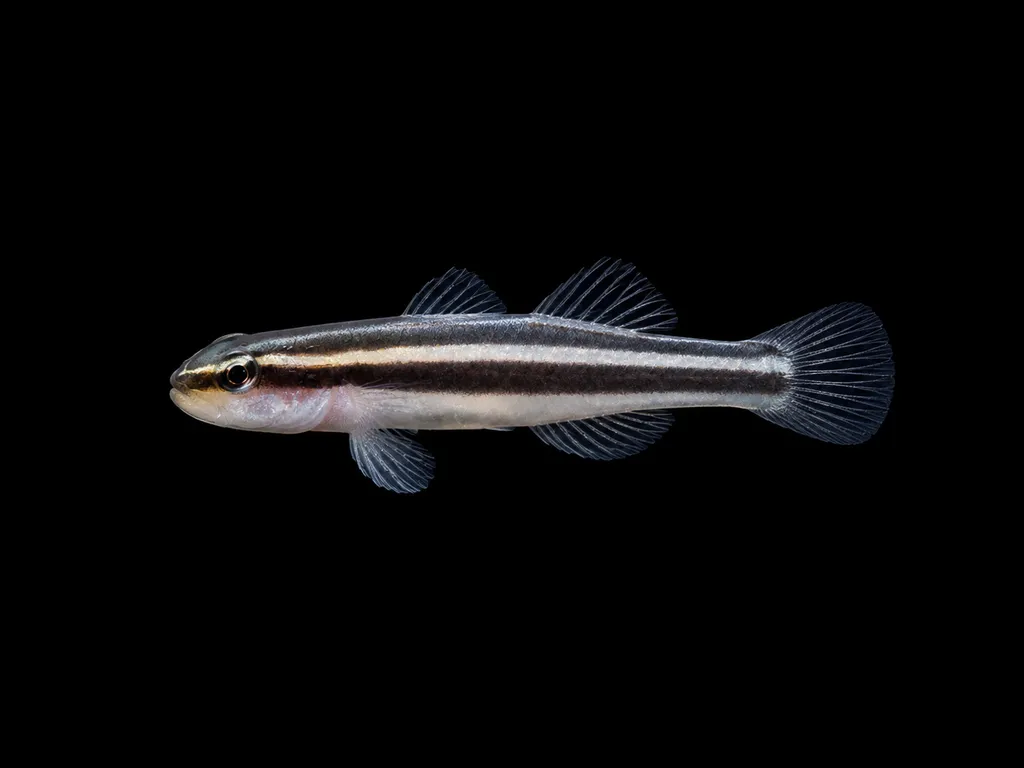
Fits a 30 gallon tank
FAQ
Common questions
Which saltwater fish are easiest to keep?
Ocellaris and percula clownfish, the royal gramma, the orchid dottyback, the yellow watchman goby, the firefish, banggai and pajama cardinalfish, the tailspot and lawnmower blennies and the blue-green chromis. All of them eat prepared food and ride out the swings of a new tank.
What does reef safe mean?
A reef safe fish leaves corals, clams and ornamental shrimp alone. "Caution" marks fish that are safe with most corals but nip some, or eat small invertebrates: dwarf angelfish, butterflyfish, some wrasses. "No" marks fish that eat coral or invertebrates outright, such as triggerfish and the large angelfish. Every saltwater profile carries the field.
What size tank do saltwater fish need?
The smallest gobies list 5 gallons (19 liters). A clownfish pair wants 20 gallons (75 liters). Tangs, large angelfish, groupers and triggers start around 70 to 100 gallons (265 to 380 liters) and run into the hundreds. The minimum is on every profile.
What temperature do saltwater fish need?
Most list 73–81°F (23–27°C), and most reef keepers hold 76–78°F (24–26°C). Stability matters more than the exact number.
How many fish can a saltwater tank hold?
Fewer than a freshwater tank of the same size. Use each profile's minimum tank size as the floor for that fish, add slowly over months, and run the whole mix through the stocking calculator before you buy.
Do I need corals to keep saltwater fish?
No. A fish-only tank with live rock is a complete marine tank, skips coral lighting, and opens up the fish that are not reef safe.
Index
All saltwater fish
Planning a tank?
TankBud checks stocking and water fit as you build a tank, then tracks water tests, reminders and photos once it is running.
Track your tanksMaintain tanks for clients? See TankBud Pro