African tiger scat
Scatophagus tetracanthus
Also known as African scat, Tiger scat
BrackishSaltwaterFish
Care at a glance
- Temperature
- 73–82°F
- 23–28°C
- pH
- 7.2–8.4
- Adult size
- 11.8 in
- 30 cm
- Minimum tank
- 159 gal
- 600 L
- Temperament
- Mostly peaceful
- Social behavior
- Social
- Tankmates
- With caution
- Swim level
- Middle
- Diet
- Omnivore
- Difficulty
- Medium
- Breeding
- Medium
- Rarity
- Rare
- Family
- Scatophagidae
- Origin
- East African rivers and estuaries, Somalia to South Africa
Overview
The African tiger scat is a big midwater grazer for a large brackish or marine tank. It is a step up from the easiest fish.
Did you know
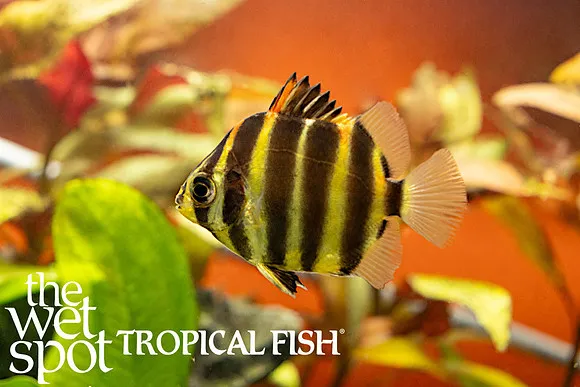
The African tiger scat is banded like a tiger, while its familiar cousin, the spotted scat, is covered in dark dots. It is exported far less often than its Asian relatives, so this boldly marked fish stays a rarity in the hobby.
Caring for the African tiger scat
African tiger scats grow large and stay active, so give them at least 159 gal (600 L) and strong filtration. Use a bottom of sand and rock, with hardy or artificial plants they will not simply eat.
Keep them in hard, alkaline brackish or marine water at 73 to 82°F (23 to 28°C) and a pH of 7.2 to 8.4. Keep young fish brackish, and let the water trend more marine as they grow.
They have a big appetite for greens. Feed a varied diet heavy on vegetable matter, such as algae, blanched greens and spirulina foods, plus frozen mysis, brine shrimp and chopped shellfish.
The African tiger scat is sociable and mostly peaceful, and it does best in a small group. It mixes with other robust brackish fish, but it can be pushy at feeding time. Pick tank mates with some caution, and avoid delicate or much smaller fish.
African tiger scats are moderately difficult to breed, and breeding is tied to saltier water. Their young pass through a small armored larval stage.
Good to know
The African tiger scat, Scatophagus tetracanthus, belongs to the family Scatophagidae. Its species name, tetracanthus, means four-spined and refers to the spines at the front of its dorsal fin.
In the wild
The African tiger scat lives along the East African coast from Somalia to South Africa. It moves between estuaries, mangroves and lagoons, ranging from river mouths out into the sea.
Common questions
What size tank does an African tiger scat need?
An African tiger scat needs at least 159 gal (600 L). It spends most of its time in the middle.
What temperature and pH does an African tiger scat need?
An African tiger scat is comfortable at 73–82°F (23–28°C) with a pH of 7.2–8.4.
What does an African tiger scat eat?
An African tiger scat eats a varied diet heavy on vegetable matter, such as algae, blanched greens and spirulina foods. Add frozen mysis, brine shrimp and chopped shellfish.
How big does an African tiger scat get?
An adult African tiger scat reaches about 11.8 in (30 cm).
How does an African tiger scat breed?
African tiger scats breed in saltier water, and their young pass through a small armored larval stage. Breeding them is of moderate difficulty.
Related species
 11.8 in (30 cm)159 gal (600 L)72–82°F (22–28°C)
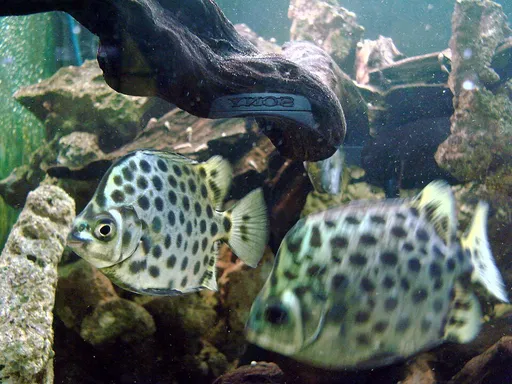
Spotted scat
Scatophagus argus
11.8 in (30 cm) · 159 gal (600 L)
 11.8 in (30 cm)159 gal (600 L)72–82°F (22–28°C)
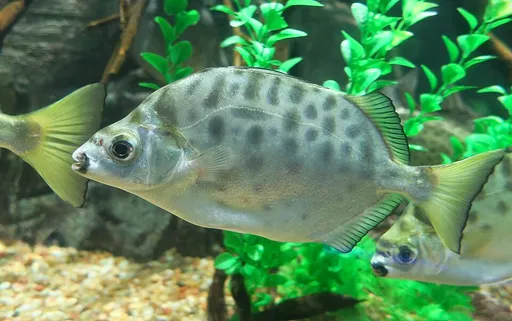
Silver scat
Selenotoca multifasciata
11.8 in (30 cm) · 159 gal (600 L)
 11.8 in (30 cm)180 gal (680 L)73–81°F (23–27°C)
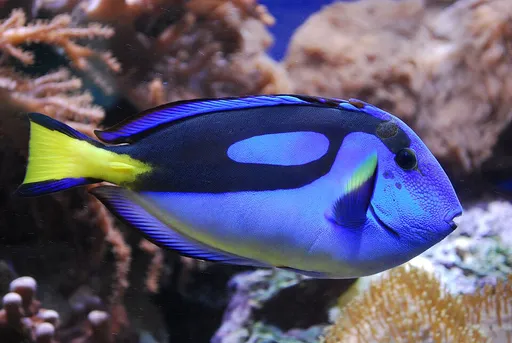
Blue hippo tang
Paracanthurus hepatus
11.8 in (30 cm) · 180 gal (680 L)
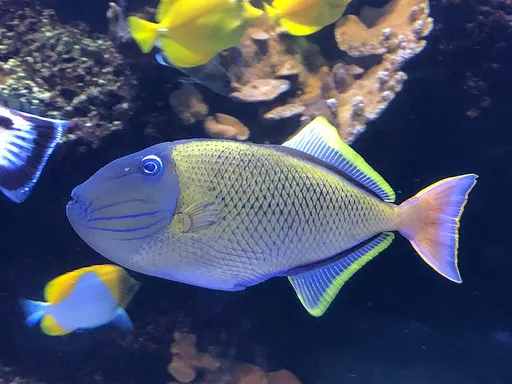 11.8 in (30 cm)106 gal (400 L)70–79°F (21–26°C)
Crosshatch triggerfish
Xanthichthys mento
11.8 in (30 cm) · 106 gal (400 L)
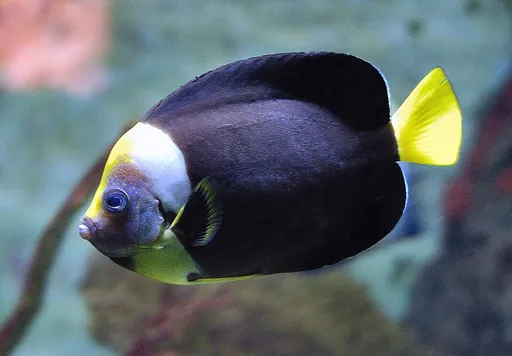 11.8 in (30 cm)180 gal (680 L)72–79°F (22–26°C)
False personifer angelfish
Chaetodontoplus meredithi
11.8 in (30 cm) · 180 gal (680 L)
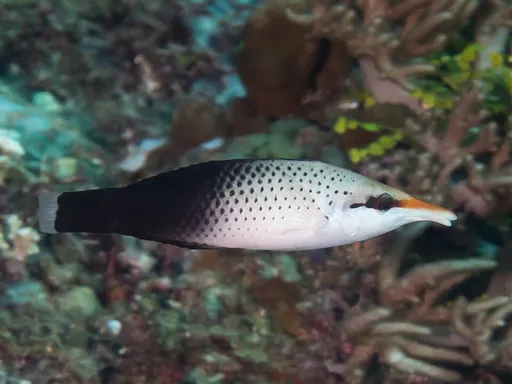 11.8 in (30 cm)125 gal (473 L)72–79°F (22–26°C)
Green bird wrasse
Gomphosus varius
11.8 in (30 cm) · 125 gal (473 L)