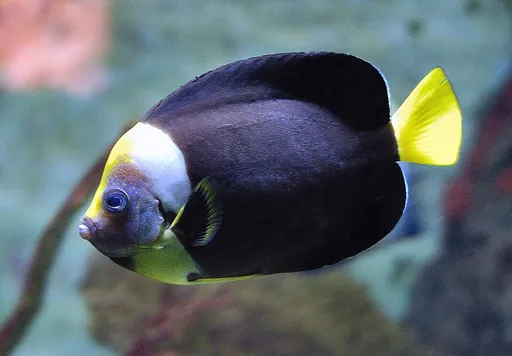
False personifer angelfish
Chaetodontoplus meredithi
Also known as Queensland Yellowtail Angelfish, Meredith's Angelfish, Yellow-finned Angelfish
SaltwaterFish
Care at a glance
- Temperature
- 72–79°F
- 22–26°C
- pH
- 8.1–8.4
- Adult size
- 11.8 in
- 30 cm
- Minimum tank
- 180 gal
- 680 L
- Temperament
- Mostly peaceful
- Social behavior
- Solitary
- Tankmates
- With caution
- Swim level
- Middle
- Diet
- Omnivore
- Difficulty
- Medium
- Breeding
- Hard
- Rarity
- Rare
- Reef safe
- Reef safe with caution
- Family
- Pomacanthidae
- Origin
- Eastern Australia, Cape York to Sydney and Lord Howe Island
Overview
The false personifer angelfish is a large angel for a big saltwater display. It is moderate care for an angelfish this size.
Did you know
The false personifer angelfish has jellyfish among its natural foods, according to Fishes of Australia. That is an unusual menu item for a marine angelfish.
Caring for the false personifer angelfish
Give a false personifer angelfish at least 180 gal (680 L), with plenty of live rock and open water. Keep the water at 72 to 79°F (22 to 26°C) with a pH of 8.1 to 8.4. It accepts sponge-based angel rations, mysis, spirulina and nori.
The false personifer is mostly peaceful, but choose its tank mates with caution. It can nip corals and clam mantles, so it is only reef safe with caution. A fish-only or rocky display suits it best.
Males develop a speckled yellow face that females lack. Breeding it is hard.
Good to know
The false personifer angelfish was only separated from the personifer angelfish in 1990, when Rudie Kuiter described it. Adults lack the black tail band that marks true personifers. The dark body scales have a raised, almost blistered look. It belongs to the family Pomacanthidae and also goes by Queensland yellowtail angelfish and Meredith's angelfish.
In the wild
The false personifer angelfish is endemic to eastern Australia, from Cape York in Queensland south to Sydney and out to Lord Howe Island. Adults favor deeper outer reefs as well as sponge-rich bays and estuaries. Juveniles settle on protected inshore reefs and around jetties. It feeds mainly on sponges and tunicates.
Common questions
What size tank does a false personifer angelfish need?
A false personifer angelfish needs at least 180 gal (680 L). It spends most of its time in the middle.
What temperature and pH does a false personifer angelfish need?
A false personifer angelfish is comfortable at 72–79°F (22–26°C) with a pH of 8.1–8.4.
What does a false personifer angelfish eat?
A false personifer angelfish accepts sponge-based angel rations, mysis, spirulina and nori.
How big does a false personifer angelfish get?
An adult false personifer angelfish reaches about 11.8 in (30 cm).
How can you tell a male false personifer angelfish from a female?
Males develop a speckled yellow face, which females lack.
Related species
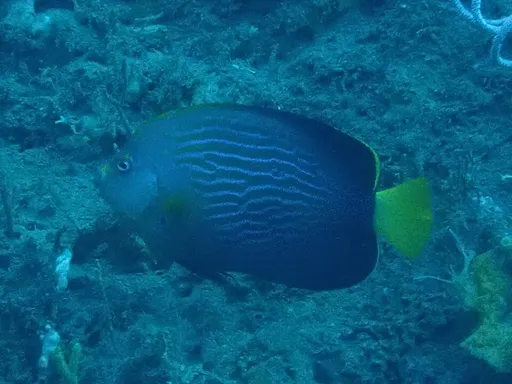 11 in (28 cm)251 gal (950 L)72–79°F (22–26°C)
Maze angelfish
Chaetodontoplus cephalareticulatus
11 in (28 cm) · 251 gal (950 L)
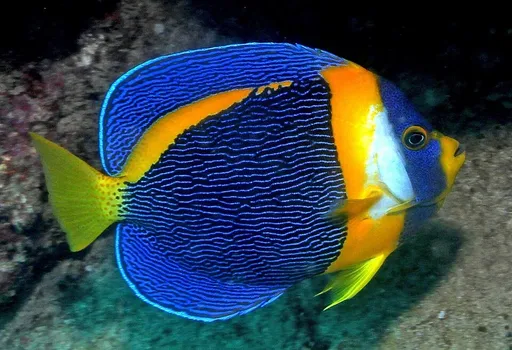 11 in (28 cm)180 gal (680 L)72–79°F (22–26°C)
Scribbled angelfish
Chaetodontoplus duboulayi
11 in (28 cm) · 180 gal (680 L)
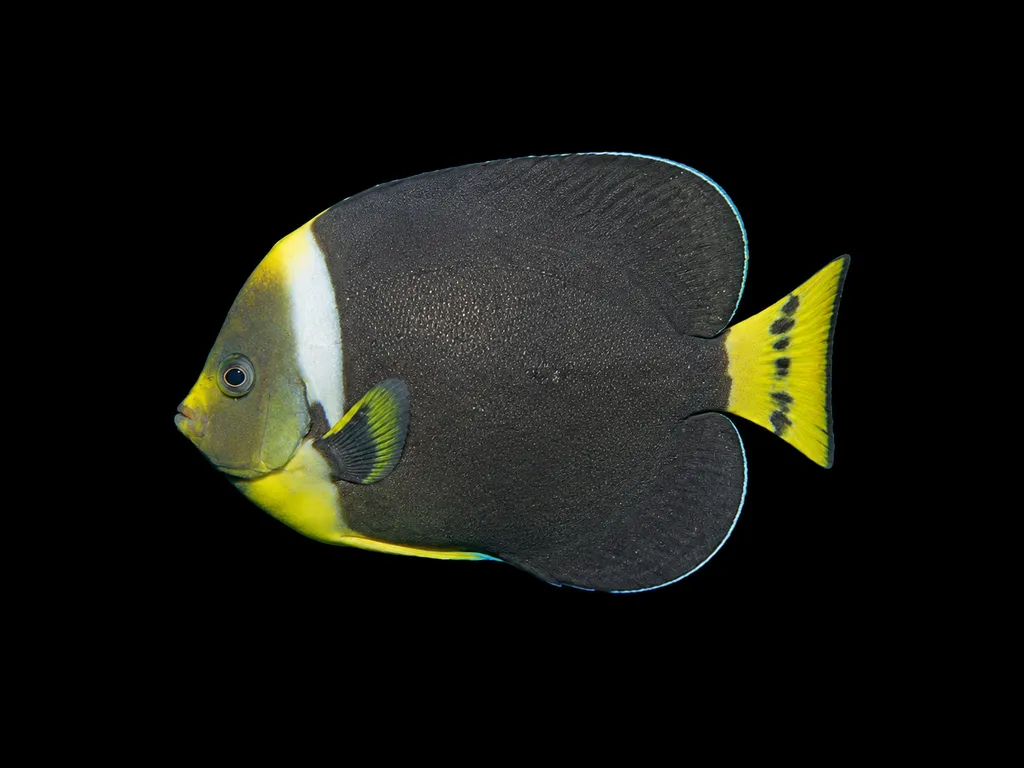 13.8 in (35 cm)180 gal (680 L)72–79°F (22–26°C)
Personifer angelfish
Chaetodontoplus personifer
13.8 in (35 cm) · 180 gal (680 L)
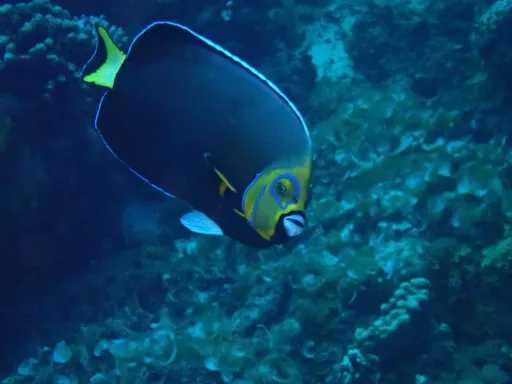 9.8 in (25 cm)198 gal (750 L)72–79°F (22–26°C)
Conspicuous angelfish
Chaetodontoplus conspicillatus
9.8 in (25 cm) · 198 gal (750 L)
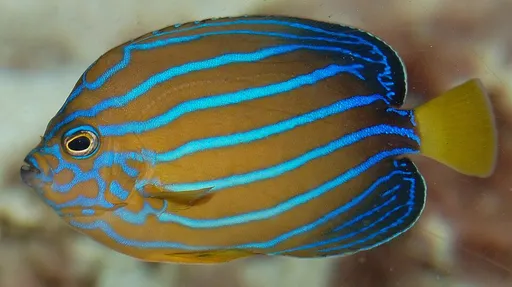 8.7 in (22 cm)185 gal (700 L)72–79°F (22–26°C)
Blueline angelfish
Chaetodontoplus septentrionalis
8.7 in (22 cm) · 185 gal (700 L)
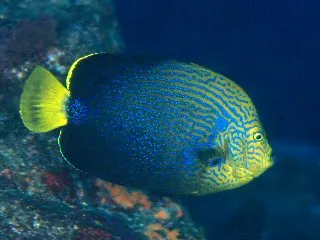 8.7 in (22 cm)151 gal (570 L)72–79°F (22–26°C)
Labyrinth angelfish
Chaetodontoplus chrysocephalus
8.7 in (22 cm) · 151 gal (570 L)