Stem aquarium plants
Stem plants grow upward from a cut stem, which makes them the fastest way to fill a planted tank: trim the tops, replant them and one bunch becomes a bush. Reds and fine-leaved species usually ask for more light and CO2. Profiles list what each one wants.
At a glance
- Height
- 3.9–39.4 in
- 3.9 in (10 cm) to 39.4 in (100 cm); half the list stays at 15.7 in (40 cm) or under
- Temperature
- 68–82°F
- 20–28°C, most of the list
- Light
- 10 low light
- 62 medium light · 77 high light
- CO₂
- 21 no CO₂ needed
- 87 CO₂ beneficial · 41 CO₂ required
- Growth
- 19 slow growing
- 48 medium growth · 82 fast growing
- Difficulty
- 54 easy
- 60 medium · 35 difficult
130 plants and 19 varieties
Start here
The stems to start with
The water wisteria is marked beginner for medium light, a fast stem to 19.7 inches (50 cm) with lace-cut leaves. The hygrophila polysperma is the same rating for low light, 17.7 inches (45 cm), and needs cutting back weekly. The rotala rotundifolia is marked easy, a fine stem that turns pink at the tips under more light. The ludwigia repens is marked easy in medium light, the red stem that needs no CO2. The giant bacopa is a slow, stiff stem for low light at 15.7 inches (40 cm), marked beginner. The pearlweed is a fast, small-leaved stem marked beginner that fills a midground in weeks.
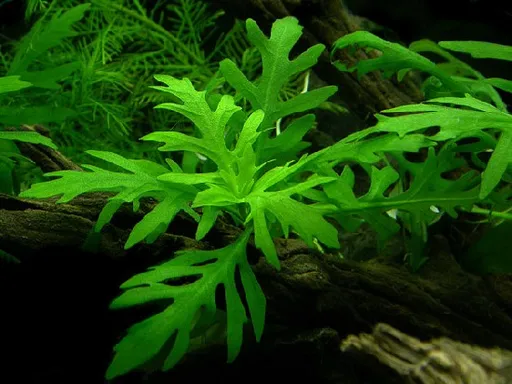
Water wisteria
Hygrophila difformis
Freshwater- Light
- Medium light
- Placement
- Background
- Height
- 19.7 in (50 cm)
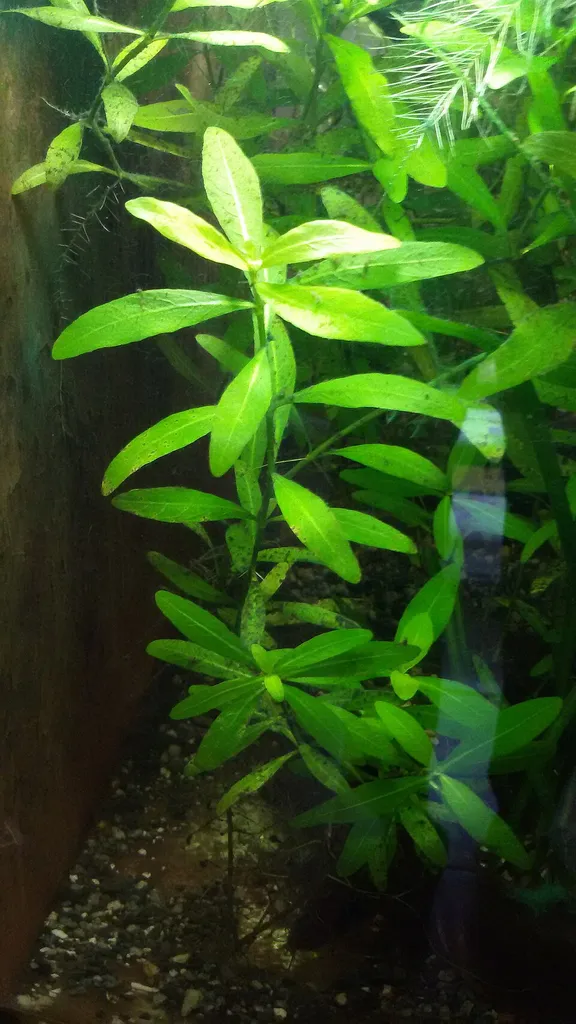
Hygrophila polysperma
Freshwater- Light
- Low light
- Placement
- Background
- Height
- 17.7 in (45 cm)
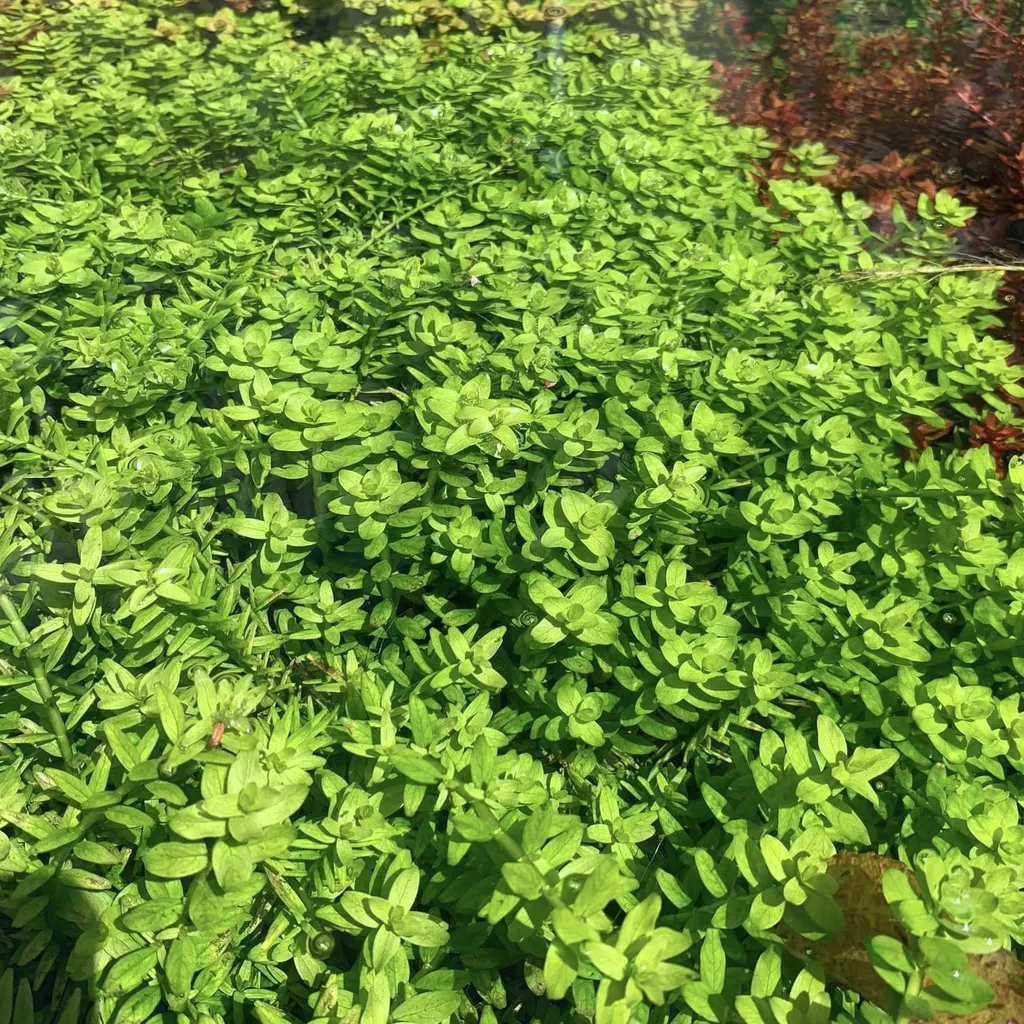
Rotala rotundifolia
Freshwater- Light
- Medium light
- Placement
- Background
- Height
- 19.7 in (50 cm)
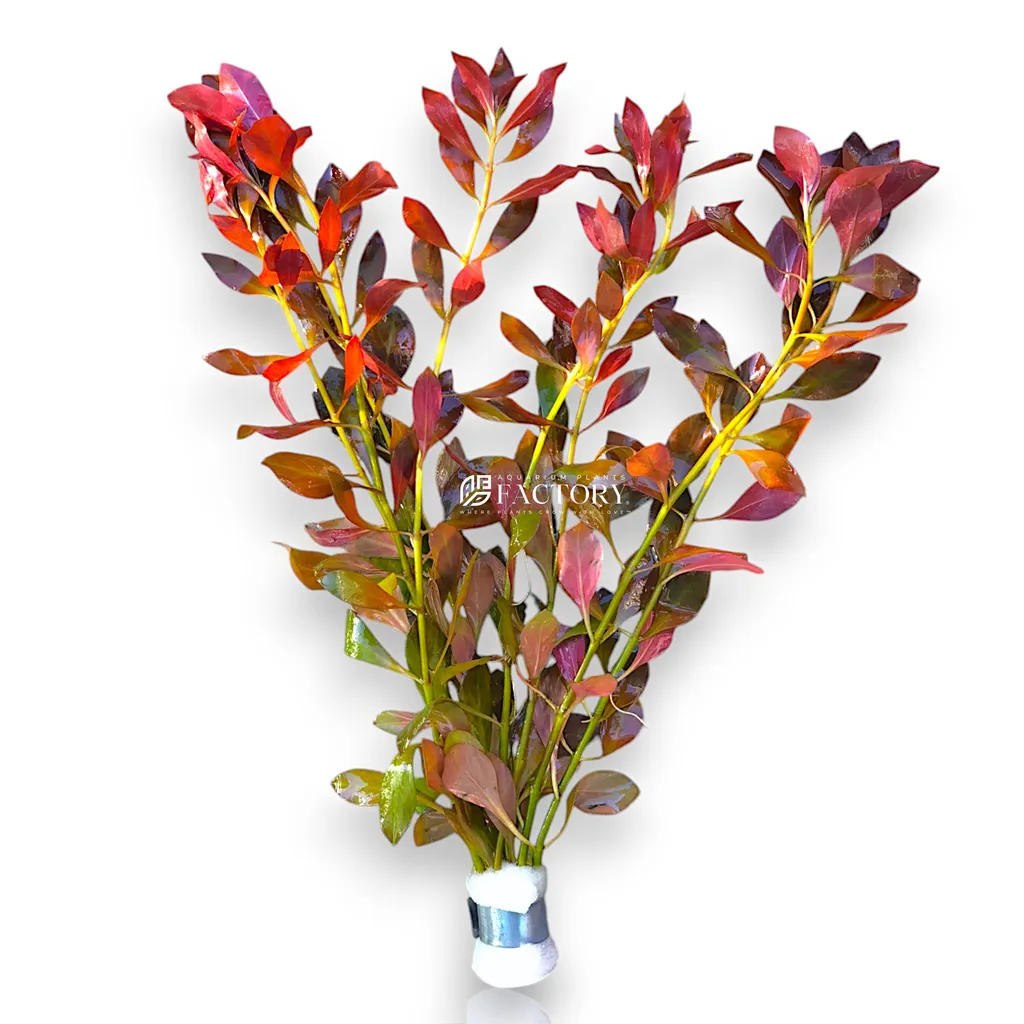
Ludwigia repens
Freshwater- Light
- Medium light
- Placement
- Background
- Height
- 19.7 in (50 cm)
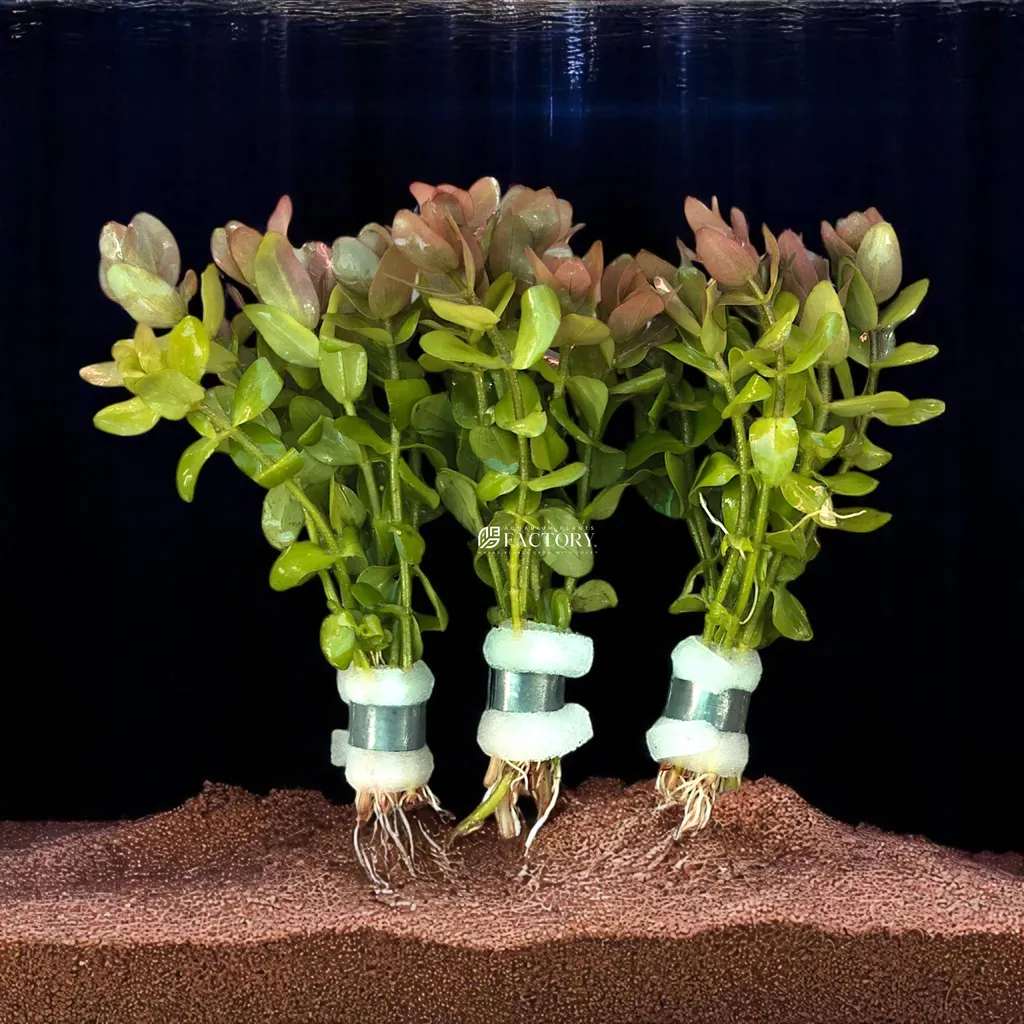
Giant bacopa
Bacopa caroliniana
FreshwaterBrackish- Light
- Low light
- Placement
- Background
- Height
- 15.7 in (40 cm)
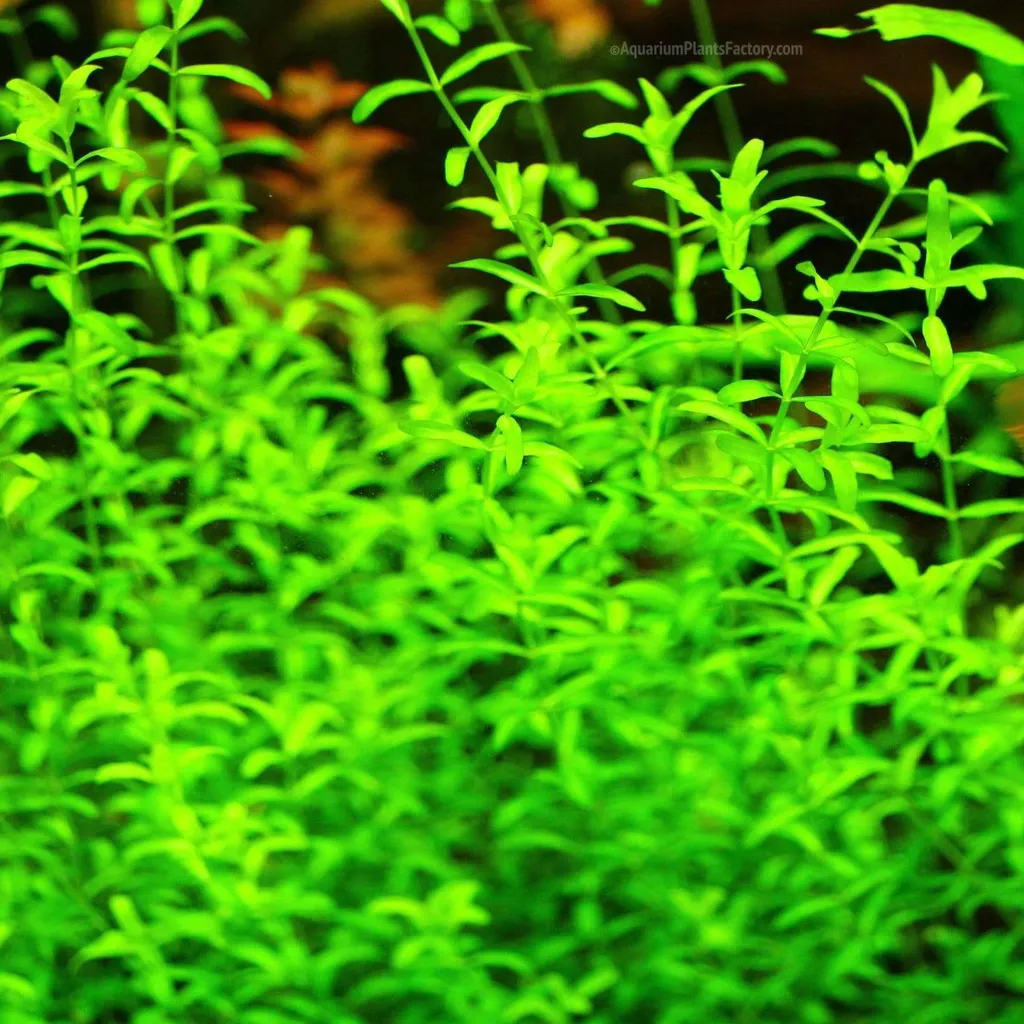
Pearlweed
Hemianthus glomeratus
Freshwater- Light
- Medium light
- Placement
- Midground
- Height
- 7.9 in (20 cm)
The rule
How stems are grown
A stem plant is a cutting, and it grows like one. Each stem goes into the substrate on its own, an inch apart, so light reaches the lower leaves and the stand does not rot from the middle. When the tops reach the surface they are cut and replanted in front of the parents, which is how a stand thickens. Stems feed from the water column, so a liquid fertilizer does more for them than a root tab. And light decides the shape: a stem under weak light stretches and drops its lower leaves, and the red ones stay green.
- 01
Plant singly
An inch apart, so light reaches the lower leaves
- 02
Trim and replant
The tops go in front of the parents
- 03
Feed the water
Stems take liquid fertilizer over root tabs
- 04
Light decides shape
Weak light stretches a stem and greens a red one
Fast growers
Fast green stems
The Canadian waterweed is marked beginner for low light and grows to 23.6 inches (60 cm) rooted or floating. The hornwort has no roots at all and grows fast to 39.4 inches (100 cm). The guppy grass shelters fry and grows in any light, marked beginner. The Limnophila heterophylla is a feathery stem marked easy at 19.7 inches (50 cm). The Myriophyllum Snowflake is a soft milfoil marked easy at 23.6 inches (60 cm). The Japanese cress grows round leaves on a scrambling stem, marked easy with no CO2.
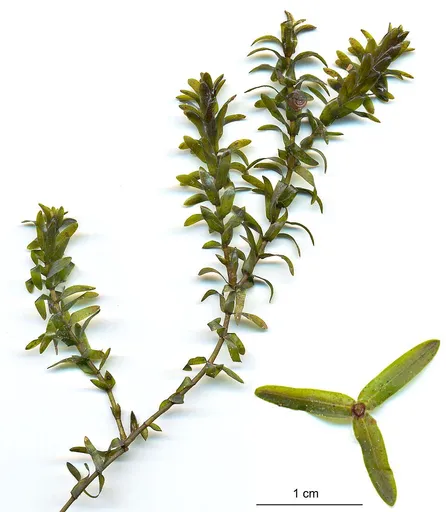
Canadian waterweed
Elodea canadensis
FreshwaterLow light · Background23.6 in (60 cm)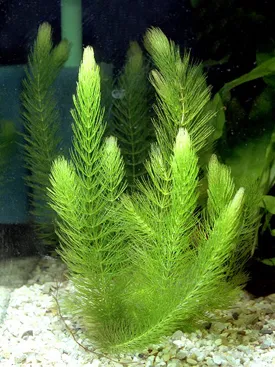
Hornwort
Ceratophyllum demersum
FreshwaterBrackishLow light · Floating39.4 in (100 cm)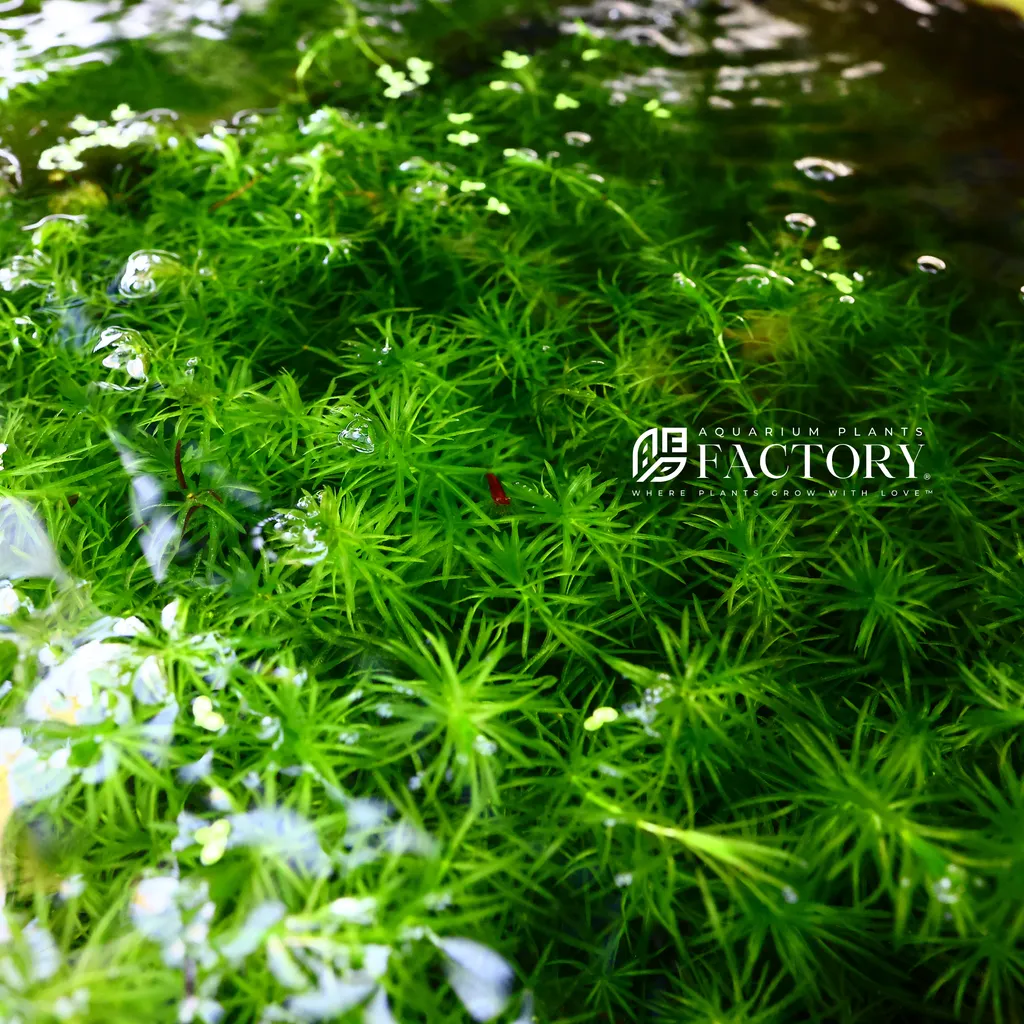
Guppy grass
Najas guadalupensis
FreshwaterBrackishLow light · Floating35.4 in (90 cm)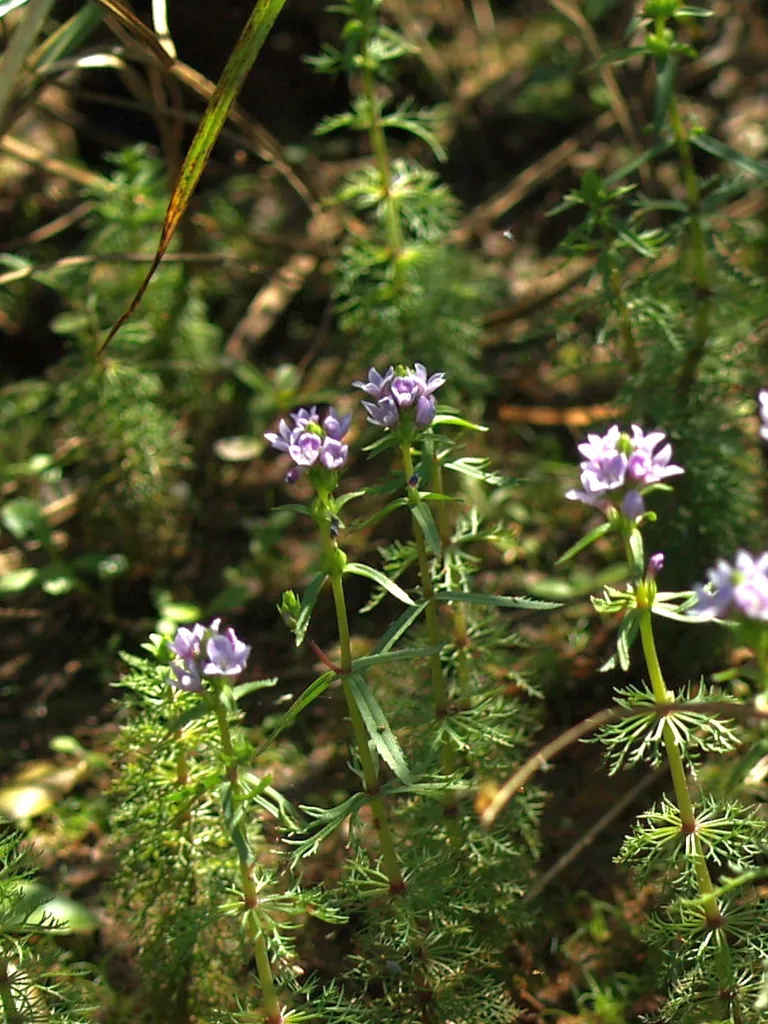
Limnophila heterophylla
FreshwaterMedium light · Background19.7 in (50 cm)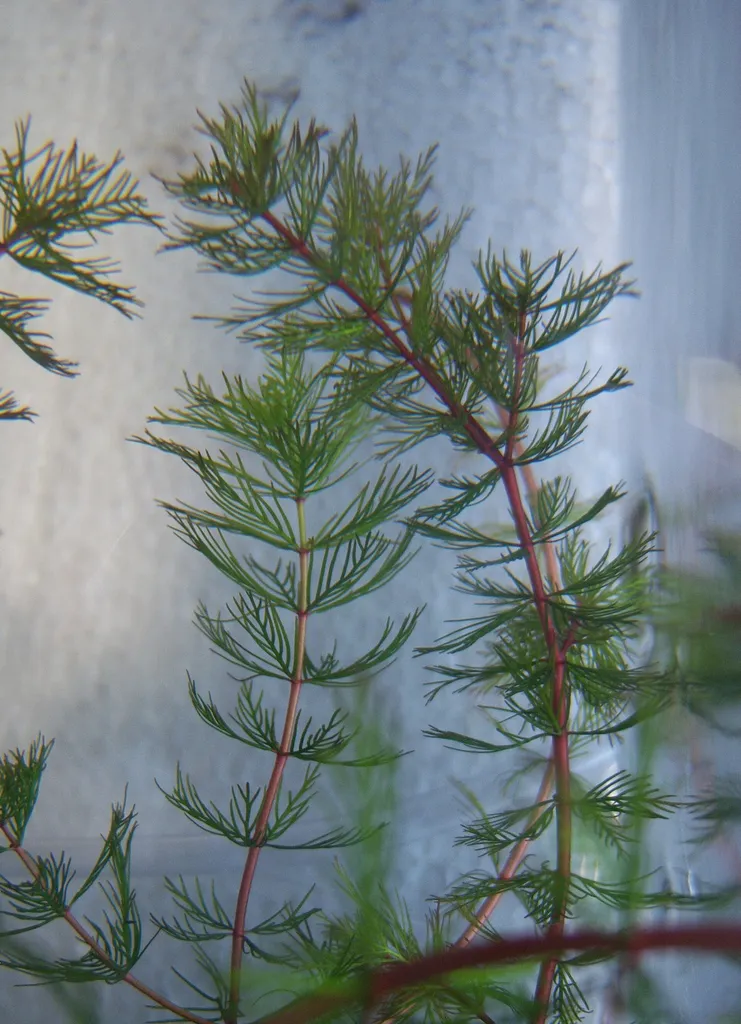
Myriophyllum Snowflake
Myriophyllum quitense
FreshwaterMedium light · Background23.6 in (60 cm)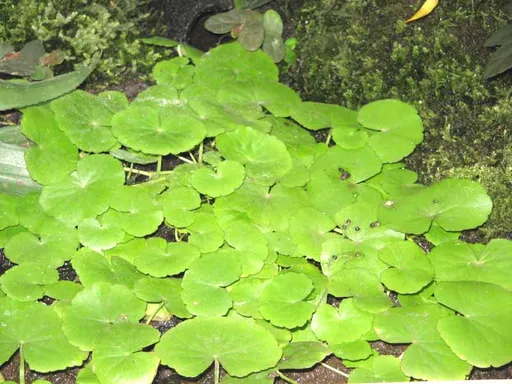
Japanese cress
Cardamine lyrata
FreshwaterMedium light · Midground17.7 in (45 cm)
Compact
Compact stems for the middle
The Lobelia cardinalis grows slowly upright with pale green leaves at 11.8 inches (30 cm), marked easy. The creeping jenny has round leaves on an upright stem at the same height. The Hedyotis salzmannii is a fast, small-leaved stem marked easy at 7.9 inches (20 cm). The Gratiola is a slow, tiny-leaved stem marked medium at 5.9 inches (15 cm). The Ammannia Bonsai is a compact, thick stem marked medium at 7.9 inches (20 cm). The Hygrophila Araguaia turns brown-red under high light at 7.9 inches (20 cm), marked medium.
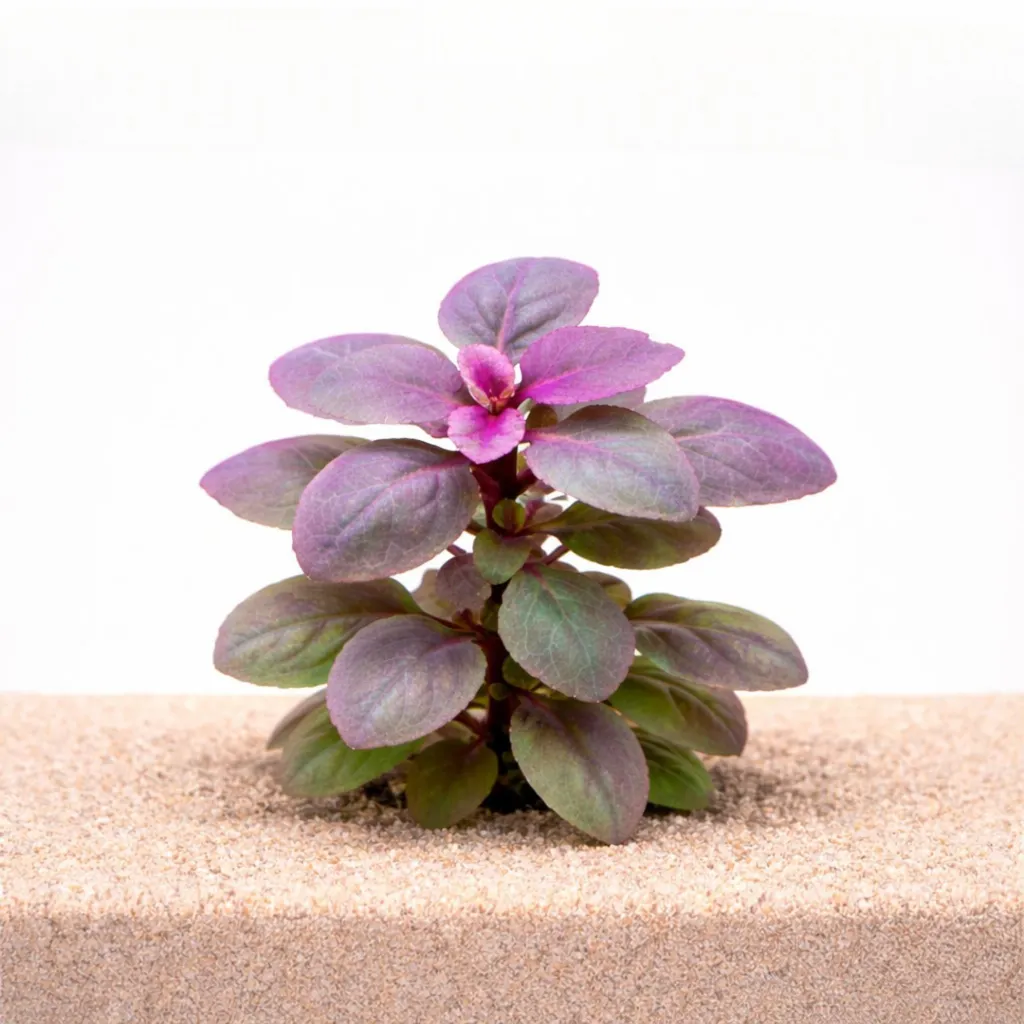
Lobelia cardinalis
FreshwaterMedium light · Midground11.8 in (30 cm)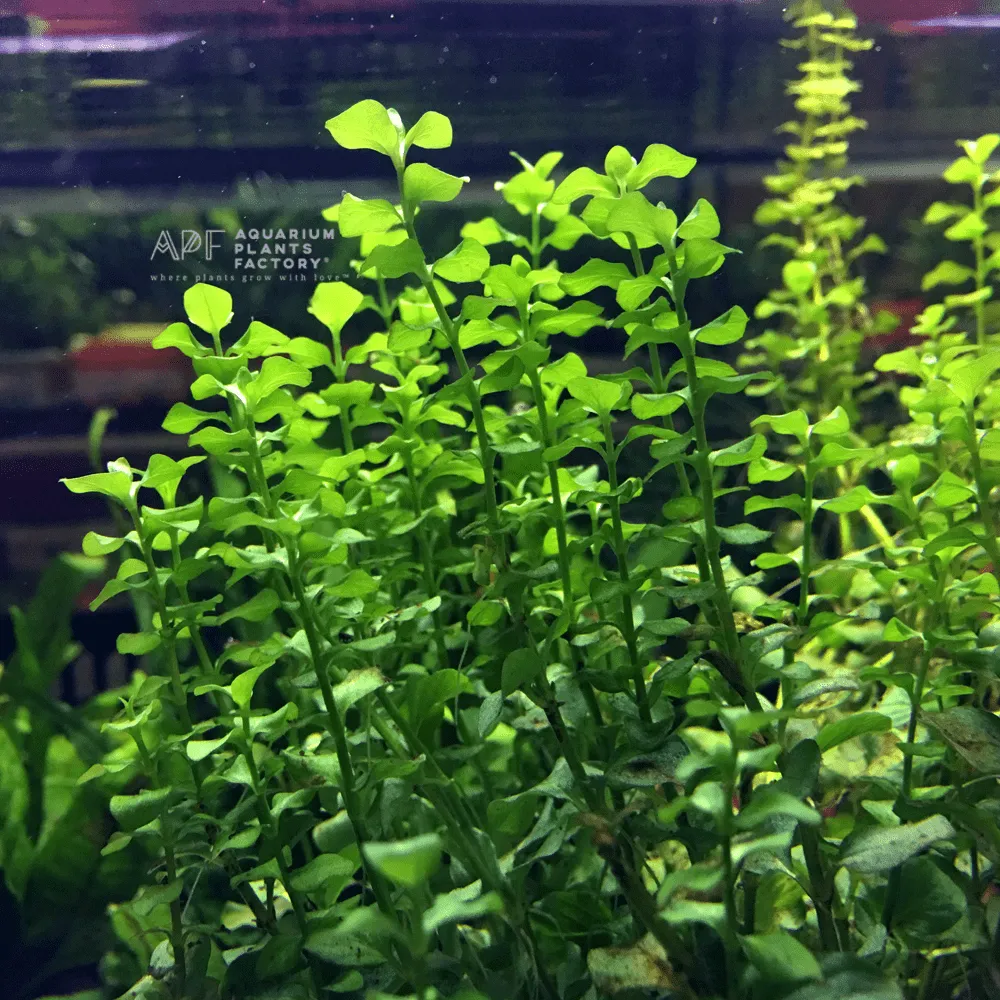
Creeping jenny
Lysimachia nummularia
FreshwaterMedium light · Midground11.8 in (30 cm)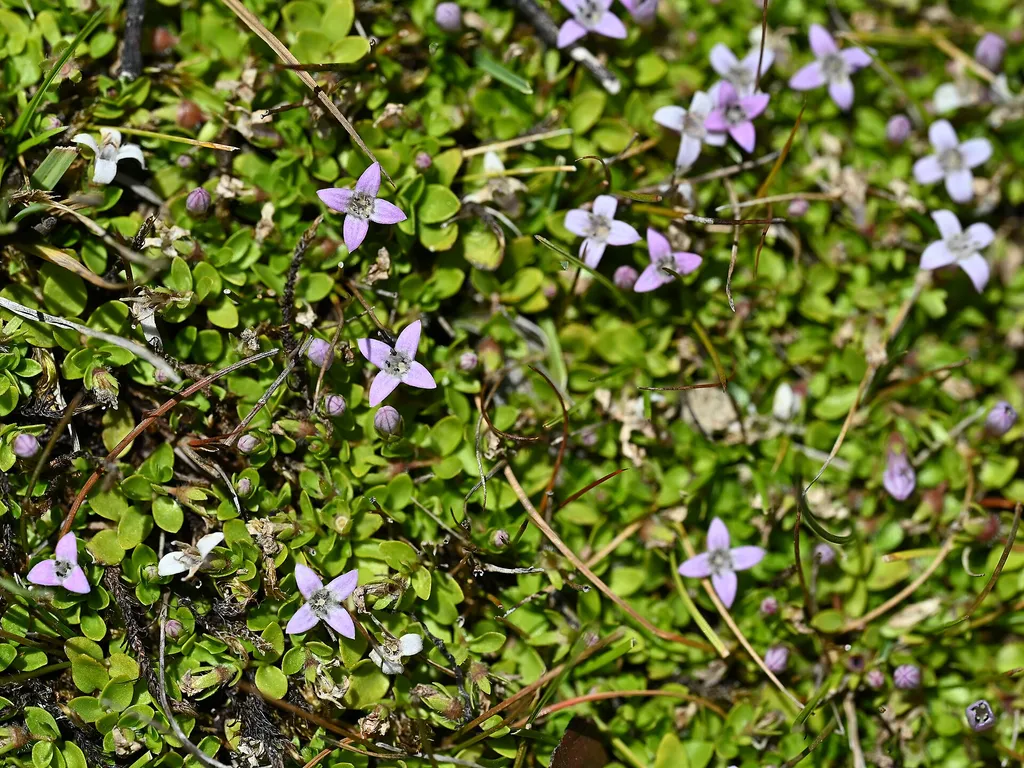
Hedyotis salzmannii
Oldenlandia salzmannii
FreshwaterMedium light · Midground7.9 in (20 cm)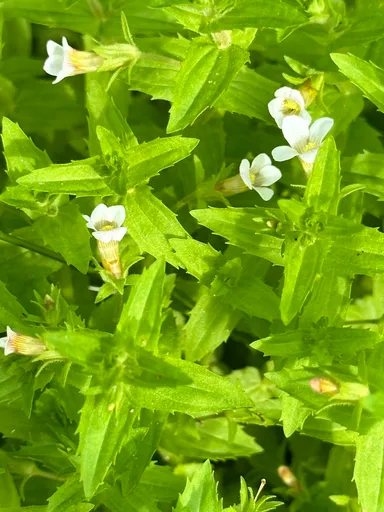
Gratiola
Gratiola viscidula
FreshwaterMedium light · Midground5.9 in (15 cm)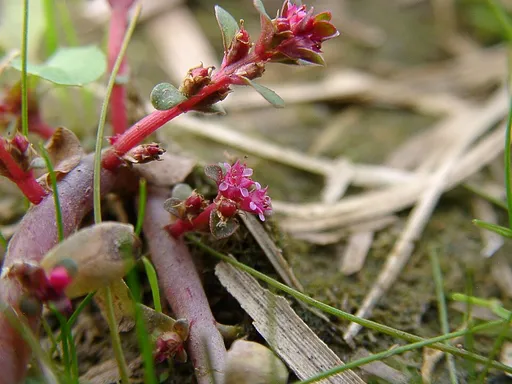
Ammannia Bonsai
Ammannia sp. 'Bonsai'
FreshwaterHigh light · Midground7.9 in (20 cm)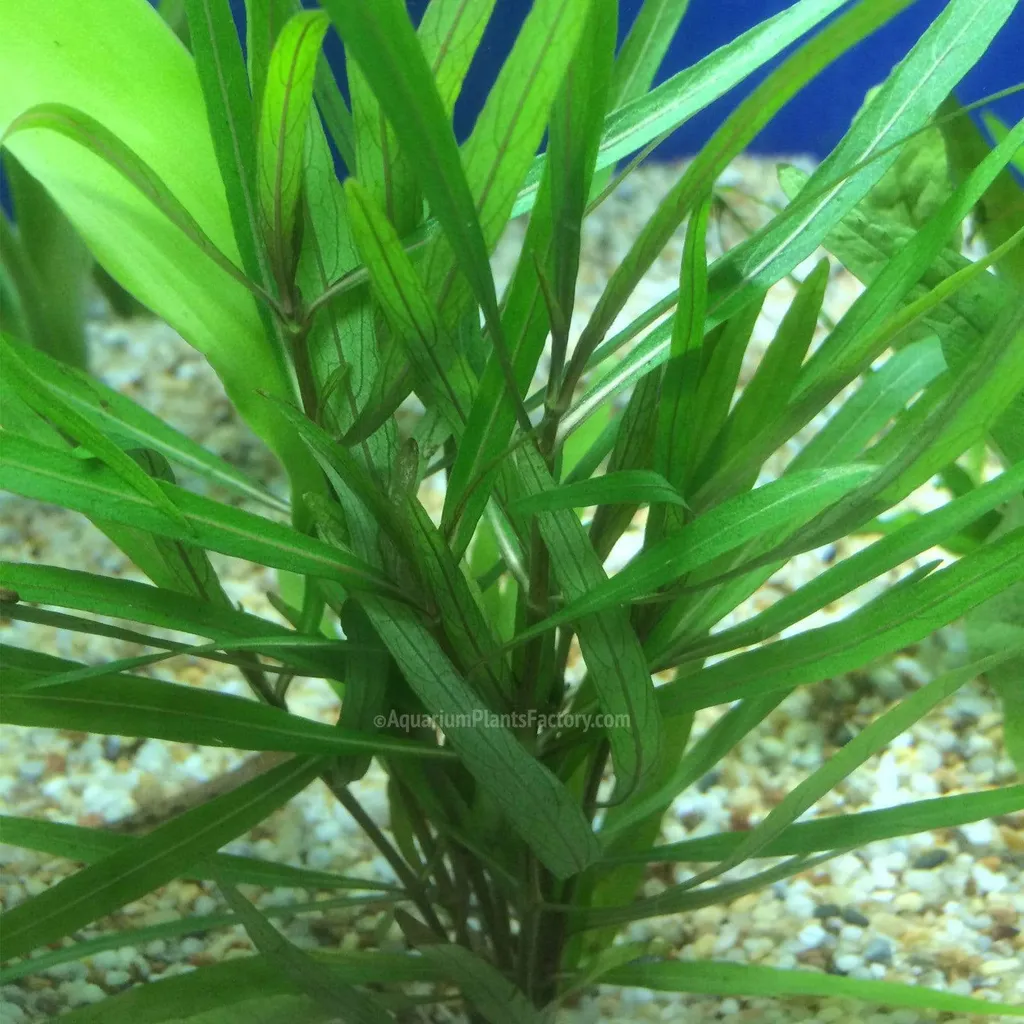
Hygrophila Araguaia
Hygrophila lancea 'Araguaia'
FreshwaterHigh light · Midground7.9 in (20 cm)
Reds
The red stems
The ludwigia super red is marked easy and lists high light, the brightest red without injected CO2 at 11.8 inches (30 cm). The alternanthera reineckii is marked medium, 19.7 inches (50 cm) of red-purple leaves. The Rotala H'ra is the red rotala for a tank without an expert behind it, marked medium. The ammannia gracilis is a fast stem that goes orange-red under high light. The rotala macrandra is marked difficult, the scarlet rotala for high light, steady CO2 and soft water. The Ludwigia Pantanal is one of the most demanding stems in the hobby.
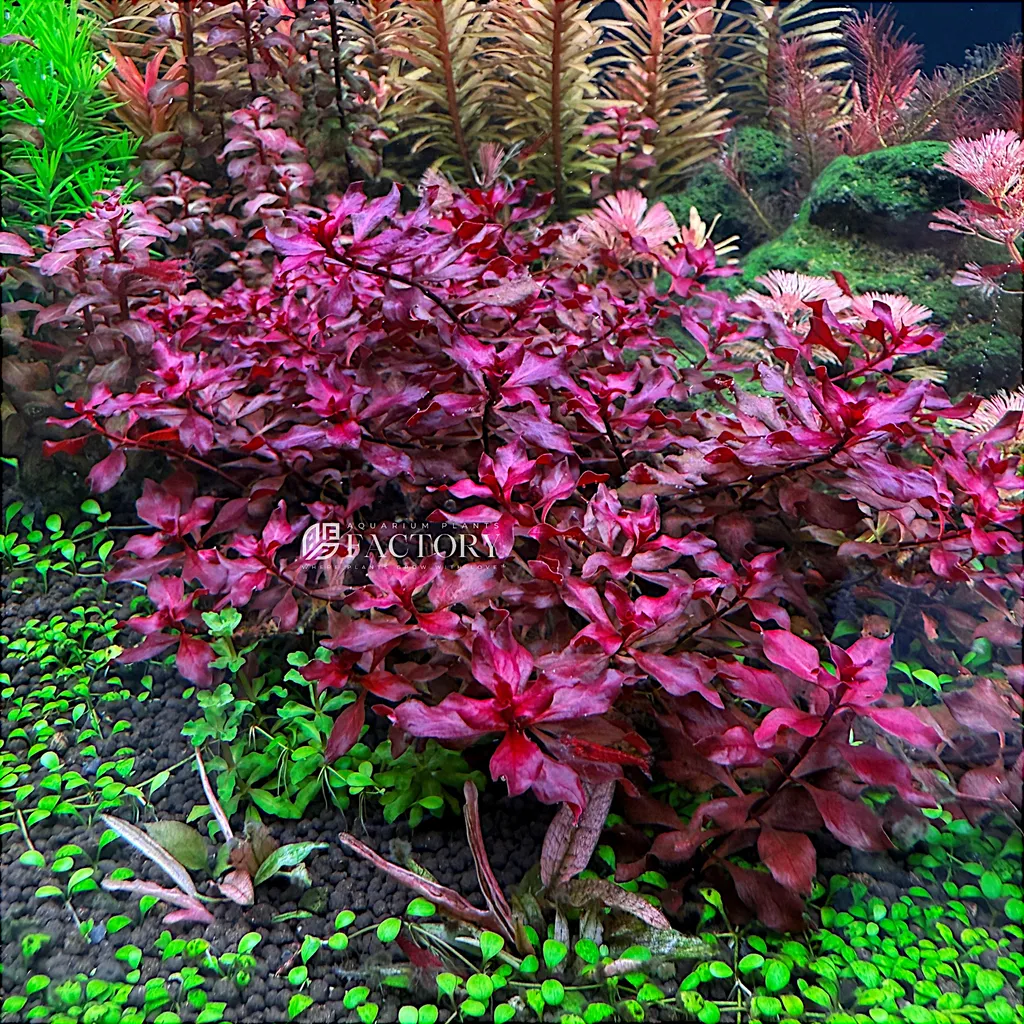
Ludwigia super red
Ludwigia palustris 'Super Red'
FreshwaterHigh light · Midground11.8 in (30 cm)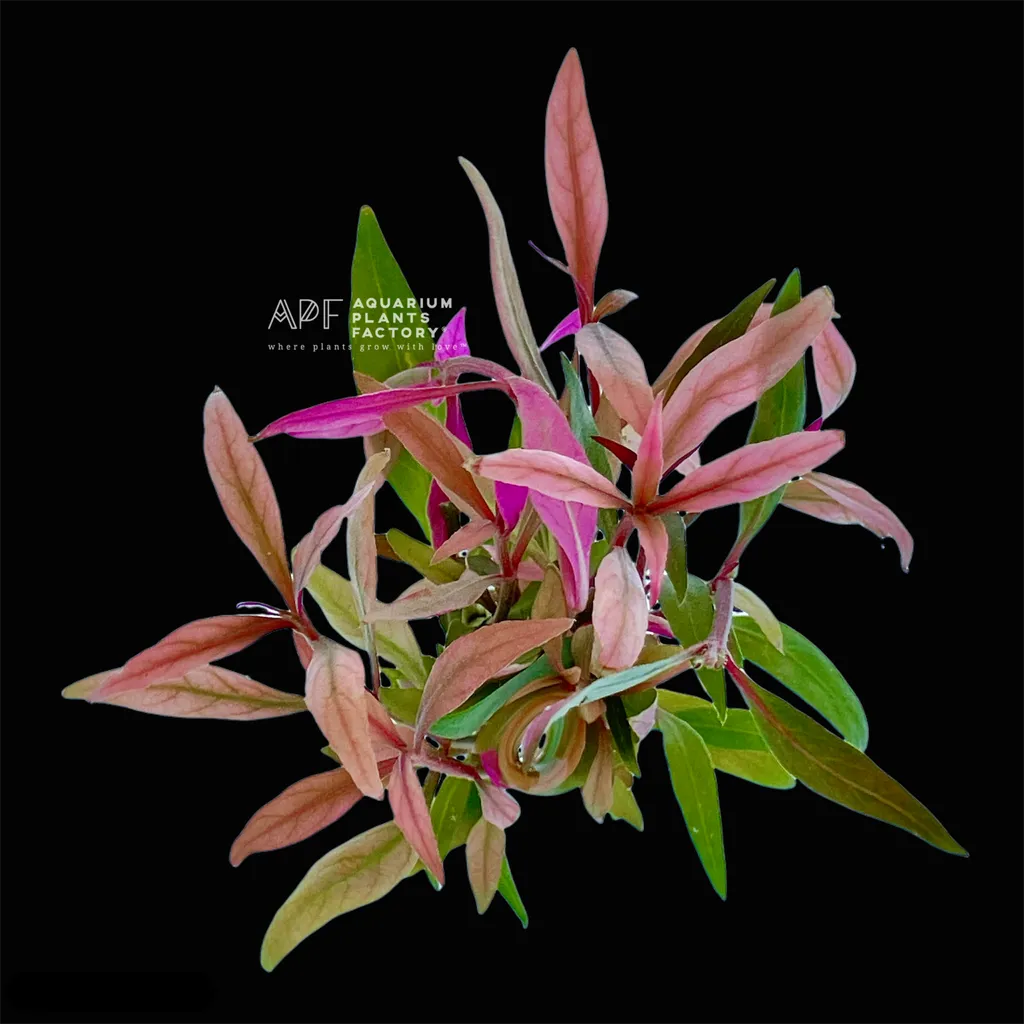
Alternanthera reineckii
FreshwaterHigh light · Midground19.7 in (50 cm)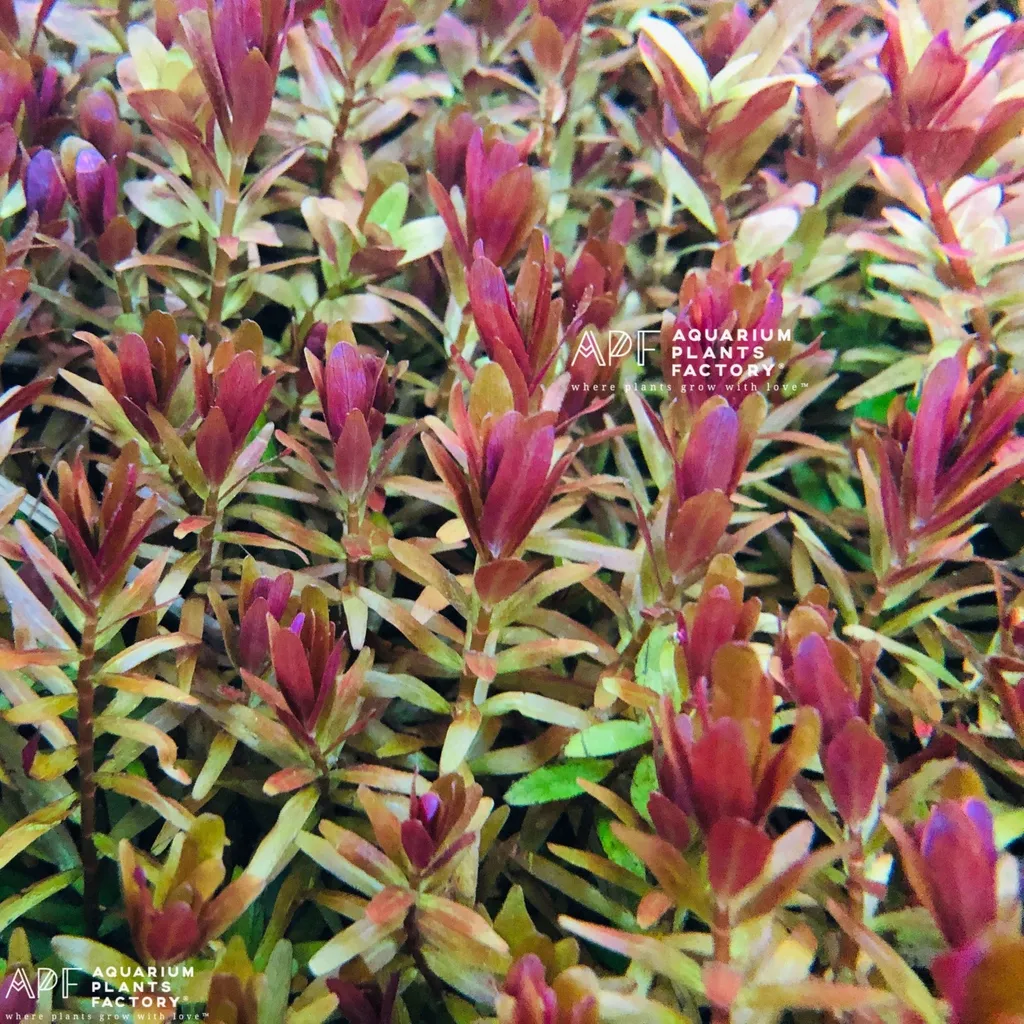
Rotala H'ra
Rotala rotundifolia 'H'ra'
FreshwaterHigh light · Background11.8 in (30 cm)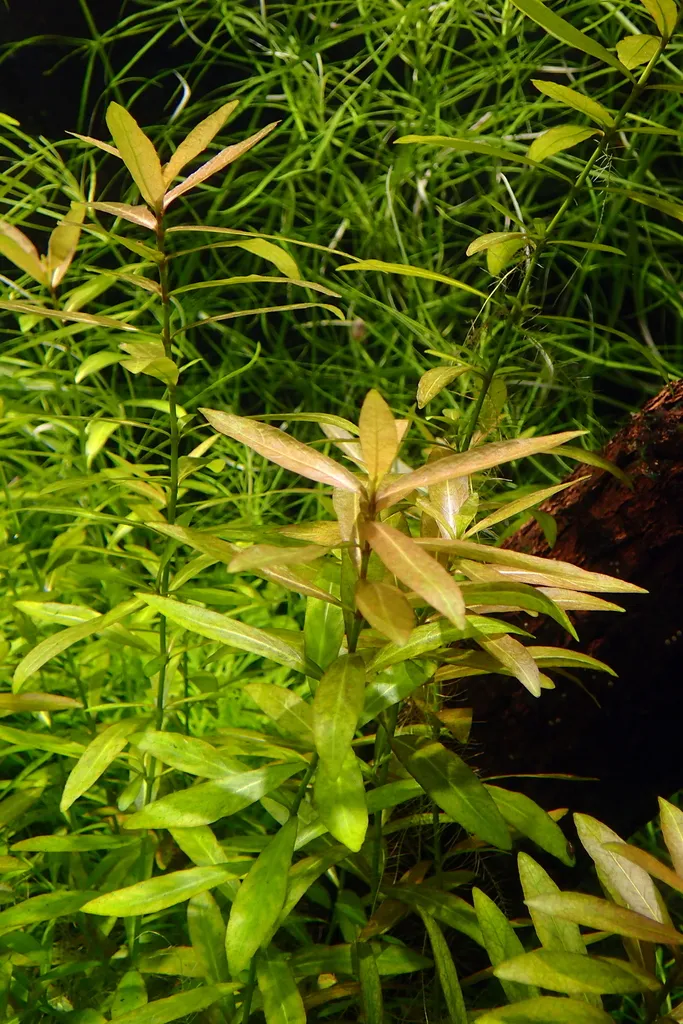
Ammannia gracilis
FreshwaterHigh light · Background19.7 in (50 cm)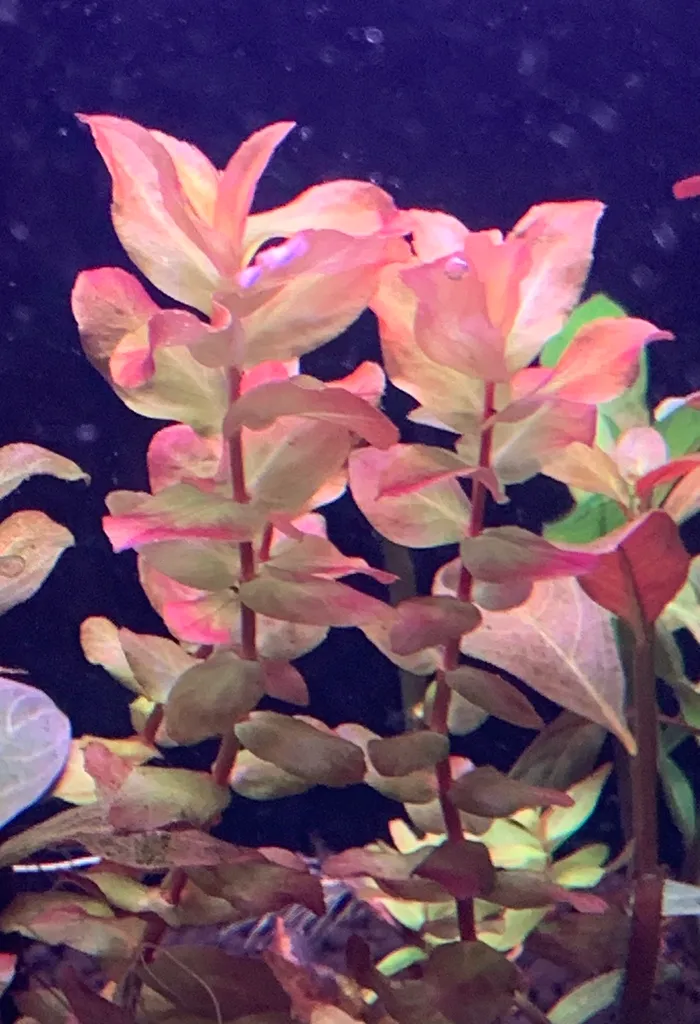
Rotala macrandra
FreshwaterHigh light · Background19.7 in (50 cm)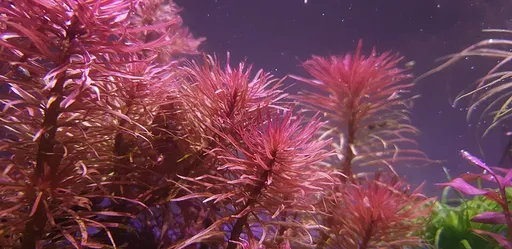
Ludwigia Pantanal
Ludwigia inclinata var. verticillata 'Pantanal'
FreshwaterHigh light · Background15.7 in (40 cm)
Fine leaves
Fine-leaved stems
The green cabomba is the feathery classic at 23.6 inches (60 cm), marked medium for high light. The Limnophila aromatica turns purple under strong light, marked medium at 15.7 inches (40 cm). The Myriophyllum Guyana is a soft, fine milfoil marked easy for medium light. The stream bogmoss, Mayaca fluviatilis, grows in fine bright green needles at 15.7 inches (40 cm), marked medium. The rotala wallichii carries red needle leaves, marked difficult. The Pogostemon stellatus is a 23.6 inch (60 cm) showpiece for the back, marked difficult for the dosing it needs.
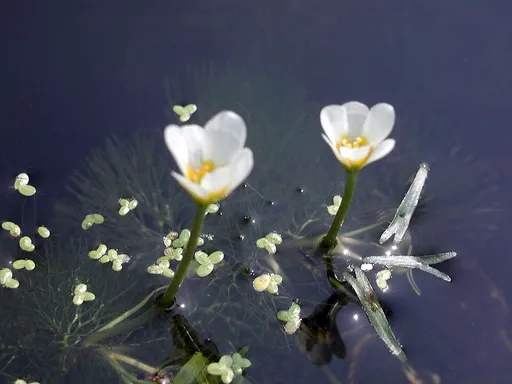
Green cabomba
Cabomba caroliniana
FreshwaterHigh light · Background23.6 in (60 cm)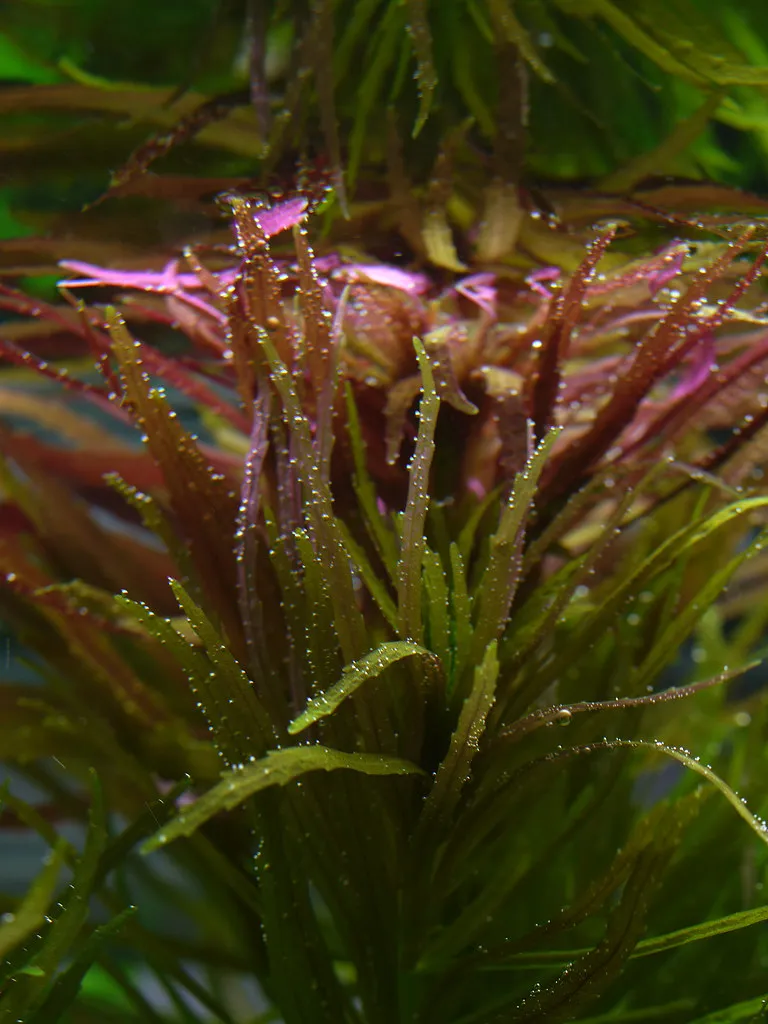
Limnophila aromatica
FreshwaterHigh light · Background15.7 in (40 cm)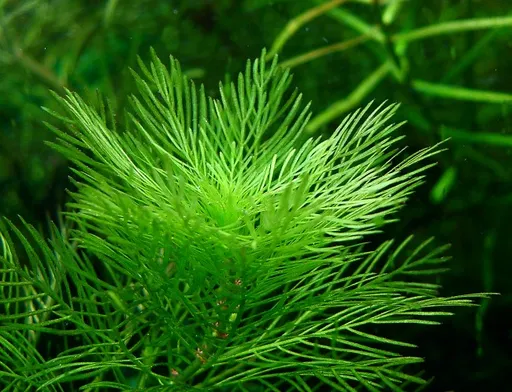
Myriophyllum Guyana
Myriophyllum mattogrossense
FreshwaterMedium light · Background19.7 in (50 cm)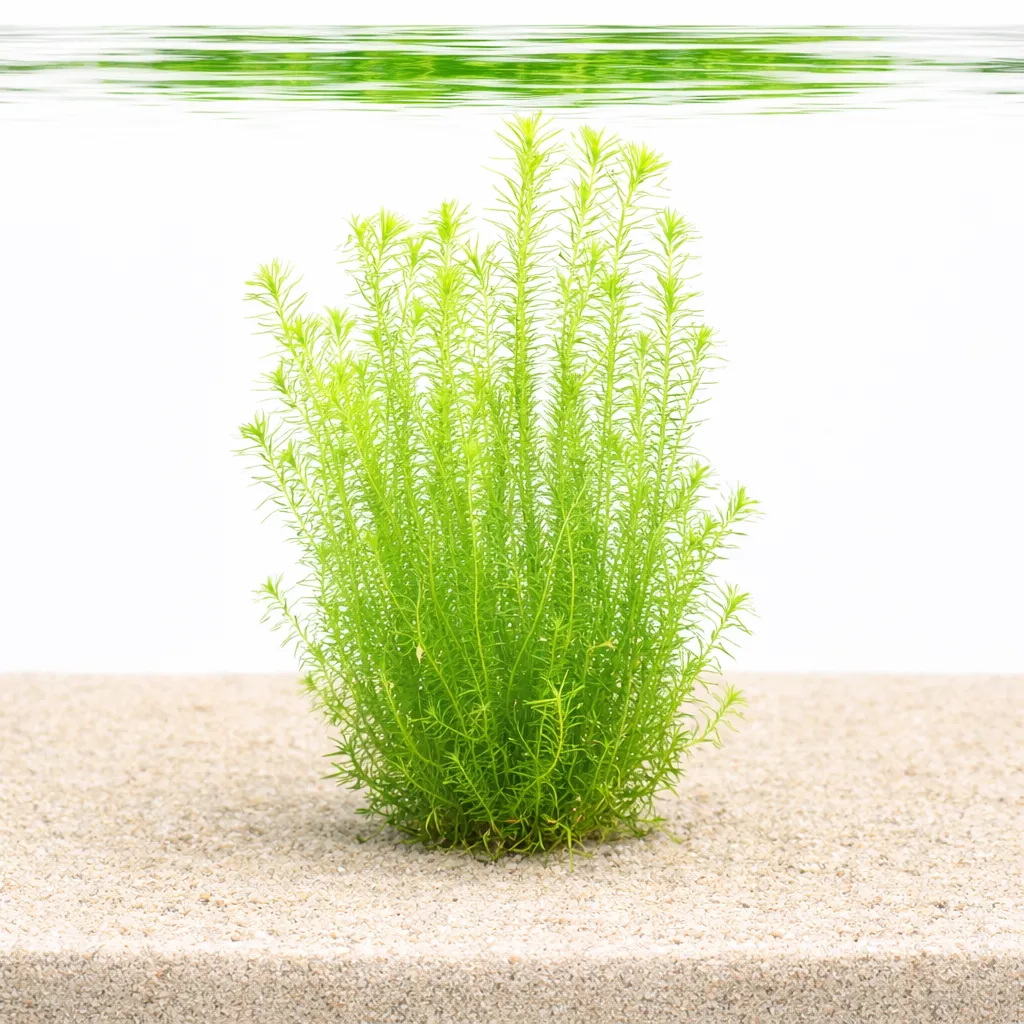
Stream bogmoss
Mayaca fluviatilis
FreshwaterMedium light · Background15.7 in (40 cm)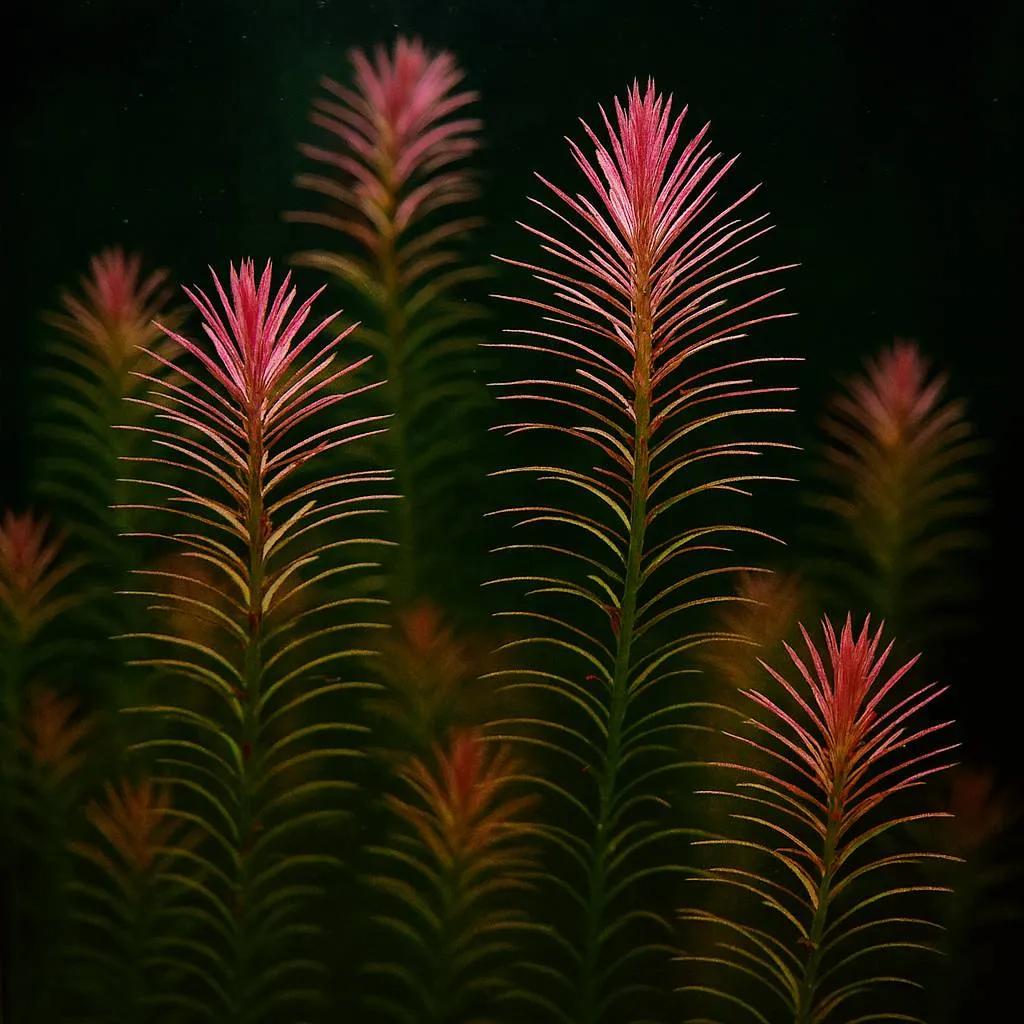
Rotala wallichii
FreshwaterHigh light · Background11.8 in (30 cm)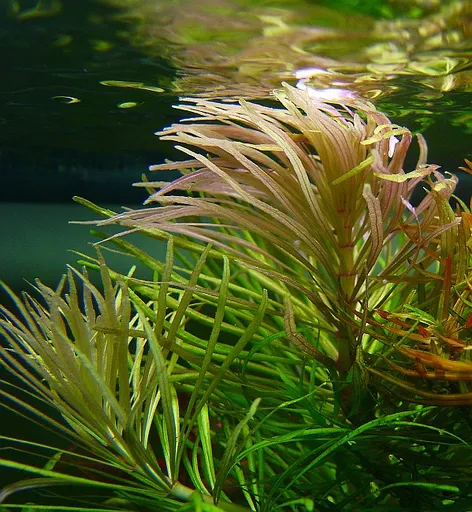
Pogostemon stellatus
FreshwaterHigh light · Background23.6 in (60 cm)
By the numbers
Smallest
Tallest
Easiest to grow
Low light
FAQ
Common questions
What is the easiest stem plant?
The water wisteria, hygrophila polysperma, giant bacopa and pearlweed are marked beginner. The Canadian waterweed and hornwort grow in any tank and never need planting.
How do I plant stem plants?
Strip the leaves off the bottom inch, push each stem into the substrate on its own with tweezers, an inch apart, and leave the bunch band off. Roots follow within a week.
Do stem plants need CO2?
The beginner stems list none or beneficial. The red stems and the fine-leaved collectors list it as required, and every stem grows faster with it.
Why are the bottoms of my stems bare?
Light is not reaching them, because the stems are too close together or the tops shade them. Trim the tops, replant them, and thin the stand.
How often should I trim stems?
When the tops reach the surface, every one to two weeks for the fast growers under strong light. Cut above a leaf node and replant the top.
Which stems grow without a root tab?
All of them. Stems take their food from the water column, so a liquid fertilizer is what they need.
Index
All stem plants
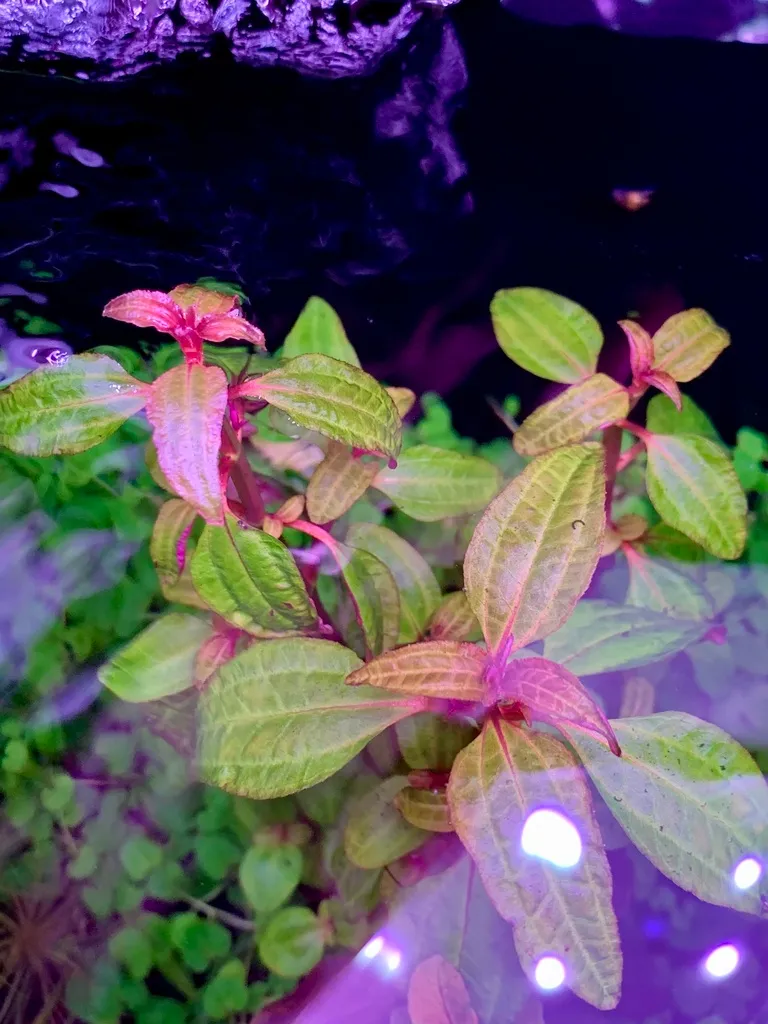
Aciotis acuminifolia
FreshwaterHigh light · Midground15.7 in (40 cm)Alternanthera reineckii
FreshwaterHigh light · Midground19.7 in (50 cm)3 forms
Ambulia
Limnophila sessiliflora
FreshwaterLow light · Background15.7 in (40 cm)Ammannia Bonsai
Ammannia sp. 'Bonsai'
FreshwaterHigh light · Midground7.9 in (20 cm)Ammannia gracilis
FreshwaterHigh light · Background19.7 in (50 cm)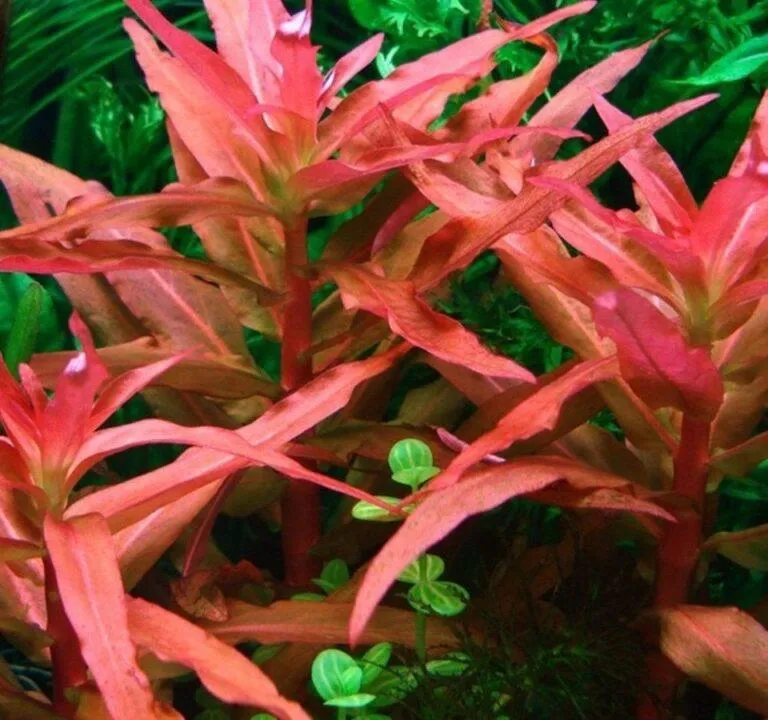
Ammannia senegalensis
FreshwaterHigh light · Midground17.7 in (45 cm)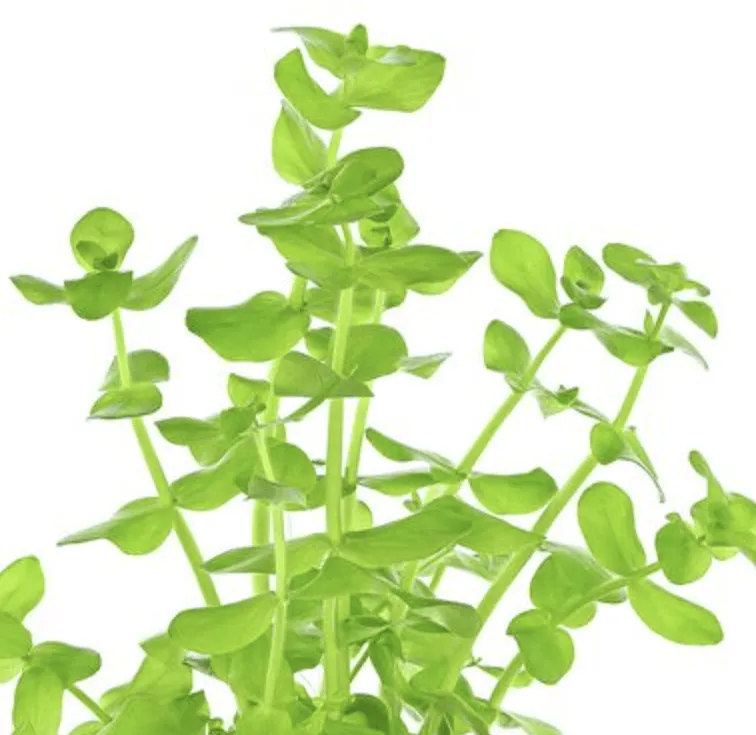
Bacopa lanigera
FreshwaterHigh light · Background11.8 in (30 cm)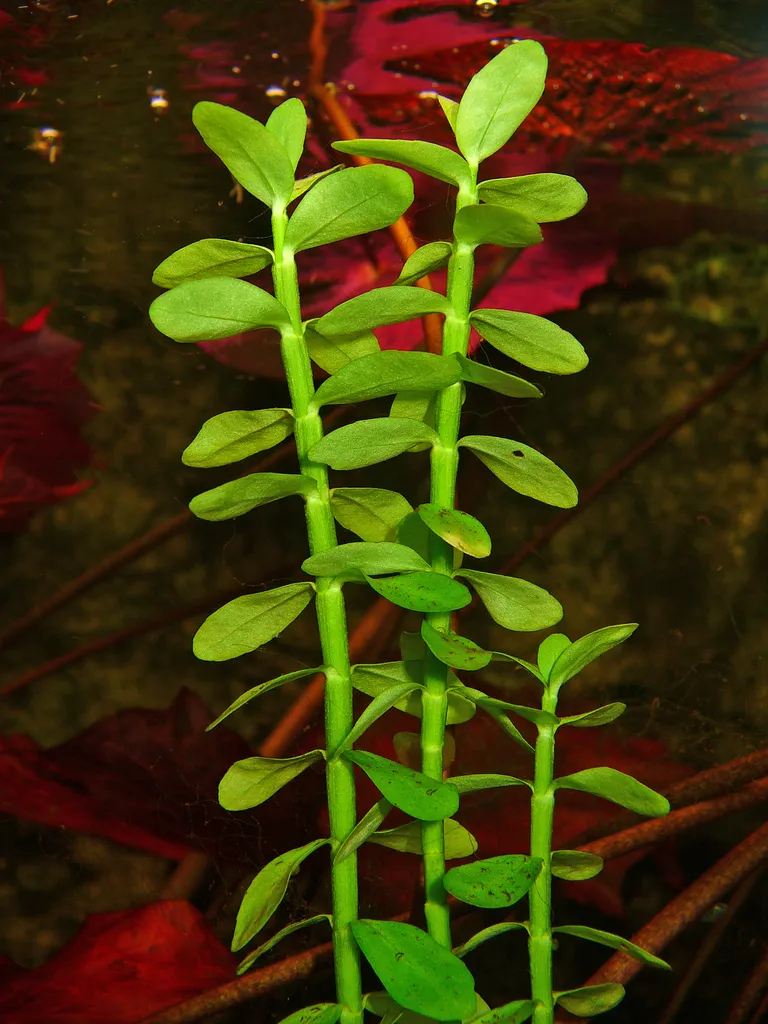
Bacopa madagascariensis
FreshwaterHigh light · Midground11.8 in (30 cm)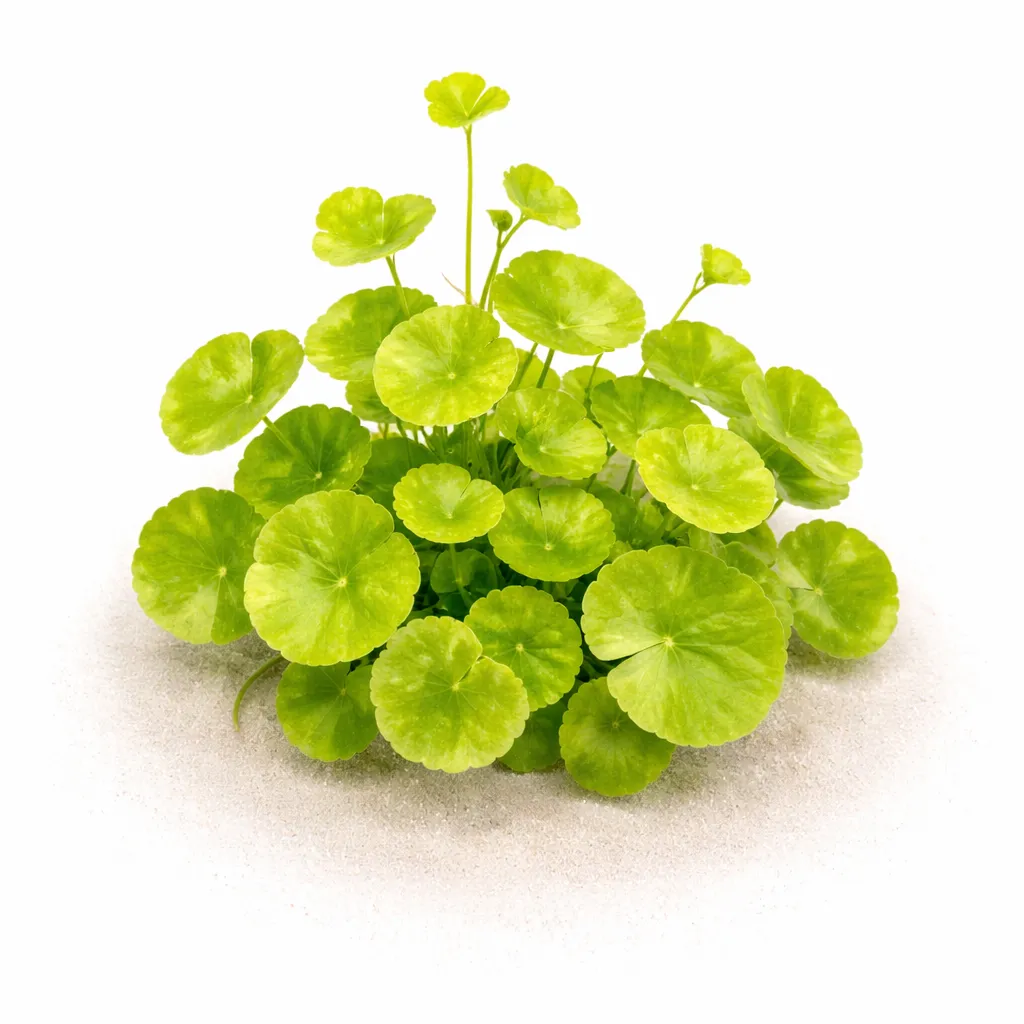
Brazilian pennywort
Hydrocotyle leucocephala
FreshwaterMedium light · Midground19.7 in (50 cm)Brazilian pennywort Variegated
Hydrocotyle leucocephala 'Variegated'
FreshwaterMedium light · Midground19.7 in (50 cm)Canadian waterweed
Elodea canadensis
FreshwaterLow light · Background23.6 in (60 cm)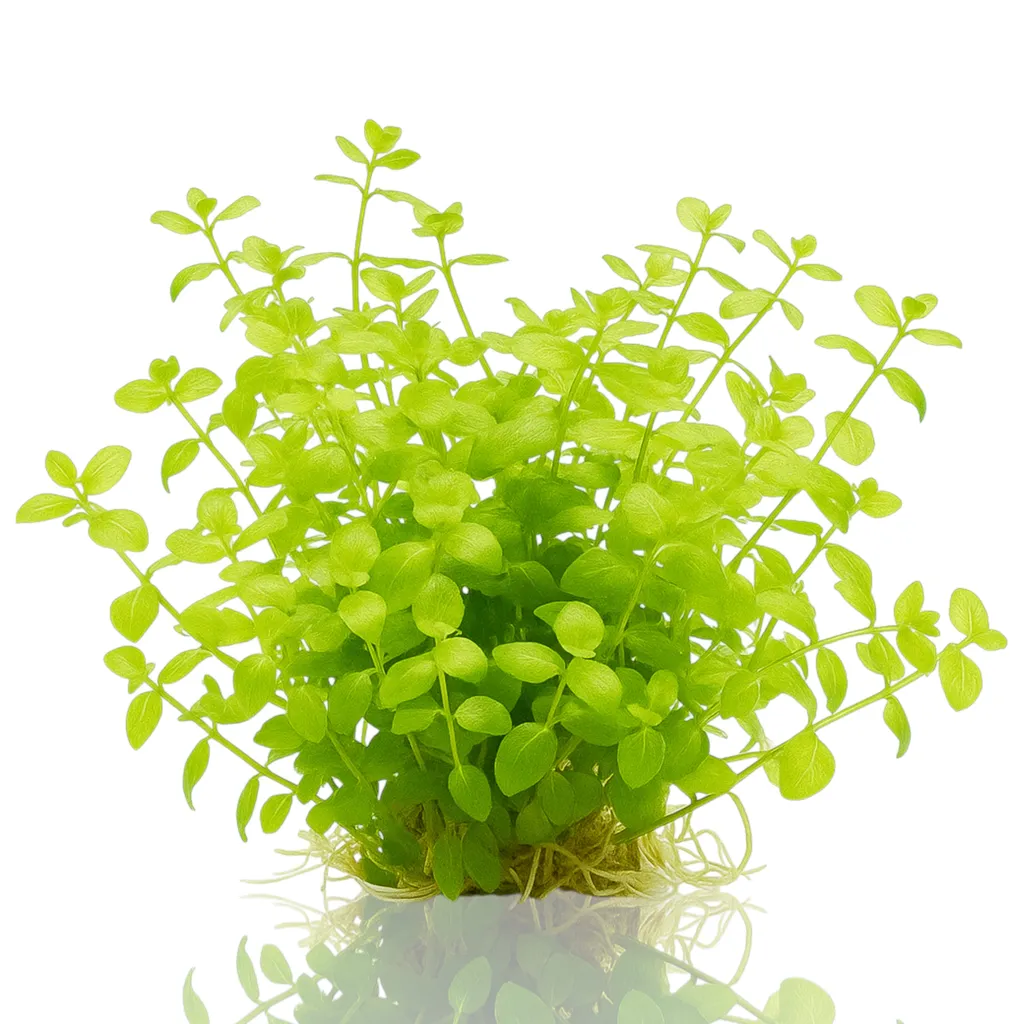
Creeping bacopa
Bacopa australis
FreshwaterMedium light · Midground7.9 in (20 cm)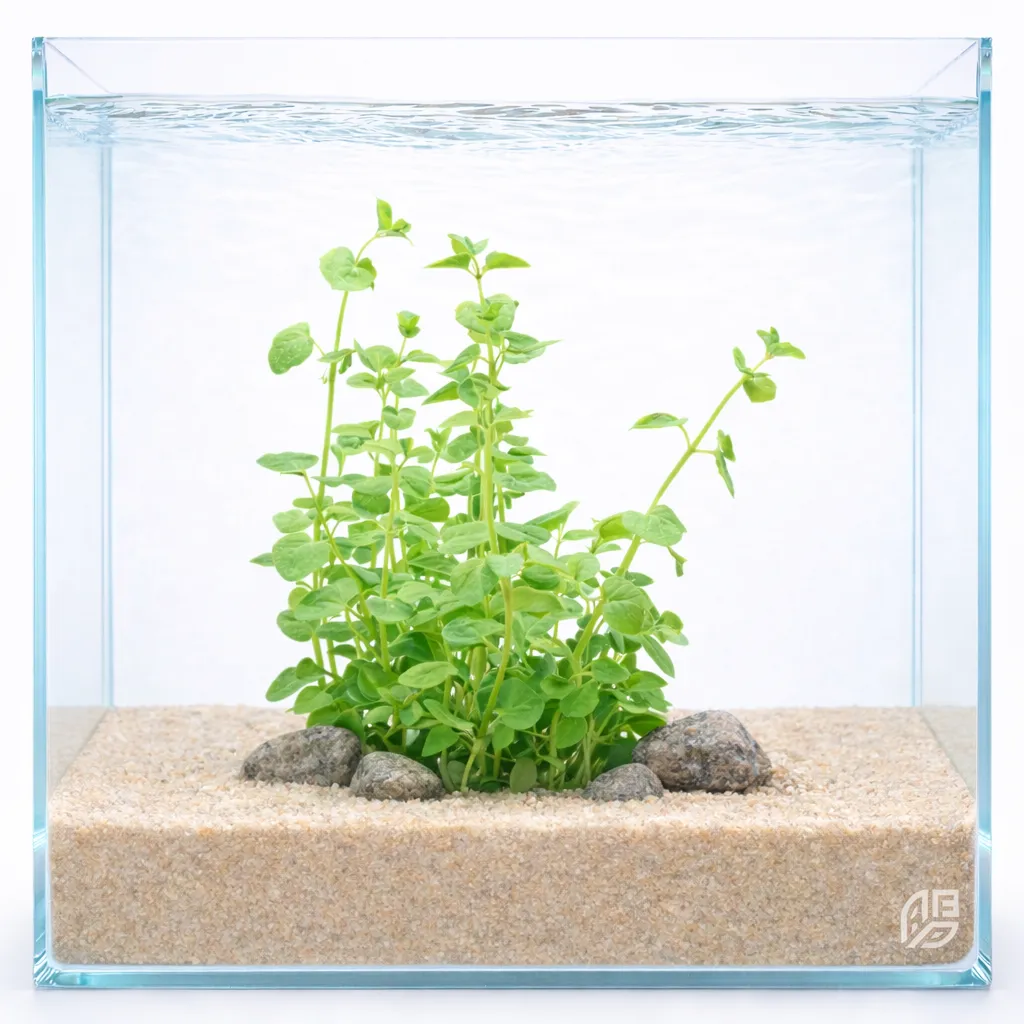
Creeping Charlie
Clinopodium brownei
FreshwaterMedium light · Midground15.7 in (40 cm)Creeping jenny
Lysimachia nummularia
FreshwaterMedium light · Midground11.8 in (30 cm)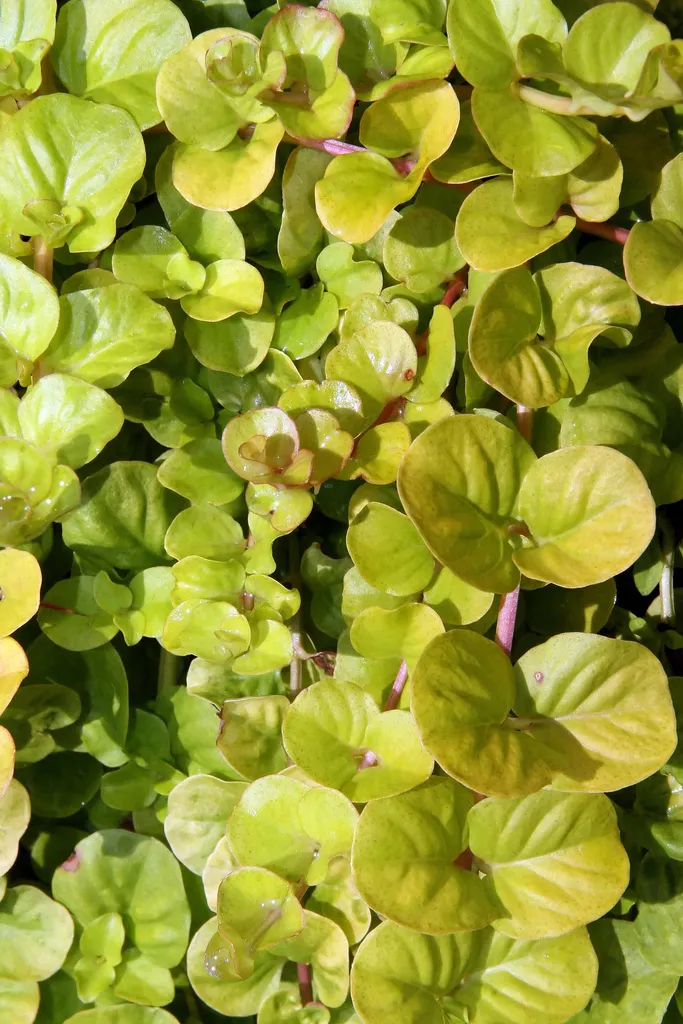
Creeping jenny Aurea
Lysimachia nummularia 'Aurea'
FreshwaterMedium light · Midground11.8 in (30 cm)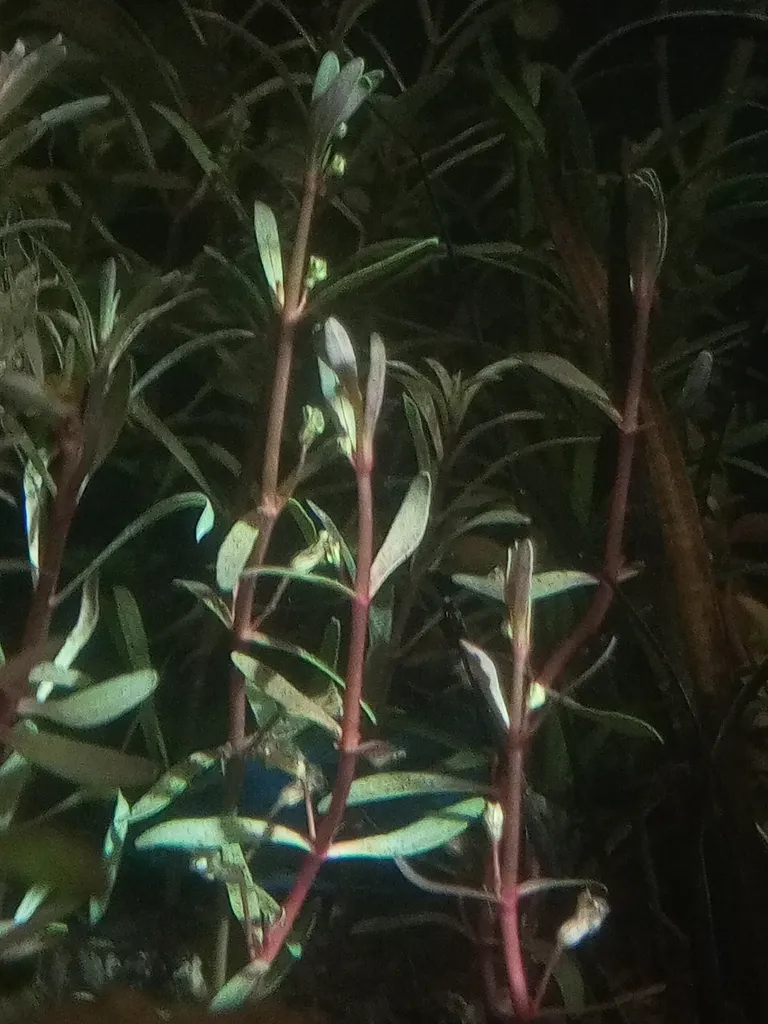
Cuphea anagalloidea
FreshwaterHigh light · Midground11.8 in (30 cm)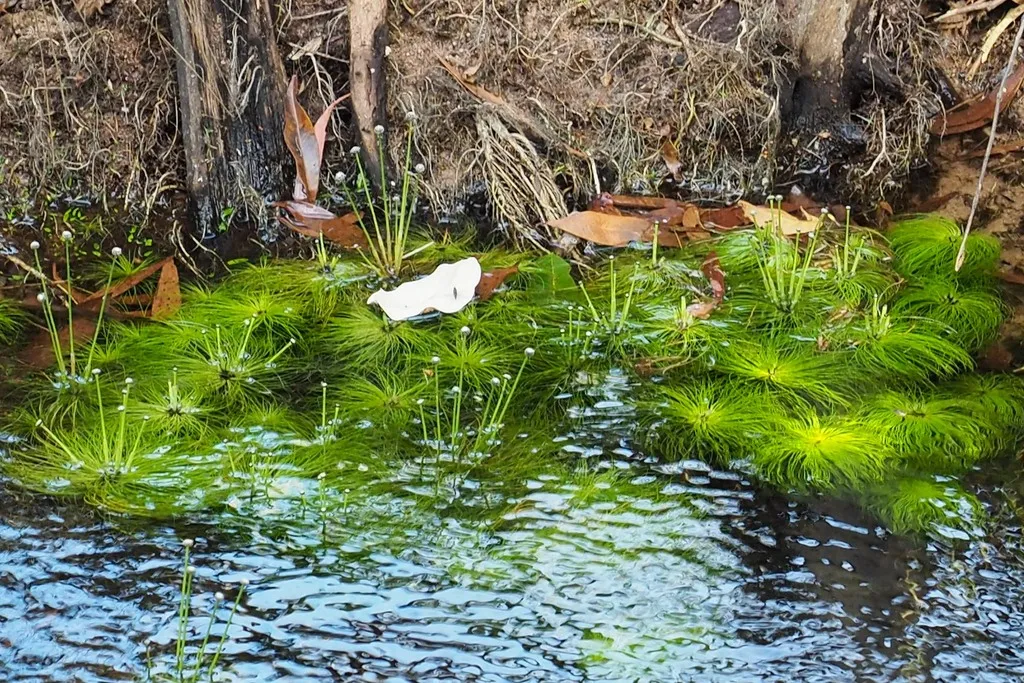
Eriocaulon setaceum
FreshwaterHigh light · Midground11.8 in (30 cm)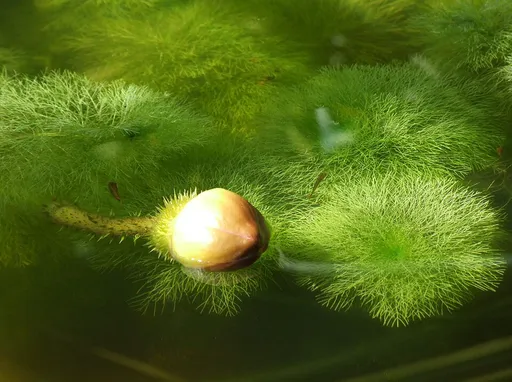
Giant ambulia
Limnophila aquatica
FreshwaterHigh light · Background19.7 in (50 cm)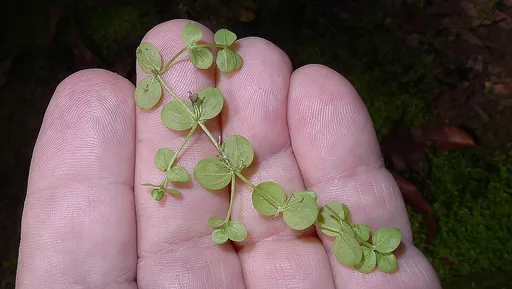
Giant baby tears
Micranthemum umbrosum
FreshwaterMedium light · Midground7.9 in (20 cm)Giant bacopa
Bacopa caroliniana
FreshwaterBrackishLow light · Background15.7 in (40 cm)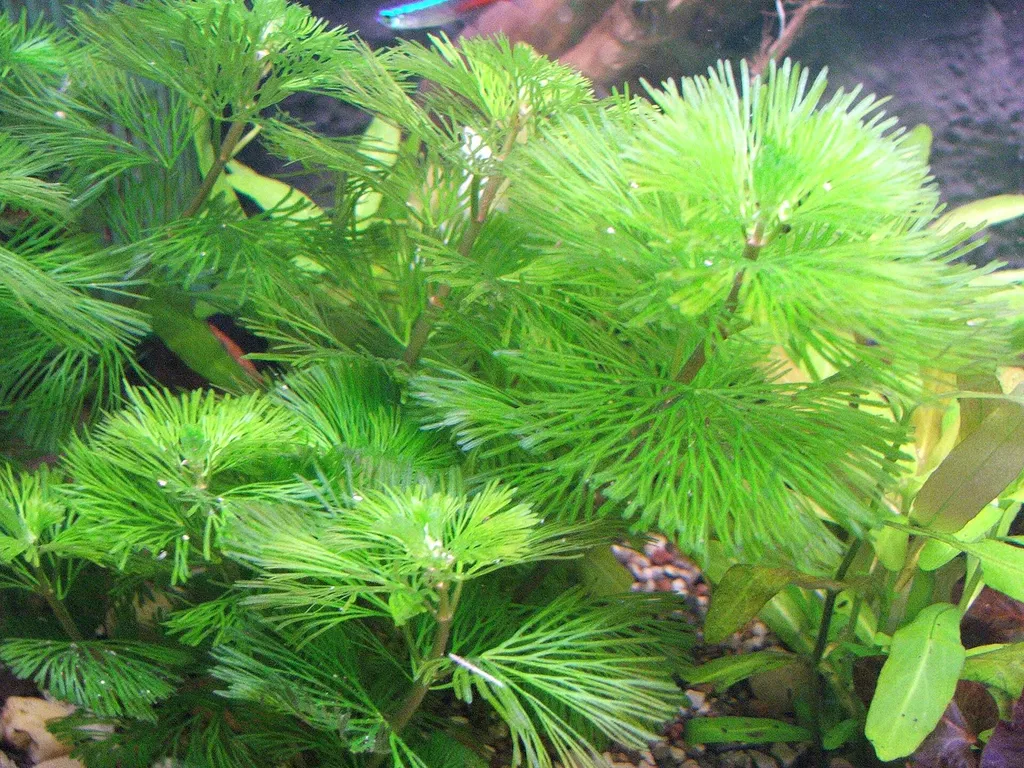
Giant cabomba
Cabomba aquatica
FreshwaterHigh light · Background31.5 in (80 cm)Gratiola
Gratiola viscidula
FreshwaterMedium light · Midground5.9 in (15 cm)Green cabomba
Cabomba caroliniana
FreshwaterHigh light · Background23.6 in (60 cm)Guppy grass
Najas guadalupensis
FreshwaterBrackishLow light · Floating35.4 in (90 cm)Hedyotis salzmannii
Oldenlandia salzmannii
FreshwaterMedium light · Midground7.9 in (20 cm)Hornwort
Ceratophyllum demersum
FreshwaterBrackishLow light · Floating39.4 in (100 cm)Hygrophila Araguaia
Hygrophila lancea 'Araguaia'
FreshwaterHigh light · Midground7.9 in (20 cm)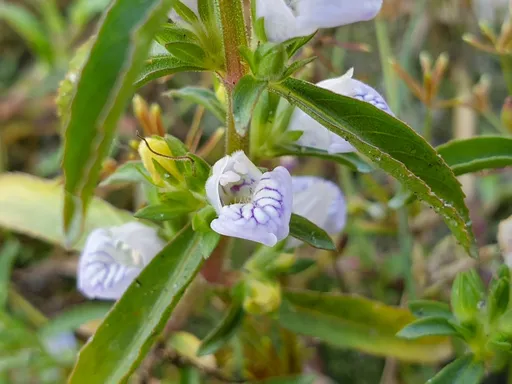
Hygrophila balsamica
FreshwaterHigh light · Background19.7 in (50 cm)Hygrophila Chai
Hygrophila lancea 'Chai'
FreshwaterHigh light · Foreground3.9 in (10 cm)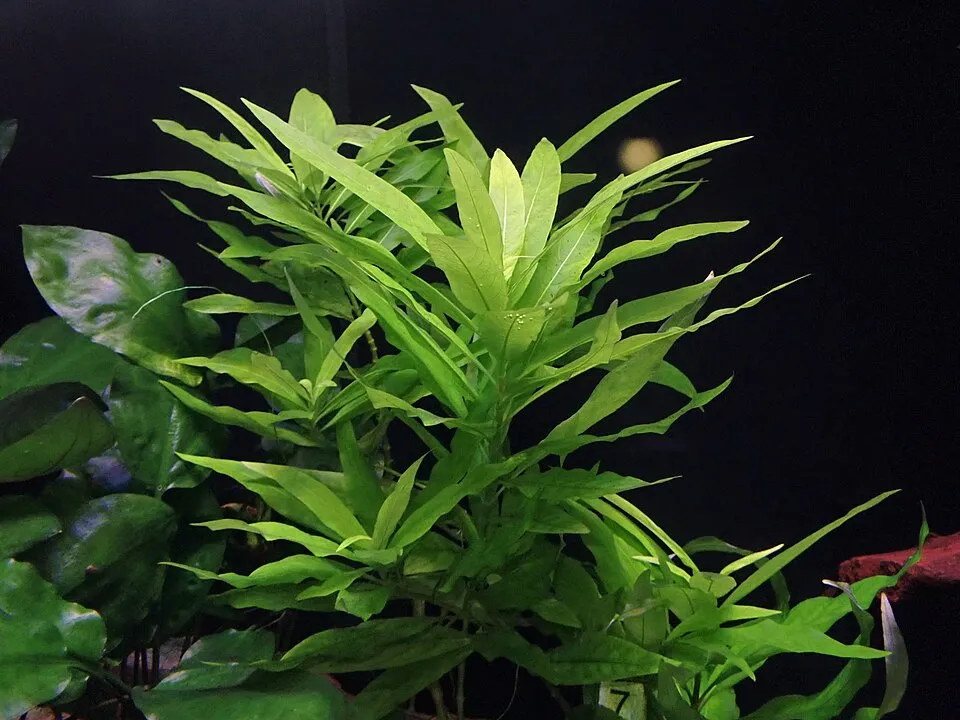
Hygrophila corymbosa
FreshwaterLow light · Background19.7 in (50 cm)3 forms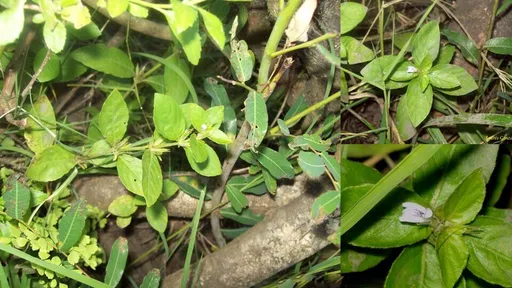
Hygrophila costata
FreshwaterMedium light · Background15.7 in (40 cm)Hygrophila odora
FreshwaterMedium light · Midground11.8 in (30 cm)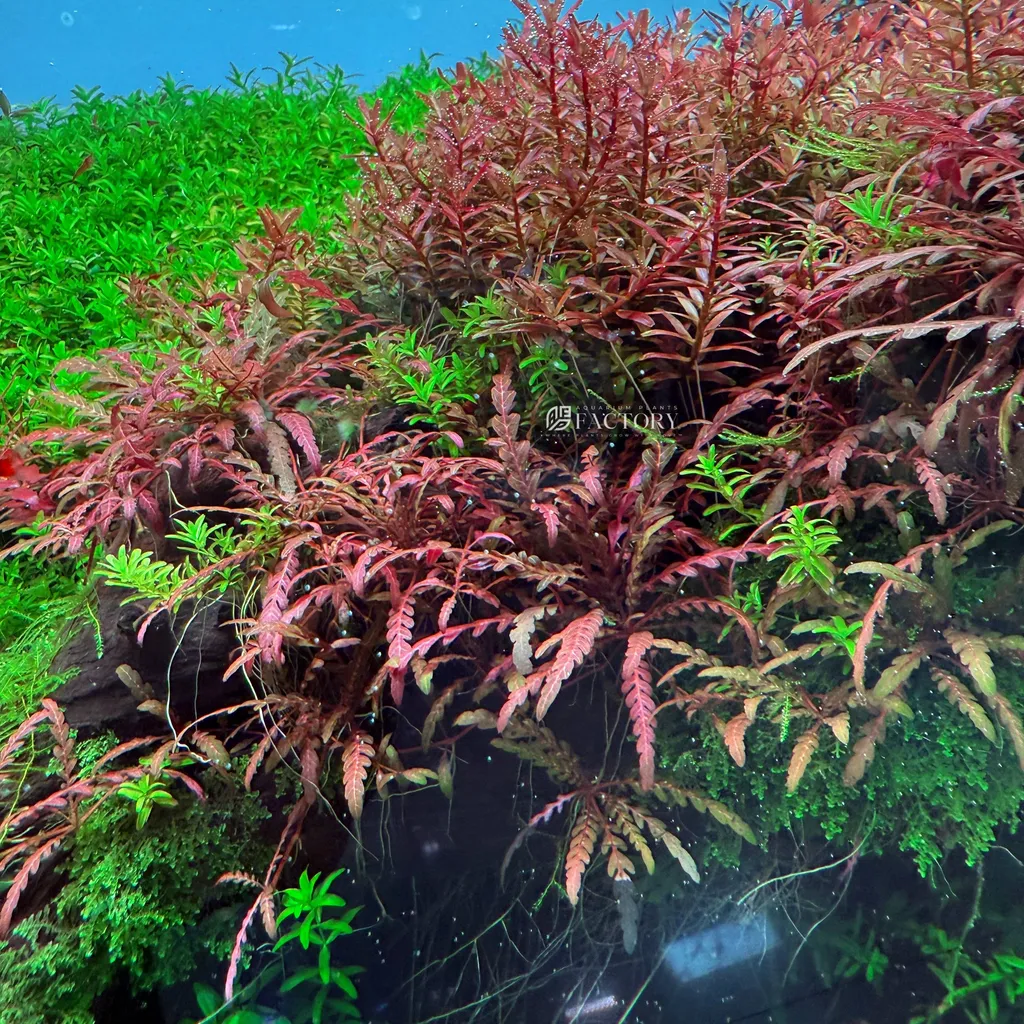
Hygrophila pinnatifida
FreshwaterMedium light · Midground15.7 in (40 cm)Hygrophila pinnatifida UK
Hygrophila pinnatifida 'UK'
FreshwaterMedium light · Midground7.9 in (20 cm)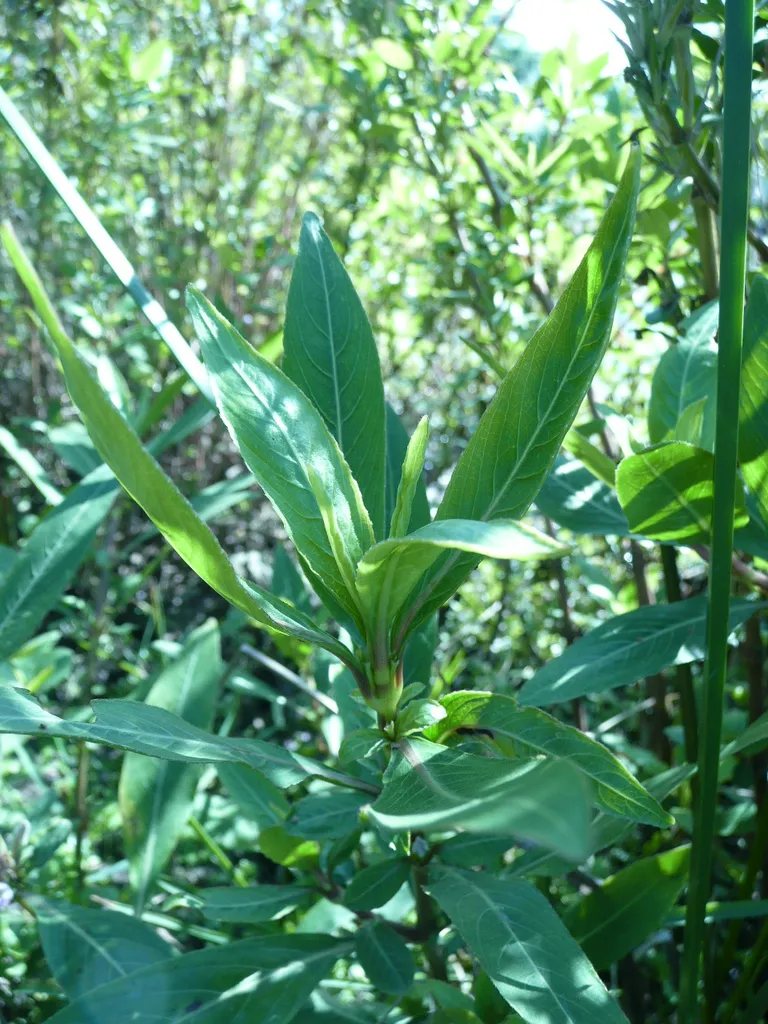
Hygrophila pogonocalyx
FreshwaterMedium light · Background19.7 in (50 cm)Hygrophila polysperma
FreshwaterLow light · Background17.7 in (45 cm)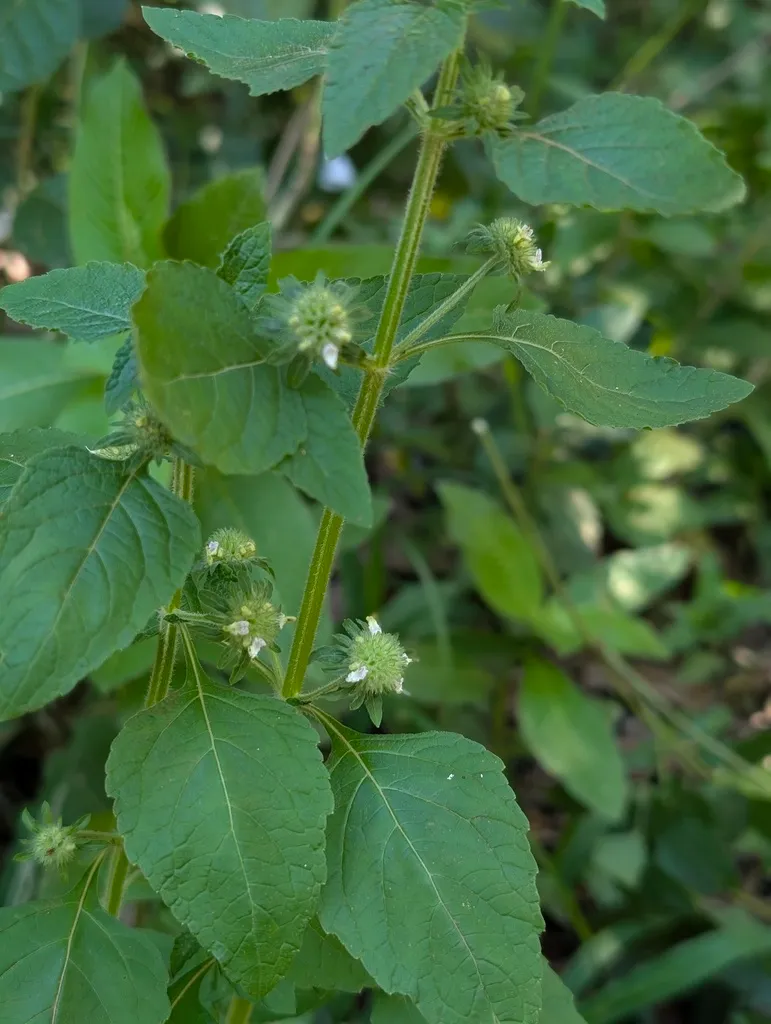
Hyptis lorentziana
FreshwaterHigh light · Midground11.8 in (30 cm)Japanese cress
Cardamine lyrata
FreshwaterMedium light · Midground17.7 in (45 cm)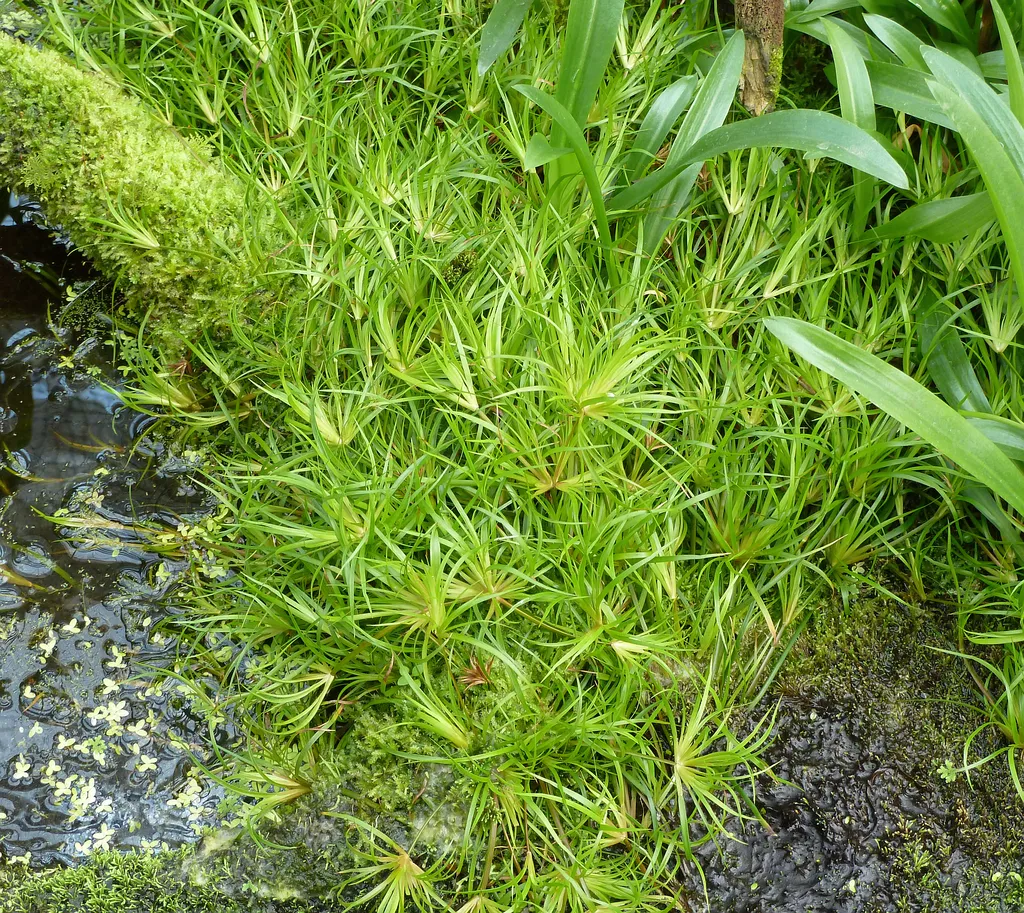
Juncus repens
FreshwaterMedium light · Midground11.8 in (30 cm)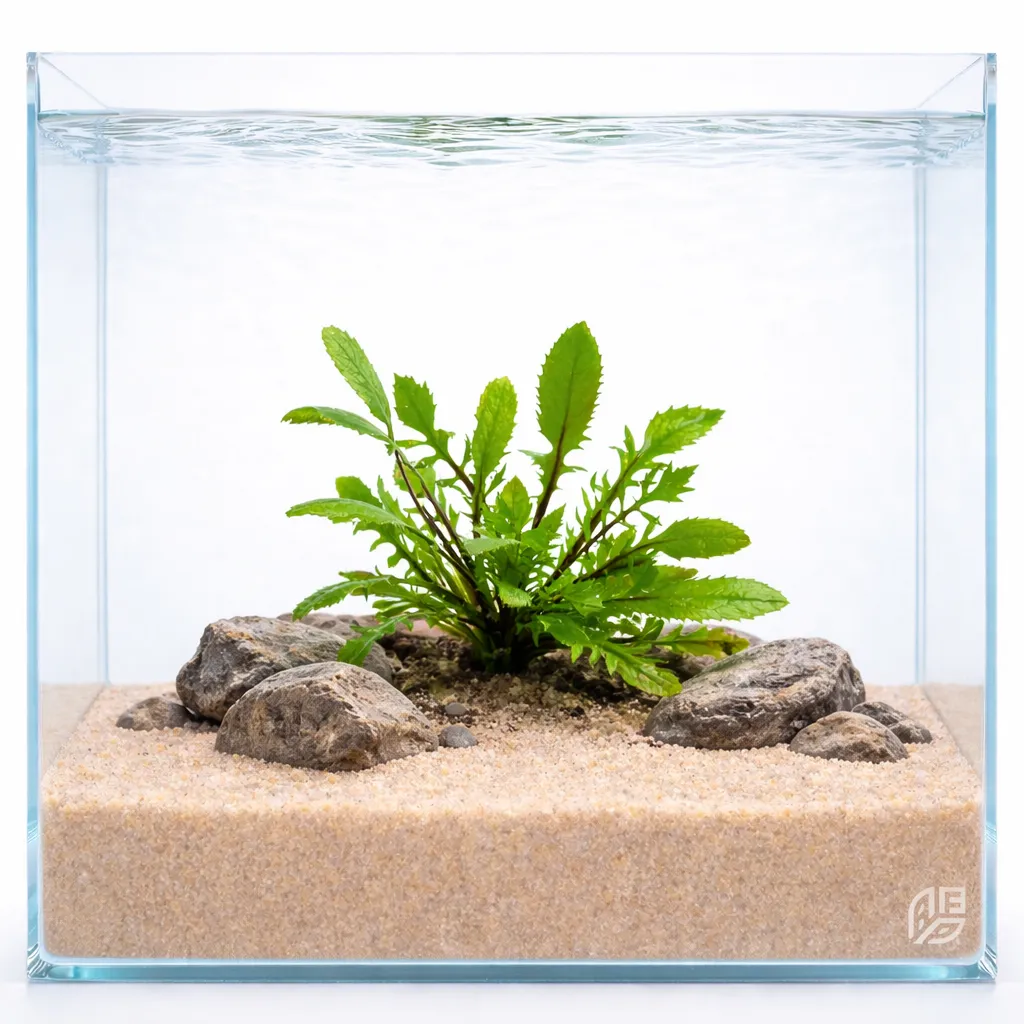
Lake cress
Rorippa aquatica
FreshwaterMedium light · Midground11.8 in (30 cm)Limnophila aromatica
FreshwaterHigh light · Background15.7 in (40 cm)Limnophila Belem
Limnophila sp. 'Belem'
FreshwaterHigh light · Background11.8 in (30 cm)Limnophila heterophylla
FreshwaterMedium light · Background19.7 in (50 cm)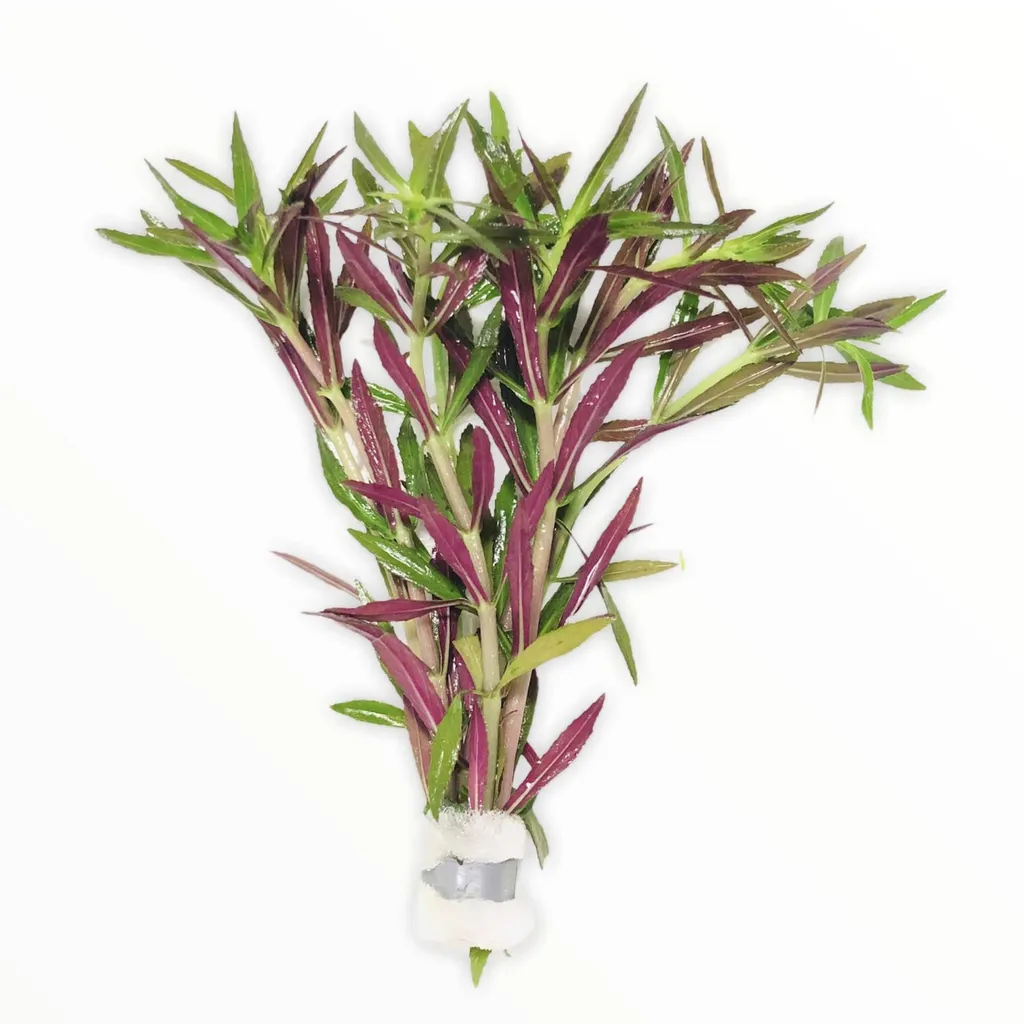
Limnophila hippuridoides
FreshwaterHigh light · Background19.7 in (50 cm)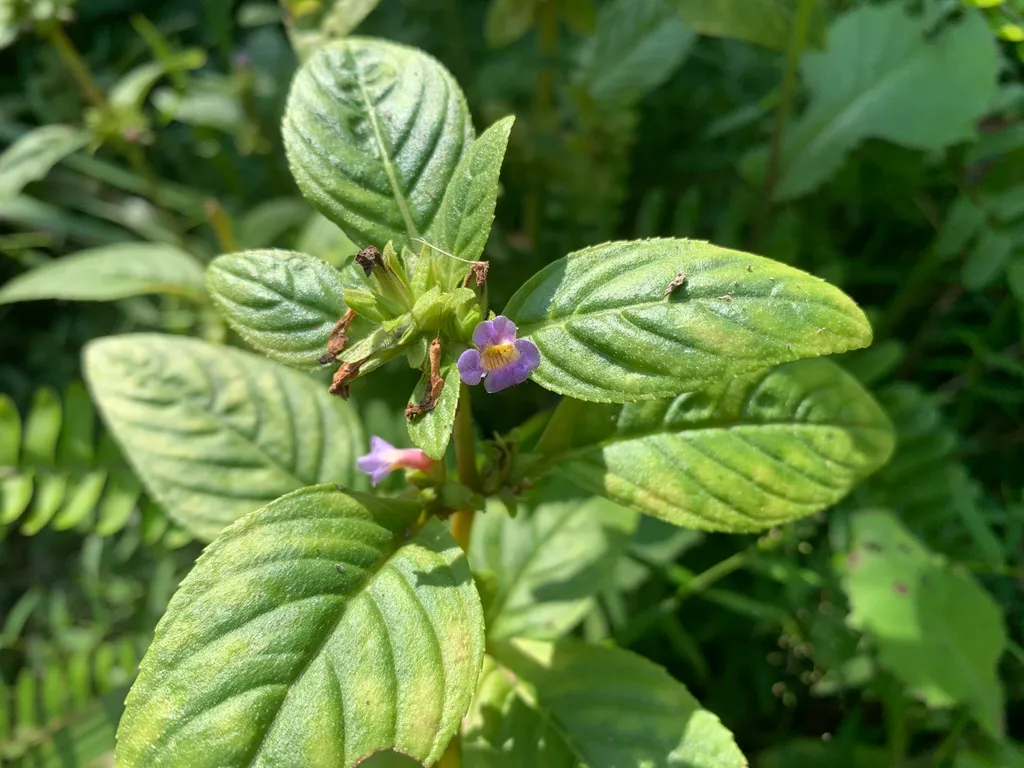
Limnophila rugosa
FreshwaterMedium light · Midground23.6 in (60 cm)Limnophila Vietnam
Limnophila sp. 'Vietnam'
FreshwaterHigh light · Midground9.8 in (25 cm)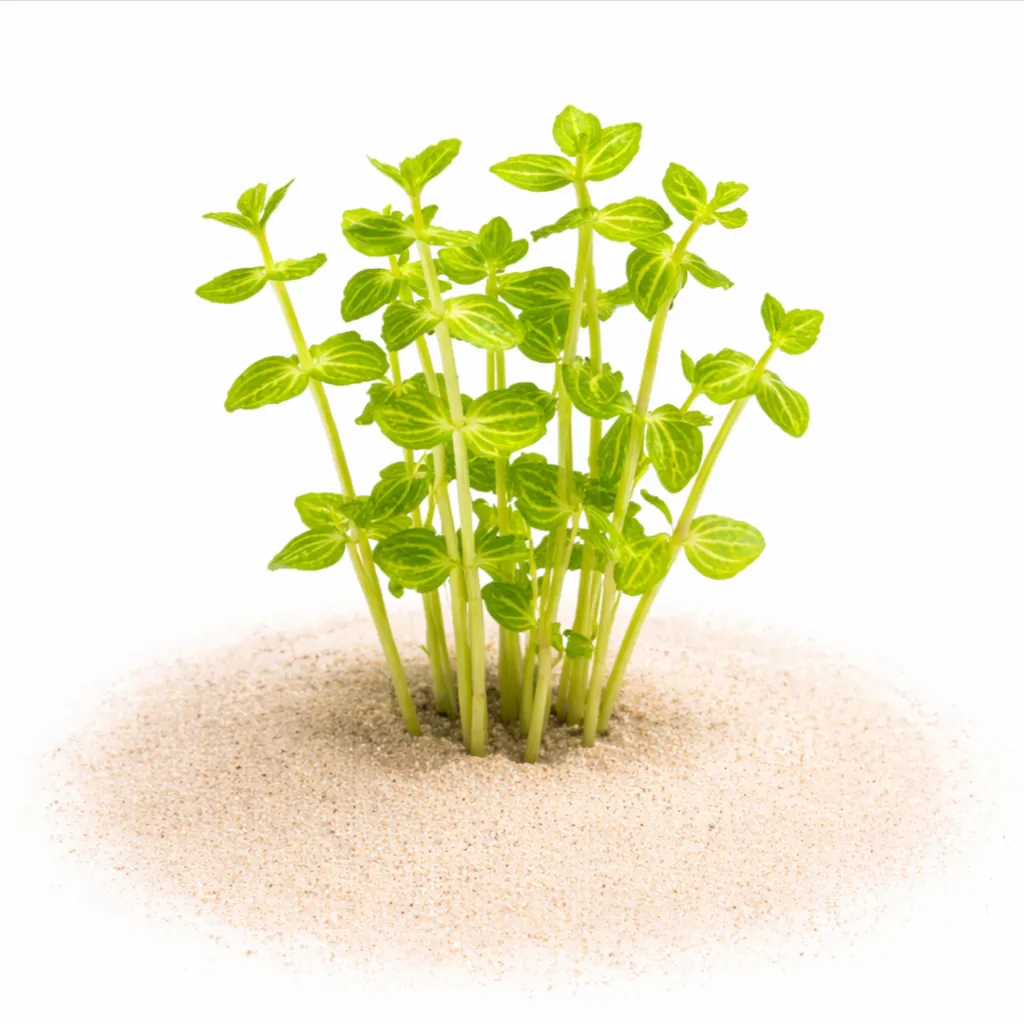
Lindernia rotundifolia
FreshwaterLow light · Background11.8 in (30 cm)Lindernia rotundifolia Variegated
Lindernia rotundifolia 'Variegated'
FreshwaterMedium light · Midground11.8 in (30 cm)Lobelia cardinalis
FreshwaterMedium light · Midground11.8 in (30 cm)Lobelia cardinalis Mini
Lobelia cardinalis 'Mini'
FreshwaterMedium light · Foreground5.9 in (15 cm)Lobelia cardinalis Wavy
Lobelia cardinalis 'Wavy'
FreshwaterMedium light · Midground7.9 in (20 cm)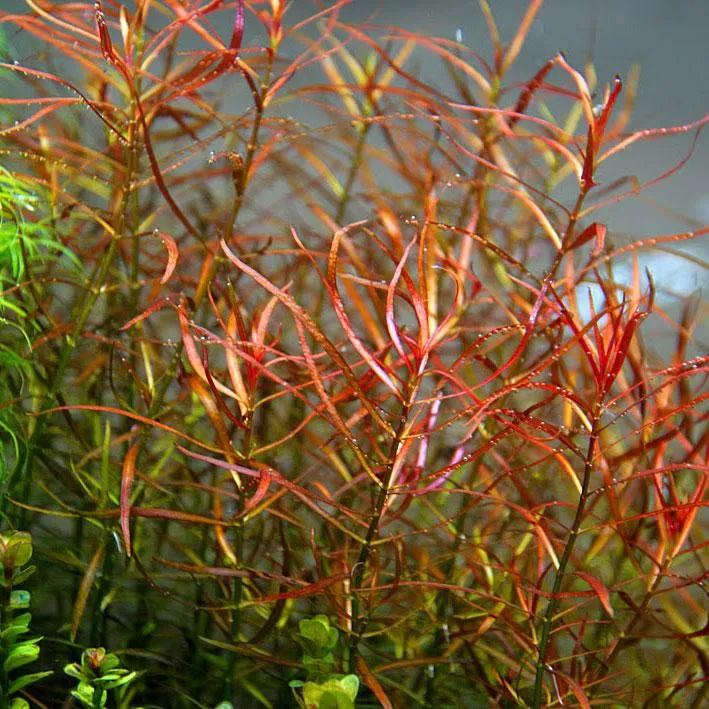
Ludwigia arcuata
FreshwaterHigh light · Midground19.7 in (50 cm)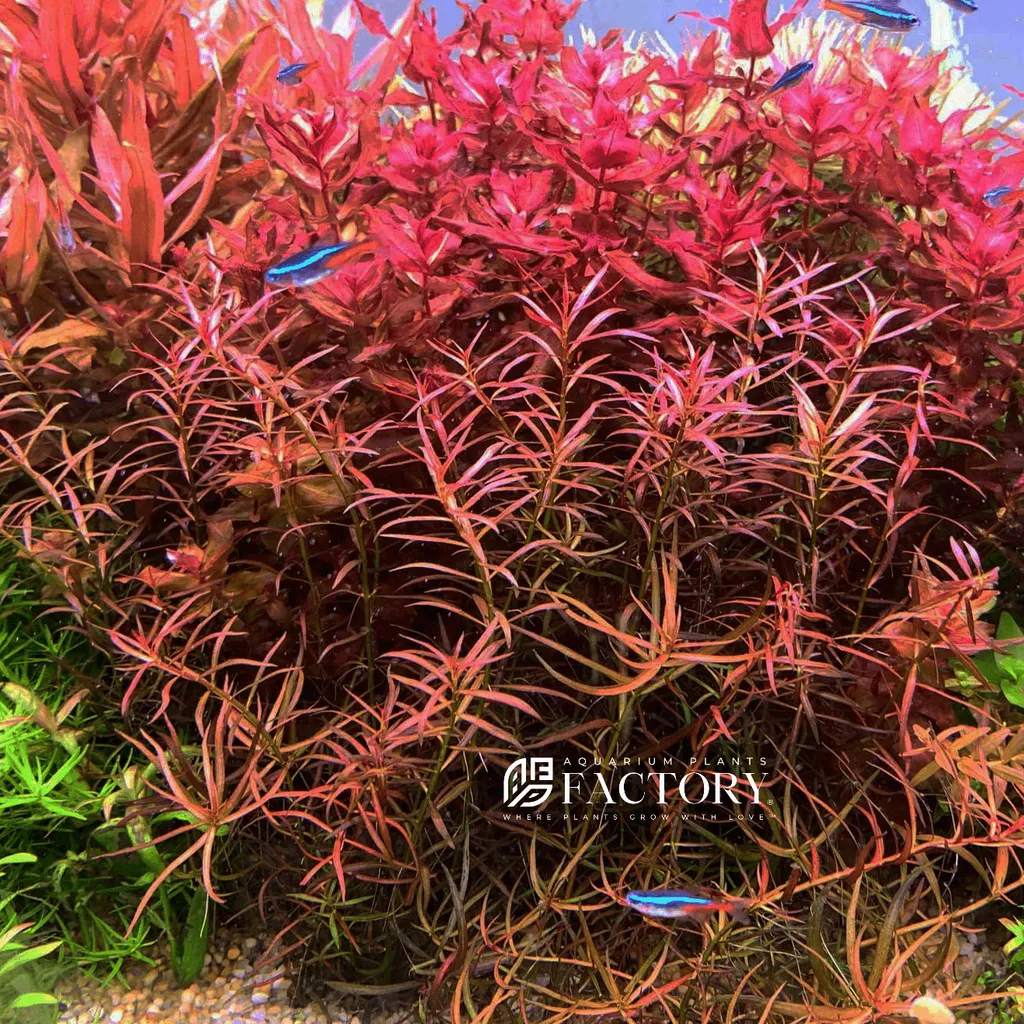
Ludwigia brevipes
FreshwaterHigh light · Midground11.8 in (30 cm)Ludwigia Cuba
Ludwigia inclinata var. verticillata 'Cuba'
FreshwaterHigh light · Background15.7 in (40 cm)Ludwigia Dark Orange
Ludwigia sp. 'Dark Orange'
FreshwaterHigh light · Background15.7 in (40 cm)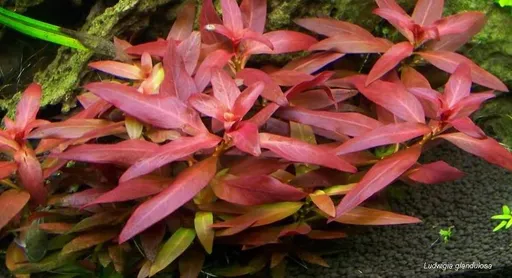
Ludwigia glandulosa
FreshwaterHigh light · Background15.7 in (40 cm)Ludwigia Marilia
Ludwigia sp. 'Marilia'
FreshwaterMedium light · Background23.6 in (60 cm)Ludwigia Meta
Ludwigia inclinata var. verticillata 'Meta'
FreshwaterHigh light · Background15.7 in (40 cm)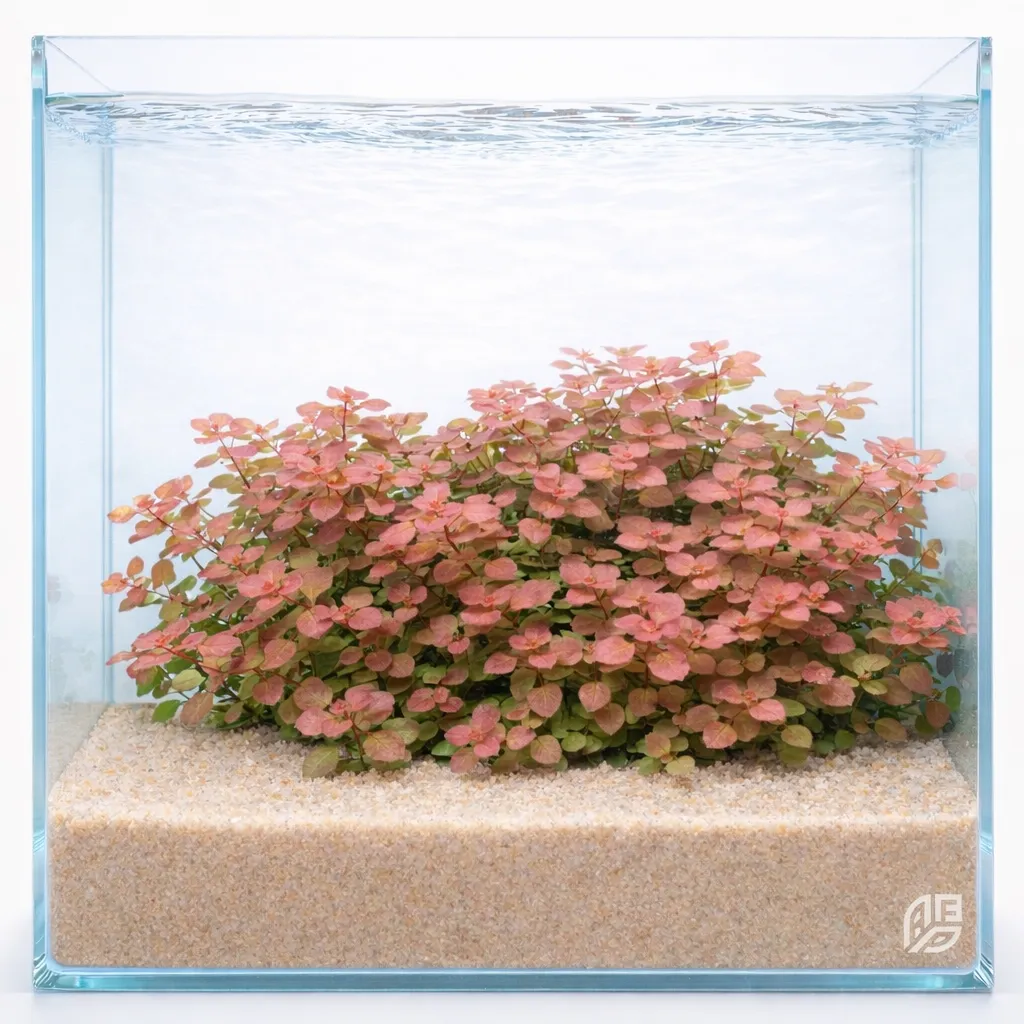
Ludwigia ovalis
FreshwaterMedium light · Midground11.8 in (30 cm)Ludwigia ovalis Pink
Ludwigia ovalis 'Pink'
FreshwaterHigh light · Midground15.7 in (40 cm)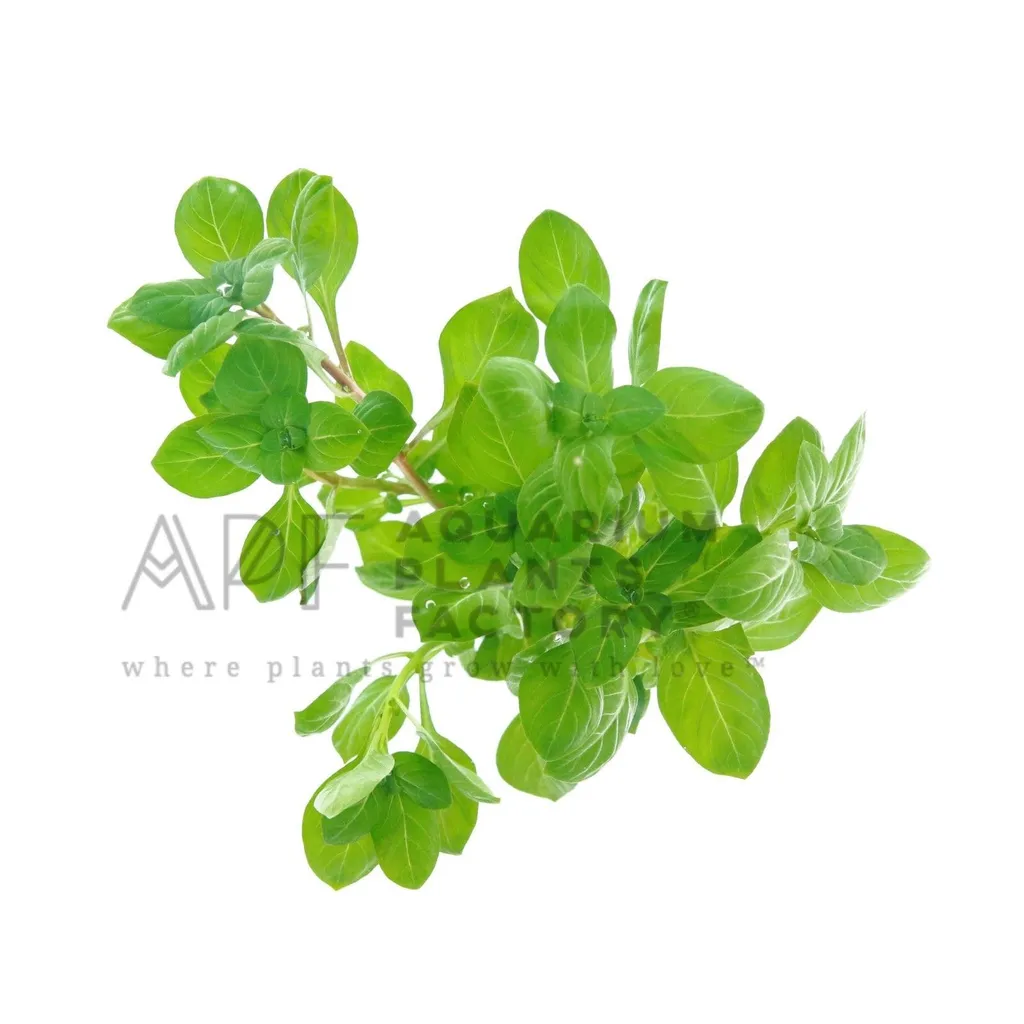
Ludwigia palustris
FreshwaterMedium light · Background19.7 in (50 cm)Ludwigia Pantanal
Ludwigia inclinata var. verticillata 'Pantanal'
FreshwaterHigh light · Background15.7 in (40 cm)Ludwigia repens
FreshwaterMedium light · Background19.7 in (50 cm)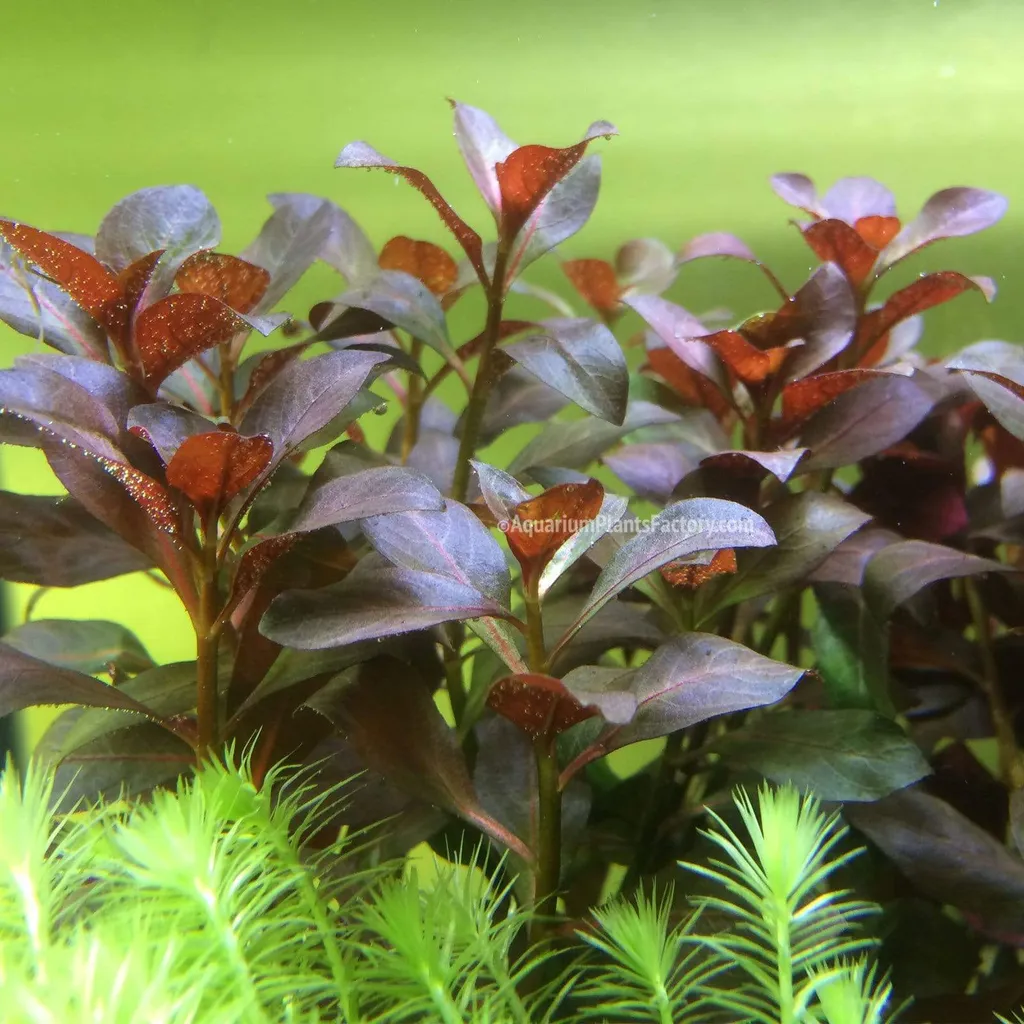
Ludwigia Rubin
Ludwigia repens 'Rubin'
FreshwaterMedium light · Midground19.7 in (50 cm)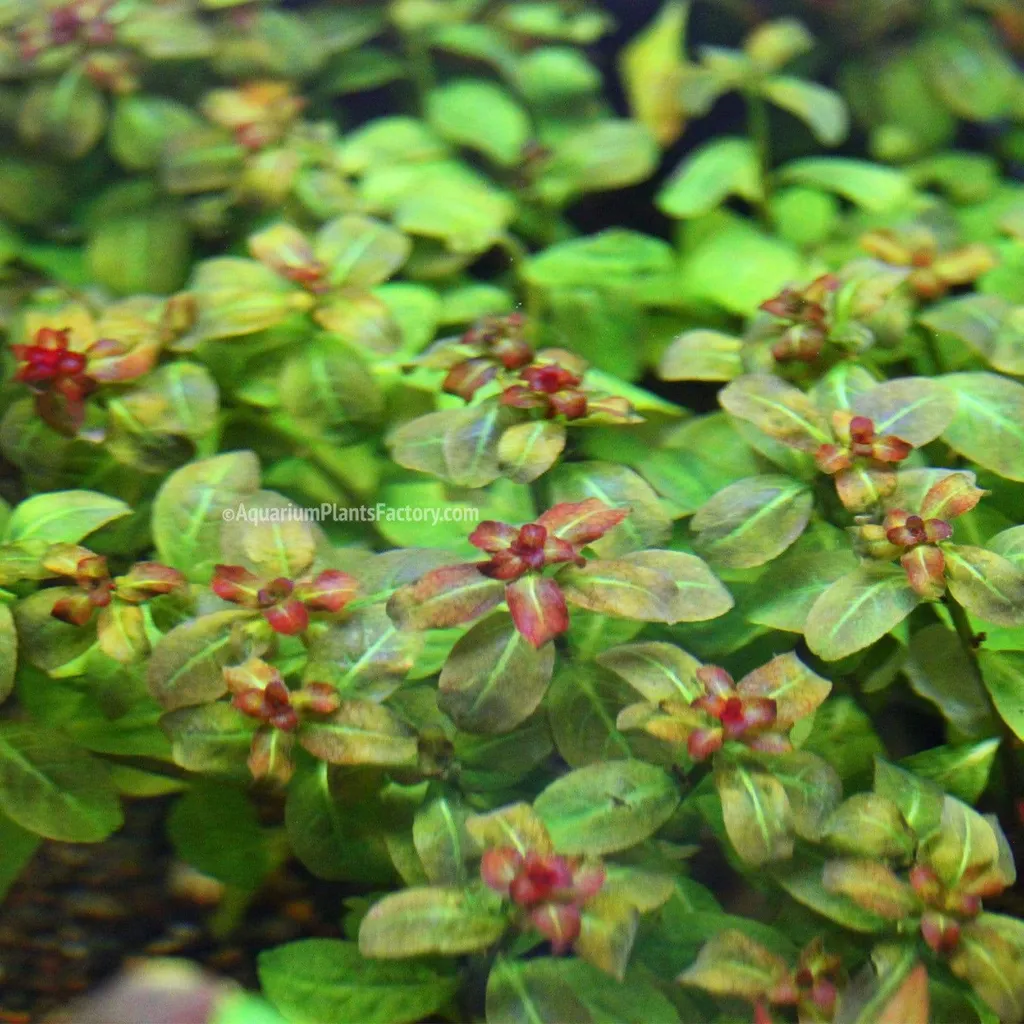
Ludwigia senegalensis
FreshwaterHigh light · Midground11.8 in (30 cm)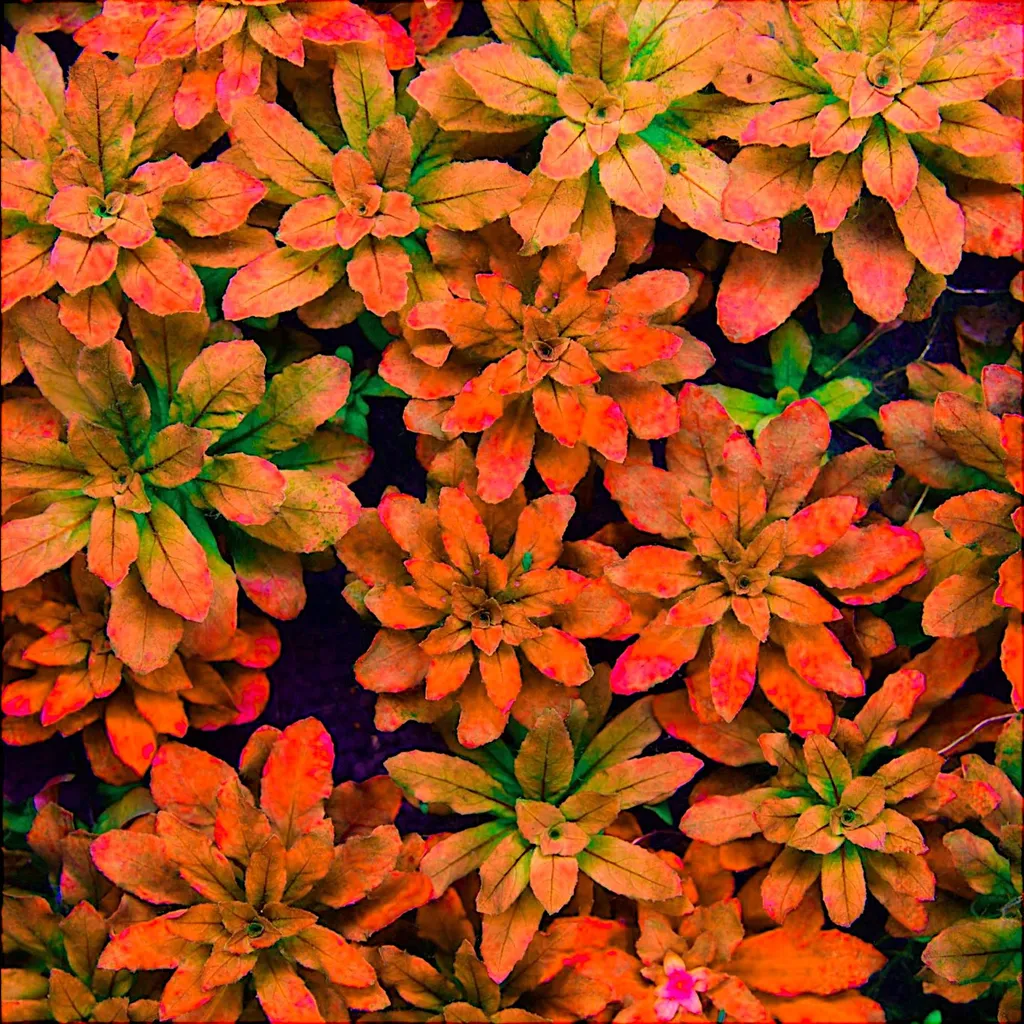
Ludwigia sphaerocarpa
FreshwaterHigh light · Midground11.8 in (30 cm)Ludwigia super red
Ludwigia palustris 'Super Red'
FreshwaterHigh light · Midground11.8 in (30 cm)Lysimachia parvifolia Red
Lysimachia parvifolia 'Red'
FreshwaterMedium light · Midground7.9 in (20 cm)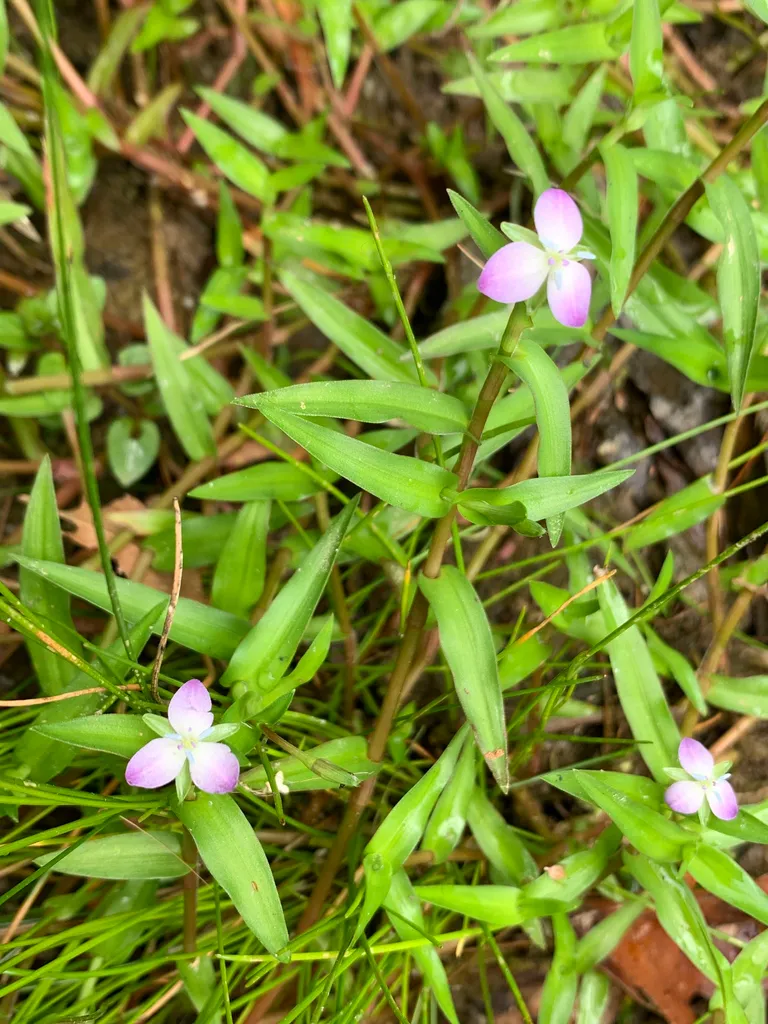
Marsh dewflower
Murdannia keisak
FreshwaterMedium light · Midground11.8 in (30 cm)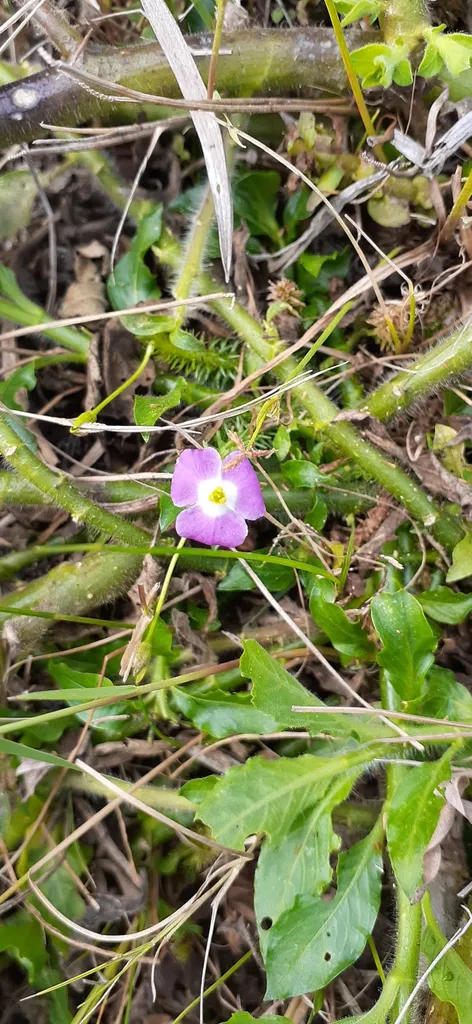
Mayaca sellowiana
FreshwaterMedium light · Midground9.8 in (25 cm)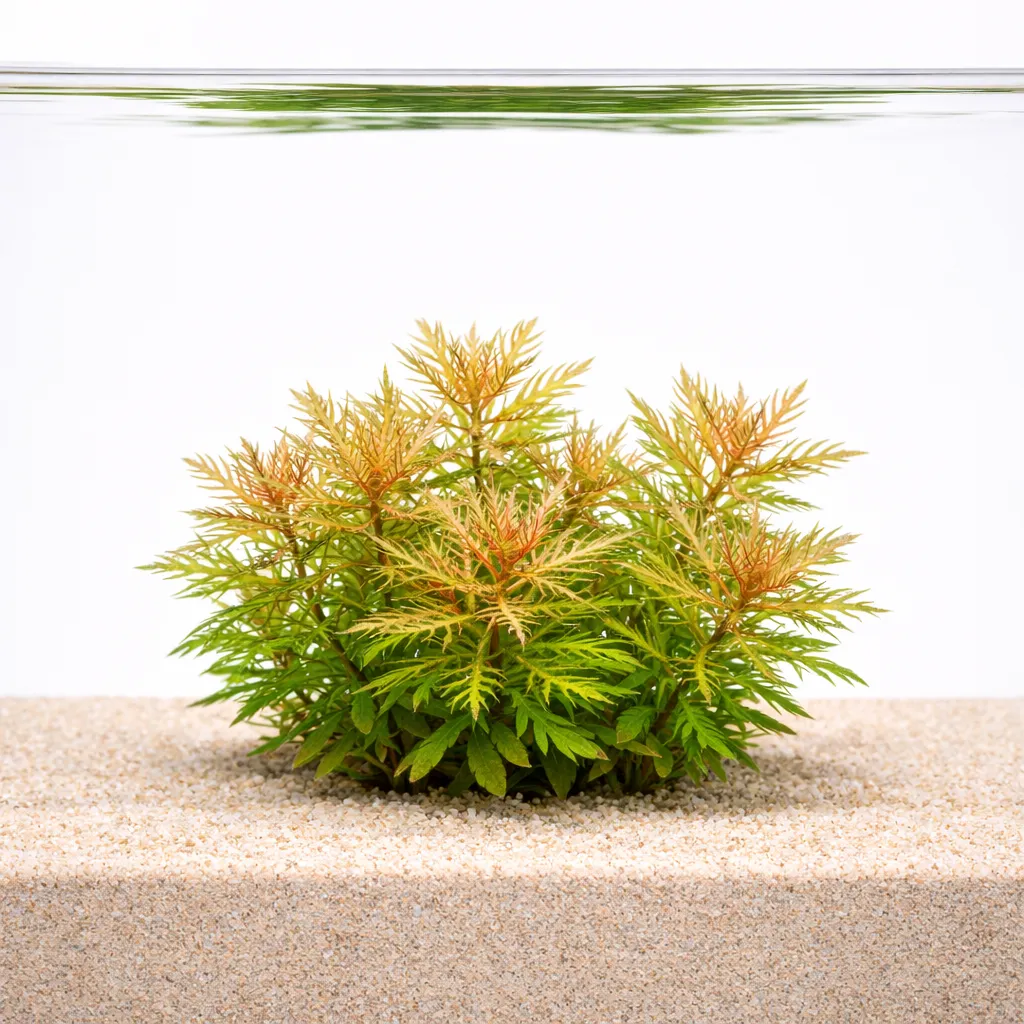
Mermaid weed
Proserpinaca palustris
FreshwaterHigh light · Midground11.8 in (30 cm)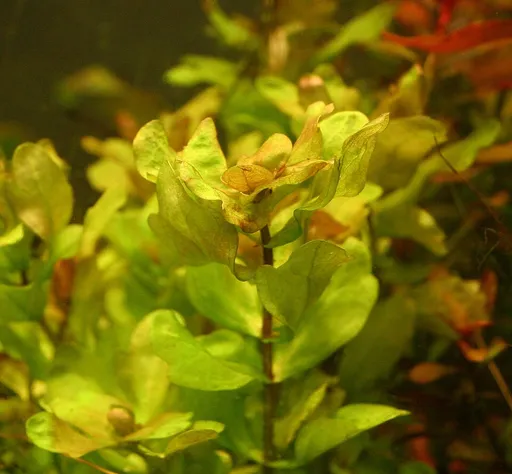
Mexican oak leaf
Shinnersia rivularis
FreshwaterMedium light · Background19.7 in (50 cm)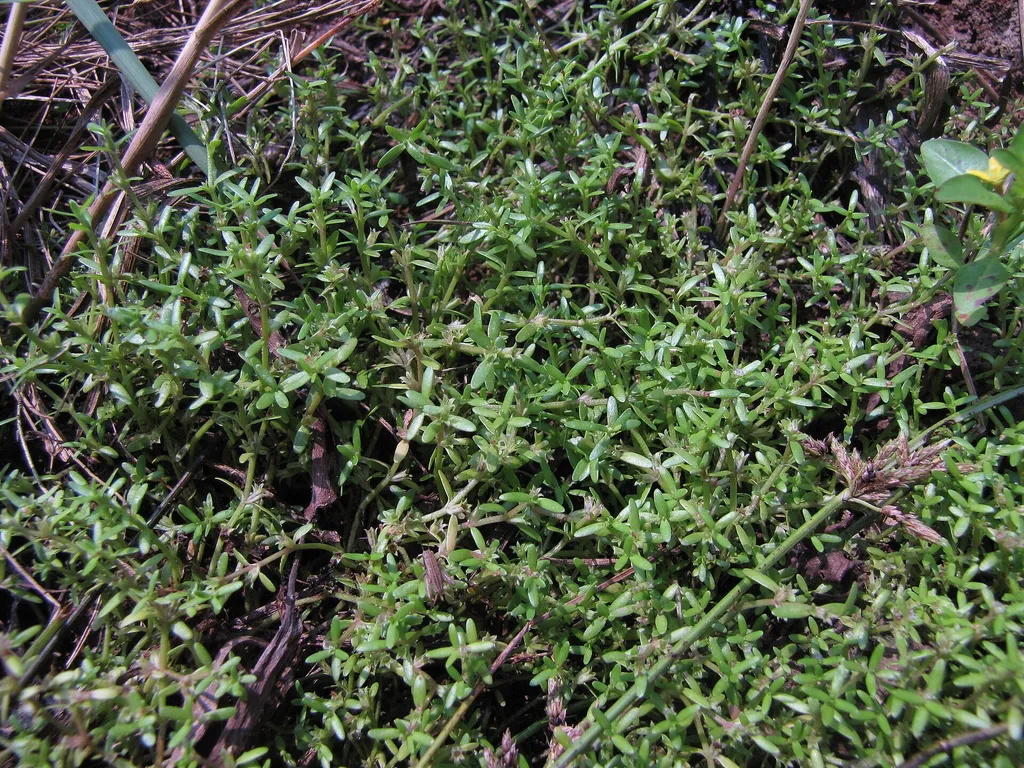
Microcarpaea minima
FreshwaterHigh light · Foreground3.9 in (10 cm)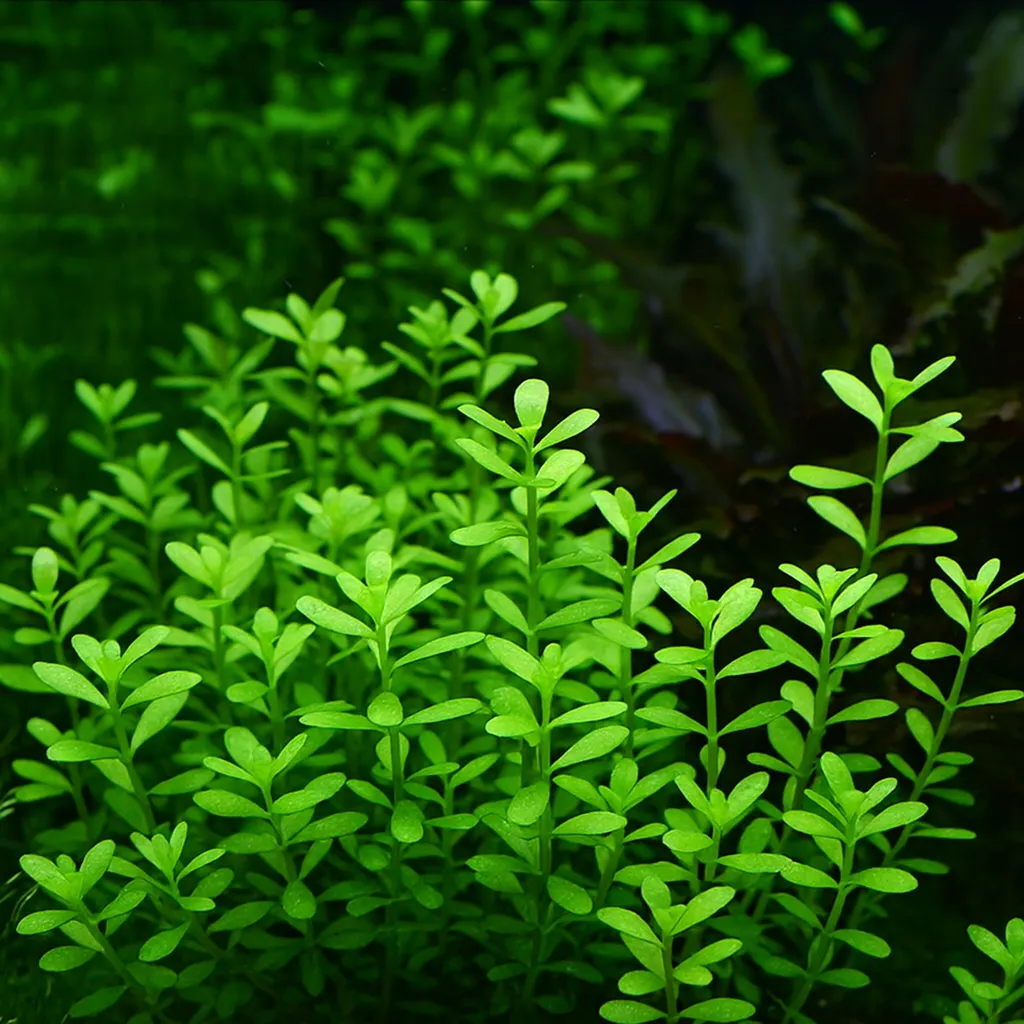
Moneywort
Bacopa monnieri
FreshwaterBrackishMedium light · Background11.8 in (30 cm)Myriophyllum Guyana
Myriophyllum mattogrossense
FreshwaterMedium light · Background19.7 in (50 cm)Myriophyllum pinnatum
FreshwaterMedium light · Background23.6 in (60 cm)Myriophyllum Roraima
Myriophyllum sp. 'Roraima'
FreshwaterHigh light · Background23.6 in (60 cm)Myriophyllum Snowflake
Myriophyllum quitense
FreshwaterMedium light · Background23.6 in (60 cm)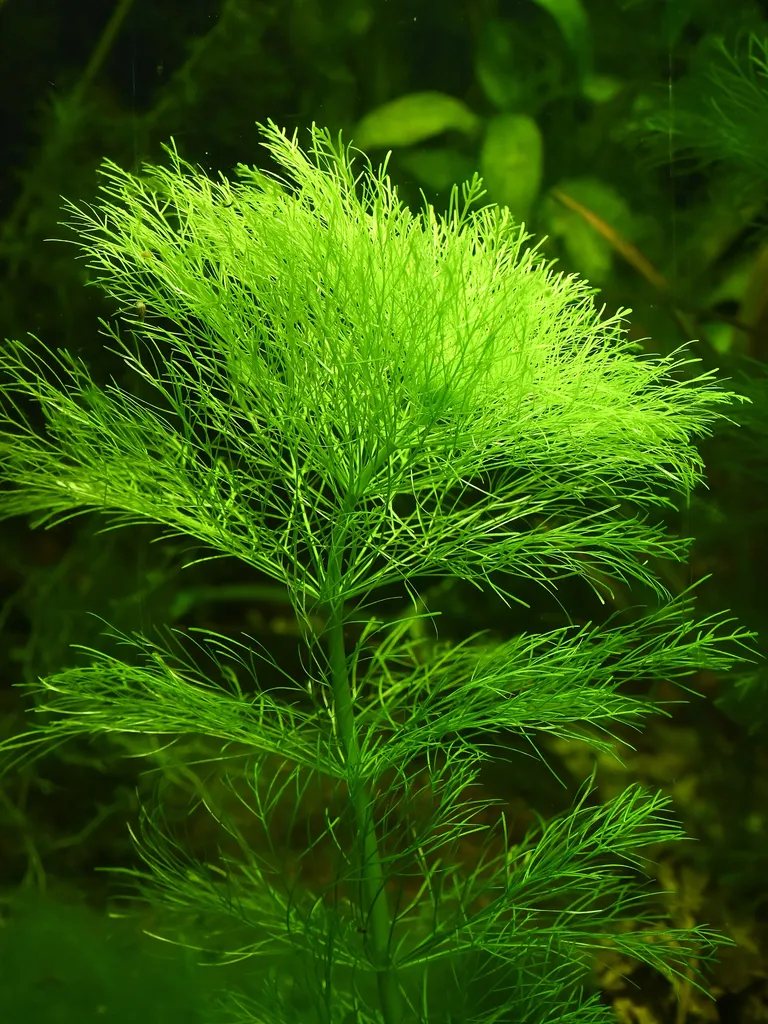
Myriophyllum tetrandrum
FreshwaterMedium light · Background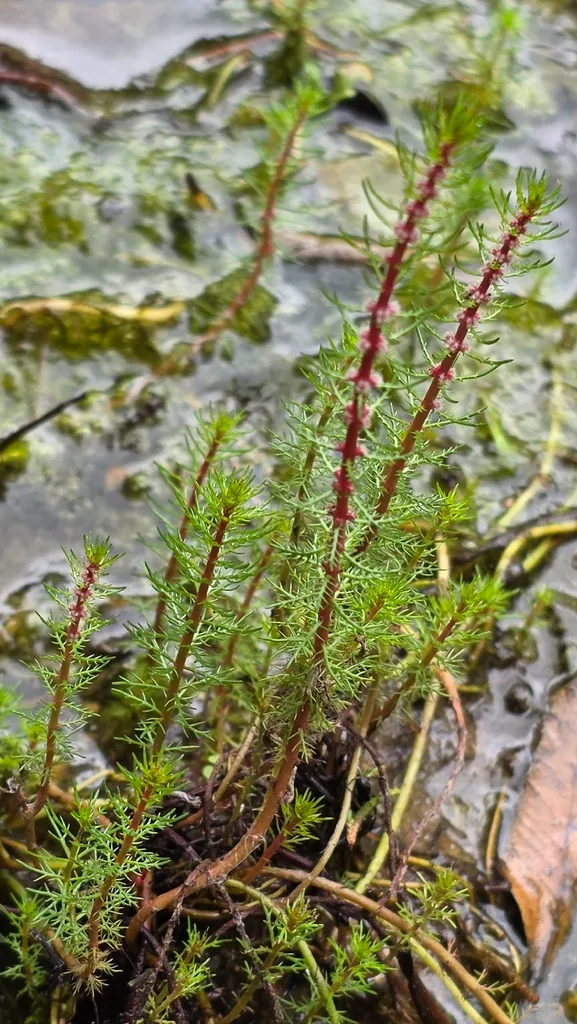
Myriophyllum ussuriense
FreshwaterMedium light · Background15.7 in (40 cm)Najas indica
FreshwaterMedium light · Floating23.6 in (60 cm)Narrow leaf anacharis
Elodea najas
FreshwaterMedium light · Background15.7 in (40 cm)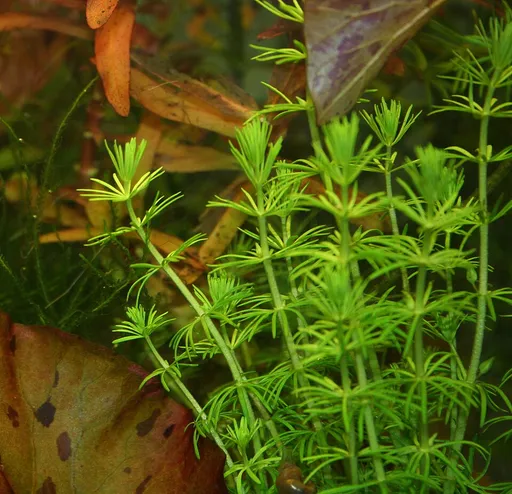
Needle leaf bacopa
Bacopa myriophylloides
FreshwaterHigh light · Midground11.8 in (30 cm)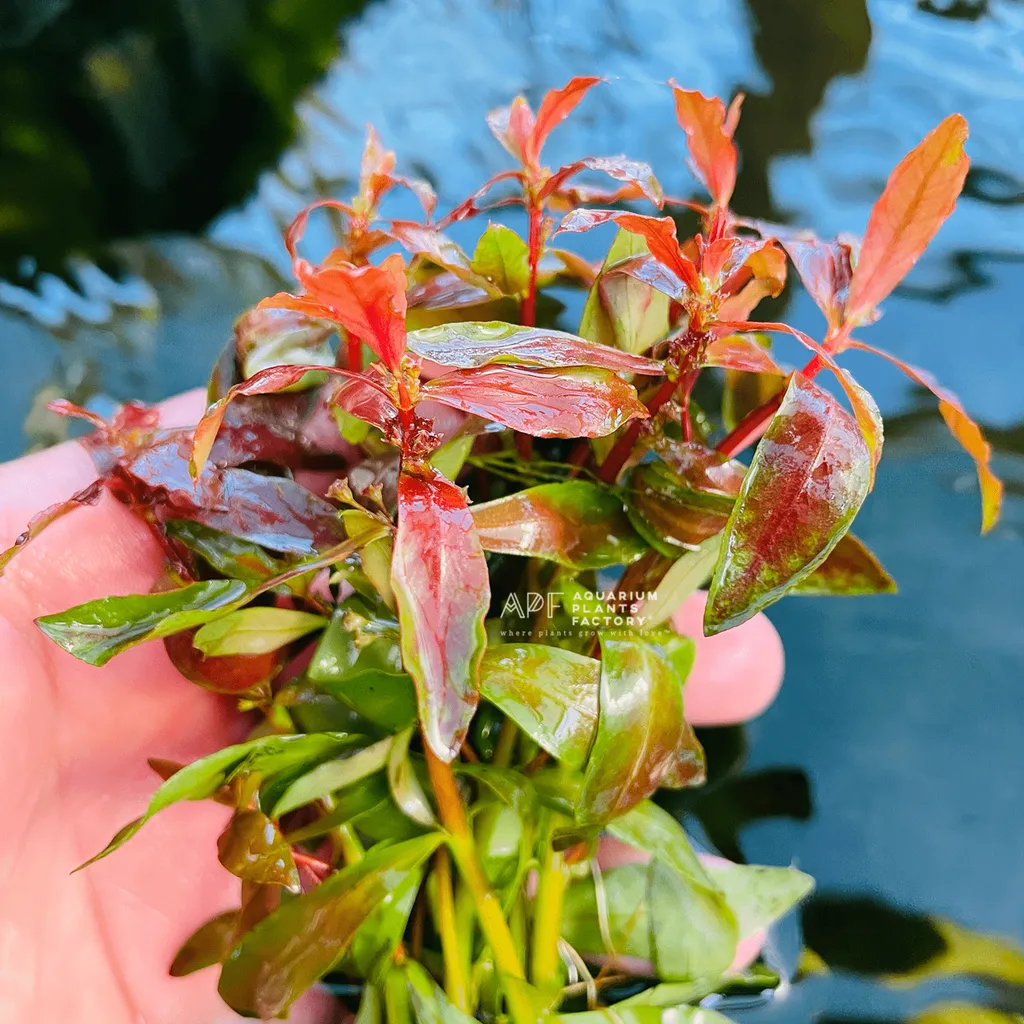
Nesaea crassicaulis
Ammannia crassicaulis
FreshwaterHigh light · Background19.7 in (50 cm)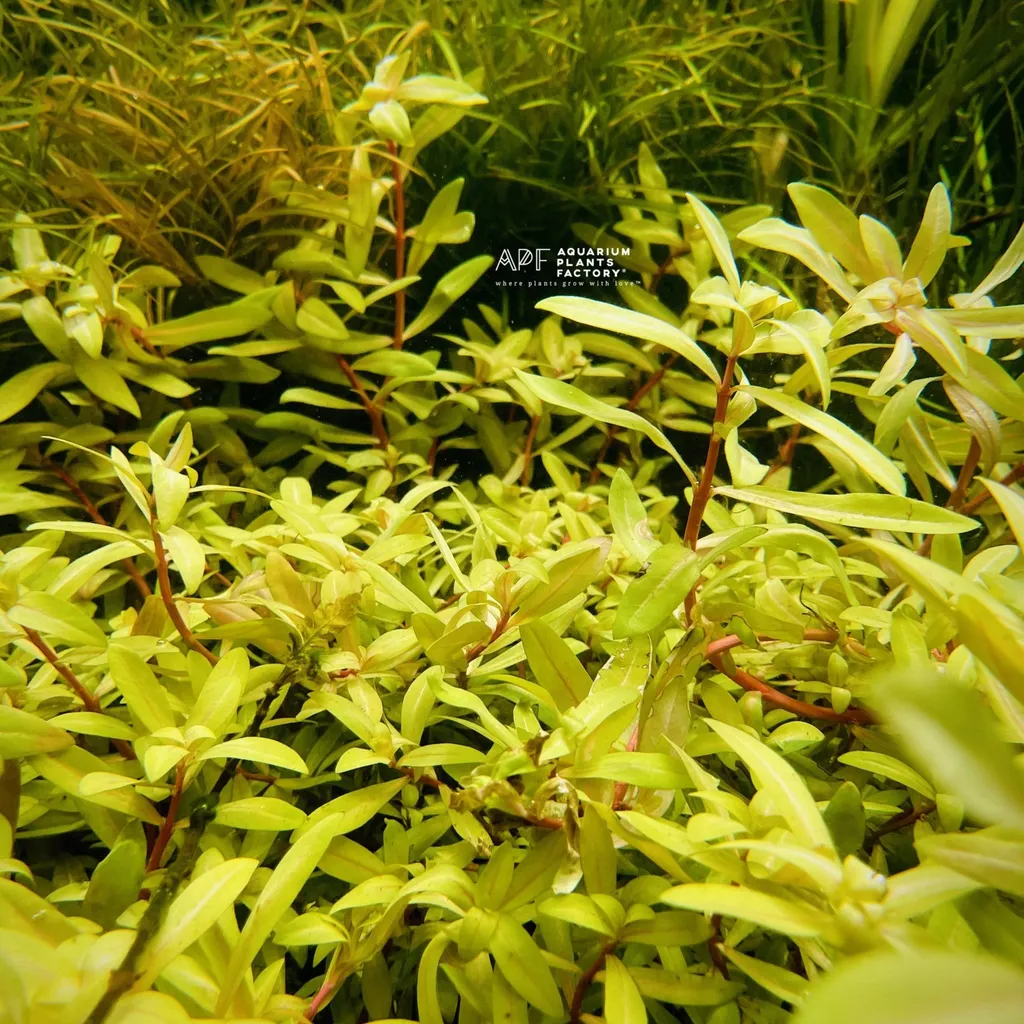
Nesaea pedicellata Golden
Ammannia pedicellata
FreshwaterHigh light · Background15.7 in (40 cm)Nesaea triflora
Ammannia capitellata
FreshwaterMedium light · Background23.6 in (60 cm)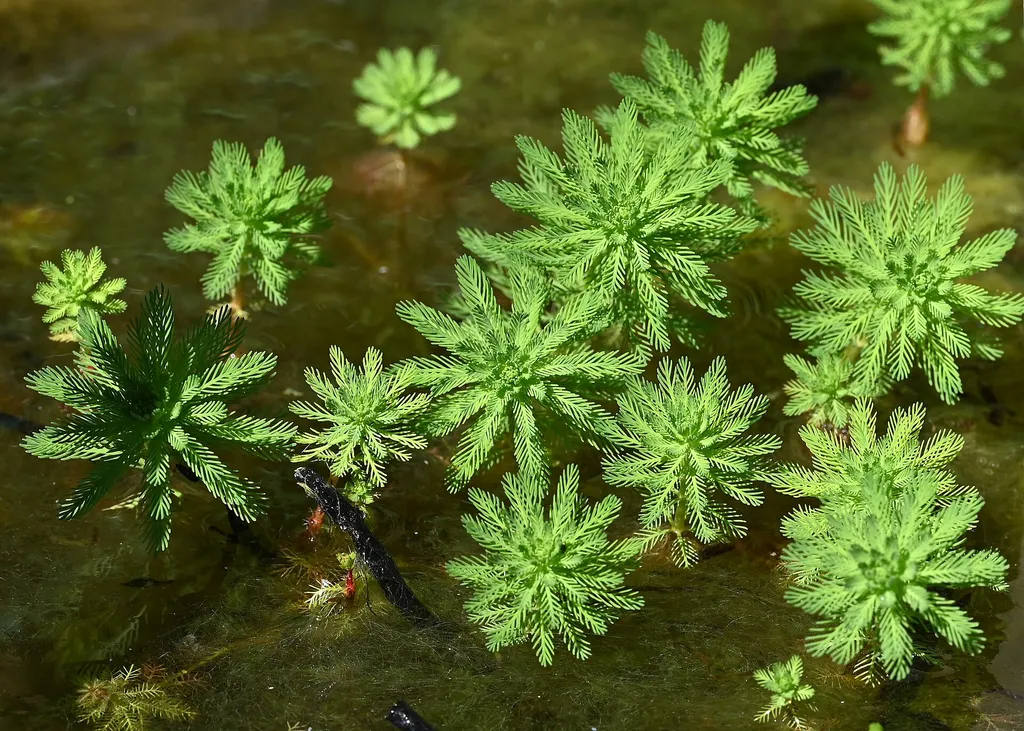
Parrot's feather
Myriophyllum aquaticum
FreshwaterHigh light · Background15.7 in (40 cm)Pearlweed
Hemianthus glomeratus
FreshwaterMedium light · Midground7.9 in (20 cm)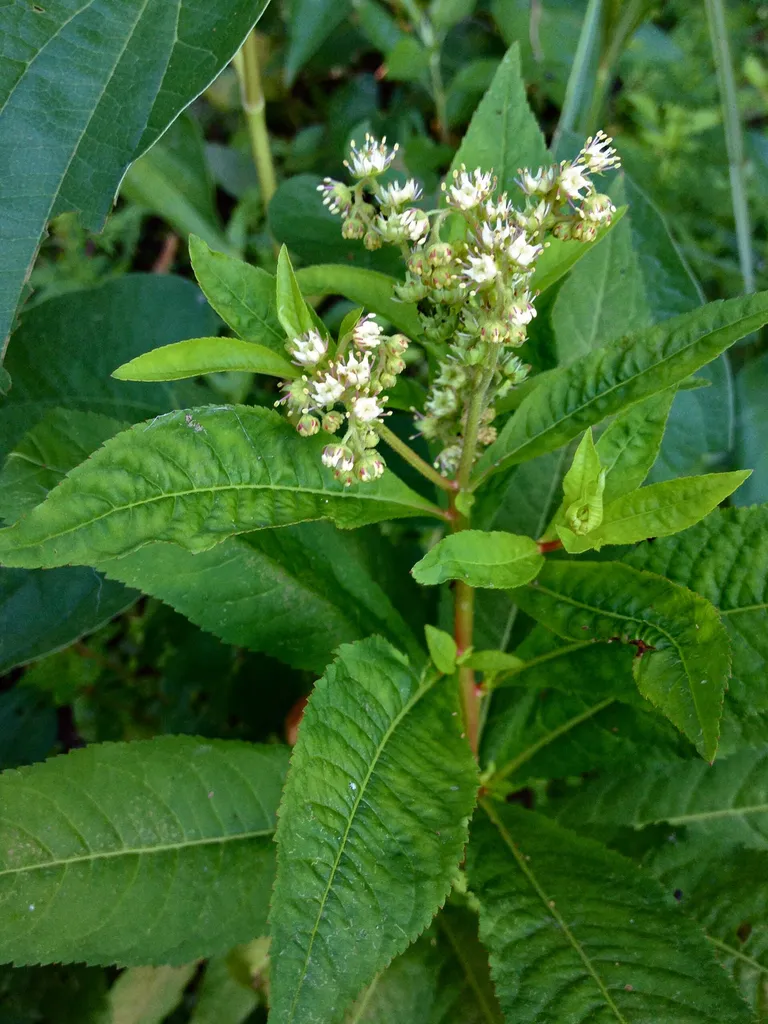
Penthorum sedoides
FreshwaterMedium light · Midground15.7 in (40 cm)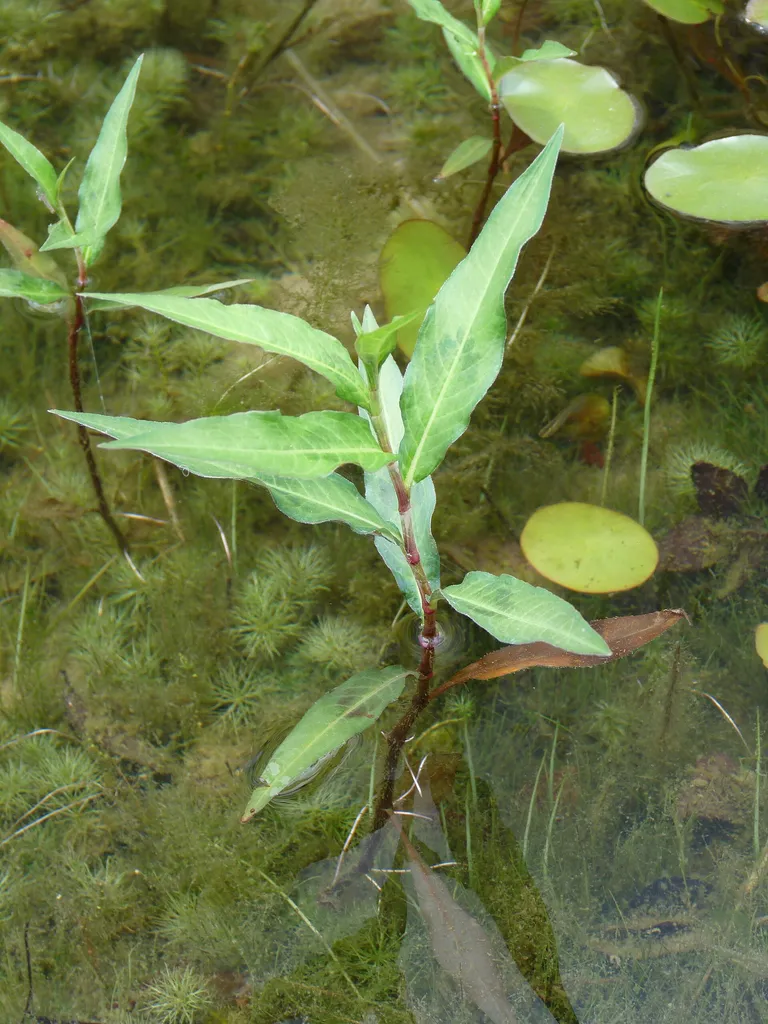
Persicaria hydropiper
FreshwaterMedium light · Midground11.8 in (30 cm)Persicaria kawagoeanum
Persicaria sp. 'Kawagoeanum'
FreshwaterHigh light · Background15.7 in (40 cm)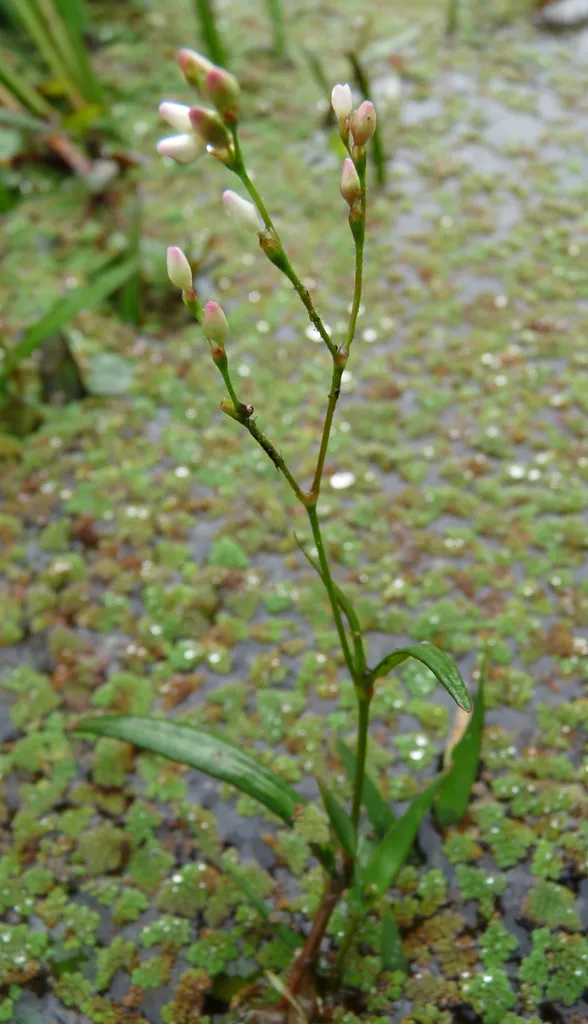
Persicaria praetermissa
FreshwaterMedium light · Midground13.8 in (35 cm)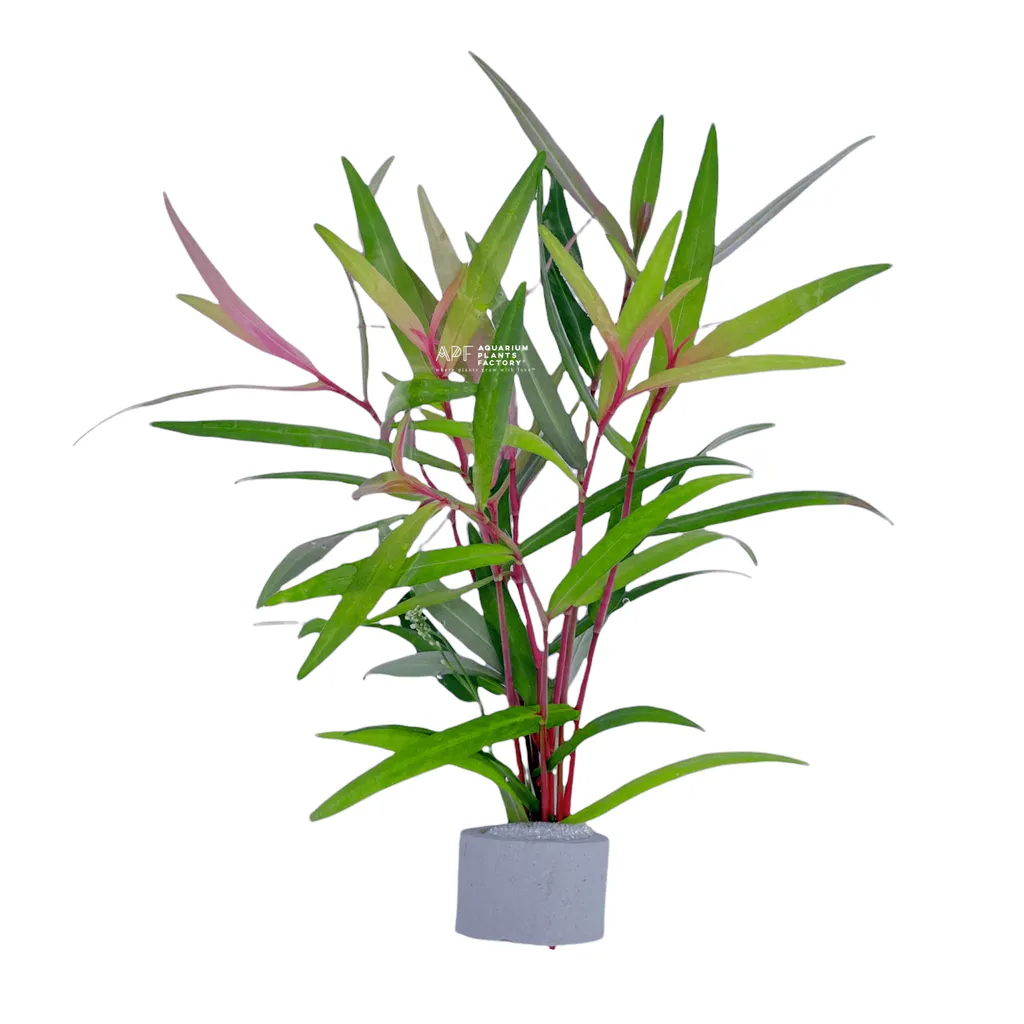
Persicaria Sao Paulo
Persicaria sp. 'Sao Paulo'
FreshwaterHigh light · Background19.7 in (50 cm)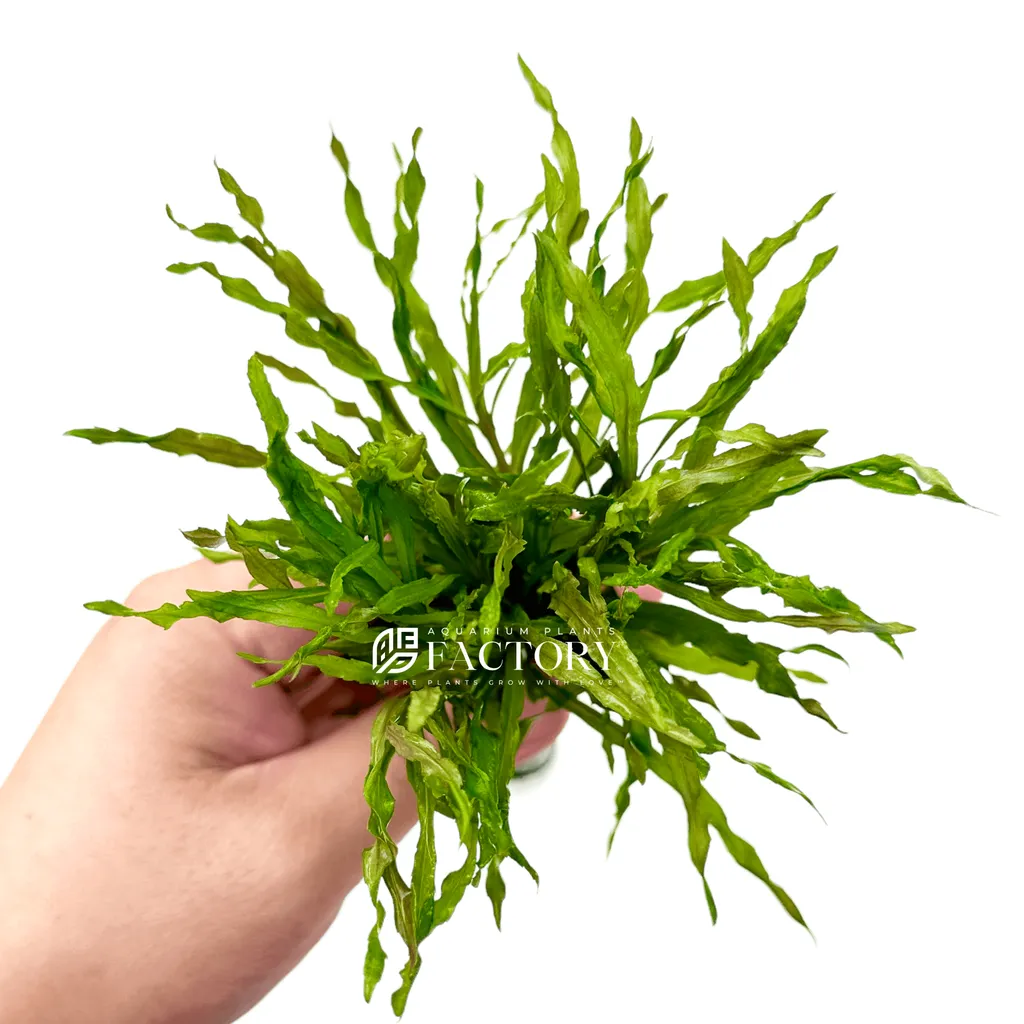
Pogostemon Dassen
Pogostemon stellatus 'Dassen'
FreshwaterHigh light · Background17.7 in (45 cm)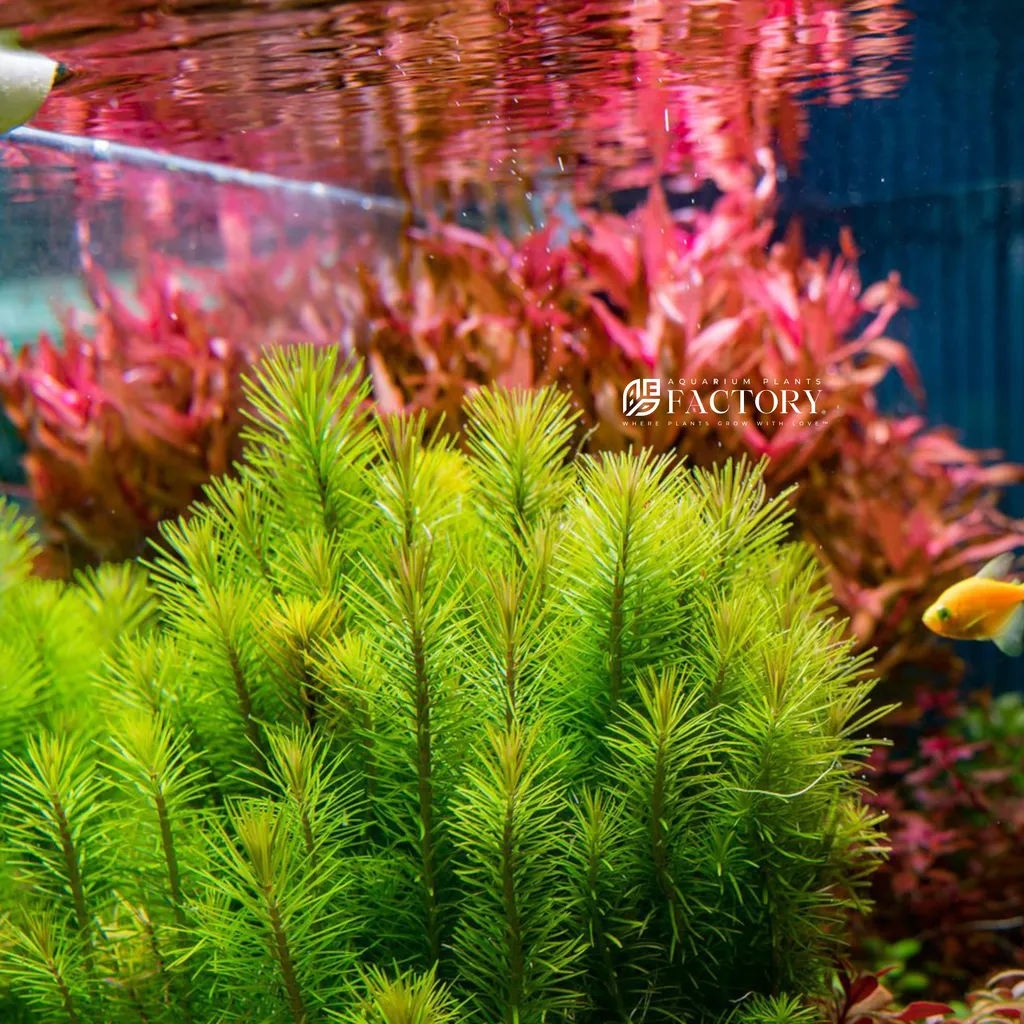
Pogostemon erectus
Pogostemon deccanensis
FreshwaterHigh light · Midground9.8 in (25 cm)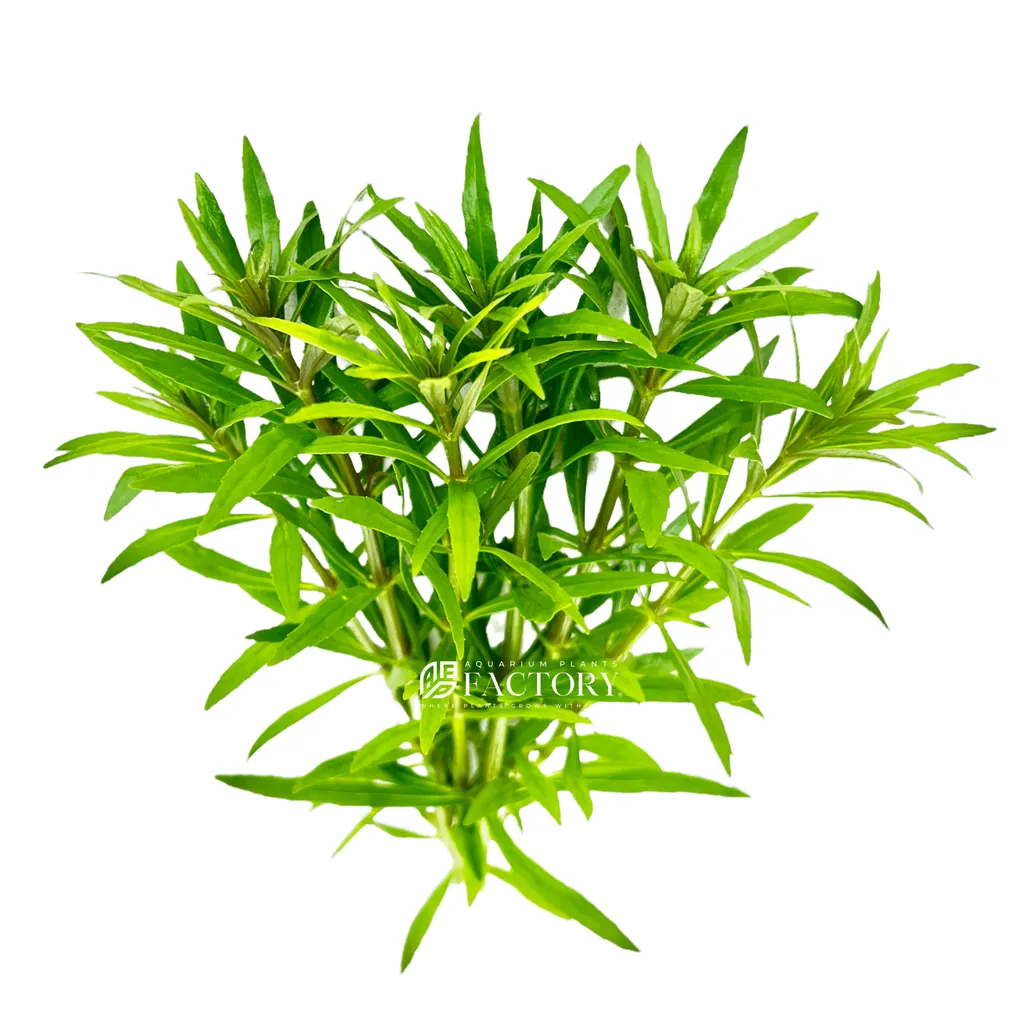
Pogostemon quadrifolius
FreshwaterMedium light · Background15.7 in (40 cm)Pogostemon sampsonii
FreshwaterMedium light · Midground9.8 in (25 cm)Pogostemon stellatus
FreshwaterHigh light · Background23.6 in (60 cm)Pogostemon stellatus Broad Leaf
Pogostemon stellatus 'Broad Leaf'
FreshwaterHigh light · Background23.6 in (60 cm)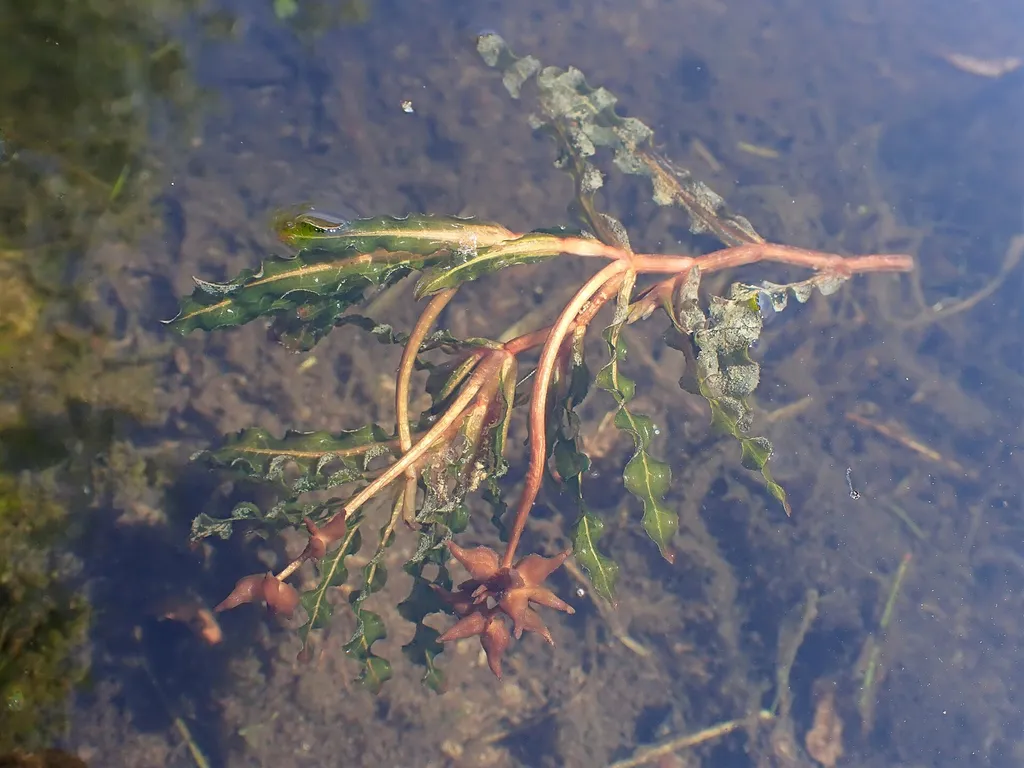
Potamogeton crispus
FreshwaterBrackishLow light · Background31.5 in (80 cm)Potamogeton gayi
FreshwaterMedium light · Background23.6 in (60 cm)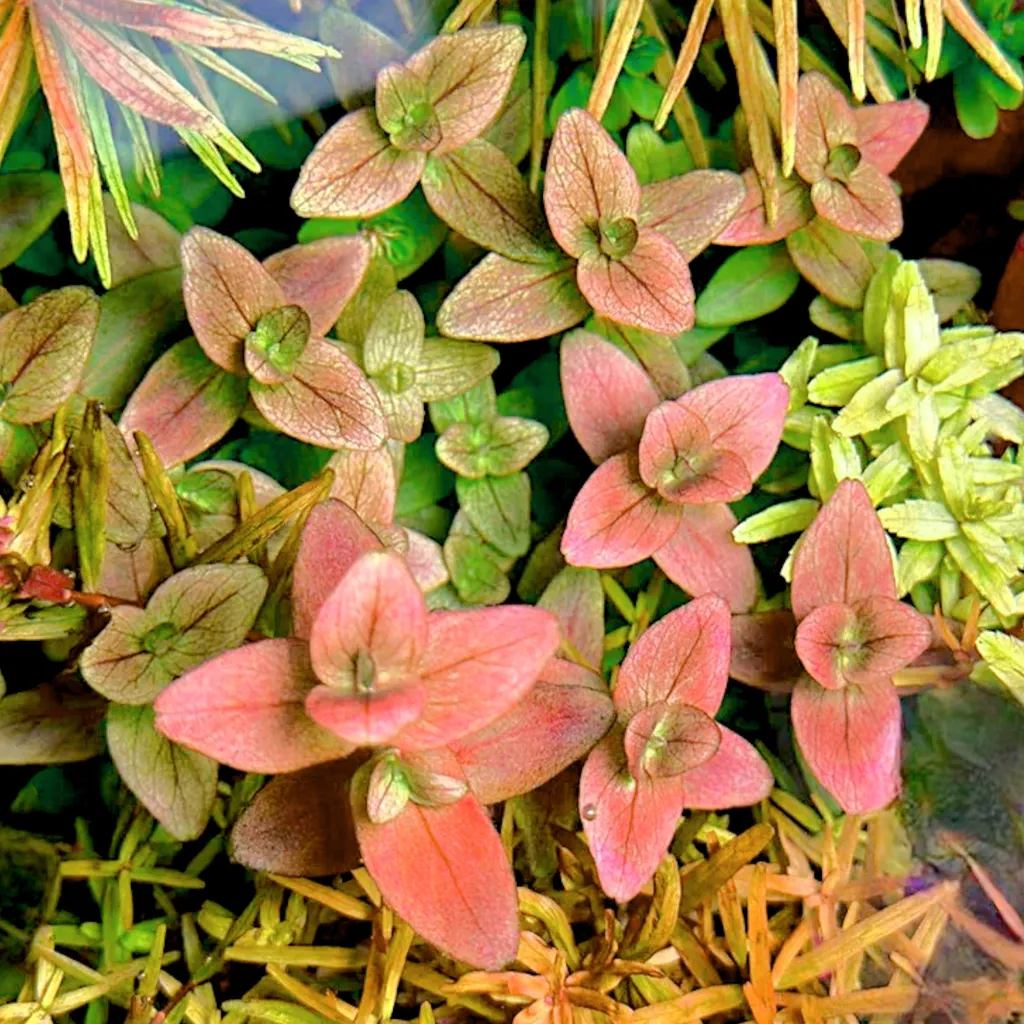
Purple bacopa
Bacopa salzmannii
FreshwaterHigh light · Midground11.8 in (30 cm)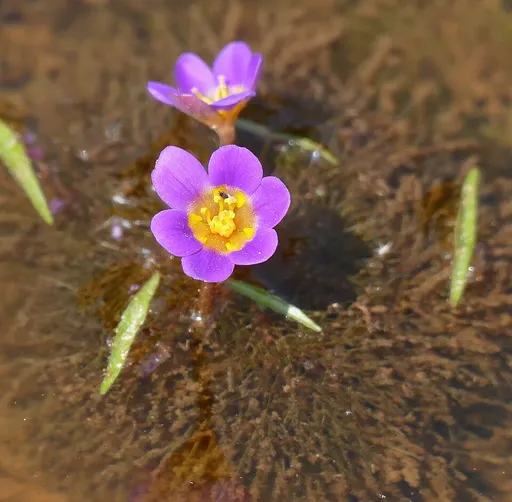
Red cabomba
Cabomba furcata
FreshwaterHigh light · Background19.7 in (50 cm)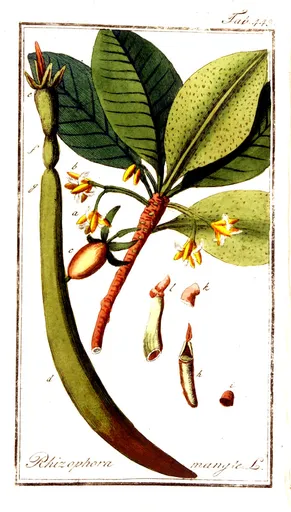
Red mangrove
Rhizophora mangle
BrackishSaltwaterHigh light · Background23.6 in (60 cm)Red myriophyllum
Myriophyllum tuberculatum
FreshwaterHigh light · Background11.8 in (30 cm)Rotala Bossii
Rotala sp. 'Bossii'
FreshwaterHigh light · Background11.8 in (30 cm)Rotala Coin Leaf
Rotala sp. 'Coin Leaf'
FreshwaterMedium light · Midground11.8 in (30 cm)Rotala Fujian
Rotala 'Fujian'
FreshwaterHigh light · Midground7.9 in (20 cm)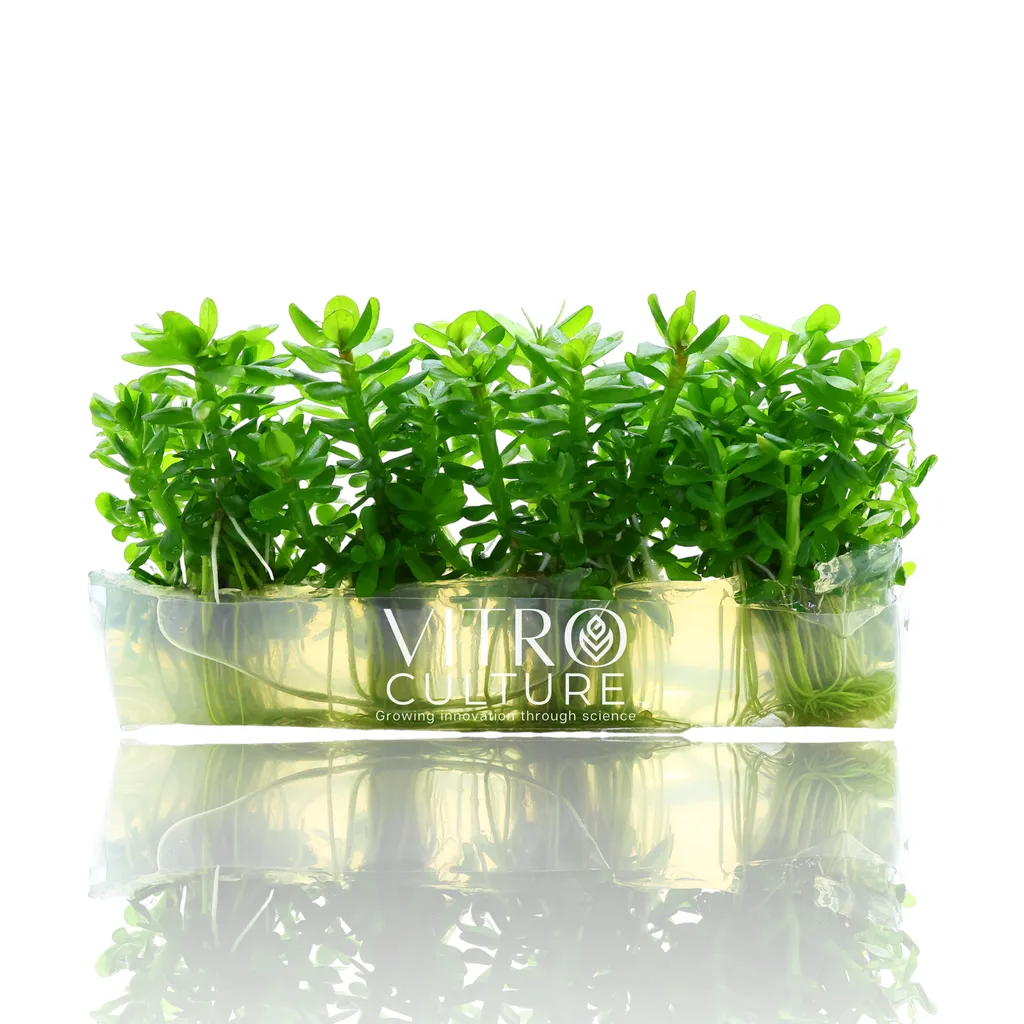
Rotala indica
FreshwaterHigh light · Midground7.9 in (20 cm)Rotala macrandra
FreshwaterHigh light · Background19.7 in (50 cm)5 formsRotala Nanjenshan
Rotala sp. 'Nanjenshan'
FreshwaterHigh light · Midground15.7 in (40 cm)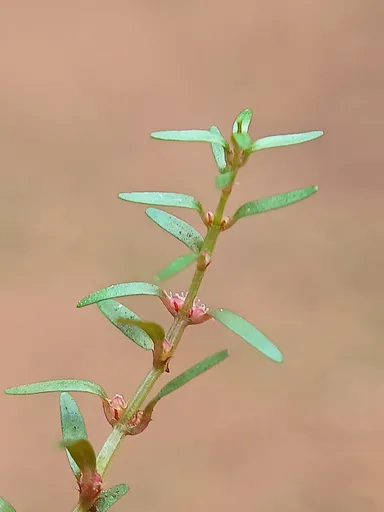
Rotala pusilla
Rotala mexicana
FreshwaterHigh light · Midground11.8 in (30 cm)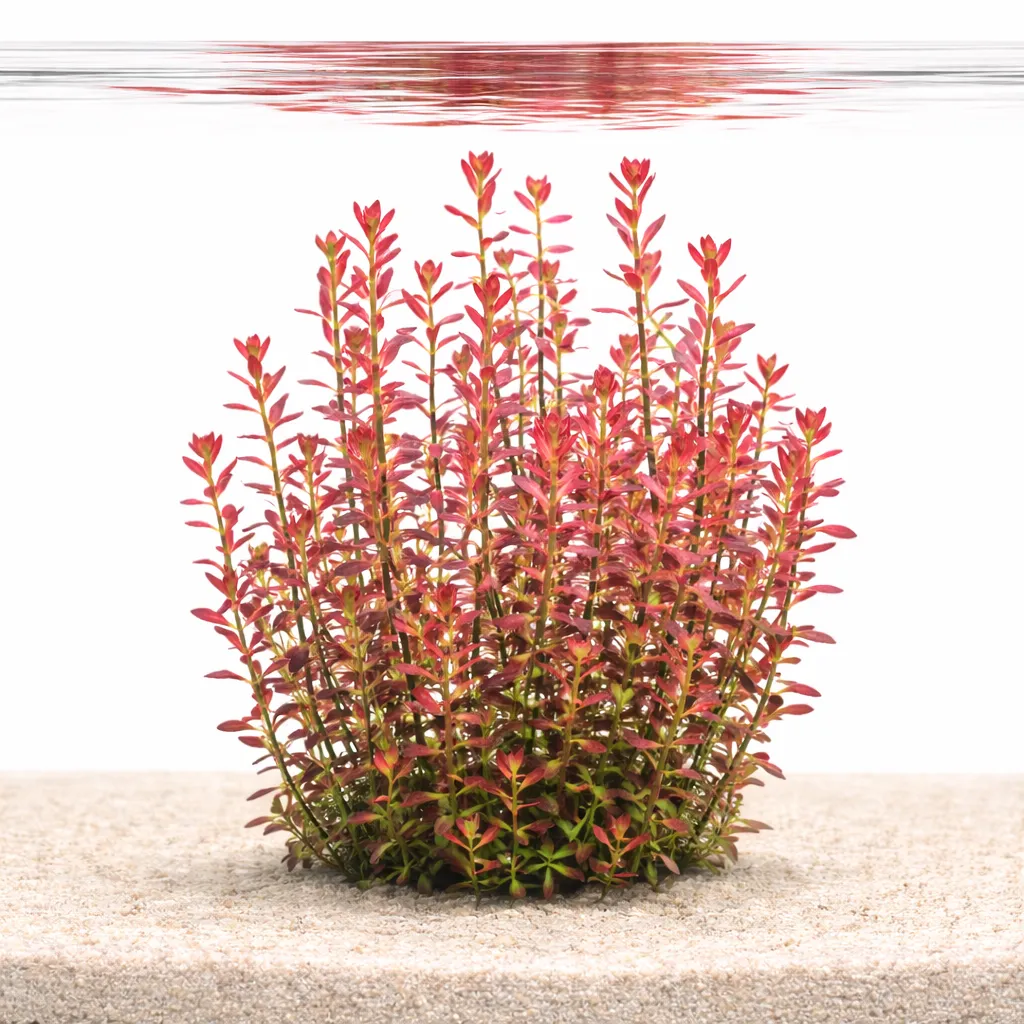
Rotala ramosior
FreshwaterHigh light · Background15.7 in (40 cm)Rotala Red Cross
Rotala 'Red Cross'
FreshwaterHigh light · Midground11.8 in (30 cm)Rotala rotundifolia
FreshwaterMedium light · Background19.7 in (50 cm)8 formsRotala Sunset
Rotala ramosior 'Sunset'
FreshwaterHigh light · Midground15.7 in (40 cm)Rotala wallichii
FreshwaterHigh light · Background11.8 in (30 cm)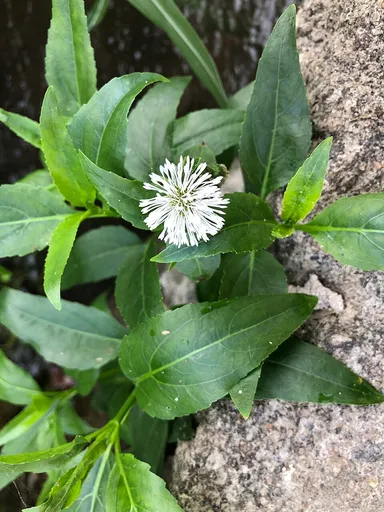
Senegal tea plant
Gymnocoronis spilanthoides
FreshwaterHigh light · Background23.6 in (60 cm)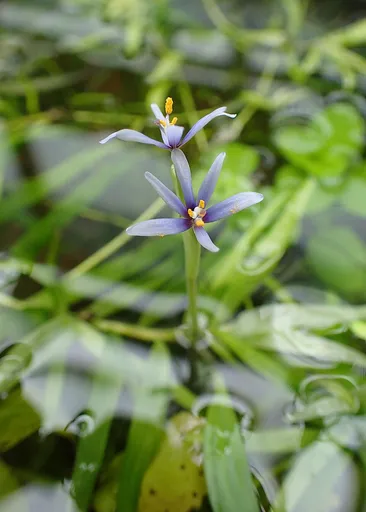
Star grass
Heteranthera zosterifolia
FreshwaterHigh light · Background15.7 in (40 cm)Staurogyne Bihar
Staurogyne sp. 'Bihar'
FreshwaterMedium light · Midground5.9 in (15 cm)Stream bogmoss
Mayaca fluviatilis
FreshwaterMedium light · Background15.7 in (40 cm)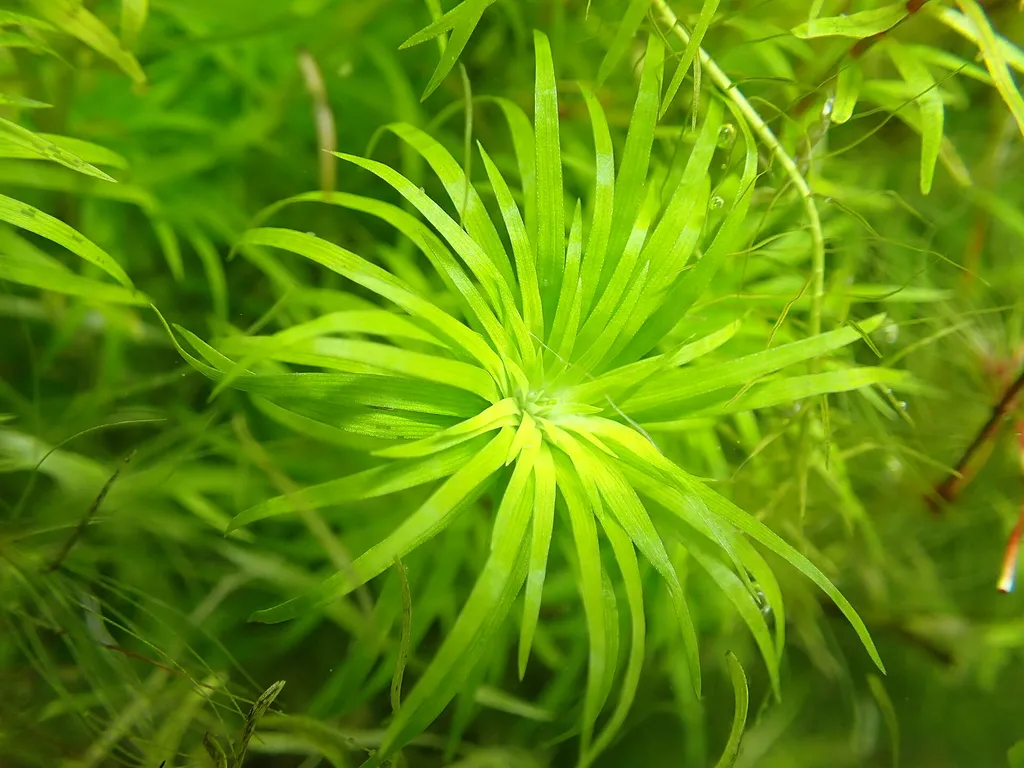
Syngonanthus Belem
Syngonanthus macrocaulon
FreshwaterHigh light · Midground7.9 in (20 cm)Syngonanthus Manaus
Syngonanthus sp. 'Manaus'
FreshwaterHigh light · Midground11.8 in (30 cm)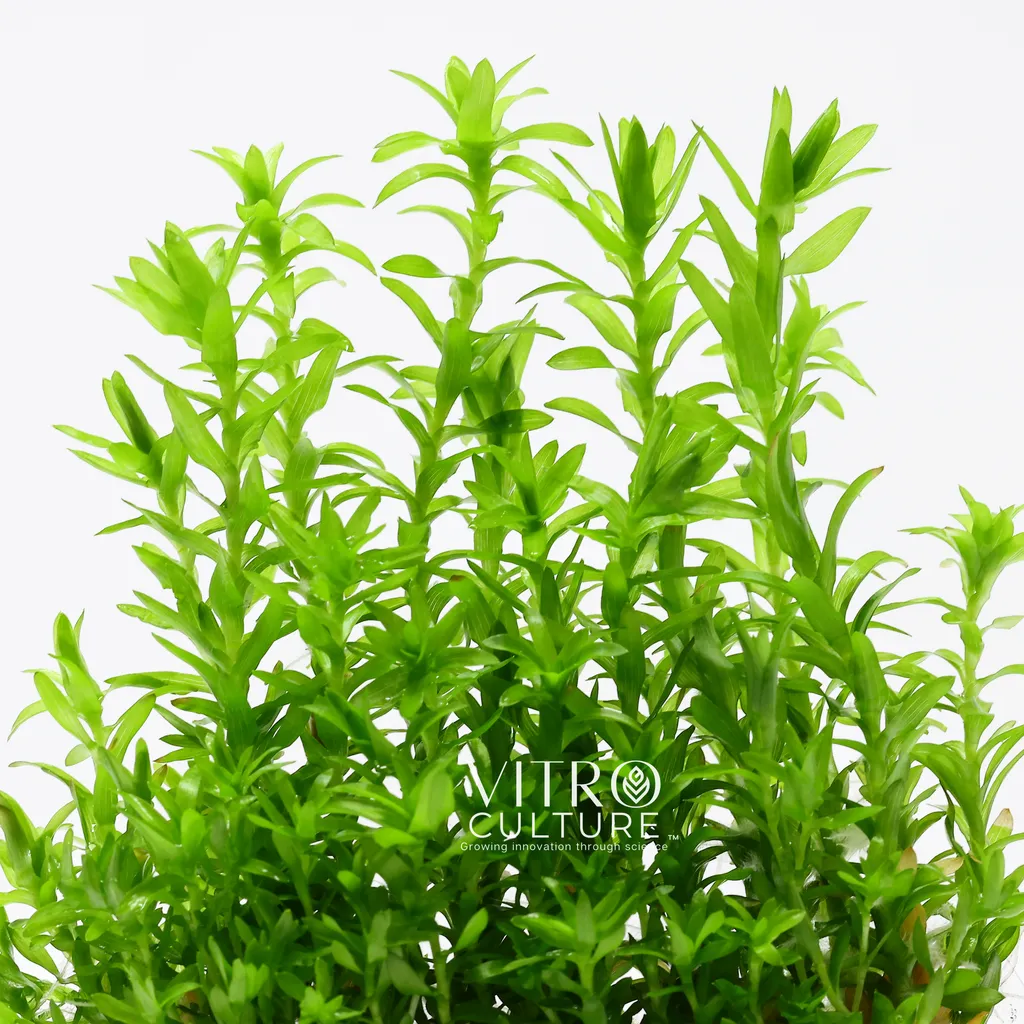
Tonina fluviatilis
FreshwaterHigh light · Background13.8 in (35 cm)Water hedge
Didiplis diandra
FreshwaterHigh light · Midground11.8 in (30 cm)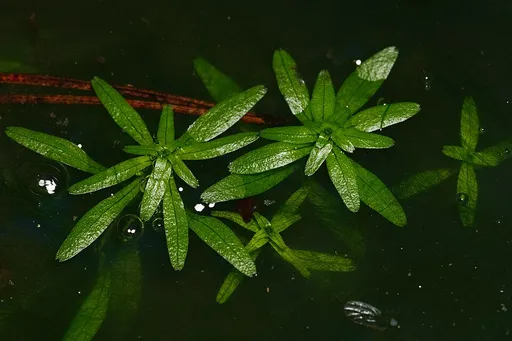
Water starwort
Callitriche palustris
FreshwaterHigh light · Midground11.8 in (30 cm)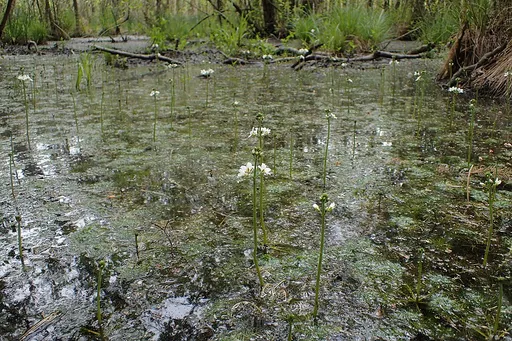
Water violet
Hottonia palustris
FreshwaterHigh light · Midground15.7 in (40 cm)Water wisteria
Hygrophila difformis
FreshwaterMedium light · Background19.7 in (50 cm)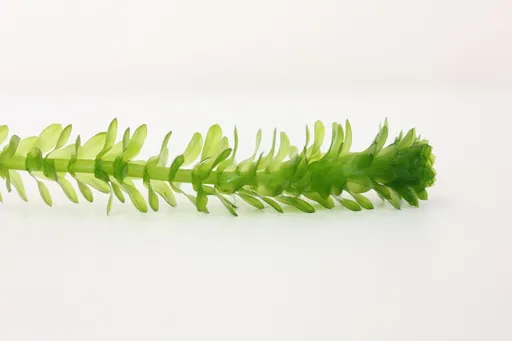
Waterweed
Egeria densa
FreshwaterBrackishMedium light · Background39.4 in (100 cm)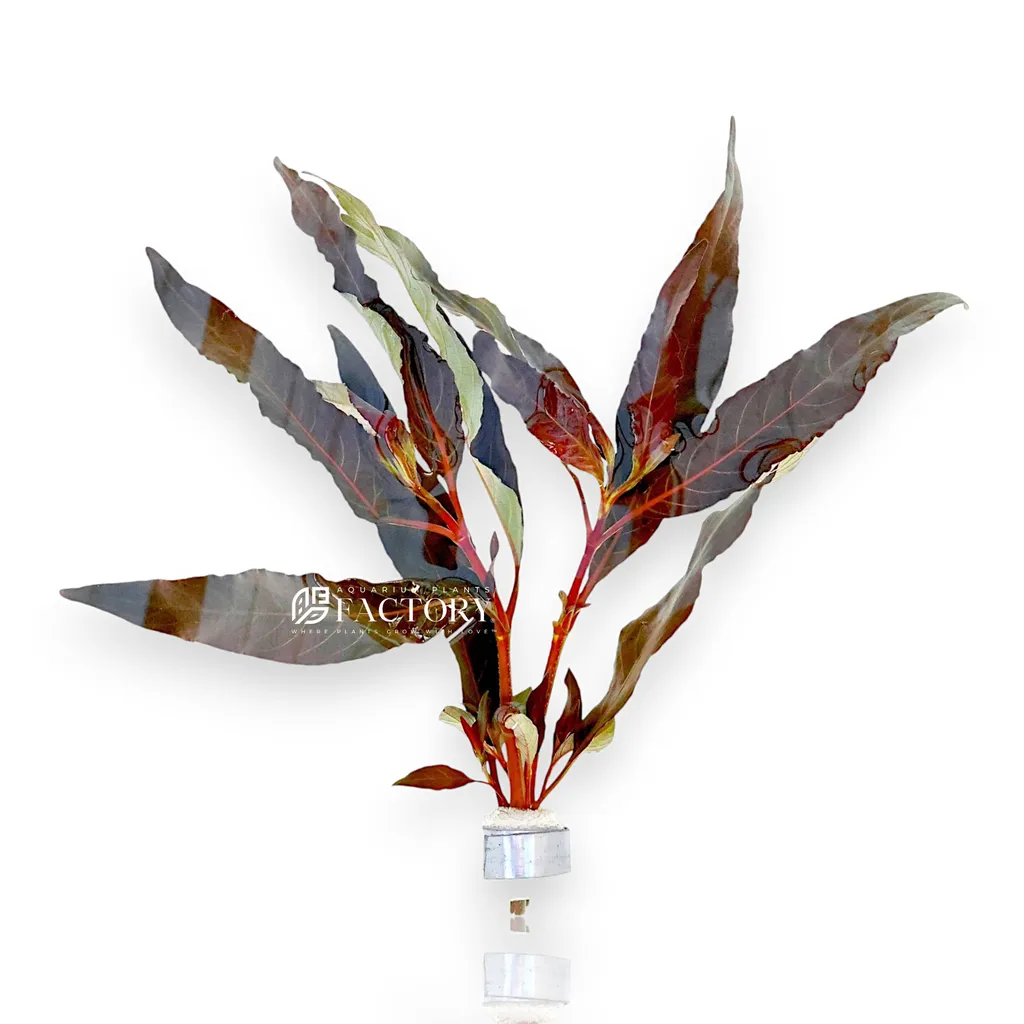
Willow hygro
Hygrophila salicifolia
FreshwaterMedium light · Background23.6 in (60 cm)
Planning a tank?
TankBud checks stocking and water fit as you build a tank, then tracks water tests, reminders and photos once it is running.
Track your tanksMaintain tanks for clients? See TankBud Pro