Juncus repens
Also known as Creeping rush, Lesser creeping rush
FreshwaterStemCuttingsSide shoots
Care at a glance
- Light
- Medium light
- CO2
- CO₂ beneficial
- Temperature
- 64–82°F
- 18–28°C
- Max height
- 11.8 in
- 30 cm
- Growth rate
- Fast
- Placement
- Midground
- Type
- Stem
- pH
- 5.0–7.0
- Hardness
- 0–30 dGH
- Nutrient uptake
- Root + water column
- Growth region
- Submersed or emersed
- Difficulty
- Easy
- Family
- Juncaceae
- Origin
- Southeastern USA, Mexico and Cuba
Overview
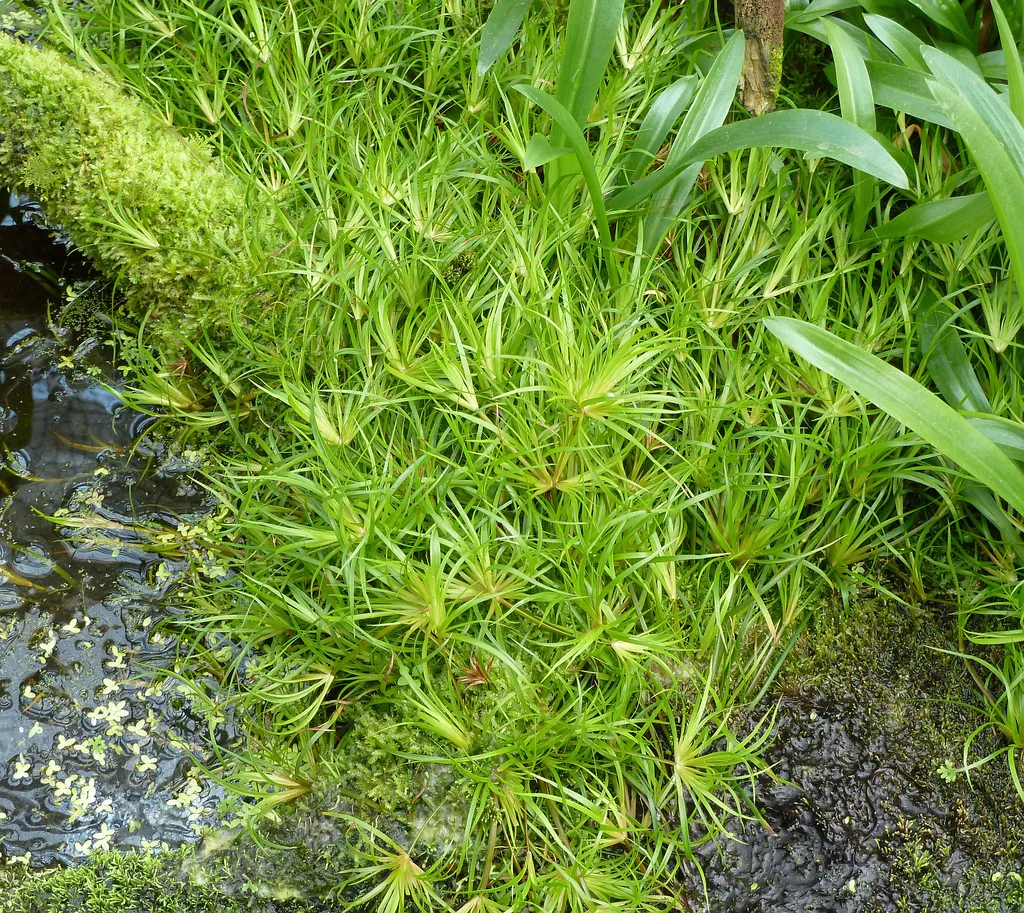
Juncus repens is an easy, grass-like plant for the midground, or for the foreground if you keep it trimmed.
Did you know
Juncus repens is a genuine rush, a relative of the plants of wet meadows and pond banks. Yet it is one of very few of the roughly 300 Juncus species that live permanently underwater.
Caring for Juncus repens
Strip the lower leaves and push the stems into the substrate a little apart. Under medium light Juncus repens stays fresh green. Strong light with a good micronutrient supply turns it bronze to brown-red.
It grows without injected CO2, though CO2 tightens up its growth and speeds it. It feeds through both roots and leaves, so root tabs and a liquid fertilizer both help. Keep it at 64 to 82°F (18 to 28°C), and it also does fine in an unheated indoor tank.
It grows fast and needs regular trimming. Replant the tops, since cuttings root readily even without roots attached. The leaves are long-lived and can pick up green spot algae if they are left too long.
Good to know
Juncus repens is a true rush in the family Juncaceae, described by Andre Michaux. It does not fit the usual plant categories. Flattish stems are interrupted by tufts of numerous narrow, pointed leaves, so it reads as a cross between a stem plant and a rosette.
In the wild
Juncus repens is common across the southeastern United States and reaches Mexico and Cuba. It grows on pond margins, in ditches and along slow blackwater streams. It lives both emersed on wet ground and fully submersed, and wild populations shrug off winters far colder than any aquarium.
Common questions
Does Juncus repens need to be planted in the substrate?
Yes. Strip the leaves from the lower part of each stem, then push the stems into the substrate one at a time, a little apart.
Does Juncus repens need CO2?
No, but it helps. Juncus repens can grow without injected CO2, and added CO2 makes it grow faster.
How much light does Juncus repens need?
Juncus repens wants medium light. A light sold for planted tanks covers it.
Does Juncus repens need root tabs?
They help. Juncus repens takes nutrients through both its roots and its leaves. Root tabs near its roots and a liquid fertilizer cover both.
How do you propagate Juncus repens?
Juncus repens propagates by cuttings and side shoots. Cut off the top of a stem and replant it, and the stump left behind grows new shoots. Cut a side shoot off once it has a few leaves and plant it on its own.
How tall does Juncus repens grow?
Juncus repens grows to about 11.8 in (30 cm) tall. It grows fast, so expect to trim it often.
Related plants
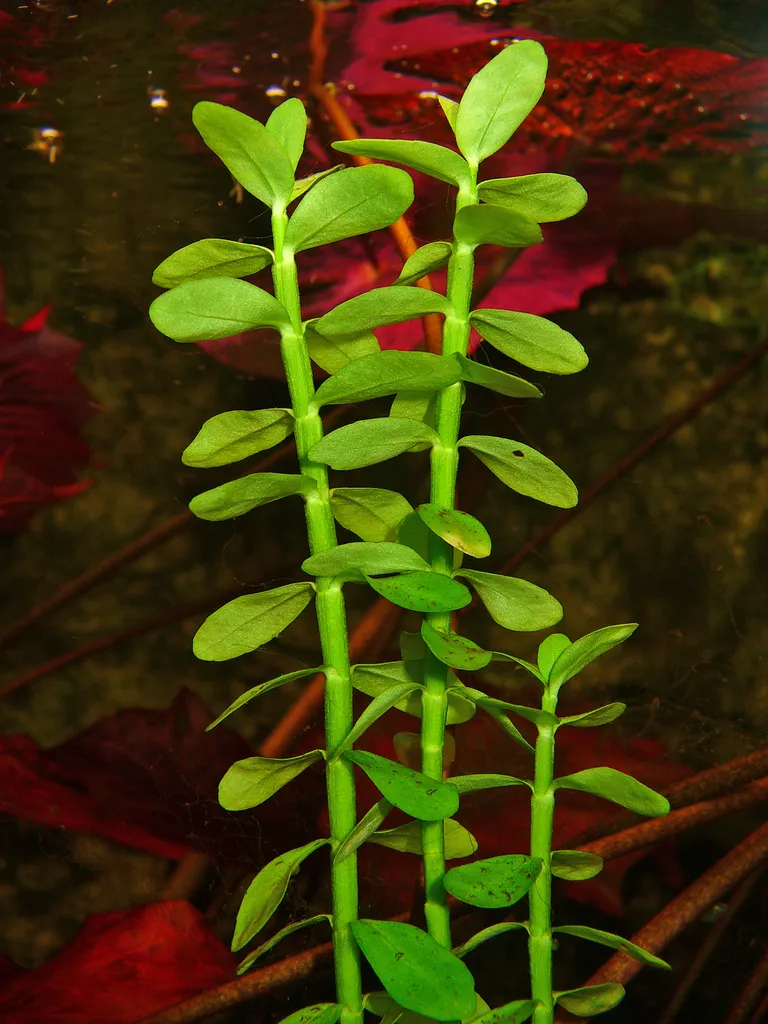 High lightMidground11.8 in (30 cm)
Bacopa madagascariensis
High light · Midground
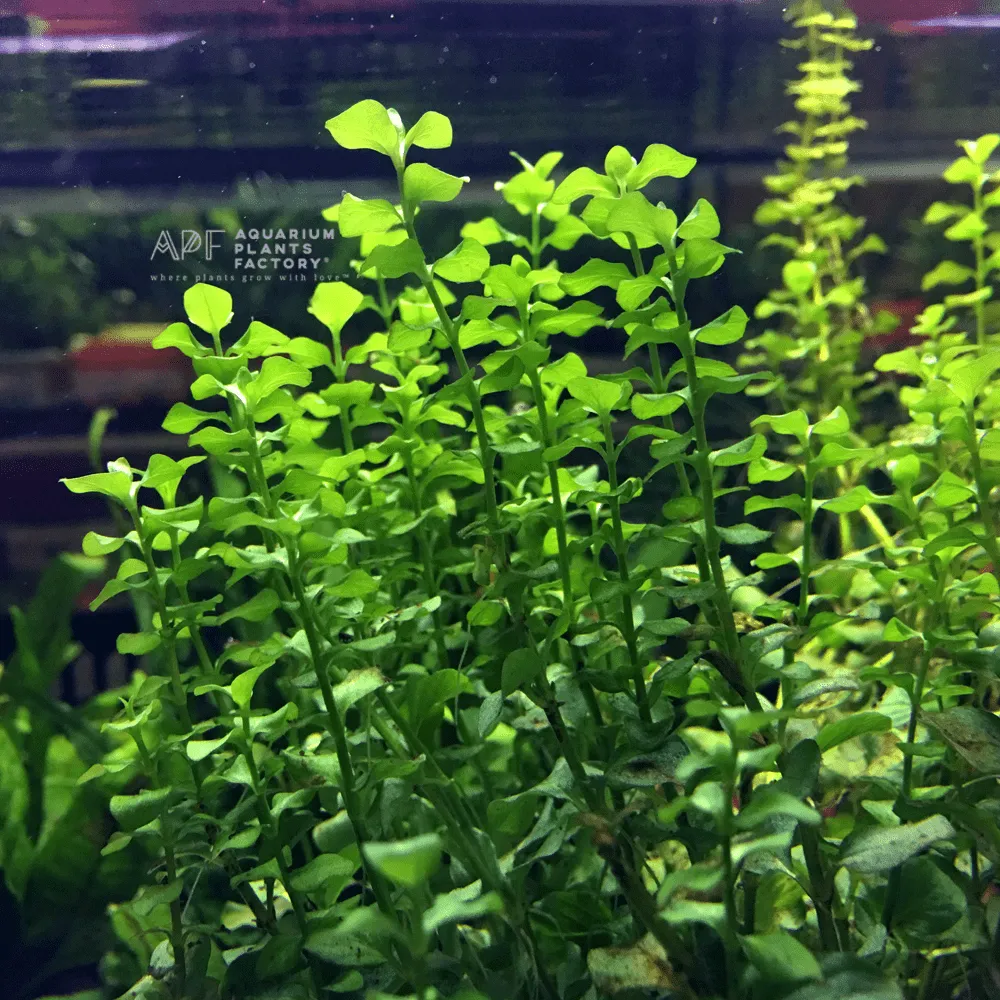 Medium lightMidground11.8 in (30 cm)
Creeping jenny
Lysimachia nummularia
Medium light · Midground
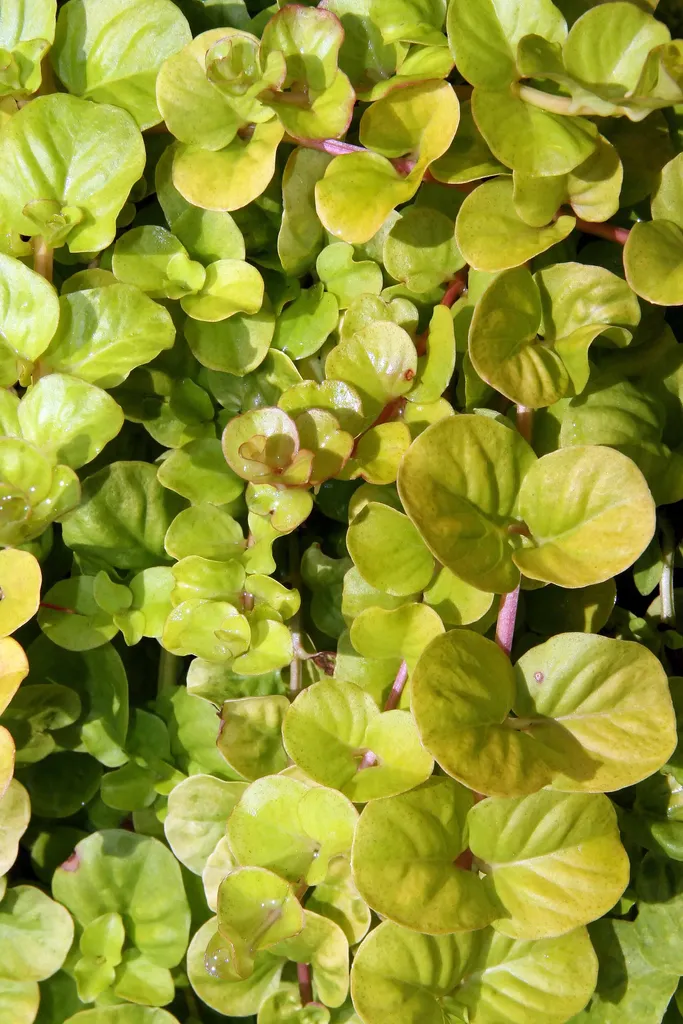 Medium lightMidground11.8 in (30 cm)
Creeping jenny Aurea
Lysimachia nummularia 'Aurea'
Medium light · Midground
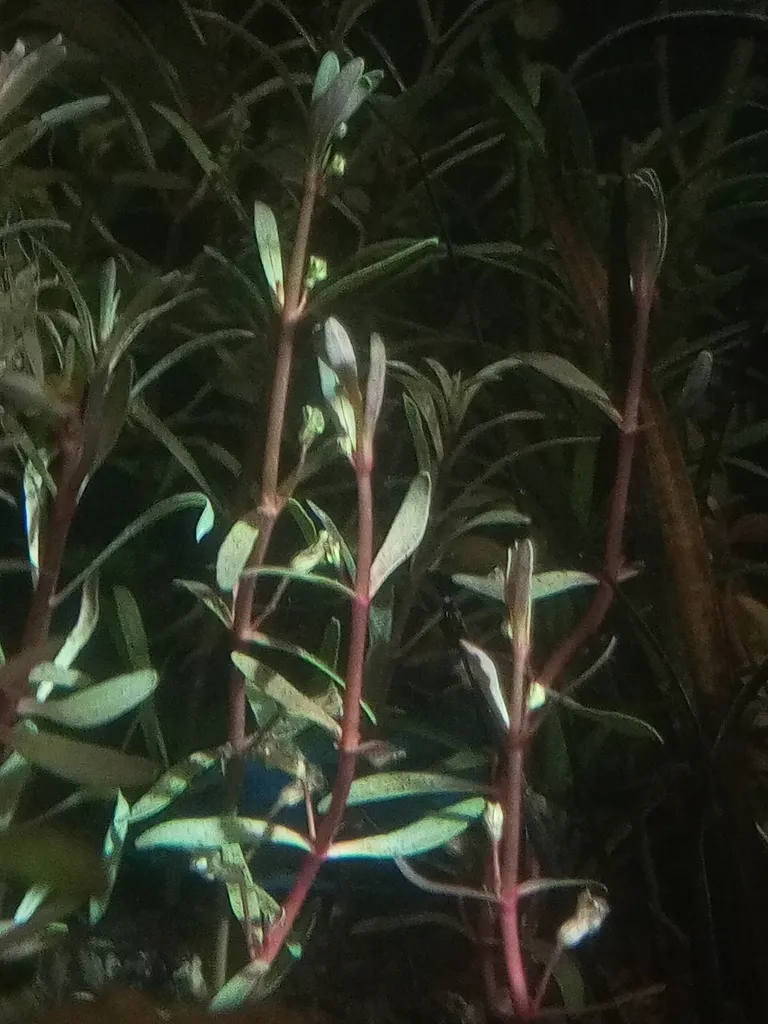 High lightMidground11.8 in (30 cm)
Cuphea anagalloidea
High light · Midground
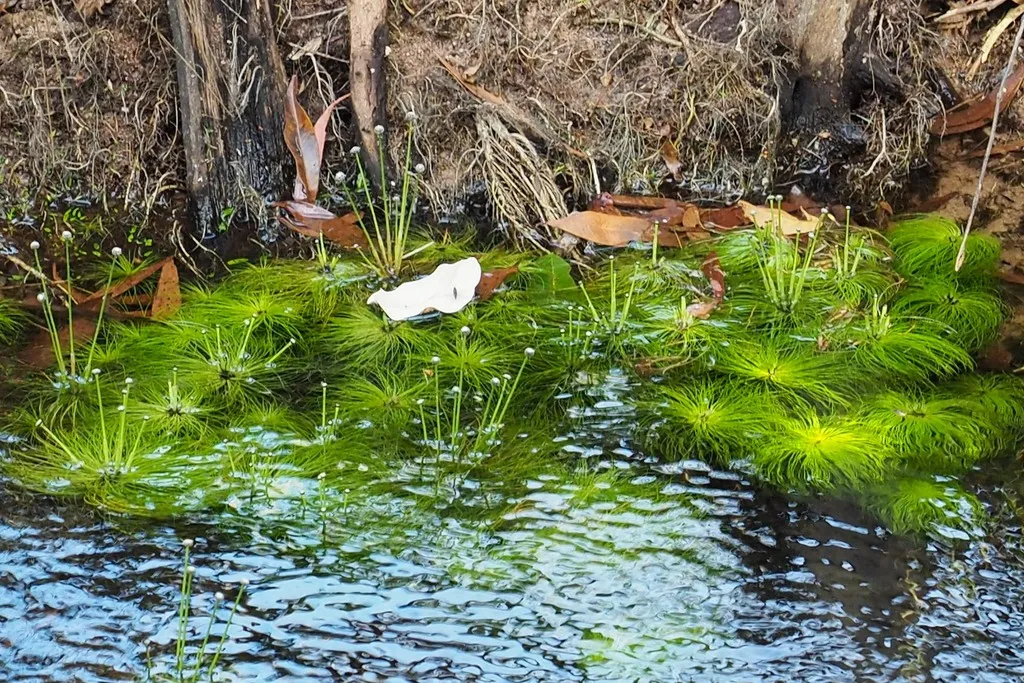 High lightMidground11.8 in (30 cm)
Eriocaulon setaceum
High light · Midground
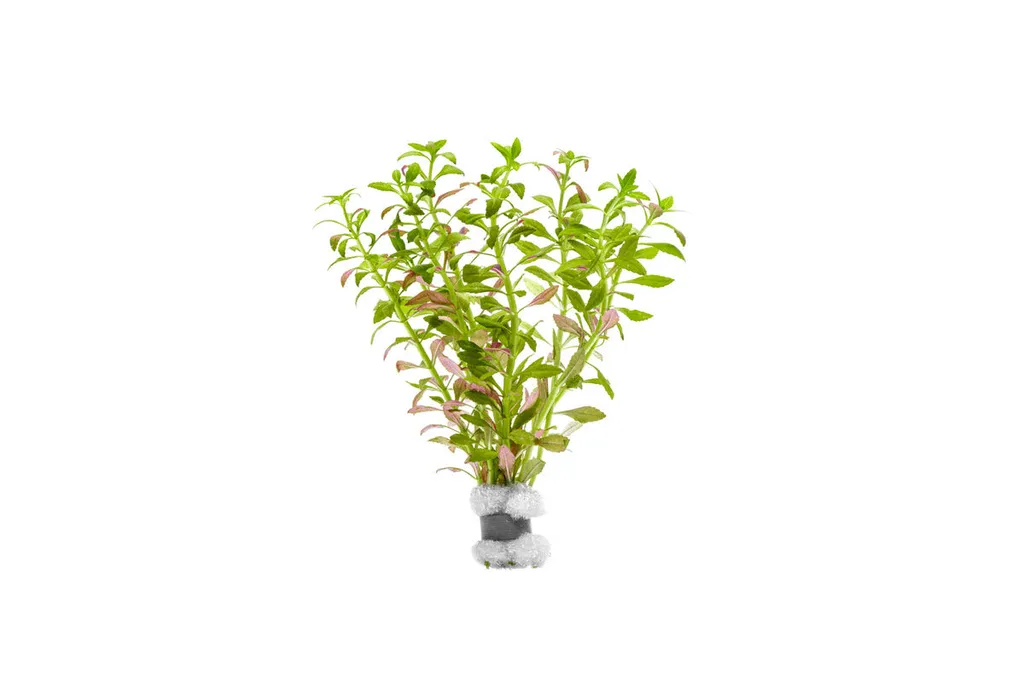 High lightMidground11.8 in (30 cm)
Limnophila aromatica Mini
Limnophila aromatica 'Mini'
High light · Midground