Creeping jenny
Lysimachia nummularia
Also known as Lysimachia nummalaria
FreshwaterStemCuttingsSide shoots
Invasive. Creeping jenny is invasive in wetlands across parts of North America. Never release into the wild; dispose of in the trash.
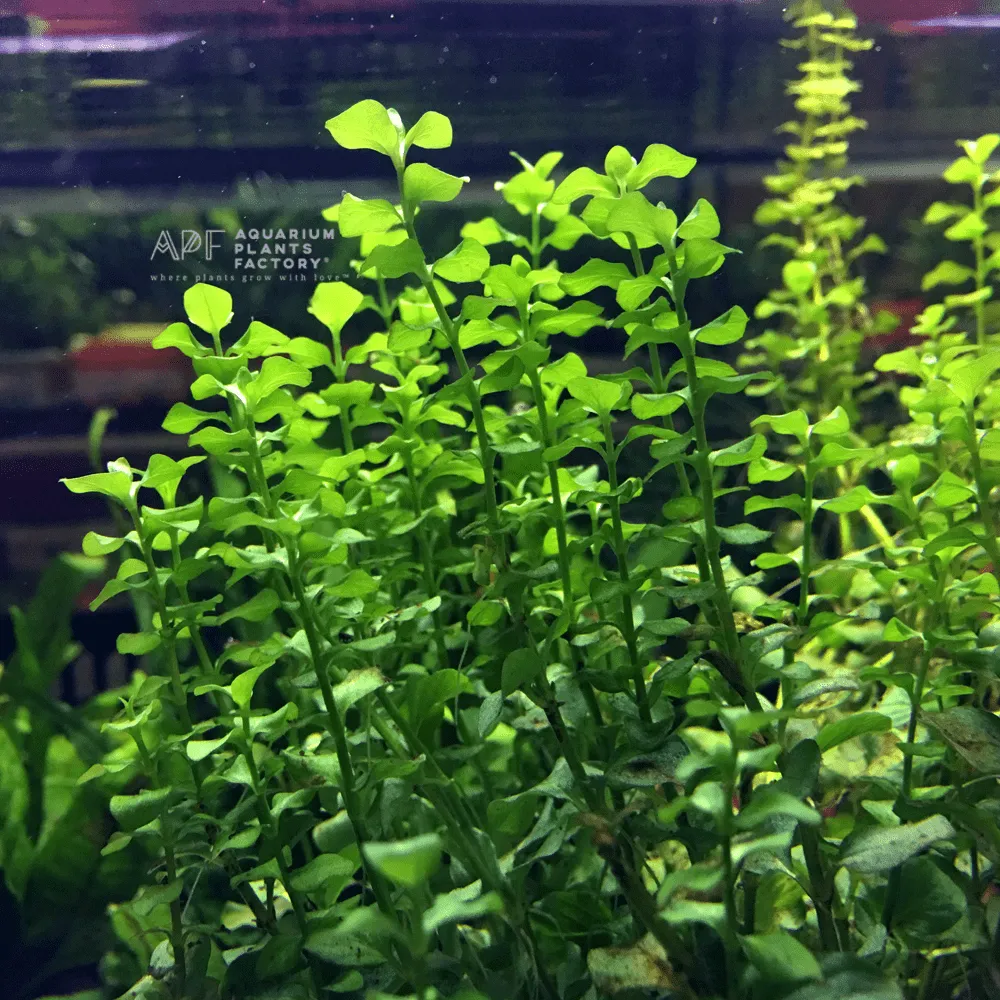
Care at a glance
- Light
- Medium light
- CO2
- CO₂ beneficial
- Temperature
- 59–79°F
- 15–26°C
- Max height
- 11.8 in
- 30 cm
- Growth rate
- Medium
- Placement
- Midground
- Type
- Stem
- pH
- 6.0–7.5
- Hardness
- 4–15 dGH
- Spread
- 3.1 in (8 cm)
- Nutrient uptake
- Root + water column
- Growth region
- Submersed or emersed
- Difficulty
- Easy
- Family
- Primulaceae
- Origin
- Europe and western Asia (introduced and invasive in North America)
Overview
Sold as a stem plant but it naturally creeps, so in the midground it sends up rounded-leaf stems that lean and trail rather than standing straight. It grows well in cooler water and tolerates low light without CO2, though stronger light, CO2 and decent nitrate keep the leaves small and richly coloured (the 'Aurea' form turns yellow-green to gold). Trim and replant tops to propagate; it does best in temperate tanks and can sulk in warm water. Because it is invasive in North American wetlands, never release trimmings outdoors, bin them.
In the wild
Native to damp ground, ditches and stream margins across Europe and into western Asia, where it sprawls as a low creeping groundcover with round paired leaves. It has been widely introduced as a garden plant in North America and has escaped into wetlands, where it is listed as invasive in parts of the US and Canada (including the Great Lakes region).
Good to know
A creeping perennial in the primrose family Primulaceae, related to the loosestrifes (Lysimachia). The species name nummularia means coin-shaped, referring to the round leaves. The golden-leaved cultivar 'Aurea' is the form most often sold for aquariums and paludariums.
Did you know
Did you know it is the same plant gardeners grow as a hardy groundcover? It happily lives fully underwater, in a bog, or as a dry-land creeper, which makes it a favourite for paludariums where a single plant can grow up the hardscape and down into the water.
Related plants
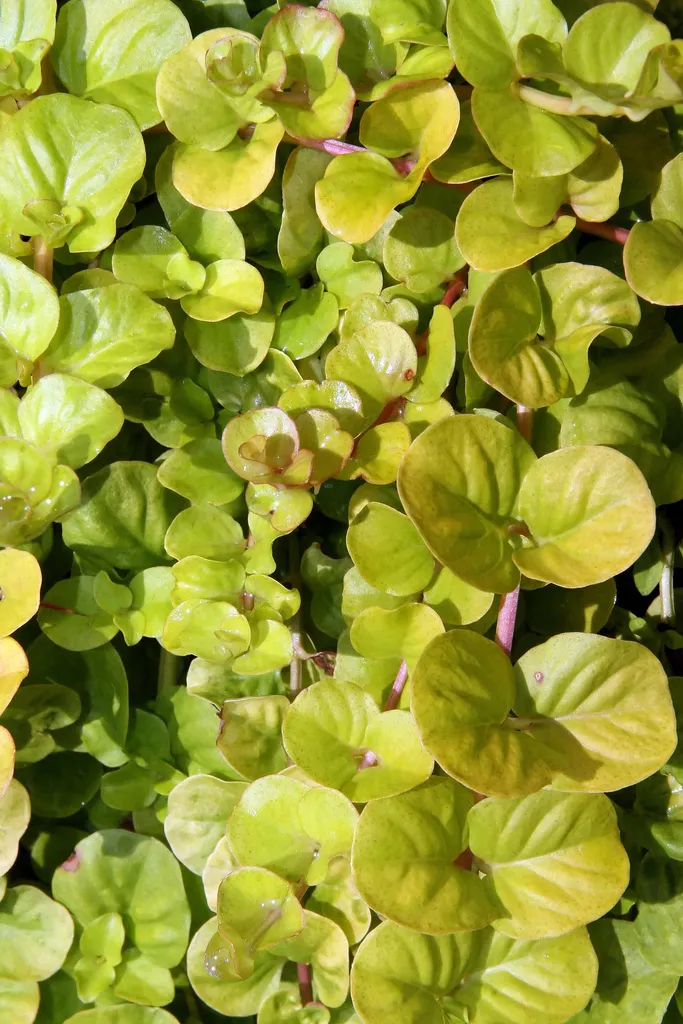 Medium lightMidground11.8 in (30 cm)
Creeping jenny Aurea
Lysimachia nummularia 'Aurea'
Medium light · Midground
- Medium lightMidground7.9 in (20 cm)
Lysimachia parvifolia Red
Lysimachia parvifolia 'Red'
Medium light · Midground
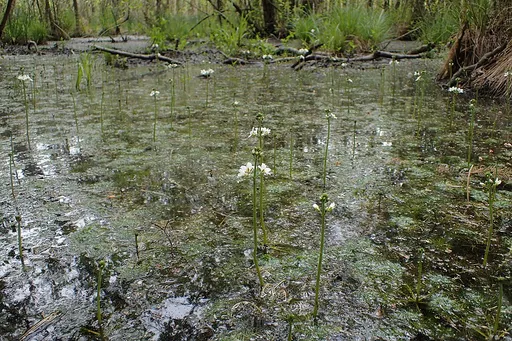 High lightMidground15.7 in (40 cm)
Water violet
Hottonia palustris
High light · Midground
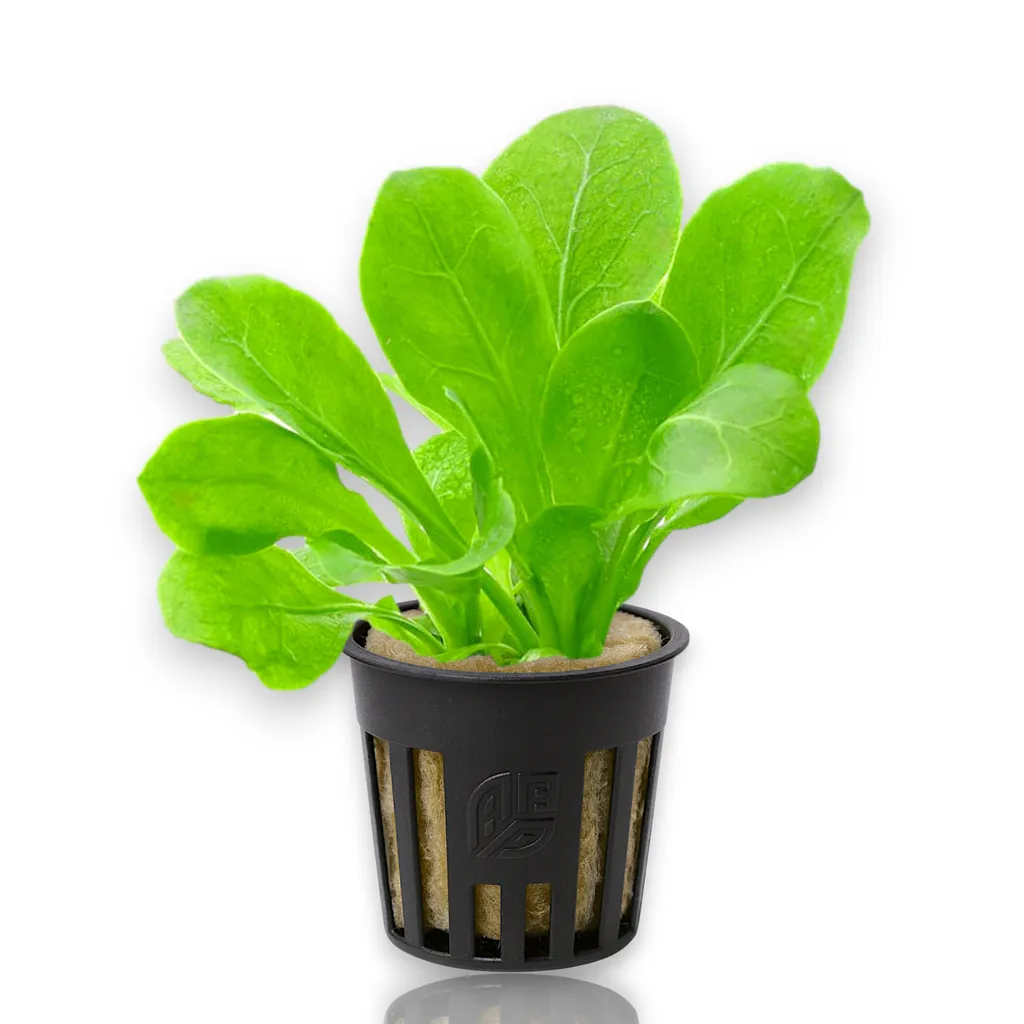 High lightForeground5.9 in (15 cm)
Brookweed
Samolus valerandi
High light · Foreground
 High lightMidground11.8 in (30 cm)
Cuphea anagalloidea
High light · Midground
 Medium lightMidground11.8 in (30 cm)
Juncus repens
Medium light · Midground