Creeping jenny Aurea
Lysimachia nummularia 'Aurea'
Also known as Golden creeping jenny, Golden moneywort
FreshwaterStemCuttingsSide shoots
Invasive. Its parent species, creeping jenny, is invasive in wetlands across parts of North America. Massachusetts bans the sale of every creeping jenny, this gold form included. Never release into the wild; dispose of trimmings in the trash.
Care at a glance
- Light
- Medium light
- CO2
- CO₂ beneficial
- Temperature
- 59–77°F
- 15–25°C
- Max height
- 11.8 in
- 30 cm
- Growth rate
- Medium
- Placement
- Midground
- Type
- Stem
- pH
- 6.0–7.5
- Hardness
- 4–15 dGH
- Spread
- 3.1 in (8 cm)
- Nutrient uptake
- Root + water column
- Growth region
- Submersed or emersed
- Difficulty
- Easy
- Family
- Primulaceae
- Origin
- Garden cultivar of Lysimachia nummularia, native to Europe and western Asia
Overview
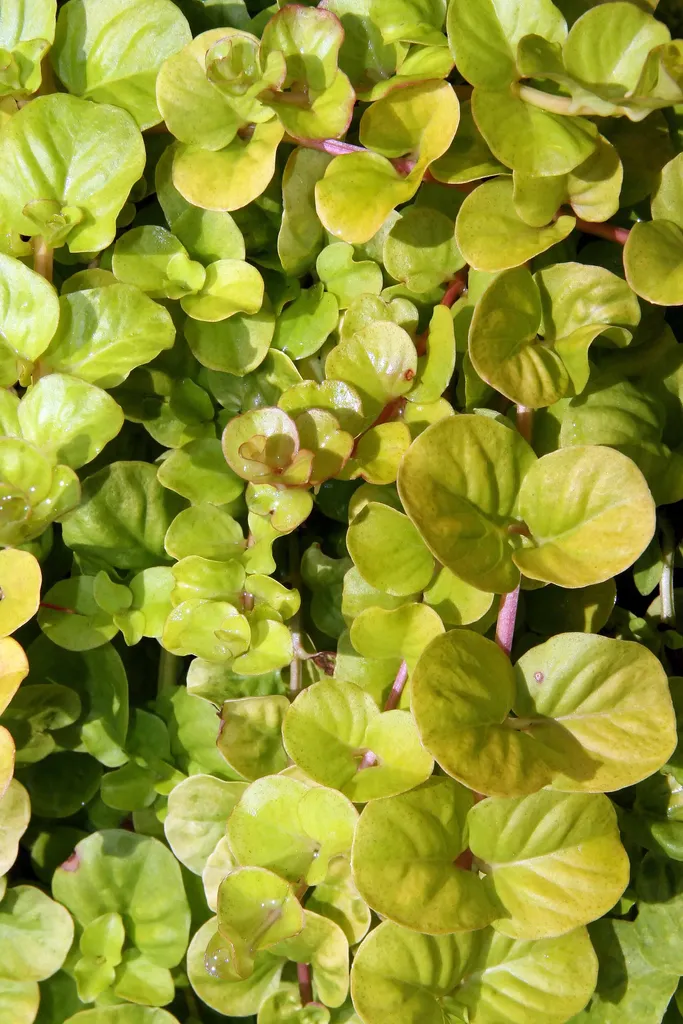
Creeping jenny Aurea is an easy, golden-leaved stem plant for the midground. Its gold reads best against green neighbors.
Caring for creeping jenny Aurea
Plant creeping jenny Aurea in groups, one stem at a time. It is a cool-water plant that suits unheated and temperate tanks better than warm tropical setups. It holds together up to 77°F (25°C) but flags if kept hot for long.
Give it medium or stronger light. It grows without injected CO2, but CO2 helps it keep pace. It feeds through both roots and leaves, so root tabs and a liquid fertilizer both help.
Its gold needs measurable nitrate, above roughly 5 mg/L, and fades toward plain green in starved tanks. That makes it a useful nitrate indicator.
It grows at a moderate pace and keeps a fairly vertical, restrained habit underwater rather than growing bushy. Propagate it by topping the stems or by taking the few side shoots it produces.
Good to know
Creeping jenny Aurea is a member of Primulaceae, the primrose family. The species name nummularia means coin-like, after the round, paired leaves that also gave it the name moneywort. Aurea is a long-established horticultural color form with light green to gold foliage. Unlike many color cultivars, it keeps that color underwater.
In the wild
Creeping jenny Aurea is a golden garden cultivar, not a wild plant. Its parent, Lysimachia nummularia, creeps along stream banks, pond margins and damp meadows across Europe and western Asia. The species has also become established in North America.
Common questions
Does creeping jenny Aurea need to be planted in the substrate?
Yes. Strip the leaves from the lower part of each stem, then push the stems into the substrate one at a time, a little apart.
Does creeping jenny Aurea need CO2?
No, but it helps. Creeping jenny Aurea can grow without injected CO2, and added CO2 makes it grow faster.
How much light does creeping jenny Aurea need?
Creeping jenny Aurea wants medium light. A light sold for planted tanks covers it.
Does creeping jenny Aurea need root tabs?
They help. Creeping jenny Aurea takes nutrients through both its roots and its leaves. Root tabs near its roots and a liquid fertilizer cover both.
How do you propagate creeping jenny Aurea?
Creeping jenny Aurea propagates by cuttings and side shoots. Cut off the top of a stem and replant it, and the stump left behind grows new shoots. Cut a side shoot off once it has a few leaves and plant it on its own.
How tall does creeping jenny Aurea grow?
Creeping jenny Aurea grows to about 11.8 in (30 cm) tall. It grows at a moderate pace.
Related plants
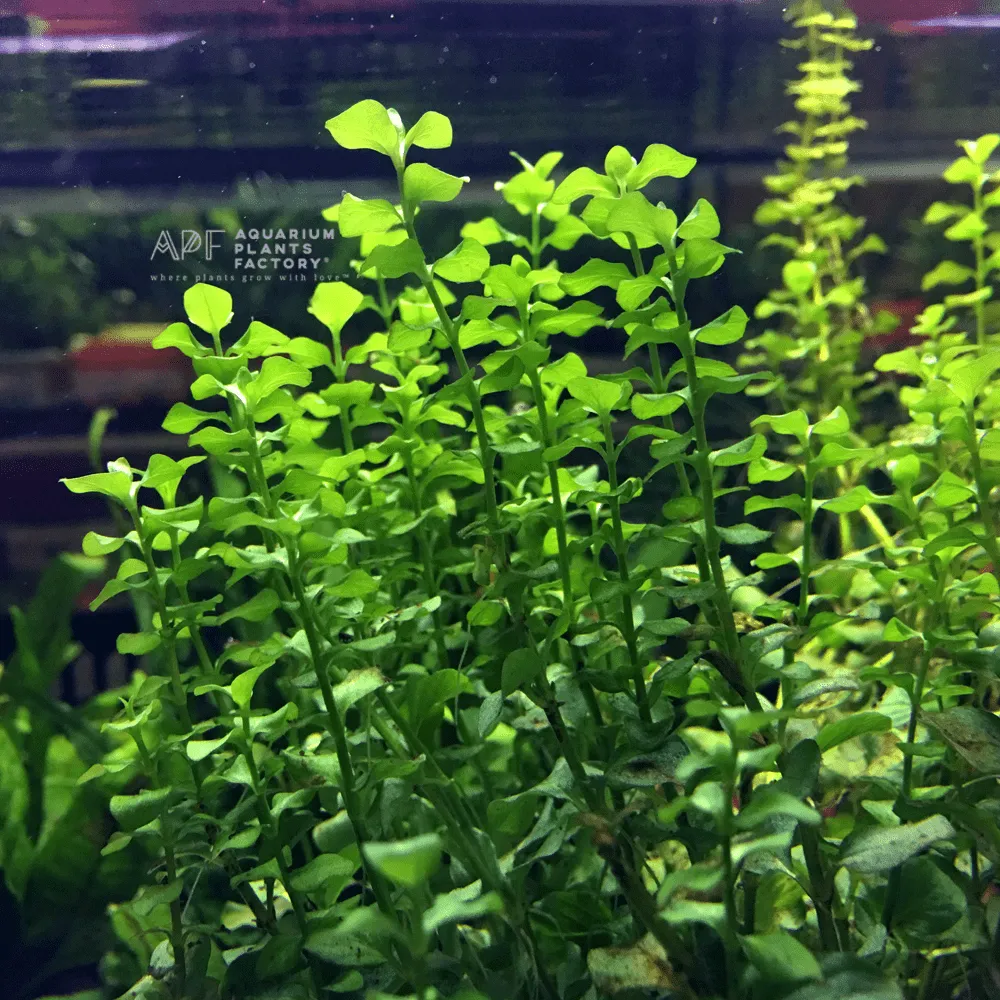 Medium lightMidground11.8 in (30 cm)
Creeping jenny
Lysimachia nummularia
Medium light · Midground
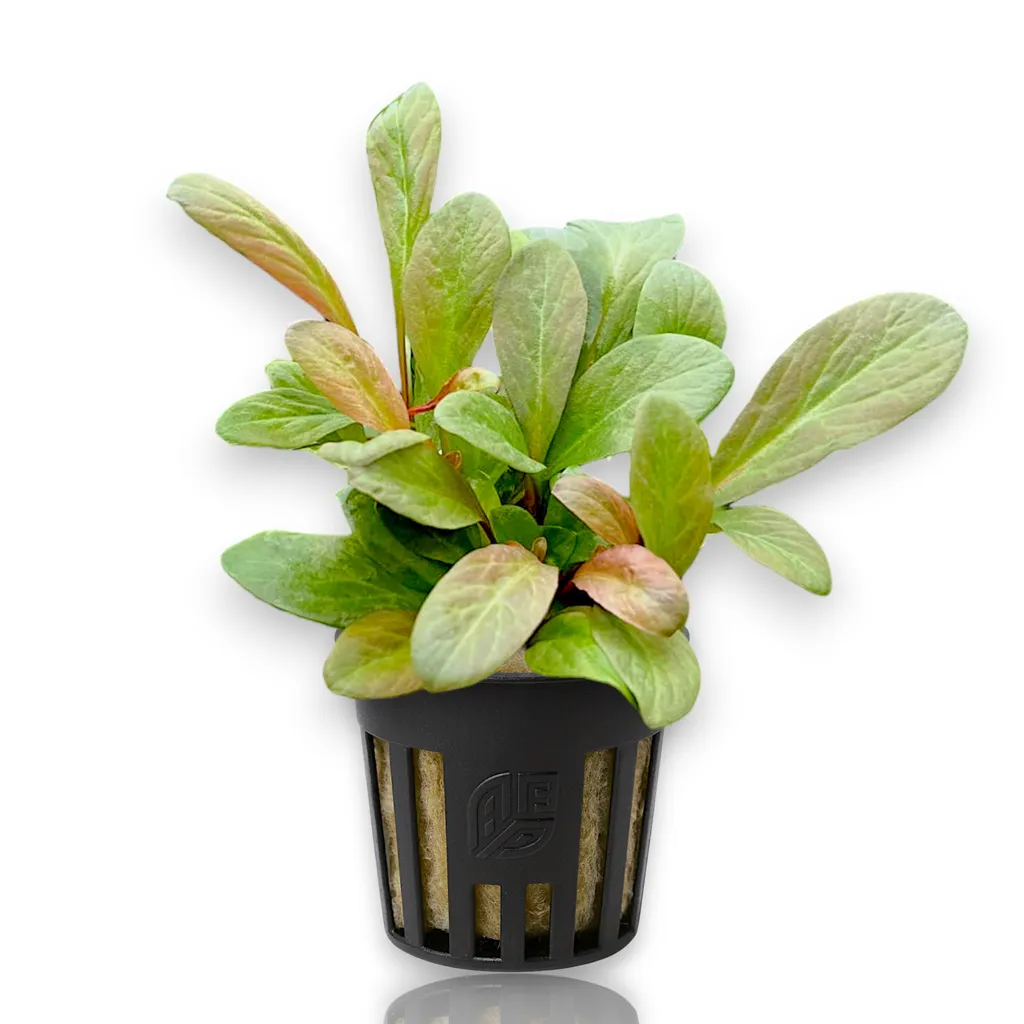 Medium lightMidground7.9 in (20 cm)
Lysimachia parvifolia Red
Lysimachia parvifolia 'Red'
Medium light · Midground
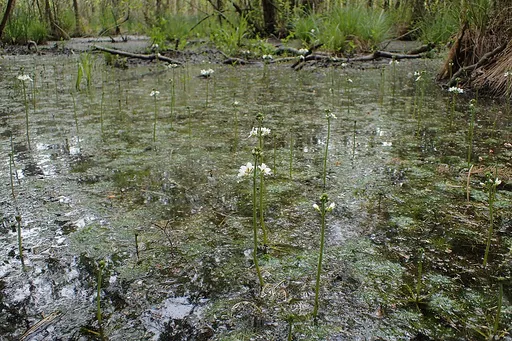 Medium lightMidground15.7 in (40 cm)
Water violet
Hottonia palustris
Medium light · Midground
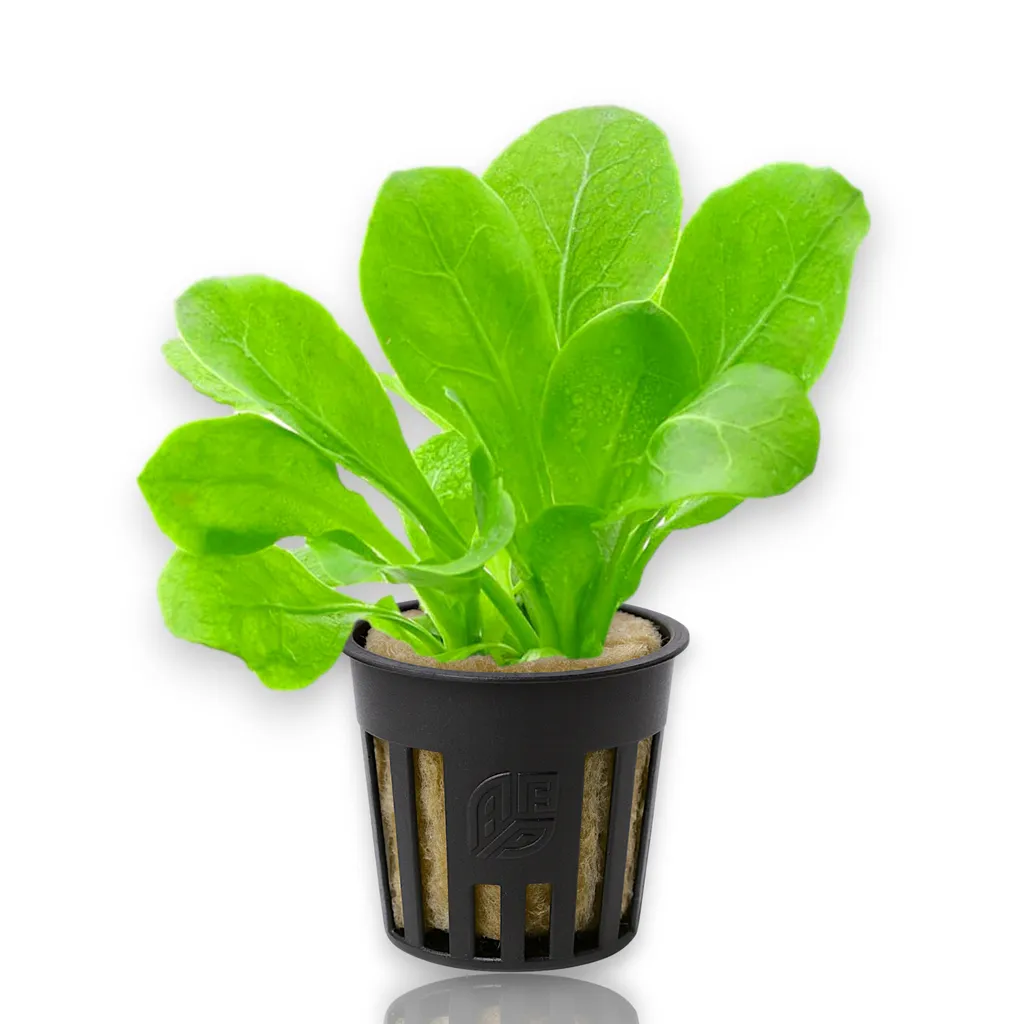 High lightForeground5.9 in (15 cm)
Brookweed
Samolus valerandi
High light · Foreground
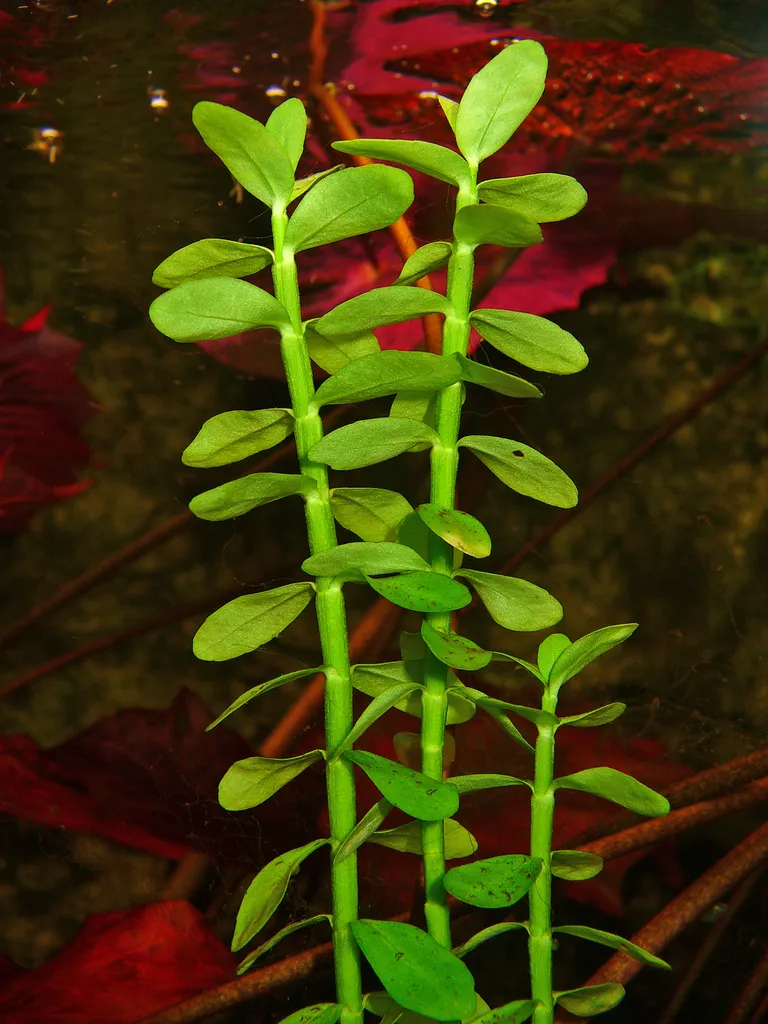 High lightMidground11.8 in (30 cm)
Bacopa madagascariensis
High light · Midground
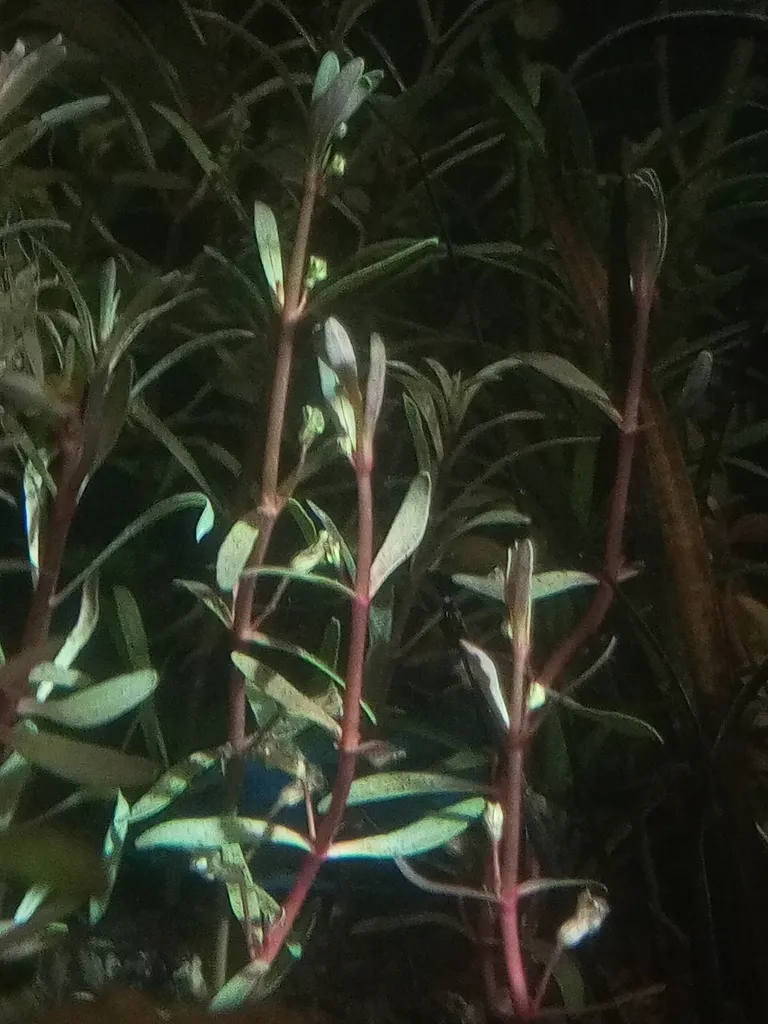 High lightMidground11.8 in (30 cm)
Cuphea anagalloidea
High light · Midground