Hygrophila odora
Also known as Hygrophila sp. 'Afrika', Hygrophila sp. 'Guinea', Polyechma odorum
FreshwaterStemCuttingsSide shoots
Care at a glance
- Light
- Medium light
- CO2
- CO₂ beneficial
- Temperature
- 73–82°F
- 23–28°C
- Max height
- 11.8 in
- 30 cm
- Growth rate
- Medium
- Placement
- Midground
- Type
- Stem
- pH
- 4.5–7.0
- Hardness
- 0–8 dGH
- Nutrient uptake
- Root + water column
- Growth region
- Submersed or emersed
- Difficulty
- Medium
- Family
- Acanthaceae
- Origin
- West Africa (Guinea, Guinea-Bissau, Sierra Leone, Liberia, Senegal)
Overview
Hygrophila odora makes a feathery bush for the midground. It is one of the fussier hygros, with a medium difficulty rating.
Did you know
Hygrophila odora is the odd one out in its genus. It is the only Hygrophila in the aquarium hobby that comes from Africa.
Caring for Hygrophila odora
Strip the lower leaves and plant the stems a little apart in an unshaded midground spot. Hygrophila odora wants soft, acidic water with a pH of 4.5 to 7, kept at 73 to 82°F (23 to 28°C).
Give it medium to strong light. It grows without injected CO2, but steady CO2 speeds it up. Feed a full macro- and micronutrient supply, with root tabs near its roots and a liquid fertilizer. Flowgrow specifically warns against letting phosphate fall below 0.3 mg/l.
It grows at a moderate pace into a feathery bush. Algae on older leaves is the main failure when light outruns nutrients. Propagate it from top and side shoot cuttings, or float a stem under the surface and let it sprout plantlets along its length.
Good to know
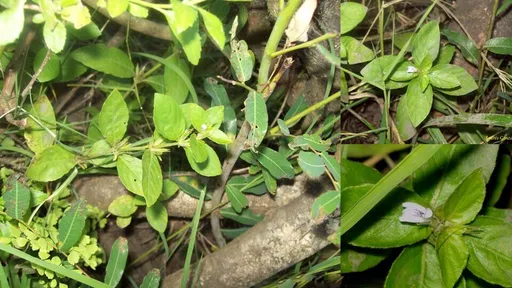
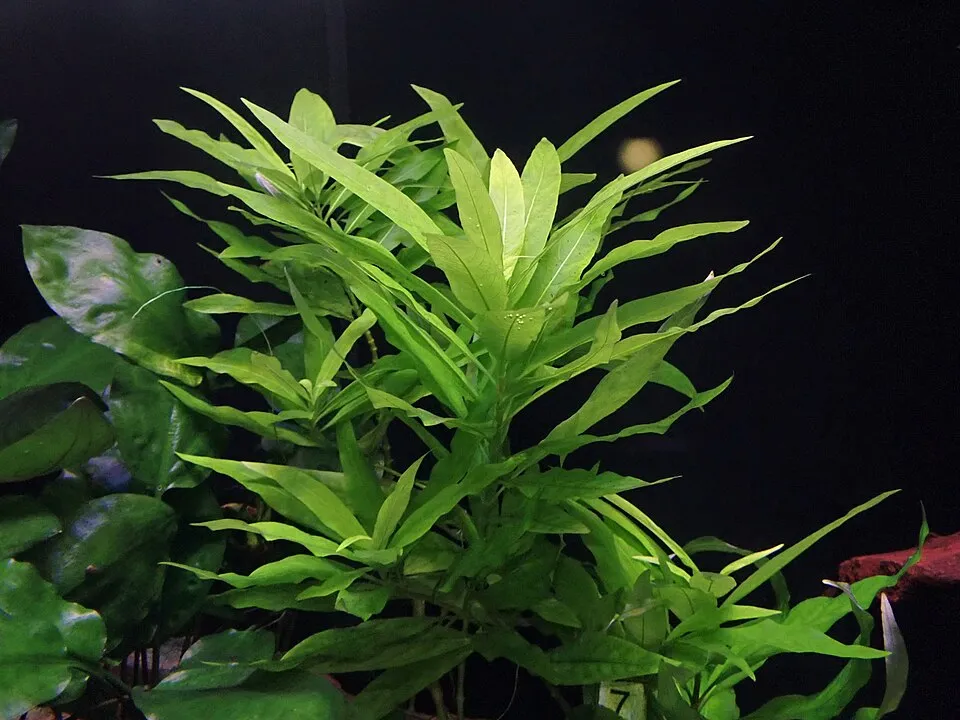
Hygrophila odora is a member of the Acanthaceae, and its species name odora means fragrant. It circulated in the hobby as Hygrophila sp. 'Guinea' or 'Afrika' before it was identified. The submersed plant looks nothing like a typical hygro, with light green, narrow, pinnately cut leaves that give it an almost fern-like texture. The emersed form has plain lanceolate leaves, sturdy hairy stems and light blue to purple flowers.
In the wild
Hygrophila odora is a bog plant of West African riverbanks and wetlands in Guinea, Sierra Leone, Liberia and neighboring countries. There it grows emersed to over half a meter tall in soft, acidic water. Populations spend only part of the year submersed, when the rivers flood, and that is the form aquarists cultivate.
Common questions
Does Hygrophila odora need to be planted in the substrate?
Yes. Strip the leaves from the lower part of each stem, then push the stems into the substrate one at a time, a little apart.
Does Hygrophila odora need CO2?
No, but it helps. Hygrophila odora can grow without injected CO2, and added CO2 makes it grow faster.
How much light does Hygrophila odora need?
Hygrophila odora wants medium light. A light sold for planted tanks covers it.
Does Hygrophila odora need root tabs?
They help. Hygrophila odora takes nutrients through both its roots and its leaves. Root tabs near its roots and a liquid fertilizer cover both.
How do you propagate Hygrophila odora?
Hygrophila odora propagates by cuttings and side shoots. Cut off the top of a stem and replant it, and the stump left behind grows new shoots. Cut a side shoot off once it has a few leaves and plant it on its own.
How tall does Hygrophila odora grow?
Hygrophila odora grows to about 11.8 in (30 cm) tall. It grows at a moderate pace.
Related plants
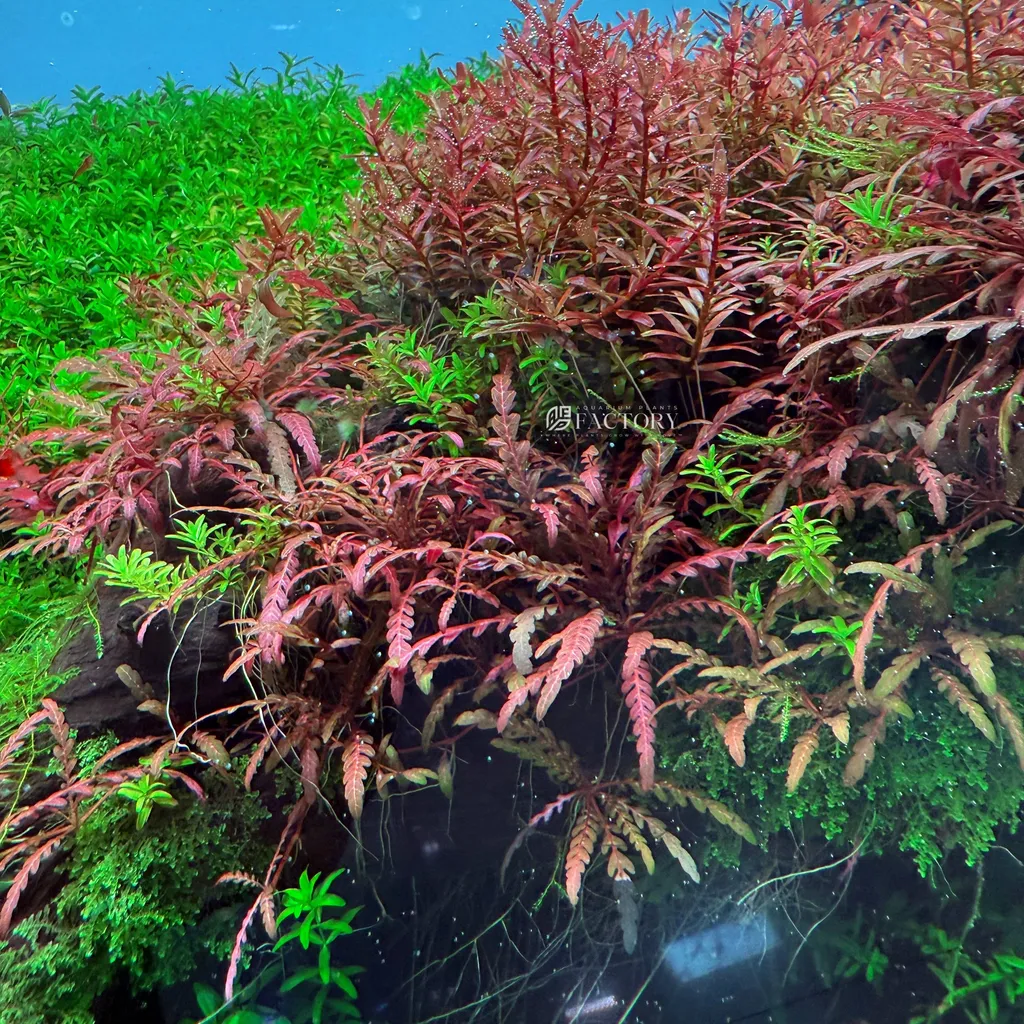 Medium lightMidground15.7 in (40 cm)
Hygrophila pinnatifida
Medium light · Midground
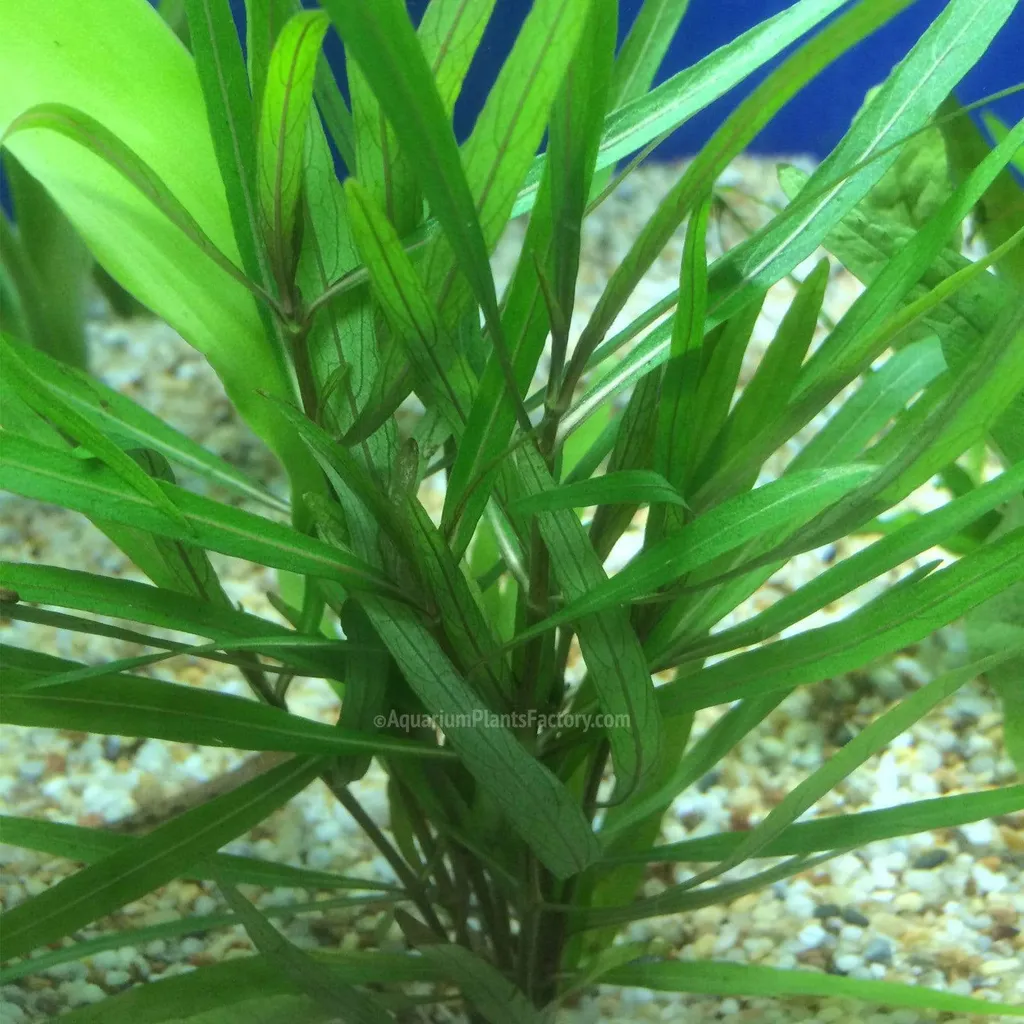 High lightMidground7.9 in (20 cm)
Hygrophila Araguaia
Hygrophila lancea 'Araguaia'
High light · Midground
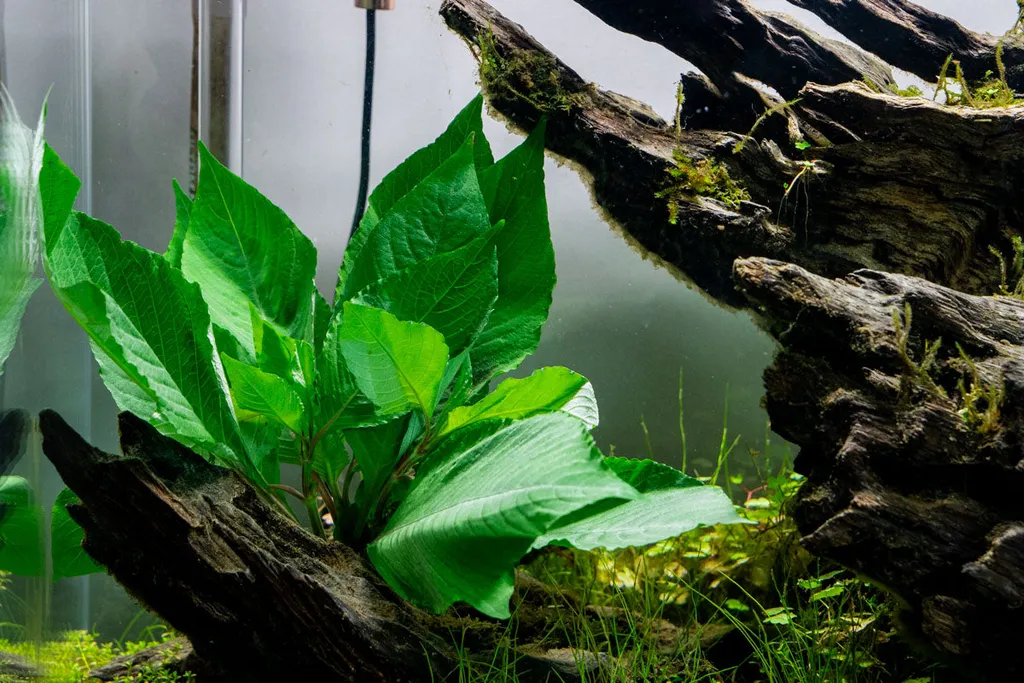 Low lightMidground7.9 in (20 cm)
Hygrophila corymbosa Compacta
Hygrophila corymbosa 'Compacta'
Low light · Midground
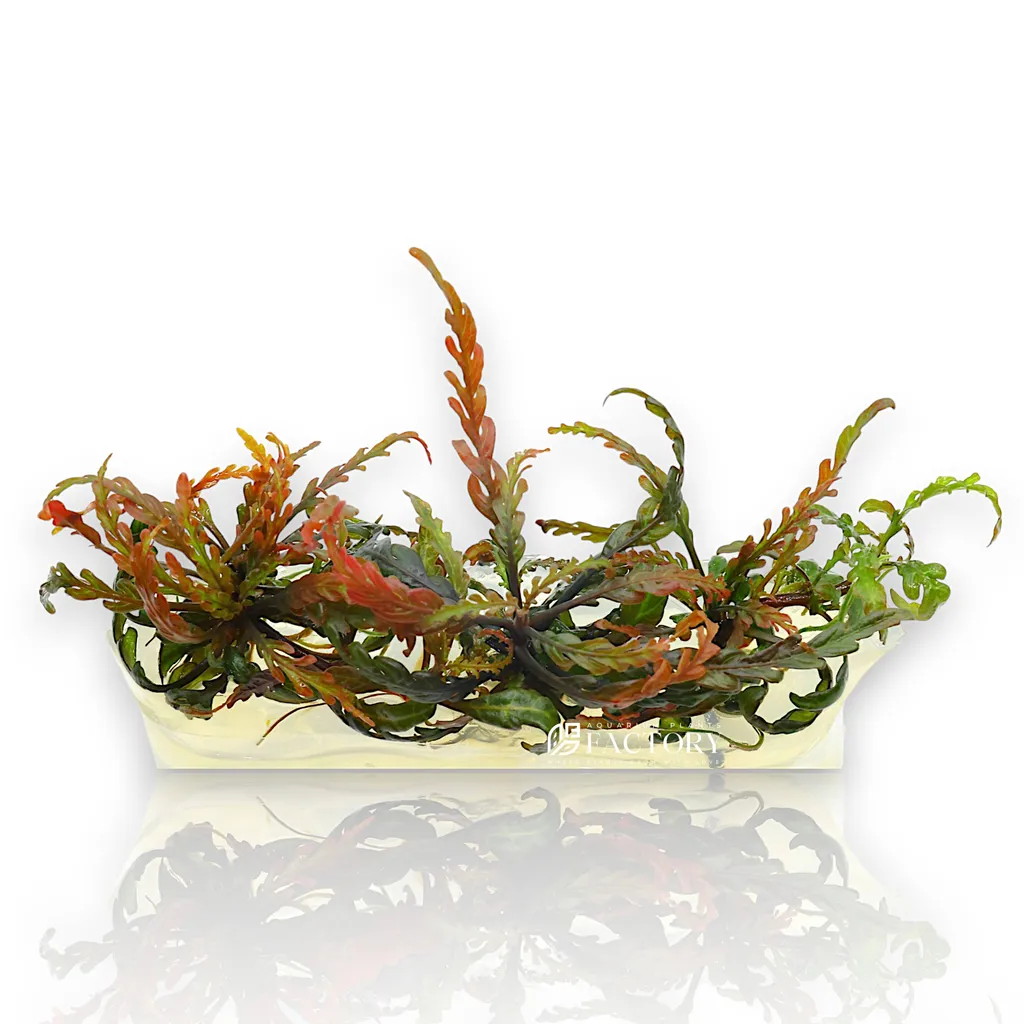 Medium lightMidground7.9 in (20 cm)
Hygrophila pinnatifida UK
Hygrophila pinnatifida 'UK'
Medium light · Midground
 Medium lightBackground15.7 in (40 cm)
Hygrophila costata
Medium light · Background
 Medium lightBackground15.7 in (40 cm)
Hygrophila Siamensis
Hygrophila corymbosa 'Siamensis'
Medium light · Background