Hygrophila pinnatifida
Also known as Pinnatifida, Hygro pinnatifida
FreshwaterStemCuttingsRunnersSide shoots
Care at a glance
- Light
- Medium light
- CO2
- CO₂ beneficial
- Temperature
- 64–82°F
- 18–28°C
- Max height
- 15.7 in
- 40 cm
- Growth rate
- Medium
- Placement
- Midground
- Type
- Stem
- pH
- 5.5–8.0
- Hardness
- 2–15 dGH
- Spread
- 11.8 in (30 cm)
- Nutrient uptake
- Root + water column
- Growth region
- Submersed or emersed
- Difficulty
- Medium
- Family
- Acanthaceae
- Origin
- Western Ghats, India
Overview
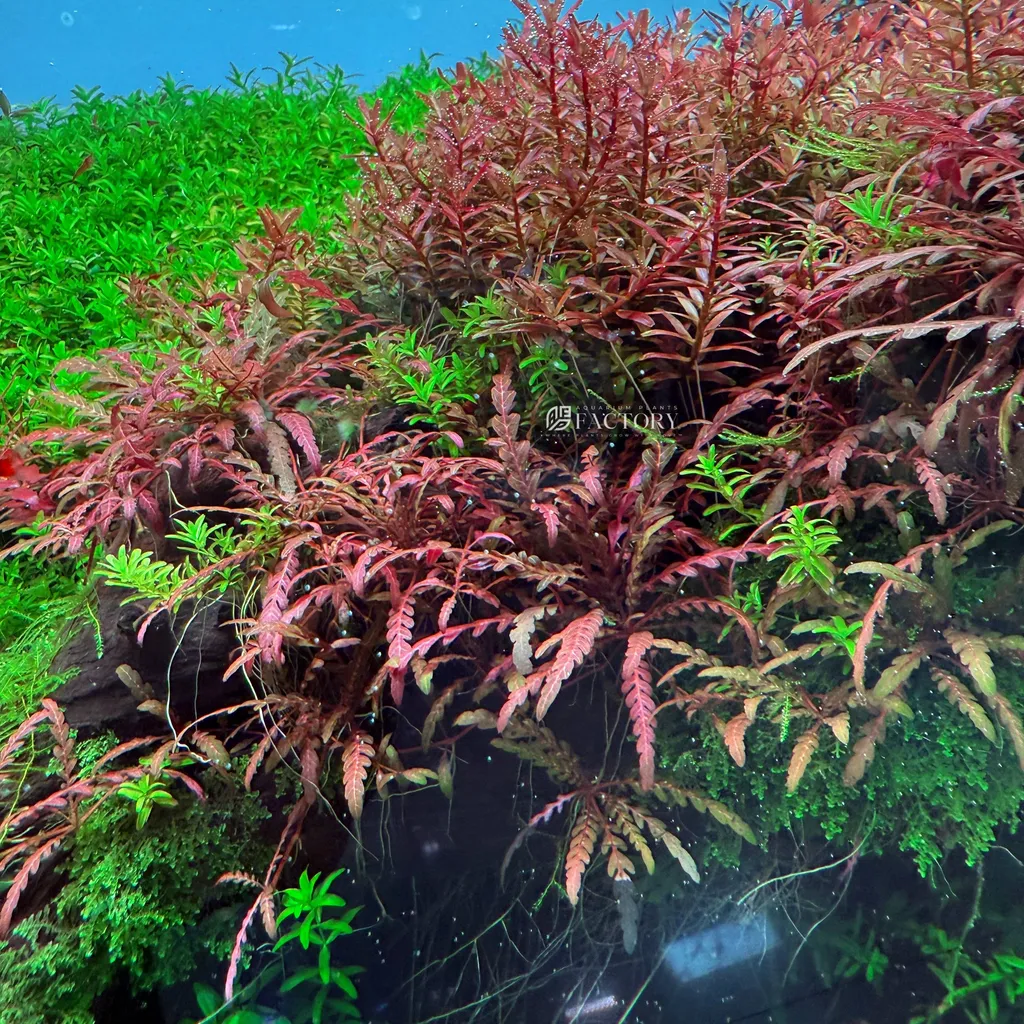
Versatile in placement: it can be planted in the substrate as a stem plant or, more popularly, glued or tied to wood and rock as an epiphyte, where it spreads laterally by runners. Moderate light keeps it compact and brings out the brown-red color, while higher light intensifies the pigment; CO2 at 20 to 30 ppm and good ferts are strongly recommended for dense, colorful growth. It is prone to potassium deficiency, which shows as small pinholes in older leaves, so keep up water-column dosing. Trim and clip runners often, as it grows aggressively and will shade nearby plants if left unchecked.
In the wild
Native to India, mainly the Western Ghats on the western, southern and northern parts of the subcontinent. It grows on rocks and along stream banks, living submersed during the wet season and emersed when water levels drop. In the wild it tolerates both fast-flowing and standing water.
Good to know
A member of the Acanthaceae and unusual in the genus for its deeply lobed, pinnatifid (fern-like) leaves rather than the simple leaves of most Hygrophila. The submersed form develops bronze to red-brown coloration on the leaf tops with burgundy undersides, while the emersed form is greener and more upright. It is one of relatively few stem plants that will readily grow as an epiphyte attached to hardscape.
Did you know
Did you know it is one of the only true stem plants that behaves like an epiphyte, sending out creeping runners that grip and spread across rock and driftwood instead of needing to root in substrate. Its fern-like leaf shape is unique among aquarium Hygrophila and is why it stands out so sharply against ordinary green stems.
Related plants
- Medium lightMidground11.8 in (30 cm)
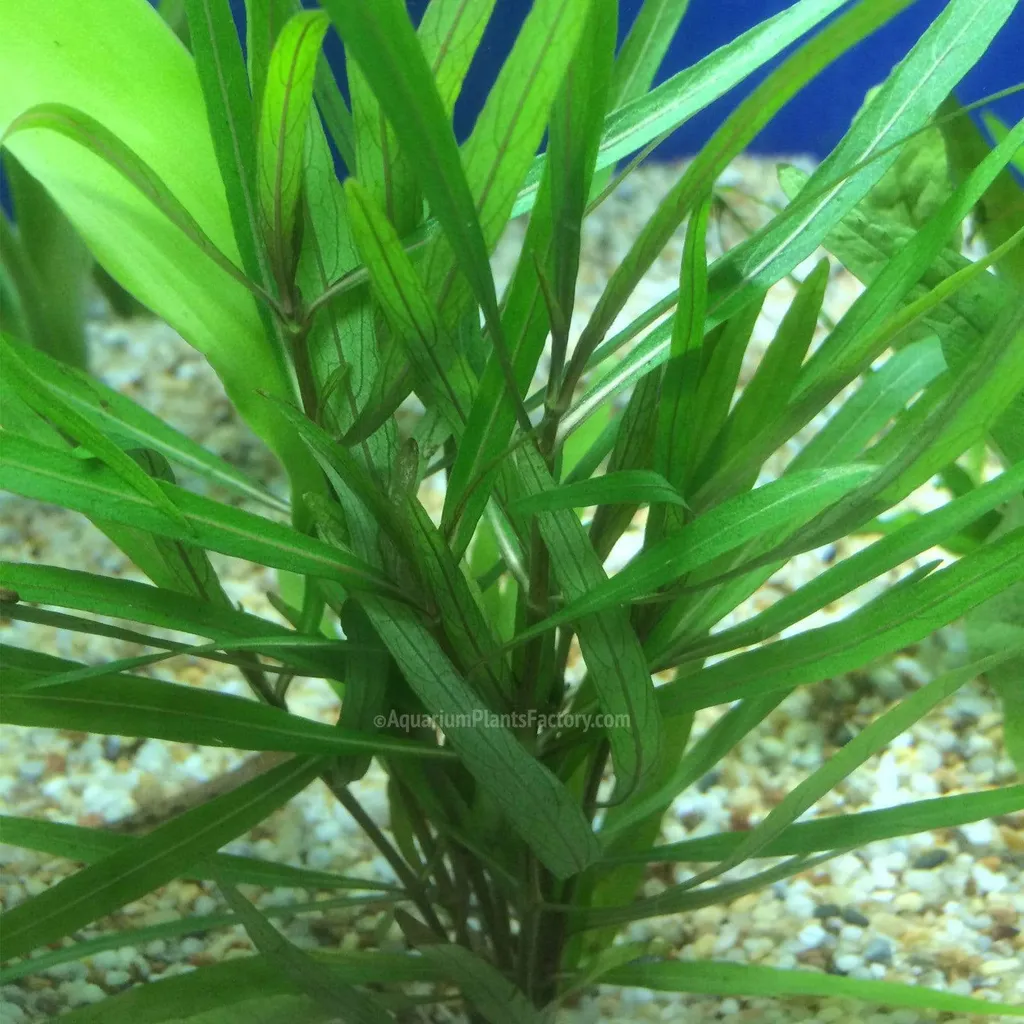
Hygrophila odora
Medium light · Midground
 High lightMidground7.9 in (20 cm)
Hygrophila Araguaia
Hygrophila lancea 'Araguaia'
High light · Midground
 Medium lightBackground15.7 in (40 cm)
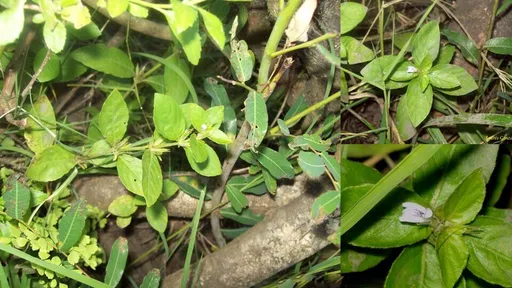
Hygrophila costata
Medium light · Background
 Medium lightBackground15.7 in (40 cm)
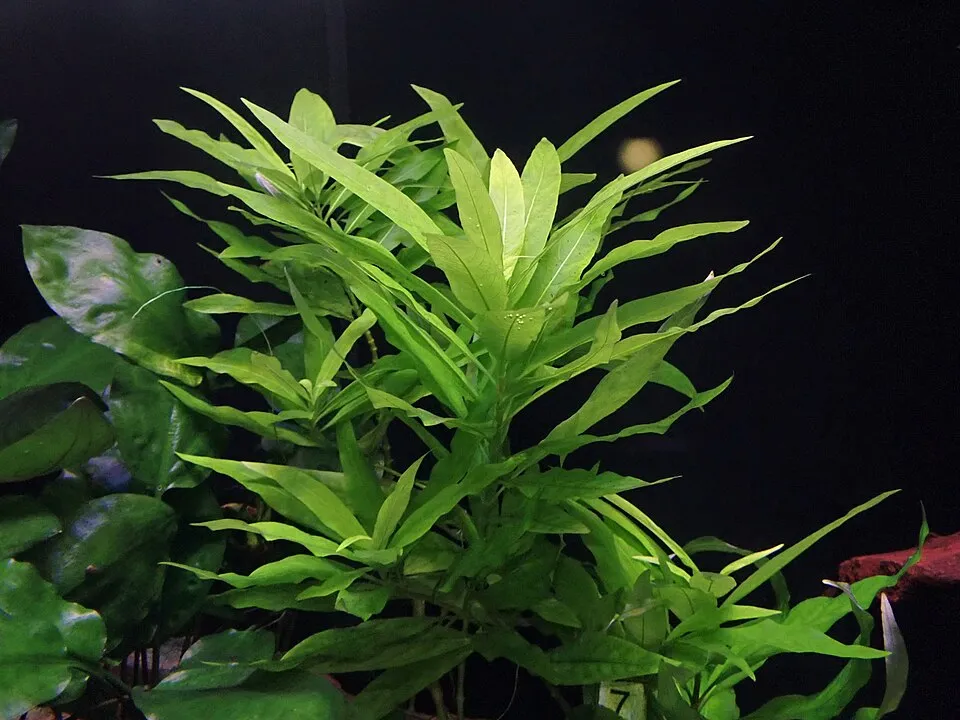
Hygrophila Siamensis
Hygrophila corymbosa 'Siamensis'
Medium light · Background
- Low lightMidground7.9 in (20 cm)
Hygrophila corymbosa Compacta
Hygrophila corymbosa 'Compacta'
Low light · Midground
- Medium lightMidground7.9 in (20 cm)
Hygrophila pinnatifida UK
Hygrophila pinnatifida 'UK'
Medium light · Midground