Hygrophila costata
Also known as Guyana hygro, Guiana hygrophila, Hygrophila sp. 'Guianensis', Hygrophila guianensis, Hygrophila guyanensis, Hygrophila lacustris, Hygrophila angustifolia, Hygrophila corymbosa angustifolia
FreshwaterStemCuttingsSide shoots
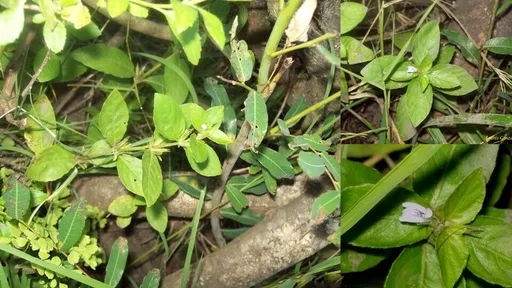
Care at a glance
- Light
- Medium light
- CO2
- CO₂ beneficial
- Temperature
- 68–82°F
- 20–28°C
- Max height
- 15.7 in
- 40 cm
- Growth rate
- Fast
- Placement
- Background
- Type
- Stem
- pH
- 6.0–8.0
- Hardness
- 4–18 dGH
- Spread
- 4.7 in (12 cm)
- Nutrient uptake
- Root + water column
- Growth region
- Submersed or emersed
- Difficulty
- Easy
- Family
- Acanthaceae
- Origin
- Native to streams and wetlands across Central and South America, the Caribbean, and Florida.
Overview
Hygrophila costata is an easy, fast-growing stem plant from the Americas for the background of the tank.
Did you know
Hygrophila costata switches easily between underwater and above-water growth, like other Hygrophila. In the wild it grows both submerged in streams and emersed along wet banks.
Caring for Hygrophila costata
Strip the lower leaves and plant the stems in the background, a little apart. An emersed-grown start often melts and then regrows in its submerged form. Keep the water at 68 to 82°F (20 to 28°C).
Give Hygrophila costata medium light. In low light it stretches and drops its lower leaves, so decent lighting keeps the stems tidy and leafy. It does not require CO2, though CO2 makes it denser and faster. Root tabs near its roots and a liquid fertilizer cover both ways it feeds.
It grows fast, so trim it often and replant the tops to keep the stand full. Side shoots can be cut off once they have a few leaves and planted on their own.
Good to know
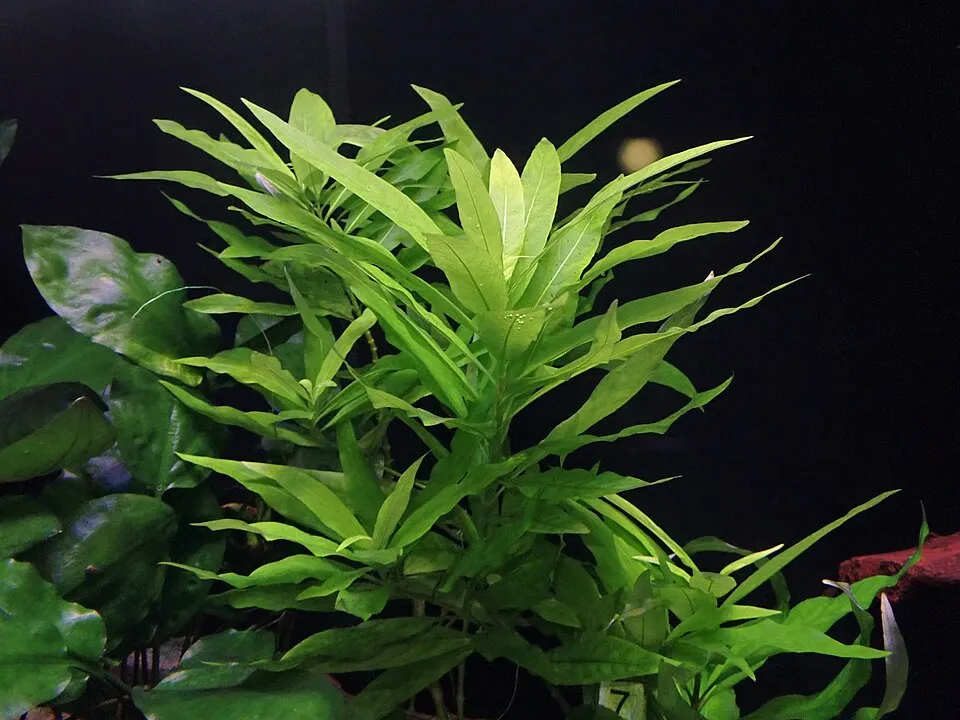
Hygrophila costata belongs to the acanthus family, Acanthaceae, a group that includes many popular aquarium stem plants. It carries paired, narrow green leaves on upright stems that branch as they grow. It is sold under several names, including Hygrophila guianensis, Guyana hygro and Hygrophila lacustris.
In the wild
Hygrophila costata is found in streams and wetlands across the American tropics, from Central and South America to the Caribbean and Florida. Its wide range spans both tropical and subtropical regions.
Common questions
Does Hygrophila costata need to be planted in the substrate?
Yes. Strip the leaves from the lower part of each stem, then push the stems into the substrate one at a time, a little apart.
Does Hygrophila costata need CO2?
No, but it helps. Hygrophila costata can grow without injected CO2, and added CO2 makes it grow faster.
How much light does Hygrophila costata need?
Hygrophila costata wants medium light. A light sold for planted tanks covers it.
Does Hygrophila costata need root tabs?
They help. Hygrophila costata takes nutrients through both its roots and its leaves. Root tabs near its roots and a liquid fertilizer cover both.
How do you propagate Hygrophila costata?
Hygrophila costata propagates by cuttings and side shoots. Cut off the top of a stem and replant it, and the stump left behind grows new shoots. Cut a side shoot off once it has a few leaves and plant it on its own.
How tall does Hygrophila costata grow?
Hygrophila costata grows to about 15.7 in (40 cm) tall. It grows fast, so expect to trim it often.
Related plants
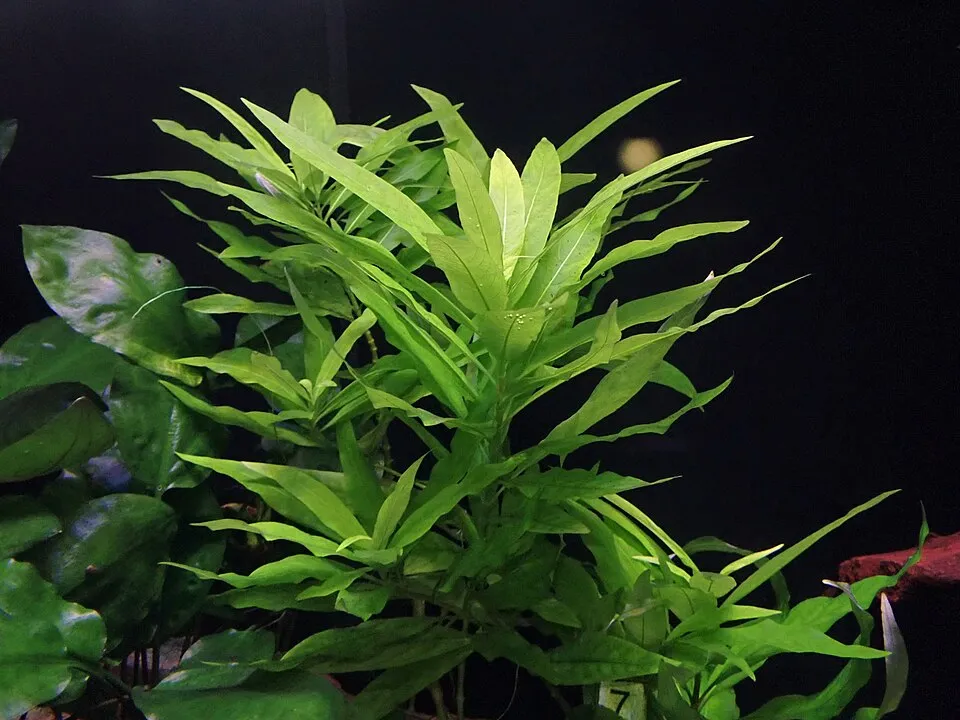 Medium lightBackground15.7 in (40 cm)
Hygrophila Siamensis
Hygrophila corymbosa 'Siamensis'
Medium light · Background
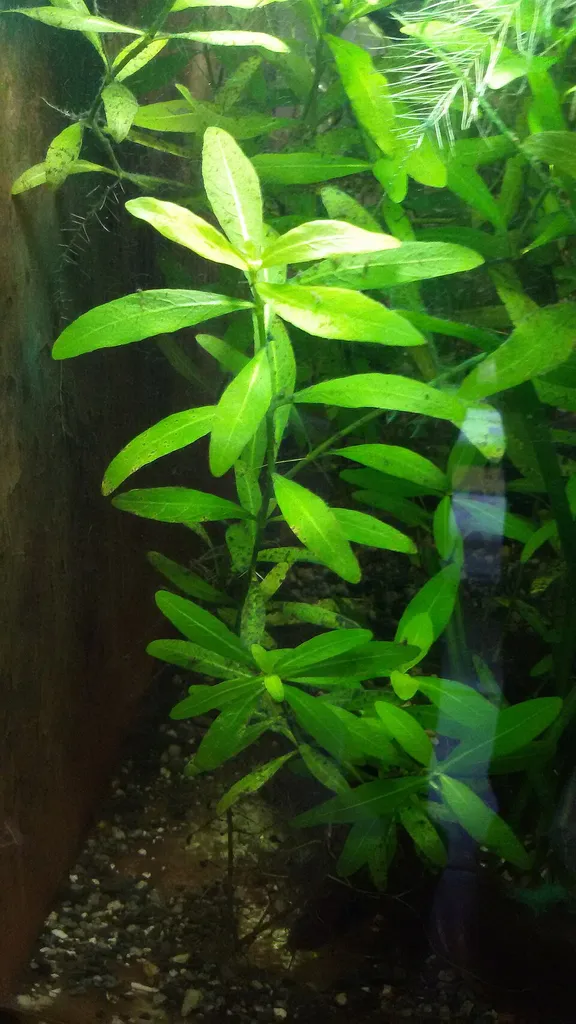 Low lightBackground17.7 in (45 cm)
Hygrophila polysperma
Low light · Background
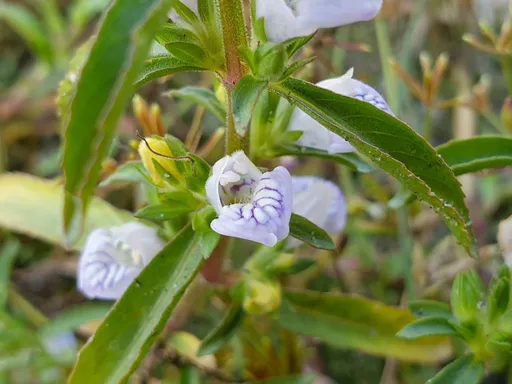 High lightBackground19.7 in (50 cm)
Hygrophila balsamica
High light · Background
 Low lightBackground19.7 in (50 cm)
Hygrophila corymbosa
Low light · Background
 Medium lightBackground19.7 in (50 cm)
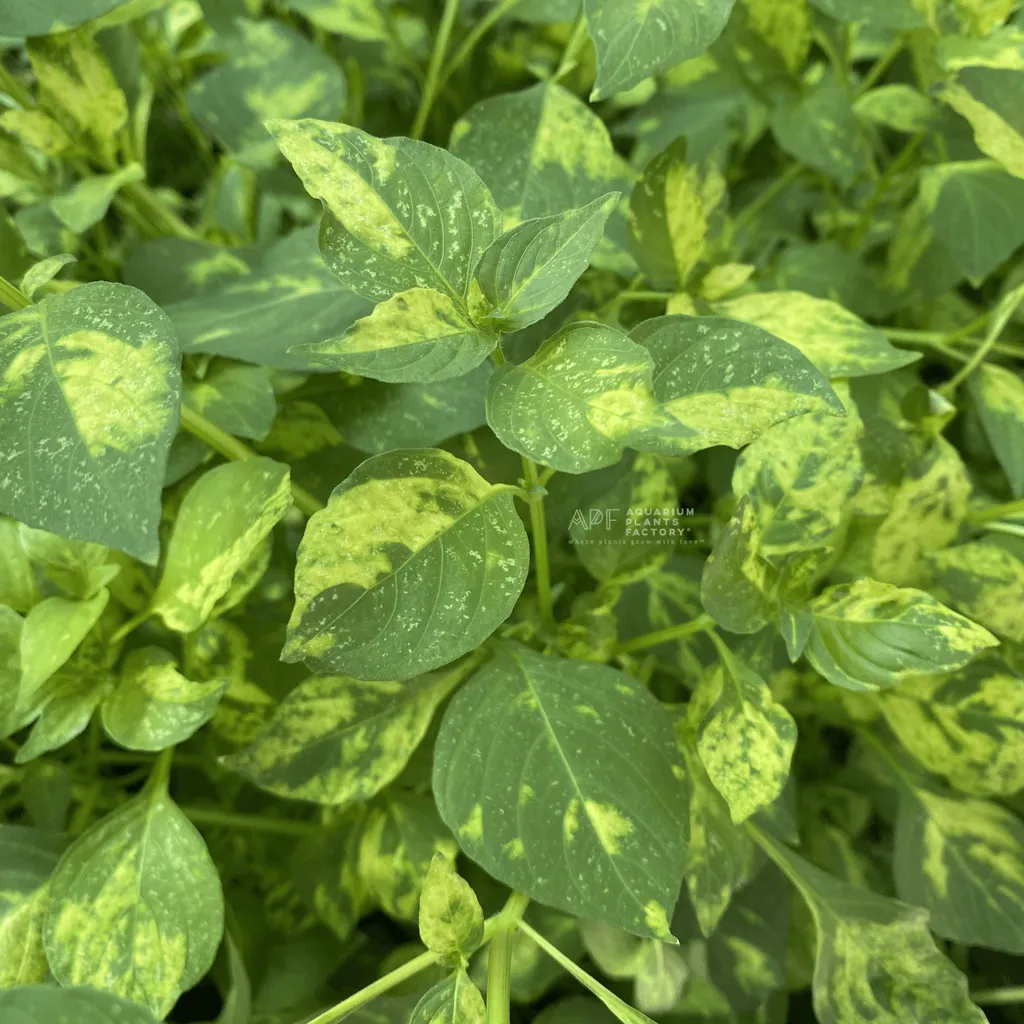
Hygrophila corymbosa Variegated
Hygrophila corymbosa 'Variegated'
Medium light · Background
 Medium lightBackground19.7 in (50 cm)
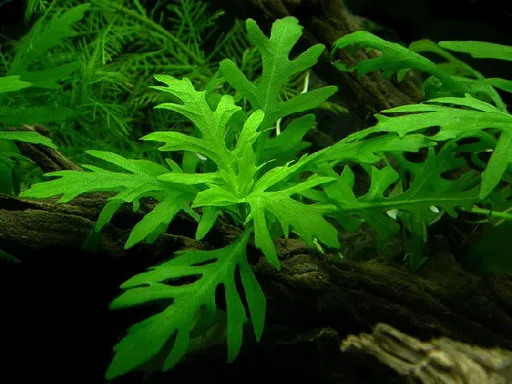
Water wisteria
Hygrophila difformis
Medium light · Background