One species · 3 forms
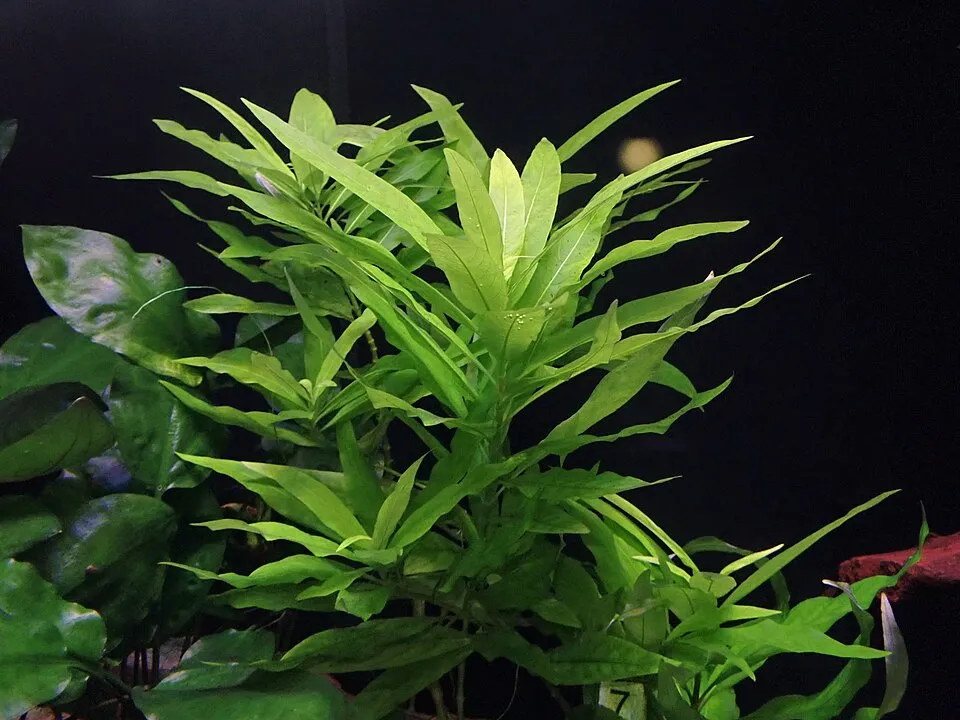
Hygrophila corymbosa
Also known as Temple plant, Giant hygro, Starhorn, Hygrophila stricta, Hygrophila angustifolia rubra
FreshwaterStemCuttingsSide shoots
Care at a glance
- Light
- Low light
- CO2
- CO₂ beneficial
- Temperature
- 68–82°F
- 20–28°C
- Max height
- 19.7 in
- 50 cm
- Growth rate
- Fast
- Placement
- Background
- Type
- Stem
- pH
- 6.3–7.5
- Hardness
- 4–18 dGH
- Spread
- 4.7 in (12 cm)
- Nutrient uptake
- Root + water column
- Growth region
- Submersed or emersed
- Difficulty
- Beginner
- Family
- Acanthaceae
- Origin
- Southeast Asia (Thailand, Malaysia, Indonesia, Vietnam)
Pick a form
One setup covers every form on this page.
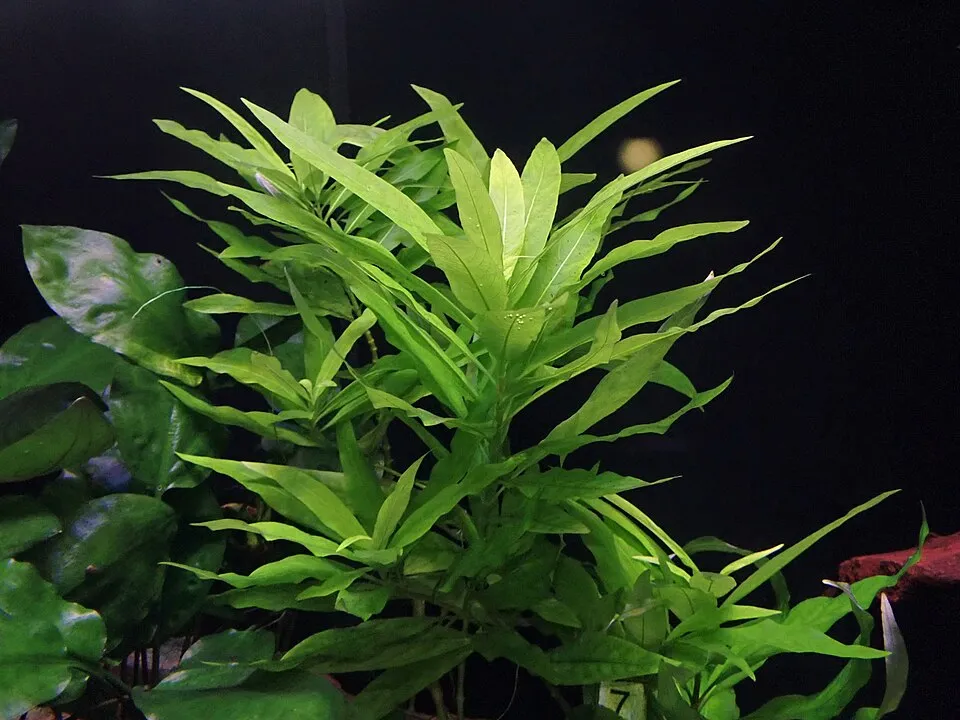
One stem, four habits
Siamensis narrows the leaves, Cherry Leaf flushes its new growth red, and Compacta is a dwarf mutation that grows as a squat rosette until it eventually decides to stem anyway. All are nursery forms of the one species, usually sold emersed with dark, stiff leaves that get replaced underwater within weeks.
A nutrient hog, usefully
Corymbosa grows fast enough to show missing nutrients before anything else suffers: pale new leaves mean iron, pinholes mean potassium. That appetite makes it a great plant for new tanks, where it soaks up the excess that would otherwise feed algae.
Overview
Plant single stems in the background with space around each, since the leaves get large and a tight group will shade itself out. It is undemanding, growing in low to moderate light without CO2, though added CO2 and ferts give faster, more compact growth and better leaf size. It is a heavy feeder that draws nutrients from roots and water column, so dose the column and watch for lower-leaf loss, which usually means light or nutrients are not reaching down the stem; top and replant the healthy crowns to keep it bushy.
In the wild
Hygrophila corymbosa grows in marshes, ditches, and stream margins across Southeast Asia, including Thailand, Malaysia, Indonesia, and Vietnam. It is naturally a marsh plant that spends part of its life emersed on wet banks and part submersed when water levels rise. Emersed it produces sturdier leaves and small bluish flowers, while submersed it forms the broad soft leaves seen in aquariums.
Good to know
It belongs to the family Acanthaceae and is a robust stem plant, sometimes sold under the older name Hygrophila stricta or as Nomaphila stricta. Numerous regional and leaf-form variants exist (such as the narrow-leaved Angustifolia and the compact Siamensis), all generally treated under the corymbosa umbrella. Like other Hygrophila it roots from leaf nodes and is often sold emersed-grown, so submersed leaves replace the firmer emersed foliage after planting.
Did you know
Submersed plants will sometimes send a shoot all the way to the surface and break into the air to grow emersed leaves and even flower, a holdover from its life as a seasonal marsh plant.
Common questions
Why did all the leaves fall off after planting?
The emersed leaves it was grown with always drop underwater. New submerged leaves, longer and softer, follow quickly; keep the stems planted and feed them.
How do I keep Compacta small?
It stays low on its own for a long time, especially under strong light. When it finally stems up, cut the stem back to the rosette and replant the cutting.
Related plants
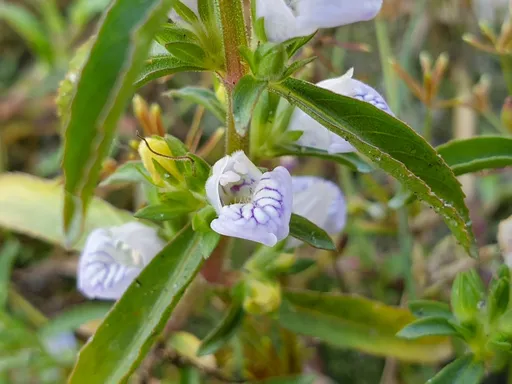 High lightBackground19.7 in (50 cm)
Hygrophila balsamica
High light · Background
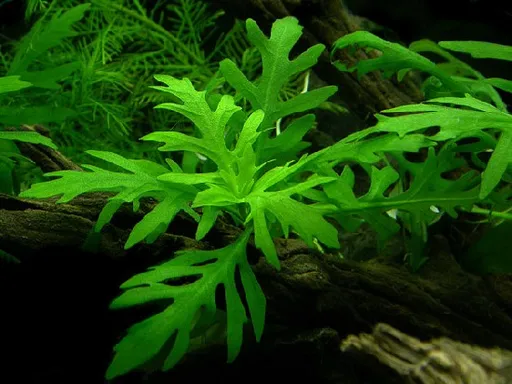 Medium lightBackground19.7 in (50 cm)
Water wisteria
Hygrophila difformis
Medium light · Background
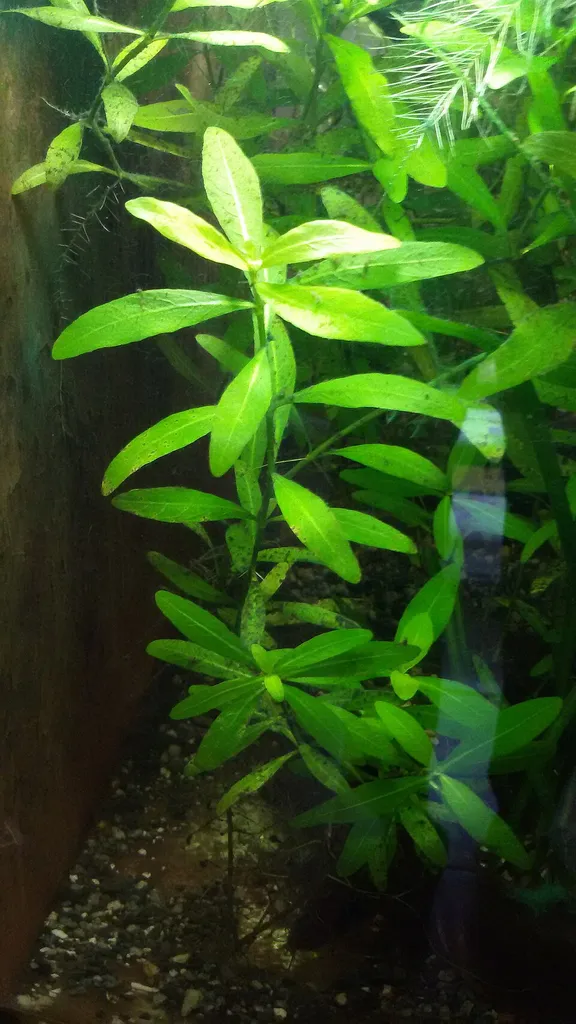 Low lightBackground17.7 in (45 cm)
Hygrophila polysperma
Low light · Background
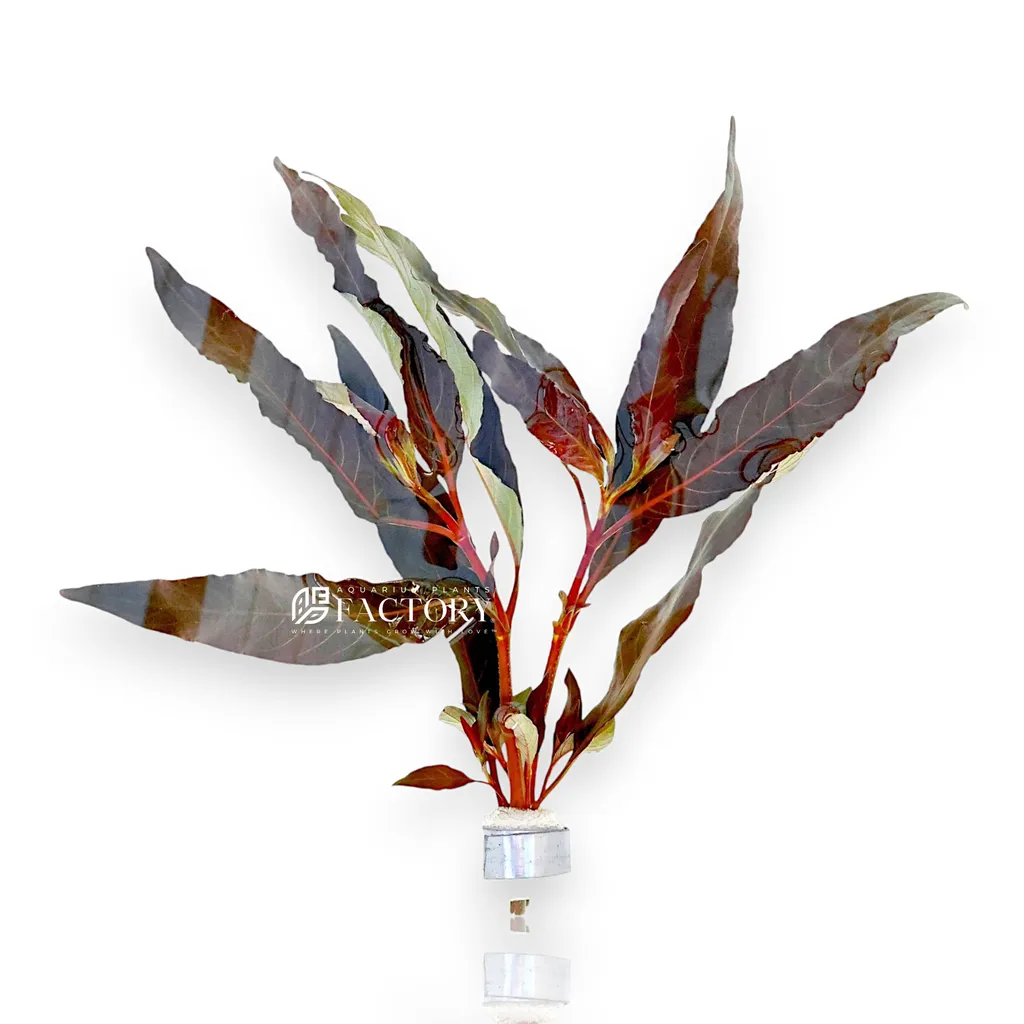 Medium lightBackground23.6 in (60 cm)
Willow hygro
Hygrophila salicifolia
Medium light · Background
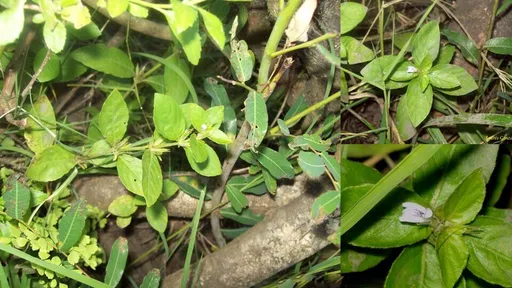 Medium lightBackground15.7 in (40 cm)
Hygrophila costata
Medium light · Background
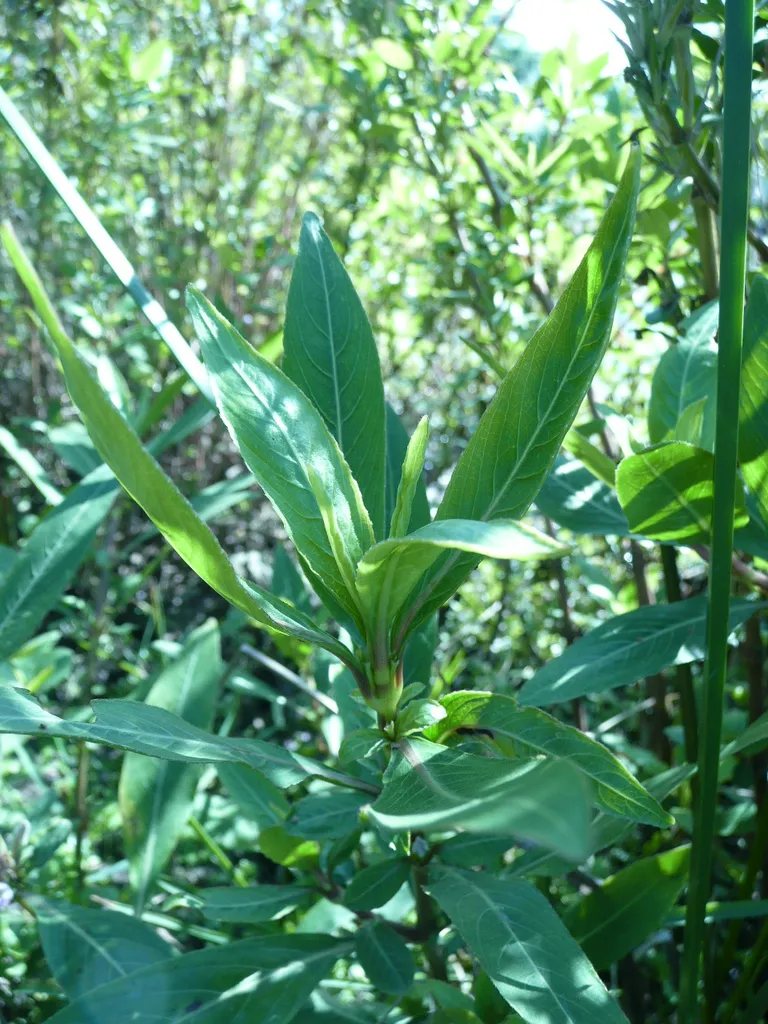 Medium lightBackground19.7 in (50 cm)
Hygrophila pogonocalyx
Medium light · Background