Hygrophila pogonocalyx
FreshwaterStemCuttingsSide shoots
Care at a glance
- Light
- Medium light
- CO2
- CO₂ beneficial
- Temperature
- 72–82°F
- 22–28°C
- Max height
- 19.7 in
- 50 cm
- Growth rate
- Medium
- Placement
- Background
- Type
- Stem
- Spread
- 5.9 in (15 cm)
- Nutrient uptake
- Root + water column
- Growth region
- Submersed or emersed
- Difficulty
- Medium
- Family
- Acanthaceae
- Origin
- Taiwan (endemic)
Overview
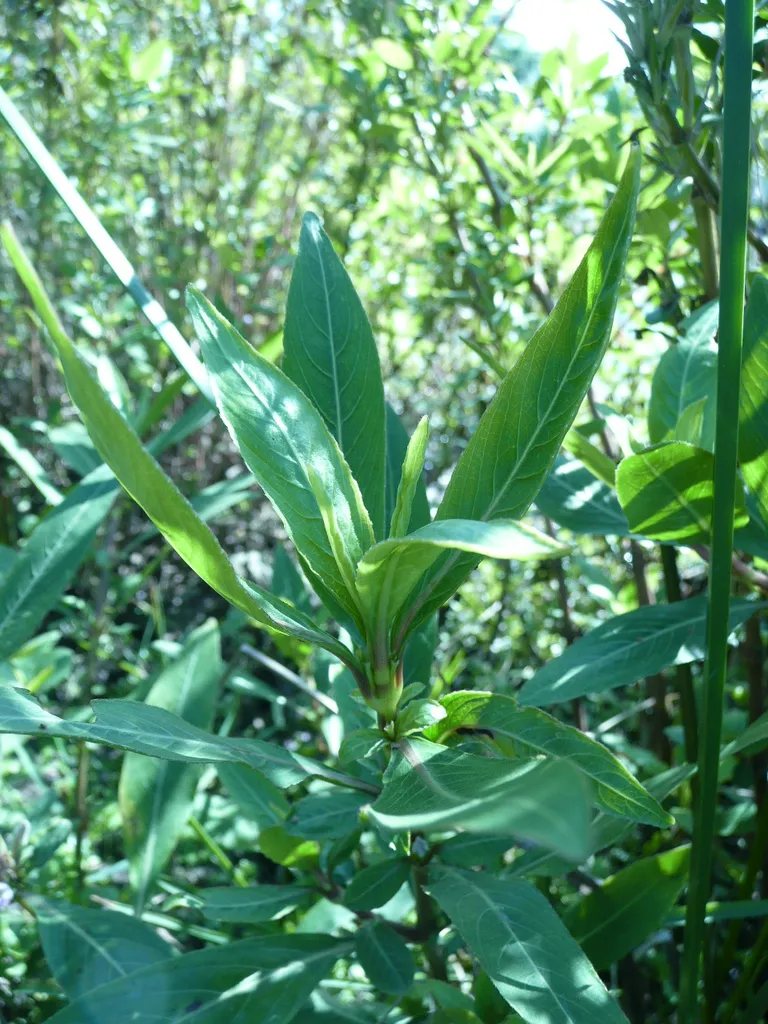
Hygrophila pogonocalyx is a background stem plant with narrow leaves that run soft green to reddish depending on light. It is a plant of medium difficulty.
Did you know
Restoration plantings of Hygrophila pogonocalyx in Taiwan had an unplanned side effect. The chocolate pansy butterfly shifted onto it as a new host plant, a change well documented in the conservation literature.
Caring for Hygrophila pogonocalyx
Hygrophila pogonocalyx arrives almost exclusively as tissue culture, so rinse the gel off before planting. Strip the lower leaves and push the stems into the background, a little apart.
It is undemanding about water and does well at 72 to 82°F (22 to 28°C). It grows under medium light without injected CO2, and more light and CO2 tighten it up. Like its relatives, it is a heavy water-column feeder, so dose a liquid fertilizer, and it makes a useful nutrient sink in a new tank.
It grows at a moderate pace. Trim and replant the tops to build a bush, and side shoots appear readily from the leaf axils. Species-specific aquarium literature is thin, so treat its care as standard for the genus.
Good to know
Hygrophila pogonocalyx is a member of Acanthaceae, described in 1920 by Bunzo Hayata, the botanist who cataloged much of Taiwan's flora. The species name combines the Greek pogon, a beard, with calyx, for the densely hairy flower calyx. Its four-angled stems also carry conspicuously hairy nodes. Shops print the tissue-culture label as Hygrophila pogonocalyx Hayata, which adds the describing botanist's name rather than naming a cultivar.
In the wild
Hygrophila pogonocalyx is endemic to Taiwan. It grows as an emergent marsh plant in low-elevation freshwater wetlands and pond margins, standing in wet soil or shallow water. Only a handful of wild populations remain, in coastal wetlands around Taichung in the west and in northeastern Taiwan. The island's Central Mountain Range separates the two regions. Wetland destruction and herbicide use once left it critically endangered, and the surviving sites have been restored and monitored since 1997.
Common questions
Does Hygrophila pogonocalyx need to be planted in the substrate?
Yes. Strip the leaves from the lower part of each stem, then push the stems into the substrate one at a time, a little apart.
Does Hygrophila pogonocalyx need CO2?
No, but it helps. Hygrophila pogonocalyx can grow without injected CO2, and added CO2 makes it grow faster.
How much light does Hygrophila pogonocalyx need?
Hygrophila pogonocalyx wants medium light. A light sold for planted tanks covers it.
Does Hygrophila pogonocalyx need root tabs?
They help. Hygrophila pogonocalyx takes nutrients through both its roots and its leaves. Root tabs near its roots and a liquid fertilizer cover both.
How do you propagate Hygrophila pogonocalyx?
Hygrophila pogonocalyx propagates by cuttings and side shoots. Cut off the top of a stem and replant it, and the stump left behind grows new shoots. Cut a side shoot off once it has a few leaves and plant it on its own.
How tall does Hygrophila pogonocalyx grow?
Hygrophila pogonocalyx grows to about 19.7 in (50 cm) tall. It grows at a moderate pace.
Related plants
 High lightBackground19.7 in (50 cm)
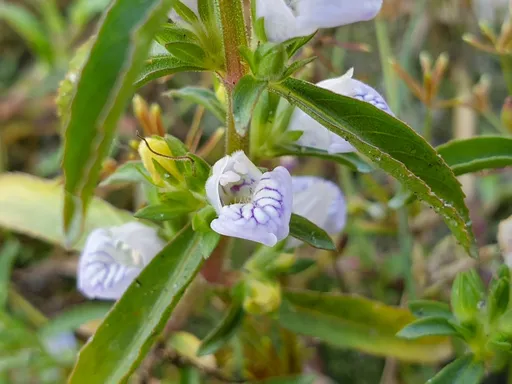
Hygrophila balsamica
High light · Background
 Low lightBackground19.7 in (50 cm)
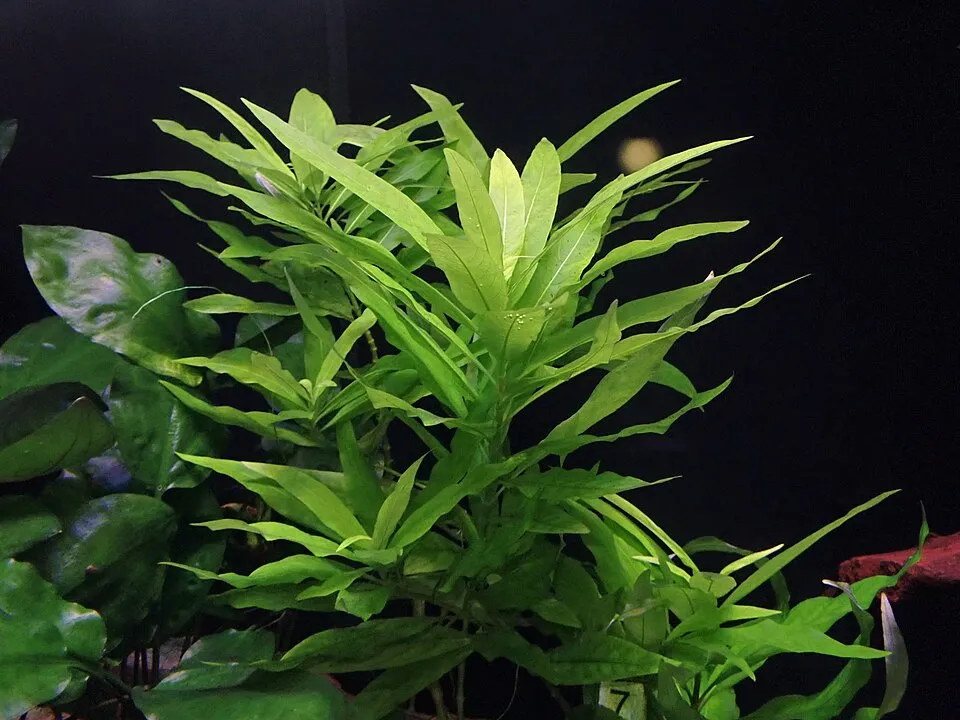
Hygrophila corymbosa
Low light · Background
 Medium lightBackground19.7 in (50 cm)
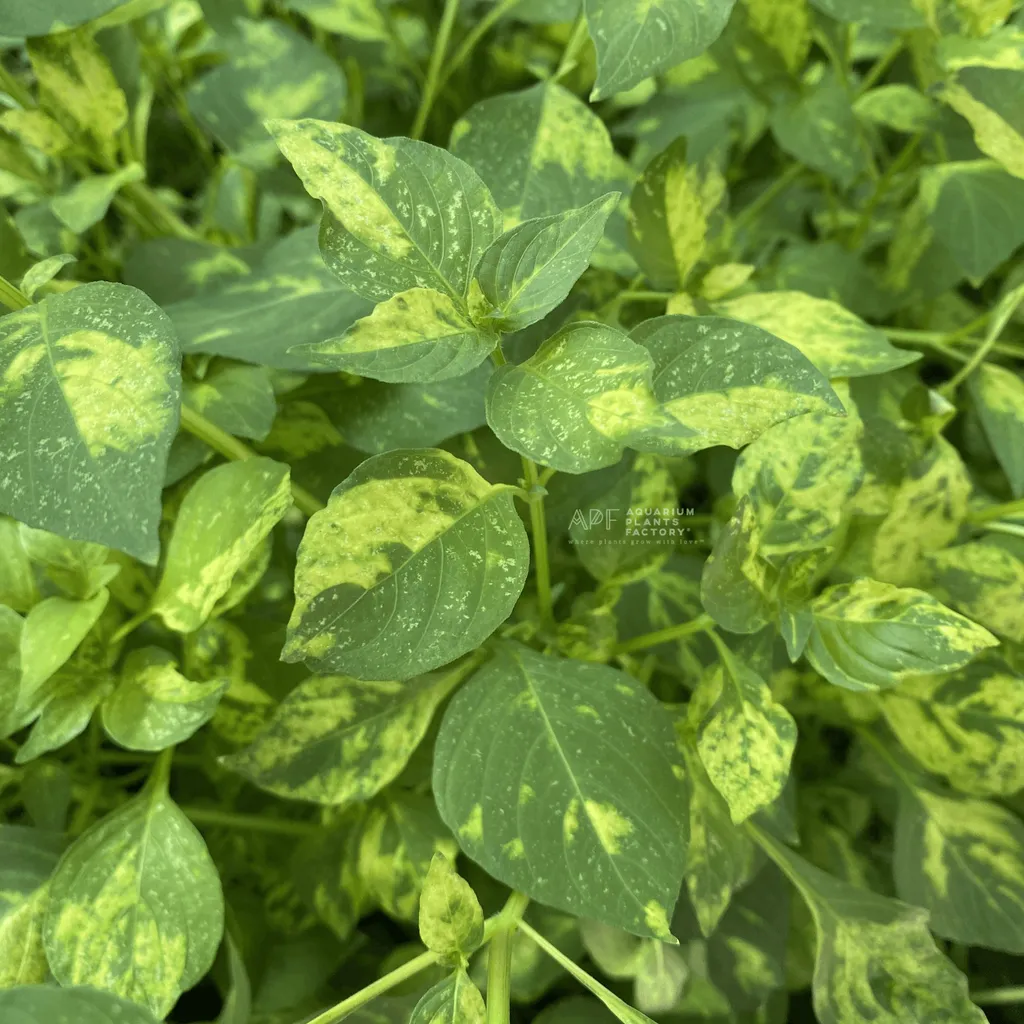
Hygrophila corymbosa Variegated
Hygrophila corymbosa 'Variegated'
Medium light · Background
 Medium lightBackground19.7 in (50 cm)
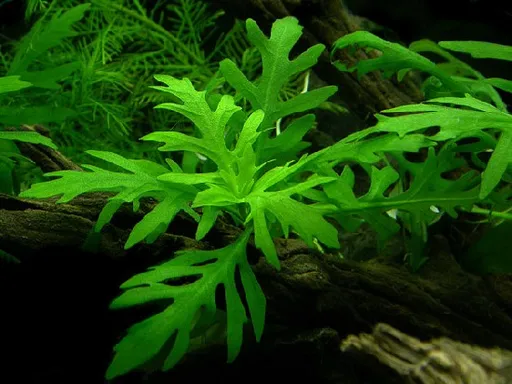
Water wisteria
Hygrophila difformis
Medium light · Background
- Medium lightBackground19.7 in (50 cm)
Hygrophila corymbosa Cherry Leaf
Hygrophila corymbosa 'Cherry Leaf'
Medium light · Background
 Low lightBackground17.7 in (45 cm)
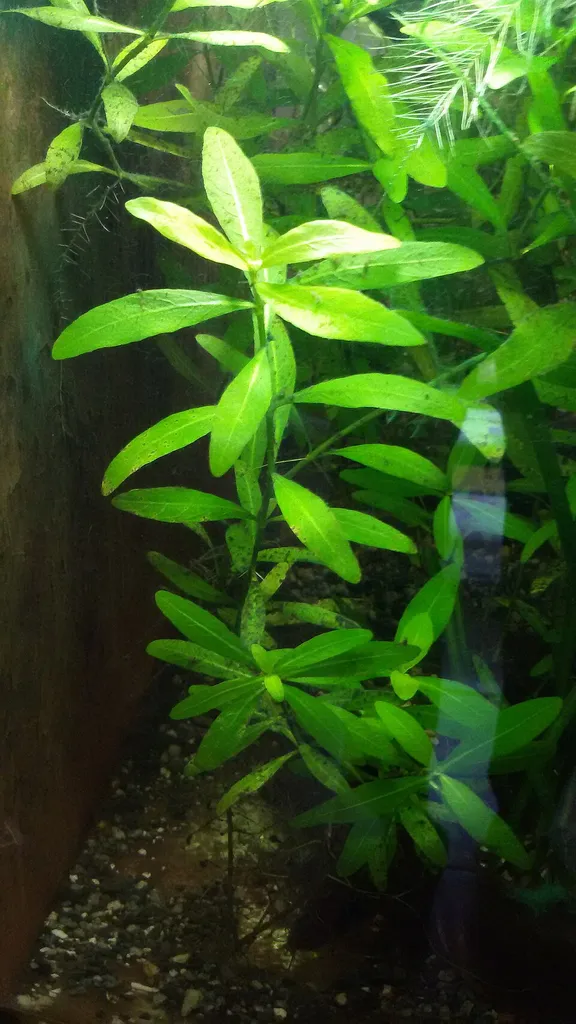
Hygrophila polysperma
Low light · Background