Hygrophila balsamica
Also known as Hygrophila spinosa 'balsamica', Feathery Hygrophila
FreshwaterStemCuttingsSide shoots
Care at a glance
- Light
- High light
- CO2
- CO₂ required
- Temperature
- 64–86°F
- 18–30°C
- Max height
- 19.7 in
- 50 cm
- Growth rate
- Fast
- Placement
- Background
- Type
- Stem
- pH
- 5.0–7.0
- Hardness
- 2–12 dGH
- Spread
- 5.9 in (15 cm)
- Nutrient uptake
- Root + water column
- Growth region
- Submersed or emersed
- Difficulty
- Medium
- Family
- Acanthaceae
- Origin
- South Asia (India and Sri Lanka)
Overview
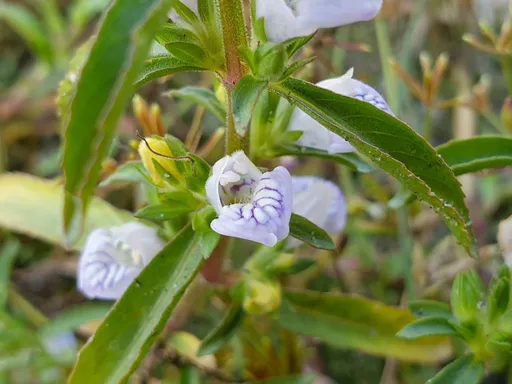
Hygrophila balsamica is a fast-growing stem plant for the background of a CO2 tank. It is a plant of medium difficulty.
Did you know
A single detached leaf of Hygrophila balsamica can grow roots and sprout a whole new plantlet.
Caring for Hygrophila balsamica
Strip the lower leaves and push the stems into the substrate a little apart, toward the back of the tank. If you buy an emersed-grown pot, let it switch to its water form before adding it to a tank with livestock. Its emersed shoots contain compounds toxic to fish and shrimp, and the toxicity disappears once the plant fully converts to submersed growth.
Give it strong, high light and injected CO2, roughly 25 to 40 mg/l. Starved of either, the leaves stay small and coarse instead of bright green and feathery. It needs a good iron and trace supply, and root tabs help as well, since it feeds through roots and leaves. Keep the water at 64 to 86°F (18 to 30°C).
Hygrophila balsamica grows fast and needs frequent trimming. Replant the tops, and cut side shoots off to plant on their own once they have a few leaves.
Good to know
Hygrophila balsamica belongs to the family Acanthaceae and is sometimes listed under the Hygrophila spinosa complex. Its finely divided, feathery light-green foliage gives a soft, airy texture very different from the broad-leaved hygrophilas. It is also sold as feathery Hygrophila.
In the wild
Hygrophila balsamica is a marsh and bog plant from India and Sri Lanka. It grows in seasonally wet ground and shallow water.
Common questions
Does Hygrophila balsamica need to be planted in the substrate?
Yes. Strip the leaves from the lower part of each stem, then push the stems into the substrate one at a time, a little apart.
Does Hygrophila balsamica need CO2?
Yes. Hygrophila balsamica needs injected CO2 to grow well, and it usually struggles without it.
How much light does Hygrophila balsamica need?
Hygrophila balsamica needs high light from a strong planted-tank LED. In weaker light its stems stretch and drop their lower leaves.
Does Hygrophila balsamica need root tabs?
They help. Hygrophila balsamica takes nutrients through both its roots and its leaves. Root tabs near its roots and a liquid fertilizer cover both.
How do you propagate Hygrophila balsamica?
Hygrophila balsamica propagates by cuttings and side shoots. Cut off the top of a stem and replant it, and the stump left behind grows new shoots. Cut a side shoot off once it has a few leaves and plant it on its own.
How tall does Hygrophila balsamica grow?
Hygrophila balsamica grows to about 19.7 in (50 cm) tall. It grows fast, so expect to trim it often.
Related plants
 Low lightBackground19.7 in (50 cm)
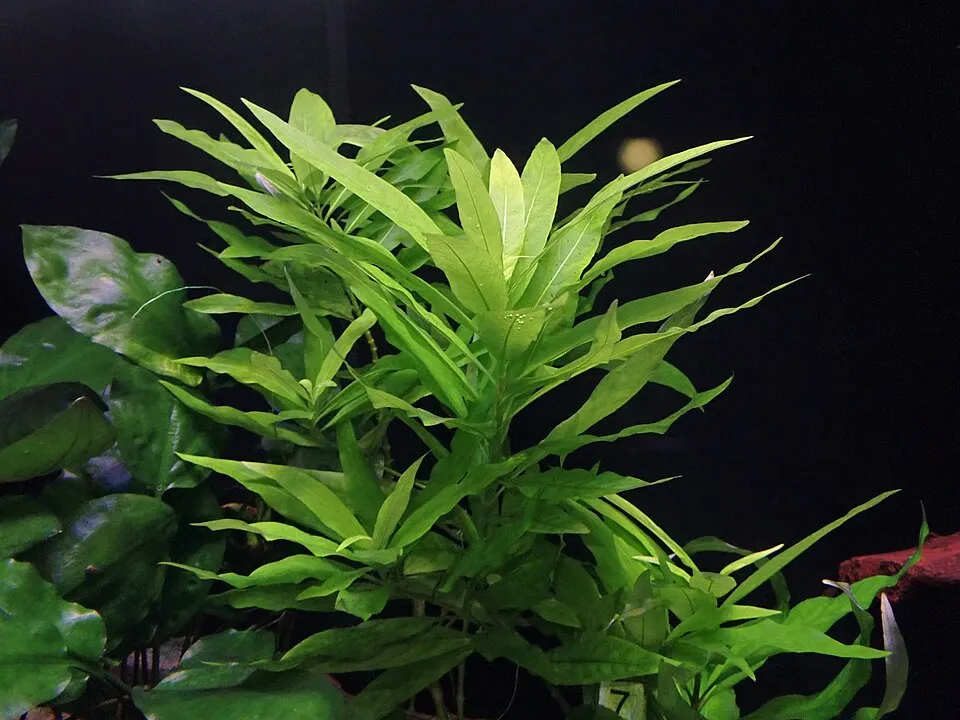
Hygrophila corymbosa
Low light · Background
 Medium lightBackground19.7 in (50 cm)
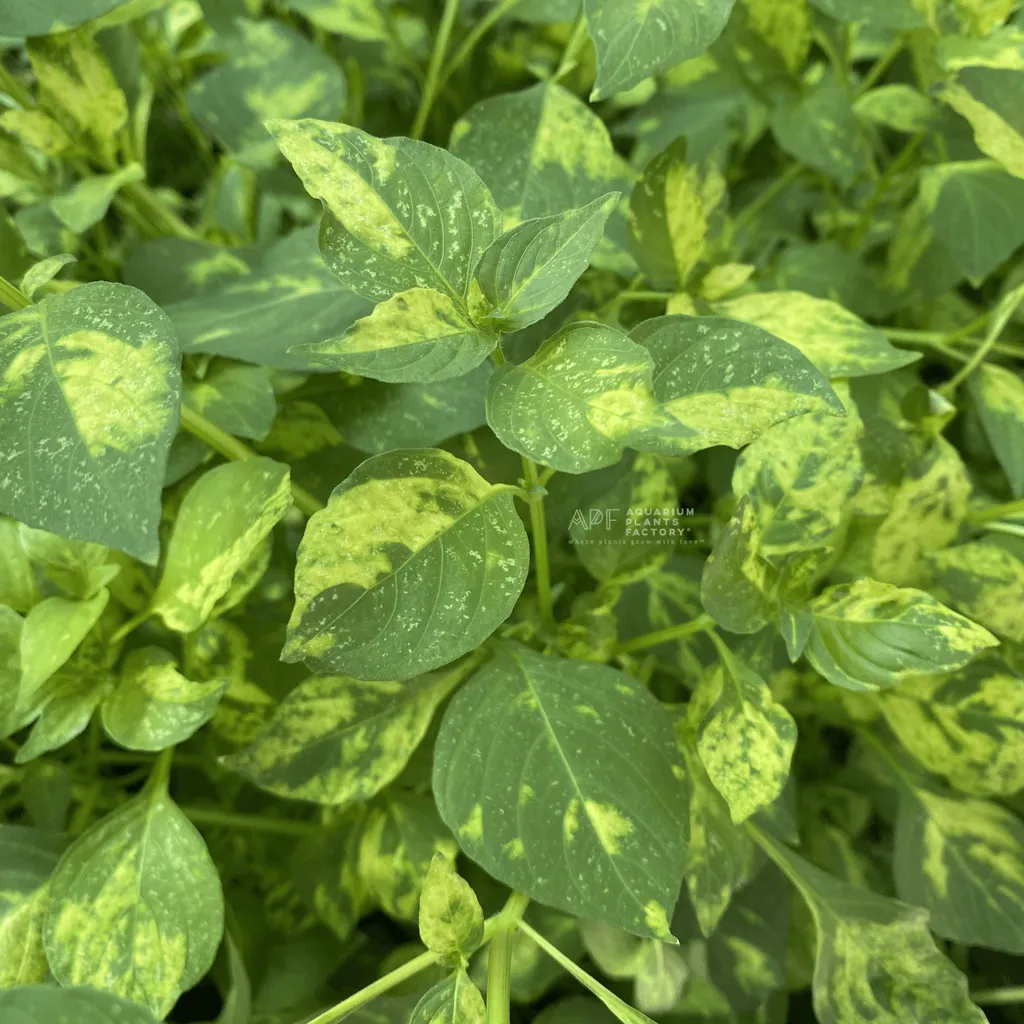
Hygrophila corymbosa Variegated
Hygrophila corymbosa 'Variegated'
Medium light · Background
 Medium lightBackground19.7 in (50 cm)
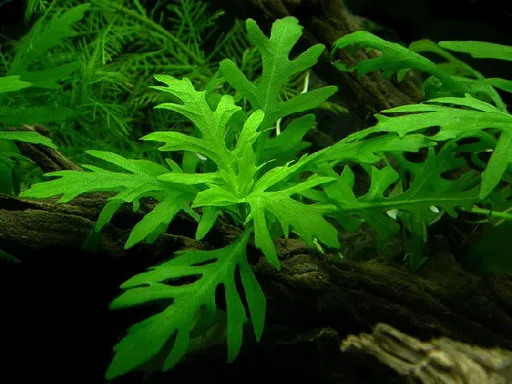
Water wisteria
Hygrophila difformis
Medium light · Background
- Medium lightBackground19.7 in (50 cm)
Hygrophila corymbosa Cherry Leaf
Hygrophila corymbosa 'Cherry Leaf'
Medium light · Background
 Low lightBackground17.7 in (45 cm)
Hygrophila polysperma
Low light · Background
 Medium lightBackground23.6 in (60 cm)
Willow hygro
Hygrophila salicifolia
Medium light · Background