Willow hygro
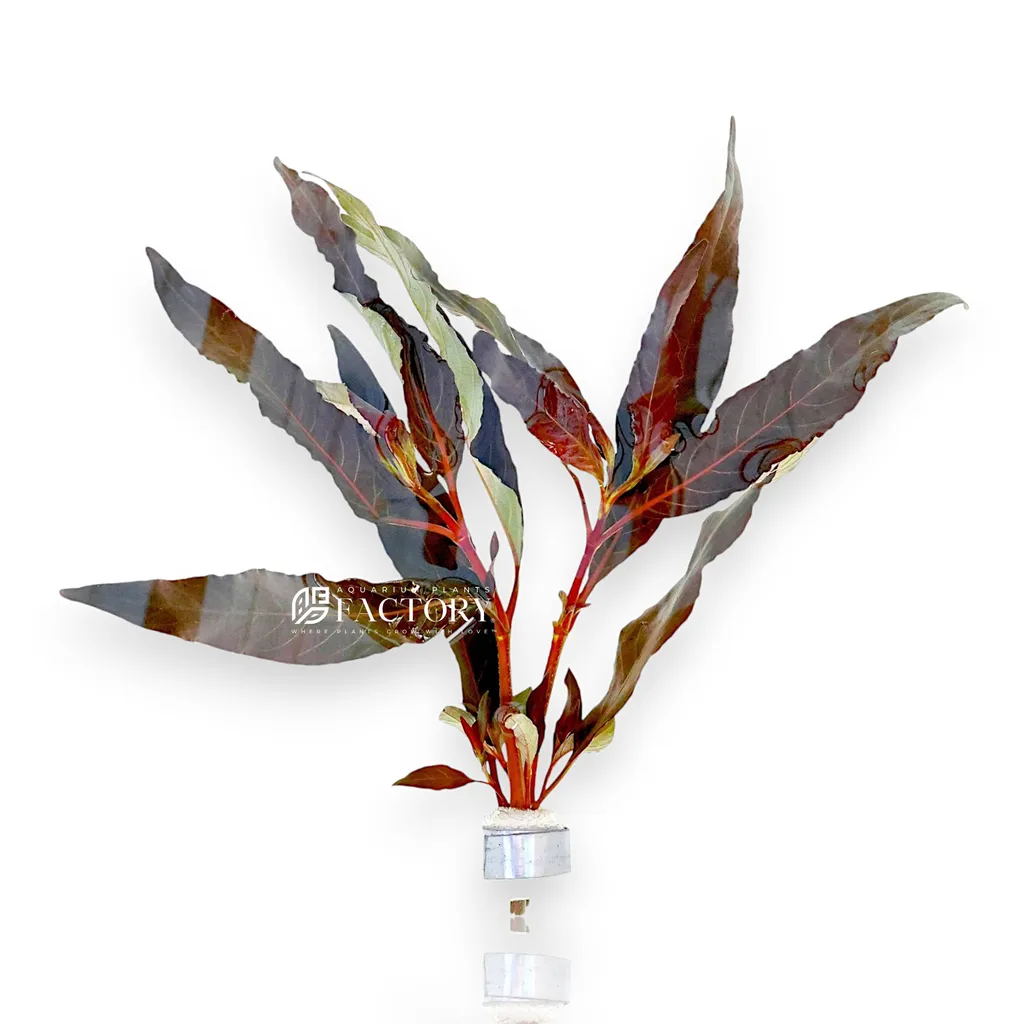
Hygrophila salicifolia
Also known as Willow leaf hygro, Blue hygro, Hygro blue, Hygrophila ringens
FreshwaterStemCuttingsSide shoots
Care at a glance
- Light
- Medium light
- CO2
- CO₂ beneficial
- Temperature
- 64–86°F
- 18–30°C
- Max height
- 23.6 in
- 60 cm
- Growth rate
- Fast
- Placement
- Background
- Type
- Stem
- pH
- 5.5–8.0
- Hardness
- 2–25 dGH
- Spread
- 5.9 in (15 cm)
- Nutrient uptake
- Root + water column
- Growth region
- Submersed or emersed
- Difficulty
- Easy
- Family
- Acanthaceae
- Origin
- Tropical Asian wetlands
Overview
Willow hygro is an undemanding, fast-growing background stem for medium to large tanks. It fills out the rear of a layout or a Dutch-style street.
Caring for willow hygro
Strip the lower leaves and push the stems into the substrate a little apart. Willow hygro adapts to water from very soft to hard and takes 64 to 86°F (18 to 30°C).
It grows well in medium light without CO2. Added CO2 and a good supply of macro and micro fertilizer speed it up and improve its color. It draws nutrients from both the water and the substrate, so root tabs and a liquid fertilizer both help.
It grows fast. Top the stems and replant the cuttings, which root quickly, and cut side shoots free once they have a few leaves. Trim the stems before they reach the surface. Once a stem grows out of the water it starts to flower, and the submersed growth below it thins out.
Good to know
Willow hygro is a member of the Acanthaceae and is sometimes sold under the name Hygrophila stricta. Its narrow, lanceolate, willow-like leaves give it the common name. Leaf color shifts from medium-light green toward reddish or bluish tones under stronger light.
In the wild
Willow hygro is found in tropical wetlands across Asia, in marshes, ditches and the margins of slow streams. It lives both submersed and emersed. In shallow or open water it readily grows above the surface and bears small light-purple flowers.
Common questions
Does willow hygro need to be planted in the substrate?
Yes. Strip the leaves from the lower part of each stem, then push the stems into the substrate one at a time, a little apart.
Does willow hygro need CO2?
No, but it helps. Willow hygro can grow without injected CO2, and added CO2 makes it grow faster.
How much light does willow hygro need?
Willow hygro wants medium light. A light sold for planted tanks covers it.
Does willow hygro need root tabs?
They help. Willow hygro takes nutrients through both its roots and its leaves. Root tabs near its roots and a liquid fertilizer cover both.
How do you propagate willow hygro?
Willow hygro propagates by cuttings and side shoots. Cut off the top of a stem and replant it, and the stump left behind grows new shoots. Cut a side shoot off once it has a few leaves and plant it on its own.
How tall does willow hygro grow?
Willow hygro grows to about 23.6 in (60 cm) tall. It grows fast, so expect to trim it often.
Related plants
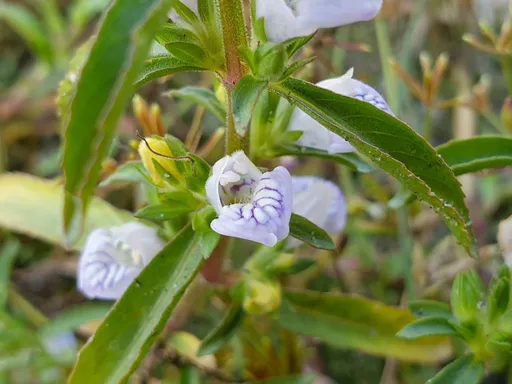 High lightBackground19.7 in (50 cm)
Hygrophila balsamica
High light · Background
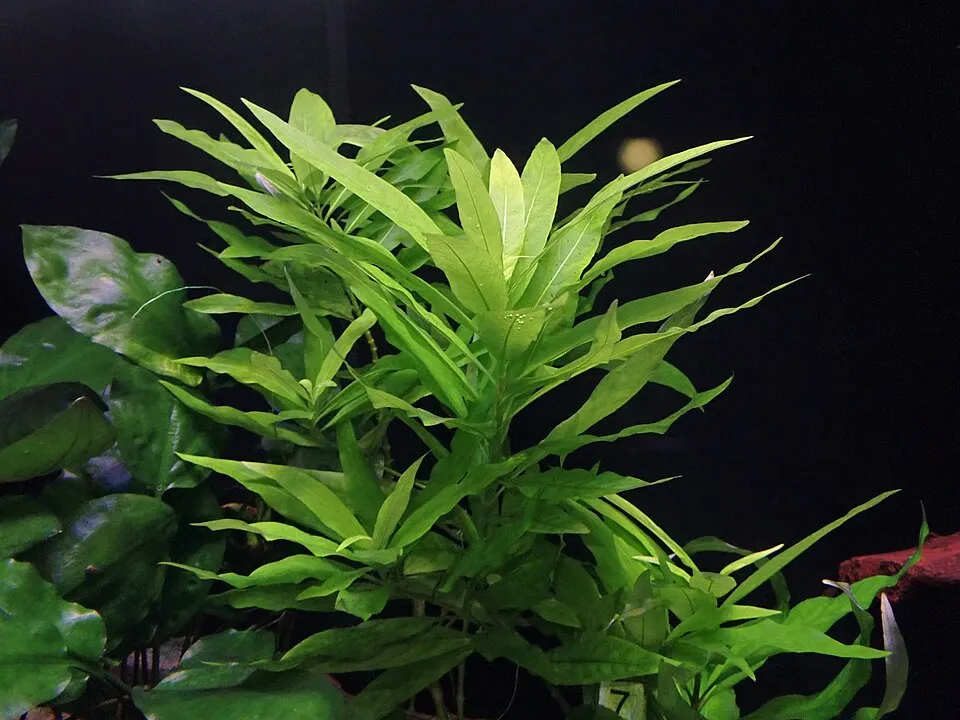 Low lightBackground19.7 in (50 cm)
Hygrophila corymbosa
Low light · Background
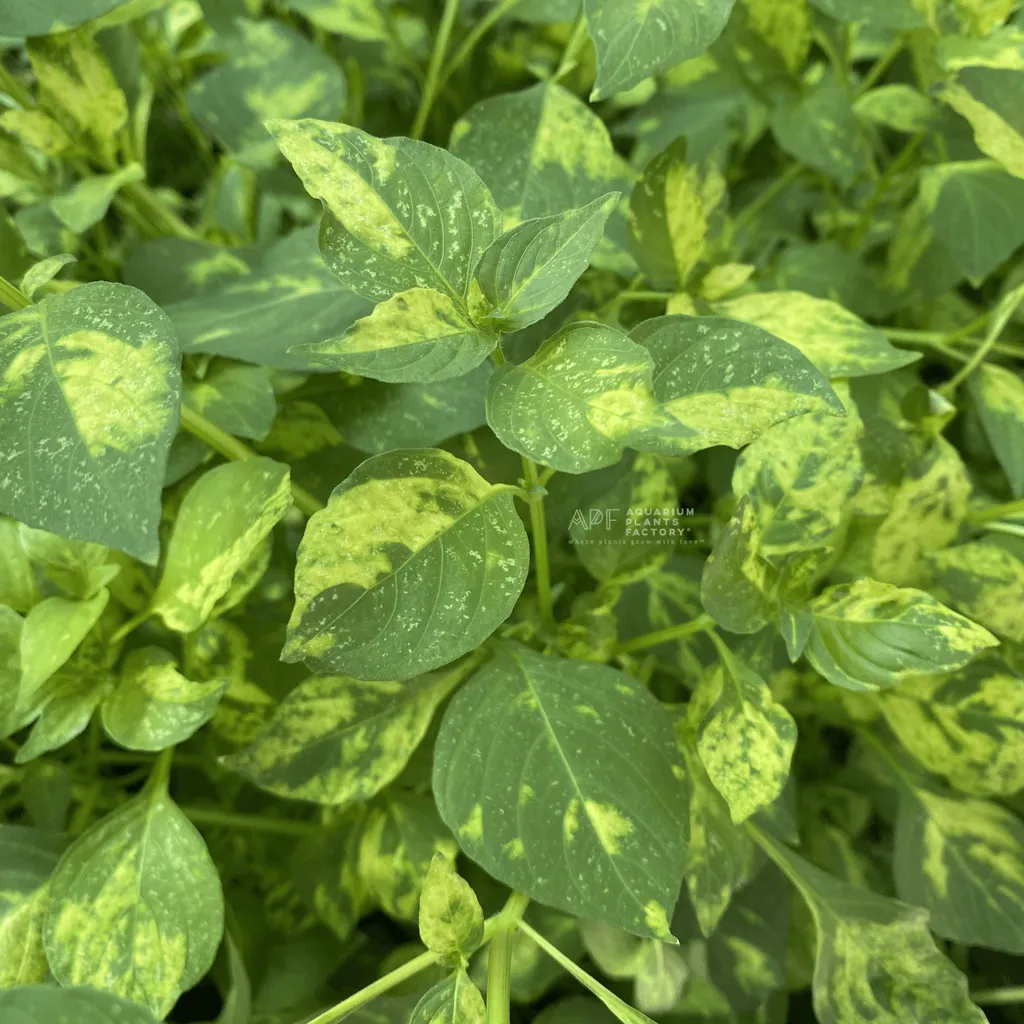 Medium lightBackground19.7 in (50 cm)
Hygrophila corymbosa Variegated
Hygrophila corymbosa 'Variegated'
Medium light · Background
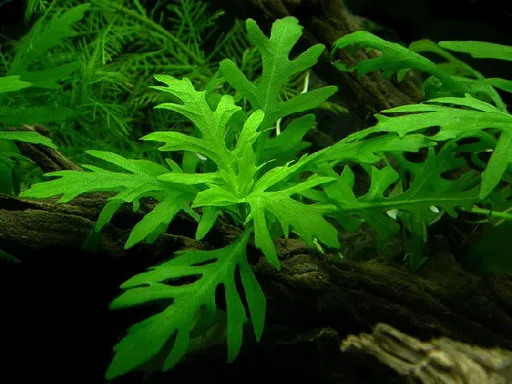 Medium lightBackground19.7 in (50 cm)
Water wisteria
Hygrophila difformis
Medium light · Background
- Medium lightBackground19.7 in (50 cm)
Hygrophila corymbosa Cherry Leaf
Hygrophila corymbosa 'Cherry Leaf'
Medium light · Background
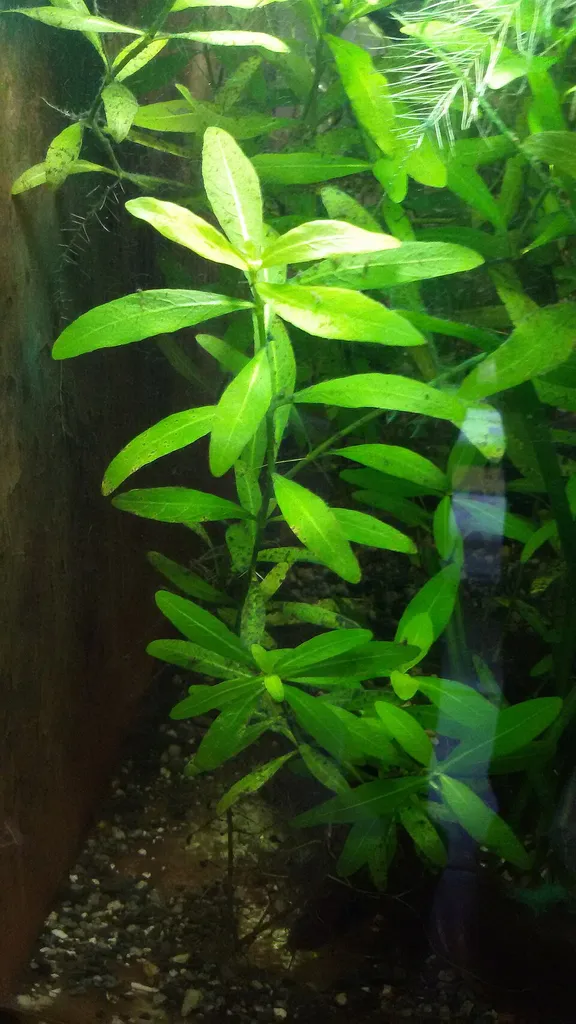 Low lightBackground17.7 in (45 cm)
Hygrophila polysperma
Low light · Background