Syngonanthus Belem
Syngonanthus macrocaulon
Also known as Syngonanthus sp. 'Belem', Tonina sp. 'Belem', Syngonanthus anomalus
FreshwaterStemSide shootsCuttings
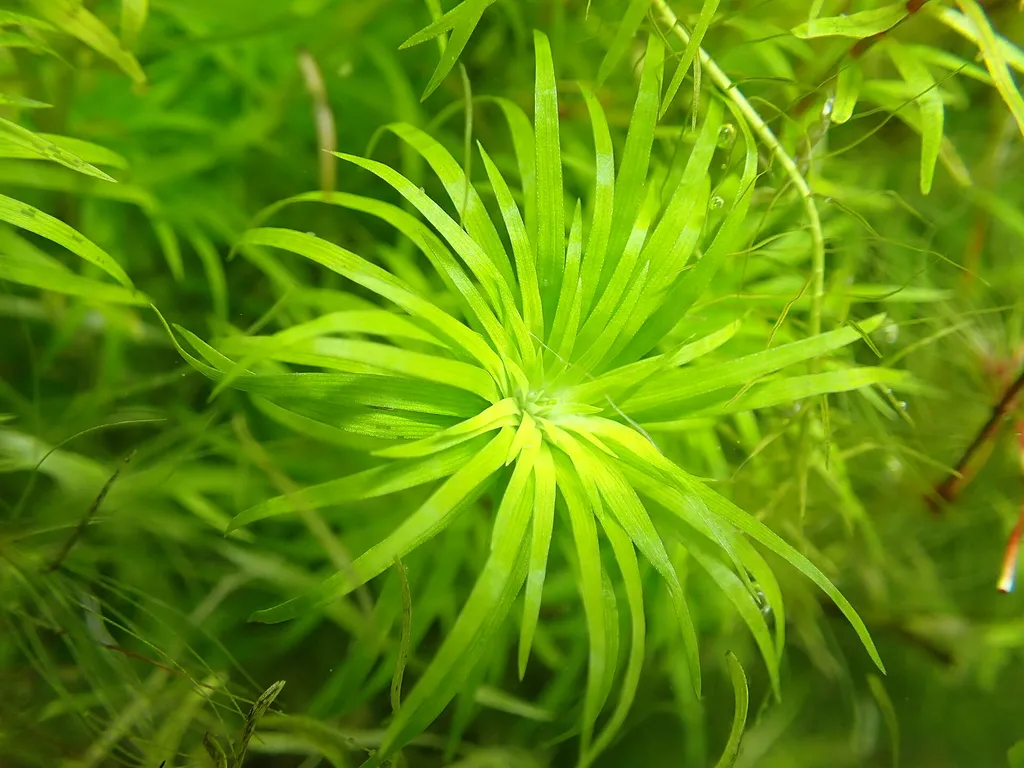
Care at a glance
- Light
- High light
- CO2
- CO₂ required
- Temperature
- 64–84°F
- 18–29°C
- Max height
- 7.9 in
- 20 cm
- Growth rate
- Medium
- Placement
- Midground
- Type
- Stem
- pH
- 4.5–6.5
- Hardness
- 0–5 dGH
- Spread
- 1.6 in (4 cm)
- Nutrient uptake
- Root + water column
- Growth region
- Submersed
- Difficulty
- Difficult
- Family
- Eriocaulaceae
- Origin
- Brazil (blackwater rivers near Belem, at the mouth of the Amazon)
Overview
A softwater collector stem plant that demands high light, CO2, and low GH/KH (under 5) with an acidic aquasoil. Regular water-column dosing, especially of iron, keeps the tops a vivid green rather than pale. Trim only from the bottom since the dense crown holds the visual appeal, and expect an adaptation period after any change in water chemistry.
In the wild
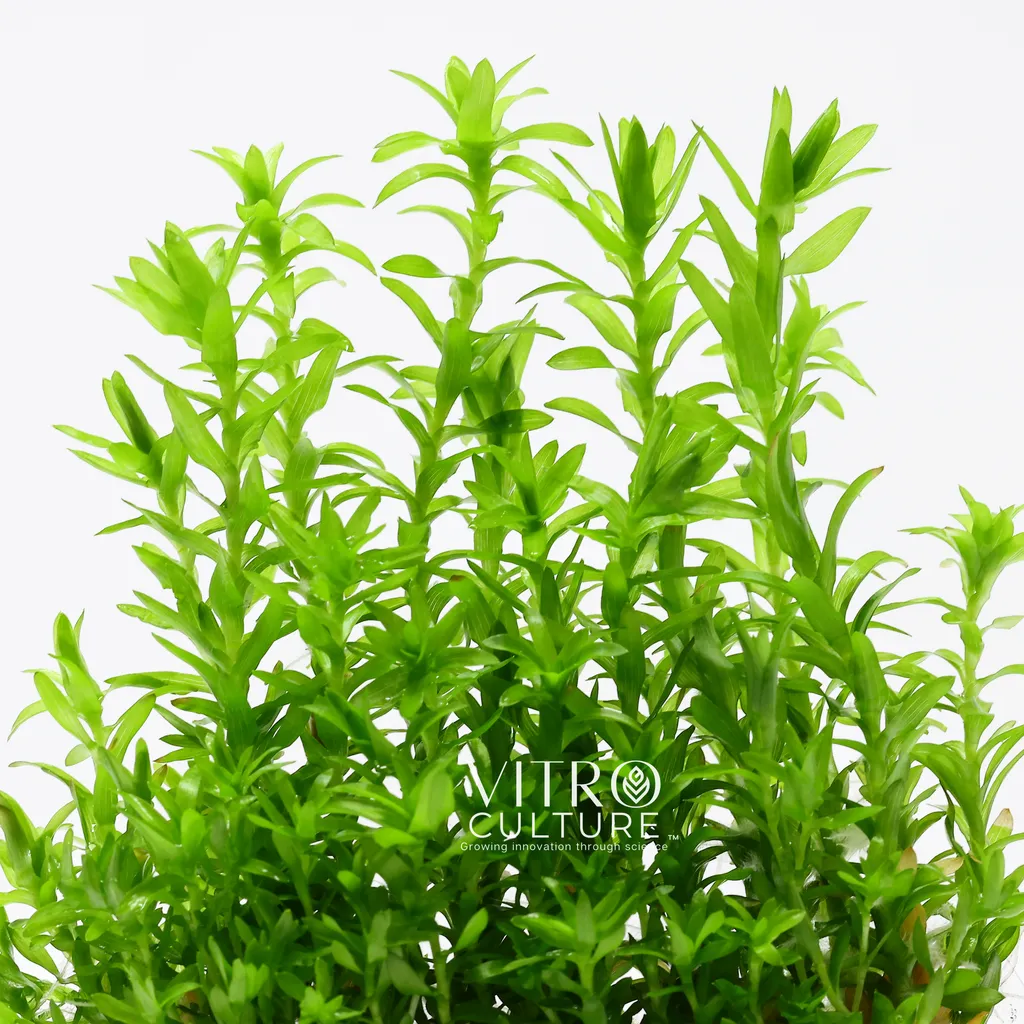
Native to very soft, acidic blackwater rivers in Brazil near Belem at the mouth of the Amazon. It grows as an upright plant with whorled, needle-fine leaves forming a bright green star-shaped crown.
Good to know
First brought into the hobby as 'Tonina sp. Belem', it was later confirmed by botanists to belong to Syngonanthus and is generally treated as Syngonanthus macrocaulon, a name Kew regards as a synonym of Syngonanthus anomalus. It sits in the pipewort family, Eriocaulaceae, alongside Tonina and Eriocaulon. It is a stem-forming pipewort, and its bright colour is strongly tied to iron availability.
Did you know
Did you know Syngonanthus 'Belem' spent years wearing the wrong name? It entered the hobby labelled Tonina sp. 'Belem' before botanists reassigned it to the genus Syngonanthus, and the old trade name still sticks around.
Related plants
- High lightMidground11.8 in (30 cm)
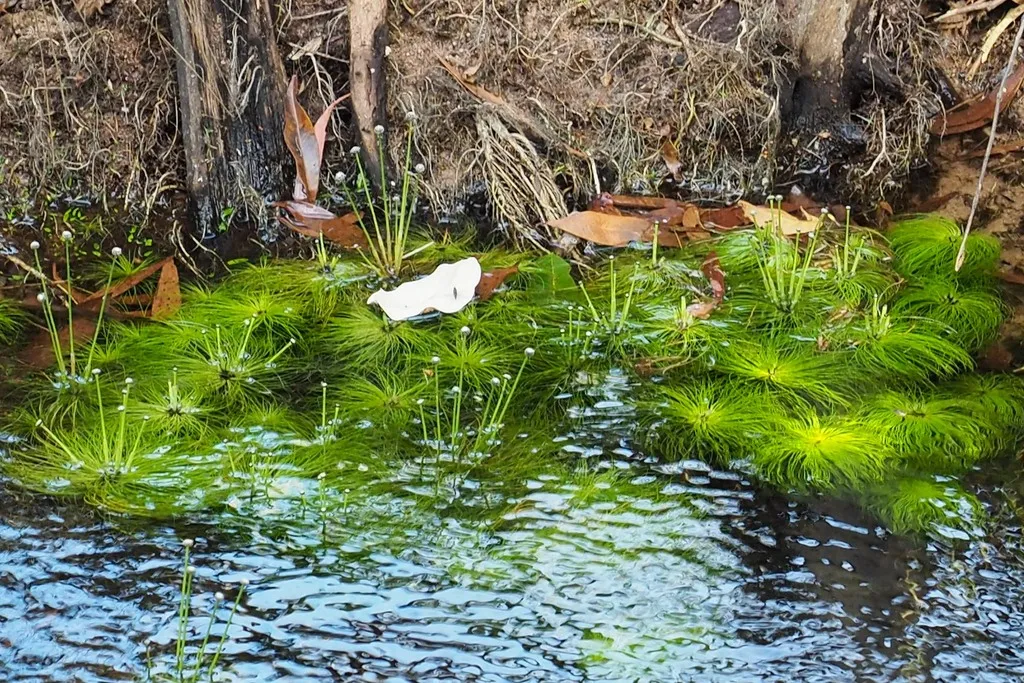
Syngonanthus Manaus
Syngonanthus sp. 'Manaus'
High light · Midground
 High lightMidground11.8 in (30 cm)
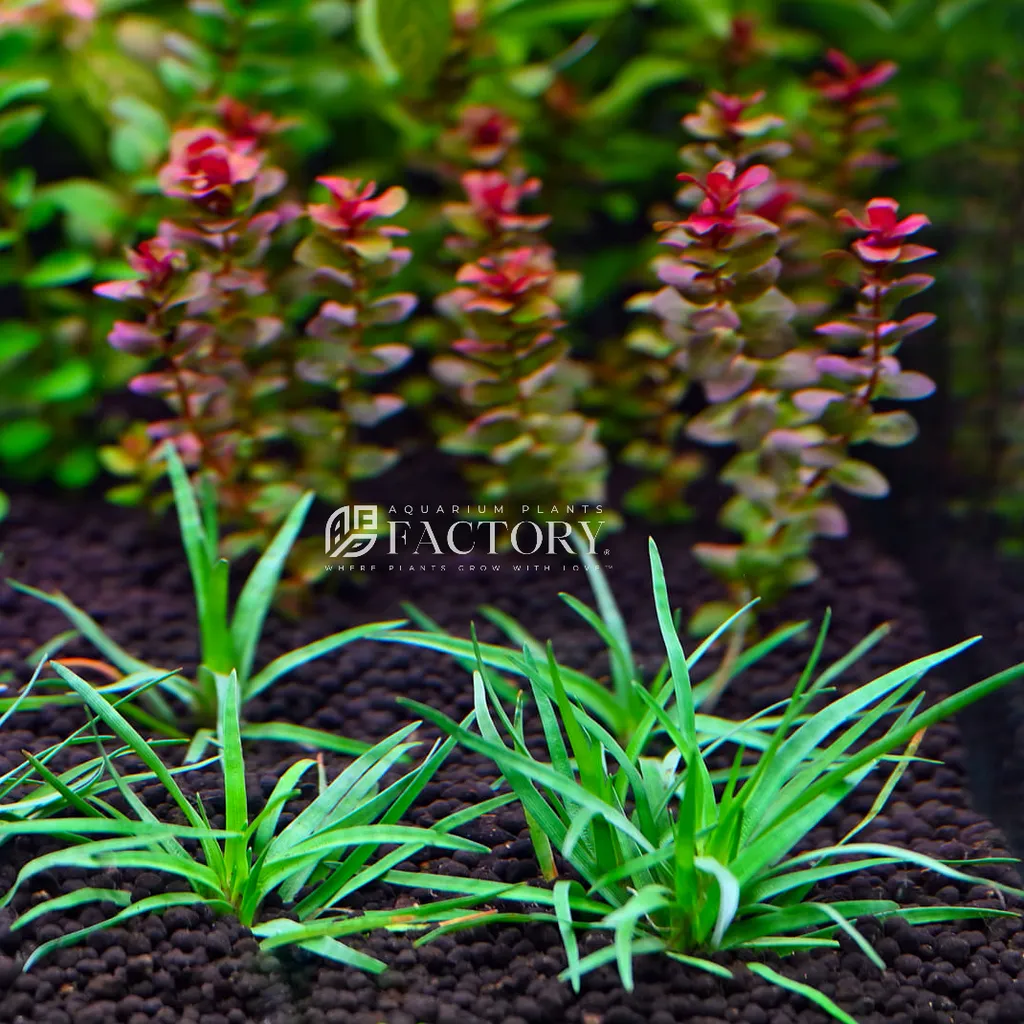
Eriocaulon setaceum
High light · Midground
 High lightMidground4.7 in (12 cm)
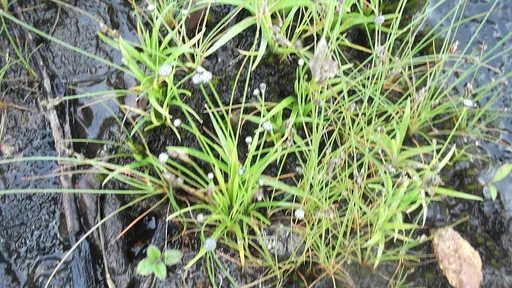
Eriocaulon Vietnam
Eriocaulon sp. 'Vietnam'
High light · Midground
 High lightMidground3.1 in (8 cm)
Eriocaulon quinquangulare
High light · Midground
 High lightBackground13.8 in (35 cm)
Tonina fluviatilis
High light · Background
 High lightForeground3.1 in (8 cm)
Eriocaulon buergerianum
High light · Foreground