Syngonanthus Manaus
Syngonanthus sp. 'Manaus'
Also known as Tonina sp. 'Manaus', Syngonanthus 'Manaus'
FreshwaterStemSide shootsCuttings
Care at a glance
- Light
- High light
- CO2
- CO₂ required
- Temperature
- 64–84°F
- 18–29°C
- Max height
- 11.8 in
- 30 cm
- Growth rate
- Medium
- Placement
- Midground
- Type
- Stem
- pH
- 4.5–6.5
- Hardness
- 0–5 dGH
- Spread
- 2.4 in (6 cm)
- Nutrient uptake
- Root + water column
- Growth region
- Submersed
- Difficulty
- Difficult
- Family
- Eriocaulaceae
- Origin
- Brazil (soft blackwater rivers of the Amazon basin near Manaus)
Overview
Syngonanthus Manaus is a difficult softwater stem plant for high-tech tanks, grown in the midground.
Did you know
Syngonanthus Manaus has no full scientific name yet. It is an undescribed species, still traded under the name of the place it was collected, with an informal "sp." label.
Caring for Syngonanthus Manaus
Plant Syngonanthus Manaus in an acidic aquasoil, stripping the lower leaves and setting the stems a little apart. It needs strong light, injected CO2 and soft water, with GH and KH under about 5 and a pH of 4.5 to 6.5.
Many aquarists run remineralized RO water or rainwater to keep the KH that low. Steady water-column dosing, iron included, keeps the crowns bright green instead of washed out, and root tabs feed the roots.
Syngonanthus Manaus grows at a moderate pace at 64 to 84°F (18 to 29°C). Trim from the bottom and replant the tops, since the appeal is all in the dense, whorled crown. Expect a sulky adjustment period whenever the water chemistry shifts.
Good to know
Syngonanthus Manaus belongs to the pipewort family, Eriocaulaceae, close to Tonina and the other Syngonanthus. It is the taller, more slender of the popular forms, next to Syngonanthus macrocaulon, sold as 'Belem'. Older aquarium literature sometimes shuffled these plants between the genera Tonina and Syngonanthus. Its upright stems carry whorls of fine, needle-like leaves that form a slender, lime-green, star-shaped crown.
In the wild
Syngonanthus Manaus was collected from soft, acidic blackwater rivers in the Amazon basin near Manaus, Brazil.
Common questions
Does Syngonanthus Manaus need to be planted in the substrate?
Yes. Strip the leaves from the lower part of each stem, then push the stems into the substrate one at a time, a little apart.
Does Syngonanthus Manaus need CO2?
Yes. Syngonanthus Manaus needs injected CO2 to grow well, and it usually struggles without it.
How much light does Syngonanthus Manaus need?
Syngonanthus Manaus needs high light from a strong planted-tank LED. In weaker light its stems stretch and drop their lower leaves.
Does Syngonanthus Manaus need root tabs?
They help. Syngonanthus Manaus takes nutrients through both its roots and its leaves. Root tabs near its roots and a liquid fertilizer cover both.
How do you propagate Syngonanthus Manaus?
Syngonanthus Manaus propagates by side shoots and cuttings. Cut a side shoot off once it has a few leaves and plant it on its own. Cut off the top of a stem and replant it, and the stump left behind grows new shoots.
How tall does Syngonanthus Manaus grow?
Syngonanthus Manaus grows to about 11.8 in (30 cm) tall. It grows at a moderate pace.
Related plants
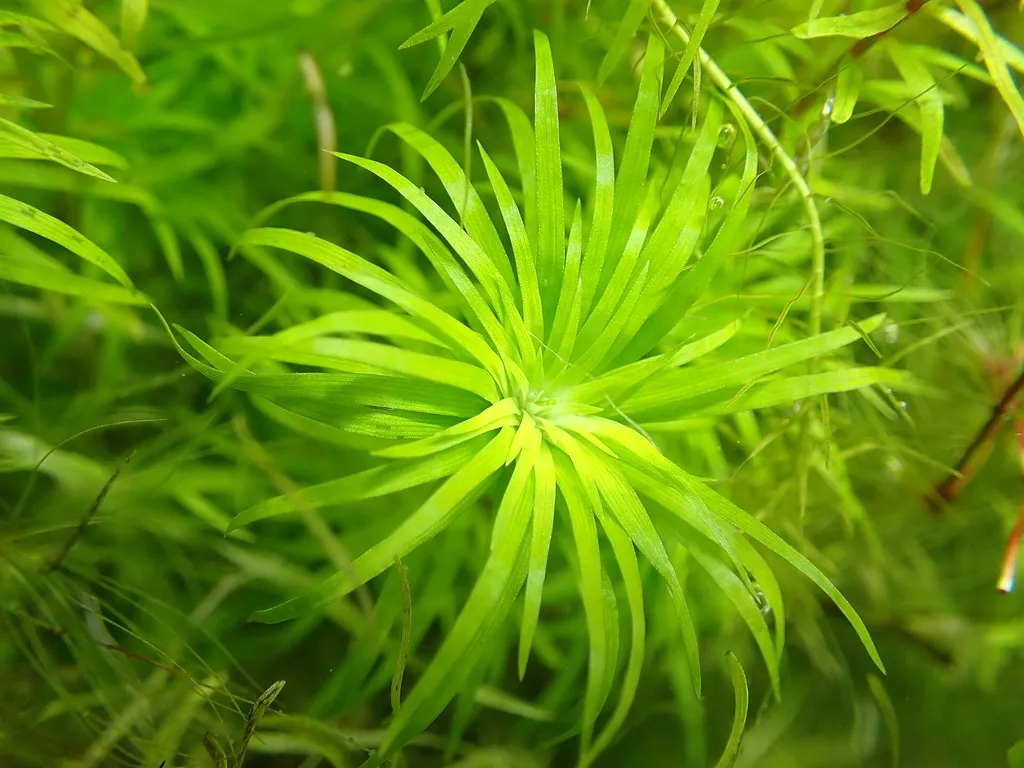 High lightMidground7.9 in (20 cm)
Syngonanthus Belem
Syngonanthus macrocaulon
High light · Midground
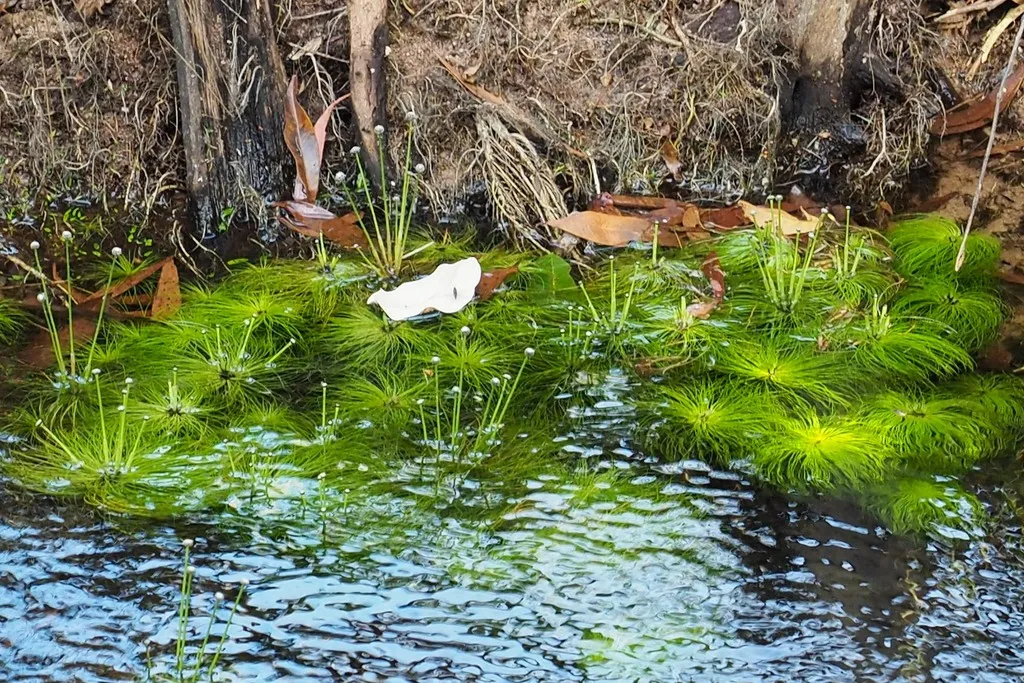 High lightMidground11.8 in (30 cm)
Eriocaulon setaceum
High light · Midground
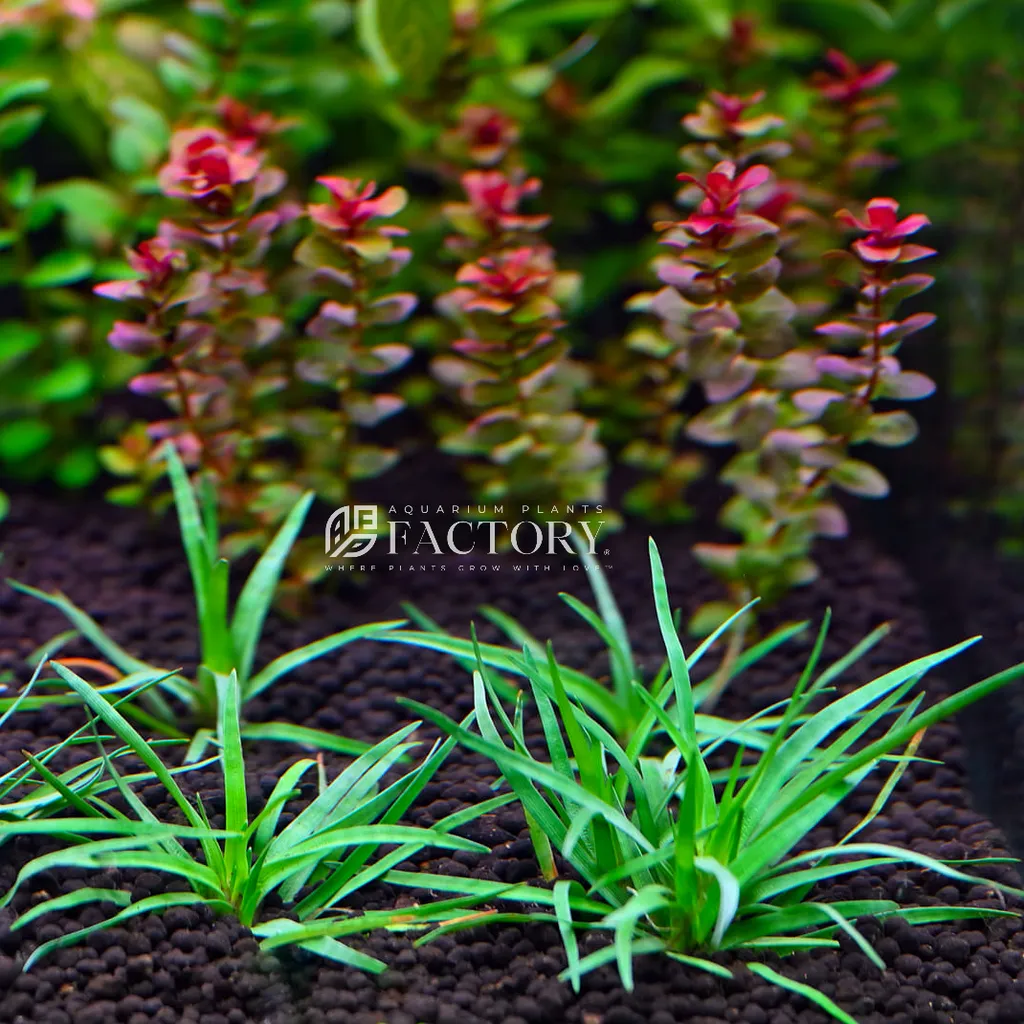 Medium lightMidground9.8 in (25 cm)
Eriocaulon Vietnam
Eriocaulon sp. 'Vietnam'
Medium light · Midground
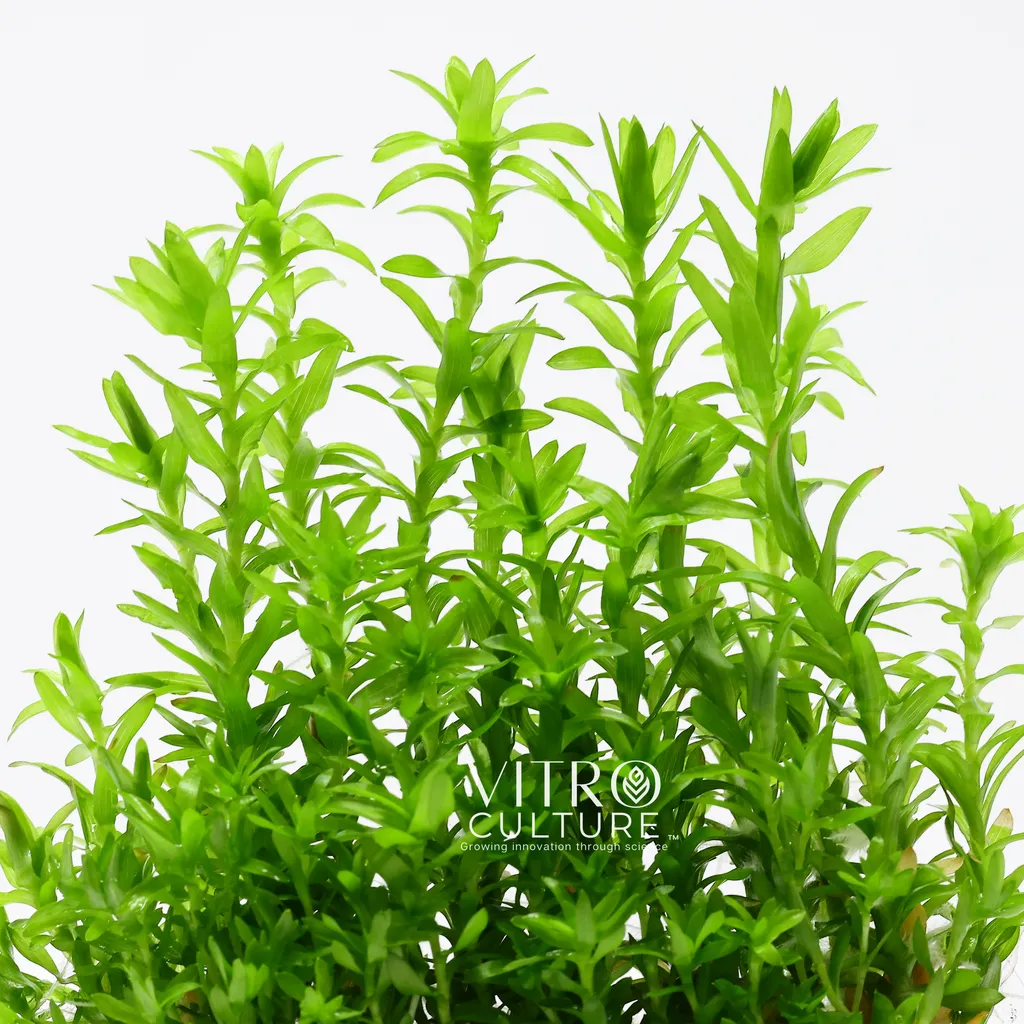 High lightBackground13.8 in (35 cm)
Tonina fluviatilis
High light · Background
 High lightMidground3.1 in (8 cm)
Eriocaulon quinquangulare
High light · Midground
 High lightMidground3.9 in (10 cm)
Eriocaulon aquaticum
High light · Midground