Eriocaulon quinquangulare
Also known as Five-angled pipewort, Erio quinquangulare
FreshwaterRosetteSide shootsPlantlets
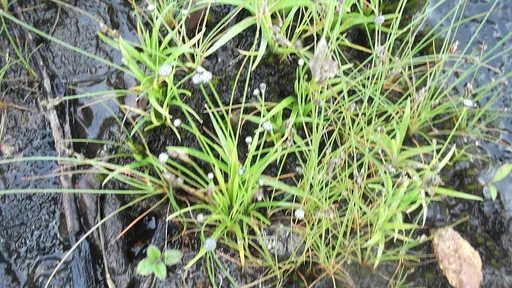
Care at a glance
- Light
- High light
- CO2
- CO₂ required
- Temperature
- 72–82°F
- 22–28°C
- Max height
- 3.1 in
- 8 cm
- Growth rate
- Slow
- Placement
- Midground
- Type
- Rosette
- pH
- 5.0–6.8
- Hardness
- 0–4 dGH
- Spread
- 3.1 in (8 cm)
- Nutrient uptake
- Root + water column
- Growth region
- Submersed
- Difficulty
- Difficult
- Family
- Eriocaulaceae
- Origin
- Tropical Asia, from the Indian subcontinent through Indo-China (India, Sri Lanka, Bangladesh, Myanmar, Vietnam)
Overview
A collector rosette that needs high light, heavy CO2 (it often wants more than the usual 30ppm), and very soft water with KH under about 3, plus a rich, ammonia-loaded aquasoil. Fraying, pale or melting outer leaves are the classic sign that CO2 or GH/KH is off. It is delicate and squashes easily, so handle by the base and plant carefully. Growth is slow, and it multiplies by throwing side rosettes rather than seeding readily in the tank.
In the wild
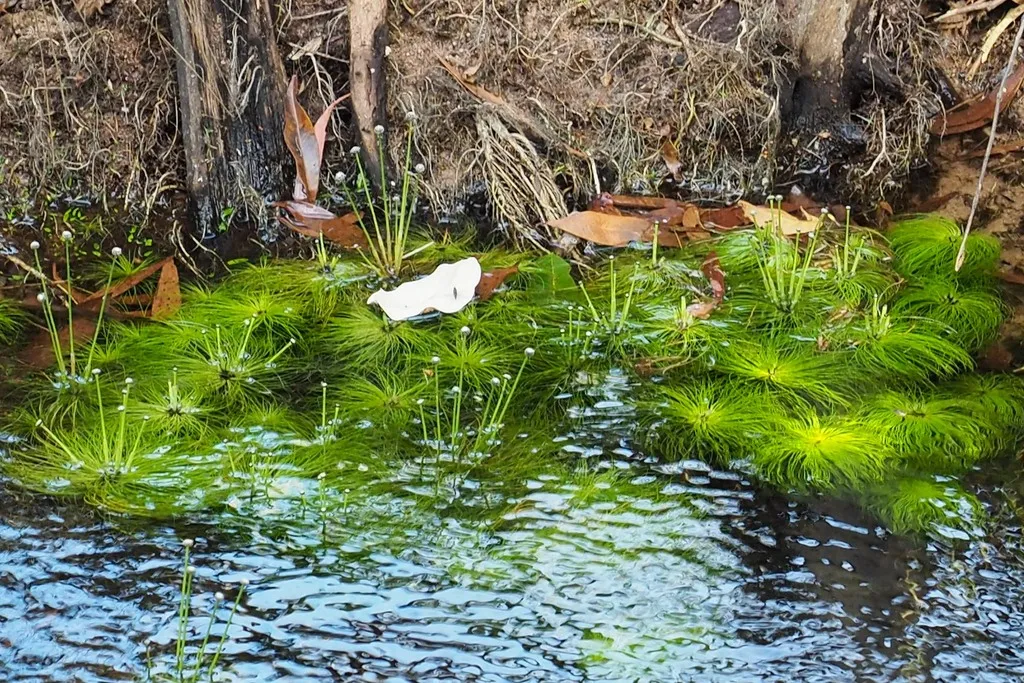
A pipewort native across tropical Asia, from the Indian subcontinent through Indo-China, where it grows in marshy ground, rice paddies and seasonally flooded pools with soft, mineral-poor water. It forms a low rosette of fine, grass-like leaves that radiate from a central point.
Good to know
The species name quinquangulare means five-angled, a reference to the five-ribbed flower stalks the plant throws up. It belongs to Eriocaulaceae, a family of monocots whose members are grown in the hobby as demanding rosette plants. Like other Eriocaulon it forms a symbiotic relationship with root bacteria and is very sensitive to carbonate hardness.
Did you know
Did you know Eriocaulon roots host nitrogen-related bacteria, which is one reason hobbyists find these plants do best in fresh, ammonia-rich aquasoil rather than an old, mineralised substrate.
Related plants
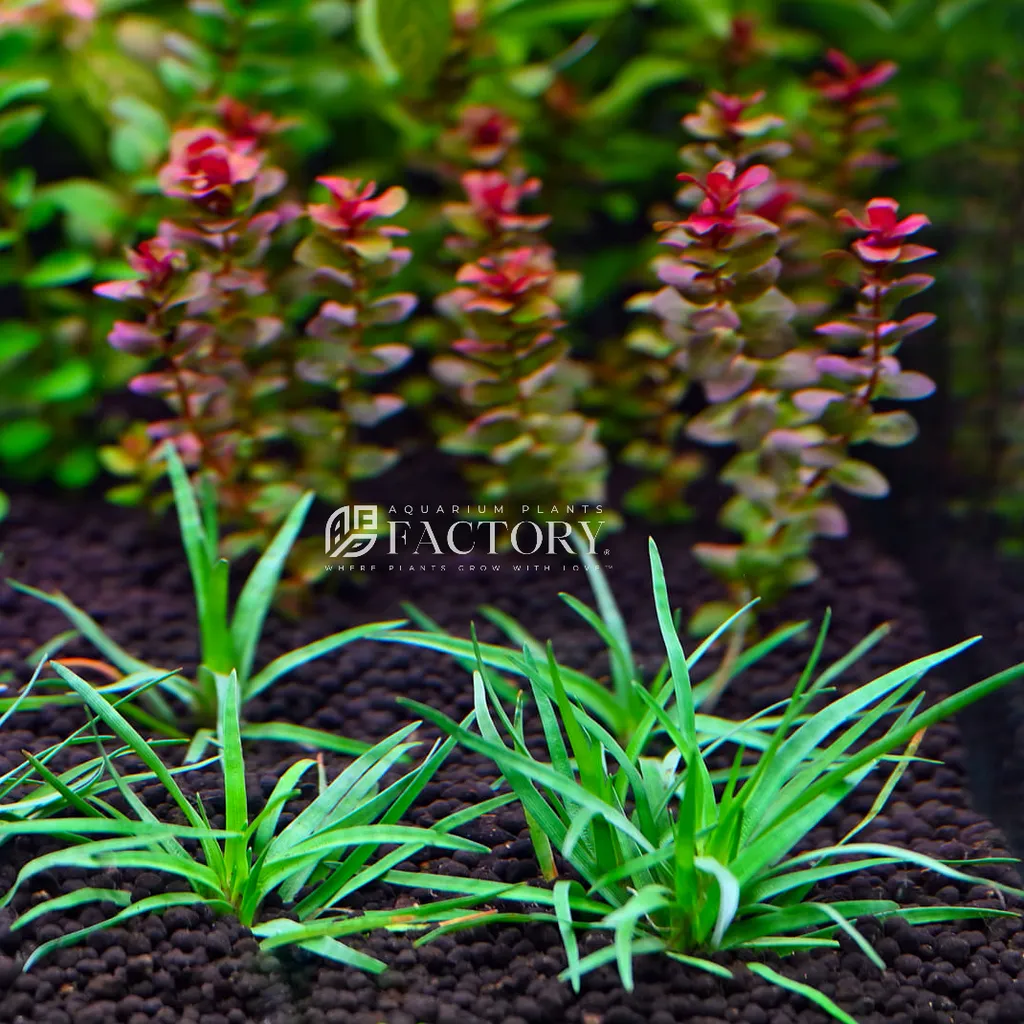 High lightMidground4.7 in (12 cm)
Eriocaulon Vietnam
Eriocaulon sp. 'Vietnam'
High light · Midground
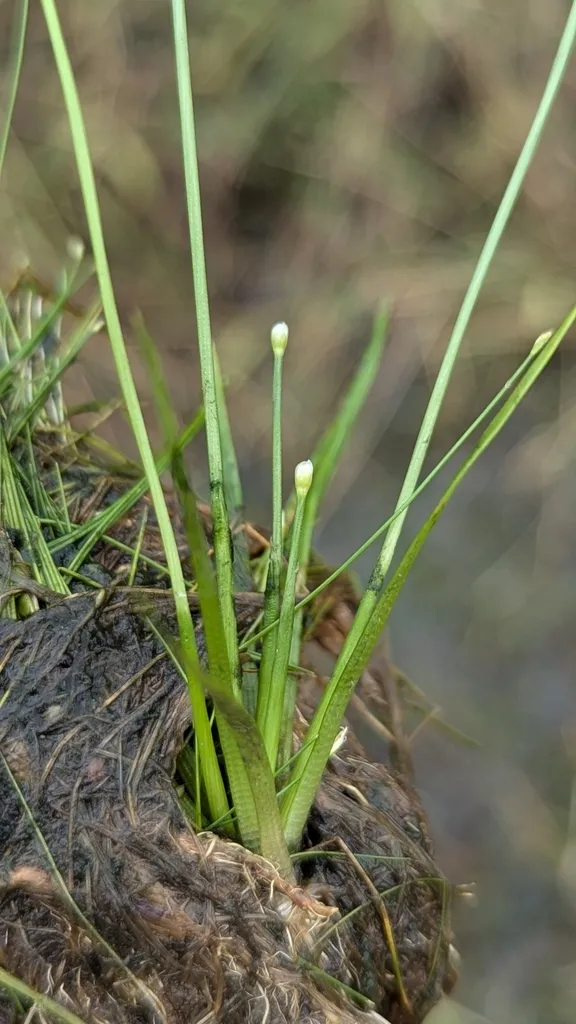 High lightForeground3.1 in (8 cm)
Eriocaulon buergerianum
High light · Foreground
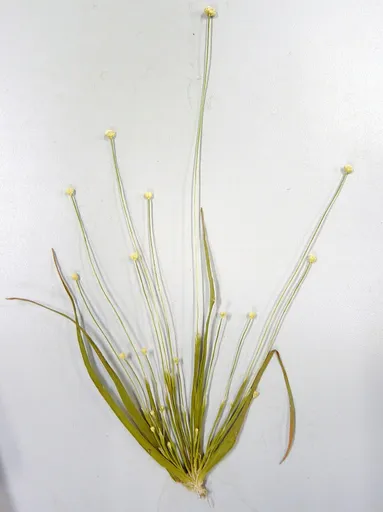 High lightForeground3.1 in (8 cm)
Eriocaulon cinereum
High light · Foreground
 High lightMidground11.8 in (30 cm)
Eriocaulon setaceum
High light · Midground
- High lightForeground1.2 in (3 cm)
Eriocaulon Sulawesi
Eriocaulon sp. 'Sulawesi'
High light · Foreground
- Medium lightBackground23.6 in (60 cm)
Eriocaulon breviscapum
Medium light · Background