Water hedge
Didiplis diandra
Also known as Peplis diandra, Water screw-stem
FreshwaterStemCuttingsSide shoots
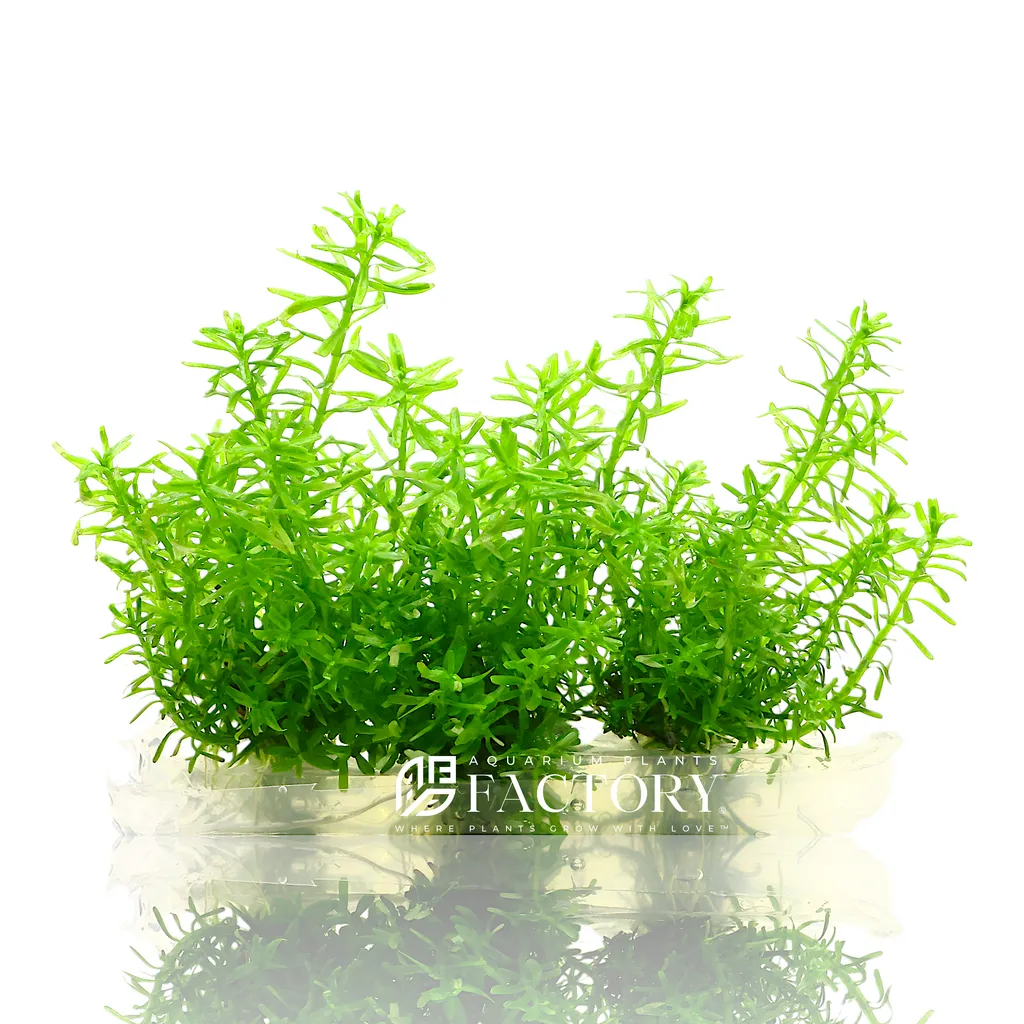
Care at a glance
- Light
- High light
- CO2
- CO₂ beneficial
- Temperature
- 72–82°F
- 22–28°C
- Max height
- 11.8 in
- 30 cm
- Growth rate
- Fast
- Placement
- Midground
- Type
- Stem
- pH
- 5.0–7.0
- Hardness
- 2–10 dGH
- Spread
- 1.6 in (4 cm)
- Nutrient uptake
- Root + water column
- Growth region
- Submersed or emersed
- Difficulty
- Difficult
- Family
- Lythraceae
- Origin
- Eastern and southeastern USA
Overview
Water hedge is a fine-textured stem plant for the midground, rated difficult. Its tips turn orange to red under strong light and stay green in dimmer tanks.
Did you know
Water hedge is one of the few stem plants that reads as fine and grassy. Aquascapers use it for soft texture contrast where a Rotala would look too round-leaved.
Caring for water hedge
Strip the lower leaves and push the stems into the substrate one at a time, a little apart. Keep the water at 72 to 82°F (22 to 28°C), with a pH of 5 to 7 and 2 to 10 dGH.
Water hedge needs bright light to hold its lower leaves. Without it, the base rots out and the stems go bald. CO2 is not required, though it speeds up growth.
It is a heavy feeder for iron and micronutrients, and pale plants signal an iron shortage. It takes food through both roots and leaves, so pair root tabs with a liquid fertilizer.
Growth is fast, so expect regular trimming. Trim the tops and side shoots and replant them to bush it out, and the stumps left behind grow new shoots.
Good to know
Water hedge's accepted name is Didiplis diandra, with Peplis diandra as a botanical synonym. It is the sole species of the small genus Didiplis, in the family Lythraceae. Its needle-fine, opposite leaves give it a soft, feathery look among its rounder relatives, Rotala and Ammannia.
In the wild
Water hedge is native to the eastern, southern and southeastern United States. It grows along the margins of ponds, lakes and slow-flowing waters. It is a marsh plant that grows emersed on damp banks as well as fully submersed.
Common questions
Does water hedge need to be planted in the substrate?
Yes. Strip the leaves from the lower part of each stem, then push the stems into the substrate one at a time, a little apart.
Does water hedge need CO2?
No, but it helps. Water hedge can grow without injected CO2, and added CO2 makes it grow faster.
How much light does water hedge need?
Water hedge needs high light from a strong planted-tank LED. In weaker light its stems stretch and drop their lower leaves.
Does water hedge need root tabs?
They help. Water hedge takes nutrients through both its roots and its leaves. Root tabs near its roots and a liquid fertilizer cover both.
How do you propagate water hedge?
Water hedge propagates by cuttings and side shoots. Cut off the top of a stem and replant it, and the stump left behind grows new shoots. Cut a side shoot off once it has a few leaves and plant it on its own.
How tall does water hedge grow?
Water hedge grows to about 11.8 in (30 cm) tall. It grows fast, so expect to trim it often.
Related plants
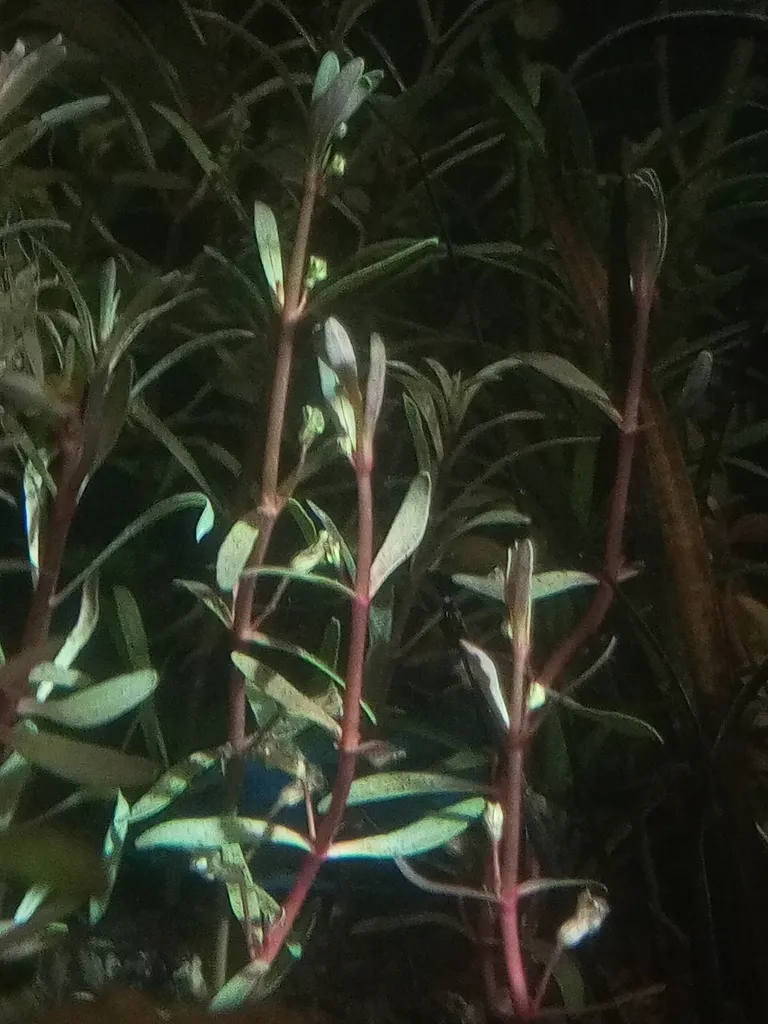 High lightMidground11.8 in (30 cm)
Cuphea anagalloidea
High light · Midground
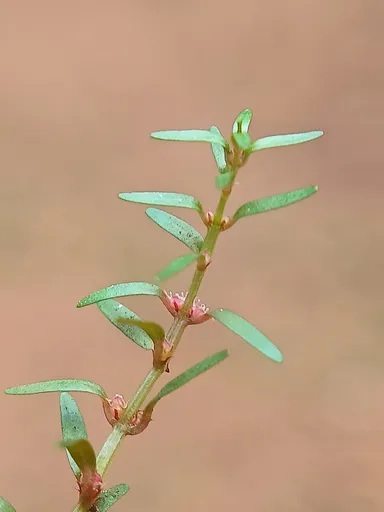 High lightMidground11.8 in (30 cm)
Rotala pusilla
Rotala mexicana
High light · Midground
- High lightMidground11.8 in (30 cm)
Rotala Florida
Rotala ramosior 'Florida'
High light · Midground
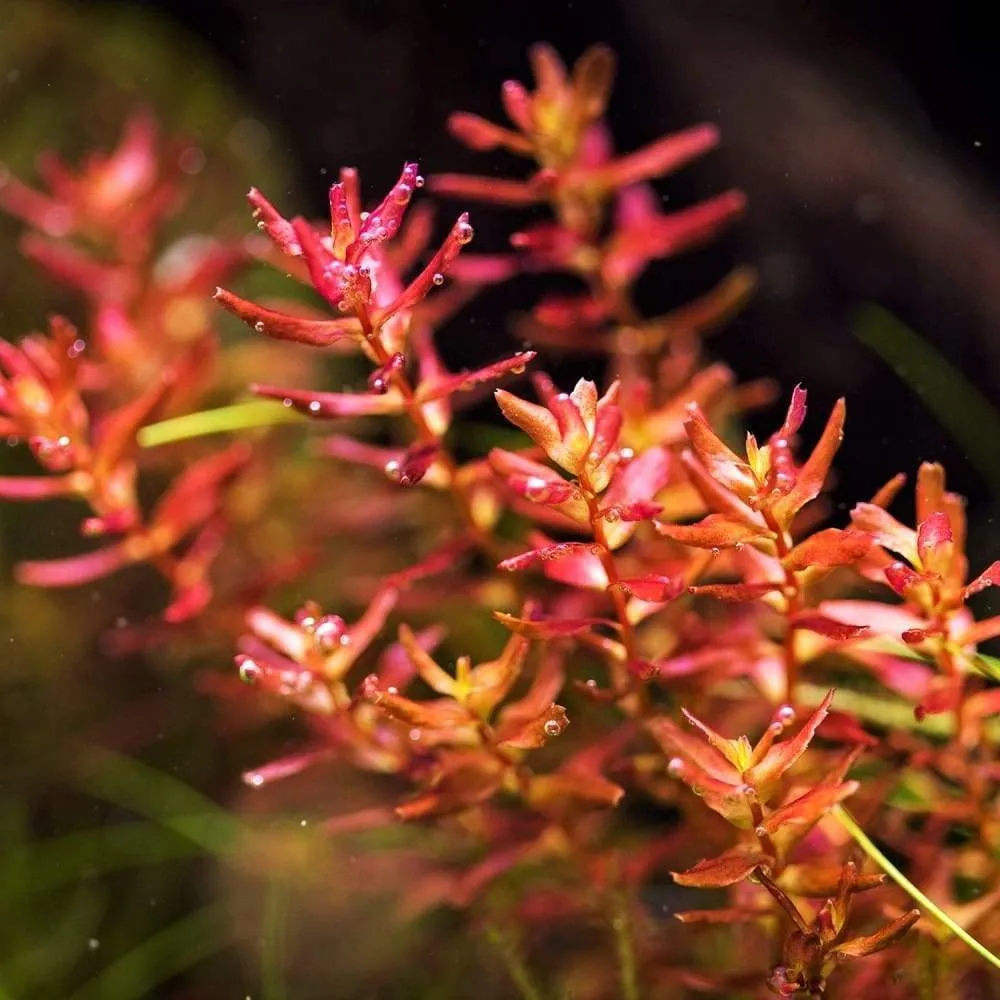 High lightMidground9.8 in (25 cm)
Rotala macrandra Mini Butterfly
Rotala macrandra 'Mini'
High light · Midground
- High lightMidground15.7 in (40 cm)
Rotala Nanjenshan
Rotala sp. 'Nanjenshan'
High light · Midground
- High lightMidground15.7 in (40 cm)
Rotala Sunset
Rotala ramosior 'Sunset'
High light · Midground