Rotala indica
Also known as Indian toothcup
FreshwaterStemCuttingsSide shoots
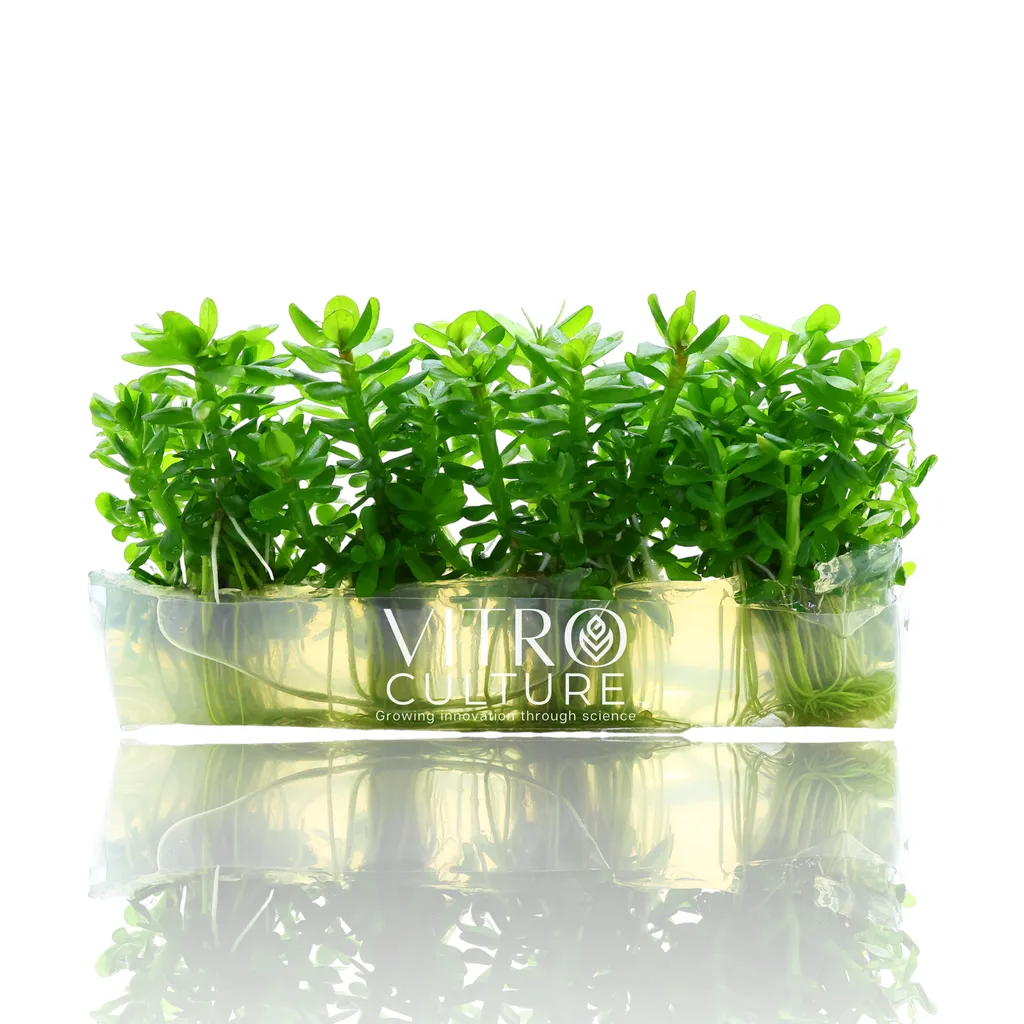
Care at a glance
- Light
- High light
- CO2
- CO₂ beneficial
- Temperature
- 68–82°F
- 20–28°C
- Max height
- 7.9 in
- 20 cm
- Growth rate
- Medium
- Placement
- Midground
- Type
- Stem
- pH
- 5.5–7.5
- Hardness
- 2–14 dGH
- Spread
- 2 in (5 cm)
- Nutrient uptake
- Root + water column
- Growth region
- Submersed or emersed
- Difficulty
- Medium
- Family
- Lythraceae
- Origin
- Warmer regions of Asia (India eastward to Japan), naturalized in rice-growing regions worldwide
Overview
Plant in dense groups in the mid to background and trim regularly, since the stiff upright stems form a compact column rather than a sprawling bush. It is not truly demanding but wants high light and a nutrient-rich substrate to look its best, and CO2 injection tightens the internodes and brings out a reddish to pink blush on the upper leaves. Without CO2 it still grows at a medium pace but stays greener and more open. Replant trimmed tops to thicken the stand. Note that most plants sold as 'Rotala indica' in stores are actually red Rotala rotundifolia, so verify what you are buying if you want the genuine compact bonsai-leaved species.
In the wild
Native across the warmer parts of Asia, from India east to Japan, and spread as a weed of rice paddies, marshes, and low wet fields throughout tropical rice-growing regions. It grows both emersed along muddy paddy margins and submersed in shallow standing water, tolerating a wide range of soft to moderately hard conditions. In the wild it behaves largely as an annual, completing its cycle with the seasonal flooding and drying of the fields.
Good to know
A member of the loosestrife family Lythraceae. True Rotala indica is distinguished under magnification by a thickened, whitish cartilaginous leaf margin lacking chlorophyll, and a strictly upright habit with a relatively thick, sparingly branched stem. Its identity was muddled in the hobby because Rotala rotundifolia was imported under the name 'Rotala indica' in 1960, and reddish forms of rotundifolia are still sold under that wrong name today. The genuine plant circulated for years as 'Ammannia sp. Bonsai' before Cavan Allen confirmed it as R. indica in 2009.
Did you know
Did you know the plant the hobby calls 'Rotala indica' usually is not? For over half a century the name has ridden on a misidentified Rotala rotundifolia, while the real R. indica quietly circulated as the unrelated-sounding 'Ammannia Bonsai' until it was finally pinned down in 2009.
Related plants
- High lightMidground7.9 in (20 cm)
Rotala Fujian
Rotala 'Fujian'
High light · Midground
- High lightMidground7.9 in (20 cm)
Rotala macrandra Pearl
Rotala macrandra 'Pearl'
High light · Midground
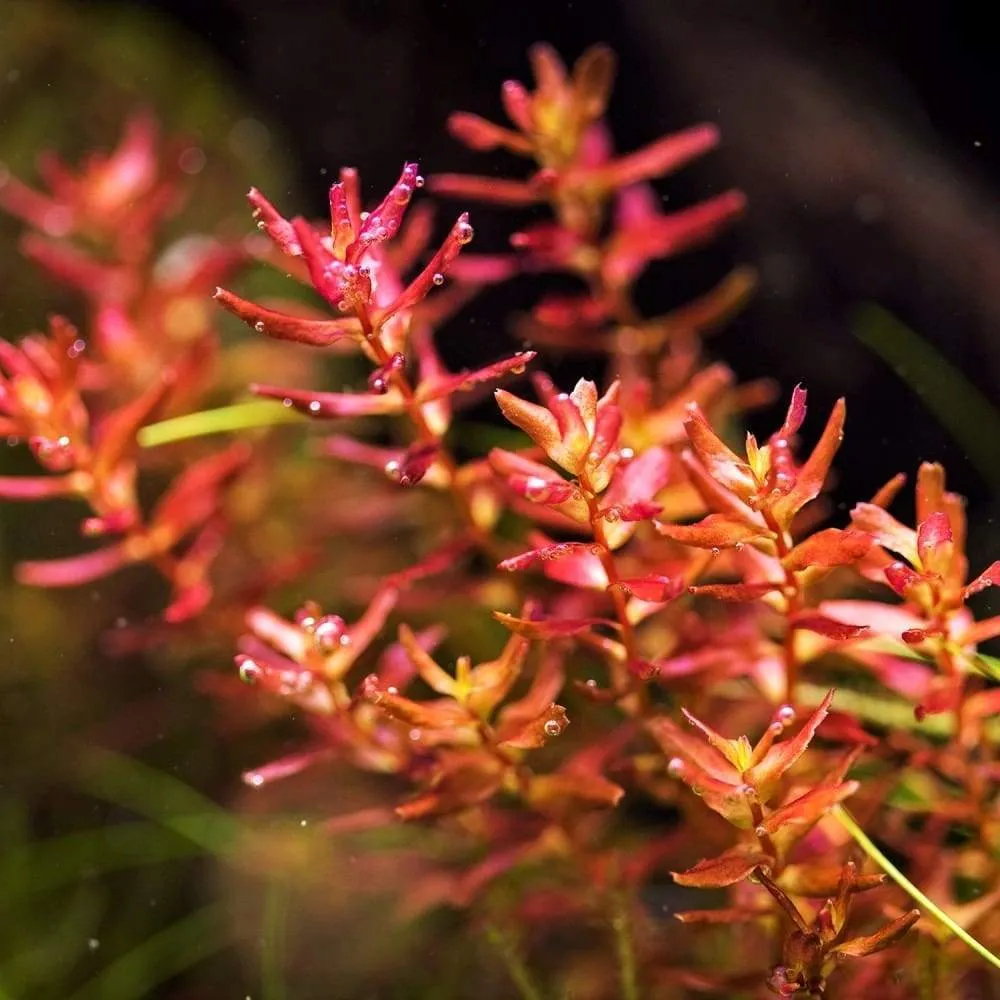 High lightMidground9.8 in (25 cm)
Rotala macrandra Mini Butterfly
Rotala macrandra 'Mini'
High light · Midground
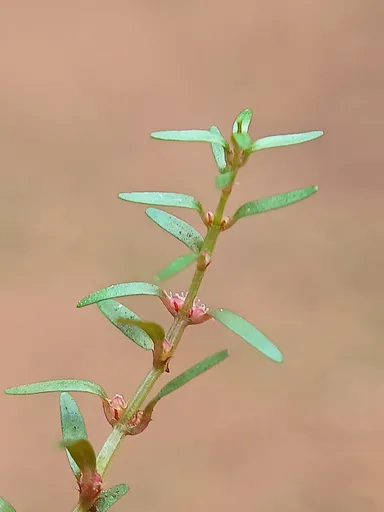 High lightMidground11.8 in (30 cm)
Rotala pusilla
Rotala mexicana
High light · Midground
- High lightBackground7.9 in (20 cm)
Rotala Manipurensis
Rotala rotundifolia 'Manipurensis'
High light · Background
- High lightMidground15.7 in (40 cm)
Rotala Nanjenshan
Rotala sp. 'Nanjenshan'
High light · Midground