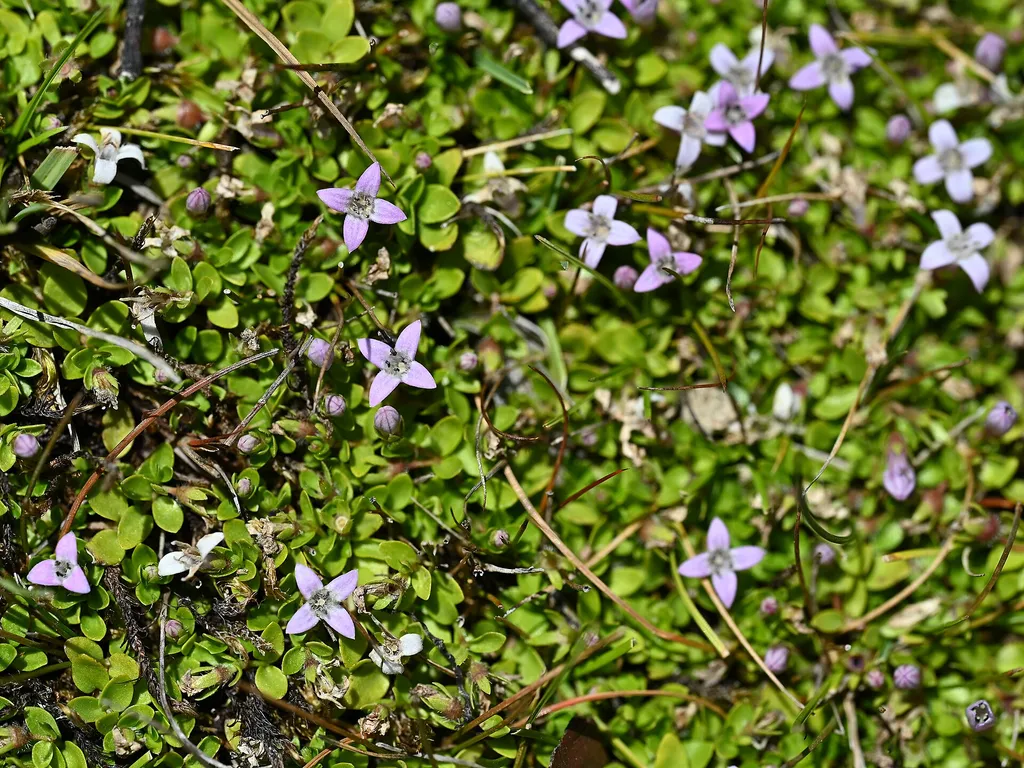
Hedyotis salzmannii
Oldenlandia salzmannii
Also known as Anotis salzmannii, Bacopa sp. Pantanal
FreshwaterStemCuttings
Care at a glance
- Light
- Medium light
- CO2
- CO₂ beneficial
- Temperature
- 59–77°F
- 15–25°C
- Max height
- 7.9 in
- 20 cm
- Growth rate
- Fast
- Placement
- Midground
- Type
- Stem
- pH
- 5.0–7.5
- Nutrient uptake
- Root + water column
- Growth region
- Submersed or emersed
- Difficulty
- Easy
- Family
- Rubiaceae
- Origin
- Southern South America (southern Brazil, Uruguay, Paraguay, northeastern Argentina); naturalized in the southern United States
Overview
Hedyotis salzmannii is an easy, fast-growing little stem plant with rounded, fresh green leaves. It fits the midground of a nano tank.
Did you know
Flowgrow rates Hedyotis salzmannii hardy down to about 4 degrees. That lets it overwinter in a cold-water setup that would kill most of the tropical stems it is sold alongside.
Caring for Hedyotis salzmannii
Plant the stems one at a time, a little apart, or in loose groups among hardscape. Hedyotis salzmannii makes only very fine roots that anchor poorly. Older stands tend to lift out of the substrate as a result.
Give it medium light. It grows without injected CO2, but more light and added CO2 both make it denser. It feeds through its roots and its leaves, so root tabs and a liquid fertilizer both help.
It grows fast and propagates by cuttings. When an older stand starts to lift, replant the tips and throw away the bottoms. It handles 59 to 77°F (15 to 25°C), so it does well in unheated tanks and can spend the summer in a pond.
Good to know
Hedyotis salzmannii is one of very few aquarium plants from Rubiaceae, the coffee and bedstraw family. It was described from Brazilian material collected by Philipp Salzmann, and the epithet honors him. Botanists have moved it between Hedyotis, Oldenlandia and Anotis over the years. Oldenlandia salzmannii is now the accepted name, though the trade still sells it as Hedyotis salzmannii. It has also circulated misidentified as Bacopa sp. Pantanal.
In the wild
Hedyotis salzmannii is native to subtropical southern South America, in southern Brazil, Uruguay, Paraguay and northeastern Argentina. It has naturalized in parts of the southern United States. It grows as an amphibious creeper in wet meadows, ditches and the margins of streams and ponds. It stands emersed on damp ground, goes submersed when flooded and shrugs off cool water.
Common questions
Does Hedyotis salzmannii need to be planted in the substrate?
Yes. Strip the leaves from the lower part of each stem, then push the stems into the substrate one at a time, a little apart.
Does Hedyotis salzmannii need CO2?
No, but it helps. Hedyotis salzmannii can grow without injected CO2, and added CO2 makes it grow faster.
How much light does Hedyotis salzmannii need?
Hedyotis salzmannii wants medium light. A light sold for planted tanks covers it.
Does Hedyotis salzmannii need root tabs?
They help. Hedyotis salzmannii takes nutrients through both its roots and its leaves. Root tabs near its roots and a liquid fertilizer cover both.
How do you propagate Hedyotis salzmannii?
Hedyotis salzmannii propagates by cuttings. Cut off the top of a stem and replant it, and the stump left behind grows new shoots.
How tall does Hedyotis salzmannii grow?
Hedyotis salzmannii grows to about 7.9 in (20 cm) tall. It grows fast, so expect to trim it often.
Related plants
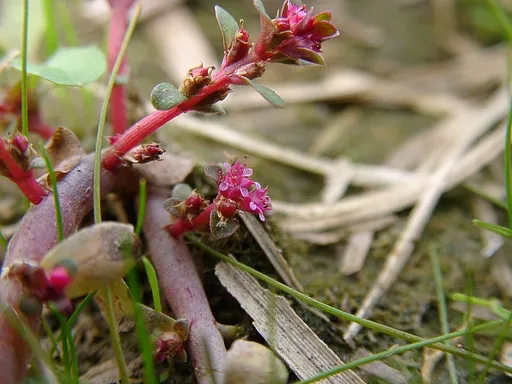 High lightMidground7.9 in (20 cm)
Ammannia Bonsai
Ammannia sp. 'Bonsai'
High light · Midground
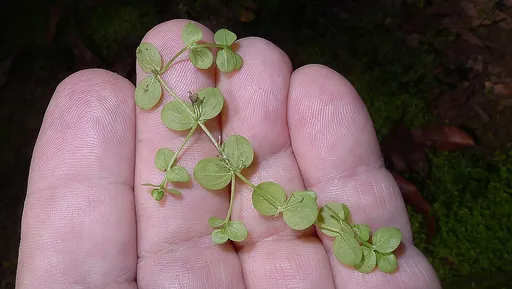 Medium lightMidground7.9 in (20 cm)
Giant baby tears
Micranthemum umbrosum
Medium light · Midground
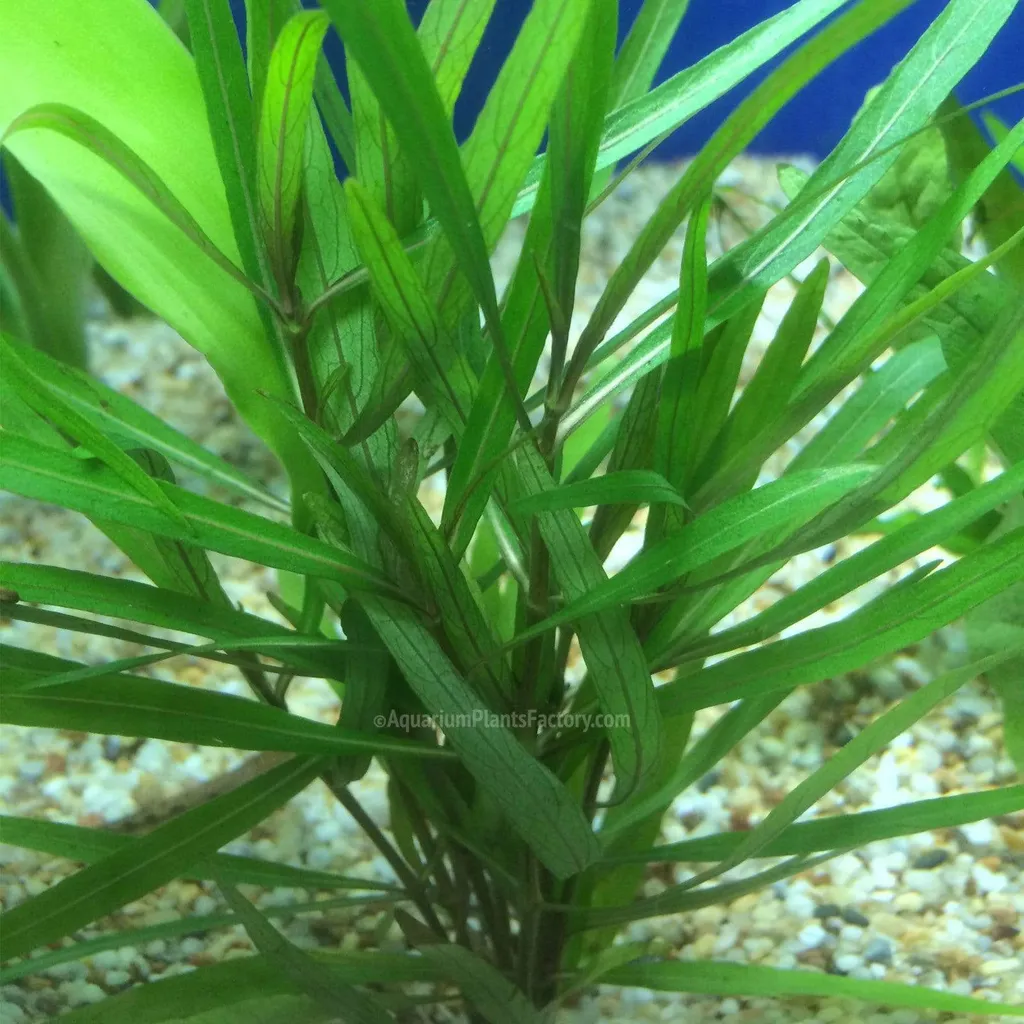 High lightMidground7.9 in (20 cm)
Hygrophila Araguaia
Hygrophila lancea 'Araguaia'
High light · Midground
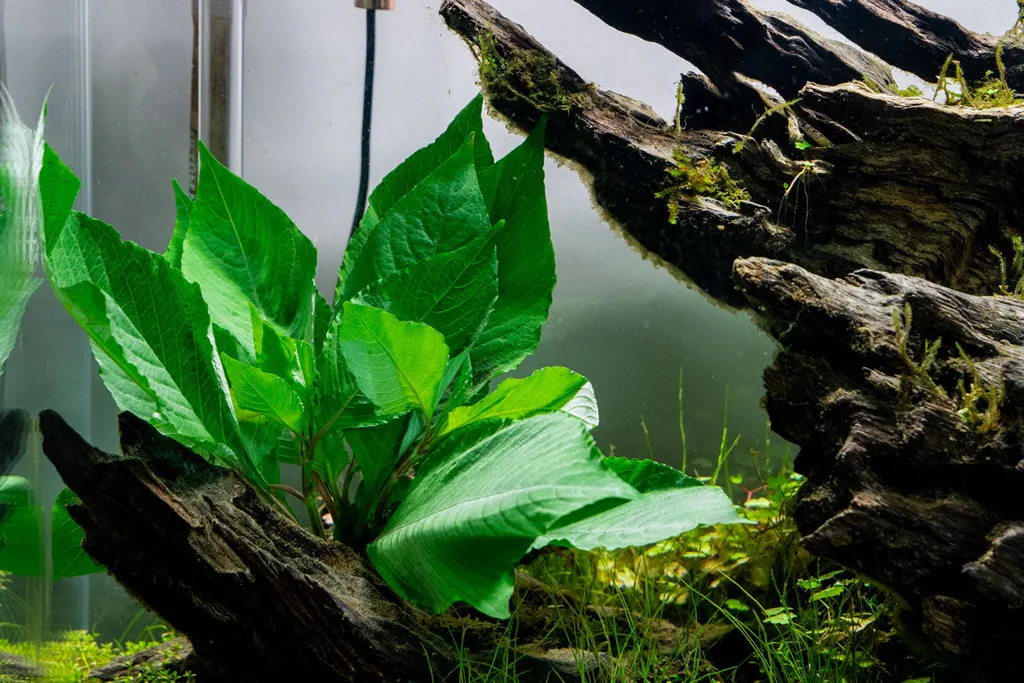 Low lightMidground7.9 in (20 cm)
Hygrophila corymbosa Compacta
Hygrophila corymbosa 'Compacta'
Low light · Midground
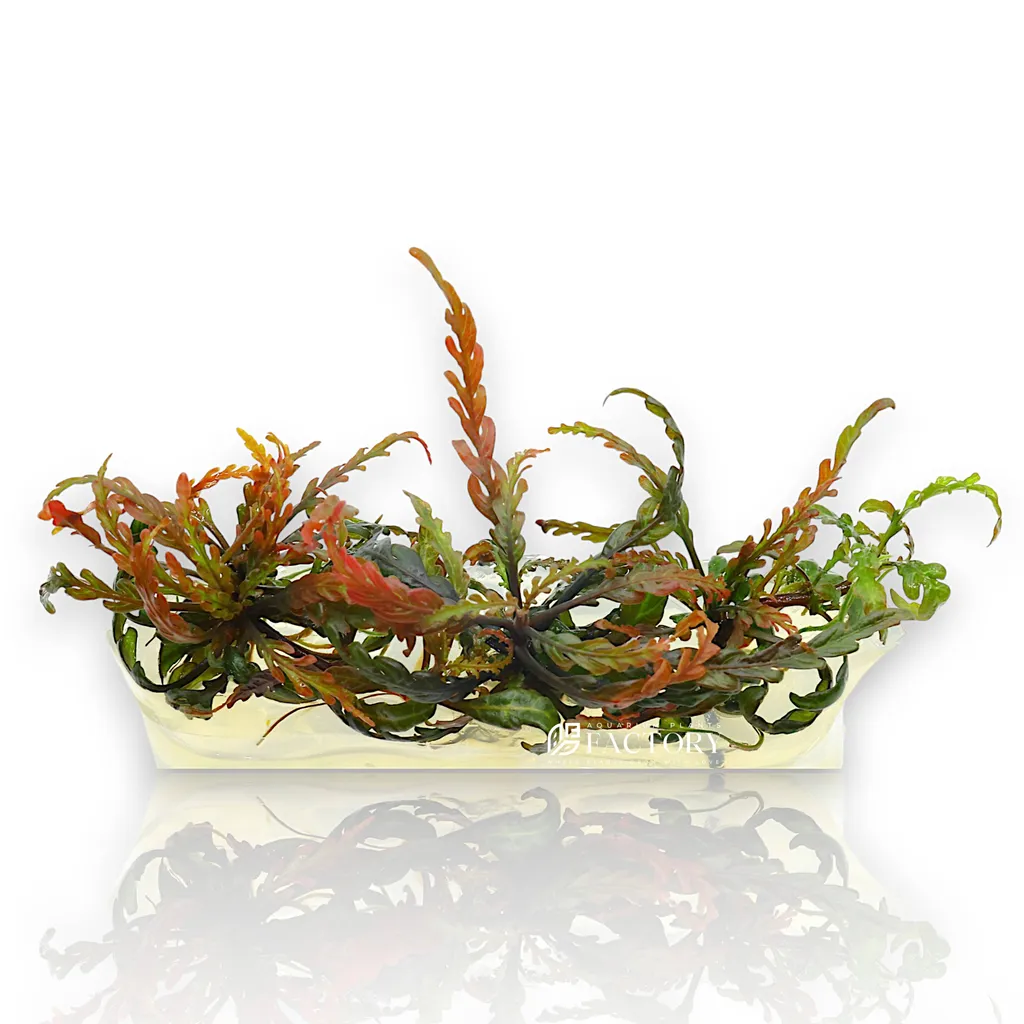 Medium lightMidground7.9 in (20 cm)
Hygrophila pinnatifida UK
Hygrophila pinnatifida 'UK'
Medium light · Midground
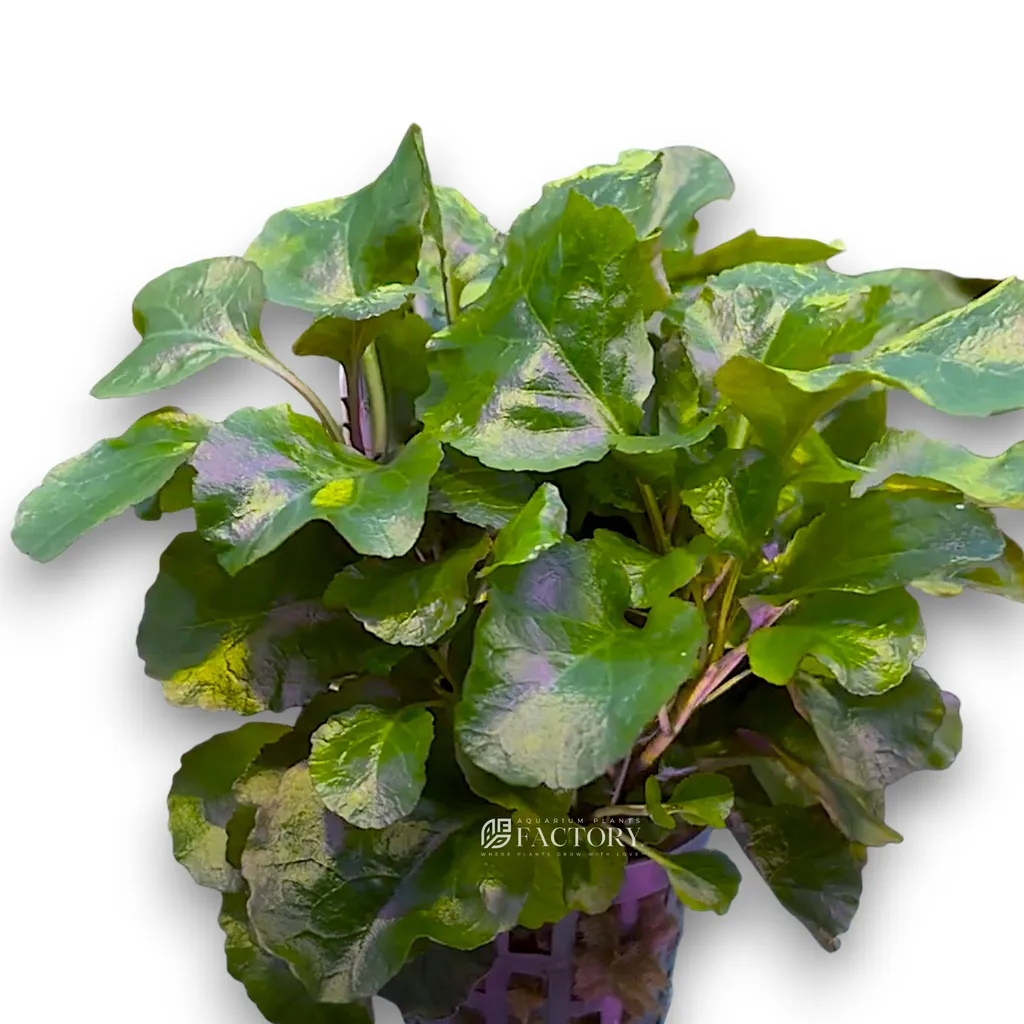 Medium lightMidground7.9 in (20 cm)
Lobelia cardinalis Wavy
Lobelia cardinalis 'Wavy'
Medium light · Midground