Ammannia Bonsai
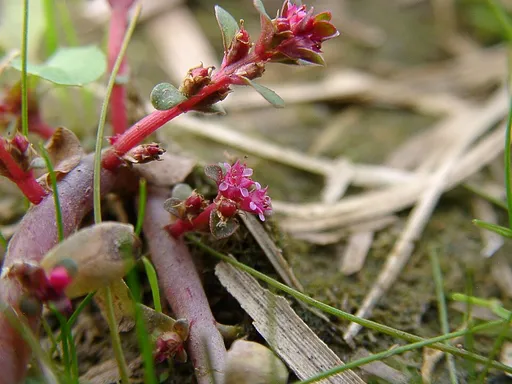
Ammannia sp. 'Bonsai'
Also known as Rotala indica 'Bonsai', Bonsai Rotala, Ammania sp. 'Bonsai'
FreshwaterStemCuttingsSide shoots
Care at a glance
- Light
- High light
- CO2
- CO₂ beneficial
- Temperature
- 68–82°F
- 20–28°C
- Max height
- 7.9 in
- 20 cm
- Growth rate
- Slow
- Placement
- Midground
- Type
- Stem
- pH
- 6.0–7.5
- Hardness
- 2–12 dGH
- Spread
- 1.6 in (4 cm)
- Nutrient uptake
- Root + water column
- Growth region
- Submersed or emersed
- Difficulty
- Medium
- Family
- Lythraceae
- Origin
- Asia (India and Southeast Asia)
Overview
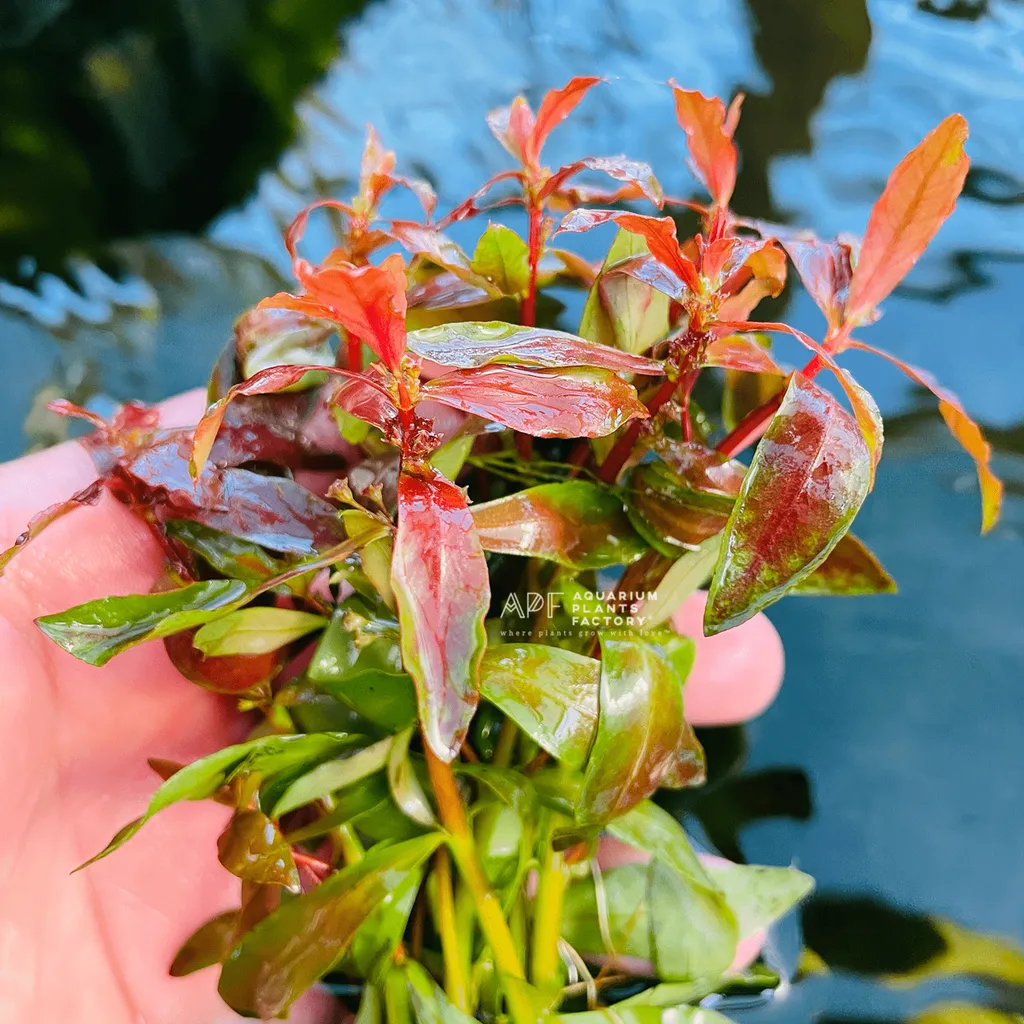
A slow, compact stem plant best used in tidy pillar-like groups in the mid or foreground. Give it strong light and steady CO2 to keep internodes short and turn the tips reddish; without CO2 it grows sluggishly and greener. Propagate by snipping tops or separating side shoots and replanting. Its slow pace is a plus for low-maintenance mid-ground grouping.
In the wild
The plant traded as Ammannia 'Bonsai' is actually true Rotala indica, native to rice paddies, ditches and seasonally flooded wetlands across India and Southeast Asia. In the wild it is a small annual marsh herb that tolerates both emersed and submersed conditions.
Good to know
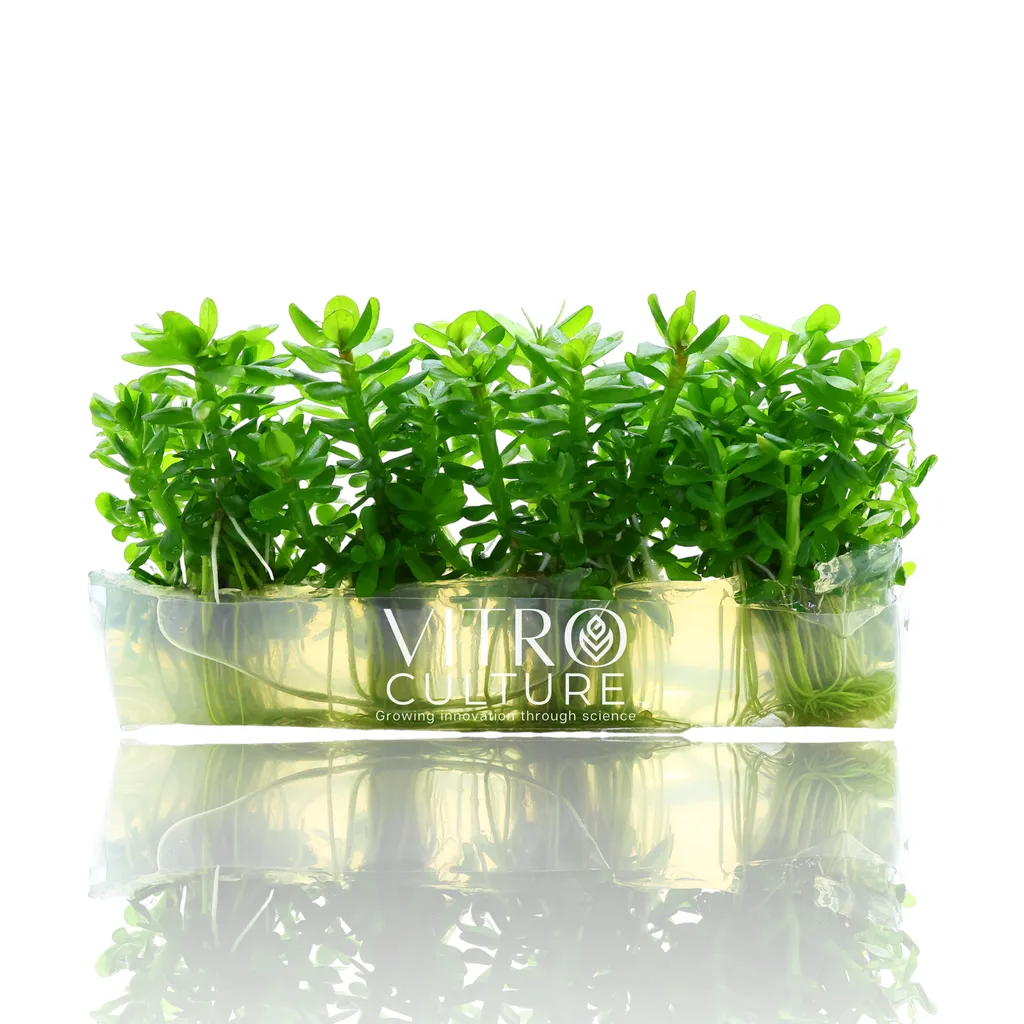
Sold under the Ammannia trade name, this species is correctly Rotala indica (Willd.) Koehne in the family Lythraceae, and it should not be confused with the plant long mislabeled 'Rotala indica' in the hobby (which is Rotala rotundifolia). Its compact roundish leaves on thick, barely branching stems make it look like a miniature Bacopa caroliniana.
Did you know
Its confusing name is a double swap: it is sold as an Ammannia, but is really Rotala indica, and it is the 'true' indica that hobbyists spent years calling by the wrong Latin name because Rotala rotundifolia wore that label instead.
Related plants
 High lightMidground17.7 in (45 cm)
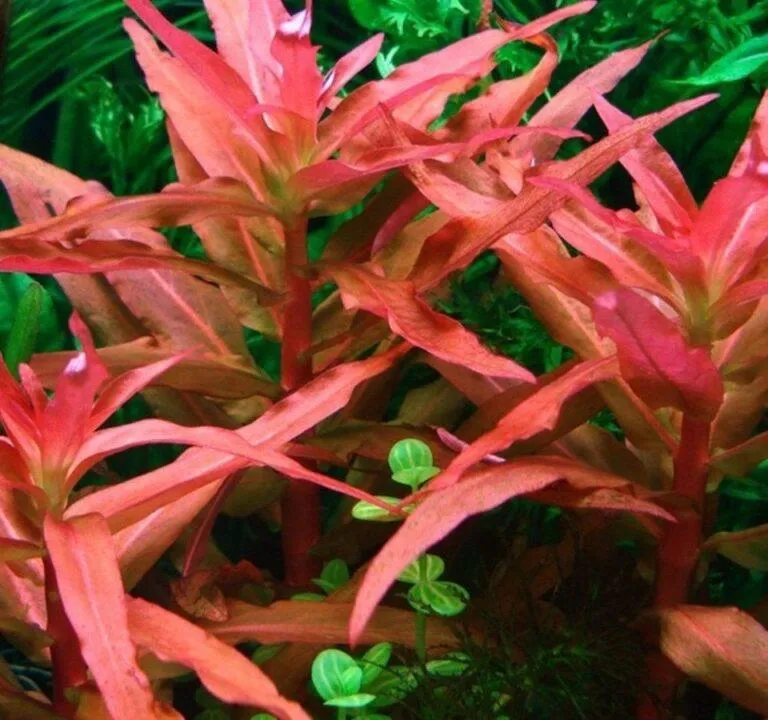
Ammannia senegalensis
High light · Midground
 High lightBackground15.7 in (40 cm)
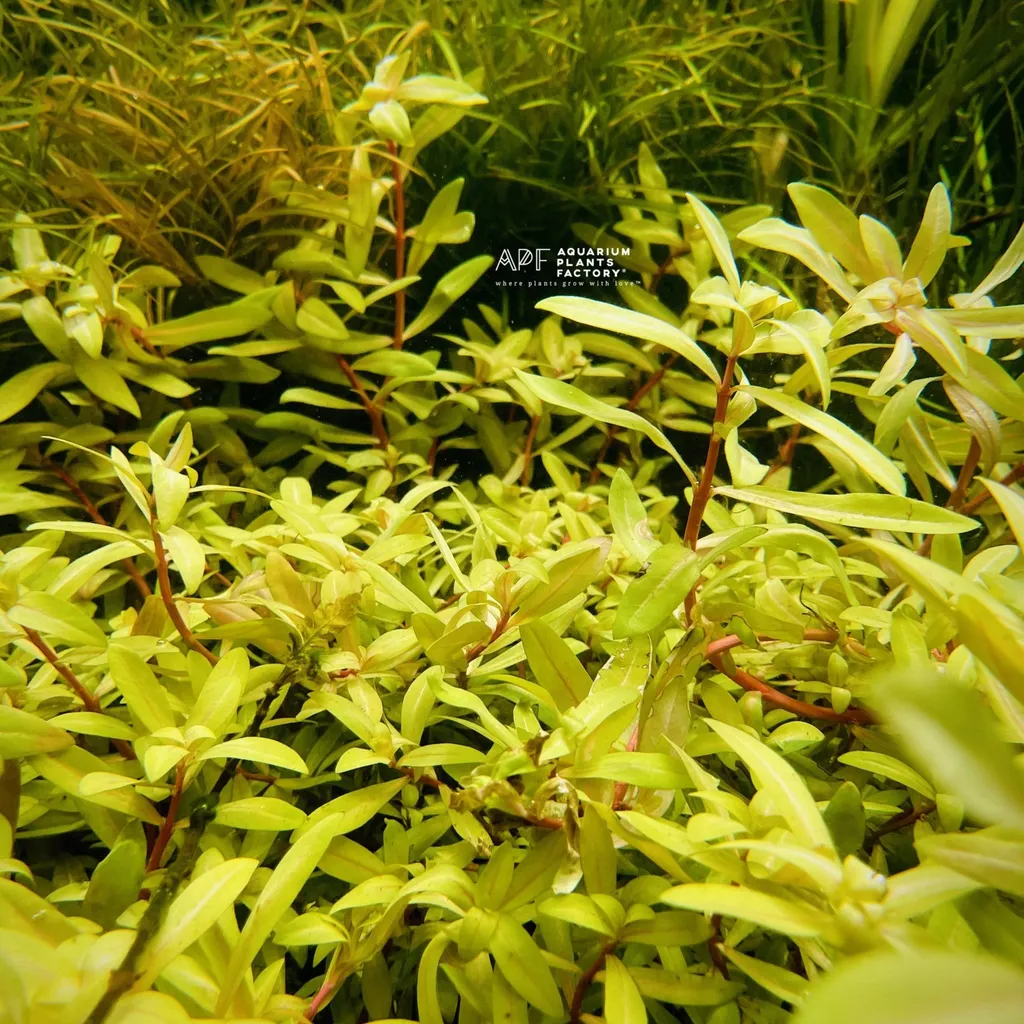
Nesaea pedicellata Golden
Ammannia pedicellata
High light · Background
 High lightBackground19.7 in (50 cm)
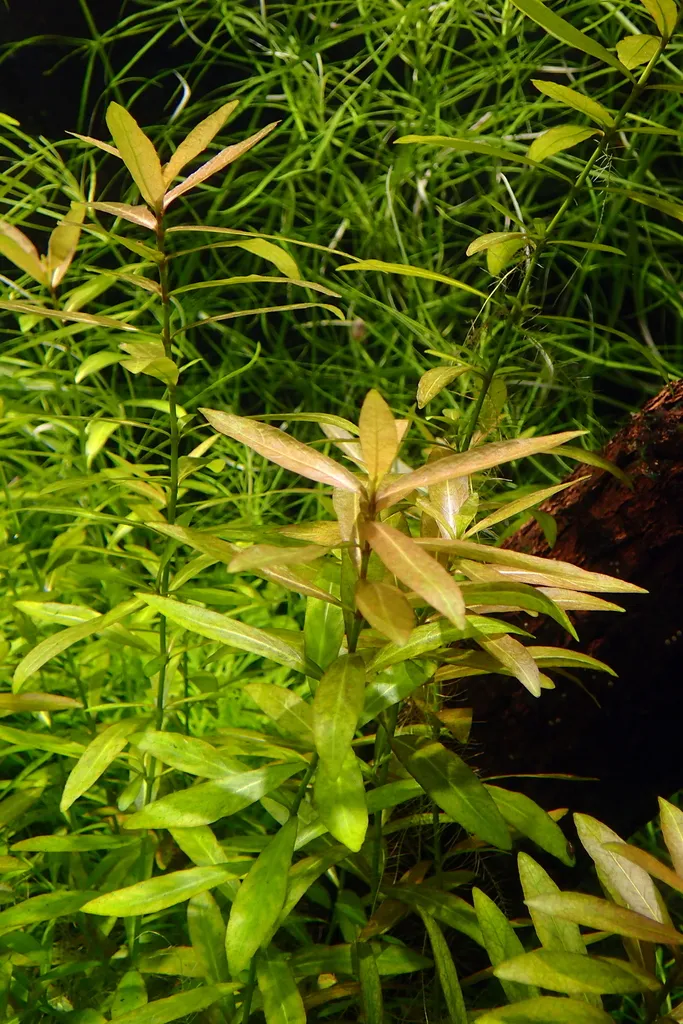
Ammannia gracilis
High light · Background
 High lightBackground19.7 in (50 cm)
Nesaea crassicaulis
Ammannia crassicaulis
High light · Background
- Medium lightBackground23.6 in (60 cm)
Nesaea triflora
Ammannia capitellata
Medium light · Background
 High lightMidground7.9 in (20 cm)
Rotala indica
High light · Midground