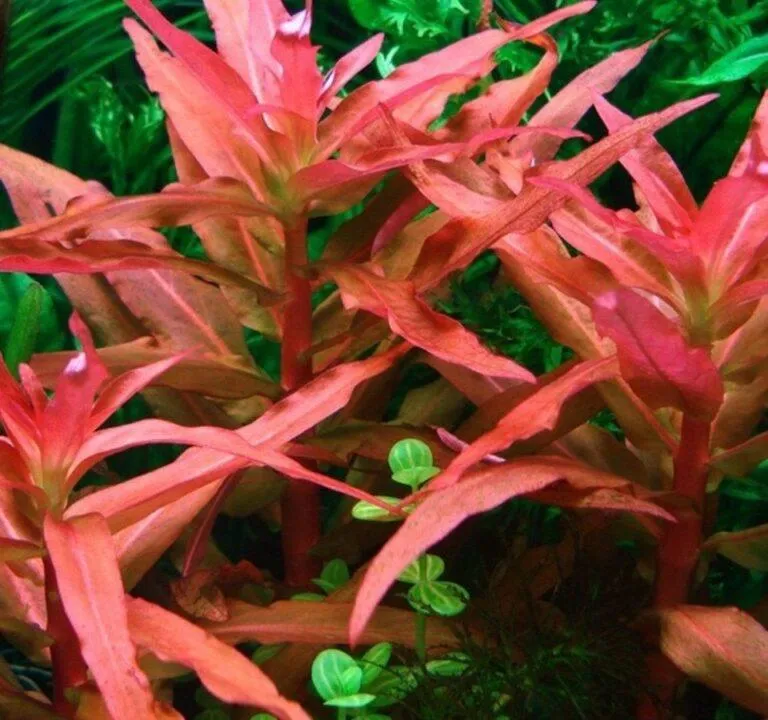
Ammannia senegalensis
Also known as Ammania senegalensis, Senegal ammannia, Copperleaf ammannia
FreshwaterStemCuttingsSide shoots
Care at a glance
- Light
- High light
- CO2
- CO₂ required
- Temperature
- 72–82°F
- 22–28°C
- Max height
- 17.7 in
- 45 cm
- Growth rate
- Medium
- Placement
- Midground
- Type
- Stem
- pH
- 5.5–7.5
- Hardness
- 2–12 dGH
- Spread
- 3.9 in (10 cm)
- Nutrient uptake
- Root + water column
- Growth region
- Submersed or emersed
- Difficulty
- Difficult
- Family
- Lythraceae
- Origin
- Native to freshwater marshes and seasonally flooded ground across tropical Africa.
Overview
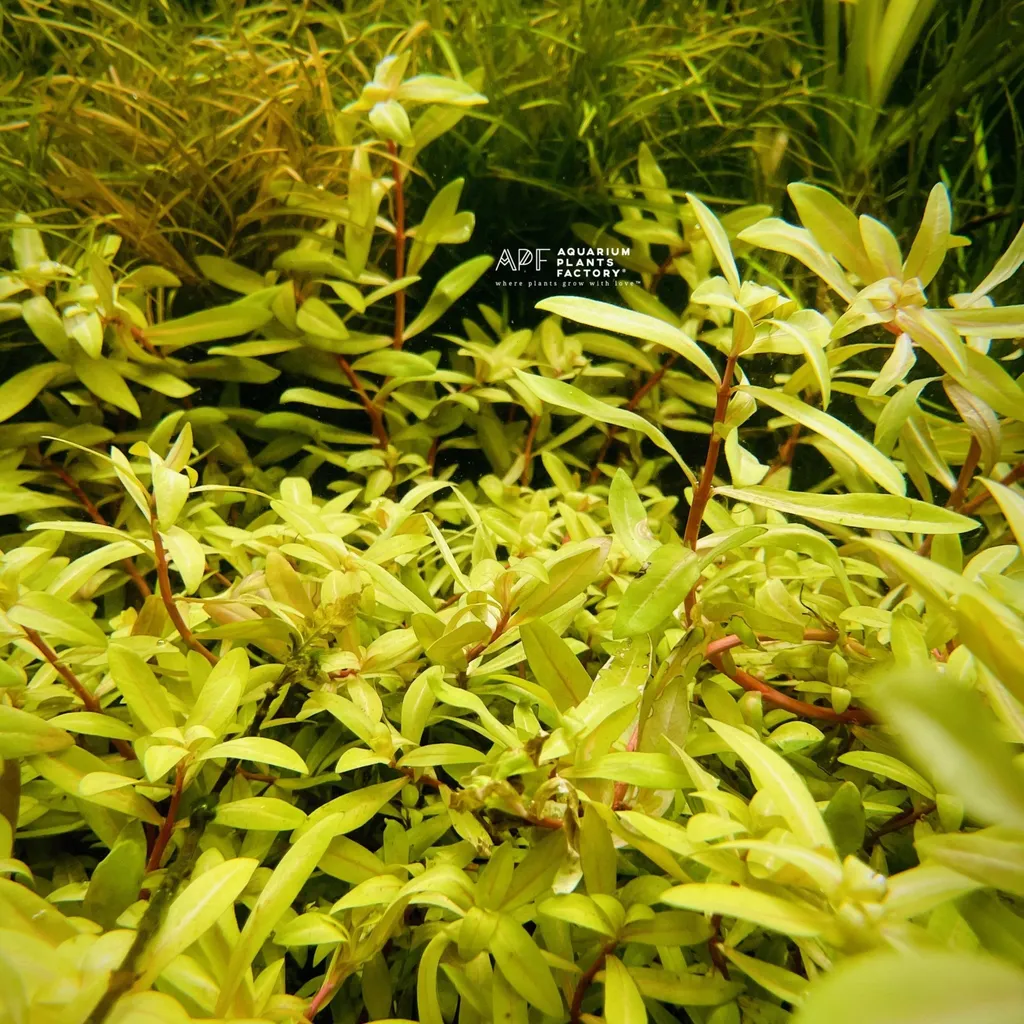
Ammannia senegalensis is a copper-red stem plant for the midground, and even a small group stands out against green plants. It is rated difficult and does best under careful high-tech care.
Did you know
The intensity of the copper-red color on Ammannia senegalensis is a direct readout of your lighting. Its leaves turn copper, orange and brick red only under intense light.
Caring for Ammannia senegalensis
Strip the lower leaves and plant the stems in the midground to background, with space between them. Push each stem into the substrate on its own.
Ammannia senegalensis needs bright light and cannot be grown well in shade. In weak light its stems stretch and drop their lower leaves. It also needs injected CO2, and it feeds through roots and leaves, so use root tabs along with a liquid fertilizer. Extra iron and potassium noticeably improve its growth and color.
Keep it at 72 to 82°F (22 to 28°C), with a pH of 5.5 to 7.5. It grows at a moderate pace. Cut off the tops and replant them, and the stumps left behind grow new shoots, while side shoots can be planted on their own.
Good to know
Ammannia senegalensis is a member of the loosestrife family, Lythraceae, and a relative of the toothcups. It grows upright with paired leaves that curl slightly. Its red pigments are protective anthocyanins, the same color response that many red stem plants in this family are grown for. It also sells as Senegal ammannia or copperleaf ammannia.
In the wild
Ammannia senegalensis is found in freshwater marshes and floodplains across tropical Africa. These wetlands flood and then dry out with the seasons.
Common questions
Does Ammannia senegalensis need to be planted in the substrate?
Yes. Strip the leaves from the lower part of each stem, then push the stems into the substrate one at a time, a little apart.
Does Ammannia senegalensis need CO2?
Yes. Ammannia senegalensis needs injected CO2 to grow well, and it usually struggles without it.
How much light does Ammannia senegalensis need?
Ammannia senegalensis needs high light from a strong planted-tank LED. In weaker light its stems stretch and drop their lower leaves.
Does Ammannia senegalensis need root tabs?
They help. Ammannia senegalensis takes nutrients through both its roots and its leaves. Root tabs near its roots and a liquid fertilizer cover both.
How do you propagate Ammannia senegalensis?
Ammannia senegalensis propagates by cuttings and side shoots. Cut off the top of a stem and replant it, and the stump left behind grows new shoots. Cut a side shoot off once it has a few leaves and plant it on its own.
How tall does Ammannia senegalensis grow?
Ammannia senegalensis grows to about 17.7 in (45 cm) tall. It grows at a moderate pace.
Related plants
 High lightMidground7.9 in (20 cm)
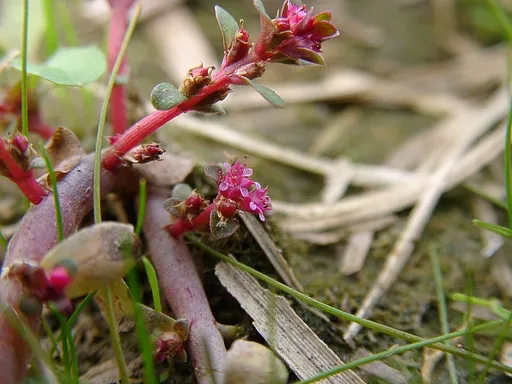
Ammannia Bonsai
Ammannia sp. 'Bonsai'
High light · Midground
 High lightBackground19.7 in (50 cm)
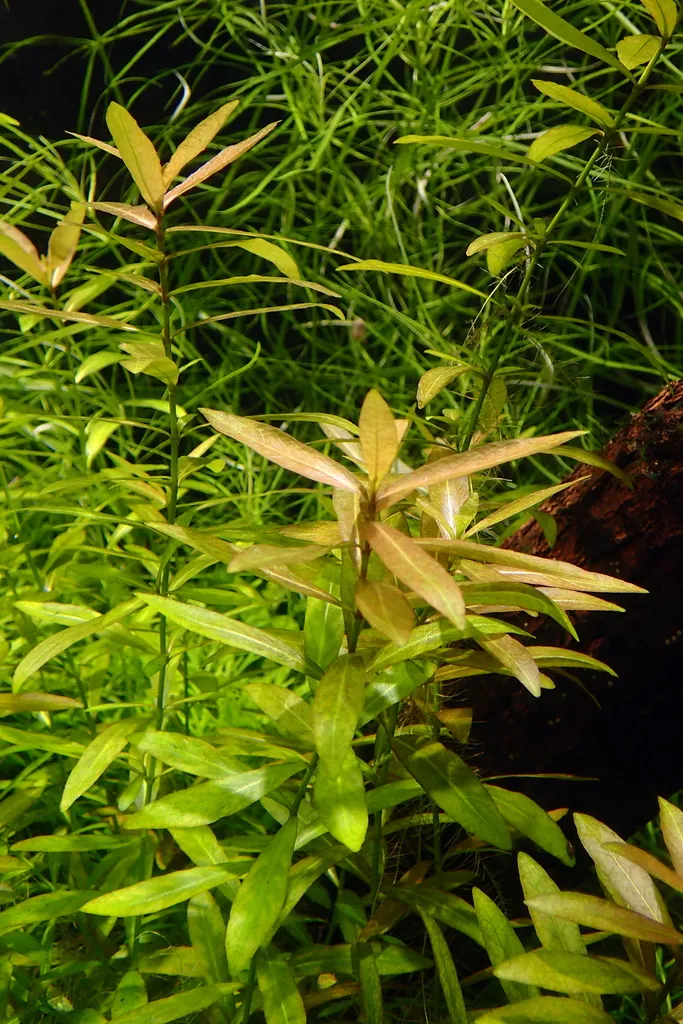
Ammannia gracilis
High light · Background
 High lightBackground19.7 in (50 cm)
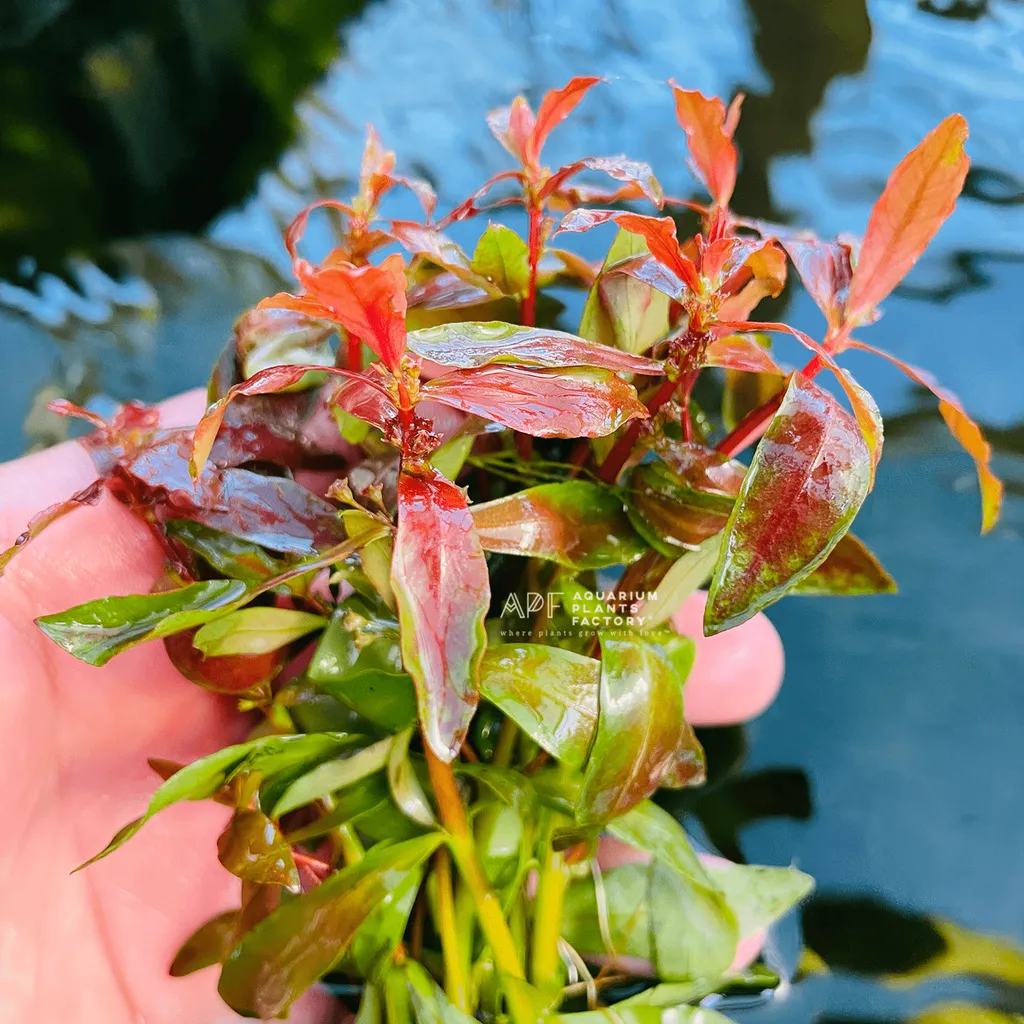
Nesaea crassicaulis
Ammannia crassicaulis
High light · Background
 High lightBackground15.7 in (40 cm)
Nesaea pedicellata Golden
Ammannia pedicellata
High light · Background
- Medium lightMidground11.8 in (30 cm)
Ammannia Towuti
Ammannia sp. 'Towuti'
Medium light · Midground
 Medium lightBackground23.6 in (60 cm)
Nesaea triflora
Ammannia capitellata
Medium light · Background