Ammannia gracilis
Also known as Ammania gracilis, Red Ammannia, Delicate Ammannia
FreshwaterStemCuttingsSide shoots
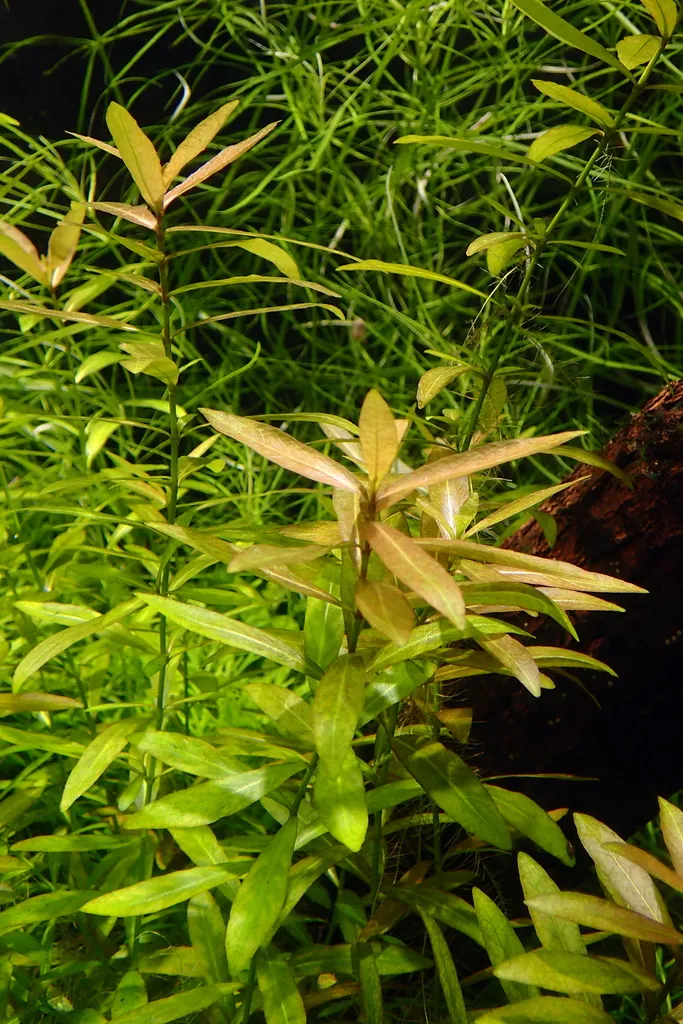
Care at a glance
- Light
- High light
- CO2
- CO₂ beneficial
- Temperature
- 72–82°F
- 22–28°C
- Max height
- 19.7 in
- 50 cm
- Growth rate
- Fast
- Placement
- Background
- Type
- Stem
- pH
- 6.0–7.5
- Hardness
- 0–12 dGH
- Spread
- 5.9 in (15 cm)
- Nutrient uptake
- Root + water column
- Growth region
- Submersed or emersed
- Difficulty
- Medium
- Family
- Lythraceae
- Origin
- West Africa (Senegambia)
Overview
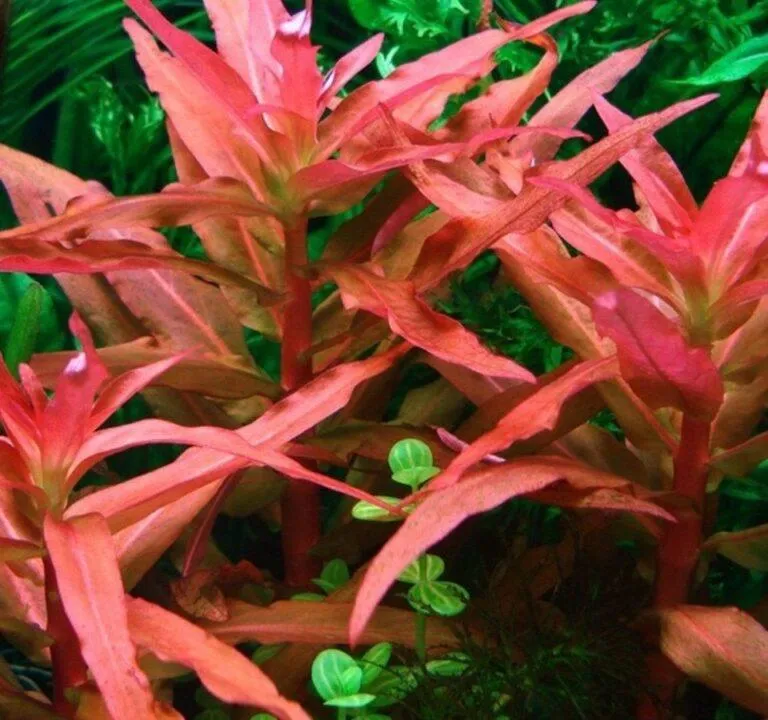
Ammannia gracilis is a large, red-toned stem plant for the background. It is rated medium difficulty.
Did you know
Ammannia gracilis has a demanding red-plant reputation, yet it is one of the more forgiving red stems. It suits keepers moving up from easy plants, as long as the light is bright and iron stays topped up.
Caring for Ammannia gracilis
Strip the lower leaves and plant the stems a little apart in the background. It is a large plant that reaches about 50 cm, so give the group room.
Ammannia gracilis wants strong light and complete macro and micronutrient dosing, including iron. Feed the roots too, with root tabs or a rich substrate, or it colors green instead of brown-red. CO2 is not mandatory, but it is strongly recommended for compact, healthy growth. Keep it at 72 to 82°F (22 to 28°C).
It grows fast, so expect to trim it often. Cut the tops and replant them, or plant the lateral shoots, to propagate it. Sudden swings in temperature or water parameters make it sulk and can melt its leaves.
Good to know
Ammannia gracilis belongs to the loosestrife family, Lythraceae. The genus Ammannia is named for the German botanist Paul Ammann, and the species name gracilis means slender. Like many Lythraceae, it produces small pink to purple flowers when grown emersed above the waterline. Shops also sell it as red Ammannia.
In the wild
Ammannia gracilis is native to swampy areas and seasonal wetlands of West Africa, including the Senegambia region. In the wild it grows as an emersed marsh plant and submerges when water levels rise. It adapts readily to full submersed growth in the aquarium.
Common questions
Does Ammannia gracilis need to be planted in the substrate?
Yes. Strip the leaves from the lower part of each stem, then push the stems into the substrate one at a time, a little apart.
Does Ammannia gracilis need CO2?
No, but it helps. Ammannia gracilis can grow without injected CO2, and added CO2 makes it grow faster.
How much light does Ammannia gracilis need?
Ammannia gracilis needs high light from a strong planted-tank LED. In weaker light its stems stretch and drop their lower leaves.
Does Ammannia gracilis need root tabs?
They help. Ammannia gracilis takes nutrients through both its roots and its leaves. Root tabs near its roots and a liquid fertilizer cover both.
How do you propagate Ammannia gracilis?
Ammannia gracilis propagates by cuttings and side shoots. Cut off the top of a stem and replant it, and the stump left behind grows new shoots. Cut a side shoot off once it has a few leaves and plant it on its own.
How tall does Ammannia gracilis grow?
Ammannia gracilis grows to about 19.7 in (50 cm) tall. It grows fast, so expect to trim it often.
Related plants
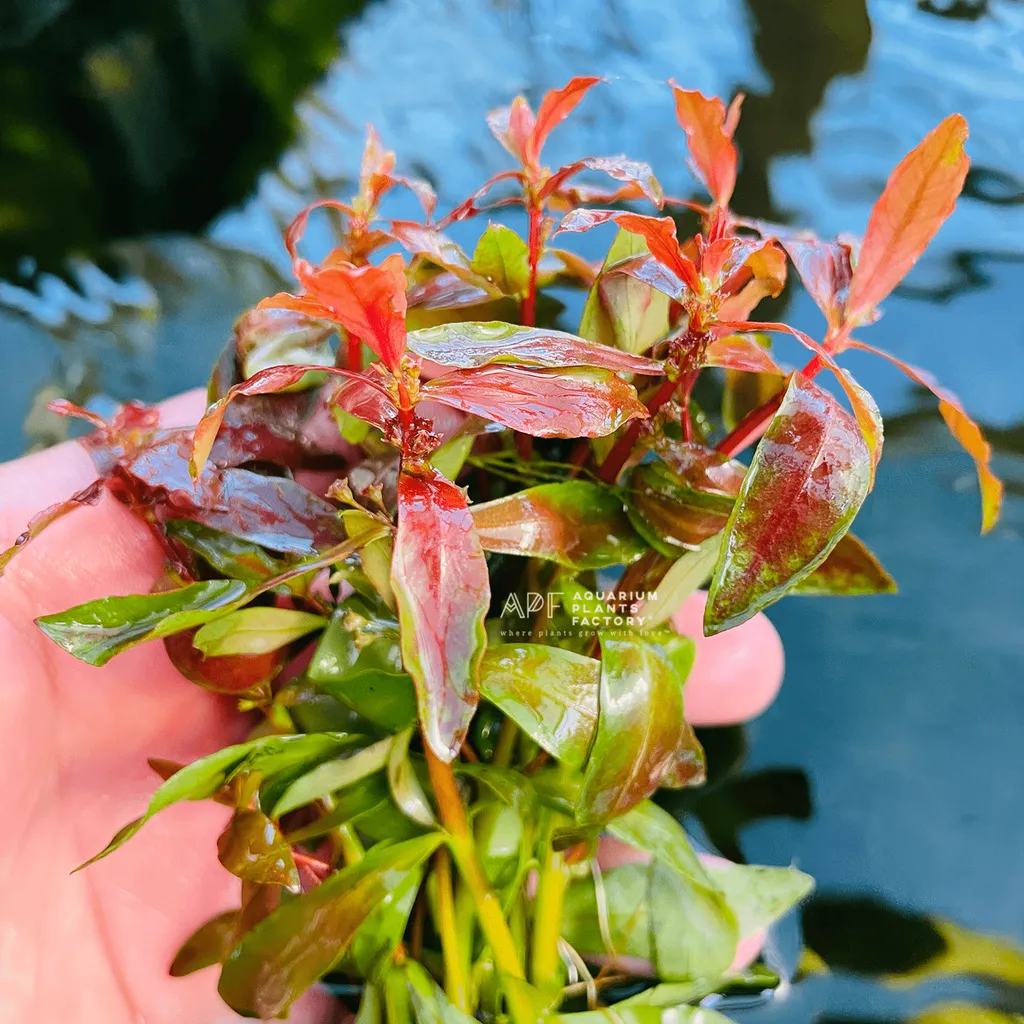 High lightBackground19.7 in (50 cm)
Nesaea crassicaulis
Ammannia crassicaulis
High light · Background
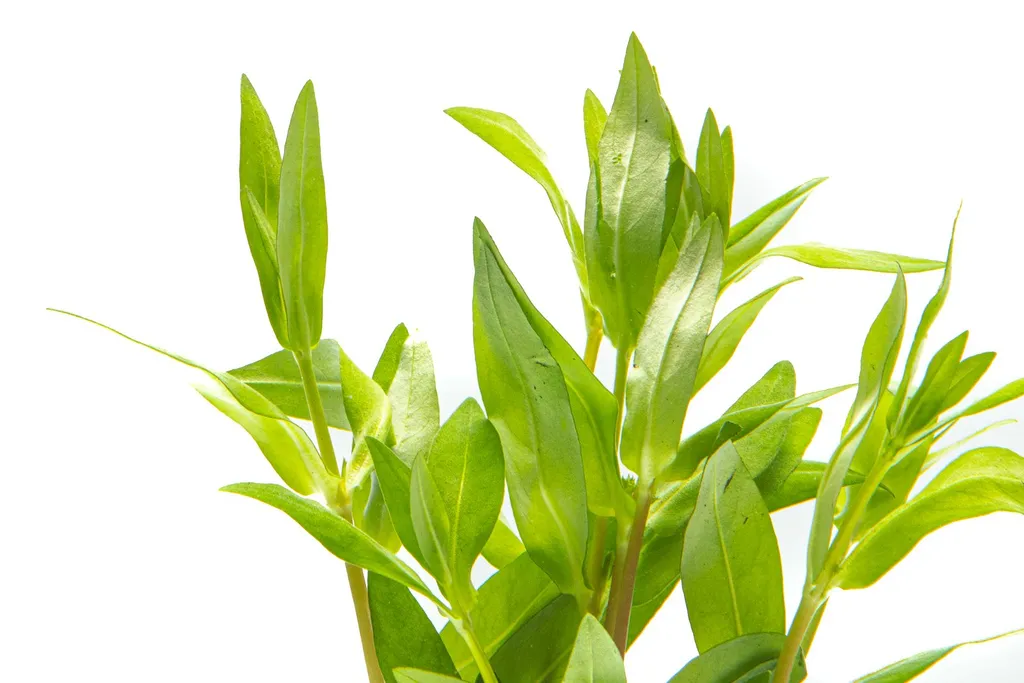 Medium lightBackground23.6 in (60 cm)
Nesaea triflora
Ammannia capitellata
Medium light · Background
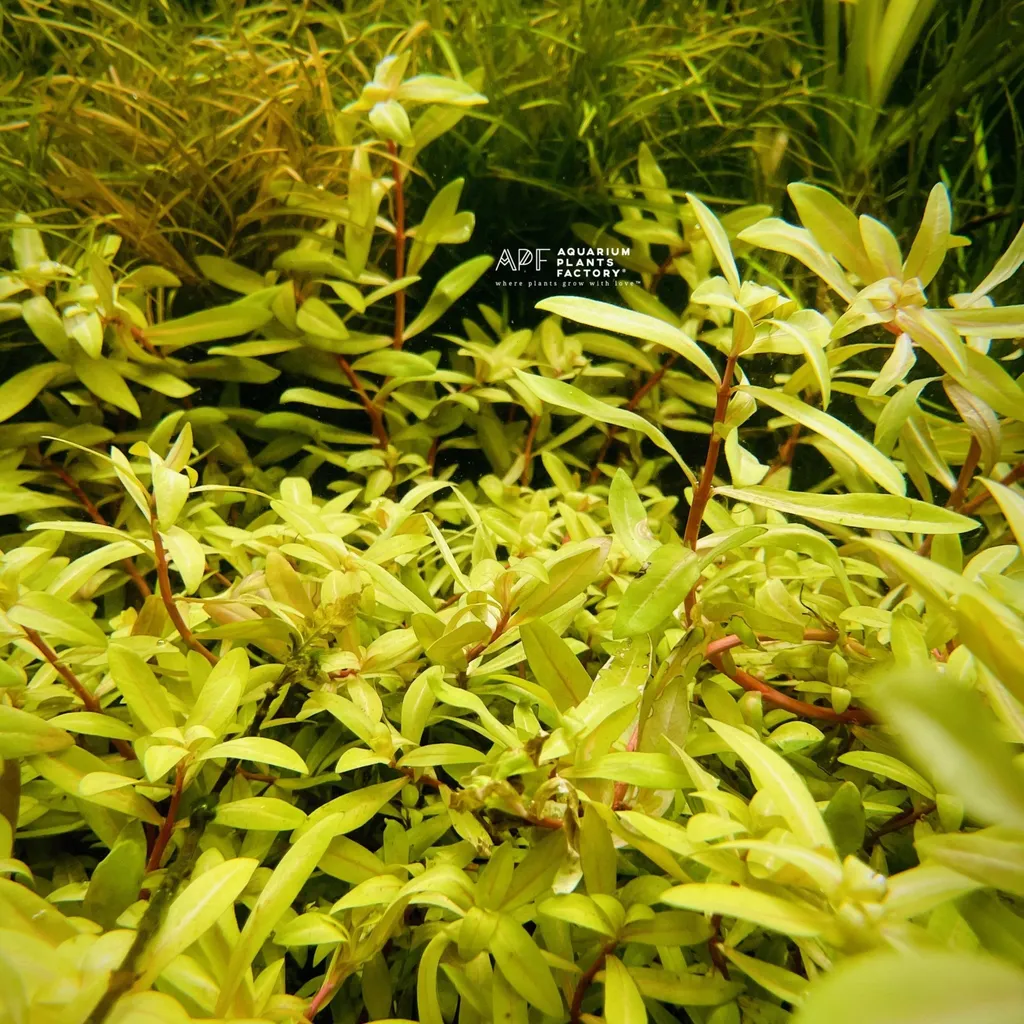 High lightBackground15.7 in (40 cm)
Nesaea pedicellata Golden
Ammannia pedicellata
High light · Background
 High lightMidground17.7 in (45 cm)
Ammannia senegalensis
High light · Midground
 High lightMidground7.9 in (20 cm)
Ammannia Bonsai
Ammannia sp. 'Bonsai'
High light · Midground
- Medium lightMidground11.8 in (30 cm)
Ammannia Towuti
Ammannia sp. 'Towuti'
Medium light · Midground