Marsh dewflower
Murdannia keisak
Also known as Asian dayflower, Asian spiderwort, Wart-removing herb, Aneilema keisak
FreshwaterStemCuttingsSide shoots
Invasive. Prohibited as an invasive aquatic plant in Washington and New York. Never release into the wild; dispose of trimmings in the trash.
Care at a glance
- Light
- Medium light
- CO2
- CO₂ beneficial
- Temperature
- 64–86°F
- 18–30°C
- Max height
- 11.8 in
- 30 cm
- Growth rate
- Fast
- Placement
- Midground
- Type
- Stem
- pH
- 5.0–7.5
- Spread
- 3.1 in (8 cm)
- Nutrient uptake
- Root + water column
- Growth region
- Submersed or emersed
- Difficulty
- Medium
- Family
- Commelinaceae
- Origin
- East Asia (China, Japan, Korea); introduced in the southeastern United States
Overview
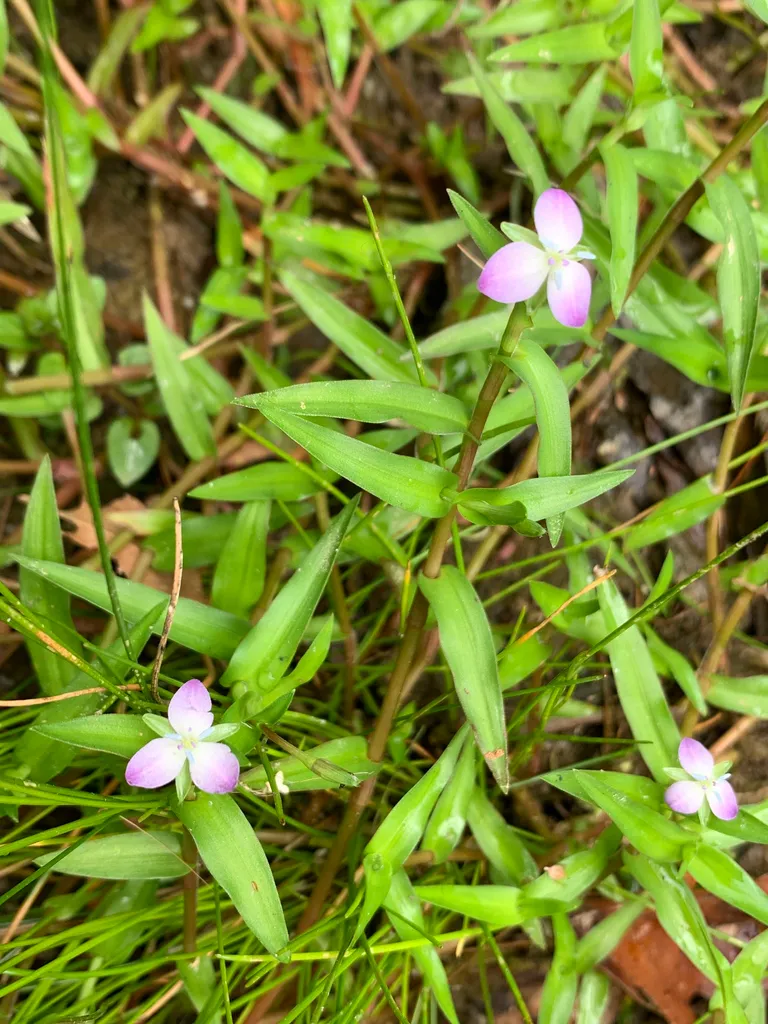
Marsh dewflower is a midground stem with ranks of glossy, almost bamboo-like leaves. Its stems arch and creep rather than climb, and it is a plant of medium difficulty.
Did you know
Marsh dewflower reached America hidden in rice seed around 1935. Washington and New York now ban it, though shops elsewhere still sell it.
Caring for marsh dewflower
Strip the lower leaves and push the stems into the midground substrate one at a time. Marsh dewflower roots at every node, so cuttings establish almost at once. It moves smoothly between submersed and emersed growth, so it also suits open-top tanks.
It wants medium light, which keeps it a fresh lime green. It grows without injected CO2, but grows faster with it. It feeds through its roots and from the water, so give it root tabs along with a liquid fertilizer.
Marsh dewflower grows fast, to about 12 in (30 cm). Trim the tops and replant them, and the stumps push new side shoots. Keep it at 64 to 86°F (18 to 30°C) with a pH of 5 to 7.5.
Good to know
Marsh dewflower is a member of the spiderwort family Commelinaceae. It is one of the few in that family that grows happily fully submersed. Its lance-shaped leaves alternate along the stem, and emersed shoots carry small three-petaled flowers in pale pink to lilac. The odd epithet keisak preserves the plant's Japanese vernacular name.
In the wild
Marsh dewflower is a creeping herb of rice paddies, ditches and marsh edges across East Asia, in China, Japan and Korea. It scrambles along wet ground and shallow water. In the southeastern United States it now blankets wetlands from Virginia to the Gulf.
Common questions
Does marsh dewflower need to be planted in the substrate?
Yes. Strip the leaves from the lower part of each stem, then push the stems into the substrate one at a time, a little apart.
Does marsh dewflower need CO2?
No, but it helps. Marsh dewflower can grow without injected CO2, and added CO2 makes it grow faster.
How much light does marsh dewflower need?
Marsh dewflower wants medium light. A light sold for planted tanks covers it.
Does marsh dewflower need root tabs?
They help. Marsh dewflower takes nutrients through both its roots and its leaves. Root tabs near its roots and a liquid fertilizer cover both.
How do you propagate marsh dewflower?
Marsh dewflower propagates by cuttings and side shoots. Cut off the top of a stem and replant it, and the stump left behind grows new shoots. Cut a side shoot off once it has a few leaves and plant it on its own.
How tall does marsh dewflower grow?
Marsh dewflower grows to about 11.8 in (30 cm) tall. It grows fast, so expect to trim it often.
Related plants
 High lightMidground11.8 in (30 cm)
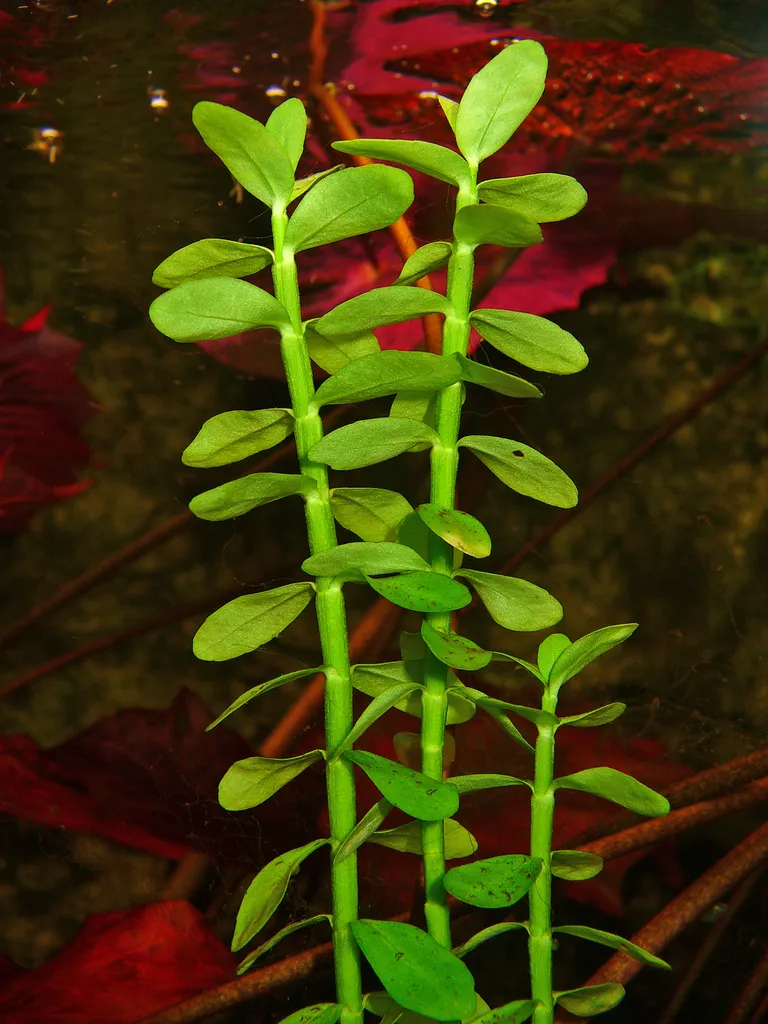
Bacopa madagascariensis
High light · Midground
 Medium lightMidground11.8 in (30 cm)
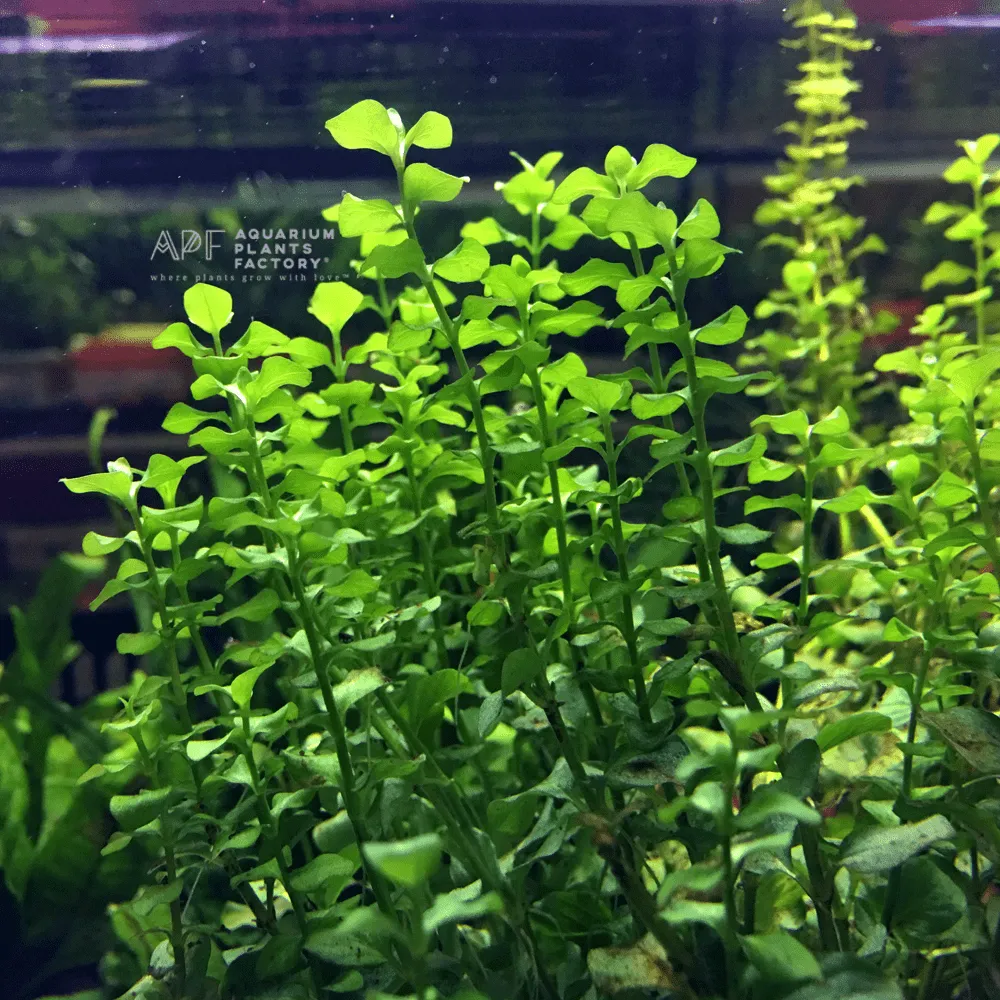
Creeping jenny
Lysimachia nummularia
Medium light · Midground
 Medium lightMidground11.8 in (30 cm)
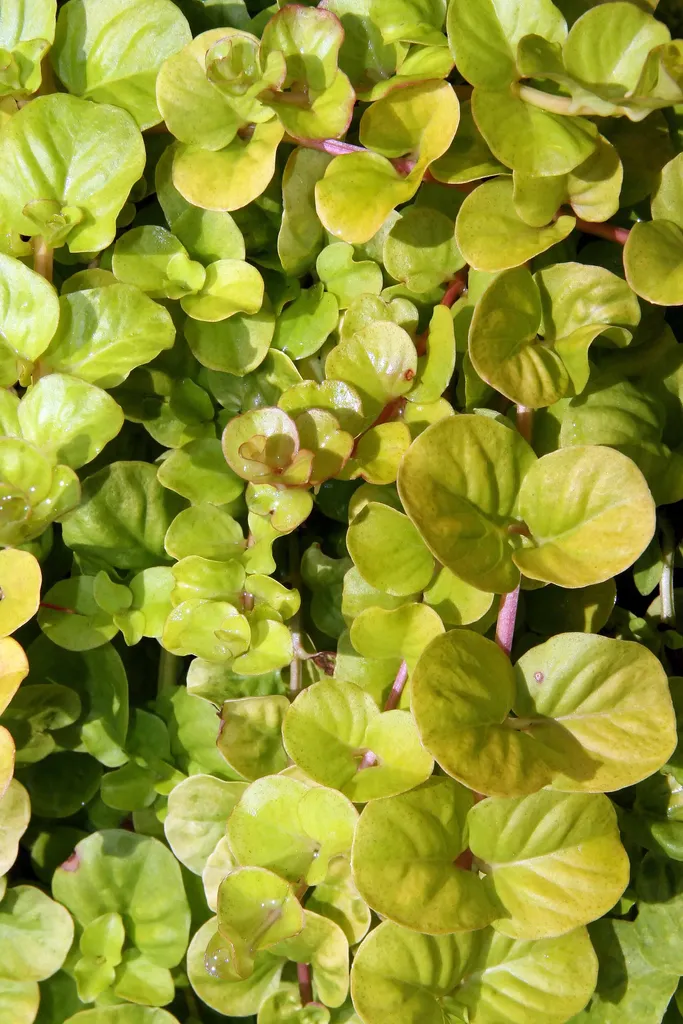
Creeping jenny Aurea
Lysimachia nummularia 'Aurea'
Medium light · Midground
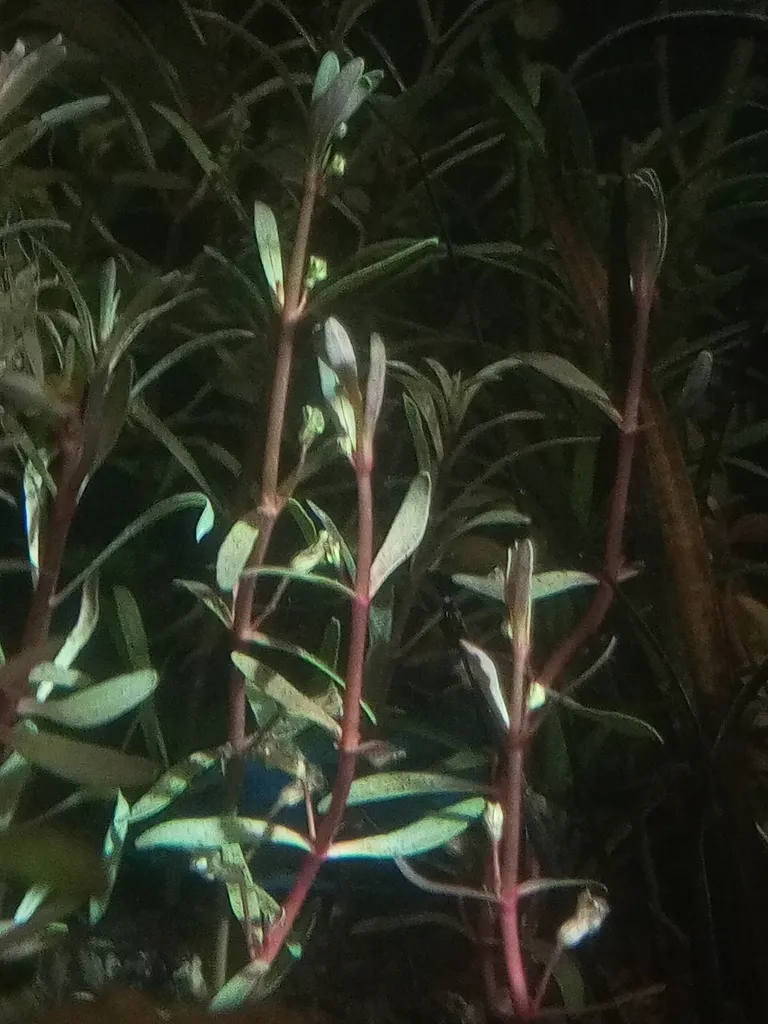 High lightMidground11.8 in (30 cm)
Cuphea anagalloidea
High light · Midground
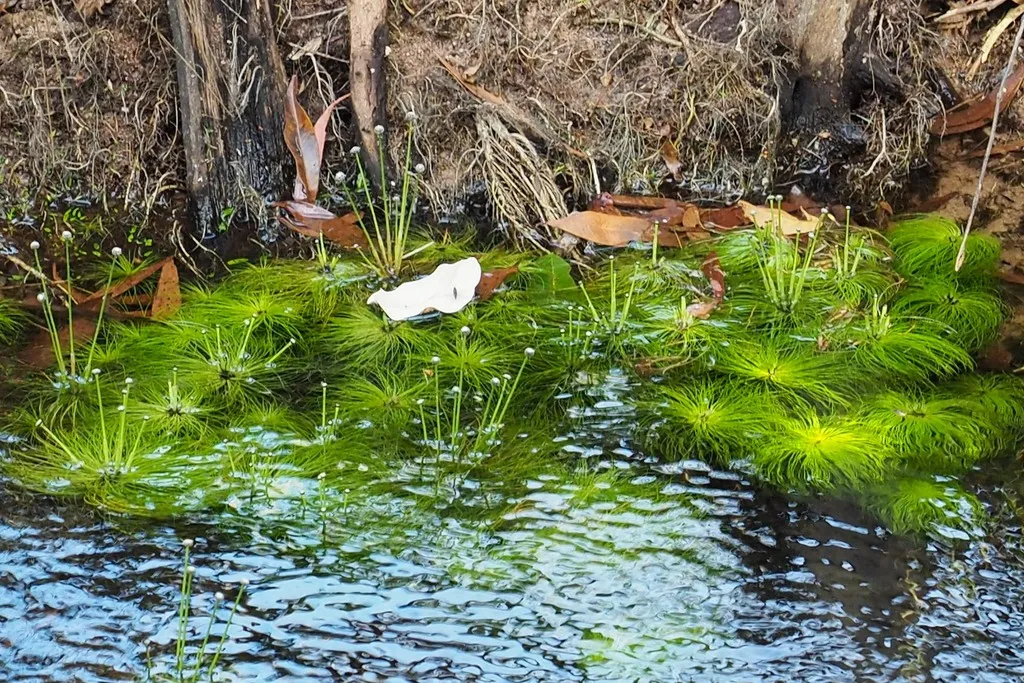 High lightMidground11.8 in (30 cm)
Eriocaulon setaceum
High light · Midground
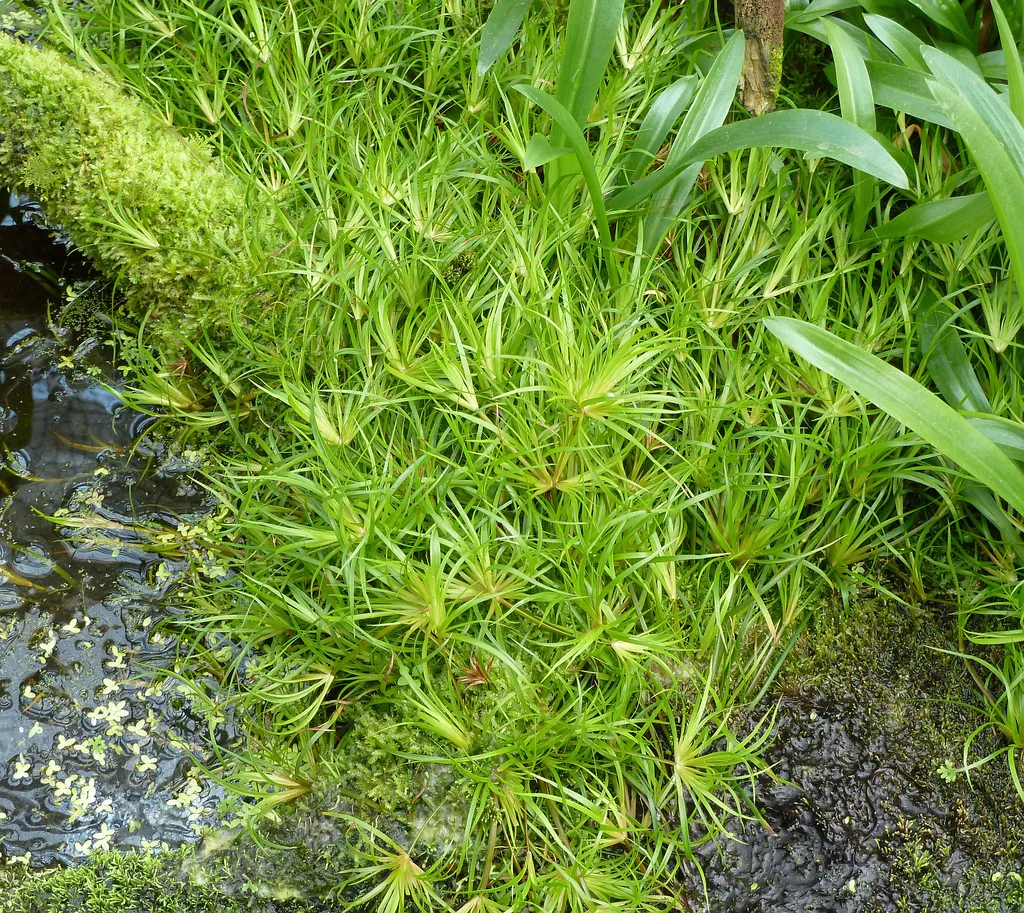 Medium lightMidground11.8 in (30 cm)
Juncus repens
Medium light · Midground