Giant cabomba
Cabomba aquatica
Also known as Yellow cabomba, Giant fanwort
FreshwaterStemCuttingsSide shoots
Care at a glance
- Light
- High light
- CO2
- CO₂ beneficial
- Temperature
- 68–86°F
- 20–30°C
- Max height
- 31.5 in
- 80 cm
- Growth rate
- Medium
- Placement
- Background
- Type
- Stem
- pH
- 5.0–7.0
- Hardness
- 1–8 dGH
- Spread
- 3.9 in (10 cm)
- Nutrient uptake
- Root + water column
- Growth region
- Submersed
- Difficulty
- Difficult
- Family
- Cabombaceae
- Origin
- Northern South America (the Guianas, Venezuela, Colombia, northern and eastern Brazil, Bolivia)
Overview
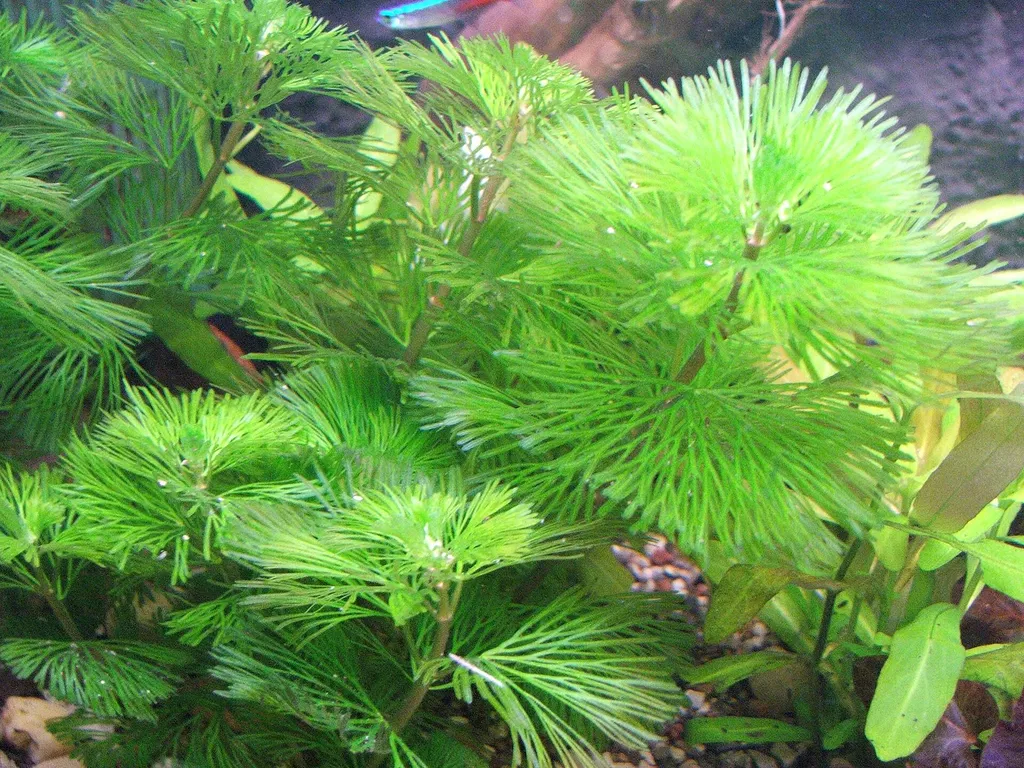
Giant cabomba is a fine-leaved background stem for a high-tech tank. It is the most demanding cabomba and rated difficult, with soft-water needs that the common green species shrugs off.
Did you know
A stem of giant cabomba that reaches the surface starts making small, shield-shaped floating leaves. It then holds bright yellow flowers above the water, a color no other commonly kept fanwort produces.
Caring for giant cabomba
Plant giant cabomba in bunches at the back of the tank, with a little space between stems so light reaches the lower fans. Strip the lower leaves and push each stem in on its own. Handle it gently, because the brittle stems resent repeated uprooting.
It needs strong light. It grows without injected CO2, but steady CO2 keeps it dense. Keep the carbonate hardness low and the pH at or below neutral, within 5 to 7. A general hardness of 1 to 8 and a temperature of 68 to 86°F (20 to 30°C) suit it. It feeds through both roots and leaves, so use root tabs and a liquid fertilizer.
It grows at a medium pace to about 32 in (80 cm). Propagate it by cutting healthy tops and replanting them. The old base usually sends out side shoots, which you can cut and plant once they have a few leaves.
Hard water and weak light are the usual ways this plant fails. It sheds its foliage from the bottom up when it runs short of light.
Good to know
Giant cabomba belongs to Cabombaceae, the fanwort family, a small lineage related to the water lilies rather than to typical stem plants. It is the largest-leaved fanwort. Its submersed fan leaves divide into a great many fine tips and reach around 9 cm across. The species is Cabomba aquatica, also sold as yellow cabomba and giant fanwort.
In the wild
Giant cabomba grows in standing and slow-flowing soft, acid waters across northern South America. Its range runs from the Guianas and Venezuela through northern and eastern Brazil to Bolivia. It lives in ponds, ditches and quiet river margins, often in tannin-stained water over fine sediment. It is a true aquatic with no emersed form, and only its floating leaves and flowers ever rise above the surface.
Common questions
Does giant cabomba need to be planted in the substrate?
Yes. Strip the leaves from the lower part of each stem, then push the stems into the substrate one at a time, a little apart.
Does giant cabomba need CO2?
No, but it helps. Giant cabomba can grow without injected CO2, and added CO2 makes it grow faster.
How much light does giant cabomba need?
Giant cabomba needs high light from a strong planted-tank LED. In weaker light its stems stretch and drop their lower leaves.
Does giant cabomba need root tabs?
They help. Giant cabomba takes nutrients through both its roots and its leaves. Root tabs near its roots and a liquid fertilizer cover both.
How do you propagate giant cabomba?
Giant cabomba propagates by cuttings and side shoots. Cut off the top of a stem and replant it, and the stump left behind grows new shoots. Cut a side shoot off once it has a few leaves and plant it on its own.
How tall does giant cabomba grow?
Giant cabomba grows to about 31.5 in (80 cm) tall. It grows at a moderate pace.
Related plants
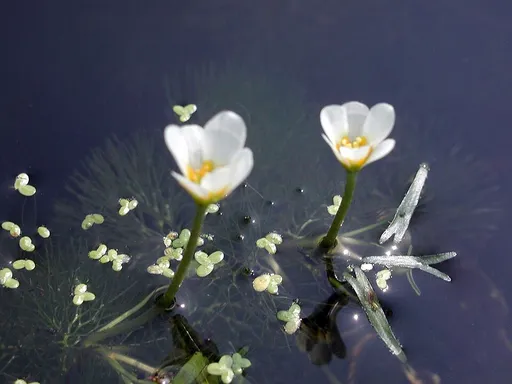 High lightBackground23.6 in (60 cm)
Green cabomba
Cabomba caroliniana
High light · Background
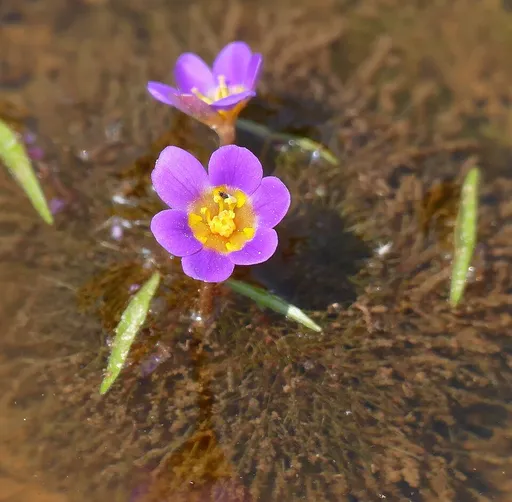 High lightBackground19.7 in (50 cm)
Red cabomba
Cabomba furcata
High light · Background
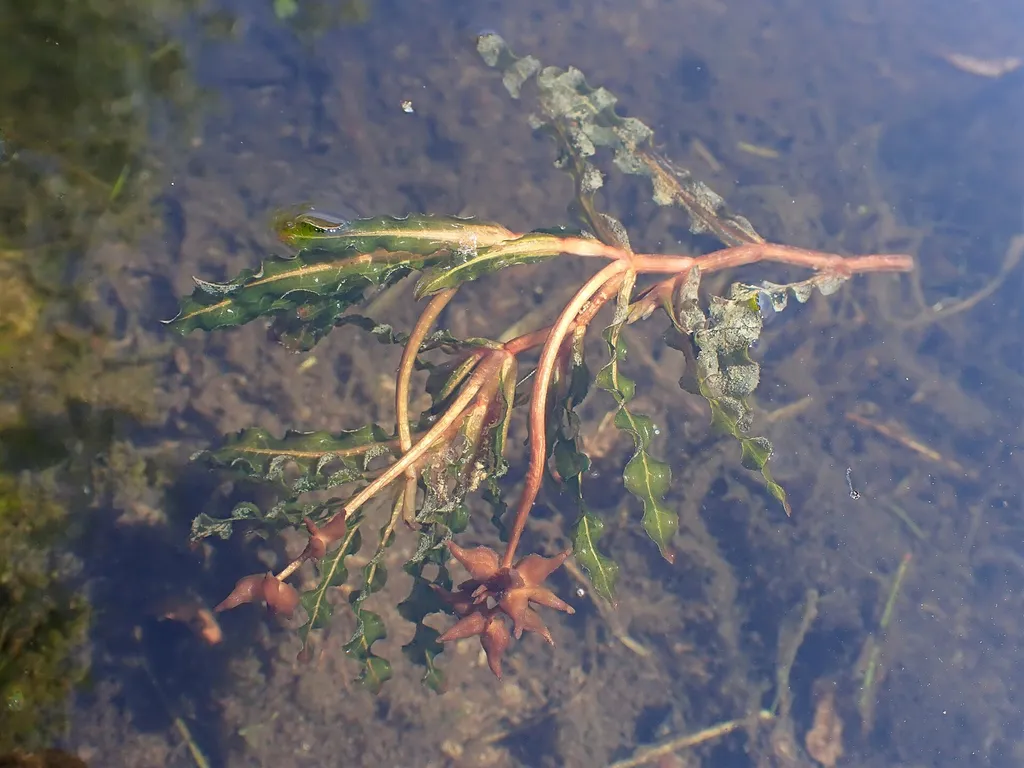 Low lightBackground31.5 in (80 cm)
Potamogeton crispus
Low light · Background
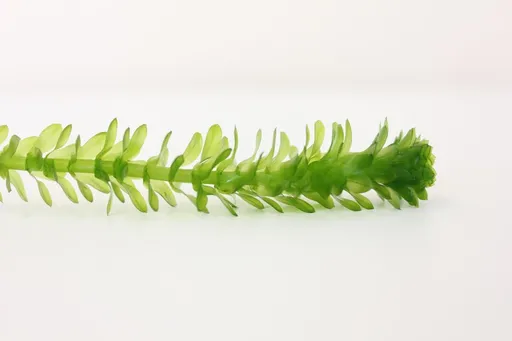 Medium lightBackground39.4 in (100 cm)
Waterweed
Egeria densa
Medium light · Background
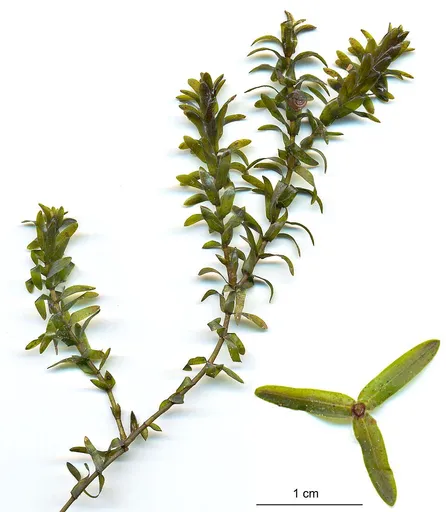 Low lightBackground23.6 in (60 cm)
Canadian waterweed
Elodea canadensis
Low light · Background
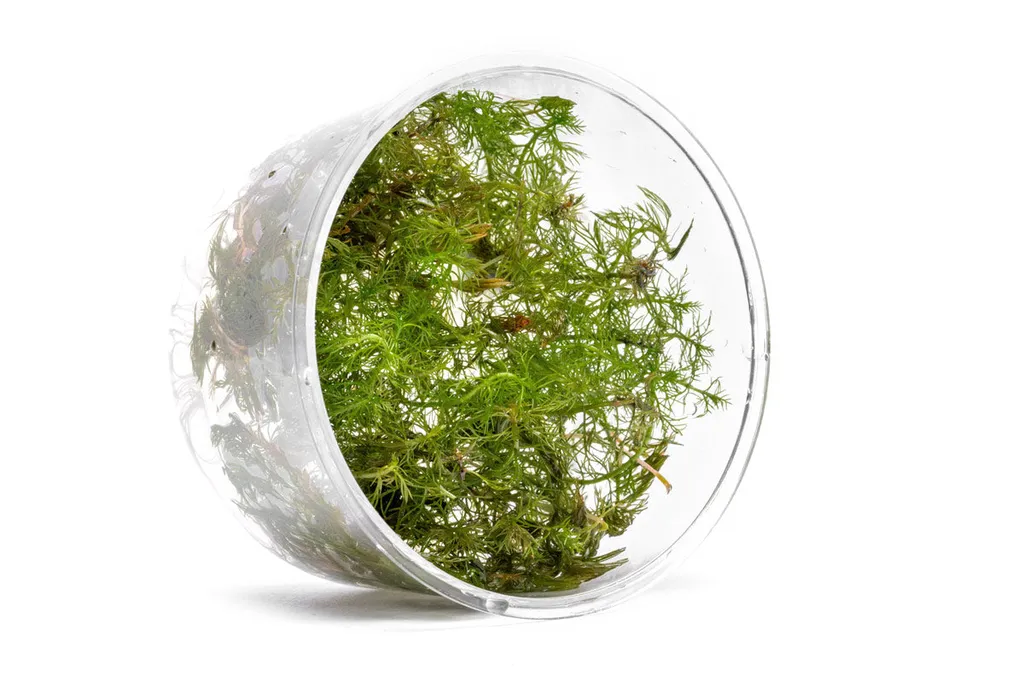 High lightBackground23.6 in (60 cm)
Myriophyllum Roraima
Myriophyllum sp. 'Roraima'
High light · Background