Waterweed
Egeria densa
Also known as Anacharis, Brazilian waterweed, Elodea densa, Egeria
FreshwaterBrackishStemCuttingsSide shoots
Invasive. Invasive and regulated in parts of the US and other regions. Never release into the wild; dispose of in the trash.
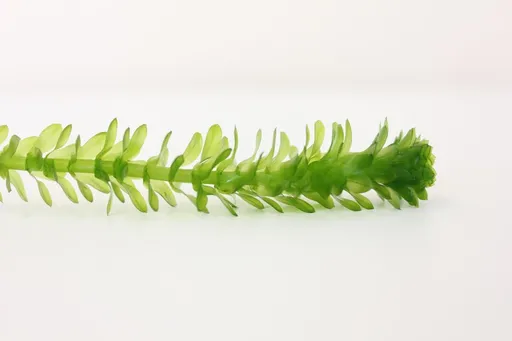
Care at a glance
- Light
- Medium light
- CO2
- No CO₂ needed
- Temperature
- 59–82°F
- 15–28°C
- Max height
- 39.4 in
- 100 cm
- Growth rate
- Fast
- Placement
- Background
- Type
- Stem
- pH
- 6.5–7.9
- Hardness
- 4–18 dGH
- Spread
- 5.9 in (15 cm)
- Nutrient uptake
- Water column
- Growth region
- Submersed
- Difficulty
- Beginner
- Family
- Hydrocharitaceae
- Origin
- South America (Brazil, Argentina, Uruguay)
Overview
Waterweed is a classic beginner stem plant for the background. It grows in fresh or brackish water.
Did you know
Waterweed is one of the standard plants used in school biology classes to show photosynthesis. A cut stem in bright light visibly releases a stream of oxygen bubbles.
Caring for waterweed
Strip the leaves from the bottom 5 cm of each stem. Then plant the stems a couple of centimeters into the substrate, a little apart. You can also let bunches float.
Waterweed grows fast in medium light with no added CO2. It tolerates low light but stretches leggy and pale there, while medium light keeps it bushy and bright green. It is a heavy water-column feeder, so a bit of liquid fertilizer keeps it from going stringy. It handles water from 59 to 82°F (15 to 28°C).
Top it regularly and replant the cuttings to keep the stand dense. It can react to a tank move by dropping leaves before it regrows.
Good to know
Waterweed is a stem plant in the Hydrocharitaceae. It was long sold under the older name Elodea densa and is still widely traded as Anacharis. Its small leaves grow in dense whorls of three to six around a long, brittle stem, and it roots from the lower nodes. Nearly all plants in the trade are male clones, so it rarely if ever sets seed in cultivation.
In the wild
Waterweed is native to slow-moving and still fresh water in southeastern South America, across Brazil, Argentina and Uruguay. It grows fully submersed as a rooted stem plant in lakes, ponds and sluggish streams. The aquarium and pond trade has spread it worldwide, and it is a notorious invasive weed in many temperate regions. That is why some sources label it cosmopolitan.
Common questions
Does waterweed need to be planted in the substrate?
Yes. Strip the leaves from the lower part of each stem, then push the stems into the substrate one at a time, a little apart.
Does waterweed need CO2?
No. Waterweed grows well without added CO2.
How much light does waterweed need?
Waterweed wants medium light. A light sold for planted tanks covers it.
Does waterweed need root tabs?
No. Waterweed takes most of its nutrients from the water, so a liquid fertilizer does more for it than root tabs.
How do you propagate waterweed?
Waterweed propagates by cuttings and side shoots. Cut off the top of a stem and replant it, and the stump left behind grows new shoots. Cut a side shoot off once it has a few leaves and plant it on its own.
How tall does waterweed grow?
Waterweed grows to about 39.4 in (100 cm) tall. It grows fast, so expect to trim it often.
Related plants
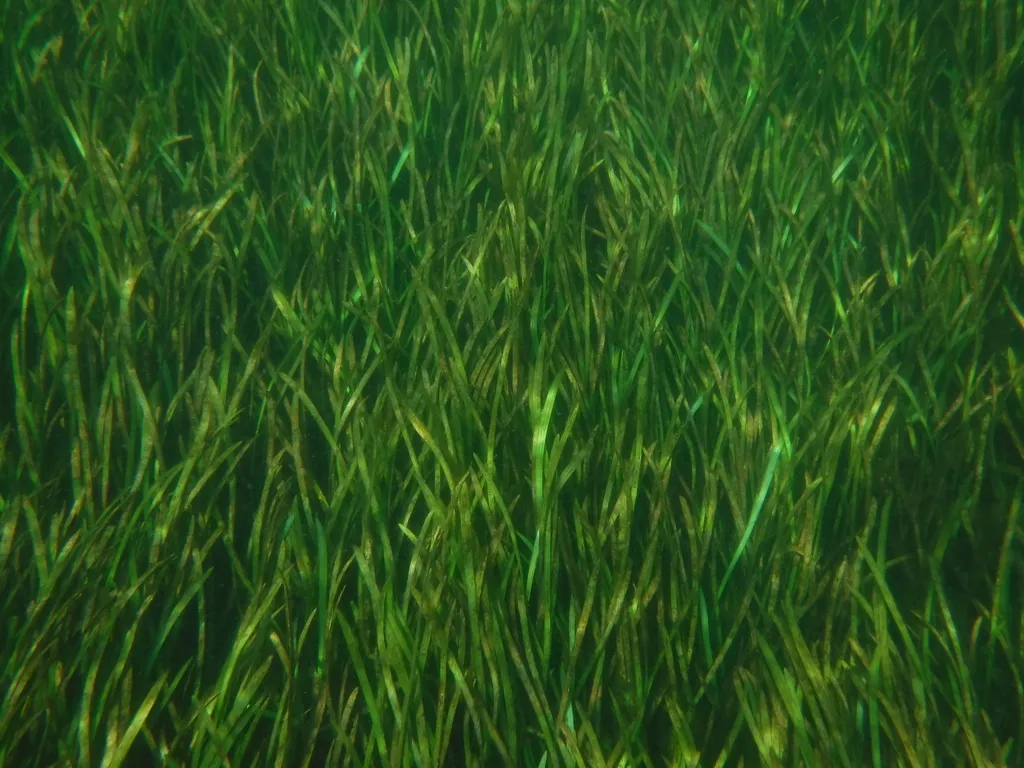 Low lightBackground39.4 in (100 cm)
Jungle val
Vallisneria americana
Low light · Background
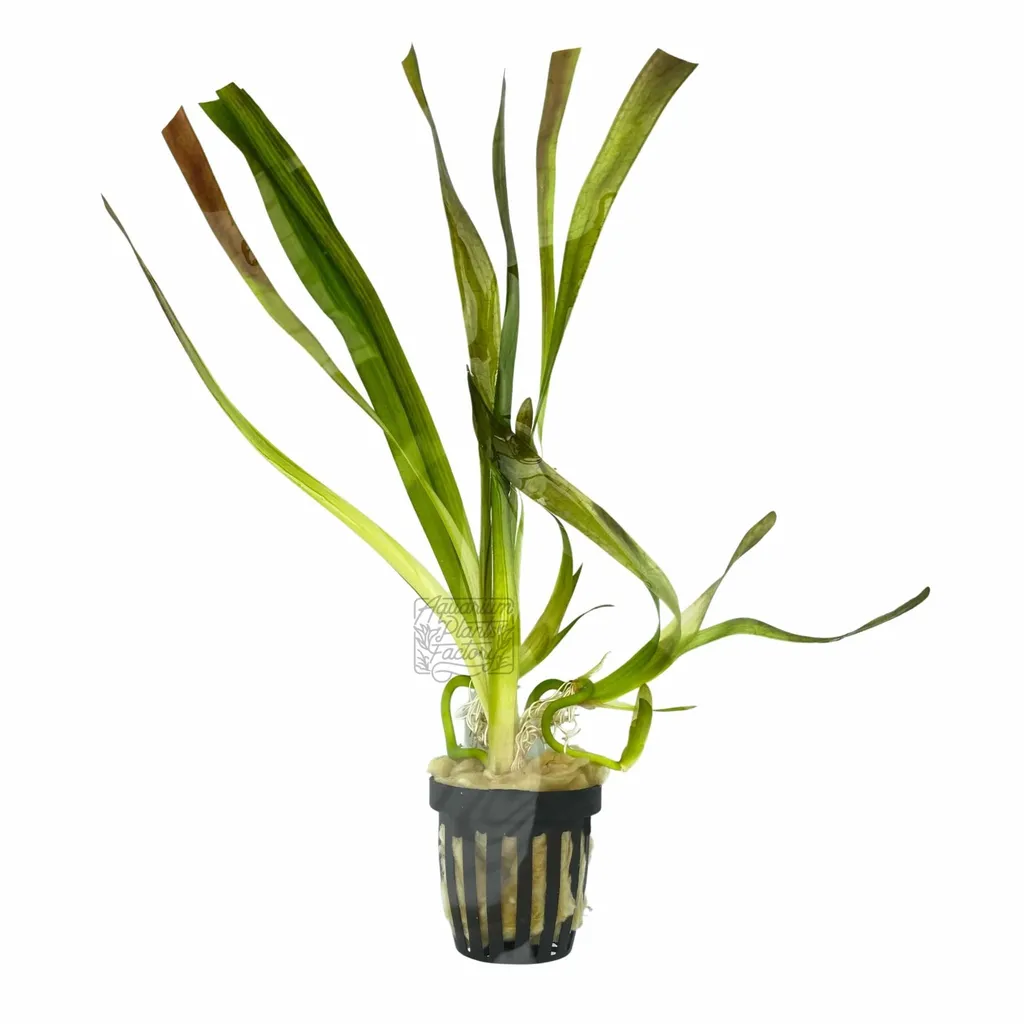 Low lightBackground59.1 in (150 cm)
Giant vallisneria
Vallisneria australis
Low light · Background
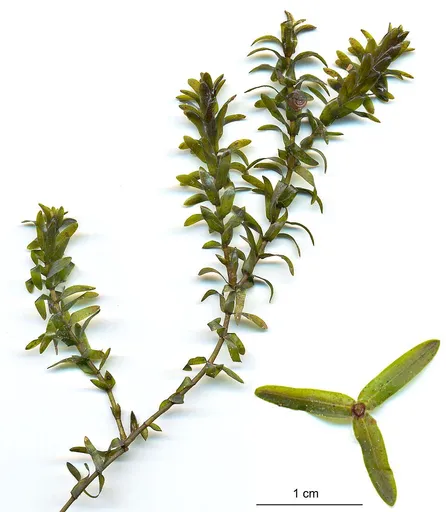 Low lightBackground23.6 in (60 cm)
Canadian waterweed
Elodea canadensis
Low light · Background
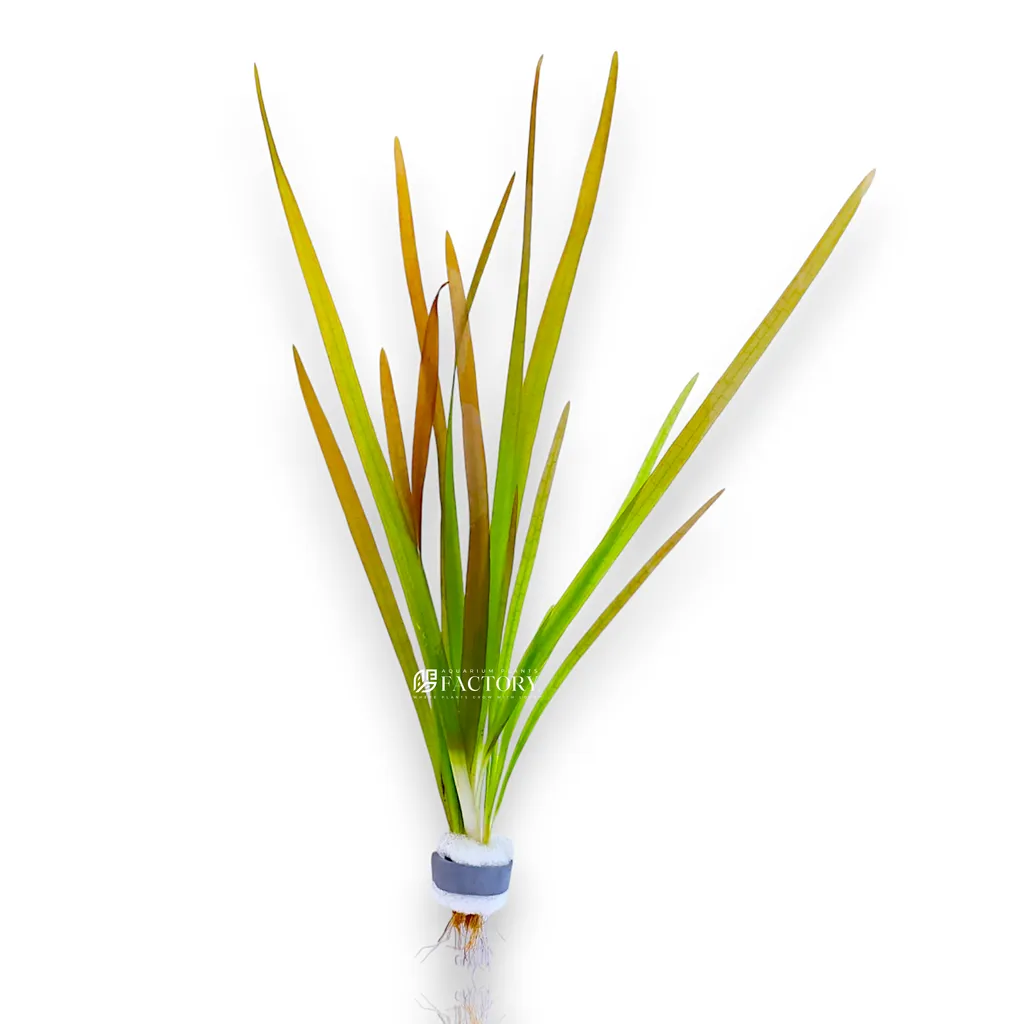 Medium lightBackground23.6 in (60 cm)
Vallisneria Rubra
Vallisneria australis 'Rubra'
Medium light · Background
- Medium lightBackground23.6 in (60 cm)
Corkscrew val
Vallisneria natans
Medium light · Background
- Medium lightBackground23.6 in (60 cm)
Vallisneria nana Tiger
Vallisneria nana 'Tiger'
Medium light · Background