Corkscrew val
Vallisneria natans
Also known as Corkscrew vallisneria, Twisted vallisneria, Vallisneria asiatica, Vallisneria spiralis 'Asiatica', Vallisneria americana 'Asiatica', Vallisneria torta
FreshwaterRosetteRunners
Care at a glance
- Light
- Medium light
- CO2
- No CO₂ needed
- Temperature
- 64–82°F
- 18–28°C
- Max height
- 23.6 in
- 60 cm
- Growth rate
- Fast
- Placement
- Background
- Type
- Rosette
- pH
- 6.5–8.0
- Hardness
- 4–18 dGH
- Spread
- 7.9 in (20 cm)
- Nutrient uptake
- Root feeder
- Growth region
- Submersed
- Difficulty
- Beginner
- Family
- Hydrocharitaceae
- Origin
- Eastern and Southeast Asia
Overview
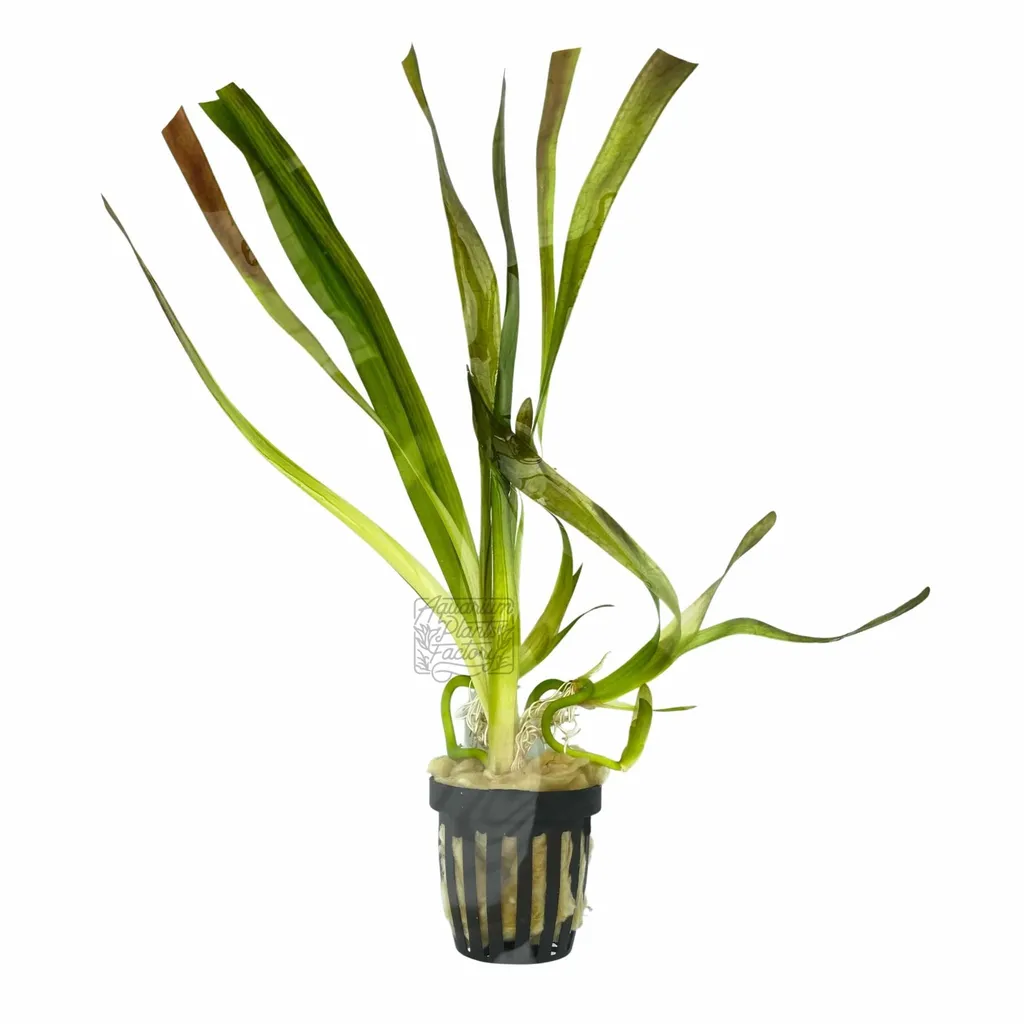
Corkscrew val is a hardy rosette plant for the background, with leaves that twist like a corkscrew. It suits beginners.
Did you know
Corkscrew val relies on the water surface to breed. A female flower spirals up on a long stalk to the waterline, and a free male flower detaches and floats over to it. After pollination the coiled stalk contracts and pulls the developing seed back underwater.
Caring for corkscrew val
Bury the roots of corkscrew val in any substrate, with the white base of the crown just above it. Do not bury the crown itself.
Corkscrew val wants medium light and no added CO2. It draws most of its nutrients through its roots, so push root tabs in near it, especially in lean gravel. It grows at 64 to 82°F (18 to 28°C) and a pH of 6.5 to 8.
It grows fast and spreads aggressively by runners, so expect to thin it regularly. Cut a daughter plant free once it has roots and replant it. Avoid liquid carbon products with glutaraldehyde, which can melt it.
Good to know
Corkscrew val belongs to the tape-grass family, Hydrocharitaceae. Its trade name Vallisneria asiatica is now treated as a synonym of Vallisneria natans (Lour.) H.Hara under Kew's Plants of the World Online. Most cultivated corkscrew vals fall within the V. natans and V. spiralis complexes rather than forming a distinct species. It is also sold as twisted vallisneria or Vallisneria torta. Vallisneria is dioecious, with separate male and female plants.
In the wild
Corkscrew val comes from still and slow-flowing fresh water in eastern and Southeast Asia. Its tape-like leaves grow in dense rooted stands and trail along the surface where the water flows. It spreads by runners into thick underwater meadows.
Common questions
Does corkscrew val need to be planted in the substrate?
Yes. Bury the roots and leave the crown, where the leaves join, just above the substrate.
Does corkscrew val need CO2?
No. Corkscrew val grows well without added CO2.
How much light does corkscrew val need?
Corkscrew val wants medium light. A light sold for planted tanks covers it.
Does corkscrew val need root tabs?
Yes. Corkscrew val draws much of its food through its roots. Push root tabs in near it, or grow it in a nutrient-rich soil.
How do you propagate corkscrew val?
Corkscrew val propagates by runners. New plants grow along its runners. Cut one free once it has roots and plant it.
How tall does corkscrew val grow?
Corkscrew val grows to about 23.6 in (60 cm) tall. It grows fast, so expect to trim it often.
Related plants
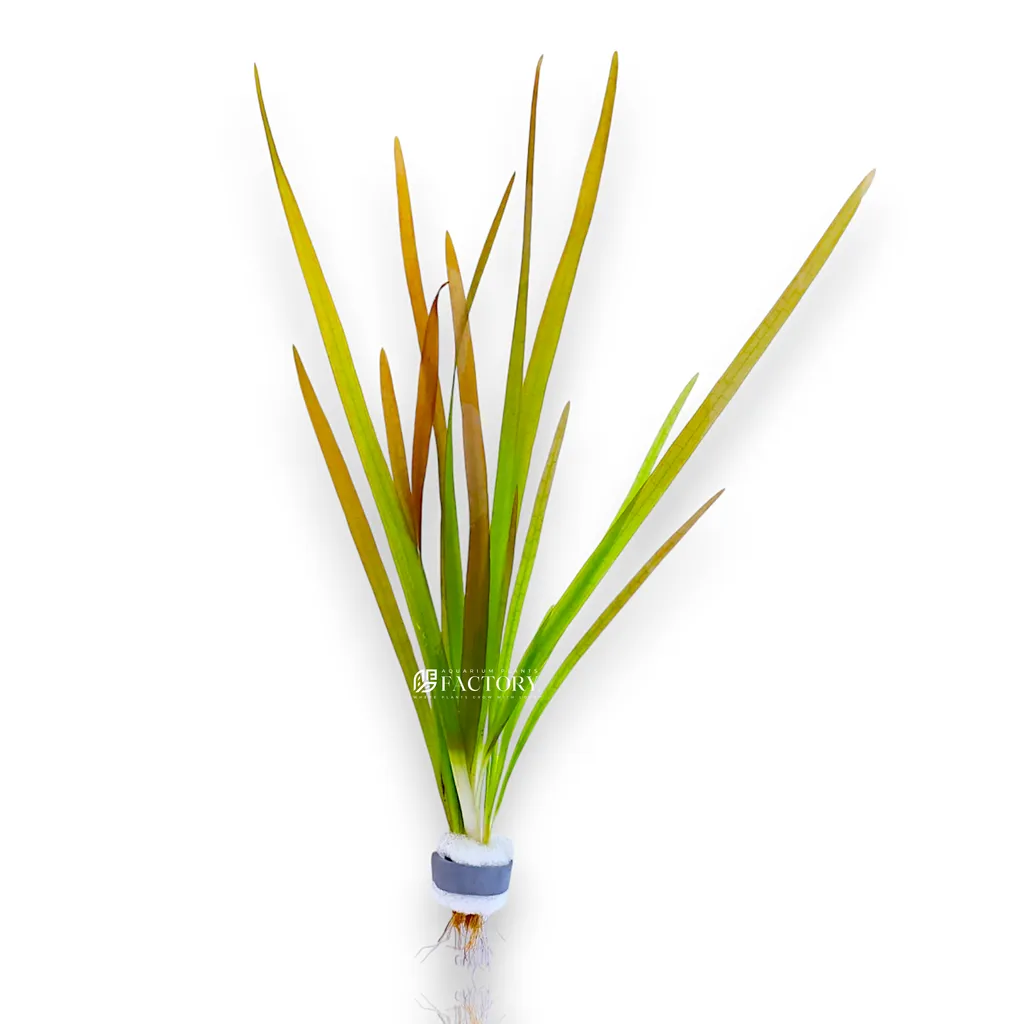 Medium lightBackground23.6 in (60 cm)
Vallisneria Rubra
Vallisneria australis 'Rubra'
Medium light · Background
- Medium lightBackground23.6 in (60 cm)
Vallisneria nana Tiger
Vallisneria nana 'Tiger'
Medium light · Background
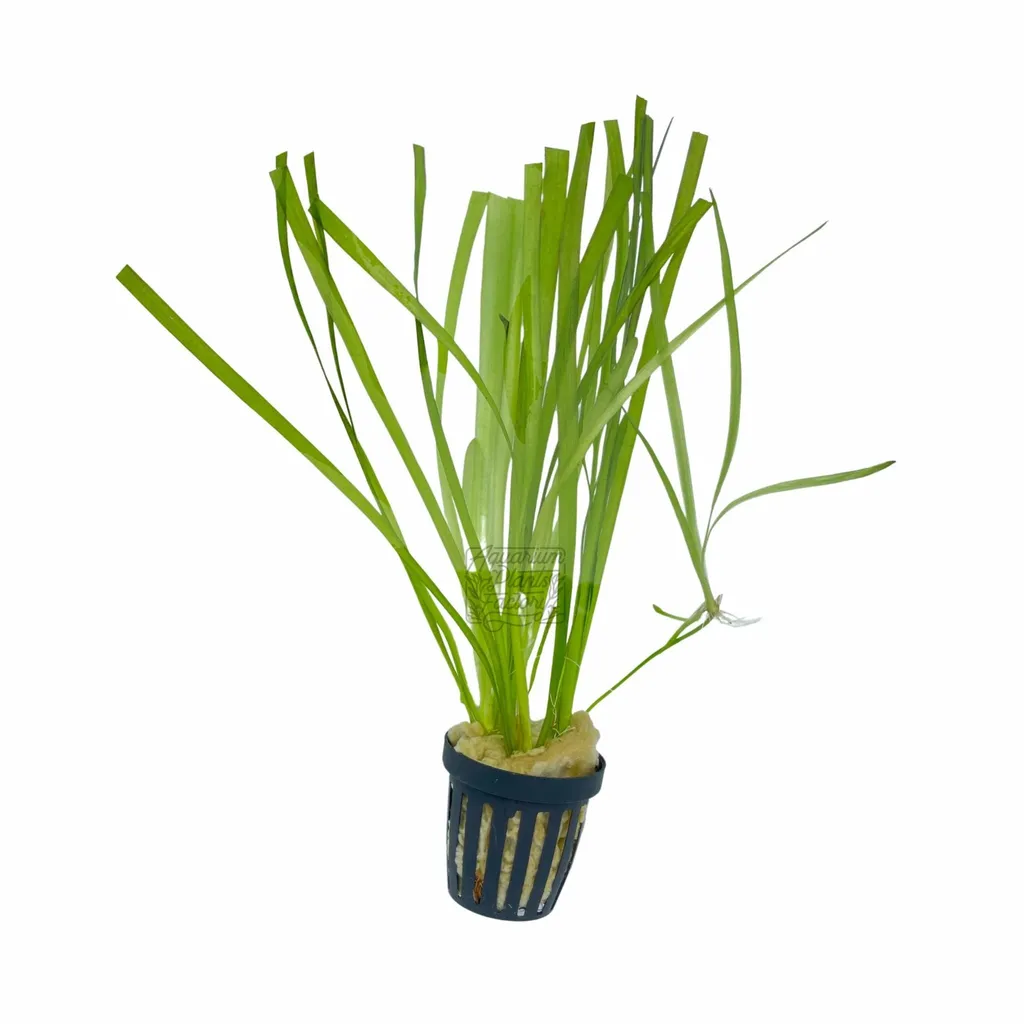 Medium lightBackground19.7 in (50 cm)
Vallisneria spiralis
Medium light · Background
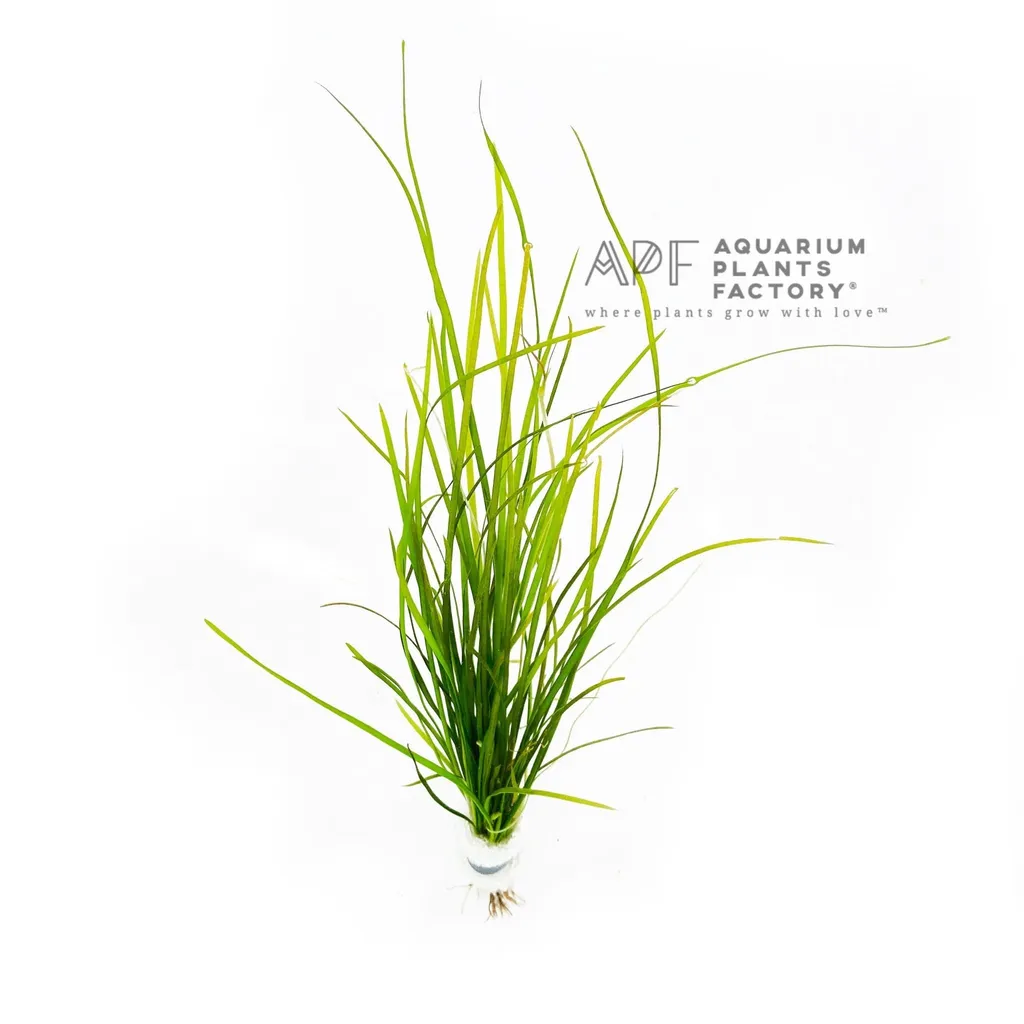 Medium lightBackground15.7 in (40 cm)
Dwarf vallisneria
Vallisneria nana
Medium light · Background
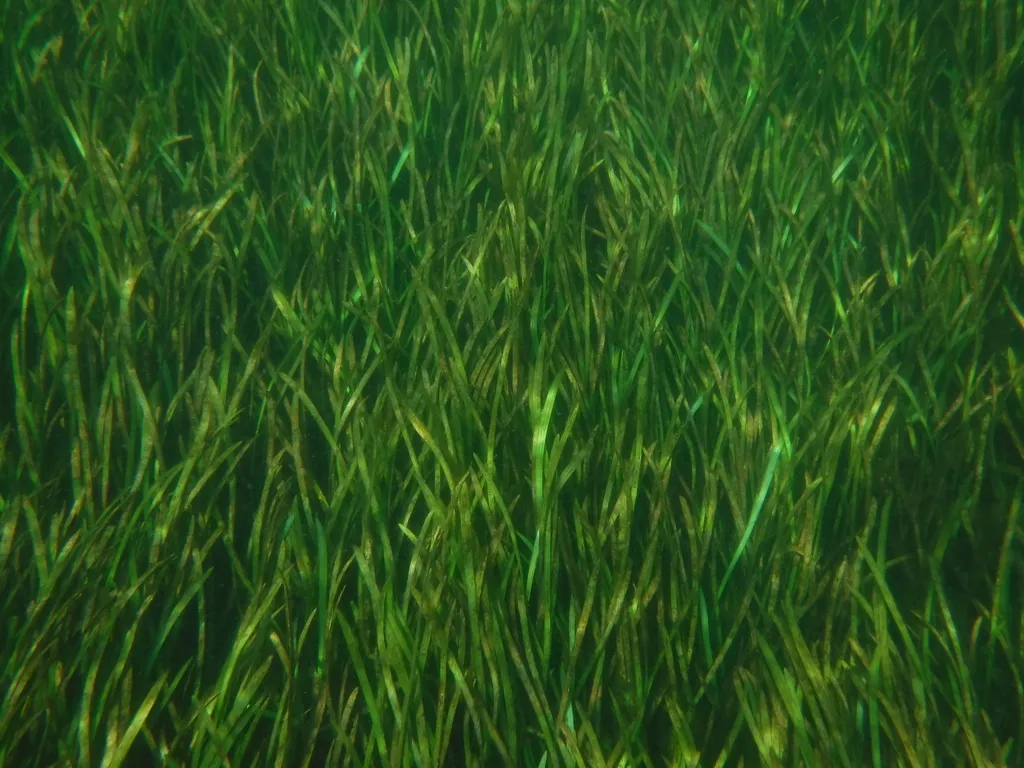 Low lightBackground39.4 in (100 cm)
Jungle val
Vallisneria americana
Low light · Background
 Low lightBackground59.1 in (150 cm)
Giant vallisneria
Vallisneria australis
Low light · Background